纺织学报 ›› 2025, Vol. 46 ›› Issue (11): 34-42.doi: 10.13475/j.fzxb.20250305801

• 纤维材料 • 上一篇    下一篇

自黏型玉米醇溶蛋白基超细纤维膜的制备及其性能

刘飞1,2, 刘璐1,2, 郑智超1,2, 刘俊宏1,2, 吴德群1,2, 蒋秋冉1,2()   

  1. 1.东华大学 纺织面料技术教育部重点实验室, 上海 201620
    2.东华大学 纺织学院, 上海 201620
  • 收稿日期:2025-03-26 修回日期:2025-06-25 出版日期:2025-11-15 发布日期:2025-11-15
  • 通讯作者: 蒋秋冉(1982—),女,副教授,博士。主要研究方向为微纳米纺织功能材料。E-mail:jj@dhu.edu.cn
  • 作者简介:刘飞(1997—),女,博士生。主要研究方向为纤维基柔性传感器。
  • 基金资助:
    东华大学魏桥教研创新基金项目(H1012308);中央高校基本科研业务费专项资金资助项目(2232022D-13);东华大学研究生创新基金项目(CUSF-DH-D-2022034)

Preparation and properties of self-adhesive Zein-based ultrafine fibrous mats

LIU Fei1,2, LIU Lu1,2, ZHENG Zhichao1,2, LIU Junhong1,2, WU Dequn1,2, JIANG Qiuran1,2()   

  1. 1. Key Laboratory of Textile Science & Technology, Ministry of Education, Donghua University, Shanghai 201620, China
    2. College of Textiles, Donghua University, Shanghai 201620, China
  • Received:2025-03-26 Revised:2025-06-25 Published:2025-11-15 Online:2025-11-15

摘要:

为解决蛋白基超细纤维因缺乏黏性难以适配柔性传感器应用需求的问题,提出一种多巴胺辅助离子螯合改性方法,以赋予玉米醇溶蛋白超细纤维自黏性。基于环氧交联玉米醇溶蛋白基底,通过多巴胺接枝、自聚合和铁离子螯合构建自黏性蛋白纤维膜,并揭示多巴胺处理参数和活化参数对剥离强度、表面形貌和化学结构的影响。结果表明,在维持超细纤维结构的前提下,蛋白纤维膜实现强而持久的自黏性(剥离强度高达0.45 N/mm,持续8 h以上),且对多种材料表面(玻璃、金属、树脂、树叶和猪皮)具有黏附普适性;改性后的玉米醇溶蛋白超细纤维展现出较优的细胞相容性,具有体内外应用潜力,可在人体运动(如静坐、站立和行走)时实现心电信号监测。

关键词: 玉米醇溶蛋白, 超细纤维膜, 环氧交联, 多巴胺改性, 心电电极, 柔性传感器, 心电信号监测

Abstract:

Objective Flexible electronic devices have been employed in real-time physiological signal monitoring and disease diagnosis. Owing to their natural origin and biocompatibility, there is an increasing interest in biodegradable protein-based devices. However, due to inadequate interfacial adhesion between protein substrate and biological tissue, challenges arise in maintaining long-term conformal contact during human motion monitoring, which restricts medical applications of protein-based sensors and electrodes. Therefore, the adhesion modification of protein ultrafine fibrous devices is crucial for advancing naturally derived wearable electronic devices in human health monitoring.
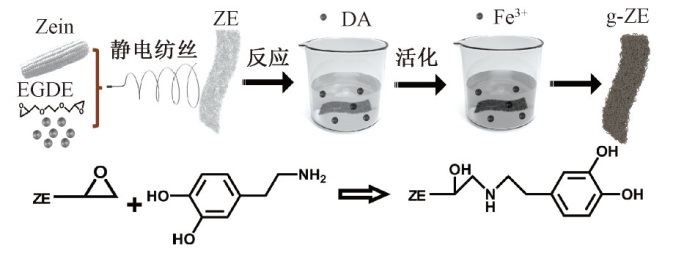
Method A dopamine-assisted ion chelation modification method was proposed to enhance the self-adhesion of zein ultrafine fibers. The process encompassed dopamine hydrochloride (DA) grafting, DA self-polymerization, and iron-ion chelation, all occurring within the epoxy/protein cross-linking network. Furthermore, the effects of DA process parameters, including solvent system, pH value, concentration, temperature, stirring speed, and reaction time of the DA bath, as well as activation treatment parameters such as concentration and reaction time of the iron-ion bath on adhesion (peeling strength), fiber morphology, and chemical structures were investigated.
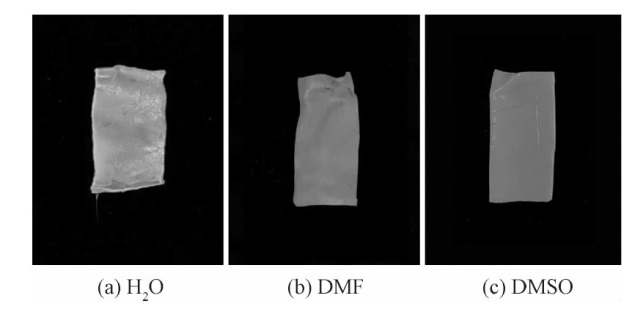
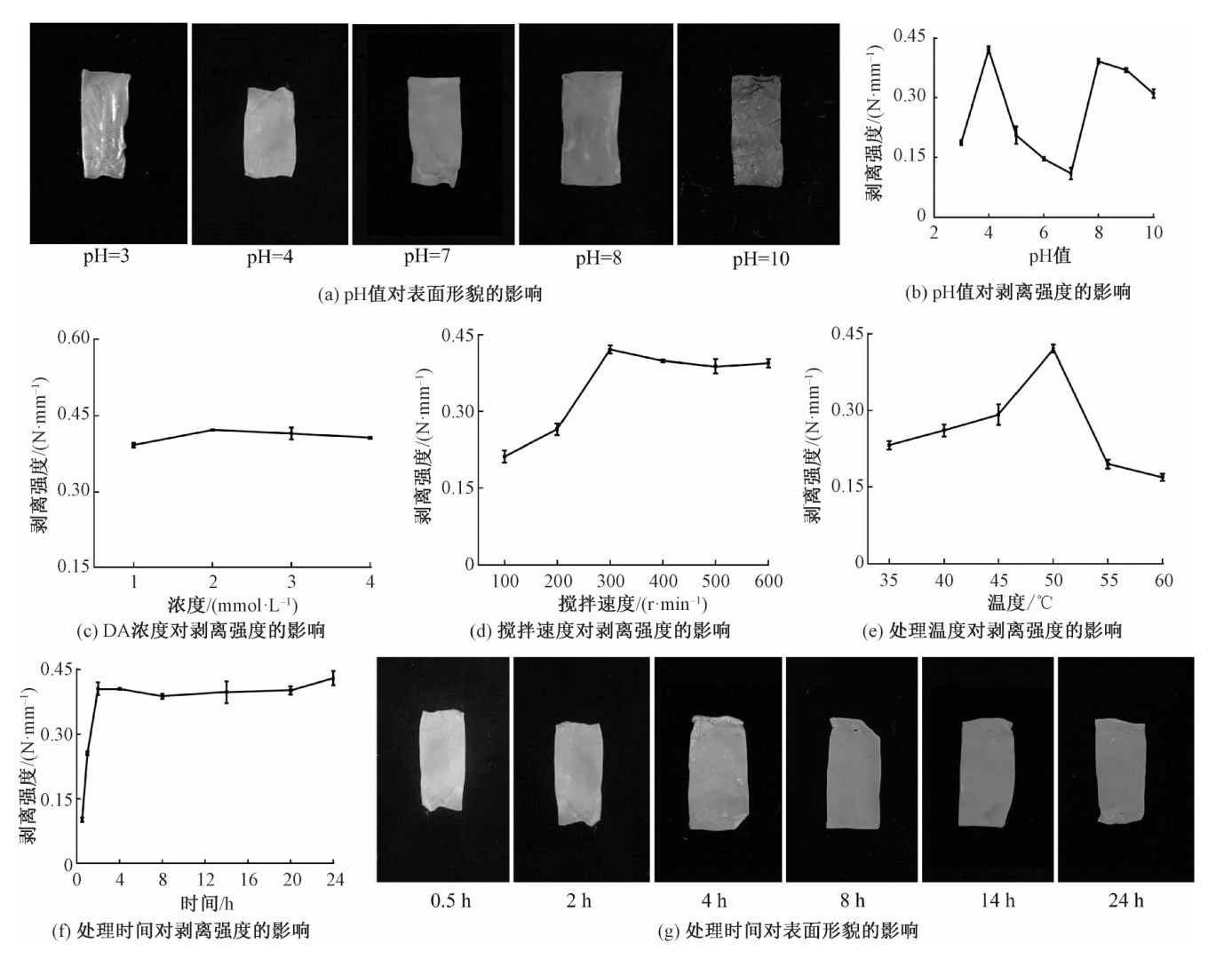
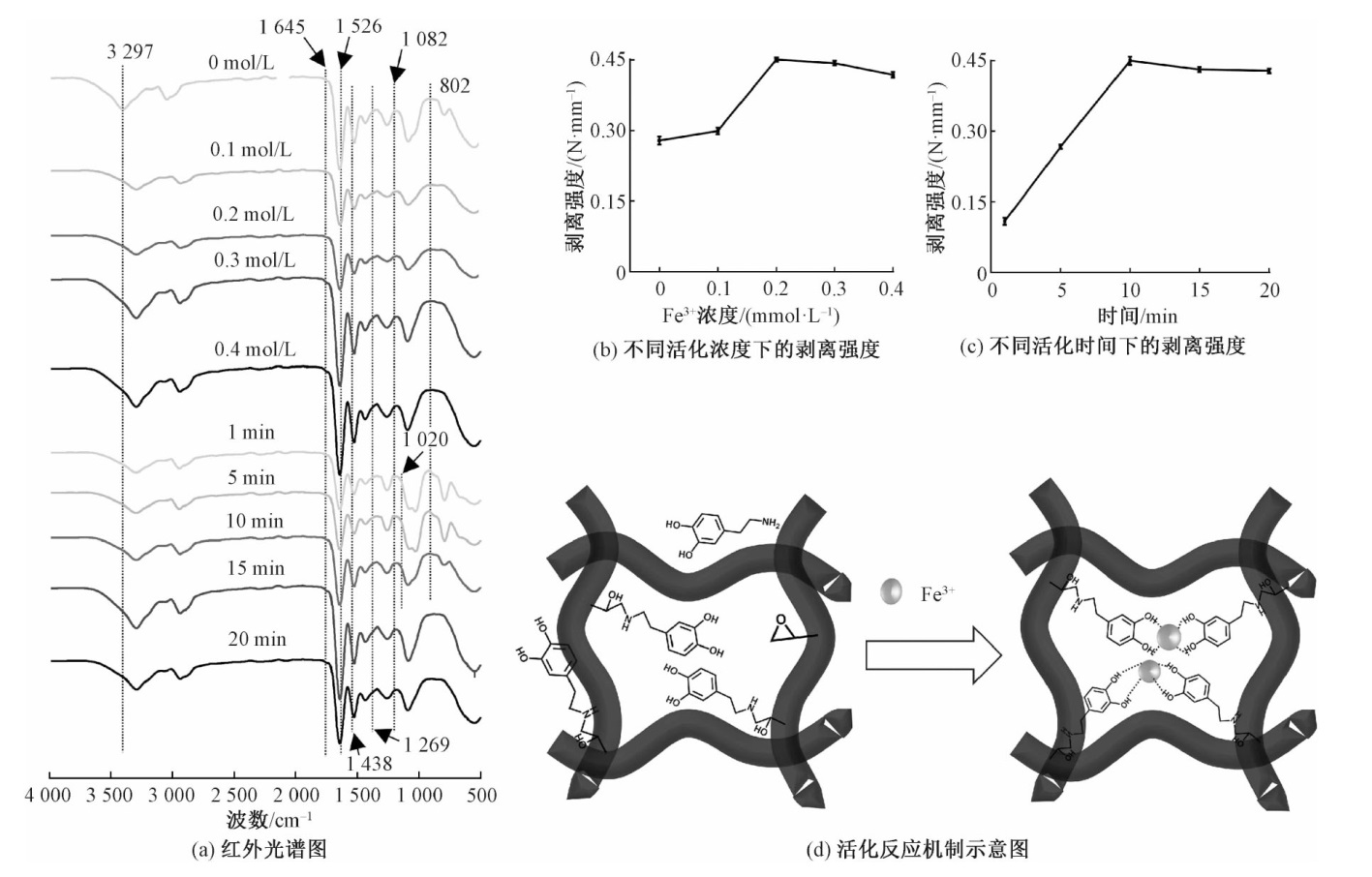
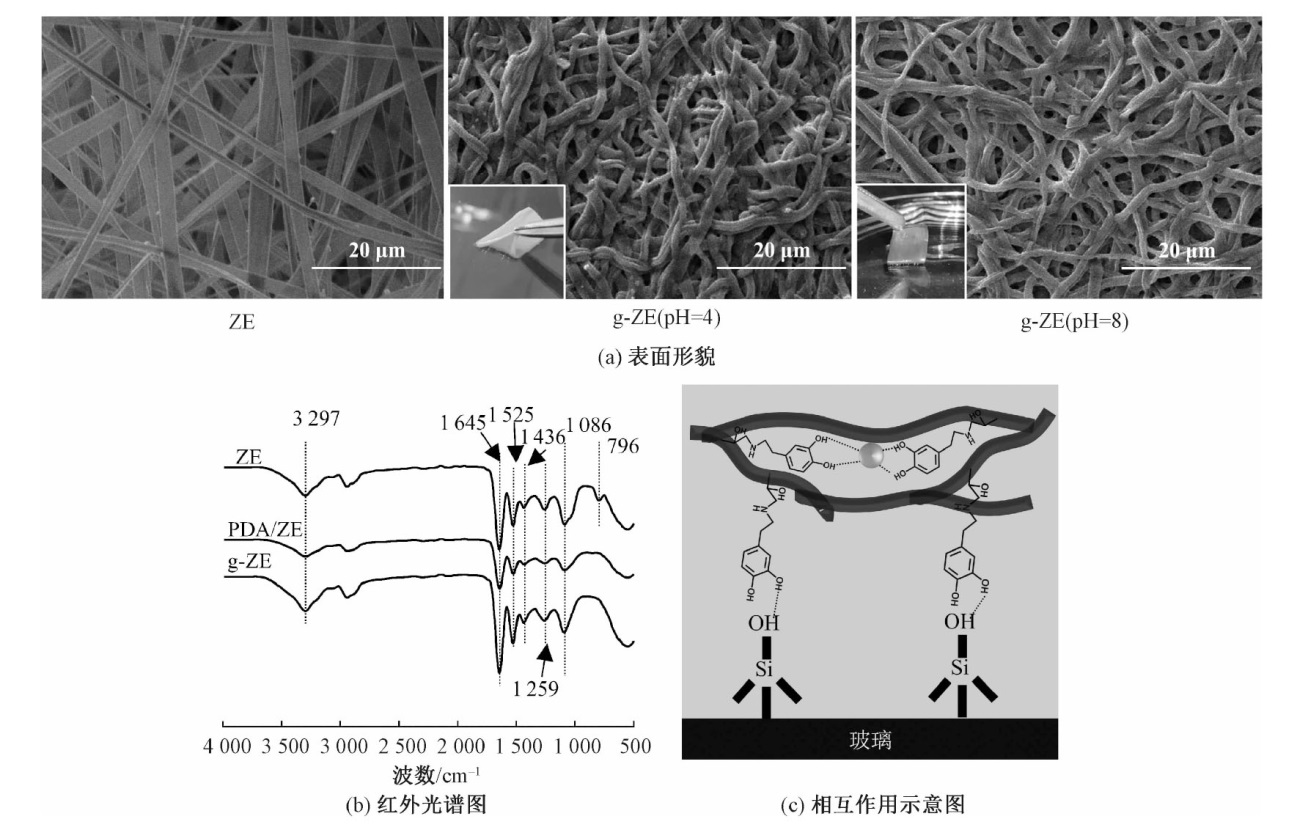
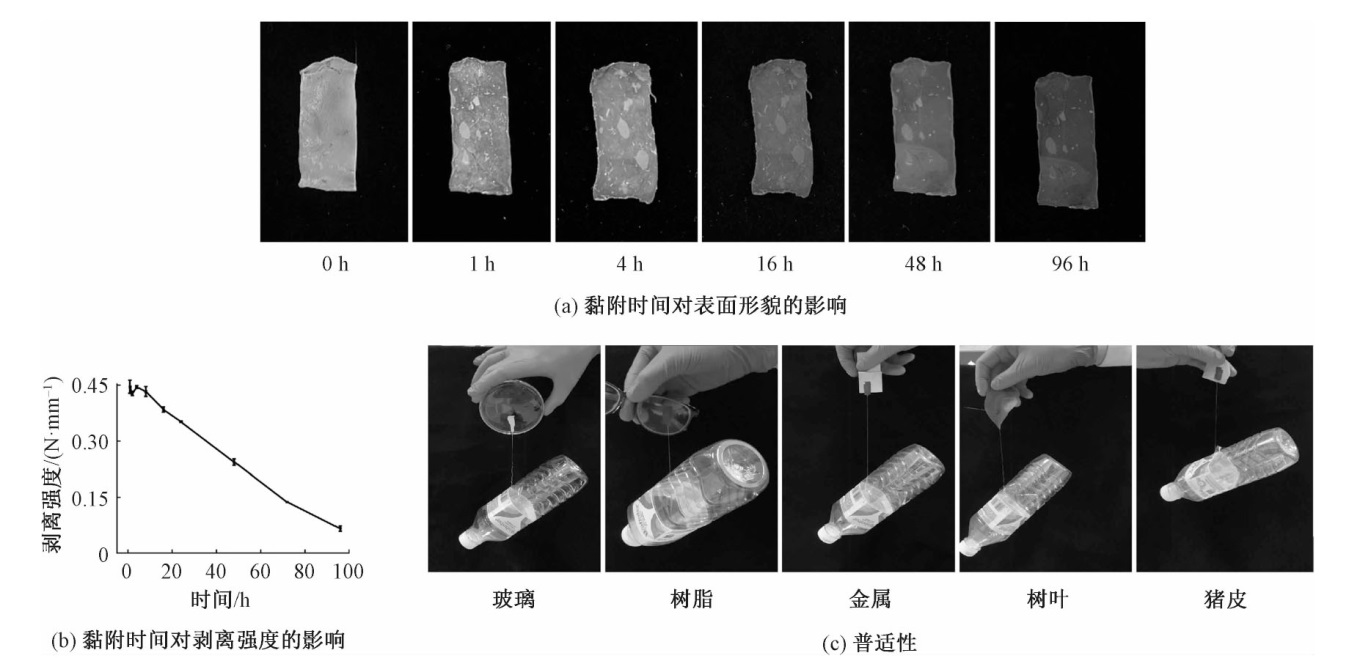
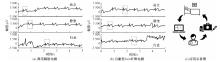
Results Compared with samples in water or dimethyl sulfoxide (DMSO), the obtained samples in N,N-dimethylformamide (DMF) solution demonstrated the highest peeling strength. The porous structure and adhesion modification of fiber mats could not be achieved in strongly acidic, alkaline or neutral (pH=7) environments, while the DA grafting efficiency was high at pH=4 or 8. The grafting saturation was achieved under the following conditions: DA concentration of 1 mmol/L, stirring speed of 300 r/min, reaction time of 2 h and reaction temperature of 50 ℃, when the peeling strength was up to 0.40 N/mm. Since the chelation of iron ions promoted the opening of epoxy groups, the coordination bonds between DA and Zein/epoxy crosslinked fiber mat (ZE) was formed. Consequently, after the ion treatment at a concentration of 0.2 mmol/L and a reaction time of 10 min, the interaction such as hydrogen bonds between the glass surface and grafted Zein/epoxide (g-ZE) samples were established, leading to a high peel strength of 0.45 N/mm. After grafting treatment, the diameter of samples with optimal parameters was around 0.32 μm, the fiber structure transformed from belts to curled belts and color appeared translucent white. In FT-IR spectra, the characteristic peaks of DA and polydopamine (PDA) did not include those of epoxy group, proving that the residue epoxy groups have been completely consumed. Additionally, the total intensity of the characteristic peak of g-ZE was higher than that of polydopamine coated fiber mat (PDA/ZE) due to the covering of PDA layer. In the aging experiment, the peeling strength maintained at 97% after 8 h, but subsequently decreased to 14.86% after 96 h. Moreover, g-ZE demonstrated the ability to adhere to five different surfaces, and the relative growth rate of L929 cells was recorded at an impressive 123.20% with a cytotoxicity grade of zero. For medical applications, the P, QRS, and T peaks of the electrocardiogram (ECG) signals obtained by g-ZE were comparable to those of commercial gel electrodes under both standing and sitting conditions, thereby demonstrating the feasibility of electrophysiological signal monitoring.
Conclusion The study shows that g-ZE preserves the porous ultrafine fibrous structure, achieves DA and PDA grafting to epoxy groups, and demonstrates high adhesion durability. It exhibits universal adhesion to a variety of surfaces, including glass, metals, resins, leaves, and pork skin, with a peel strength of no less than 0.36 N/mm. Additionally, g-ZE shows a high cell proliferation rate and excellent cytocompatibility, making it suitable for in-vivo and in-vitro applications. It can also be attached to the human skin for stable monitoring of static ECG signals. This work presents a straightforward and effective adhesion modification strategy for protein-based ultrafine fiber mats. Moreover, it supports a novel approach for developing environmentally friendly, hypoallergenic, air and moisture permeable, and skin-adhesive medical diagnostic devices.

Key words: Zein, ultrafine fibrous mat, epoxy crosslinking, dopamine modification, electrocardiogram electrode, flexible sensor, electrocardiogram signal detection

中图分类号: 

  • TS181.8

图1

改性流程示意图"

表1

细胞毒性评价标准分级"

分级/级 细胞相对增值率 结果评价
0 ≥100% 合格
1 75%~99% 合格
2 50%~74% 结合细胞形态综合分析
3 25%~49% 不合格
4 1%~24% 不合格
5 0% 不合格

图2

多巴胺溶液体系对接枝改性膜形貌的影响"

图3

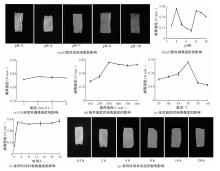
多巴胺反应参数对接枝改性效果的影响"

图4

活化参数对改性效果的影响"

图5

自黏性Zein纤维膜微观结构与化学结构"

图6

Zein蛋白纤维膜的黏附性能"

表2

纤维膜浸提液的吸光度值、相对增值率及相应细胞毒性分级"

组别 吸光度 相对增值率/% 细胞毒性/级
ZE 0.429±0.032 69.61 2
g-ZE 0.494±0.053 123.20 0
阴性对照组 0.462±0.014 96.96 1
阳性对照组 0.364±0.008 15.47 4

图7

佩戴相应电极采集到3种姿态下的心电信号及应用示意图"

[1] LIU S Y, RAO Y F, JANG H, et al. Strategies for body-conformable electronics[J]. Matter, 2022, 5(4): 1104-1136.
doi: 10.1016/j.matt.2022.02.006
[2] SOMEYA T, AMAGAI M. Toward a new generation of smart skins[J]. Nature Biotechnology, 2019, 37(4): 382-388.
doi: 10.1038/s41587-019-0079-1 pmid: 30940942
[3] REDDY N, REDDY R, JIANG Q R. Crosslinking biopolymers for biomedical applications[J]. Trends in Biotechnology, 2015, 33(6): 362-369.
doi: 10.1016/j.tibtech.2015.03.008 pmid: 25887334
[4] AGHABABAEI F, MCCLEMENTS D J, MARTINEZ M M, et al. Electrospun plant protein-based nanofibers in food packaging[J]. Food Chemistry, 2024, 432: 137236.
doi: 10.1016/j.foodchem.2023.137236
[5] JIANG Q R, REDDY N, YANG Y Q. Cytocompatible cross-linking of electrospun zein fibers for the development of water-stable tissue engineering scaffolds[J]. Acta Biomaterialia, 2010, 6(10): 4042-4051.
doi: 10.1016/j.actbio.2010.04.024 pmid: 20438870
[6] LIU L, JIANG J C, JIN X Y, et al. Epoxide cross-linked and lysine-blocked zein ultrafine fibrous scaffolds with prominent wet stability and cytocompatibility[J]. ACS Applied Polymer Materials, 2021, 3(8): 3855-3866.
doi: 10.1021/acsapm.1c00439
[7] LIU L, LI R, LIU F, et al. Highly elastic and strain sensing corn protein electrospun fibers for monitoring of wound healing[J]. ACS Nano, 2023, 17(10): 9600-9610.
doi: 10.1021/acsnano.3c03087 pmid: 37130310
[8] LIU Y L, AI K L, LU L H. Polydopamine and its derivative materials: synthesis and promising applications in energy, environmental, and biomedical fields[J]. Chemical Reviews, 2014, 114(9): 5057-5115.
doi: 10.1021/cr400407a pmid: 24517847
[9] ZHANG L, CHEN L, WANG S H, et al. Cellulose nanofiber-mediated manifold dynamic synergy enabling adhesive and photo-detachable hydrogel for self-powered E-skin[J]. Nature Communications, 2024, 15: 3859.
doi: 10.1038/s41467-024-47986-y pmid: 38719821
[10] CHANG C, WANG T R, HU Q B, et al. Zein/caseinate/pectin complex nanoparticles: formation and characterization[J]. International Journal of Biological Macromolecules, 2017, 104: 117-124.
doi: S0141-8130(17)31552-0 pmid: 28579466
[11] YU M N, LIU M M, ZHANG D D, et al. Lubricant-grafted omniphobic surfaces with anti-biofouling and drag-reduction performances constructed by reactive organic-inorganic hybrid microspheres[J]. Chemical Engineering Journal, 2021, 422: 130113.
doi: 10.1016/j.cej.2021.130113
[12] SHEN Y B, WANG B L, LI D, et al. Catechol-modified epoxy backbones for multifunctional and ultra-tough thermoset[J]. Chemical Engineering Journal, 2023, 455: 140889.
doi: 10.1016/j.cej.2022.140889
[1] 吴乐然, 吴霓欢, 李林耿, 钟意, 陈鸿鹏, 汤南. 负载厚朴酚的抗菌纳米纤维膜的制备及其性能[J]. 纺织学报, 2025, 46(10): 30-38.
[2] 傅林, 钱建华, 单江音, 林灵, 卫梦蓉, 翁可欣, 吴晓睿. 银纳米线/聚氨酯纳米纤维膜柔性传感器制备及其性能[J]. 纺织学报, 2025, 46(09): 74-83.
[3] 张金芹, 李晶, 肖明, 毕曙光, 冉建华. 聚苯乙烯/还原氧化石墨烯微球传感电热织物的自组装法制备[J]. 纺织学报, 2025, 46(05): 202-213.
[4] 岳甜甜, 郑帅, 胡静, 刘宇清, 林金友. 对喷静电纺玉米醇溶蛋白/乙烯-乙烯醇共聚物复合过滤器的制备及其性能[J]. 纺织学报, 2024, 45(11): 21-28.
[5] 何崟, 邓凌, 林美霞, 李倩倩, 肖爽, 刘皓, 刘莉. 冬季运动智能柔性人台关键技术开发[J]. 纺织学报, 2024, 45(02): 221-230.
[6] 万爱兰, 沈新燕, 王晓晓, 赵树强. 聚多巴胺修饰还原氧化石墨烯/聚吡咯导电织物的制备及其传感响应特性[J]. 纺织学报, 2023, 44(01): 156-163.
[7] 赵博宇, 李露红, 丛洪莲. 棉/Ti3C2导电纱制备及其电容式压力传感器的性能[J]. 纺织学报, 2022, 43(07): 47-54.
[8] 荣凯, 樊威, 王琪, 张聪, 于洋. 二维过渡金属碳/氮化合物复合纤维在智能可穿戴领域的应用进展[J]. 纺织学报, 2021, 42(09): 10-16.
[9] 张林, 李至诚, 郑钦元, 董隽, 章寅. 基于静电纺丝的柔性各向异性应变传感器的制备及其性能[J]. 纺织学报, 2021, 42(05): 38-45.
[10] 肖渊, 李红英, 李倩, 张威, 杨鹏程. 棉织物/聚二甲基硅氧烷复合介电层柔性压力传感器制备[J]. 纺织学报, 2021, 42(05): 79-83.
[11] 张亦可, 贾凡, 桂澄, 晋蕊, 李戎. 碳纳米管/聚偏氟乙烯纳米纤维膜的制备及其压电性能[J]. 纺织学报, 2021, 42(03): 44-49.
[12] 于佳, 辛斌杰, 卓婷婷, 周曦. 高导电性铜/聚吡咯涂层羊毛织物的制备与表征[J]. 纺织学报, 2021, 42(01): 112-117.
[13] 张亦可, 贾凡, 桂澄, 晋蕊, 李戎. 聚偏氟乙烯/FeCl3复合纤维膜柔性传感器的制备及其性能[J]. 纺织学报, 2020, 41(12): 13-20.
[14] 刘雷艮, 沈忠安, 林振锋, 陶金. 聚乳酸/壳聚糖/Fe3O4超细纤维膜对酸性蓝MTR的吸附性能及机制[J]. 纺织学报, 2020, 41(05): 20-24.
[15] 贾高鹏, 宋小红, 李莹, 刘晓丹, 潘雪茹. 铜镍金属涂层机织物拉伸过程中电流的响应[J]. 纺织学报, 2019, 40(10): 68-72.
Viewed
Full text


Abstract

Cited

  Shared   
  Discussed   
No Suggested Reading articles found!