纺织学报 ›› 2026, Vol. 47 ›› Issue (02): 181-187.doi: 10.13475/j.fzxb.20261003101

• 纺织工程 • 上一篇    下一篇

三维间隔织物/离子凝胶复合材料的光热电性能

代文居1,2, 张天雨1,2, 吴倩1,2, 支超1,2()   

  1. 1 西安工程大学 纺织科学与工程学院, 陕西 西安 710048
    2 功能性纺织材料及制品教育部重点实验室, 陕西 西安 710048
  • 收稿日期:2025-10-15 修回日期:2025-11-30 出版日期:2026-02-15 发布日期:2026-04-24
  • 通讯作者: 支超(1986—),男,教授,博士。主要研究方向为智能纺织品设计与性能优化、多相复合材料多场耦合仿真等。E-mail:zhichao@xpu.edu.cn
  • 作者简介:代文居(2003—),男,硕士生。主要研究方向为多功能纺织复合材料。
  • 基金资助:
    国家自然科学基金项目(52473079);中国纺织工业联合会应用基础研究计划项目(J202405);陕西省重点研发计划项目(2025CY-YBXM-045);陕西省自然科学基础研究计划资助项目(2025JC-YBQN-569);陕西省教育厅科研计划项目(23JP054)

Photothermoelectric properties of 3-D spacer fabric/ionogel composite materials

DAI Wenju1,2, ZHANG Tianyu1,2, WU Qian1,2, ZHI Chao1,2()   

  1. 1 School of Textile Science and Engineering, Xi'an Polytechnic University, Xi'an, Shaanxi 710048, China
    2 Key Laboratory of Functional Textile Materials and Products, Ministry of Education, Xi'an, Shaanxi 710048, China
  • Received:2025-10-15 Revised:2025-11-30 Published:2026-02-15 Online:2026-04-24

摘要:

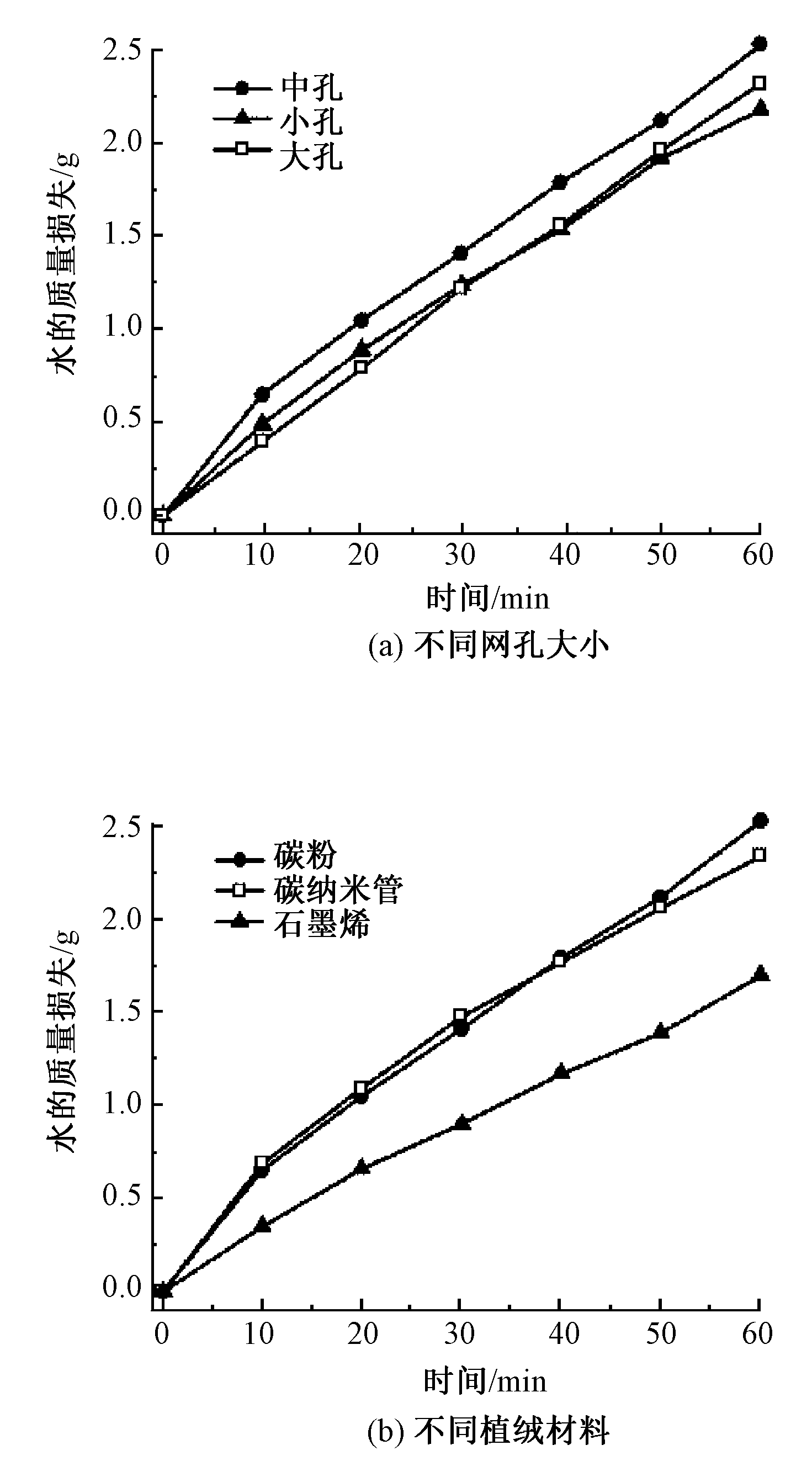
为提升太阳能利用效率,设计了一种基于针织间隔织物的双层结构器件以实现光热蒸发与热电发电。以二价/三价铁离子为氧化还原对,采用物理掺杂将聚二甲基硅氧烷(PDMS)和二氧化硅(SiO2)分别掺入聚乙烯醇(PVA)基体,并以间隔织物为骨架经冻融法制备热电离子凝胶层;结合在间隔织物表面静电植绒构建光热层,最终集成具有上、下分层结构的器件,并对其热电、光热、蒸发性能进行测试。结果表明:PVA-PDMS离子凝胶有更优的热电性能,其塞贝克系数达1.62 mV/K,最大输出功率达156.0 nW,电导率为1.73 S/m。在1 kW/m2光照下,碳粉植绒的中孔间隔织物有更高的表面温度与蒸发能力,蒸发速率达1.26 kg/(m2·h)。研究结果可为纺织结构光热/热电复合器件的设计制备提供参考。

关键词: 针织, 离子凝胶, 光热电性能, 光热蒸发, 复合材料, 三维间隔织物, 太阳能利用

Abstract:

Objective As widely used thermoelectric materials, ionogels offer advantages such as high ionic conductivity, excellent chemical stability, and a broad operating temperature range, but their mechanical properties are relatively poor. Due to their unique structure, outstanding mechanical properties, and mature industrialization, three-dimensional spacer fabrics exhibit distinct advantages for the development of high-performance and low-cost flexible materials. In this study, by integrating ionogels with knitted spacer fabrics, a double-layer structured device was designed to simultaneously achieve photothermal evaporation and thermoelectric power generation, thereby enhancing the solar energy utilization efficiency.

Method Using Fe2+/Fe3+ as the redox pair, polydimethylsiloxane (PDMS) and silicon dioxide (SiO2) were doped into polyvinyl alcohol (PVA) via physical blending method, respectively. By employing spacer fabric as the skeleton, ionogel (thermoelectric layer) was prepared by freeze-thaw. Different spacer fabrics, electrostatic-flocked with graphene/carbon nanotubes/carbon powder (photothermal layer) and integrated with cotton strip water channels, formed a bilayer structure (upper fabric, lower ionogel). Its Seebeck coefficient, output power, conductivity, photothermal and evaporation performances were studied.

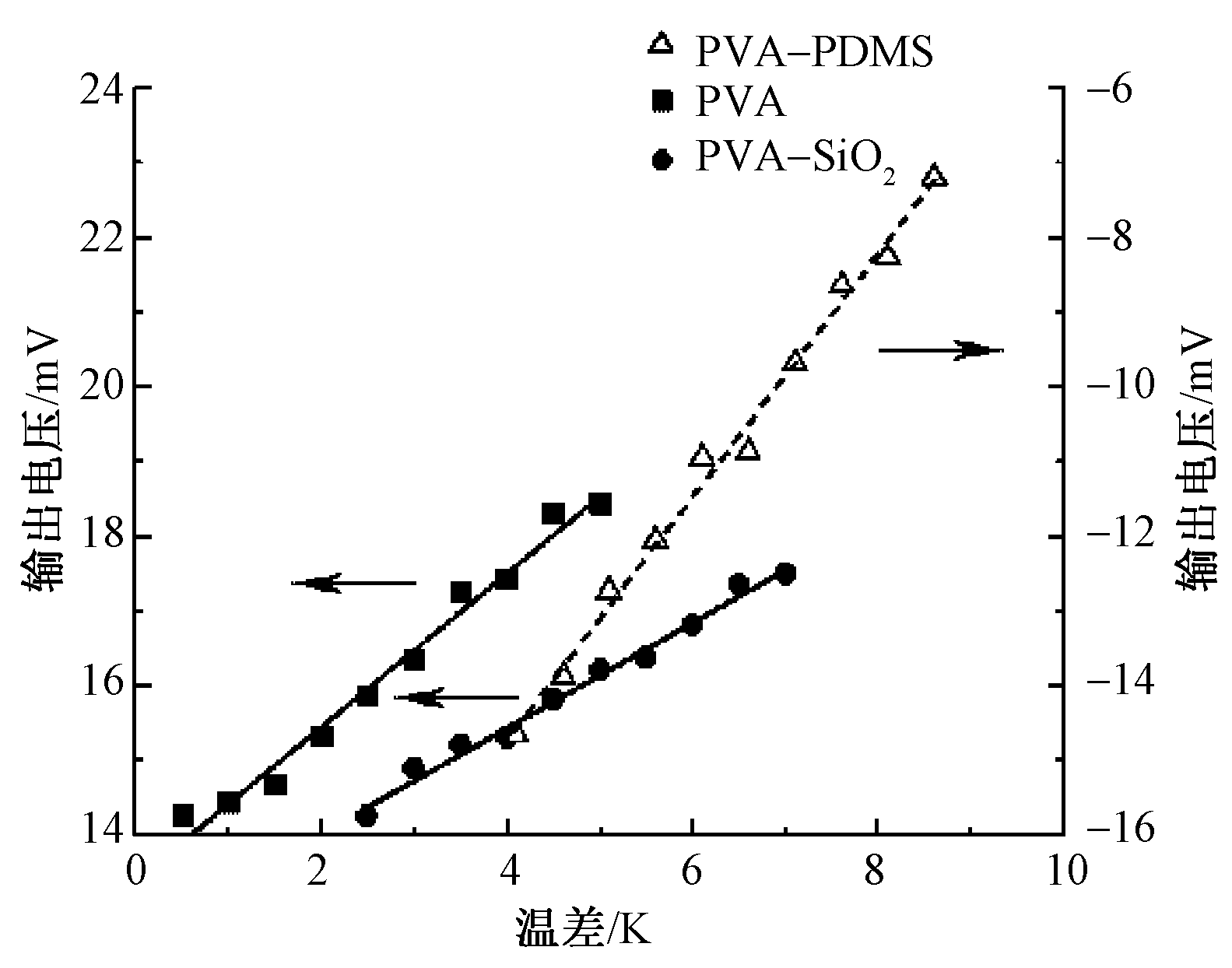
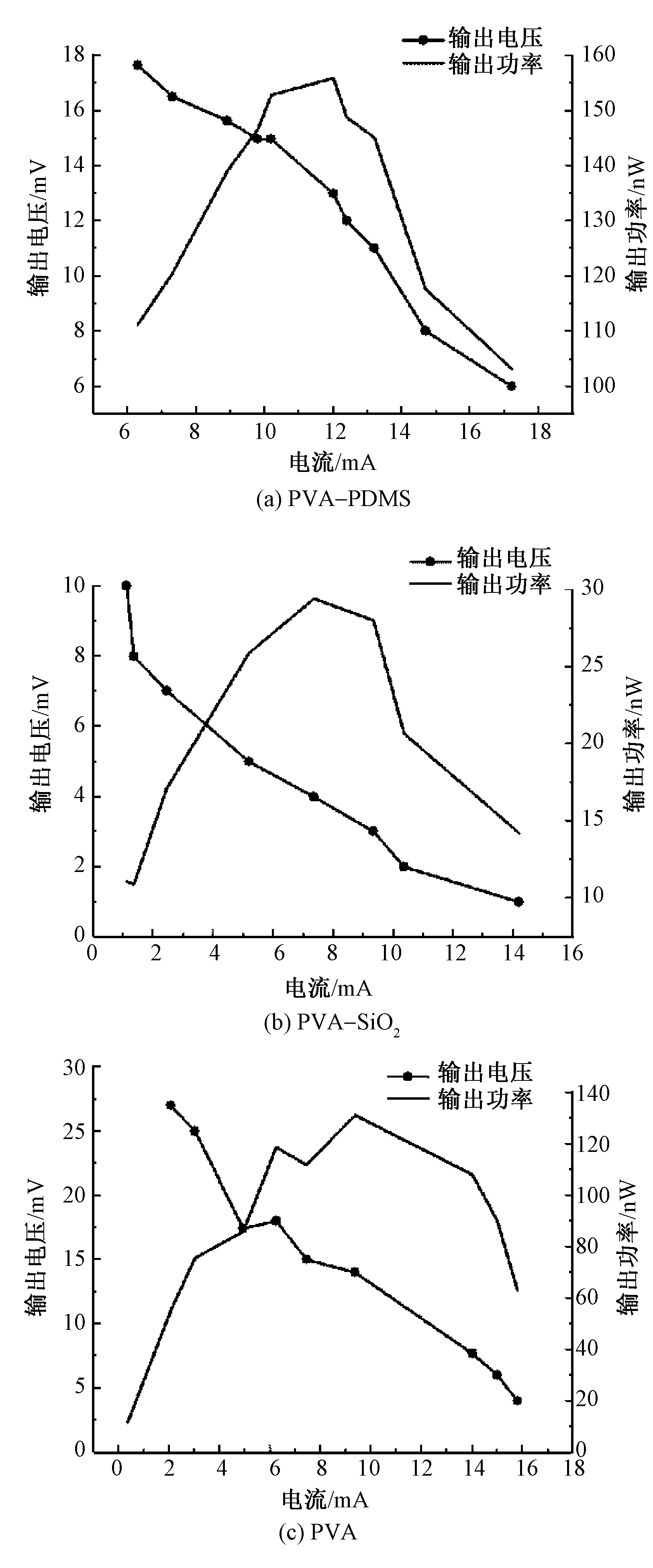
Results The study focused on three types of ionogels, namely, PVA-PDMS, PVA-SiO2, and pure PVA. Comprehensive characterization through Seebeck coefficient measurements, output power testing, and electrical conductivity assessments revealed that the incorporation of specific fillers into the PVA matrix significantly alters the thermoelectric properties. The doping with PDMS and SiO2 respectively demonstrated a pronounced impact on the ionogels' performance metrics. Among the three formulations, PVA-PDMS ionogel exhibited superior thermoelectric characteristics, achieving a Seebeck coefficient of 1.62 mV/K, a maximum output power of 156.0 nW, and an electrical conductivity of 1.73 S/m. Concurrently, the photothermal and evaporation capabilities were examined using a simulated solar irradiation system, consisting of a xenon lamp equipped with an AM 1.5 optical filter. A comparative analysis was performed on spacer fabrics of varying specifications that were functionalized with different electrostatic flocking materials, namely graphene, carbon nanotubes, and carbon powder. This evaluation aimed to determine the influence of both the fabric pore structure and the carbon-based coating material on the photothermal conversion efficiency and water evaporation rate. Under standardized testing conditions at an illumination intensity of 1 kW/m2, the medium-pore-sized spacer fabric modified with carbon powder electrostatic flocking demonstrated optimal performance. This particular configuration yielded enhanced photothermal response and the highest evaporation efficiency, reaching a notable evaporation rate of 1.26 kg/(m2·h). The research successfully integrated these components into a coherent bilayer architecture, comprising an upper spacer fabric layer for photothermal processes and a lower ionogel layer for thermoelectric conversion. This strategically designed photothermal-thermoelectric dual-layer composite structure demonstrates the feasibility of simultaneous and efficient solar energy harvesting for two distinct purposes, i.e., generating power through the thermoelectric effect and producing clean water via photothermal evaporation. This configuration confirms the feasibility of simultaneous and efficient solar energy harvesting for two distinct applications: thermoelectric power generation and photothermal water evaporation, thereby providing a viable approach for enhancing overall solar energy utilization efficiency.

Conclusion Through structural design, a spacer fabric and an ionogel were integrated to develop a photothermal-thermoelectric bilayer composite structure with an upper spacer fabric layer and a lower ionogel layer. Test results indicated that the PVA-PDMS ionogel exhibited superior thermoelectric performance, while the medium-pore-size spacer fabric with carbon powder electrostatic flocking demonstrated enhanced photothermal and evaporation performance. This integrated configuration enables simultaneous photothermal evaporation and thermoelectric power generation under solar irradiation, providing a novel strategy for the integration of photothermal and thermoelectric structures.

Key words: knitting, ionogel, photothermal-electric performance, photothermal evaporation, composite material, 3-D spacer fabric, solar energy utilization

中图分类号: 

  • TS101

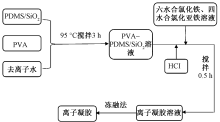
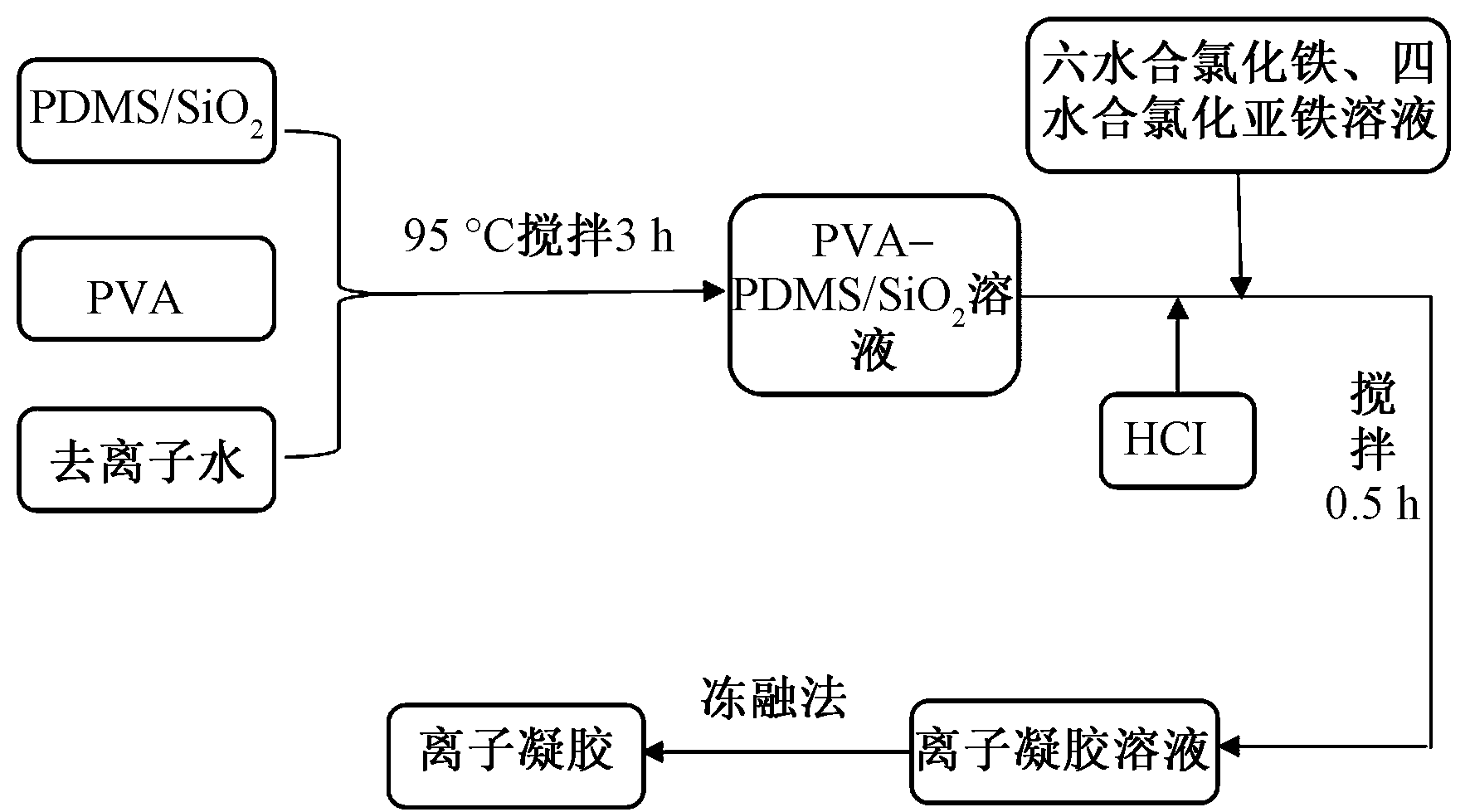
图1

离子凝胶制备流程图"

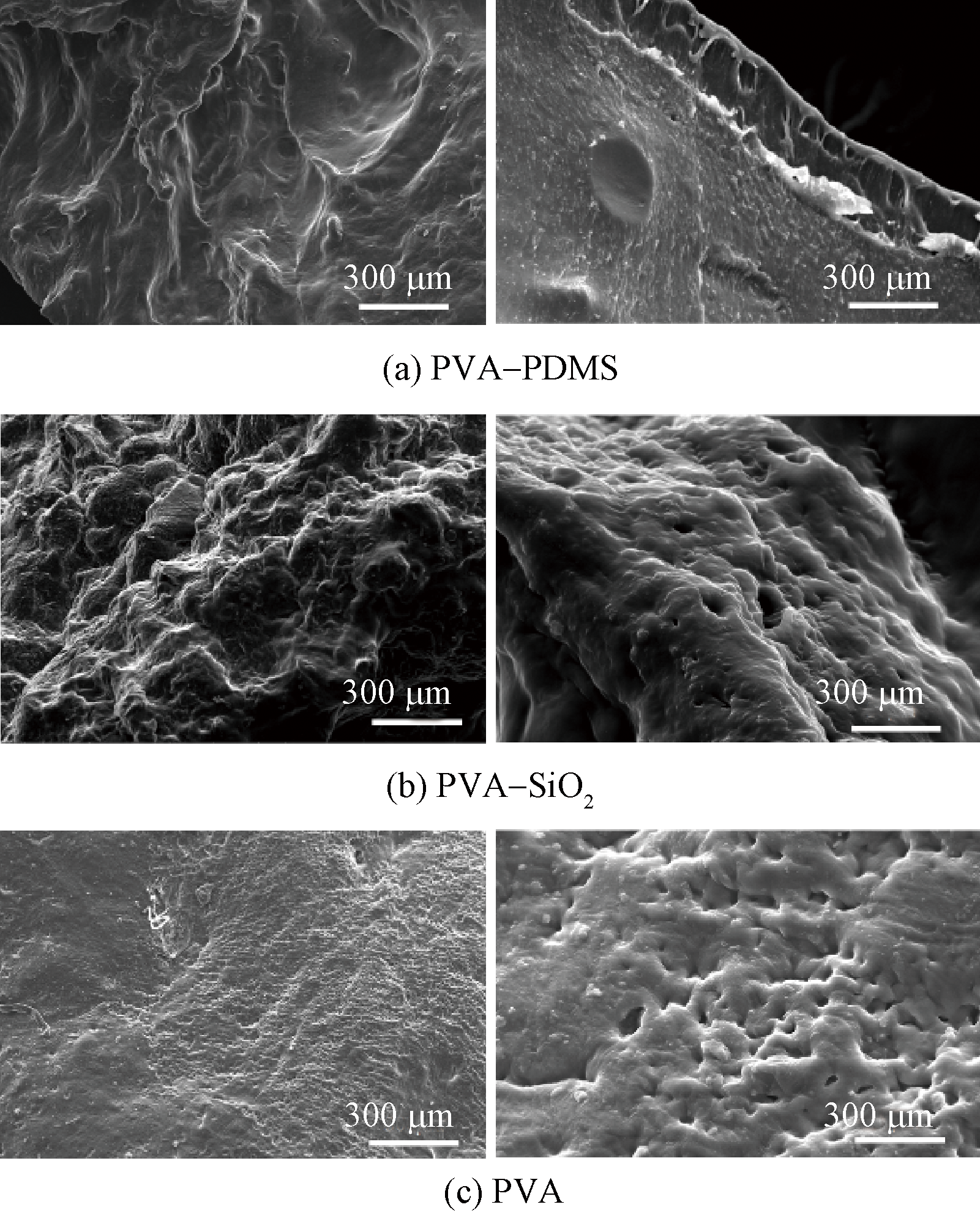
图2

离子凝胶的微观形貌照片"

图3

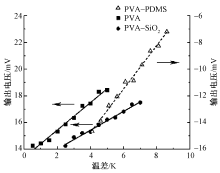
不同样品的温差与热电压的变化关系"

图4

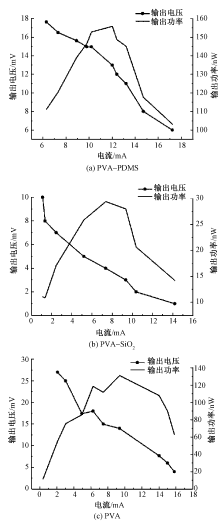
不同样品的输出电压与输出功率"

表1

离子凝胶的电导率"

试样种类 电导率/(S·m-1)
PVA 0.85
PVA-SiO2 0.76
PVA-PDMS 1.73

图5

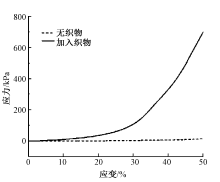
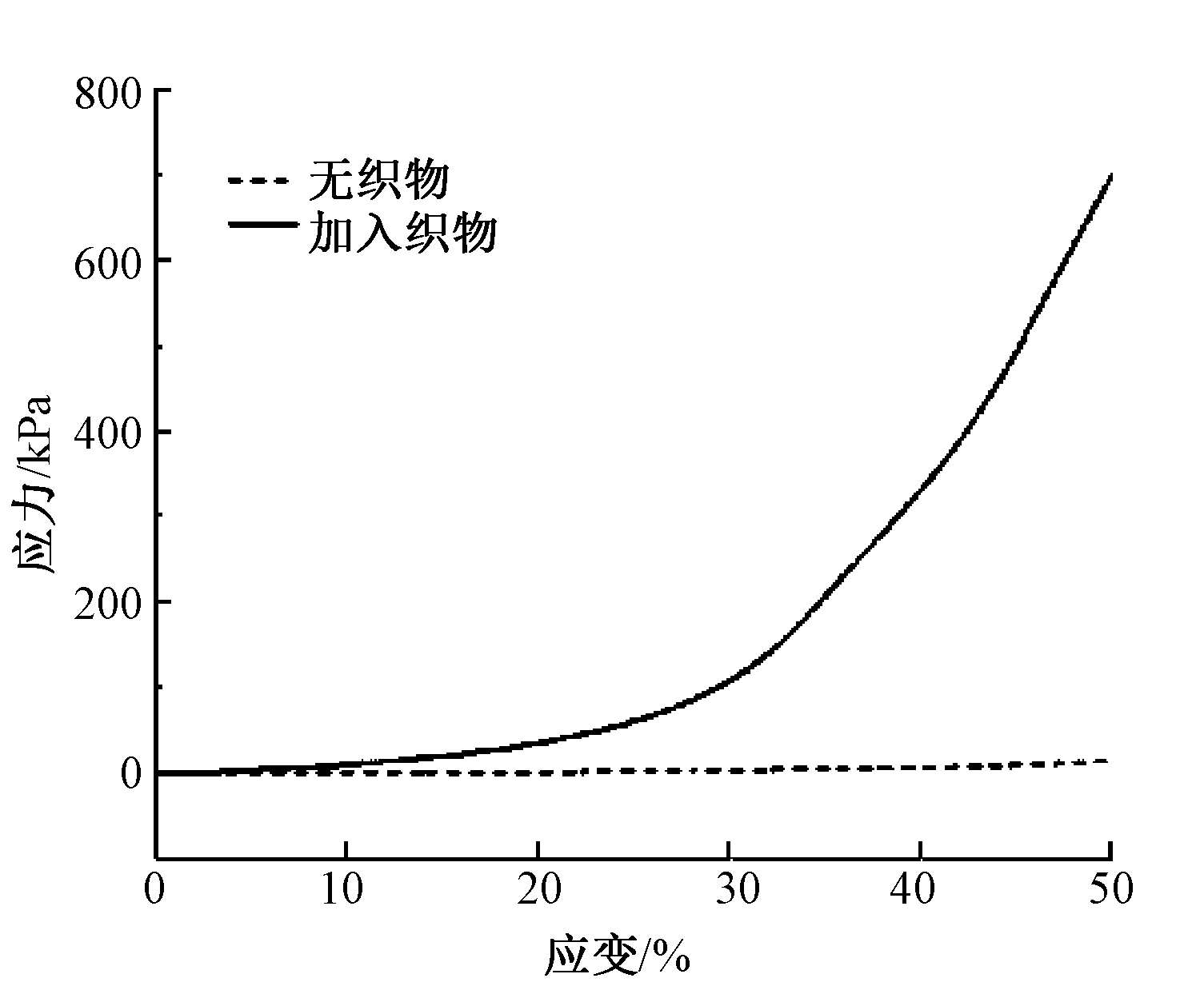
不同样品在0% 50%应变下的压缩性能"

图6

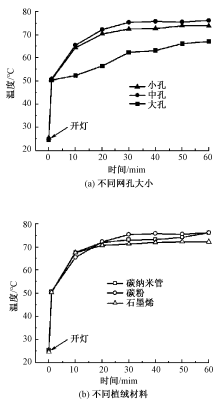
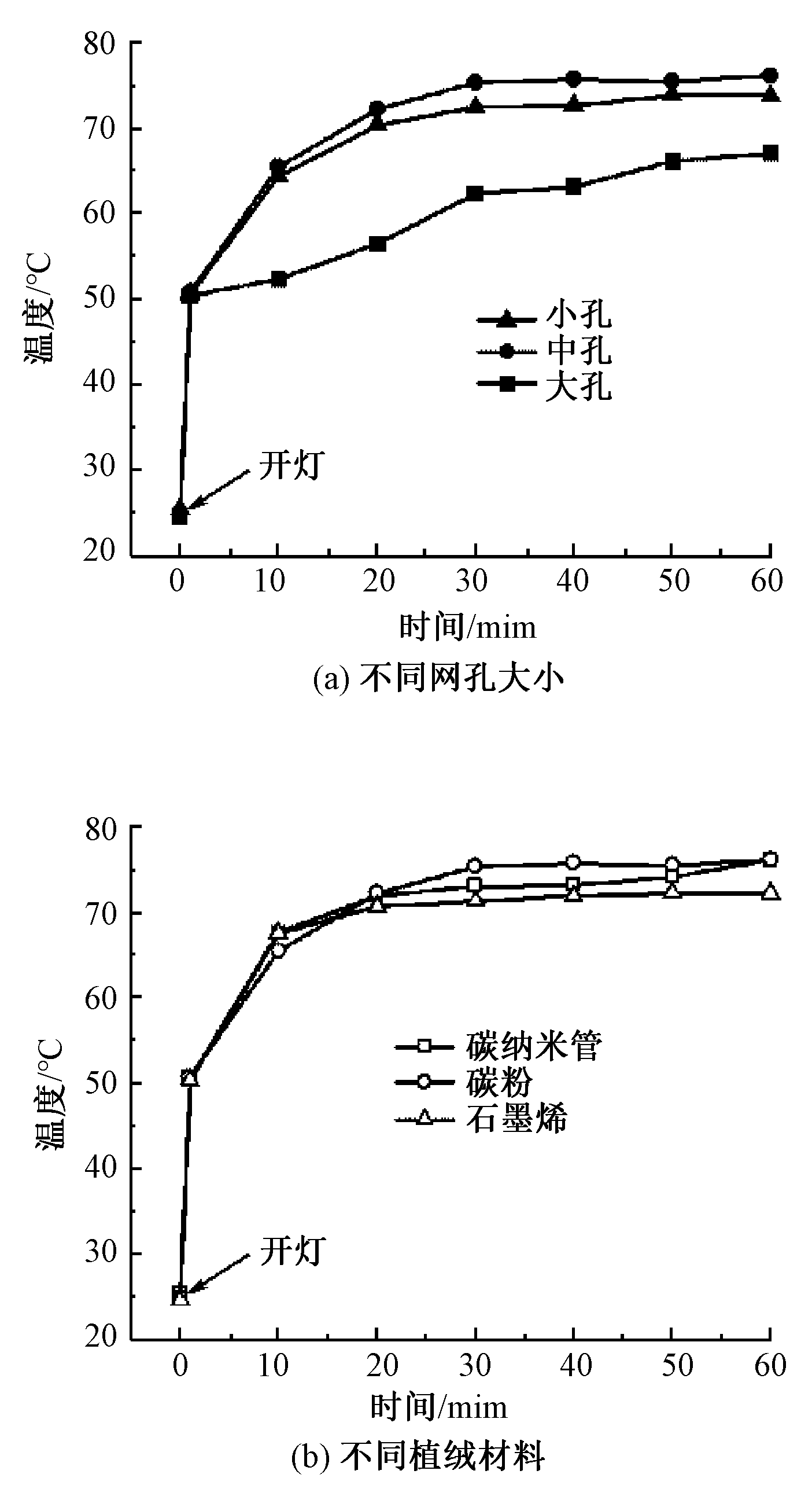
不同样品在相同光照强度下表面温度变化"

图7

样品在相同光照强度下水的质量随时间的变化"

[1] KUMAR P, DATE A, MAHMOOD N, et al. Freshwater supply for hydrogen production: an underestimated challenge[J]. International Journal of Hydrogen Energy, 2024, 78: 202-217.
doi: 10.1016/j.ijhydene.2024.06.257
[2] HUSSAIN S A, RAZI F, HEWAGE K, et al. The perspective of energy poverty and 1st energy crisis of green transition[J]. Energy, 2023, 275: 127487.
doi: 10.1016/j.energy.2023.127487
[3] HOPE R. Four billion people lack safe water[J]. Science, 2024, 385(6710): 708-709.
doi: 10.1126/science.adr3271 pmid: 39146434
[4] ZHANG Y Q, LI L, SADIQ M, et al. The impact of non-renewable energy production and energy usage on carbon emissions: evidence from China[J]. Energy & Environment, 2024, 35(4): 2248-2269.
[5] WANG J N, AZAM W. Natural resource scarcity, fossil fuel energy consumption, and total greenhouse gas emissions in top emitting countries[J]. Geoscience Frontiers, 2024, 15(2): 101757.
doi: 10.1016/j.gsf.2023.101757
[6] SOLIMAN M N, GUEN F Z, AHMED S A, et al. Energy consumption and environmental impact assessment of desalination plants and brine disposal strategies[J]. Process Safety and Environmental Protection, 2021, 147: 589-608.
doi: 10.1016/j.psep.2020.12.038
[7] AYAZ M, NAMAZI M A, DIN M A U, et al. Sustainable seawater desalination: current status, environmental implications and future expectations[J]. Desalination, 2022, 540: 116022.
doi: 10.1016/j.desal.2022.116022
[8] ODUNAIYA O G, SOYOMBO O T, OGUNSOLA O Y. Energy storage solutions for solar power: technologies and challenges[J]. International Journal of Multidisciplinary Research and Growth Evaluation, 2021, 2(1): 882-890.
[9] MAKA A O M, ALABID J M. Solar energy technology and its roles in sustainable development[J]. Clean Energy, 2022, 6(3): 476-483.
doi: 10.1093/ce/zkac023
[10] MASSETTI M, JIAO F, FERGUSON A J, et al. Unconventional thermoelectric materials for energy harvesting and sensing applications[J]. Chemical Reviews, 2021, 121(20): 12465-12547.
doi: 10.1021/acs.chemrev.1c00218 pmid: 34702037
[11] FENG M Q, LV S, DENG J C, et al. An overview of environmental energy harvesting by thermoelectric generators[J]. Renewable and Sustainable Energy Reviews, 2023, 187: 113723.
doi: 10.1016/j.rser.2023.113723
[12] DING Y C, JIANG J X, WU Y S, et al. Porous conductive textiles for wearable electronics[J]. Chemical Reviews, 2024, 124(4): 1535-1648.
doi: 10.1021/acs.chemrev.3c00507 pmid: 38373392
[13] 胥子怡, 刘天威, 高健, 等. 间隔织物应用于可穿戴柔性压力传感器的研究进展[J]. 西部皮革, 2023, 45(13): 84-86.
XU Ziyi, LIU Tianwei, GAO Jian, et al. Research progress of spacer fabrics applied to wearable flexible pressure sensors[J]. West Leather, 2023, 45(13): 84-86.
[14] YU M, LI H, LI Y C, et al. Ionic thermoelectric gels and devices: progress, opportunities, and challenges[J]. Energy Chem, 2024, 6(3): 100123.
[1] 张苗, 曹高涛, 俞丹, 王玉. 阻抗不对称型三维间隔织物的制备及其电磁屏蔽性能[J]. 纺织学报, 2026, 47(02): 239-246.
[2] 邵剑波, 岳欣琰, 陈雨, 韩潇, 洪剑寒. 全针织结构多模态柔性电容传感器的构筑及其传感性能[J]. 纺织学报, 2026, 47(01): 123-131.
[3] 华克润, 李久刚, 乔浩然, 何加浩, 李文斌, 徐卫林. 玄武岩纤维/棉交织织物基蒸发器的结构调控及其光热蒸发性能[J]. 纺织学报, 2025, 46(12): 110-115.
[4] 石彬琳, 董智佳, 马丕波, 丛洪莲, 吴光军, 刘博. 机器人颈关节包覆用针织全成形织物结构设计[J]. 纺织学报, 2025, 46(12): 116-122.
[5] 张莹, 郭明靖, 王利君. 针织结构温度传感器设计及其着装传感性能[J]. 纺织学报, 2025, 46(12): 123-132.
[6] 贺辛亥, 冯温柔, 王博, 刘菲, 梁军浩, 孙勇. 复合材料三维预制体整体穿刺虚拟样机设计[J]. 纺织学报, 2025, 46(12): 224-232.
[7] 谢宜轩, 钟林, 徐柠浩, 黄晓梅, 曹海建. 三维深角联芳纶织物/环氧树脂复合材料的弯曲性能[J]. 纺织学报, 2025, 46(11): 118-125.
[8] 费旌源, 徐乃库, 肖长发. 水可溃散砂质芯模设计及其在中空异形碳纤维复合材料成型中的应用[J]. 纺织学报, 2025, 46(11): 137-146.
[9] 高龙威, 蒋金华, 陈南梁, 邵慧奇. 经编双轴向碳纤维织物增强复合材料的冲击损伤特性[J]. 纺织学报, 2025, 46(11): 147-154.
[10] 刘爽, 任佳程, 丁恺, 陈慧敏, 岳晓丽. 纬编针织物平幅印染过程应力应变场时空演化模拟与数值实验[J]. 纺织学报, 2025, 46(11): 221-229.
[11] 徐丽丽, 腾燕飞, 马丕波, 万爱兰. 户外仿生结构功能面料的开发及其性能[J]. 纺织学报, 2025, 46(11): 94-101.
[12] 郭艳文, 夏蕊, 黄晓梅, 陈红霞, 曹海建. 经纬向紧度比对三维浅交弯联机织复合材料拉伸性能的影响[J]. 纺织学报, 2025, 46(10): 103-110.
[13] 唐曾华, 李宏杰, 毕思伊, 邵光伟, 蒋金华, 陈南梁, 邵慧奇. 增强结构对碳纤维/热塑性聚氨酯柔性复合材料电磁屏蔽性能的影响[J]. 纺织学报, 2025, 46(10): 111-119.
[14] 顾戚惠, 阳知乾, 王海楼, 魏发云, 张伟. 机织间隔织物增强水泥基复合材料的制备及其力学性能[J]. 纺织学报, 2025, 46(10): 120-128.
[15] 孙布青, 关松松, 蒋高明, 李炳贤. 钩编套圈针织物的设计与三维仿真[J]. 纺织学报, 2025, 46(09): 136-142.
Viewed
Full text


Abstract

Cited

  Shared   
  Discussed   
No Suggested Reading articles found!