纺织学报 ›› 2025, Vol. 46 ›› Issue (12): 224-232.doi: 10.13475/j.fzxb.20240903501

• 机械与设备 • 上一篇    下一篇

复合材料三维预制体整体穿刺虚拟样机设计

贺辛亥1,2,3(), 冯温柔1, 王博1, 刘菲1,2,3, 梁军浩1,2,3, 孙勇4   

  1. 1.西安工程大学 材料工程学院, 陕西 西安 710048
    2.西安市纺织复合材料重点实验室, 陕西 西安 710048
    3.复合材料织造及功能化陕西省高校工程研究中心, 陕西 西安 710048
    4.陕西美兰德新材料股份有限公司, 陕西 西安 710600
  • 收稿日期:2024-09-23 修回日期:2025-07-29 出版日期:2025-12-05 发布日期:2026-02-06
  • 作者简介:贺辛亥(1971—),男,教授,博士。主要研究方向为复合材料及工艺装备。E-mail::hexinhai@xpu.edu.cn
  • 基金资助:
    国家自然科学基金项目(52575438);国家自然科学基金项目(52402055);西安市重大科技成果就地转化项目(24CGZH0003);陕西省重点研发项目(2023-YBGY-466);陕西省“特支计划”领军人才项目(陕人才办函〔2022〕6号)

Design of virtual prototype for 3-D composite preform integral puncture

HE Xinhai1,2,3(), FENG Wenrou1, WANG Bo1, LIU Fei1,2,3, LIANG Junhao1,2,3, SUN Yong4   

  1. 1. School of Materials Engineering, Xi'an Polytechnic University, Xi'an, Shaanxi 710048, China
    2. Xi 'an Key Laboratory of Textile Composites, Xi'an, Shaanxi 710048, China
    3. Engineering Research Center of Composites Weaving and Functional Technology, Universities of Shaanxi Province, Xi'an, Shaanxi 710048, China
    4. Shaanxi Molando Carbon Co., Ltd., Xi'an, Shaanxi 710600, China
  • Received:2024-09-23 Revised:2025-07-29 Published:2025-12-05 Online:2026-02-06

摘要:

为解决整体穿刺织造过程中难以高效准确穿刺的问题,设计了一种三维预制体整体穿刺自动化装备。通过分析整体穿刺织造过程的技术原理及穿刺定位需求,对预制体整体穿刺设备的机械结构进行设计。通过对预制体整体穿刺设备中的穿刺装置进行静力学和动力学分析,建立起穿刺钢针的力学平衡方程。通过ANSYS软件对钢针穿刺过程中钢针与碳纤维布摩擦力的变化、碳纤维布与钢针受损情况进行有限元分析。实验结果表明:所设计的穿刺机构性能达到了预期要求,同时仿真结果也可为预制体立体穿刺自动化装备的电力系统设计和选型提供可靠的数据支持。

关键词: 整体穿刺虚拟样机, 机械结构设计, 复合材料, 立体织物, 三维预制体, 穿刺成形技术, 静力学分析

Abstract:

Objective At present, the manufacturing of carbon fiber preforms predominantly relies on manual operations, which is not only highly inefficient and labor-intensive but also causes significant variability and inconsistency into the production process. Manual handling adversely affects the uniformity and quality of punctures, leading to defects such as fiber misalignment, incomplete penetration, and uneven tension distribution. These issues ultimately compromise the mechanical performance and structural integrity of the final composite components. To address these challenges, the research reported in this paper aims to design and develop an automated system dedicated to the fabrication of carbon fiber preforms. The primary goals are to minimize human intervention, standardize the puncture process, enhance production efficiency, and most importantly, improve the reliability and repeatability of preform quality. By integrating advanced mechanization and control technologies, the proposed system seeks to establish a robust and scalable manufacturing solution suitable for industrial applications.

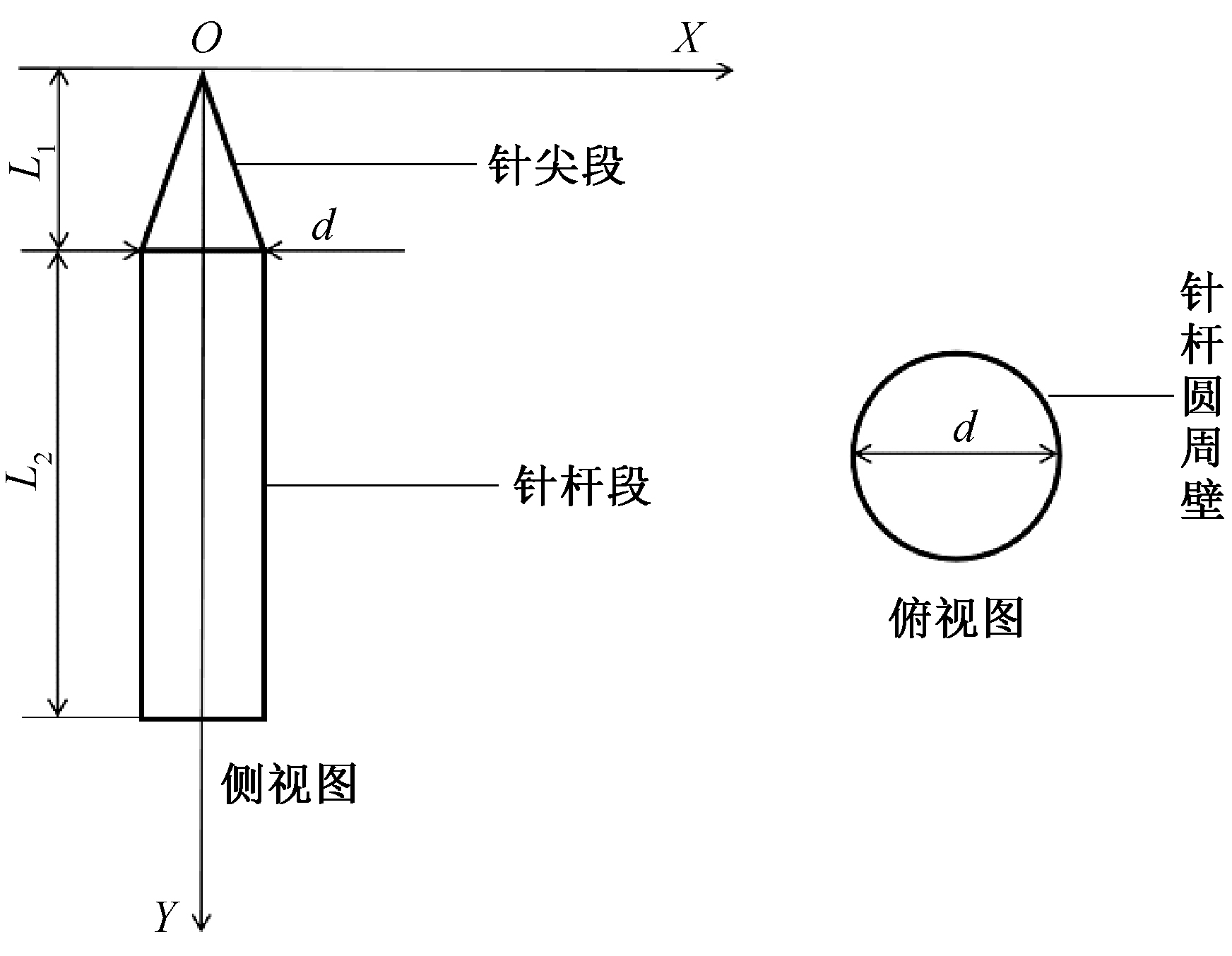
Method A comprehensive design of the mechanical structure was presented for an integrated puncture virtual prototype. The design process involved detailed modeling and simulation of the puncture mechanism to optimize its performance and durability. Specifically, a friction simulation analysis was conducted to examine the interaction between a steel needle array and a single layer of carbon fabric during the penetration process. This enabled a deeper understanding of the forces and deformations involved. Furthermore, a rigorous force analysis was performed on the puncture needle to evaluate its structural behavior under operational loads. The scientific validity and feasibility of the virtual prototype were verified through a multi-step approach, combining computational modeling with empirical validations. Advanced engineering software, including ANSYS and Solidworks, was employed to simulate and analyze critical aspects such as stress distribution, buckling resistance, and friction characteristics. These steps ensured that the design was both scientifically sound and practically viable.

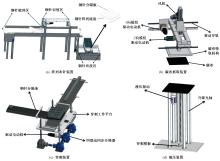
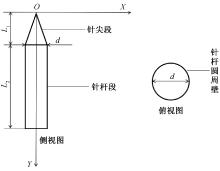
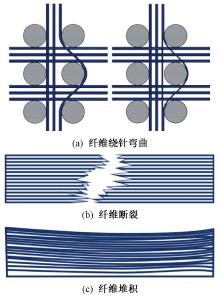
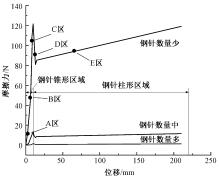
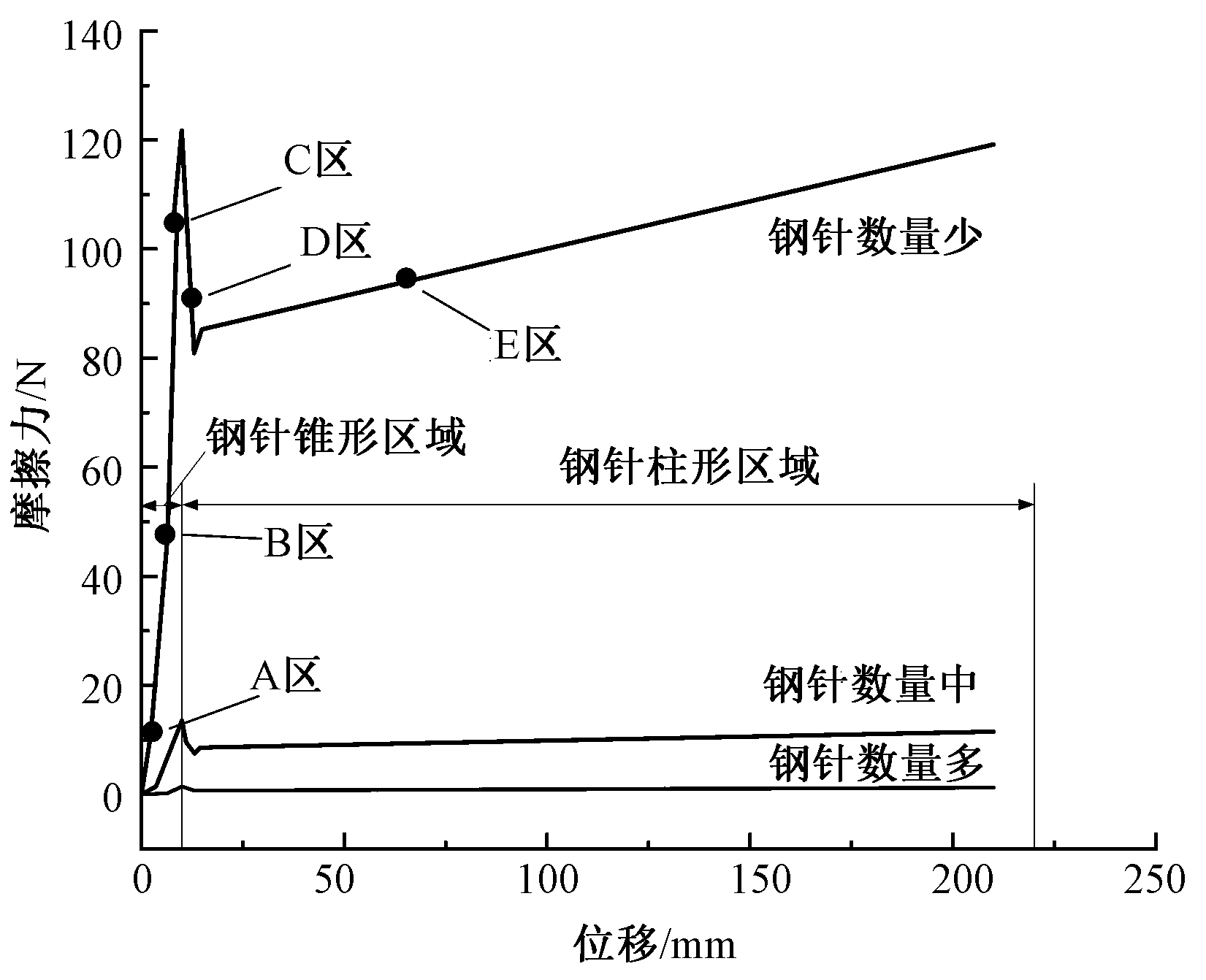
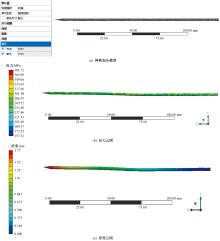
Results This research addressed several key issues associated with the 3D stereoscopic puncture technology for composite materials. In the mechanical design, a high-precision ball screw lifter was incorporated to significantly enhance the stability and positioning accuracy of the needle during piercing operations. The carbon cloth grasping mechanism was designed with a three-axis modular system, providing greater flexibility and adaptability in handling the material. Through mathematical abstraction and structural analysis, the critical maximum buckling value of the puncture needle was calculated, offering important insights into its performance limits. Three distinct failure modes, i.e., fiber bending around the needle, fiber breakage, and fiber accumulation, of the carbon cloth following puncture were identified and analyzed. Frictional simulation experiments conducted using ANSYS software revealed that the friction force between the steel needle and carbon cloth exhibits a nonlinear increase with penetration depth. Static structural analysis of the primary stressed component-the steel needle-was carried out via ANSYS Workbench. The results confirmed that deformation was minimal and within acceptable limits, ensuring that the needle's functionality remains uncompromised throughout the puncture process.

Conclusion This study successfully accomplished the design and development of an integrated puncture machine for automated carbon fiber preform manufacturing. A mechanical model describing the behavior of the puncture needle was established, and a detailed virtual prototype was constructed using Solidworks. The frictional interactions between the needle and carbon cloth were thoroughly investigated through simulation, providing valuable data for optimizing the process parameters. Computational and simulation results collectively demonstrated the rationality, efficiency, and reliability of the structural design. The proposed system not only reduces dependency on manual labor but also enhances production consistency, operational efficiency, and product quality. These findings underscore the practical applicability of the automated equipment in industrial settings and contribute to the advancement of intelligent manufacturing technologies for composite materials.

Key words: integrated puncture virtual prototype, mechanical structure design, composite material, 3-D fabric, 3-D preform, puncture needle stress analysis, static structural evaluation

中图分类号: 

  • TS103.7

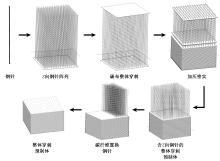
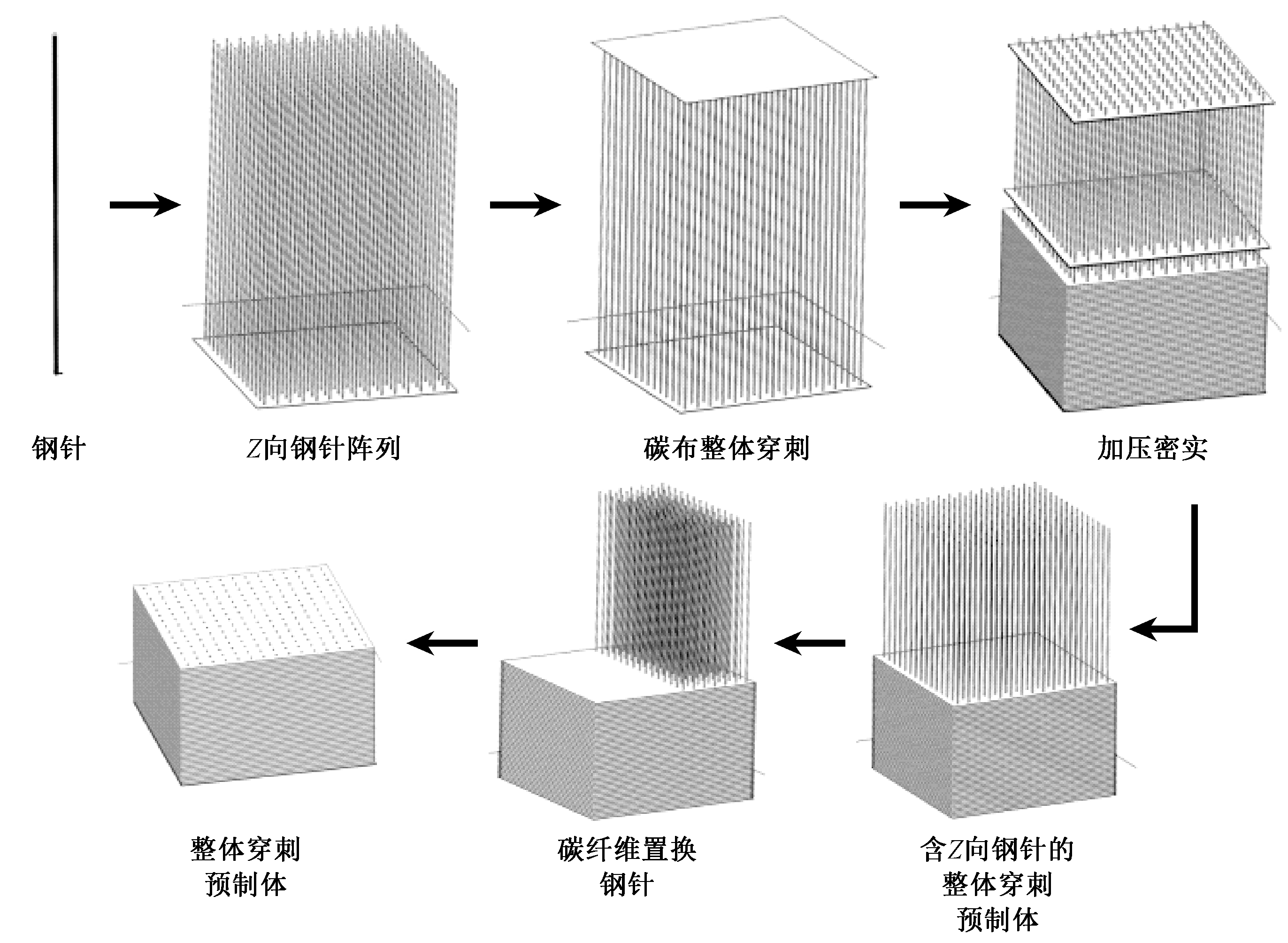
图1

整体穿刺工艺示意图"

图2

总体设计方案"

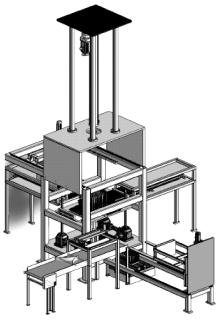
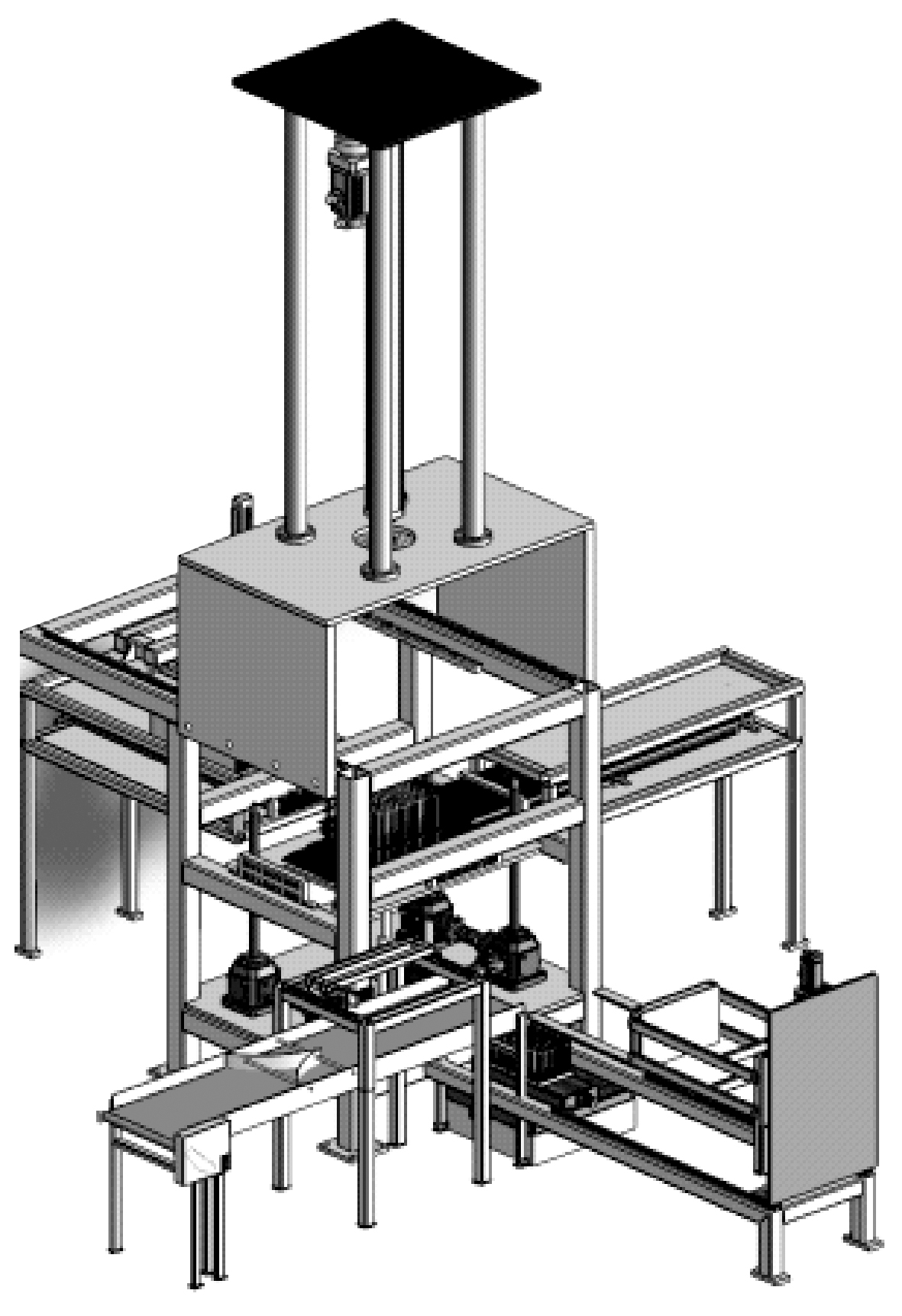
图3

穿刺机组成装置"

图4

钢针结构"

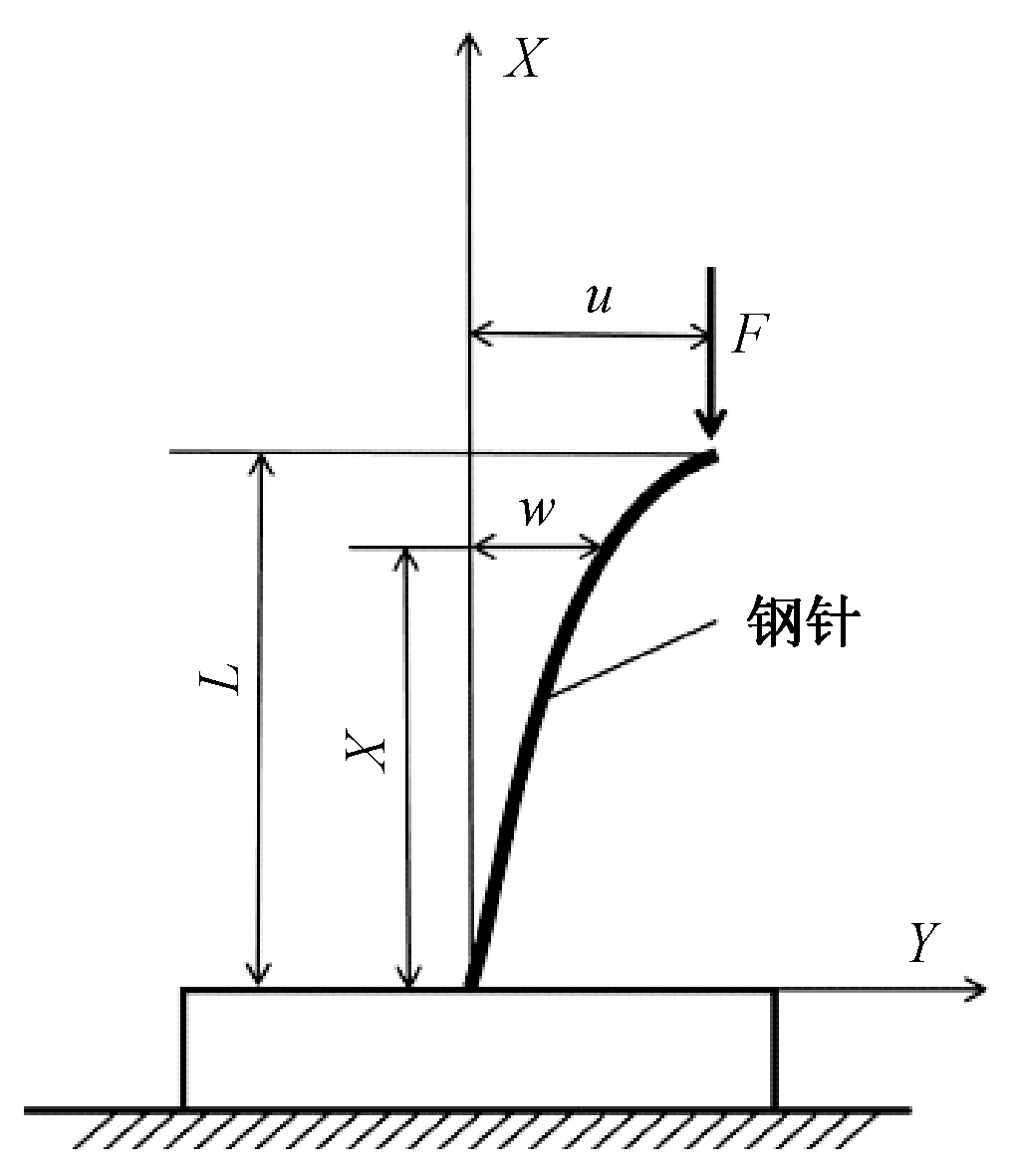
图5

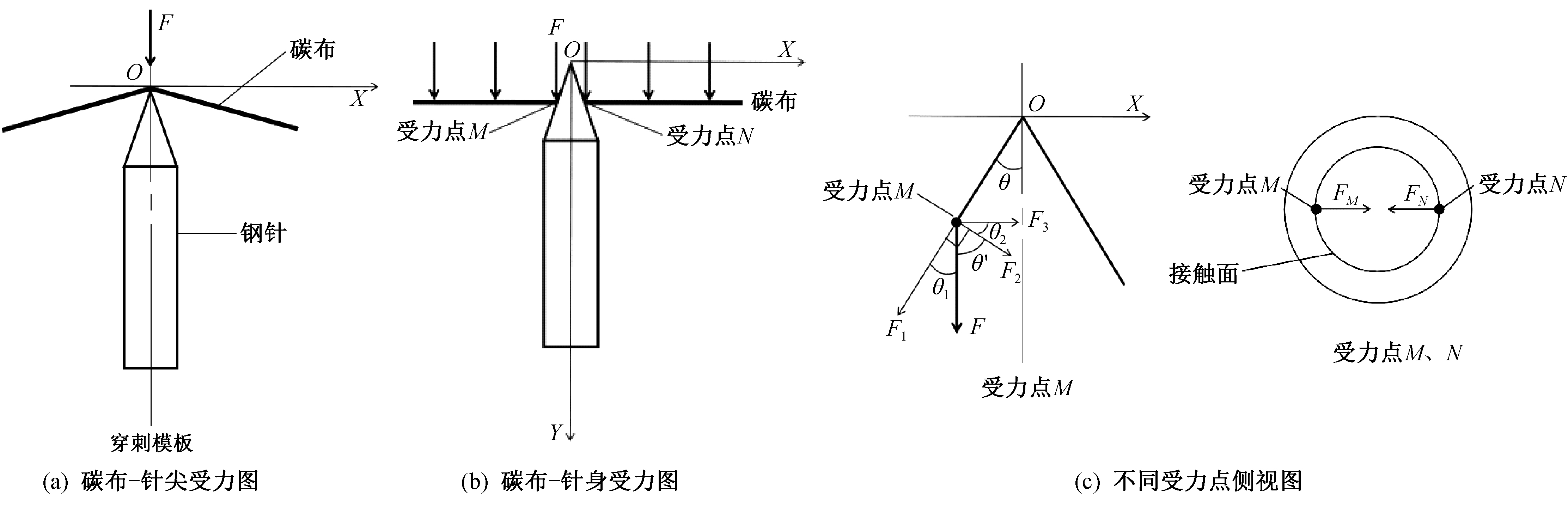
钢针受力图"

图6

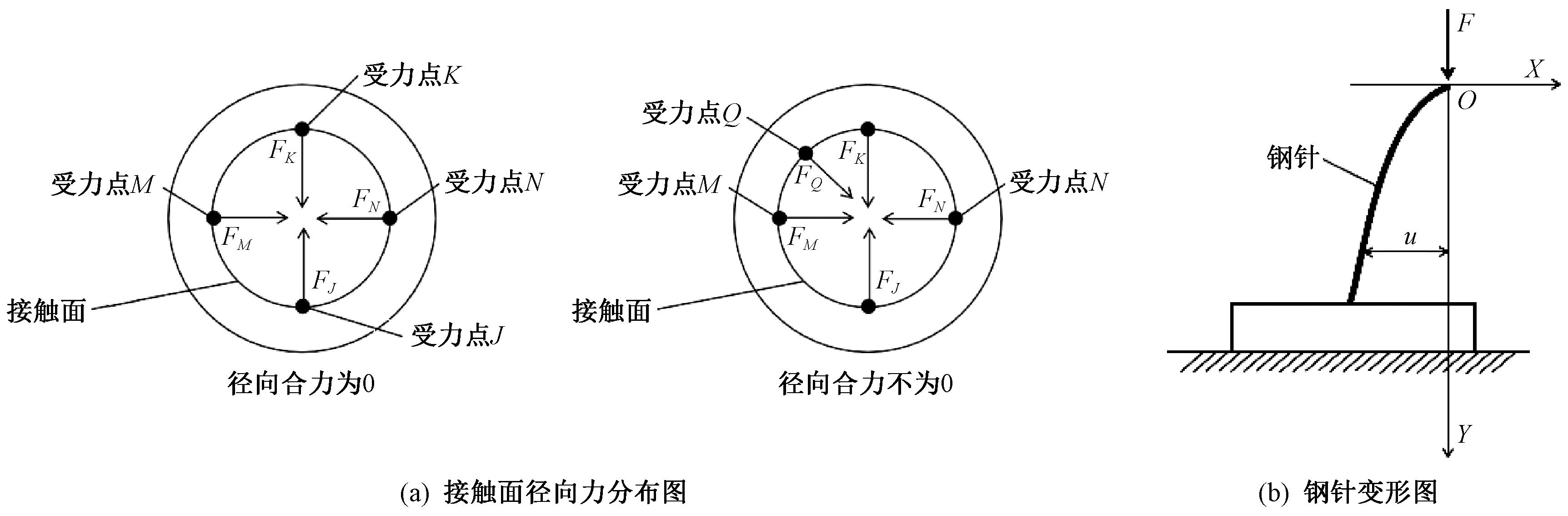
钢针受力弯曲变形"

图7

钢针变形"

图8

钢针受压示意图"

图9

碳纤维刺穿后的3种状态示意"

图10

单根钢针刺穿碳布摩擦力-位移曲线"

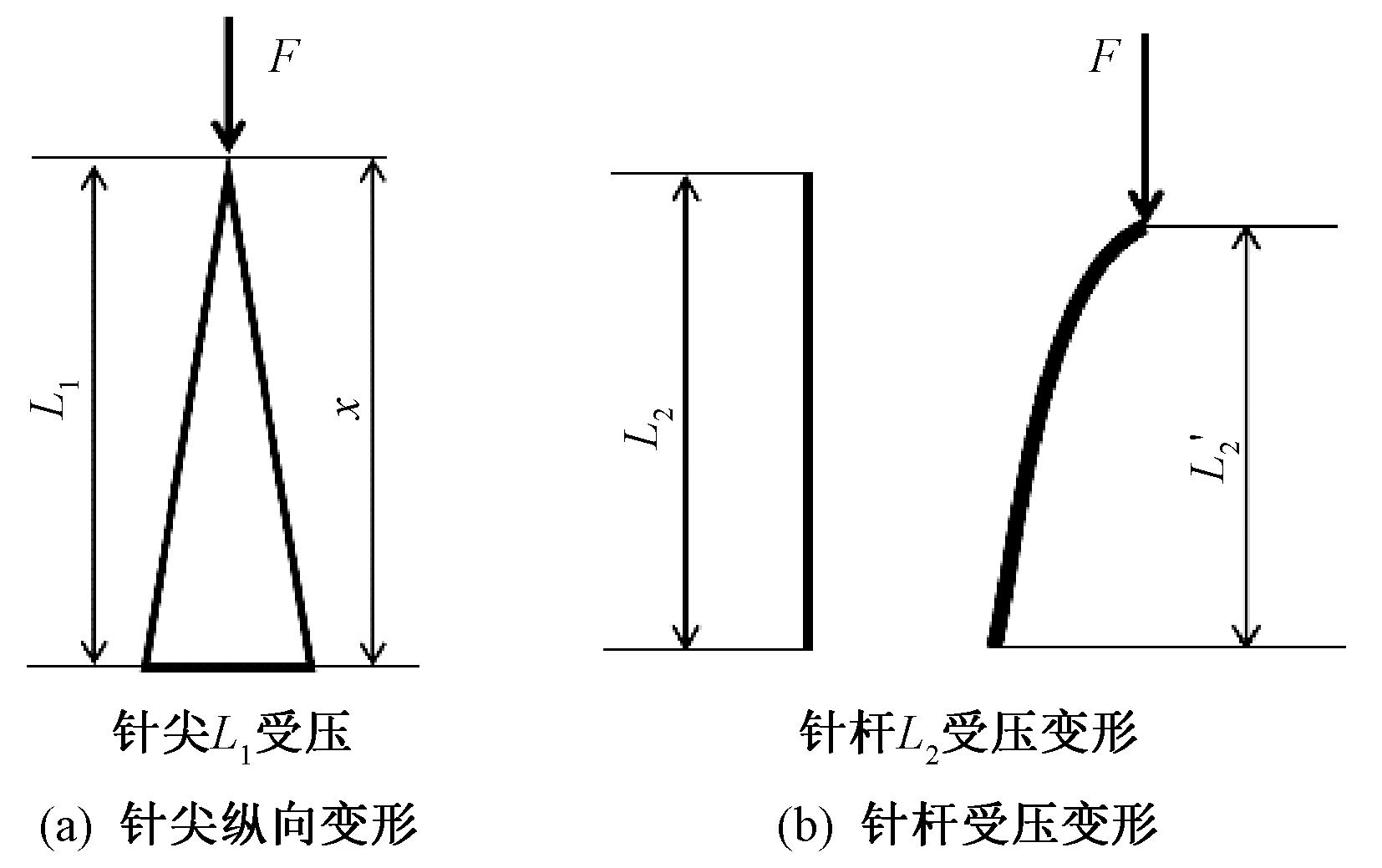
图11

钢针静力学分析图"

[1] 李彦璋, 贺辛亥, 程攀. 碳纤维立体穿刺预制体成型技术发展现状与思考[J]. 纺织器材, 2024, 51(1):65-68.
LI Yanzhang, HE Xinhai, CHENG Pan. Development status and thinking of carbon fiber stereo puncture preforming technology[J]. Textile Equipment, 2019, 51(1):65-68.
[2] 董红坤, 贺辛亥, 钟鹏, 等. 三维机织物织边造型工艺设计[J]. 纺织学报, 2017, 38(4):50-54.
DONG Hongkun, HE Xinhai, ZHONG Peng, et al. Process design of 3D woven fabric edging[J]. Journal of Textiles, 2017, 38(4):50-54.
[3] 贺辛亥. 一种碳纤维预制体超长穿刺钢针阵列定位装置:CN202221485392.1[P].2022-10-14.
HE Xinhai. A carbon fiber prefabricated ultra-long puncture needle array positioning device, CN202221485392.1[P].2022-10-14.
[4] 张琳, 董九志, 蒋秀明, 等. 叠层机织碳布整体穿刺机设计[J]. 产业与科技论坛, 2016, 15(4):46-47.
ZHANG Lin, DONG Jiuzhi, JIANG Xiuming, et al. Design of integrated piercing machine for laminated woven carbon cloth[J]. Industry & Technology Forum, 2016, 15(4):46-47.
[5] MINUS M, KUMAR S. The processing, properties, and structure of carbon fibers[J]. JOM, 2005, 57(2): 52-58.
[6] ROLINDK P G. Properties and application of Mod-3 pierced fabric reinforced carbon/carbon compo-sites[J]. Carbon, 1973, 11(6): 690.
[7] 叶轶. 制造复合材料用预制体发展概况[J]. 玻璃纤维, 2021(2):40-44.
YE Yi. Development of prefabrication for composite materials[J]. Glass Fiber, 2021(2):40-44.
[8] 孙乐, 王成, 李晓飞, 等. C/C复合材料预制体的研究进展[J]. 航空材料学报, 2018, 38(2):86-95.
doi: 10.11868/j.issn.1005-5053.2017.000010
SUN Le, WANG Cheng, LI Xiaofei, et al. Research progress of C/C composite prefabrication[J]. Journal of Aeronautical Materials, 2018, 38(2):86-95.
doi: 10.11868/j.issn.1005-5053.2017.000010
[9] 贺辛亥. 一种复合材料三维预制体穿刺织造装置及制造方法:CN202210672238.3[P].2022-09-06.
HE Xinhai. A three-dimensional prefabricatedbody piercing weaving device for Compositematerials and its manufacturing method: CN202210672238.3[P].2022-09-06.
[10] 贺辛亥. 用于超长穿刺钢针定位和增强钢针强度的定位装置:CN202221481194.8[P].2022-12-02.
HE Xinhai. Positioning device for ultra-longpuncture needle positioning and strengthening steel needle strength:CN202221481194.8[P].2022-12-02.
[11] 周钰博, 李艳霞, 李敏, 等. 细编穿刺织物的数学建模理论与实例[J]. 材料工程, 2017, 45(4):102-107.
doi: 10.11868/j.issn.1001-4381.2015.000479
ZHOU Yubo, LI Yanxia, LI Min, et al. Mathematical Modeling Theory and example of Fine woven puncture fabric[J]. Journal of Materials Engineering, 2017, 45(4):102-107.
doi: 10.11868/j.issn.1001-4381.2015.000479
[12] OKUMURA T, YOKOYAMA A, NAGAI K, et al. Optimum design of weaving structure of 3-D woven fabric composites by using genetic algorithms[J]. Composite Structures, 1995, 32(1-4): 417-426.
doi: 10.1016/0263-8223(95)00084-4
[1] 谢宜轩, 钟林, 徐柠浩, 黄晓梅, 曹海建. 三维深角联芳纶织物/环氧树脂复合材料的弯曲性能[J]. 纺织学报, 2025, 46(11): 118-125.
[2] 费旌源, 徐乃库, 肖长发. 水可溃散砂质芯模设计及其在中空异形碳纤维复合材料成型中的应用[J]. 纺织学报, 2025, 46(11): 137-146.
[3] 高龙威, 蒋金华, 陈南梁, 邵慧奇. 经编双轴向碳纤维织物增强复合材料的冲击损伤特性[J]. 纺织学报, 2025, 46(11): 147-154.
[4] 郭艳文, 夏蕊, 黄晓梅, 陈红霞, 曹海建. 经纬向紧度比对三维浅交弯联机织复合材料拉伸性能的影响[J]. 纺织学报, 2025, 46(10): 103-110.
[5] 唐曾华, 李宏杰, 毕思伊, 邵光伟, 蒋金华, 陈南梁, 邵慧奇. 增强结构对碳纤维/热塑性聚氨酯柔性复合材料电磁屏蔽性能的影响[J]. 纺织学报, 2025, 46(10): 111-119.
[6] 顾戚惠, 阳知乾, 王海楼, 魏发云, 张伟. 机织间隔织物增强水泥基复合材料的制备及其力学性能[J]. 纺织学报, 2025, 46(10): 120-128.
[7] 唐春霞, 王一帆, 毛云山, 刘健, 付少海. 电磁屏蔽用纤维素基复合材料结构设计的研究进展[J]. 纺织学报, 2025, 46(09): 36-45.
[8] 陈晴宇, 陆春红, 张斌, 晋义凯, 黄琪帏, 王超, 丁彬, 俞建勇, 王先锋. 碳纤维增强水泥基灌浆料的制备及其性能[J]. 纺织学报, 2025, 46(08): 120-126.
[9] 张一帆, 安柳絮, 闫英杰, 邹齐, 刘晓志, 郭俊华, 陈利. 三维机织复合材料T型接头的拉伸性能[J]. 纺织学报, 2025, 46(07): 128-135.
[10] 张毅, 沈殷, 高金霞, 郁崇文. 棕榈纤维吸声复合材料的老化性能[J]. 纺织学报, 2025, 46(06): 127-134.
[11] 黎靖康, 黄亮, 陈诗诗, 毕曙光, 冉建华, 唐加功. 苄基缩水甘油醚改性环氧类玻璃高分子材料的自修复与再加工性能[J]. 纺织学报, 2025, 46(04): 20-28.
[12] 吕丽华, 潘佳欣, 伍成龙. 废弃玉米芯颗粒的结构及其复合材料吸声性能[J]. 纺织学报, 2025, 46(04): 96-102.
[13] 李皎, 辛世纪, 陈利, 易伟, 陈小明. 双机器人分区针刺成形轨迹规划[J]. 纺织学报, 2025, 46(03): 207-215.
[14] 丁彩红, 贺少旭. 管状织物的六角形三维编织工艺设计[J]. 纺织学报, 2025, 46(03): 216-224.
[15] 杨露, 孟家光, 陈雨青, 支超. 基于废旧纺织品的湿度响应纤维素/聚氨酯复合材料的制备及其性能[J]. 纺织学报, 2025, 46(02): 26-34.
Viewed
Full text


Abstract

Cited

  Shared   
  Discussed   
No Suggested Reading articles found!