纺织学报 ›› 2026, Vol. 47 ›› Issue (02): 255-263.doi: 10.13475/j.fzxb.20250909801
岳献阳1,2, 王少博1,3, 黄鑫1,3( ), 王艳芝1,2, 李冲冲1, 张晓晓1
YUE Xianyang1,2, WANG Shaobo1,3, HUANG Xin1,3(), WANG Yanzhi1,2, LI Chongchong1, ZHANG Xiaoxiao1
摘要:
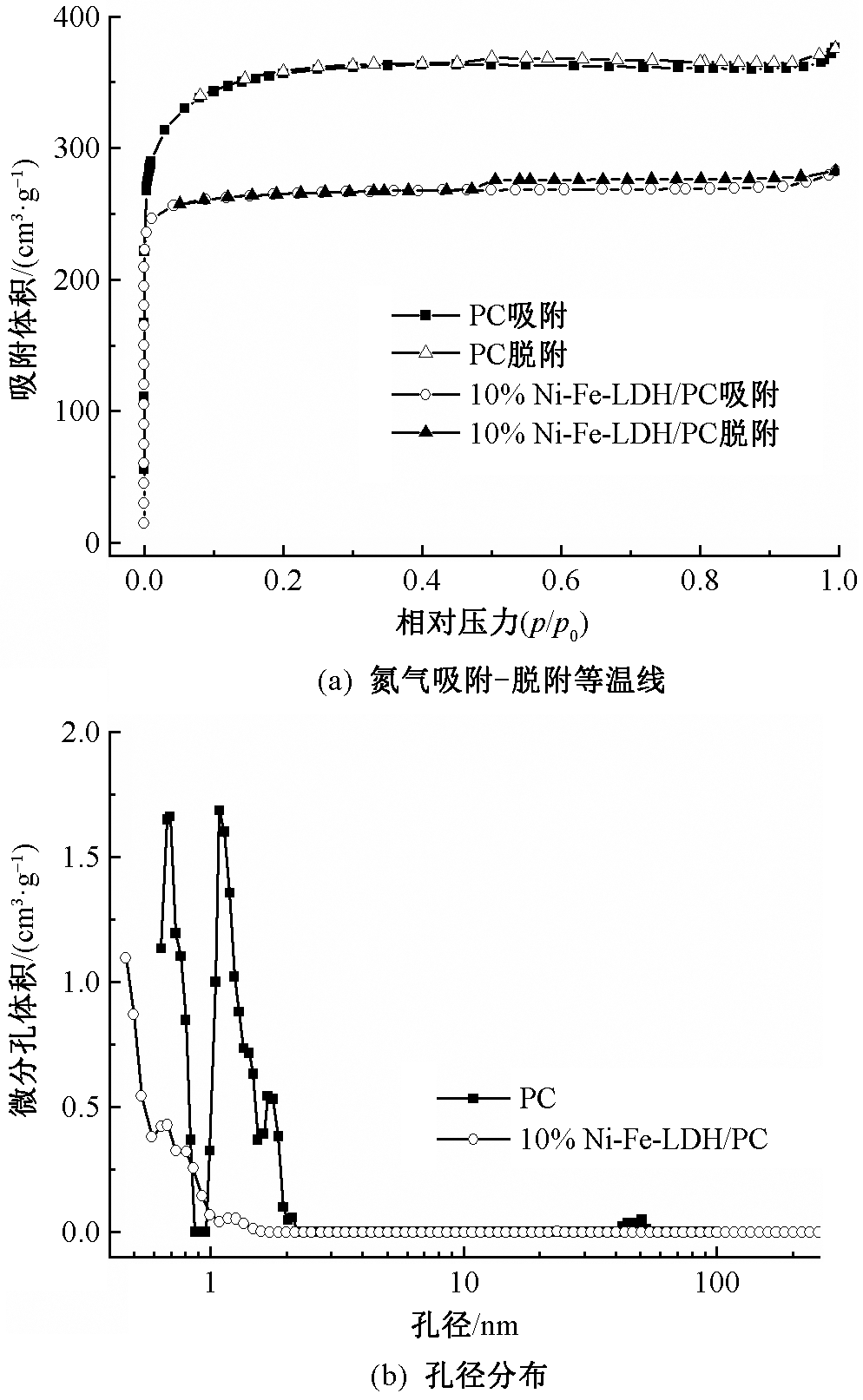
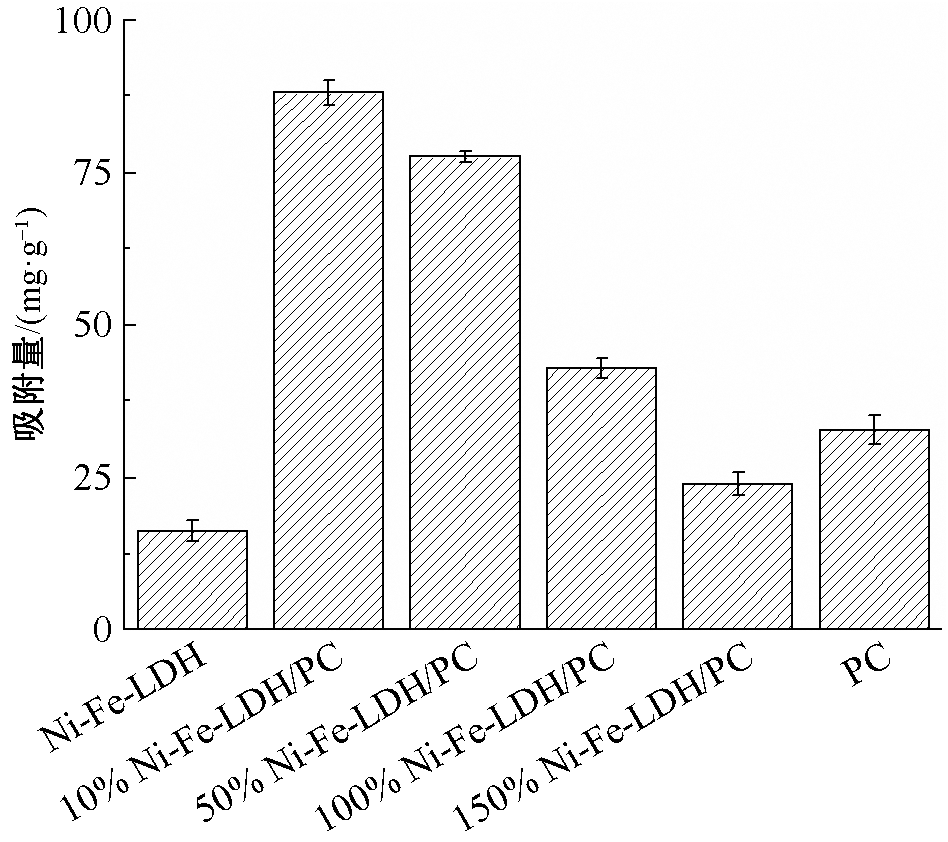
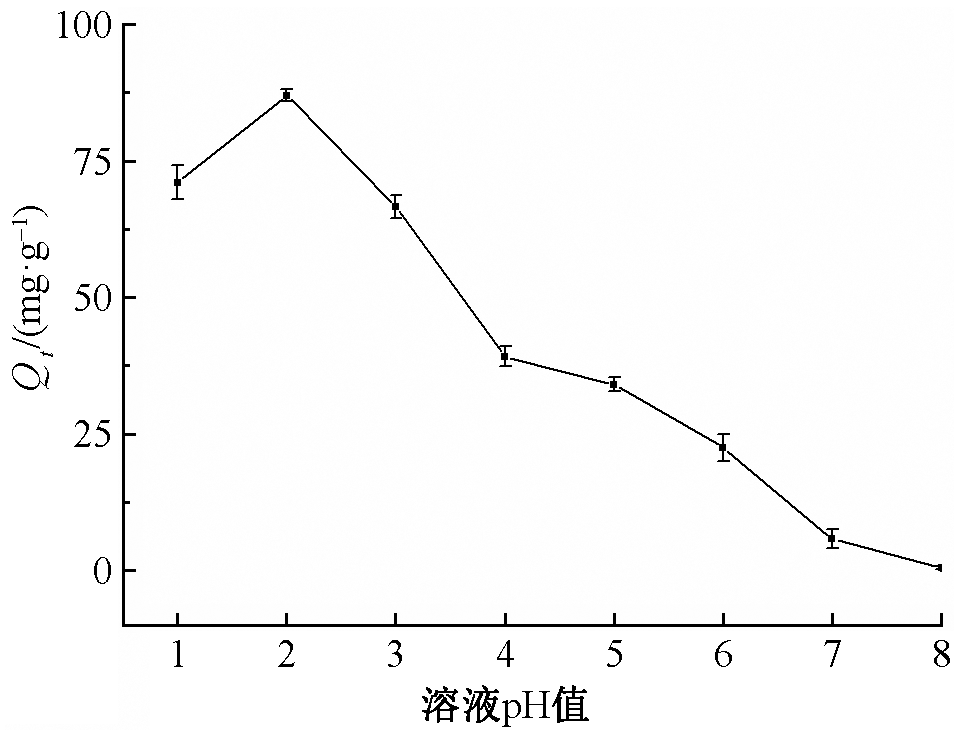
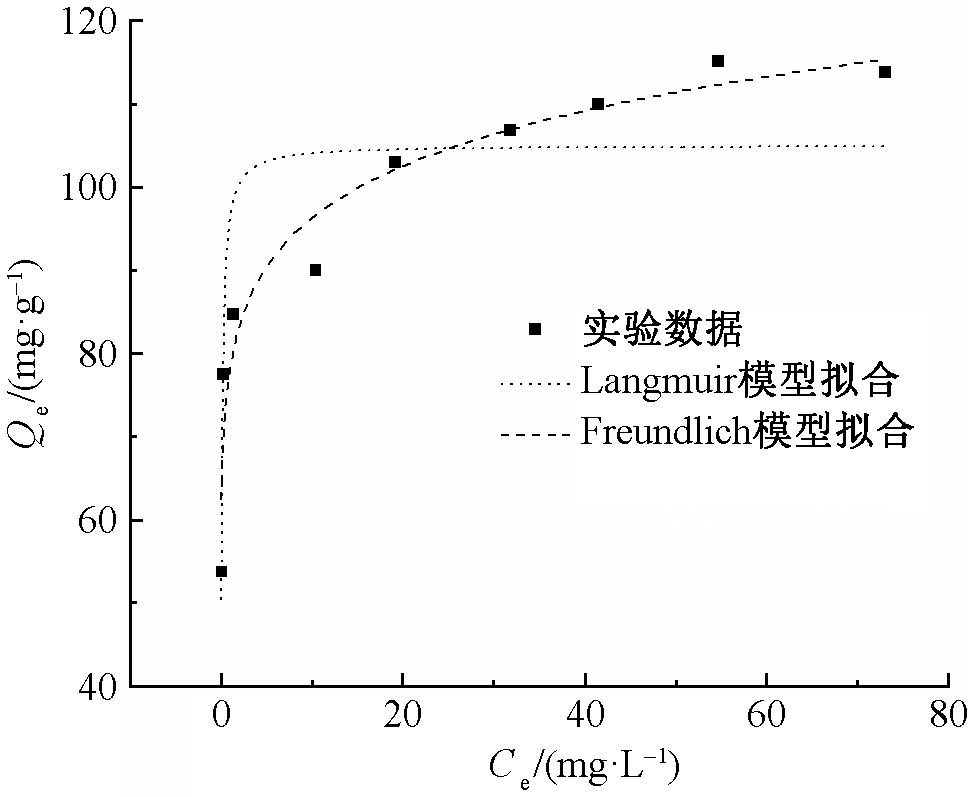
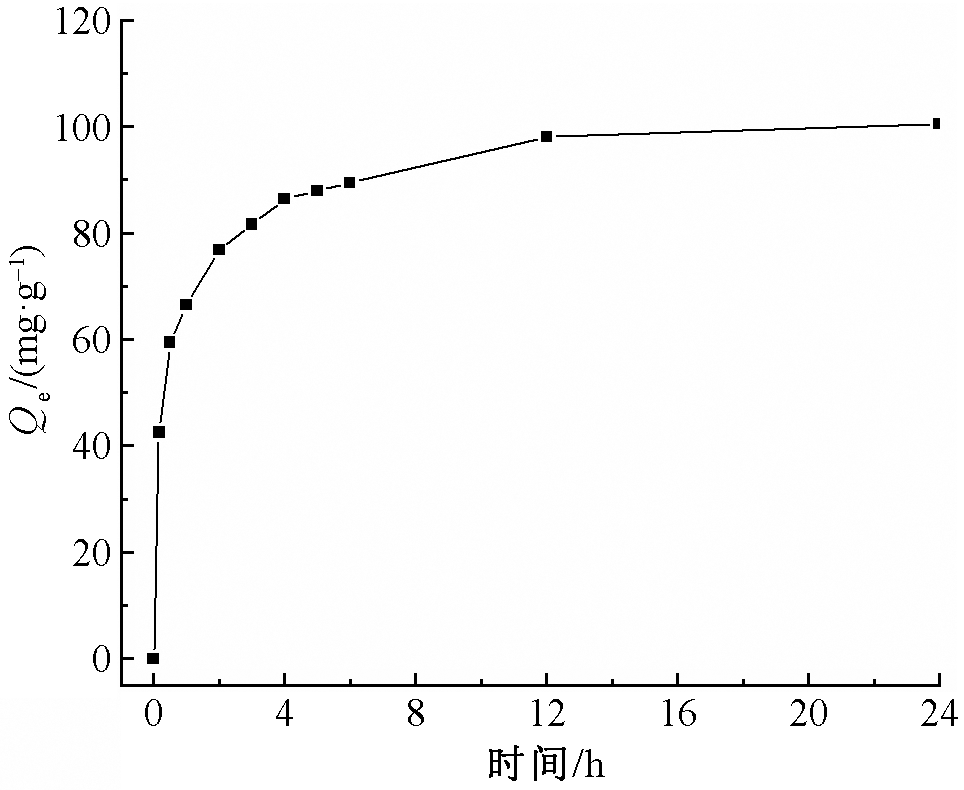
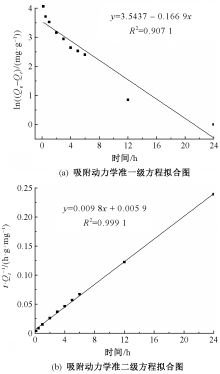
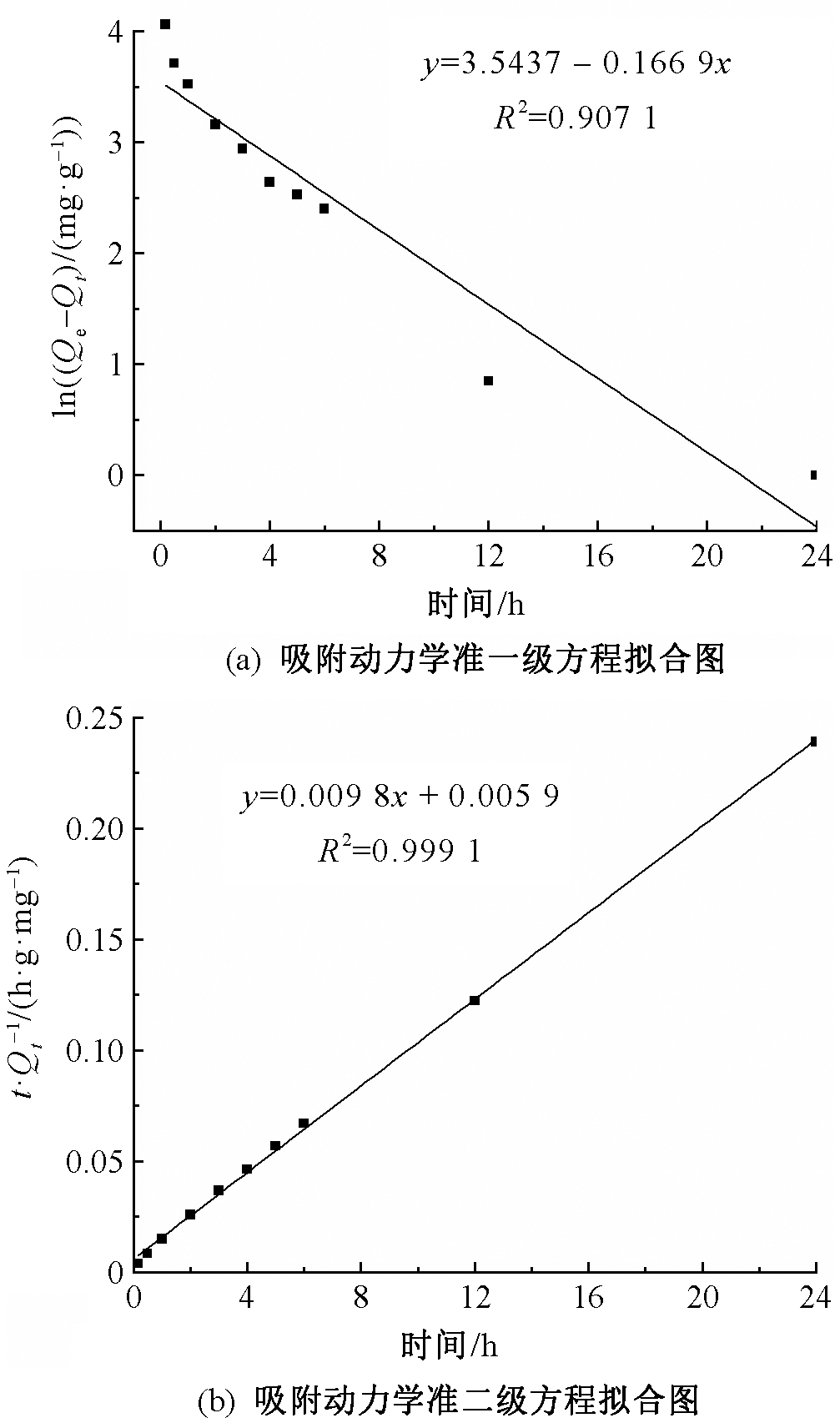
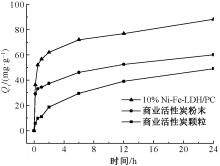
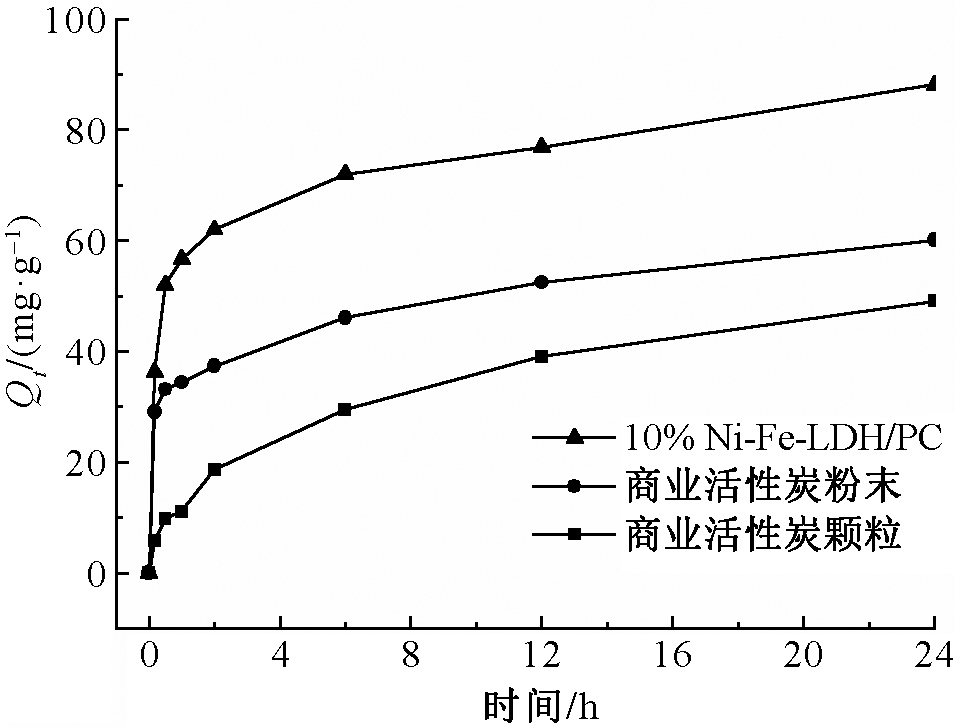
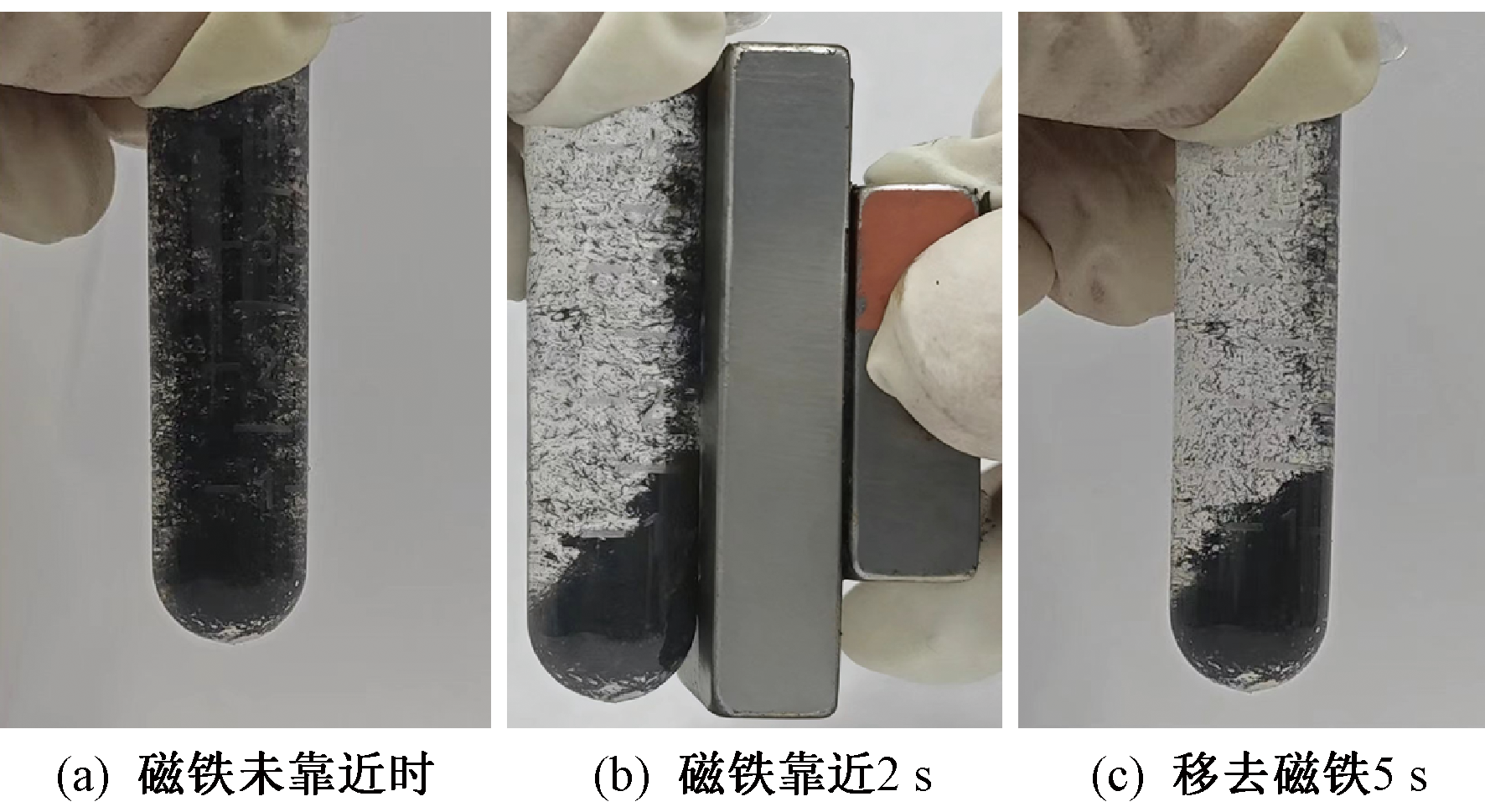
为实现高毒性含铬废液的高效环保处理,同时推动废旧黄麻的回收与高附加值利用,以黄麻织物为生物质原料,通过物理-化学联合活化法制备高比表面积多孔碳(PC),随后采用水热法制备原位负载镍铁层状双金属氢氧化物(Ni-Fe-LDH)的PC基复合材料(Ni-Fe-LDH/PC),并分析Ni-Fe-LDH负载量、溶液pH值对其Cr(VI)吸附性能的影响,探究其吸附热力学、动力学过程及磁回收性能。结果表明:Ni-Fe-LDH与PC的复合可协同增强材料对Cr(VI)的吸附容量;当Ni-Fe-LDH预设负载量为PC质量的10%时,所得复合材料(10%Ni-Fe-LDH/PC)对Cr(VI)的吸附量最大,其比表面积达1 070.19 m2/g,孔径主要分布在0.6~0.9 nm,呈微孔结构;在Cr(VI)初始质量浓度为50 mg/L、复合材料投加量为0.4 g/L、溶液pH值为2时,10%Ni-Fe-LDH/PC对Cr(VI) 的吸附容量最佳,达88.05 mg/g;该复合材料对Cr(VI)的吸附符合Freundlich 多分子层非均匀吸附模型,且吸附过程符合准二级动力学模型,吸附机制以化学吸附为主;此外,10%Ni-Fe-LDH/PC对Cr(VI)吸附效果优于商业活性炭,且磁响应速度较快(<2 s),展现出良好的应用潜力。
中图分类号:
| [1] |
ISLAM M S, AHMED M K, RAKNUZZAMAN M, et al. Heavy metal pollution in surface water and sediment: a preliminary assessment of an urban river in a developing country[J]. Ecological Indicators, 2015, 48: 282-291.
doi: 10.1016/j.ecolind.2014.08.016 |
| [2] |
WONG S, NGADI N, INUWA I M, et al. Recent advances in applications of activated carbon from biowaste for wastewater treatment: a short review[J]. Journal of Cleaner Production, 2018, 175: 361-375.
doi: 10.1016/j.jclepro.2017.12.059 |
| [3] |
GAO Y, XIA J. Chromium contamination accident in China: viewing environment policy of China[J]. Environmental Science & Technology, 2011, 45(20): 8605-8606.
doi: 10.1021/es203101f |
| [4] |
NOROUZI S, HEIDARI M, ALIPOUR V, et al. Preparation, characterization and Cr(VI) adsorption evaluation of NaOH-activated carbon produced from Date Press Cake; an agro-industrial waste[J]. Bioresource Technology, 2018, 258: 48-56.
doi: S0960-8524(18)30303-1 pmid: 29522925 |
| [5] |
WEI K, LI H, GU H Y, et al. Strained zero-valent iron for highly efficient heavy metal removal[J]. Advanced Functional Materials, 2022, 32(26): 2200498.
doi: 10.1002/adfm.v32.26 |
| [6] | 王悦, 杜小雨, 黄鑫, 等. 废水中重金属离子的处理方法及研究现状[J]. 印染, 2023, 49(9): 91-96. |
| WANG Yue, DU Xiaoyu, HUANG Xin, et al. Treatment methods and research status of heavy metal ions in wastewater[J]. China Dyeing & Finishing, 2023, 49(9): 91-96. | |
| [7] |
麻倩倩, 苏秀霞, 张婧, 等. 吸附法处理含Cr(Ⅵ)废水研究进展[J]. 化工新型材料, 2024, 52(3): 66-70.
doi: 10.19817/j.cnki.issn1006-3536.2024.03.001 |
|
MA Qianqian, SU Xiuxia, ZHANG Jing, et al. Research progress in Cr(Ⅵ)-containing wastewater treatment by adsorption method[J]. New Chemical Materials, 2024, 52(3): 66-70.
doi: 10.19817/j.cnki.issn1006-3536.2024.03.001 |
|
| [8] |
WANG H H, XIONG Y, ZHANG Z G, et al. Efficient and rapid removal of chromium(VI) from water via NH2-MIL-101(Fe)/NiAl-LDH composite adsorbent[J]. Environmental Research, 2025, 283: 122154.
doi: 10.1016/j.envres.2025.122154 |
| [9] |
MA H F, YANG J J, GAO X, et al. Removal of chromium (VI) from water by porous carbon derived from corn straw: influencing factors, regeneration and mechanism[J]. Journal of Hazardous Materials, 2019, 369: 550-560.
doi: S0304-3894(19)30193-1 pmid: 30818119 |
| [10] |
MATSAGAR B M, YANG R X, DUTTA S, et al. Recent progress in the development of biomass-derived nitrogen-doped porous carbon[J]. Journal of Materials Chemistry A, 2021, 9(7): 3703-3728.
doi: 10.1039/D0TA09706C |
| [11] |
CUI B H, CHEN Z H, WANG F H, et al. Facile synthesis of magnetic biochar derived from burley tobacco stems towards enhanced Cr(VI) removal: performance and mechanism[J]. Nanomaterials, 2022, 12(4): 678.
doi: 10.3390/nano12040678 |
| [12] |
FARHAN A, KHALID A, MAQSOOD N, et al. Progress in layered double hydroxides (LDHs): synthesis and application in adsorption, catalysis and photoreduction[J]. Science of the Total Environment, 2024, 912: 169160.
doi: 10.1016/j.scitotenv.2023.169160 |
| [13] |
MOUSTY C, FARHAT H. Recent advances in layered double hydroxides-based electrochemical sensors: insight in transition metal contribution[J]. Electroanalysis, 2023, 35(7): e202200527.
doi: 10.1002/elan.v35.7 |
| [14] |
DONG Y C, KONG X R, LUO X S, et al. Adsorptive removal of heavy metal anions from water by layered double hydroxide: a review[J]. Chemosphere, 2022, 303: 134685.
doi: 10.1016/j.chemosphere.2022.134685 |
| [15] |
DAI X J, YI W, YIN C Q, et al. 2D-3D magnetic NiFe layered double hydroxide decorated diatomite as multi-function material for anionic, cationic dyes, arsenate, and arsenite adsorption[J]. Applied Clay Science, 2022, 229: 106664.
doi: 10.1016/j.clay.2022.106664 |
| [16] |
LU Y, JIANG B, FANG L, et al. High performance NiFe layered double hydroxide for methyl orange dye and Cr(VI) adsorption[J]. Chemosphere, 2016, 152: 415-422.
doi: 10.1016/j.chemosphere.2016.03.015 pmid: 26999751 |
| [17] |
ZHANG X L, LI W Y, WANG X, et al. A novel 3D hierarchical NiFe-LDH/graphitic porous carbon composite as multifunctional adsorbent for efficient removal of cationic/anionic dyes and heavy metal ions[J]. Journal of Molecular Liquids, 2024, 411: 125753.
doi: 10.1016/j.molliq.2024.125753 |
| [18] | CAI T L, ZHANG P, SHEN X Y, et al. Synthesis of Pt-loaded NiFe-LDH nanosheets on wood veneer for efficient gaseous formaldehyde degradation[J]. ACS Applied Materials & Interfaces, 2020, 12(33): 37147-37154. |
| [1] | 张苗, 曹高涛, 俞丹, 王玉. 阻抗不对称型三维间隔织物的制备及其电磁屏蔽性能[J]. 纺织学报, 2026, 47(02): 239-246. |
| [2] | 张涛, 张富丽, 郭红, 李钊, 李丹, 王涯舟, 林沩. 不同纤维素纳米晶的制备及其对复合膜功能的影响[J]. 纺织学报, 2026, 47(02): 247-254. |
| [3] | 凌磊, 陈凯, 高俊, 武丁胜, 汪邓兵, 张春, 凤权. 聚丙烯腈/共价有机框架复合纳米纤维膜的制备及其对Cr(Ⅵ)的吸附性能[J]. 纺织学报, 2026, 47(01): 54-62. |
| [4] | 刘劲扬, 李成才, 朱海霖, 郭玉海, 姜学梁. 非对称结构聚四氟乙烯中空管式纤维膜的制备及油水分离性能[J]. 纺织学报, 2025, 46(12): 11-18. |
| [5] | 谢围围, 朱庆鹏, 宋娇娇, 陈志明. 磁性固定化漆酶的制备及其对染料的高效降解[J]. 纺织学报, 2025, 46(12): 163-170. |
| [6] | 季巧, 于清源, 周爱晖, 马博谋, 徐进, 袁久刚. 细菌纤维素及其复合材料的应用研究进展[J]. 纺织学报, 2025, 46(12): 243-250. |
| [7] | 杨迎雪, 高念钊, 邓年明, 江敬辉, 董庆奇, 刘向东. 废旧涤纶纺织品再生循环利用的研究进展[J]. 纺织学报, 2025, 46(12): 251-259. |
| [8] | 高俊, 凌磊, 陈缘, 武丁胜, 林韩蕾, 李振宇, 凤权. 氨基功能化聚丙烯腈纳米纤维膜的制备及其对Cr(Ⅵ)的吸附性能[J]. 纺织学报, 2025, 46(12): 57-65. |
| [9] | 王泓力, 张辉, 刘建宇, 尉海泽, 张雅宁, 王丽丽, 许学潮. 棉基生物炭-ZIF-L(Zn)-壳聚糖/聚丙烯复合膜的制备及其吸附-光催化性能[J]. 纺织学报, 2025, 46(09): 84-93. |
| [10] | 左卓帆, 卢凯亮, 李倩雯, 张维. 基于铝镁合金阳极的靛蓝染色废水电絮凝处理效能优化[J]. 纺织学报, 2025, 46(09): 197-204. |
| [11] | 杜菁, 周安琪, 石颖欣, 王悦, 刘其霞, 单浩如, 于彩娇, 葛建龙. 挥发性有机化合物吸附用微/纳米活性碳纤维研究进展[J]. 纺织学报, 2025, 46(09): 250-257. |
| [12] | 徐文豪, 陈琳, 徐世美, 汪秀丽, 王玉忠. 涤纶乙二醇解产物在甲醇酯交换过程的转化规律[J]. 纺织学报, 2025, 46(06): 1-7. |
| [13] | 项文龙, 杨静冉, 肖晓珍. 铁钴双金属有机框架/稻谷壳复合材料的制备及其染料脱色性能[J]. 纺织学报, 2025, 46(06): 178-186. |
| [14] | 史晟, 王涯舟, 王淑花, 庞明科, 李鑫, 张美玲, 高承永. 废旧涤纶醇解及含氟水性聚氨酯的制备[J]. 纺织学报, 2025, 46(06): 8-16. |
| [15] | 王薇, 高建南, 裴笑涵, 陆鑫, 孙银银, 吴建兵. 纤维素/甲基三甲氧基硅烷气凝胶的制备及其油水分离效能[J]. 纺织学报, 2025, 46(05): 135-142. |
|
||
 京公网安备11010502044800号