纺织学报 ›› 2025, Vol. 46 ›› Issue (12): 163-170.doi: 10.13475/j.fzxb.20250401301
谢围围, 朱庆鹏, 宋娇娇, 陈志明( )
)
XIE Weiwei, ZHU Qingpeng, SONG Jiaojiao, CHEN Zhiming()
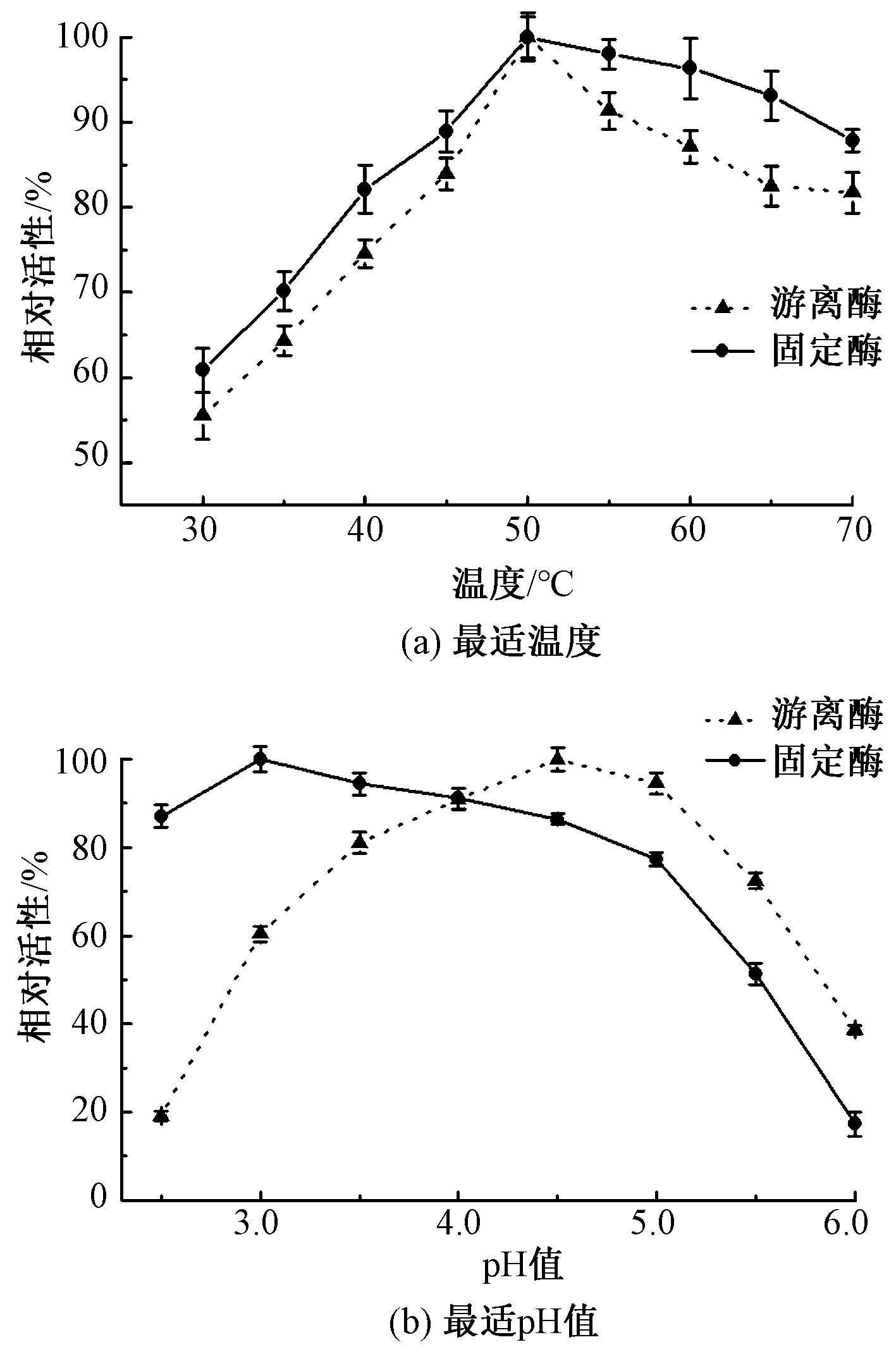
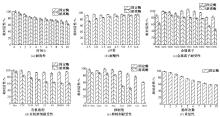
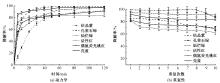
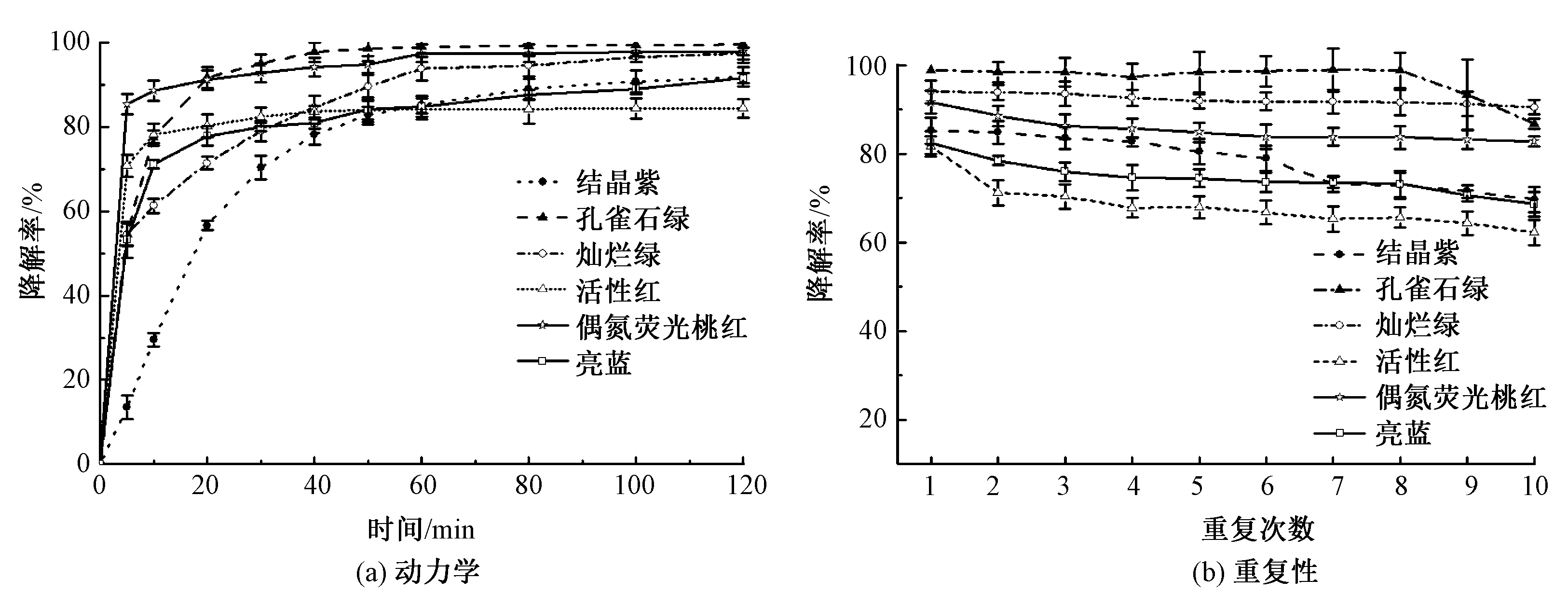
摘要: 为解决生物酶生产成本高、稳定性差以及无法重复使用等问题,通过将生物酶固定于纳米粒子表面,可提升其稳定性与重复使用性。基于醛基与氨基形成席夫碱的反应原理,将漆酶共价固定在Fe3O4纳米粒子表面,成功制备出磁性固定化漆酶,并考察了其耐热性、耐酸性、金属离子抗污染性、有机物抗污染性、抑制剂抗污染性及重复使用性。结果表明:磁性固定化漆酶的稳定性与抗污染性均得到提升,且重复使用性能表现优异,在重复使用10次后仍可保持59.3%的初始活性;此外,该磁性固定化漆酶在染料降解领域展现出优异性能,可高效降解高浓度的孔雀石绿、结晶紫、 灿烂绿、活性红、亮蓝及偶氮荧光桃红,初次降解率可达81.6%~98.8%;经过10个循环的重复降解,其降解率仍能维持在62.2%~90.5%。该结果证实,磁性固定化漆酶在染料降解方面具有一定的优势。
中图分类号:
| [1] |
MOGHIMI Dehkordi M, POURNUROZ Nodeh Z, SOLEIMANI Dehkordi K, et al. Soil, air, and water pollution from mining and industrial activities: sources of pollution, environmental impacts, and prevention and control methods[J]. Results in Engineering, 2024, 23: 102729.
doi: 10.1016/j.rineng.2024.102729 |
| [2] |
RAJENDRAN S, KALAIRAJ A, SENTHILVELAN T. A comprehensive review on enzymatic decolorization of various azo dyes using laccase for the abatement of industrial pollution[J]. Biomass Conversion and Biorefinery, 2025, 15(9): 13079-13101.
doi: 10.1007/s13399-024-06104-0 |
| [3] |
RAYAROTH M P, ARAVIND U K, ARAVINDAKUMAR C T. Effect of inorganic ions on the ultrasound initiated degradation and product formation of triphenylmethane dyes[J]. Ultrasonics Sonochemistry, 2018, 48: 482-491.
doi: S1350-4177(18)30351-1 pmid: 30080575 |
| [4] |
BELLO-GIL D, ROIG-MOLINA E, FONSECA J, et al. An enzymatic system for decolorization of wastewater dyes using immobilized CueO laccase-like multicopper oxidase on poly-3-hydroxybutyrate[J]. Microbial Biotechnology, 2018, 11(5): 881-892.
doi: 10.1111/mbt2.2018.11.issue-5 |
| [5] |
BILAL M, ASGHER M, IQBAL M, et al. Chitosan beads immobilized manganese peroxidase catalytic potential for detoxification and decolorization of textile effluent[J]. International Journal of Biological Macromolecules, 2016, 89: 181-189.
doi: 10.1016/j.ijbiomac.2016.04.075 pmid: 27130652 |
| [6] |
NOUREN S, BHATTI H N, IQBAL M, et al. By-product identification and phytotoxicity of biodegraded Direct Yellow 4 dye[J]. Chemosphere, 2017, 169: 474-484.
doi: S0045-6535(16)31615-0 pmid: 27889513 |
| [7] |
XU H M, SUN X F, WANG S Y, et al. Development of laccase/graphene oxide membrane for enhanced synthetic dyes separation and degradation[J]. Separation and Purification Technology, 2018, 204: 255-260.
doi: 10.1016/j.seppur.2018.04.036 |
| [8] | 李万新, 舒大武, 安芳芳, 等. 碳化钛与三价铁离子协同过硫酸钠对活性染料废水的降解[J]. 纺织学报, 2025, 46(1): 138-147. |
| LI Wanxin, SHU Dawu, AN Fangfang, et al. Degradation of reactive dye wastewater by titanium carbide and Fe3+ activated sodium persulfate[J]. Journal of Textile Research, 2025, 46(1): 138-147. | |
| [9] |
ABBAS M, ADIL M, EHTISHAM-UL-HAQUE S, et al. Vibrio fischeri bioluminescence inhibition assay for ecotoxicity assessment: a review[J]. Science of the Total Environment, 2018, 626: 1295-1309.
doi: 10.1016/j.scitotenv.2018.01.066 |
| [10] |
CHEN J G, LI Y B, YANG Y, et al. How cushion communities are maintained in alpine ecosystems: a review and case study on alpine cushion plant reproduction[J]. Plant Diversity, 2017, 39(4): 221-228.
doi: 10.1016/j.pld.2017.07.002 |
| [11] |
SABER-SAMANDARI S, SABER-SAMANDARI S, JONEIDI-YEKTA H, et al. Adsorption of anionic and cationic dyes from aqueous solution using gelatin-based magnetic nanocomposite beads comprising carboxylic acid functionalized carbon nanotube[J]. Chemical Engineering Journal, 2017, 308: 1133-1144.
doi: 10.1016/j.cej.2016.10.017 |
| [12] |
NAVARRO P, GABALDÓN J A, GÓMEZ-LÓPEZ V M. Degradation of an azo dye by a fast and innovative pulsed light/H2O2 advanced oxidation process[J]. Dyes and Pigments, 2017, 136: 887-892.
doi: 10.1016/j.dyepig.2016.09.053 |
| [13] | KADAM A A, JANG J, LEE D S. Supermagnetically tuned halloysite nanotubes functionalized with aminosilane for covalent laccase immobilization[J]. ACS Applied Materials & Interfaces, 2017, 9(18): 15492-15501. |
| [14] |
RAN F P, ZOU Y L, XU Y X, et al. Fe3O4@MoS2@PEI-facilitated enzyme tethering for efficient removal of persistent organic pollutants in water[J]. Chemical Engineering Journal, 2019, 375: 121947.
doi: 10.1016/j.cej.2019.121947 |
| [15] |
DARVISHI F, MORADI M, JOLIVALT C, et al. Laccase production from sucrose by recombinant Yarrowia lipolytica and its application to decolorization of environmental pollutant dyes[J]. Ecotoxicology and Environmental Safety, 2018, 165: 278-283.
doi: S0147-6513(18)30882-0 pmid: 30205329 |
| [16] |
WANG F, GUO C, LIU H Z, et al. Immobilization of Pycnoporus sanguineus laccase by metal affinity adsorption on magnetic chelator particles[J]. Journal of Chemical Technology & Biotechnology, 2008, 83(1): 97-104.
doi: 10.1002/jctb.v83:1 |
| [17] |
WANG X Y, LIU L, JIANG B B, et al. Synthesis of the immobilized laccase on N-doped carbon nanonets for photothermal detection of hydroquinone[J]. Microchemical Journal, 2025, 208: 112432.
doi: 10.1016/j.microc.2024.112432 |
| [18] |
PATEL S K S, ANWAR M Z, KUMAR A, et al. Fe2O3 yolk-shell particle-based laccase biosensor for efficient detection of 2, 6-dimethoxyphenol[J]. Biochemical Engineering Journal, 2018, 132: 1-8.
doi: 10.1016/j.bej.2017.12.013 |
| [19] |
ORABY K R M, VILLALONGA A, HASSAN F S M, et al. Immobilization of laccase on Fe3O4@SiO2 core@shell magnetic nanoparticles for methylene blue biodegradation[J]. Process Biochemistry, 2025, 148: 10-16.
doi: 10.1016/j.procbio.2024.11.012 |
| [20] |
TULLY J, YENDLURI R, LVOV Y. Halloysite clay nanotubes for enzyme immobilization[J]. Biomacromolecules, 2016, 17(2): 615-621.
doi: 10.1021/acs.biomac.5b01542 pmid: 26699154 |
| [21] |
ZHANG H, ZHANG X, WANG L, et al. Functionalized chitosan and alginate composite hydrogel-immobilized laccase with sustainable biocatalysts for the effective removal of organic pollutant bisphenol A[J]. Catalysts, 2024, 14(5): 304.
doi: 10.3390/catal14050304 |
| [22] |
XIA T T, LIU C Z, HU J H, et al. Improved performance of immobilized laccase on amine-functioned magnetic Fe3O4 nanoparticles modified with polyethylenimine[J]. Chemical Engineering Journal, 2016, 295: 201-206.
doi: 10.1016/j.cej.2016.03.044 |
| [23] |
ZHANG W, WANG Q R, SONG J F, et al. Ionic liquid interfacial modification of magnetic metal-organic framework enhances laccase stability and catalytic performance in degrading phenolic pollutants[J]. Process Safety and Environmental Protection, 2025, 194: 1081-1091.
doi: 10.1016/j.psep.2024.12.083 |
| [24] |
朱脉勇, 陈齐, 童文杰, 等. 四氧化三铁纳米材料的制备与应用[J]. 化学进展, 2017, 29(11): 1366-1394.
doi: 10.7536/PC170559 |
|
ZHU Maiyong, CHEN Qi, TONG Wenjie, et al. Preparation and application of Fe3O4 nanomaterials[J]. Progress in Chemistry, 2017, 29(11): 1366-1394.
doi: 10.7536/PC170559 |
|
| [25] |
FARAJI M, YAMINI Y, REZAEE M. Magnetic nanoparticles: synthesis, stabilization, functionalization, characterization, and applica-tions[J]. Journal of the Iranian Chemical Society, 2010, 7(1): 1-37.
doi: 10.1007/BF03245856 |
| [26] |
FAROKHIAN P, MAMAGHANI M, MAHMOODI N O, et al. An expeditious one-pot synthesis of pyrido [2, 3-d] pyrimidines using Fe3O4-ZnO-NH2-PW12O40 nanocatalyst[J]. Journal of Chemical Research, 2019, 43(3/4): 135-139.
doi: 10.1177/1747519819856978 |
| [27] |
HUAN W W, YANG Y X, WU B, et al. Degradation of 2, 4-DCP by the immobilized laccase on the carrier of Fe3O4@SiO2-NH2[J]. Chinese Journal of Chemistry, 2012, 30(12): 2849-2860.
doi: 10.1002/cjoc.v30.12 |
| [28] |
YANG L, GUO Y L, ZHAN W C, et al. One-pot synthesis of aldehyde-functionalized mesoporous silica-Fe3O4 nanocomposites for immobilization of penicillin G acylase[J]. Microporous and Mesoporous Materials, 2014, 197: 1-7.
doi: 10.1016/j.micromeso.2014.05.044 |
| [29] |
TAKEUCHI R, SATO N. Hydroformylation of alkenes having organosilicon substituents[J]. Journal of Organometallic Chemistry, 1990, 393(1): 1-10.
doi: 10.1016/0022-328X(90)87193-H |
| [30] |
YONG Y, BAI Y X, LI Y F, et al. Characterization of Candida rugosa lipase immobilized onto magnetic microspheres with hydrophilicity[J]. Process Biochemistry, 2008, 43(11): 1179-1185.
doi: 10.1016/j.procbio.2008.05.019 |
| [31] |
CHEN Z M, SONG J J, ZHU Q P, et al. Synthesis of Fe3O4@PVBC-TMT nanoparticles for the efficient removal of heavy metals ions[J]. RSC Advances, 2019, 9(69): 40546-40552.
doi: 10.1039/C9RA08037F |
| [32] |
HIDAKA H, KOBAYASHI R. Pharmacology of protein kinase inhibitors[J]. Annual Review of Pharmacology and Toxicology, 1992, 32: 377-397.
pmid: 1605572 |
| [33] |
QIAO W C, LIU H. Enhanced decolorization of malachite green by a magnetic graphene oxide-CotA laccase composite[J]. International Journal of Biological Macromolecules, 2019, 138: 1-12.
doi: S0141-8130(19)32813-2 pmid: 31302127 |
| [1] | 刘劲扬, 李成才, 朱海霖, 郭玉海, 姜学梁. 非对称结构聚四氟乙烯中空管式纤维膜的制备及油水分离性能[J]. 纺织学报, 2025, 46(12): 11-18. |
| [2] | 宋佳怡, 王政驿, 程献伟, 关晋平, 朱亚伟. 液态靛蓝染料的制备及其对棉织物的染色性能[J]. 纺织学报, 2025, 46(12): 133-141. |
| [3] | 陈铭, 张豪, 张子缘, 杨清标, 高吉, 范存伟, 孙戒. 含生物基组分的酸性染料的合成及其染色性能[J]. 纺织学报, 2025, 46(12): 142-151. |
| [4] | 季巧, 于清源, 周爱晖, 马博谋, 徐进, 袁久刚. 细菌纤维素及其复合材料的应用研究进展[J]. 纺织学报, 2025, 46(12): 243-250. |
| [5] | 周青青, 常硕, 毛志平, 吴伟. 人工智能在纺织印染行业中的应用研究进展[J]. 纺织学报, 2025, 46(12): 260-269. |
| [6] | 刘青青, 毛晓卉, 姚焰, 孙颖, 陈鱼, 张霄喆, 朱丽萍, 王雪芬. 纤维基分离膜功能改性及应用研究进展[J]. 纺织学报, 2025, 46(12): 39-48. |
| [7] | 高俊, 凌磊, 陈缘, 武丁胜, 林韩蕾, 李振宇, 凤权. 氨基功能化聚丙烯腈纳米纤维膜的制备及其对Cr(Ⅵ)的吸附性能[J]. 纺织学报, 2025, 46(12): 57-65. |
| [8] | 张慧杰, 李登宇, 周轩, 李秀艳, 汪滨, 徐泉. 磺化聚醚醚酮基铁铬液流电池隔膜的制备及其性能[J]. 纺织学报, 2025, 46(12): 83-91. |
| [9] | 马颖媛, 李建芳, 胡毅. 活性红195在异构烷烃体系中对蚕丝织物的少水染色性能[J]. 纺织学报, 2025, 46(11): 178-187. |
| [10] | 王学林, 胡万锦, 周思婕, 杜立新, 夏良君, 徐卫林. 莱赛尔纤维及其制品颜色构建技术的研究进展[J]. 纺织学报, 2025, 46(11): 247-254. |
| [11] | 金少特, 阎克路, 黄金杰, 陈德芳, 史向阳. 棉散纤维活性染料连续染色技术及其工业化应用[J]. 纺织学报, 2025, 46(10): 129-134. |
| [12] | 蔡丽云, 欧阳承辉, 黄泽洋, 王成成, 关玉, 付少海, 张丽平. 彩色乳胶粒的制备及其在涤纶/棉混纺织物印花中的应用[J]. 纺织学报, 2025, 46(10): 135-142. |
| [13] | 李健阁, 吴伟, 韩伟鹏, 纪柏林, 徐红, 毛志平. 乙烯砜醋酸酯活性分散染料的合成及其对锦纶66的染色应用[J]. 纺织学报, 2025, 46(10): 143-151. |
| [14] | 刘东方, 任李培, 徐卫林, 肖杏芳. 灯心草负载活性炭材料的制备及其对染料吸附性能[J]. 纺织学报, 2025, 46(10): 159-166. |
| [15] | 刘琳, 夏菲菲, 徐晓禹, 赵柳涛, 叶翔宇, 俞森龙, 邵钰, 吴跃, 张兴宏, 朱斐超. 生物降解聚合物非织造材料的降解性能及标准体系研究进展[J]. 纺织学报, 2025, 46(10): 237-246. |
|
||
 京公网安备11010502044800号