纺织学报 ›› 2025, Vol. 46 ›› Issue (12): 142-151.doi: 10.13475/j.fzxb.20250304301
陈铭1, 张豪1, 张子缘1, 杨清标1, 高吉1, 范存伟1, 孙戒2( )
)
CHEN Ming1, ZHANG Hao1, ZHANG Ziyuan1, YANG Qingbiao1, GAO Ji1, FAN Cunwei1, SUN Jie2()
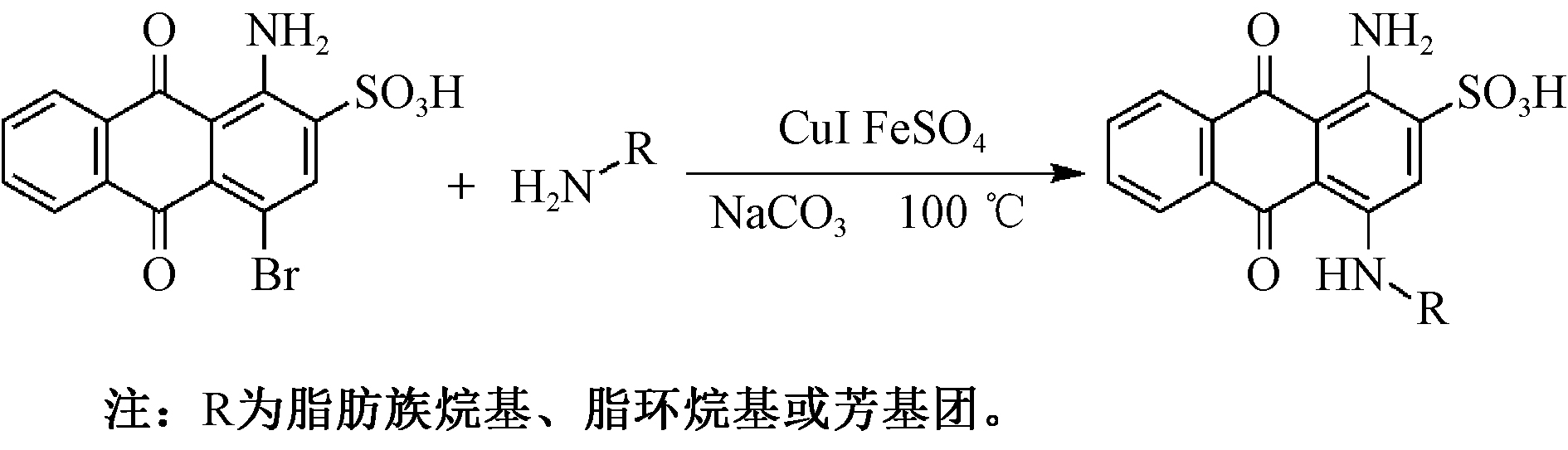
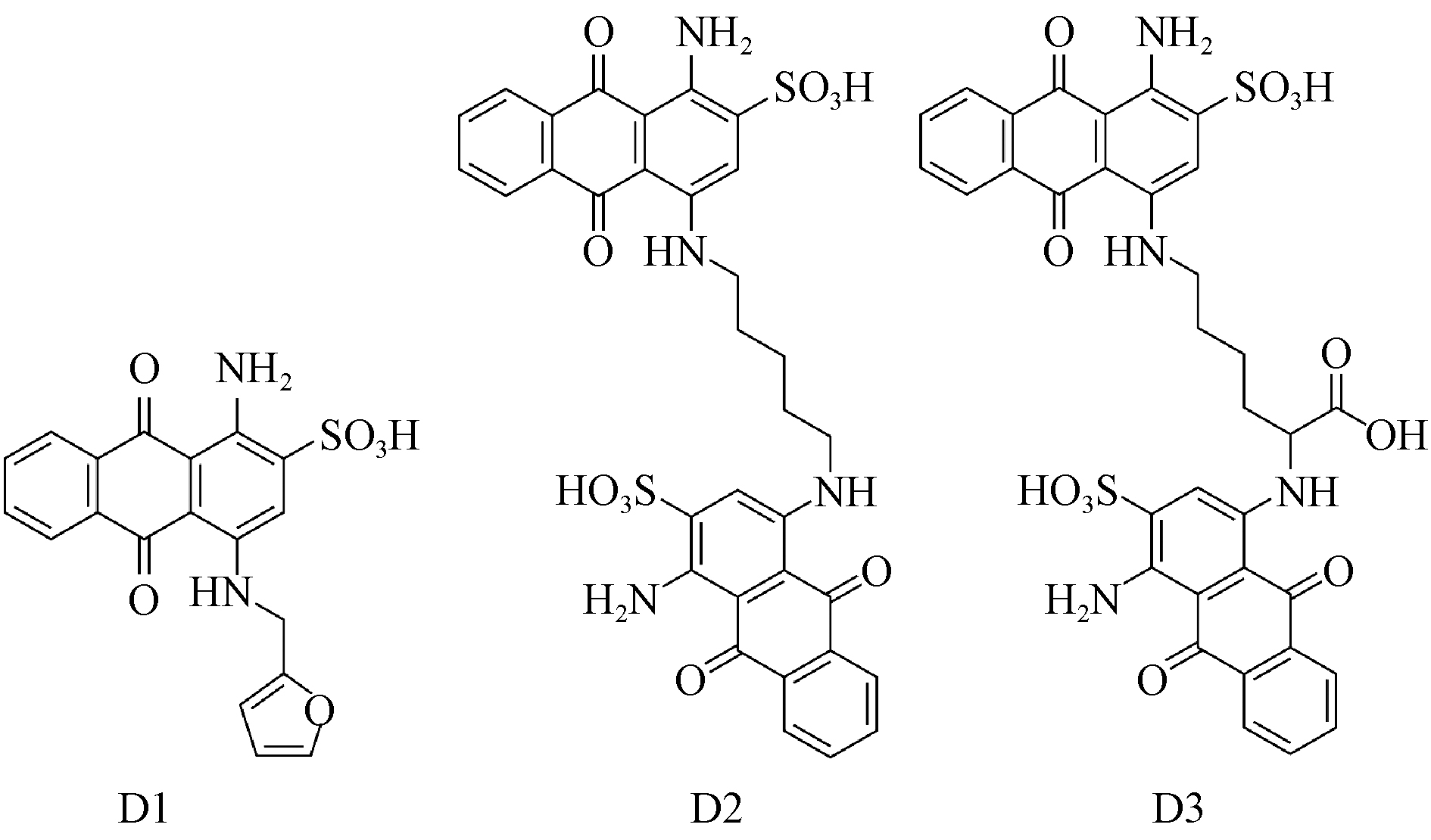
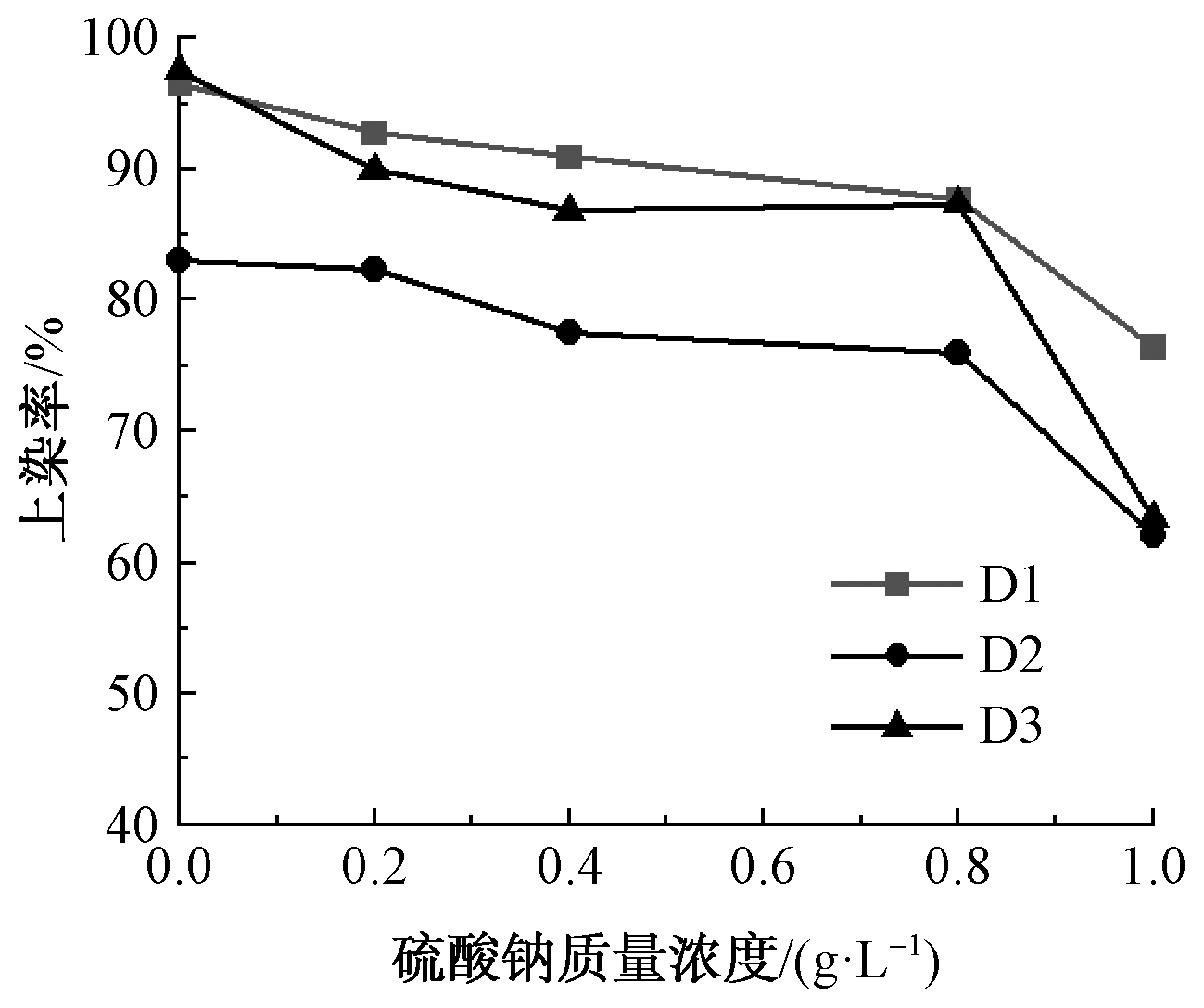
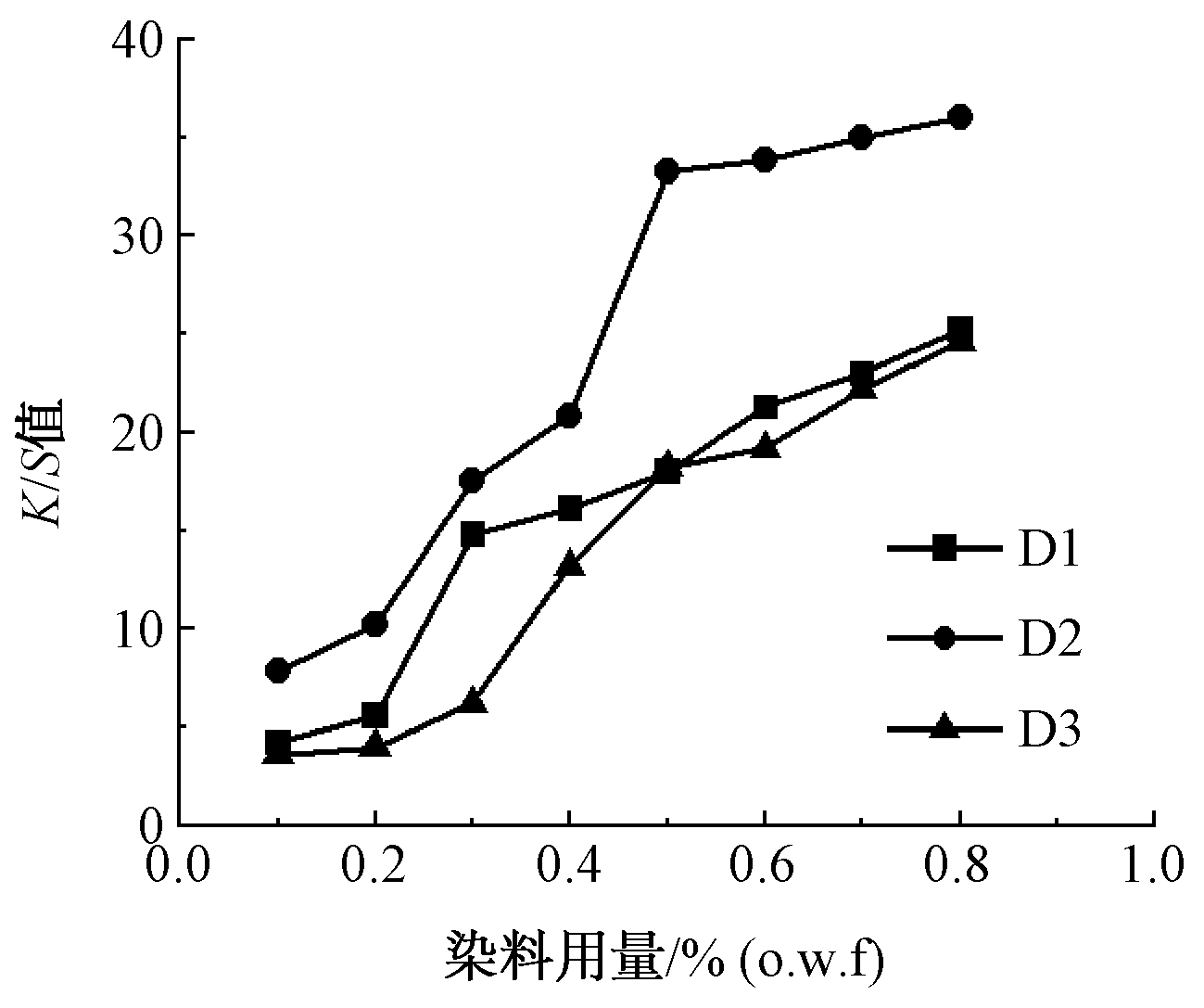
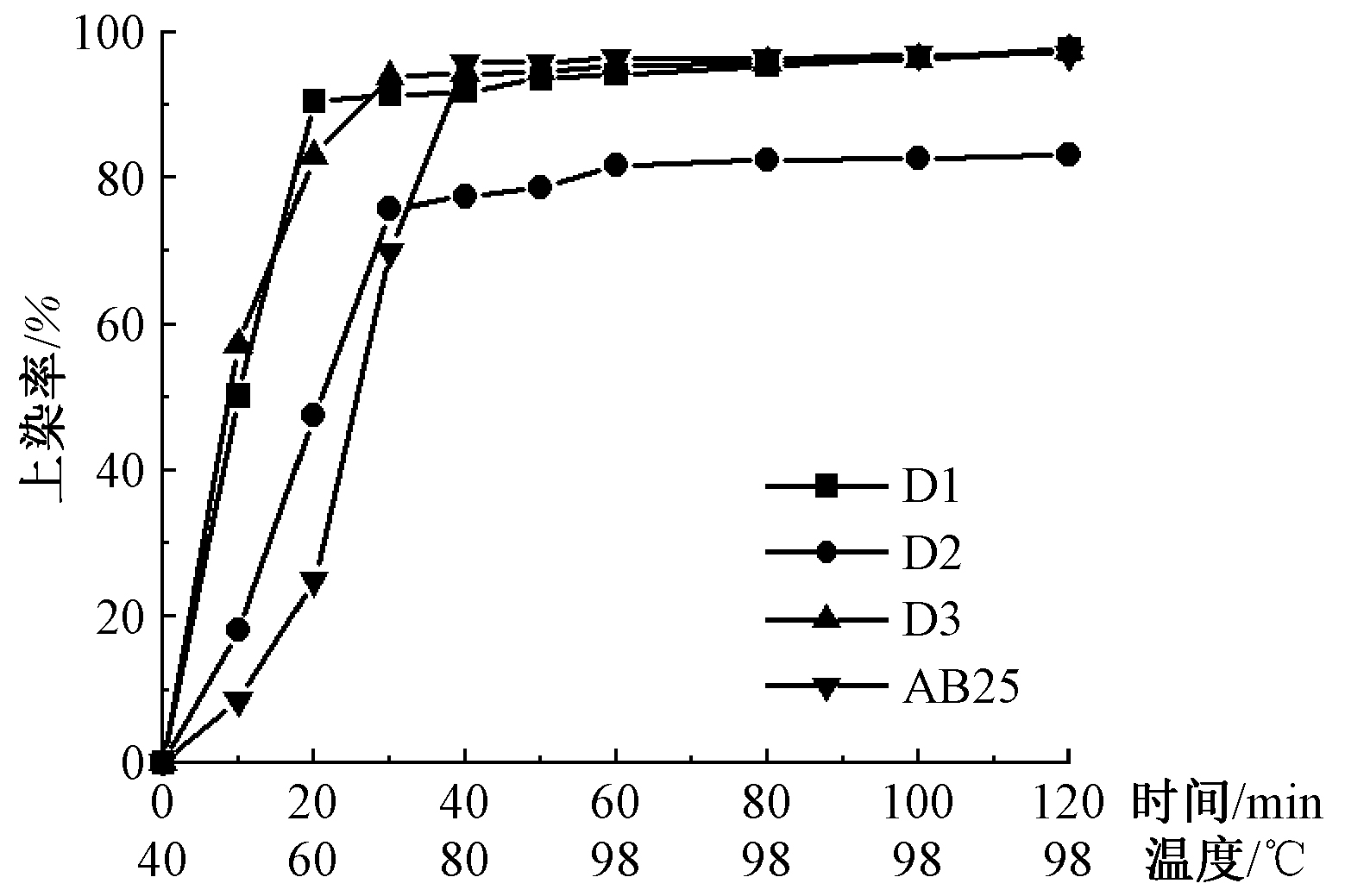
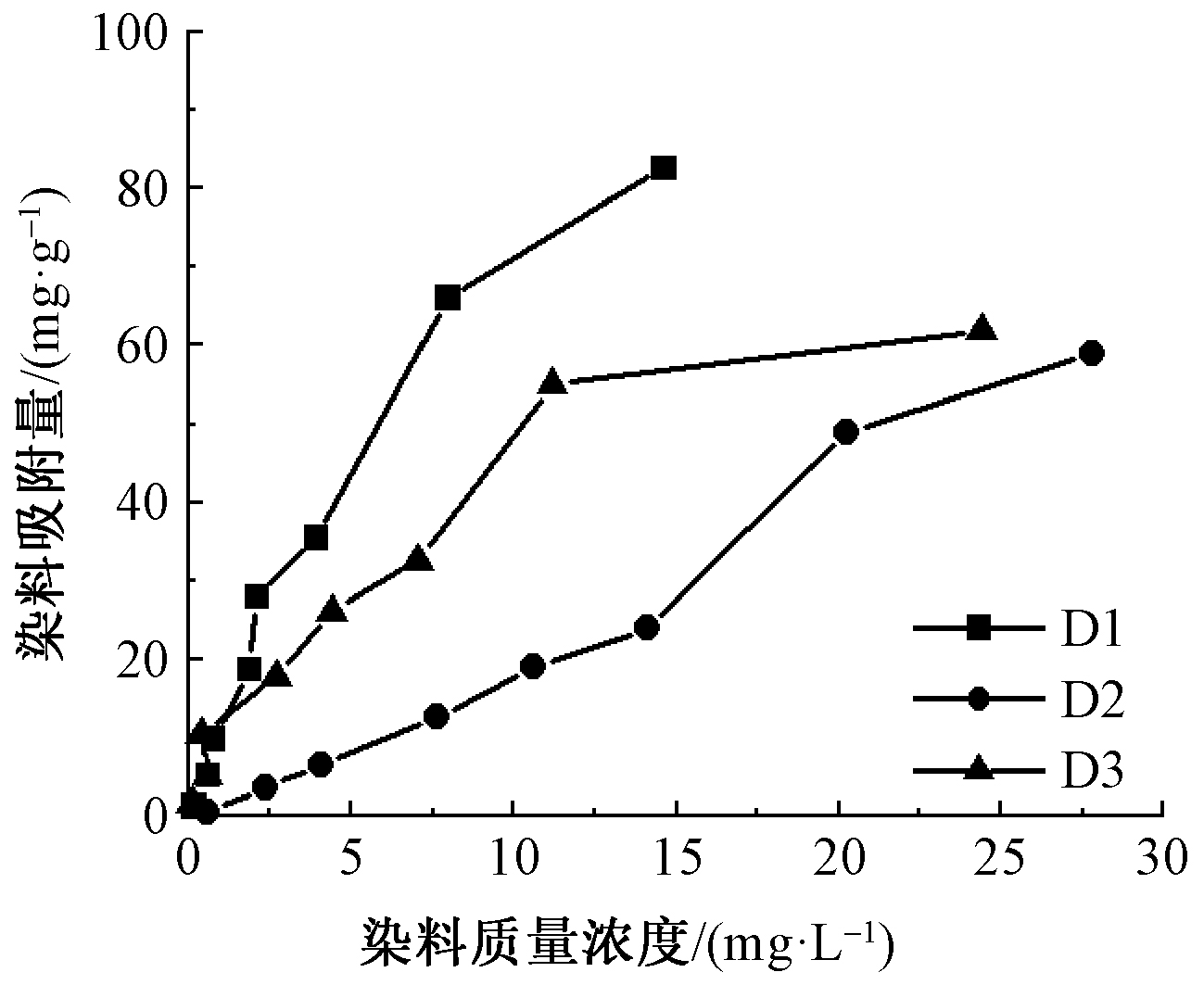
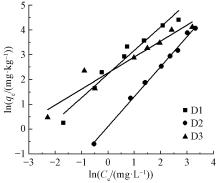
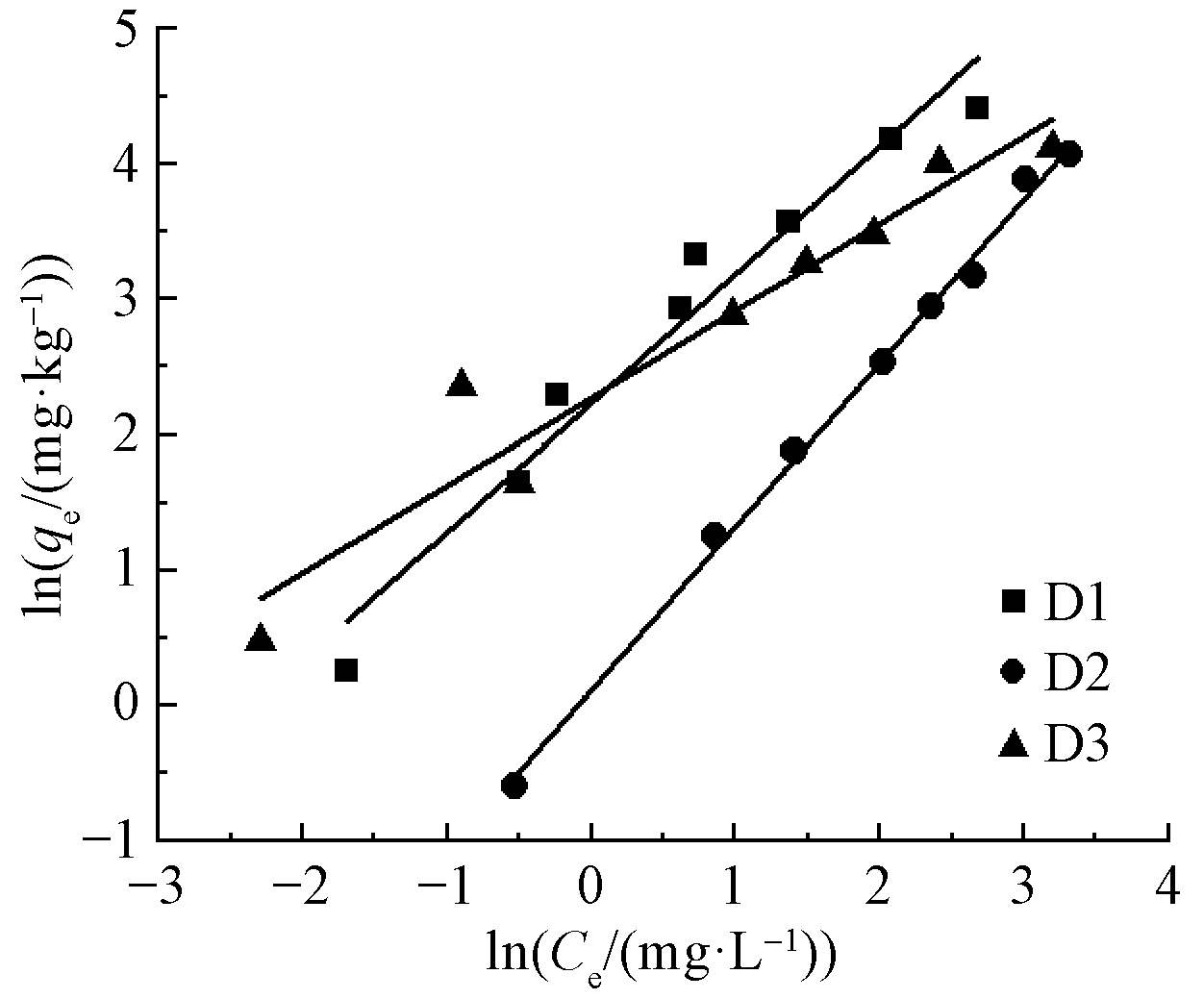
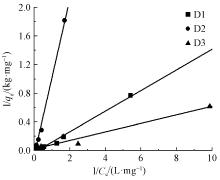
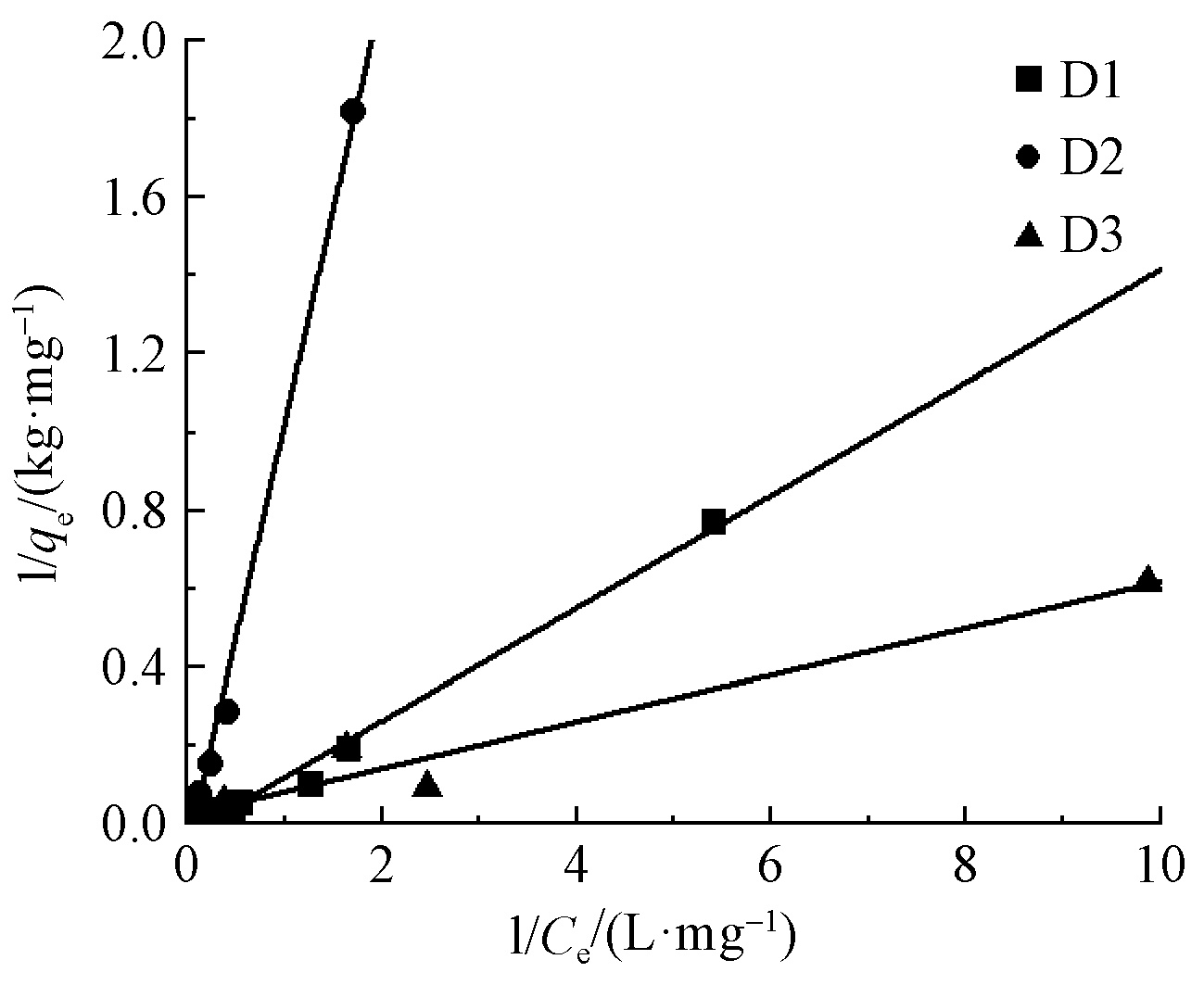
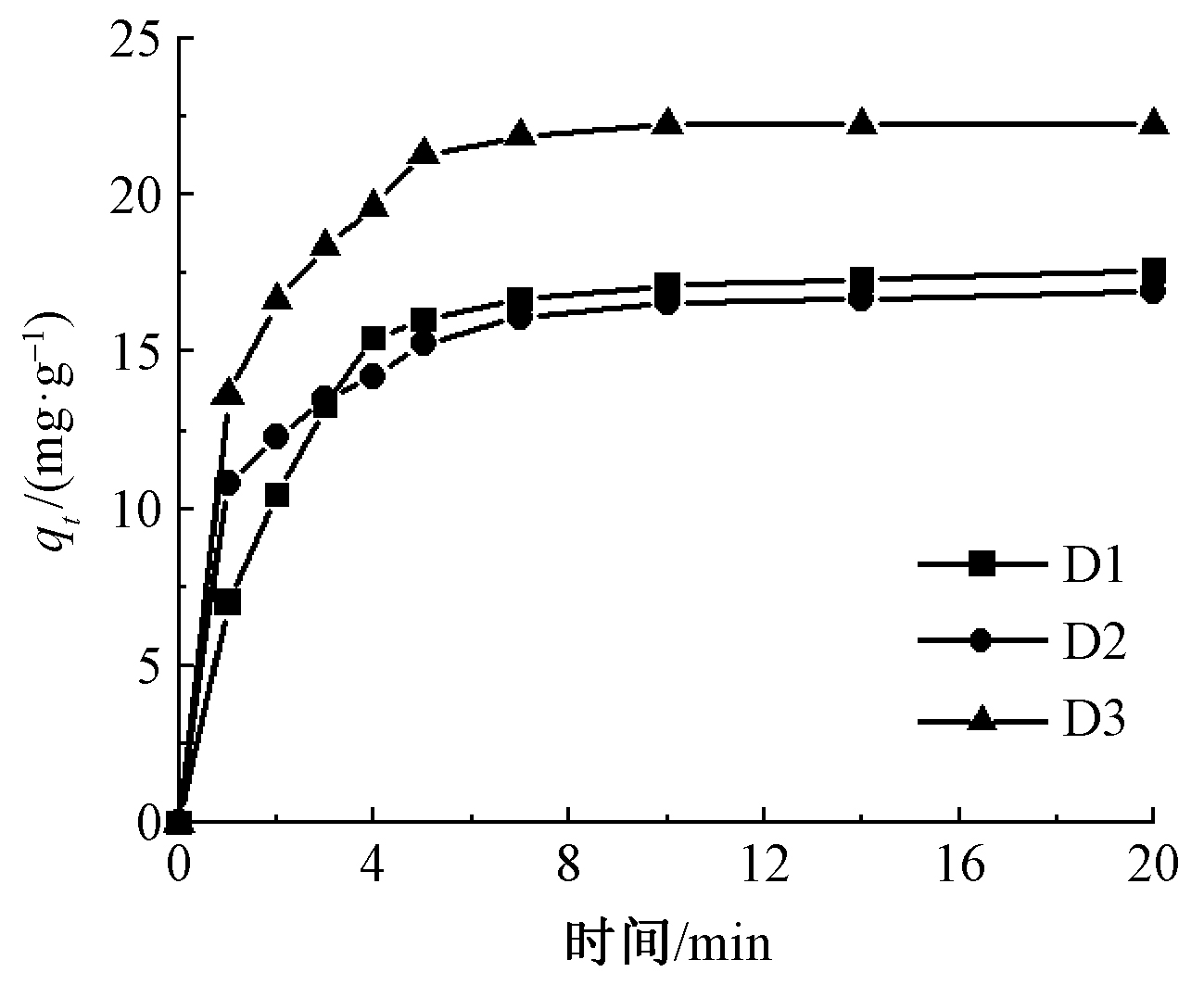
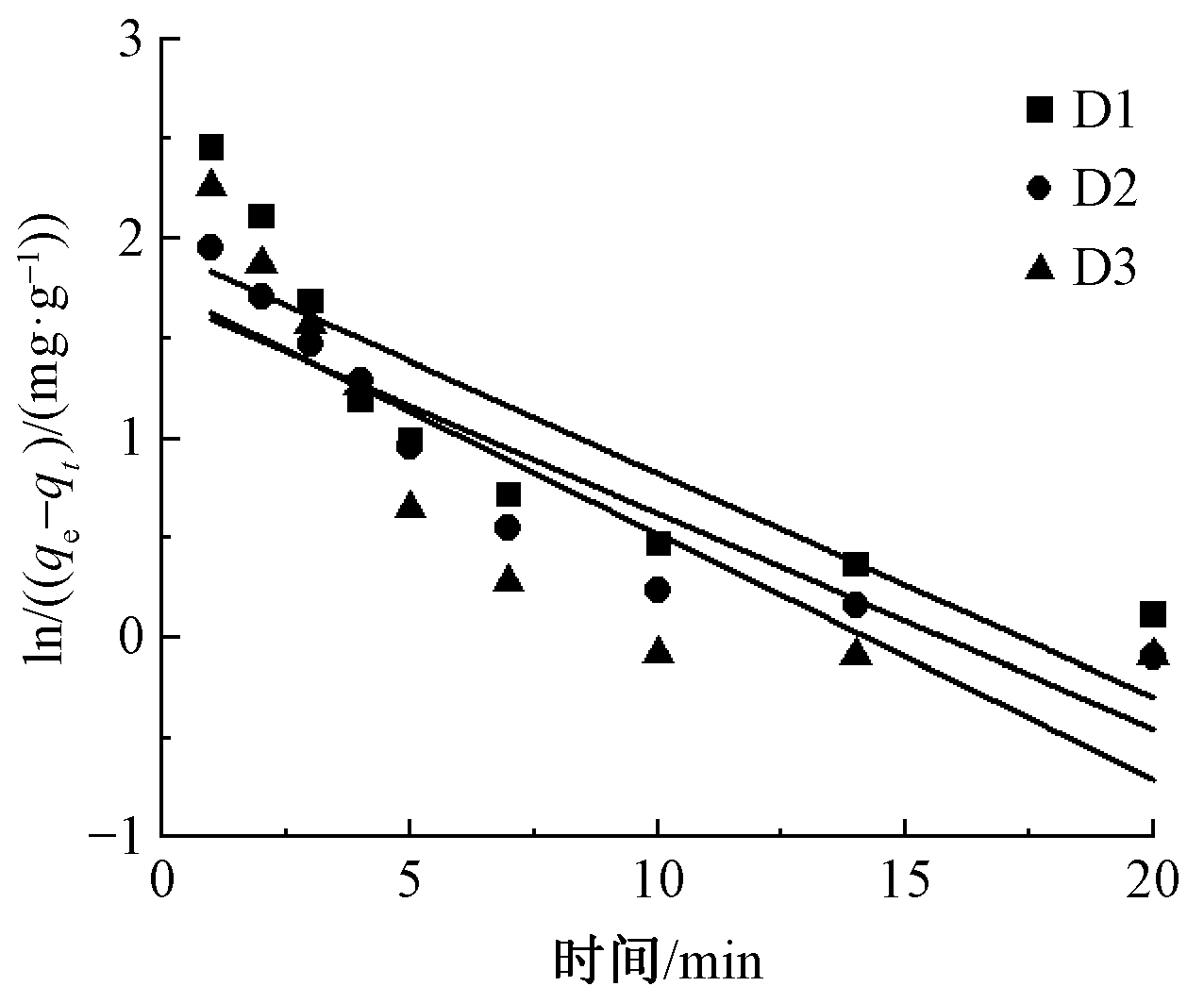
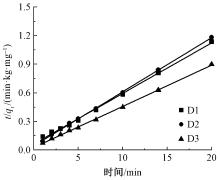
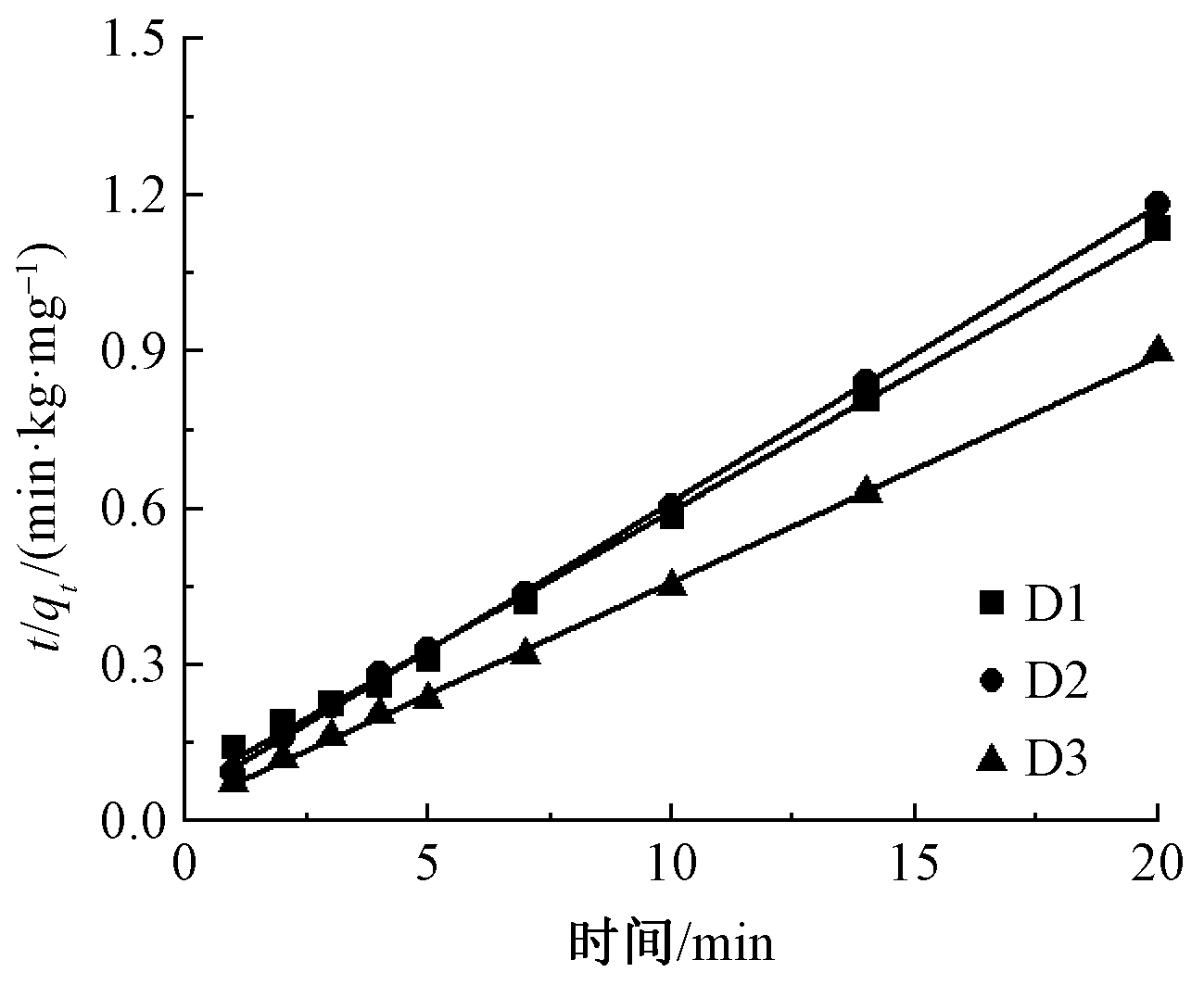
摘要: 针对当前染料生产中普遍依赖石化基化学品导致碳排放高,且部分工艺涉及有毒芳香胺的问题,以L-赖氨酸、1,5-戊二胺和2-呋喃甲胺为原料,合成了3种含生物基组分的新型蒽醌酸性染料(D1~D3),通过核磁共振氢谱、核磁共振碳谱、红外光谱技术确认了染料的化学结构;进一步研究了3种染料对羊毛织物的染色性能,并与商用酸性染料(酸性蓝25)进行了对比。结果表明:在染液pH值为6且未添加硫酸钠的条件下,染料D1、D2、D3的上染率分别达到96.5%、83.3%和97.5%,而酸性蓝25的上染率为97.1%;D1、D2、D3的半染时间分别为9.5、18、8.5 min,均短于酸性蓝25的25.6 min,体现出更快的染色速率优势,且均表现出良好的匀染性、提升性与直接性;染色热力学研究显示,D1~D3在羊毛织物上的吸附行为符合Langmuir吸附等温线,证实吸附过程为单分子层吸附;动力学分析则表明,羊毛对3种染料的吸附遵循伪二级动力学模型;色牢度测试结果显示,染料D1~D3的耐水洗色牢度和耐摩擦色牢度均达到3级以上,耐光色牢度在6级以上,具备较好的使用稳定性。
中图分类号:
| [1] |
WANG H Y, WANG G W, ZHENG C L, et al. Synthesis of acid dyes containing polyetheramine moieties and their low-temperature dyeing properties on wool fiber[J]. Journal of Applied Polymer Science, 2018, 135(6): 45793.
doi: 10.1002/app.v135.6 |
| [2] | 罗巧玲, 付少海, 王冬, 等. 生物基锦纶56弱酸性染料仿绿色植被染色[J]. 纺织学报, 2025, 46(2): 130-137. |
| LUO Qiaoling, FU Shaohai, WANG Dong, et al. Dyeing of bio-based polyamide 56 with weak acidic dyes for green vegetation imitation[J]. Journal of Textile Research, 2025, 46(2): 130-137. | |
| [3] | 穆振义. 乌尔曼反应在染料合成中的应用[J]. 染料与染色, 1984, 37(3): 1-7. |
| MU Zhenyi. Application of Ullmann reaction in dye synthesis[J]. Dyestuffs and Coloration, 1984, 37(3): 1-7. | |
| [4] |
HUANG H F, MA W, TANG B T, et al. Properties of a novel acid dye 1-amino-4-[(6-nitro-2-benzothiazolyl)amino]-9, 10-anthraquinone-2-sulfonic acid with anti-UV capability[J]. Chinese Chemical Letters, 2010, 21(4): 417-420.
doi: 10.1016/j.cclet.2009.11.010 |
| [5] | 刘金源. 纺织品中新增致癌芳香胺及其胺盐检测技术研究[D]. 青岛: 青岛科技大学, 2023: 1-16. |
| LIU Jinyuan. Study on the detection technology of carcinogenic aromatic amines and their salts in tex-tiles[D]. Qingdao: Qingdao University of Science & Technology, 2023: 1-16. | |
| [6] |
DO K L, SU M, MUSHTAQ A, et al. Dyeing of silk with natural lac dye from laccifer lacca Kerr. and evaluation of antibacterial and UV-protective proper-ties[J]. Fibers and Polymers, 2023, 24(8): 2773-2783.
doi: 10.1007/s12221-023-00254-0 |
| [7] | 叶华, 刘占鳌, 高叶. 桑叶提取物在天然纺织品染色中的效果[J]. 印染助剂, 2025, 42(5): 53-56. |
| YE Hua, LIU Zhan'ao, GAO Ye. Effect of mulberry leaf extract in the dyeing of natural textiles[J]. Textile Auxiliaries, 2025, 42(5): 53-56. | |
| [8] | 朱文卿, 郭腾龙, 张波. 生物质转化制备含氮化合物研究进展[J]. 中国科学: 化学, 2025, 55(1): 50-68. |
|
ZHU Wenqing, GUO Tenglong, ZHANG Bo. Progress on the sustainable production of N-containing compounds from biomass[J]. Scientia Sinica: Chimica, 2025, 55(1): 50-68.
doi: 10.1360/SSC-2024-0250 |
|
| [9] | 王均成, 王文风. L-赖氨酸发酵生产研究进展[J]. 发酵科技通讯, 2010, 39(4): 39-43. |
| WANG Juncheng, WANG Wenfeng. Research progress of L-lysine fermentation production[J]. Bulletin of Fermentation Science and Technology, 2010, 39(4): 39-43. | |
| [10] | 鲁盼盼, 安宁, 郑舒言, 等. 生物基聚己二酸戊二胺(PA56)的性能及应用[J]. 化工新型材料, 2024, 52(S2): 99-103. |
| LU Panpan, AN Ning, ZHENG Shuyan, et al. Properties and applications of bio-based poly(pentamethylene adipamide)(PA56)[J]. New Chemical Materials, 2024, 52(S2): 99-103. | |
| [11] |
蔺琨, 李壮, 王坤, 等. 生物合成尼龙新材料核心单体二元胺研究进展[J]. 过程工程学报, 2023, 23(7): 958-971.
doi: 10.12034/j.issn.1009-606X.223147 |
|
LIN Kun, LI Zhuang, WANG Kun, et al. Advances in biosynthesis of diamine as core monomers of new nylon materials[J]. The Chinese Journal of Process Engineering, 2023, 23(7): 958-971.
doi: 10.12034/j.issn.1009-606X.223147 |
|
| [12] |
LI W, LI H, WU C H, et al. An effective synthesis of bio-based pentamethylene diisocyanate in a jet loop reactor[J]. Chemical Engineering Journal, 2021, 425: 131527.
doi: 10.1016/j.cej.2021.131527 |
| [13] |
SUN J, WANG H Y, ZHENG C L, et al. Synthesis of some surfactant-type acid dyes and their low-temperature dyeing properties on wool fiber[J]. Journal of Cleaner Production, 2019, 218: 284-293.
doi: 10.1016/j.jclepro.2019.01.341 |
| [14] |
SIVENDRAN N, BELITZ F, SOWA PRENDES D, et al. Photochemical sandmeyer-type halogenation of arenediazonium salts[J]. Chemistry-A European Journal, 2022, 28(9): e202103669.
doi: 10.1002/chem.v28.9 |
| [15] |
LIU H B, LI Y L, XIAO S Q, et al. Control growth of one-dimensional nanostructures of organic materials[J]. The Journal of Physical Chemistry B, 2004, 108(23): 7744-7747.
doi: 10.1021/jp049455r |
| [16] |
WANG C F, SUN J Q, LIU X D, et al. Synthesis and copolymerization of fully bio-based benzoxazines from guaiacol, furfurylamine and stearylamine[J]. Green Chemistry, 2012, 14(10): 2799-2806.
doi: 10.1039/c2gc35796h |
| [17] |
GONZÁLEZ Y I, KALER E W. Fibrous assemblies and water gelation in mixtures of lysine with sodium alkyl sulfates[J]. Langmuir, 2005, 21(16): 7191-7199.
pmid: 16042441 |
| [18] |
KOREISHI M, ZHANG D M, IMANAKA H, et al. A novel acylase from Streptomyces mobaraensis that efficiently catalyzes hydrolysis/synthesis of capsaicins as well as N-acyl-L-amino acids and N-acyl-peptides[J]. Journal of Agricultural and Food Chemistry, 2006, 54(1): 72-78.
pmid: 16390180 |
| [19] |
HIHARA T, OKADA Y, MORITA Z. The aggregation of triphenodioxazine reactive dyes in aqueous solution and on cellulosic and nylon substrates[J]. Dyes and Pigments, 2000, 45(2): 131-143.
doi: 10.1016/S0143-7208(00)00013-9 |
| [20] |
CUI J H, ZHANG S F. Synthesis and application of a novel, triphendioxazine-based, phosphorus-containing acid dye for wool[J]. Coloration Technology, 2018, 134(5): 381-389.
doi: 10.1111/cote.2018.134.issue-5 |
| [21] |
FEIZ M, NOROUZI H. Dyeing and adsorption studies of madder (rubia tinctorum) on wool fibers[J]. Materials Science, 2015, 21(1): 81-86.
doi: 10.5755/j01.ms.21.1.5150 |
| [22] | 王洪新, 张鹏, 叶建, 等. 沸石咪唑骨架-67纳米粒子对亮绿染料的吸附行为研究[J]. 洛阳理工学院学报(自然科学版), 2022, 32(2): 7-12. |
| WANG Hongxin, ZHANG Peng, YE Jian, et al. Study on the adsorption behavior of zeolitic imidazole framework-67 nanoparticles for brilliant green dye[J]. Journal of Luoyang Institute of Science and Techno-logy (Natural Science Edition), 2022, 32(2): 7-12. | |
| [23] | 贺艳, 黄致广, 李云龙. 稻壳生物炭对甲基橙和罗丹明B的吸附研究[J]. 针织工业, 2025(1): 42-47. |
| HE Yan, HUANG Zhiguang, LI Yunlong. Adsorption of methyl orange and rhodamine B dyes by rice husk biochar[J]. Knitting Industries, 2025(1): 42-47. | |
| [24] |
MCKAY G, BLAIR H S, GARDNER J R. Adsorption of dyes on chitin. I. equilibrium studies[J]. Journal of Applied Polymer Science, 1982, 27(8): 3043-3057.
doi: 10.1002/app.07.v27:8 |
| [25] |
VUCKOVIC N, NIKODIJEVIC M, DJORDJЕVIC D. The study of direct dye sorption on flax fibers during dyeing[J]. Chemical Industry and Chemical Engineering Quarterly, 2021, 27(3): 255-263.
doi: 10.2298/CICEQ200503043V |
| [26] |
CHAIRAT M, RATTANAPHANI S, BREMNER J B, et al. An adsorption and kinetic study of lac dyeing on silk[J]. Dyes and Pigments, 2005, 64(3): 231-241.
doi: 10.1016/j.dyepig.2004.06.009 |
| [27] | 韩虎, 李伟婷, 魏会芳, 等. 酸性染料易染氨纶的染色动力学[J]. 纺织学报, 2019, 40(8): 76-79. |
| HAN Hu, LI Weiting, WEI Huifang, et al. Dyeing kinetics of dyeable spandex fiber with acid dye[J]. Journal of Textile Research, 2019, 40(8): 76-79. |
| [1] | 宋佳怡, 王政驿, 程献伟, 关晋平, 朱亚伟. 液态靛蓝染料的制备及其对棉织物的染色性能[J]. 纺织学报, 2025, 46(12): 133-141. |
| [2] | 马颖媛, 李建芳, 胡毅. 活性红195在异构烷烃体系中对蚕丝织物的少水染色性能[J]. 纺织学报, 2025, 46(11): 178-187. |
| [3] | 王学林, 胡万锦, 周思婕, 杜立新, 夏良君, 徐卫林. 莱赛尔纤维及其制品颜色构建技术的研究进展[J]. 纺织学报, 2025, 46(11): 247-254. |
| [4] | 金少特, 阎克路, 黄金杰, 陈德芳, 史向阳. 棉散纤维活性染料连续染色技术及其工业化应用[J]. 纺织学报, 2025, 46(10): 129-134. |
| [5] | 王司宇, 王峰, 王鸿博, 苏静. L-半胱氨酸/菠萝蛋白酶协同一浴法羊毛织物防毡缩整理[J]. 纺织学报, 2025, 46(10): 152-158. |
| [6] | 左卓帆, 卢凯亮, 李倩雯, 张维. 基于铝镁合金阳极的靛蓝染色废水电絮凝处理效能优化[J]. 纺织学报, 2025, 46(09): 197-204. |
| [7] | 林科, 胡万锦, 王小凤, 周思婕, 夏良君, 徐卫林. 丙纶颜色构建方法的研究进展[J]. 纺织学报, 2025, 46(08): 236-244. |
| [8] | 张涣东, 纪柏林, 钟毅, 徐红, 毛志平. 接触式预烘对纯棉针织物平幅染色预烘效率及色差的影响[J]. 纺织学报, 2025, 46(07): 154-159. |
| [9] | 刘宇祥, 乌婧, 徐锦龙, 谢锐敏, 王华平. 阳离子可染聚对苯二甲酸丙二醇酯预取向丝的制备及其性能[J]. 纺织学报, 2025, 46(07): 46-52. |
| [10] | 林玉婷, 许仕林, 胡毅. 多色彩热塑性聚氨酯/聚丙烯腈纳米纤维纱线的制备及其性能[J]. 纺织学报, 2025, 46(07): 78-86. |
| [11] | 朱大全, 崔志华, 高普, 朱杰, 张斌, 朱跃文, 陈维国. 丝光羊毛的芳伯胺化修饰及其室温重氮偶合染色[J]. 纺织学报, 2025, 46(05): 186-194. |
| [12] | 赵强强, 王韩星, 张奉轩, 何瑾馨, 周俊, 周兆昌, 董霞. 聚六亚甲基双胍盐酸盐改性对棉织物耐日晒色牢度的影响[J]. 纺织学报, 2025, 46(04): 109-118. |
| [13] | 李欢, 孟文俊, 张京, 姜哲, 卫艺敏, 周曼, 王强. 低共熔溶剂体系中的羊毛靛蓝染料染色[J]. 纺织学报, 2025, 46(03): 123-130. |
| [14] | 殷连博, 李家炜, 段慧敏, 宋理想, 陈玉霜, 厉巽巽, 戚栋明. 液体分散染料染色废水的循环染色[J]. 纺织学报, 2025, 46(03): 131-140. |
| [15] | 罗巧玲, 付少海, 王冬, 王美慧, 郭亚飞, 郝新敏. 生物基锦纶56弱酸性染料仿绿色植被染色[J]. 纺织学报, 2025, 46(02): 130-137. |
|
||
 京公网安备11010502044800号