纺织学报 ›› 2025, Vol. 46 ›› Issue (07): 78-86.doi: 10.13475/j.fzxb.20241201701
林玉婷1,2,3,4, 许仕林1,2,3,4, 胡毅1,2,3,4( )
)
LIN Yuting1,2,3,4, XU Shilin1,2,3,4, HU Yi1,2,3,4()
摘要:
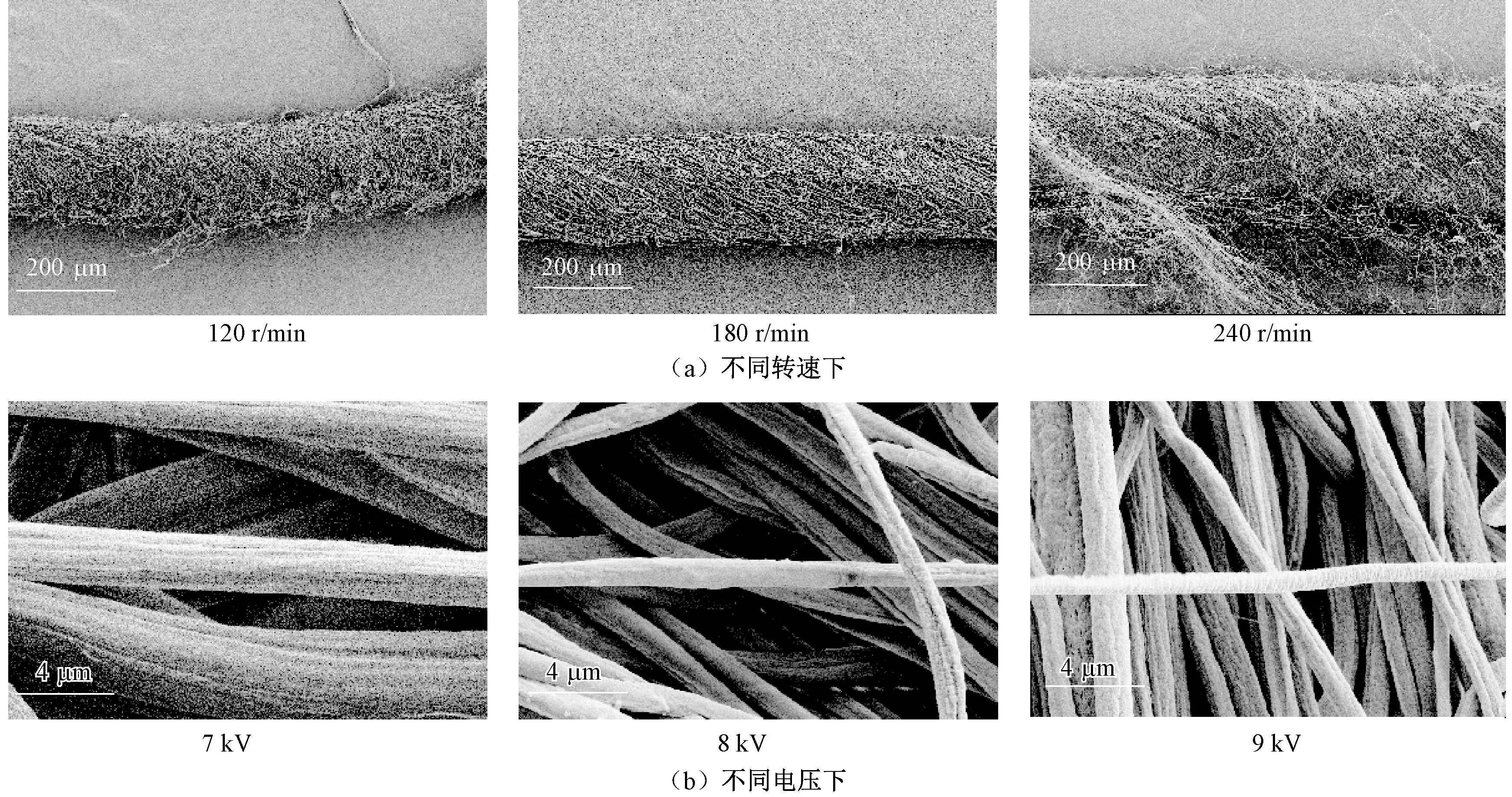
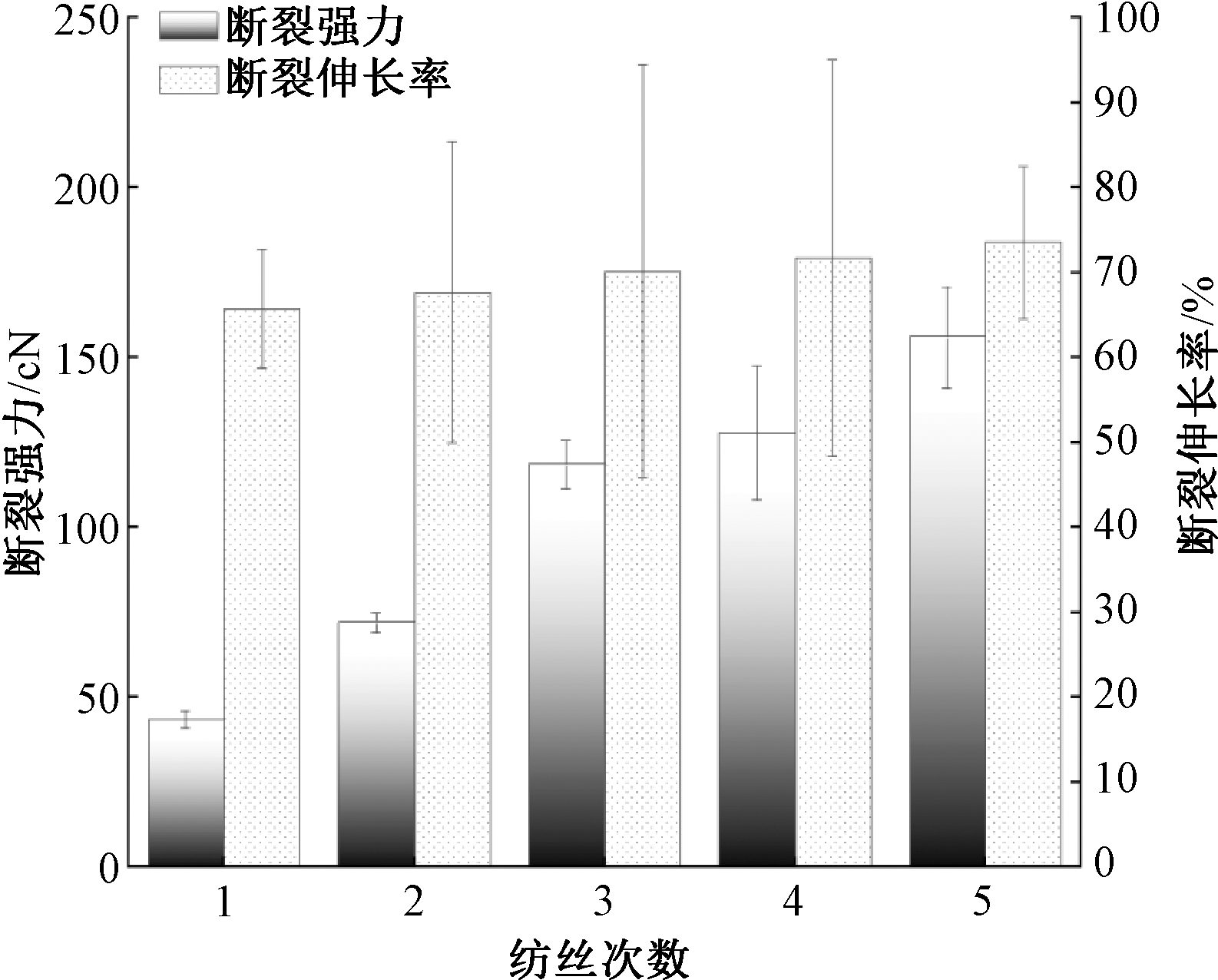
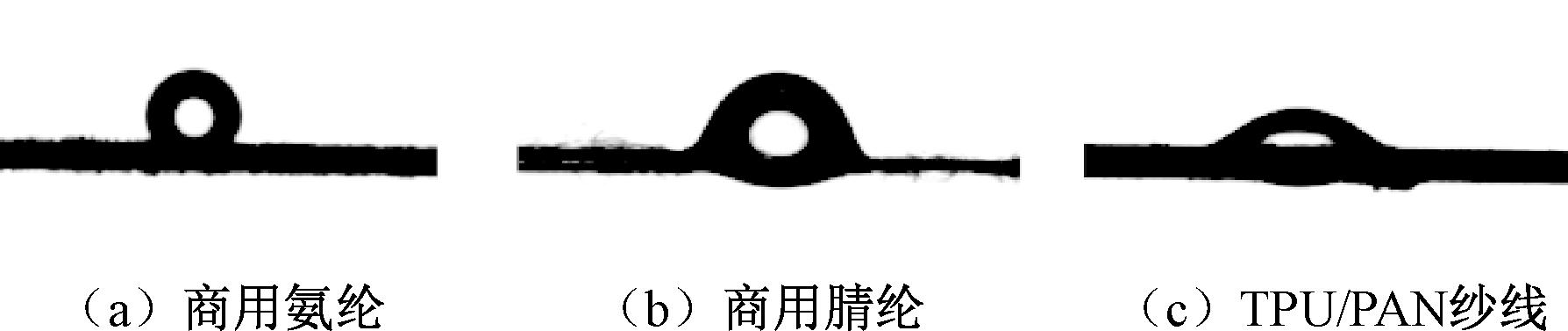
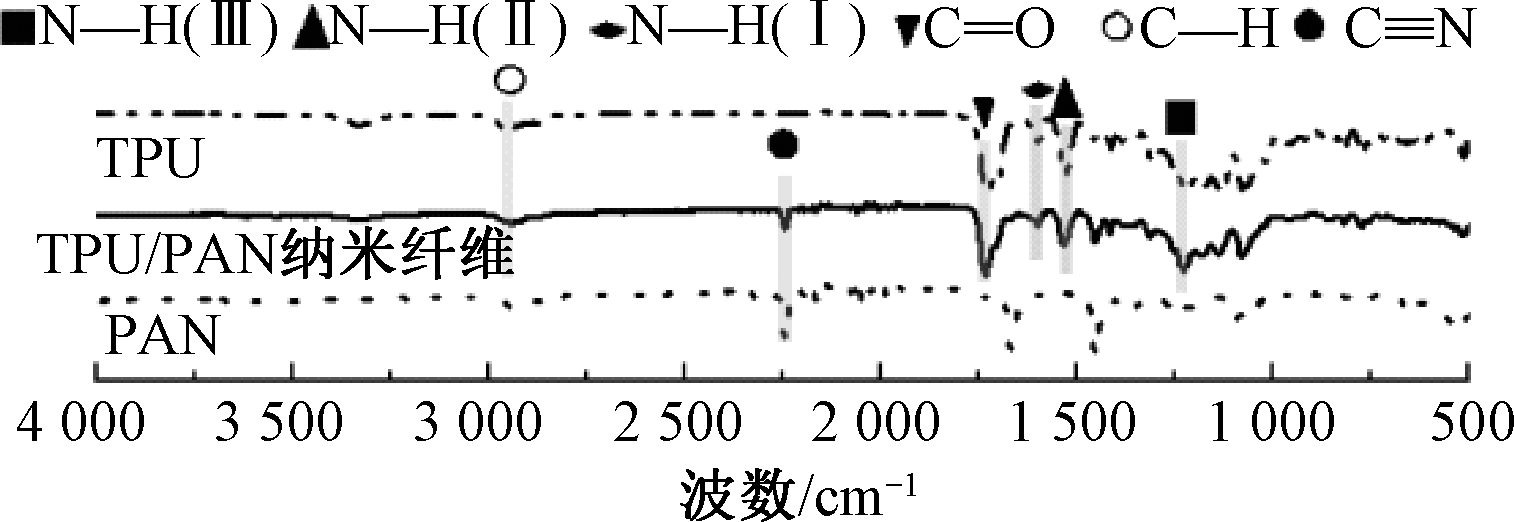
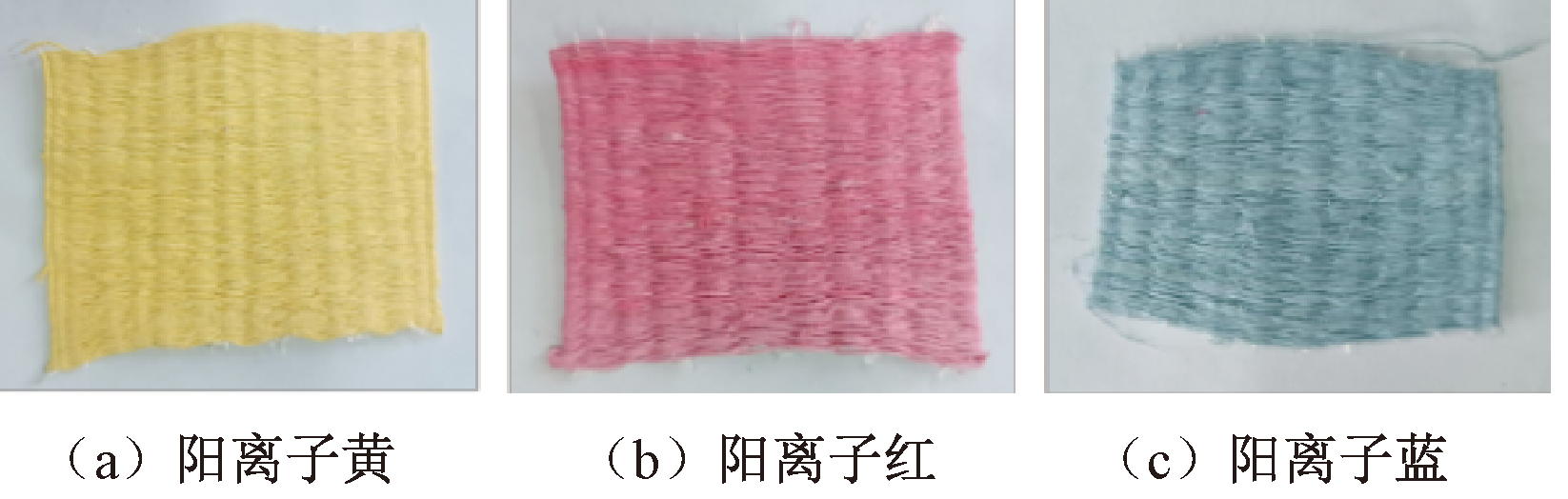
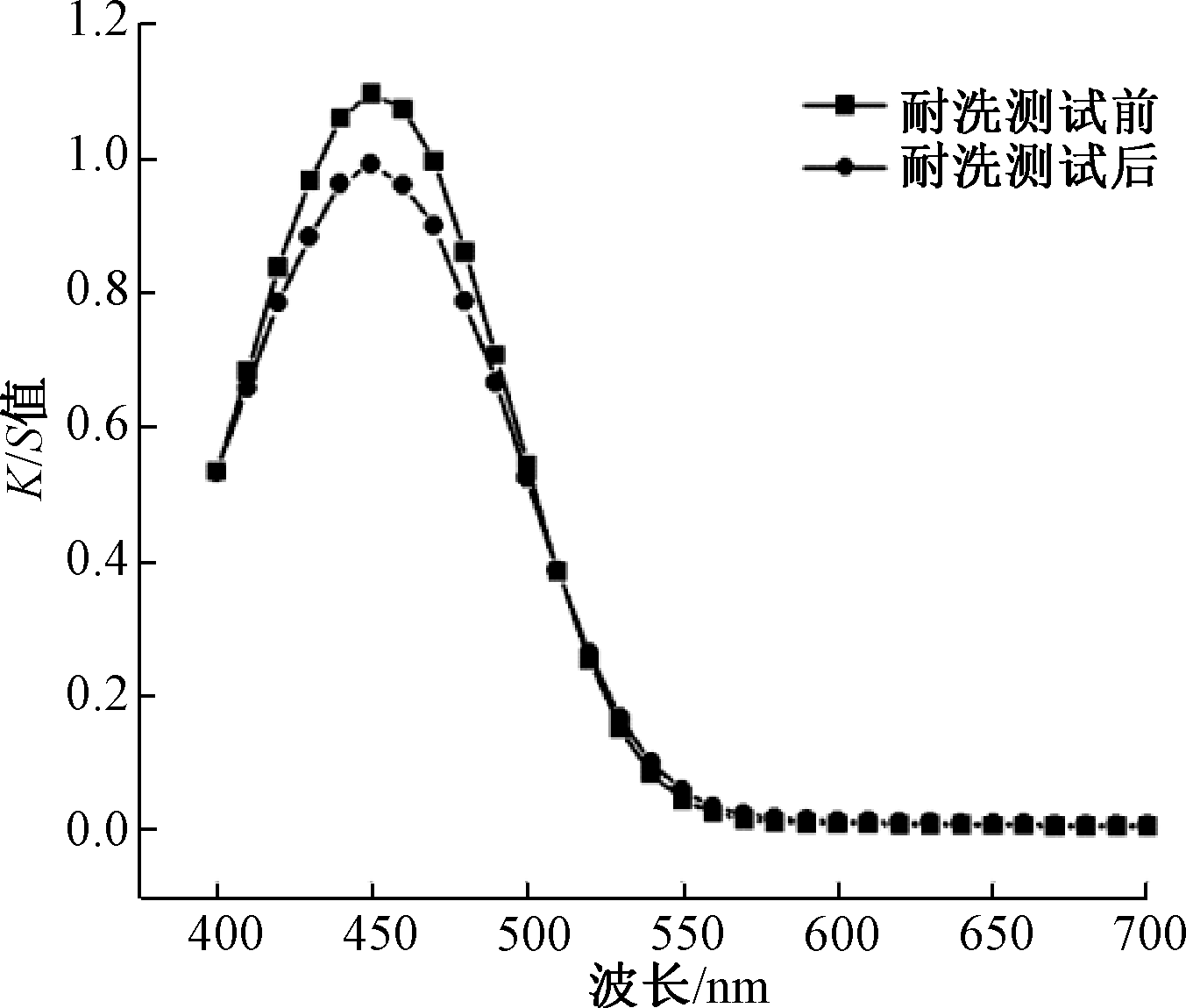
为拓展静电纺纳米纱线的应用,将聚丙烯腈以及热塑性聚氨酯作为聚合物主体,通过静电纺纱制备纳米纤维纱线。在纺丝液中添加阳离子染料,通过原液纺丝实现多色彩纳米纤维纱线的一步法制备。对聚合物比例、纺丝电压、接收器转速等纺丝工艺进行参数优化;选取传统商用氨纶和腈纶纱线与纳米纤维纱线的亲水性进行对比。通过密度泛函理论计算证实了染料与聚合物之间具有强静电吸附作用,并进行了色牢度测试。结果表明:在纺丝工艺为聚丙烯腈与热塑性聚氨酯质量比为2∶1,纺丝电压为8 kV,收集器转速为180 r/min,阳离子染料添加量为0%~4.17%时,纺丝过程最稳定,能够制备取向均匀、强力高、亲水性良好的纳米纤维纱线,且其耐摩擦色牢度和耐水洗色牢度均达到4~5级。
中图分类号:
| [1] | 樊威, 刘红霞, 陆琳琳, 等. 废旧天然纤维纺织品回收利用现状及高值化利用策略[J]. 纺织学报, 2022, 43(5):49-56. |
| FAN Wei, LlU Hongxia, LU Linlin, et al. Progress in recycling waste natural fiber textilesand high-value utilization strategy[J]. Journal of Textile Research, 2022, 43(5):49-56. | |
| [2] | 杨晨曦, 王健, 张海欧, 等. 纤维素纳米纤维的制备及其功能化技术进展[J]. 中国造纸学报, 2023, 38(1):128-133. |
| YANG Chenxi, WANG Jian, ZHANG Haiou, et al. Progress in preparation and functionalization of cellulose nanofibers[J]. Transactions of China Pulp and Paper, 2023, 38(1):128-133. | |
| [3] | 夏治刚, 吴展鹏, 陈定伟, 等. 新型功能性纱线的现状和发展趋势[J]. 棉纺织技术, 2023, 51(10):59-68. |
| XIA Zhigang, WU Zhanpeng, CHEN Dingwei, et al. Current situation and development trend of new functional yarns[J]. Cotton Textile Technology, 2023, 51(10):59-68. | |
| [4] | 叶娇, 毛宁, 张弘楠, 等. 静电纺PAN亚微米纤维/棉纤维复合纱线及其织物导湿性能[J]. 东华大学学报(自然科学版), 2019, 45(3):333-338,357. |
| YE Jiao, MAO Ning, ZHANG Hongnan, et al. Electrospinning PAN sub-micron fiber/cotton fiber composite yarn and its fabrics' moisture transfer ability[J]. Journal of Donghua University(Natural Science Edition), 2019, 45(3):333-338,357. | |
| [5] | SHUAKAT Muhammad Nadeem. LIN Tong. Direct electrospinning of nanofibreyarns using a rotating ring collector[J]. Journal of The Textile Institute, 2016, 107:791-799. |
| [6] | ALI Usman, ZHOU Yaqiong, WANG Xunga, et al. Direct electrospinning of highly twisted, continuous nanofiber yarns[J]. Journal of The Textile Institute, 2012, 103(1):80-88. |
| [7] | XING Chen, WANG Junhao, ZHANG Jiangtao, et al. Development and application of electrospun fiber-based multifunctional sensors[J]. Chemical Engineering Journal, 2024.DOI: 10.1016/j.cej.2024.150204. |
| [8] | FADIL F, AFFANDI N D N, MISNON M I, et al. Review on electrospun nanofiber-applied products[J]. Polymers, 2021.DOI: 10.3390/polym13132087. |
| [9] | MAMUN Al, KIARI Mohamed, SABANTINA Lilia. A recent review of electrospun porous carbon nanofiber mats for energy storage and generation applications[J]. Membranes, 2023.DOI: 10.3390/membranes13100830. |
| [10] |
WANG Shige, FAN Peng, LIU Wenbo, et al. Research progress of flexible electronic devices based on electrospun nanofibers[J]. ACS Nano, 2024, 18(46):31737-31772.
doi: 10.1021/acsnano.4c13106 pmid: 39499656 |
| [11] | YAN Wang, YOKOTA Tomoyuki, SOMEYA Takao. Electrospun nanofiber-based soft electronics[J]. NPG Asia Materials, 2021, 13(1):22-28. |
| [12] | LI Beibei, ZHANG Guoliang, XUE Qiankun, et al. Rational design and fine fabrication of passive daytime radiative cooling textiles integrate antibacterial, UV-shielding, and self-cleaning characteristics[J]. ACS Applied Materials & Interfaces, 2024, 16(39):52633-52644. |
| [13] | FADIL Fatirah, ADLI Farah Atiqah, AFFANDI Nor Dalila Nor, et al. Dope-dyeing of polyvinyl alcohol (PVA) nanofibres with remazol yellow FG[J]. Polymers, 2020, 12(12):3043-3048. |
| [14] | 赵容慧, 徐艺玮, 孙尚琪, 等. 生物基化学纤维的原液着色技术[J]. 染料与染色, 2023, 60(2):23-26,31. |
| ZHAO Ronghui, XU Yiwei, SUN Shangqi, et al. Dope dyeing technology for bio-based chemical fiber[J]. Dyestuffs and Coloration, 2023, 60(2):23-26,31. | |
| [15] | 高岩, 刘建军, 杜万红, 等. 原液着色腈纶的生产工艺[J]. 合成纤维, 2015, 44(1):31-33. |
| GAO Yan, LIU Jianjun, DU Wanhong, et al. Production technology of dope-dyed PAN fiber[J]. Synthetic Fiber in China, 2015, 44(1):31-33. | |
| [16] | 靳世鑫, 刘书华, 刘岩, 等. 聚丙烯腈/聚砜酰胺复合纳米纱线的制备与表征[J]. 纺织学报, 2019, 40(3):13-19. |
| JIN Shixin, LIU Shuhua, LIU Yan, et al. Preparation and characterization of polyacrylonitrile/ polysulfonamide composite nanoyarns[J]. Journal of Textile Research, 2019, 40(3):13-19. | |
| [17] | 杨海贞, 马闯, 胡亚雯, 等. 静电纺丝聚丙烯腈基纳米纤维在锂电池中的应用[J]. 印染, 2023, 49(10):87-91. |
| YANG Haizhen, MA Chuang, HU Yawen, et al. Application of polyacrylonitrile-based nanofibers prepared by electrospinning in lithium batteries[J]. China Dyeing & Finishing, 2023, 49(10):87-91. | |
| [18] | 柯蓓蓓, 万灵书, 徐志康. 聚丙烯腈电纺纤维材料的研究进展[J]. 材料科学与工程学报, 2006(5):783-786,729. |
| KE Beibei, WAN Lingshu, XU Zhikang, et al. Polyacrylonitrile-based electrospun nanofibrous materials: an overview[J]. Journal of Materials Science and Enaneering, 2006(5):783-786,729. | |
| [19] | SHAIKH Toheed. 全球聚氨酯市场[J]. 中国涂料, 2020, 35(4):74-75. |
| SHAIKH Toheed. Global polyurethane market[J]. China Coatings, 2020, 35(4):74-75. | |
| [20] | 徐薇仪, 刘让同, 王改改, 等. 共轭静电纺PLA/PU纳米纤维混纺纱的制备及性能表征[J]. 棉纺织技术, 2024, 52(7):54-61. |
| XU Weiyi, LIU Rangtong, WANG Gaigai, et al. Preparation and performance characterization of conjugated electrospinning PLA/PU nanofiber blend[J]. Cotton Textile Technology, 2024, 52(7):54-61. | |
| [21] | 刘伟, 刘晓倩. 静电纺纳米纤维纱线的制备机制分析[J]. 毛纺科技, 2022, 50(3):36-41. |
| LIU Wei, LIU Xiaoqian. Analysis of the preparation mechanism of electrospun nanofiber yarn[J]. Wool Textile Journal, 2022, 50(3):36-41. | |
| [22] | 吴韶华, 张彩丹, 覃小红, 等. 静电纺取向纳米纤维束及纳米纤维纱线的研究进展[J]. 高分子材料科学与工程, 2014, 30(6):182-186. |
| WU Shaohua, ZHANG Caidan, QIN Xiaohong, et al. Progress in electrospun aligned nanofiber bundles and yarn[J]. Polymer Materials Science and Engineering, 2014, 30(6):182-186. | |
| [23] | 毛宁. 静电纺亚微米纤维/棉纤维复合纱线导湿性能及机理研究[D]. 上海: 东华大学, 2021:1-30. |
| MAO Ning. Water transport performance and echanism of electrospinning submicron fiber/cotton composite yarns[D]. Shanghai: Donghua University, 2021:1-30. |
| [1] | 张利平, 郭羽晴, 丁博, 孙洁. 芳纶纳米纤维/热塑性聚氨酯复合微孔膜与可呼吸覆膜织物制备及其性能[J]. 纺织学报, 2025, 46(07): 19-27. |
| [2] | 刘宇祥, 乌婧, 徐锦龙, 谢锐敏, 王华平. 阳离子可染聚对苯二甲酸丙二醇酯预取向丝的制备及其性能[J]. 纺织学报, 2025, 46(07): 46-52. |
| [3] | 贾陈诺瓦, 张勇, 朱威岩, 刘赛, 唐宁. 芯纱种类对聚丙烯腈纳米纤维导电包芯纱性能的影响[J]. 纺织学报, 2025, 46(07): 87-95. |
| [4] | 丁圆, 赵云霞, 靳高岭, 杨涛, 徐静, 柯福佑, 陈烨. 阻燃聚丙烯腈长丝织物的层层自组装法制备及其性能[J]. 纺织学报, 2025, 46(06): 168-177. |
| [5] | 张嘉诚, 于影, 左雨欣, 顾志清, 汤腾飞, 陈洪立, 吕勇. 聚丙烯腈/二硫化钼纤维薄膜的挠曲电效应与扭转传感特性[J]. 纺织学报, 2025, 46(06): 80-87. |
| [6] | 刘锦锋, 杜康存, 肖畅, 付少海, 张丽平. 多孔MXene/热塑性聚氨酯纤维的制备及其应力应变传感性能[J]. 纺织学报, 2025, 46(03): 41-48. |
| [7] | 赵超, 金欣, 王闻宇, 朱正涛. 自充电超级电容器用聚丙烯腈纳米纤维隔膜的制备及其性能[J]. 纺织学报, 2025, 46(02): 20-25. |
| [8] | 王宇航, 谭晶, 李好义, 徐锦龙, 杨卫民. 纳米纤维纱线静电纺制备技术研究进展[J]. 纺织学报, 2024, 45(11): 235-243. |
| [9] | 王浩然, 于影, 左雨欣, 顾志清, 卢海龙, 陈洪立, 柯俊. 聚乙烯亚胺/聚丙烯腈复合纤维薄膜的制备及其功能化应用[J]. 纺织学报, 2024, 45(09): 26-32. |
| [10] | 王永政, 黄林涛, 宋付权. 石油沥青/聚丙烯腈静电纺碳纳米纤维的制备工艺优化及其性能[J]. 纺织学报, 2024, 45(08): 107-115. |
| [11] | 时吉磊, 陈廷彬, 付少海, 张丽平. 低红外发射率控温热红外伪装材料的制备与性能[J]. 纺织学报, 2024, 45(06): 32-38. |
| [12] | 郑康, 龚文丽, 鲍杰, 刘琳. 两性纤维素多孔凝胶球的制备及其动态吸附性能[J]. 纺织学报, 2024, 45(05): 102-112. |
| [13] | 栗志坤, 于影, 左雨欣, 史豪秦, 金玉珍, 陈洪立. 聚丙烯腈/二硫化钼复合薄膜的挠曲电效应分析及其应用[J]. 纺织学报, 2024, 45(05): 27-34. |
| [14] | 王新庆, 季东圣, 李舒畅, 杨晨, 张宗宇, 刘实诚, 王航, 田明伟. 包载型聚丙烯腈/SiO2气凝胶复合纳米纤维制备及其隔热性能[J]. 纺织学报, 2024, 45(05): 35-42. |
| [15] | 赵美奇, 陈莉, 钱现, 李晓娜, 杜迅. 用于铜离子检测的静电纺纤维膜制备及其性能[J]. 纺织学报, 2024, 45(03): 11-18. |
|
||
 京公网安备11010502044800号