纺织学报 ›› 2026, Vol. 47 ›› Issue (06): 94-103.doi: 10.13475/j.fzxb.20251006101
李涛涛1, 张恒1( ), 甄琪2, 卢鹏1, 赵珂1, 吕宏斌3
LI Taotao1, ZHANG Heng1(), ZHEN Qi2, LU Peng1, ZHAO Ke1, LÜ Hongbin3
摘要:
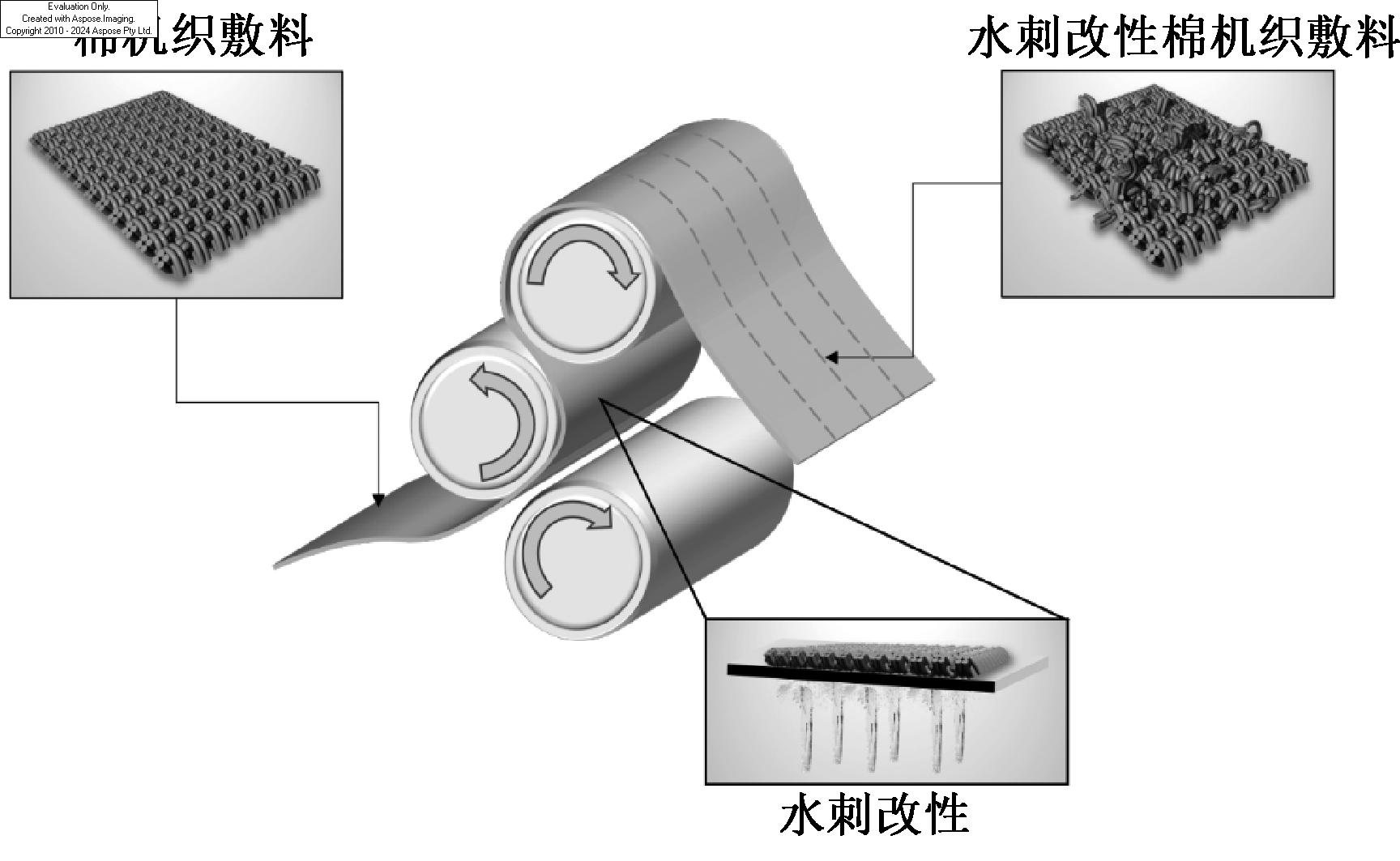
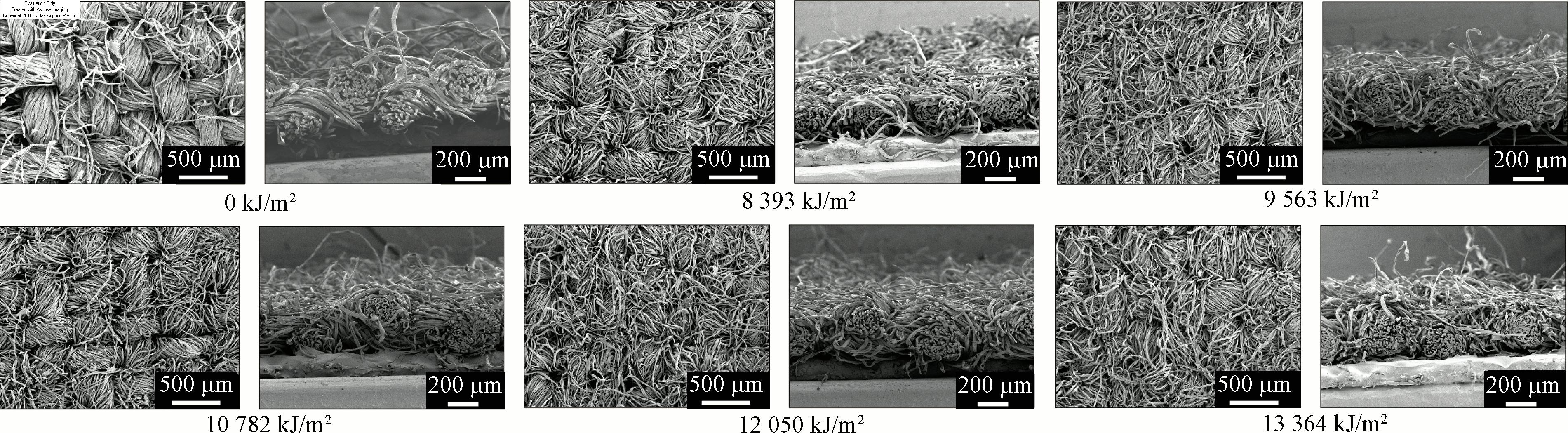
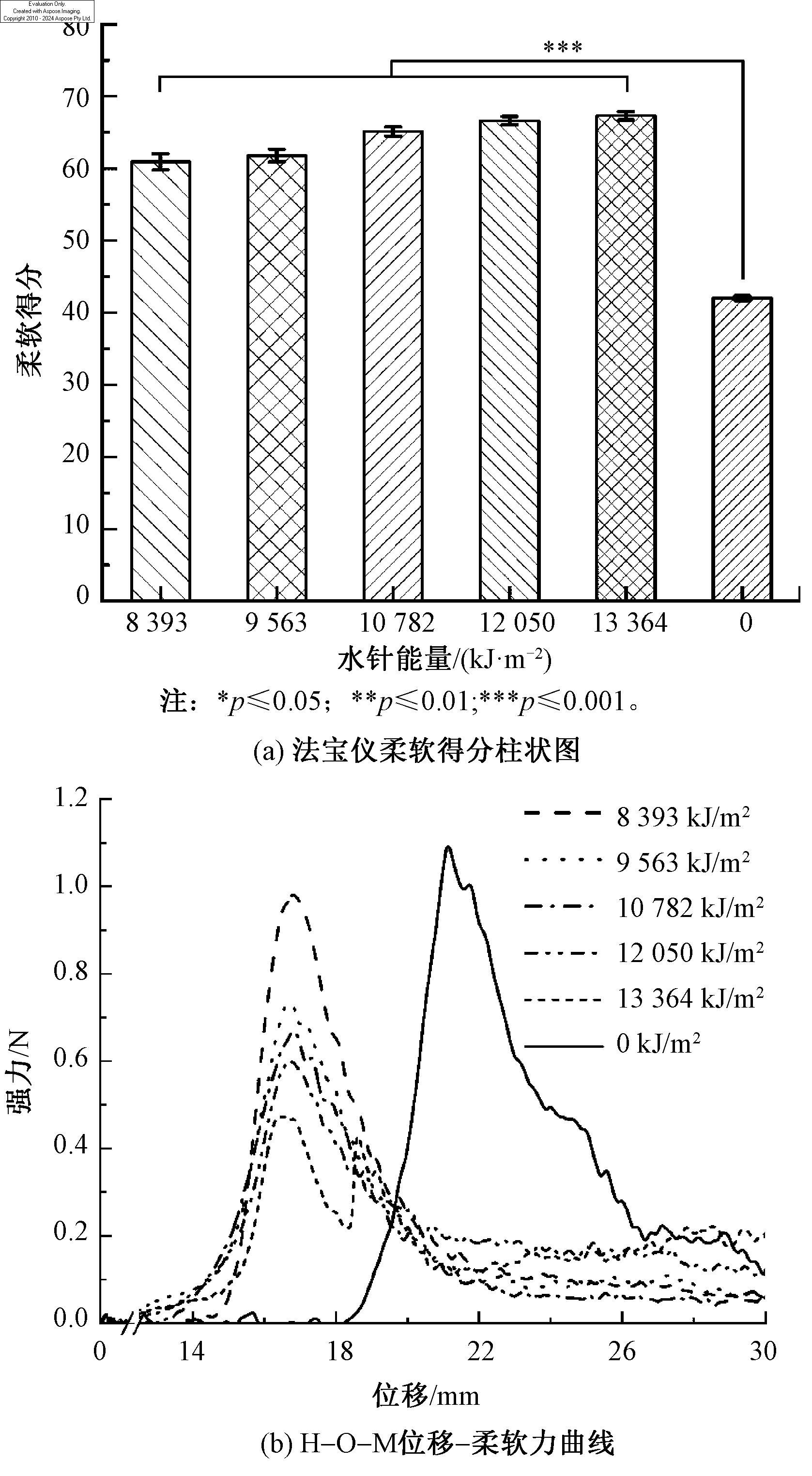
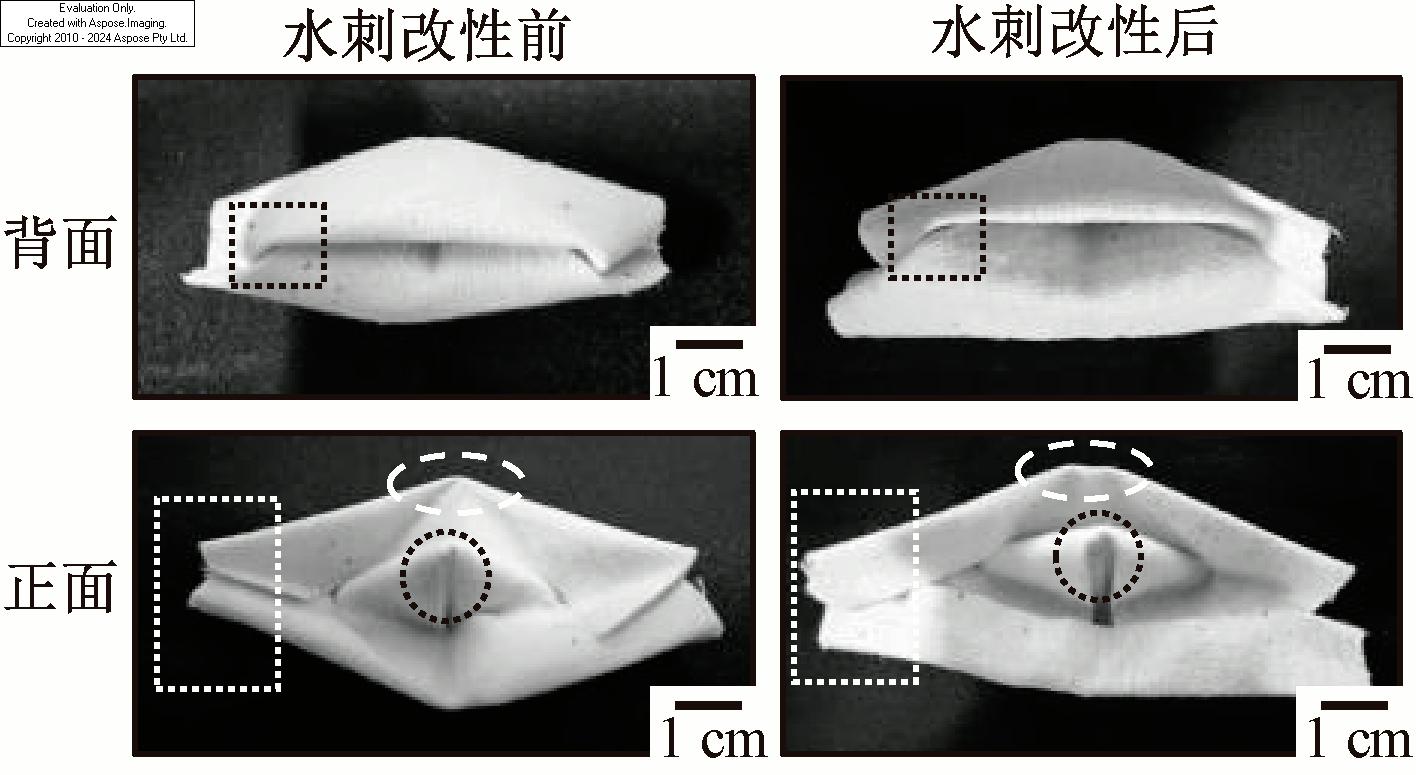
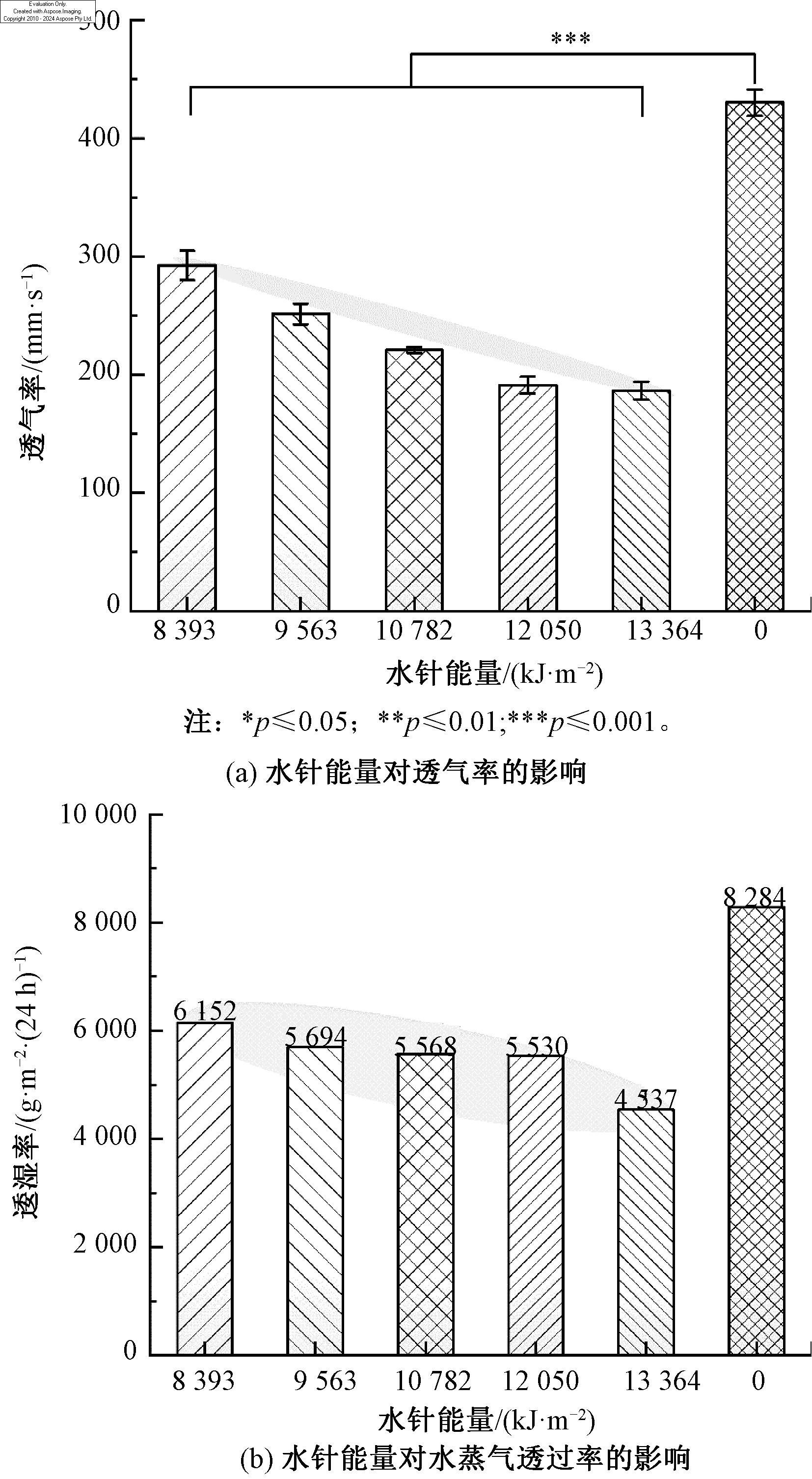
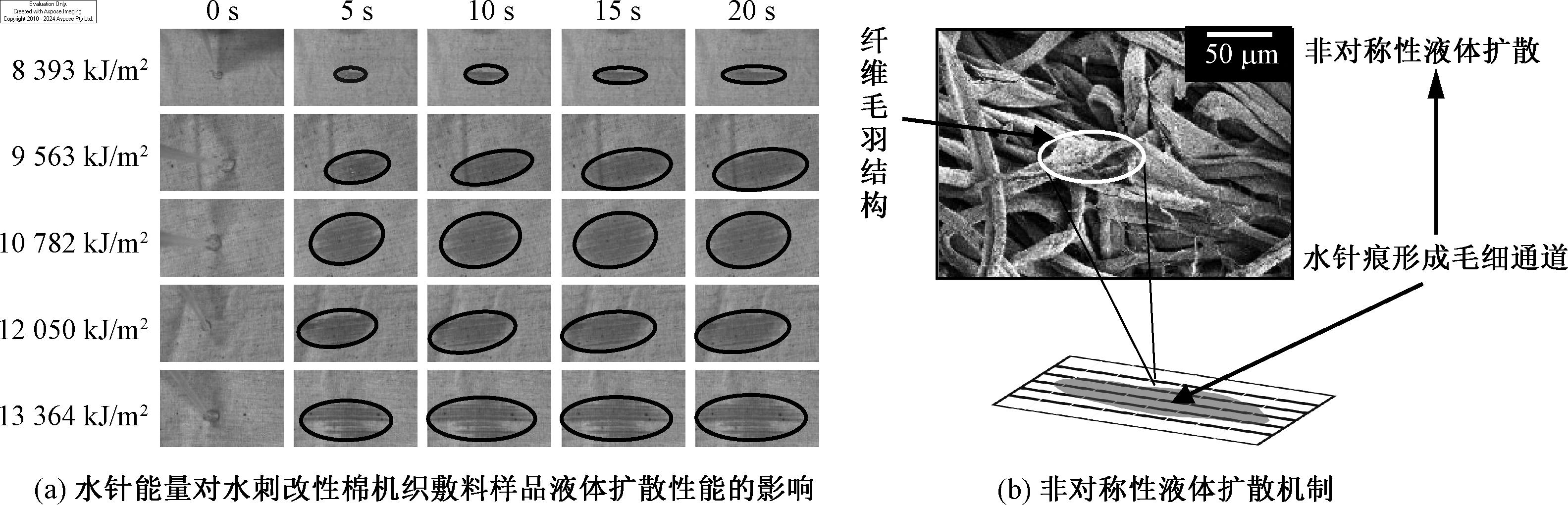
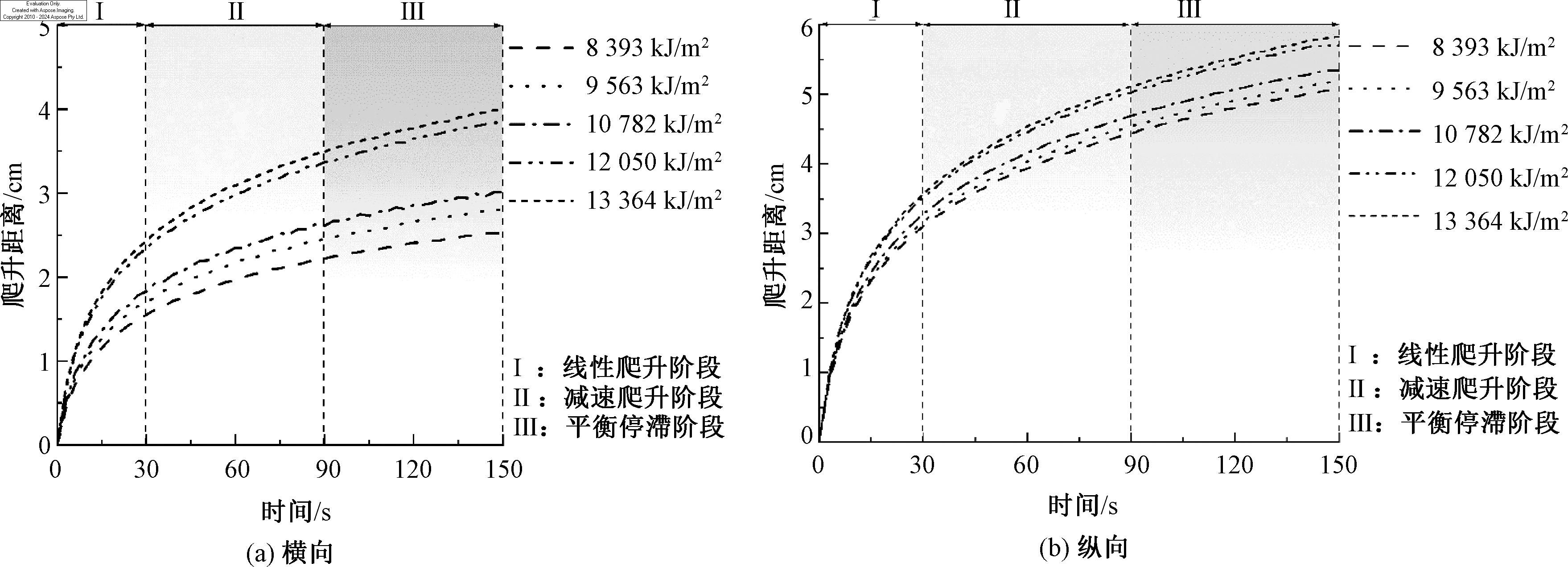
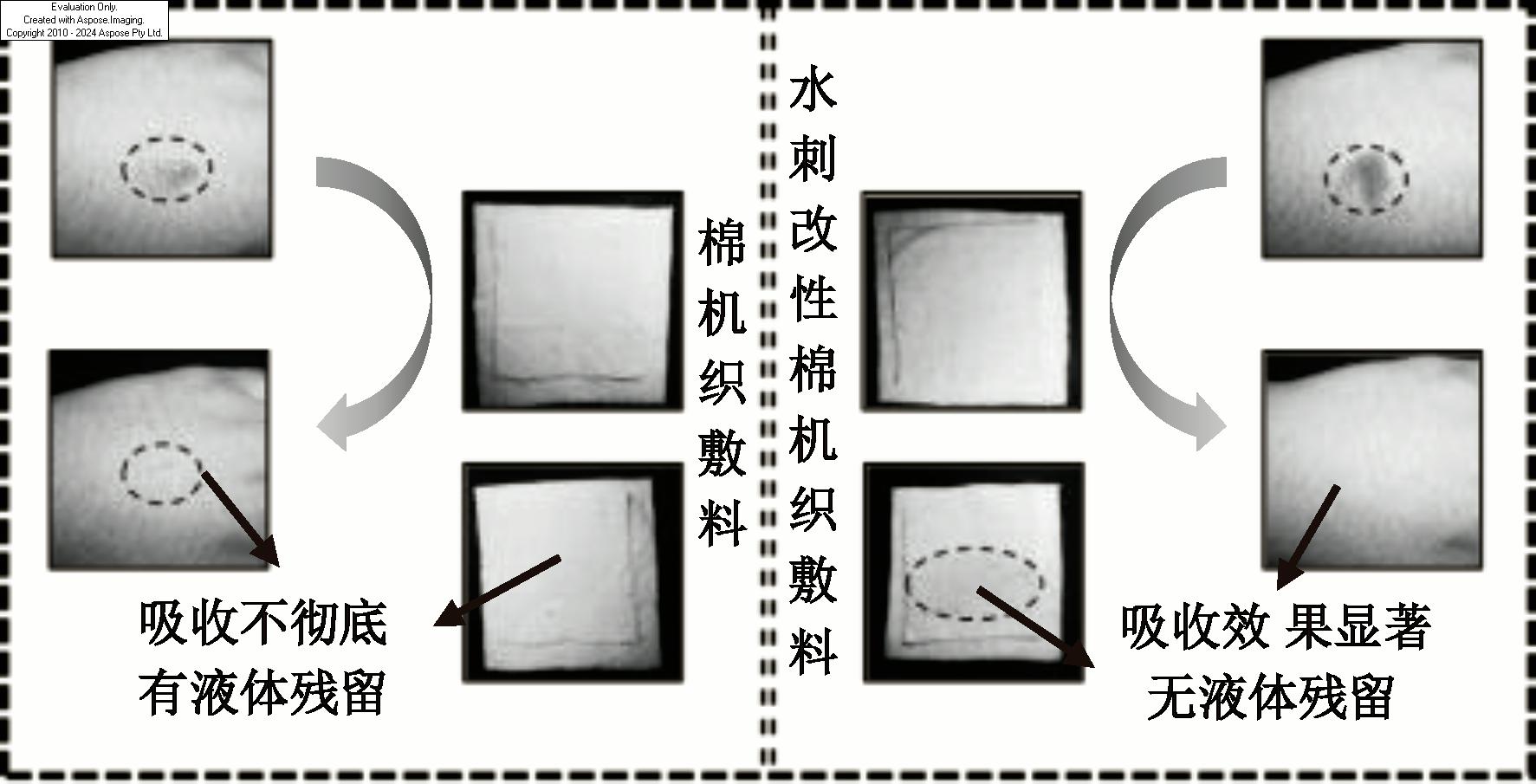
为解决创口护理棉机织敷料柔软性低的问题,采用水刺非织造工艺对棉机织敷料进行柔软改性,通过改变纱线及纤维结构提升其综合性能,并对改性后样品形貌结构、柔软性能、液体润湿性能及多次消毒后的各项性能稳定性等进行测试和分析。结果表明:经水刺非织造改性后,纱线呈现出疏松和多毛羽结构,且随着水针能量增至13 364 kJ/m2,样品柔软得分增至67.4分,提升60.4%,柔软力降至0.474 N,降低51.7%;此外,样品的模态孔径减至12 μm,透气率降至186 mm/s,透过湿率降至4 537 g/(m2·24 h);随着水针能量的增加,样品的液体扩散性能增强且表现出各向异性:纵向的扩散速度与距离均优于横向,其液体爬升高度最高可达5.75 cm;在经过20次75%乙醇消毒后,样品性能仍然保持稳定。相较于改性前的棉机织敷料,水刺改性后棉机织敷料样品的柔软性能及液体润湿性能存在明显提升,为高舒适性敷料的绿色柔软改性提供了实例和借鉴。
中图分类号:
| [1] | XU M D, FEYSA H E, NI X Q, et al. Self-pumping wound dressing based on hollow multistage channel-structured kapok fibers for exudate management[J]. ACS Sustainable Chemistry & Engineering, 2025, 13(27): 10665-10677. |
| [2] | 王春红, 李明, 龙碧旋, 等. 聚乙烯醇/海藻酸钠/黄连素医用敷料制备及其性能[J]. 纺织学报, 2021, 42(5): 16-22. |
| WANG Chunhong, LI Ming, LONG Bixuan, et al. Preparation and performance of polyvinyl alcohol/sodium alginate/berberine medical dressing[J]. Journal of Textile Research, 2021, 42(5): 16-22. | |
| [3] | 侯超, 辛斌杰, 李庭晓. 新型伤口敷料的性能及研究进展[J]. 棉纺织技术, 2022, 50(S1): 63-69. |
| HOU Chao, XIN Binjie, LI Tingxiao. Property and research progress of new wound dressing[J]. Cotton Textile Technology, 2022, 50(S1): 63-69. | |
| [4] | 王文淑, 王建刚, 李瀚宇, 等. 烷基壳聚糖/聚乙烯醇纳米纤维膜的制备及其止血性能[J]. 纺织学报, 2025, 46(11): 52-60. |
| WANG Wenshu, WANG Jiangang, LI Hanyu, et al. Preparation and hemostatic performance of alkylated chitosan/polyvinyl alcohol nanofiber membranes[J]. Journal of Textile Research, 2025, 46(11): 52-60. | |
| [5] | GUPTA D. Softening treatments for technical textiles[M]//Advances in the dyeing and finishing of technical textiles. Amsterdam: Elsevier, 2013: 154-176. |
| [6] | MORSHED M N. Understanding mechanical finishing techniques in textile processing[M]//Advancements in textile finishing. Singapore: Springer Nature Singapore, 2025: 1-26. |
| [7] | IVANOVSKA A, RELJIC M, KOSTIC M, et al. Air permeability and water vapor resistance of differently finished cotton and cotton/elastane single jersey knitted fabrics[J]. Journal of Natural Fibers, 2022, 19(13): 5465-5477. |
| [8] | LYKAKI M, ZHANG Y Q, MARKIEWICZ M, et al. The influence of textile finishing agents on the biodegradability of shed fibres[J]. Green Chemistry, 2021, 23(14): 5212-5221. |
| [9] | 郭宜琪, 朱紫嫄, 邱笑笑, 等. 棉织物染整化学品污染物环境影响的评价[J]. 染整技术, 2022, 44(2): 5-8, 20. |
| GUO Yiqi, ZHU Ziyuan, QIU Xiaoxiao, et al. Environmental impact assessment of chemical pollutants in dyeing and finishing of cotton fabric[J]. Textile Dyeing and Finishing Journal, 2022, 44(2): 5-8, 20. | |
| [10] | TOUHIDUZZAMAN M, KMM R. Effects of raising and sueding on the physical and mechanical properties of dyed knitted fabric[J]. Journal of Textile Science & Engineering, 2015, 6(1): 1000228. |
| [11] | ASKER G, BALCI O. Investigation of the effect of raising and finishing process on the physical performance of 3-thread fleece fabric[J]. Tekstil Ve Konfeksiyon, 2022, 32(3): 183-192. |
| [12] | 张苗, 童胜昊, 章小华, 等. 弹力牛仔布无水后整理工艺探讨[J]. 纺织导报, 2022(4): 70-72. |
| ZHANG Miao, TONG Shenghao, ZHANG Xiaohua, et al. Discussion on waterless finishing technology of stretch denim[J]. China Textile Leader, 2022(4): 70-72. | |
| [13] | 陆超琪, 刘耀乾, 顾义师, 等. 棉织物柔软后整理的研究新进展(一)[J]. 印染, 2020, 46(2): 55-59. |
| LU Chaoqi, LIU Yaoqian, GU Yishi, et al. Research progress on softening finish of cotton fabrics(I)[J]. China Dyeing & Finishing, 2020, 46(2): 55-59. | |
| [14] | 陈楠. 新版《印染行业绿色发展技术指南》发布[J]. 纺织科学研究, 2019(12): 16-21. |
| CHEN Nan. The new edition of technical guide for green development of printing and dyeing industry was released[J]. Textile Science Research, 2019(12): 16-21. | |
| [15] | NASERI-NOSAR M, ZIORA Z M. Wound dressings from naturally-occurring polymers: a review on homopolysaccharide-based composites[J]. Carbohydrate Polymers, 2018, 189: 379-398. |
| [16] | SUJIT Gulhane, RANJIT Turukmane, CHETAN Mahajan, 等. 水刺非织造布的水刺工艺流程及其性能[J]. 国际纺织导报, 2019, 47(10): 18-18, 20. |
| SUJIT Gulhane, RANJIT Turukmane, CHETAN Mahajan, et al. Hydroentangling process and properties of spunlace nonwovens[J]. Melliand China, 2019, 47(10): 18-18, 20. | |
| [17] | 王惠婷, 陈宇鉴, 刘诗仪, 等. 海藻酸盐基非织造医用敷料的研究进展[J]. 纺织学报, 2025, 46(6): 240-249. |
| WANG Huiting, CHEN Yujian, LIU Shiyi, et al. Research progress in alginate-based nonwoven medical dressings[J]. Journal of Textile Research, 2025, 46(6): 240-249. | |
| [18] | 从明芳. 水刺及其复合非织造布的结构及性能研究[D]. 杭州: 浙江理工大学, 2014: 23-42. |
| CONG Mingfang. Research on structure and performance of spunlaced nonwovens and its combinations[D]. Hangzhou: Zhejiang Sci-Tech University, 2014: 23-42. | |
| [19] | RAMRATAN R K, SINGH S. Study of denim jeans fabric on finishing process and characteristic performances[J]. Asian Textile Journal, 2020, 29: 26-30. |
| [20] | VOIT M, REINHART G, METZGER T. Experimental study on water jet cutting of unidirectional carbon fiber fabrics[J]. Procedia CIRP, 2017, 66: 221-226. |
| [21] | MAITI S, BELE V S, BASU S K. Effect of material properties and process parameters on properties of hydroentangled nonwoven fabrics[J]. The Journal of the Textile Institute, 2021, 112(6): 914-920. |
| [1] | 蒋超朋, 李勇, 陈晓川, 汪军. 棉纤维表面黏附作用过程的建模与仿真[J]. 纺织学报, 2026, 47(06): 79-85. |
| [2] | 杨仁权, 汪泽幸, 盛伟健, 罗芝怡. 基于纤维体积分数的非织造布有效导热系数建模与仿真[J]. 纺织学报, 2026, 47(05): 123-132. |
| [3] | 李宁, 岳程飞, 张如全. 非织造布基激光诱导石墨烯柔性应变传感器的制备及其性能[J]. 纺织学报, 2026, 47(05): 151-160. |
| [4] | 陈黎, 邱虹, 王丽芳, 易珊, 唐一卡, 高洪国, 王美英, 刘丽芳. 季铵化改性纳米纤维素/聚乙烯醇气凝胶敷料的制备及其性能[J]. 纺织学报, 2026, 47(04): 26-33. |
| [5] | 张哲, 陈卓明, 李帆, 宋文雅, 覃思宇, 侯锦东, 余仡杰. 多功能非对称结构纳米纤维膜的制备及其抗菌抗氧化性能[J]. 纺织学报, 2026, 47(04): 34-42. |
| [6] | 王岳川, 曾安坚, 张梦菲, 陈信宇, 刘连梅, 谢胜. 熔喷模头气槽宽度对气流流动和纤维牵伸的影响[J]. 纺织学报, 2026, 47(04): 127-135. |
| [7] | 赵立环, 闫子妍, 张蓉, 袁明珠, 聂秀雯, 刘新蕊. 海岛长丝合成革基布的碱减量工艺及其力学性能[J]. 纺织学报, 2026, 47(04): 154-162. |
| [8] | 李成才, 朱登辉, 殷向, 朱海霖, 张华鹏, 刘国金, 郭玉海, 刘炳荣. 内密外疏微孔结构膨体聚四氟乙烯管式纤维膜的制备及人工血管应用[J]. 纺织学报, 2026, 47(03): 1-8. |
| [9] | 郭一铭, 喻爽, 赵帆, 王富军. 血管监测用纤维基压电传感器的构建及性能评价[J]. 纺织学报, 2026, 47(03): 118-128. |
| [10] | 林晓静, 毛迎, 陈文兴, 吕汪洋. 载姜黄素静电纺丝纤维膜的制备及其抗菌与抗氧化性能[J]. 纺织学报, 2026, 47(03): 217-224. |
| [11] | 易珊, 王丽芳, 陈黎, 邱虹, 唐一卡, 张国清, 王美英, 高艳春, 葛秀敏, 刘丽芳. 纳米纤维素基pH响应型抗菌抗氧化伤口敷料的制备及其性能[J]. 纺织学报, 2026, 47(03): 26-34. |
| [12] | 张宝华, 夏杰, 项复玉, 汪瑱, 吴韶华, 张彩丹. 负载肉桂醛的聚琥珀酰亚胺静电纺纤维膜抗菌敷料制备及其性能[J]. 纺织学报, 2026, 47(03): 35-43. |
| [13] | 杨潇, 章语墨, 李彦, 王璐, 王富军. 糖触抗菌与渗液管理一体化的短纤维重构复合敷料及其性能[J]. 纺织学报, 2026, 47(03): 44-51. |
| [14] | 薛宝霞, 冯佳昕, 邵子洋, 路佳鑫, 刘晶, 牛梅, 张利. 预交联铜离子对羧甲基纤维素抗菌气凝胶纤维结构与性能的影响[J]. 纺织学报, 2026, 47(03): 52-59. |
| [15] | 陈泳良, 杨潇, 王朝荣, 黄俊鸿, 李彦, 王璐. 静电纺丝-恒应力退火协同构建的湿态稳定型聚乳酸/I型胶原肩袖补片[J]. 纺织学报, 2026, 47(03): 60-69. |
|
||
 京公网安备11010502044800号