纺织学报 ›› 2026, Vol. 47 ›› Issue (03): 52-59.doi: 10.13475/j.fzxb.20250905701

• 生物医用材料 • 上一篇    下一篇

预交联铜离子对羧甲基纤维素抗菌气凝胶纤维结构与性能的影响

薛宝霞1,2, 冯佳昕1, 邵子洋1, 路佳鑫3, 刘晶1, 牛梅1,2(), 张利3   

  1. 1 太原理工大学 轻纺工程学院, 山西 太原 030024
    2 太原理工大学 新材料界面科学与工程教育部重点实验室, 山西 太原 030024
    3 山西医科大学第三医院, 山西 太原 030032
  • 收稿日期:2025-09-15 修回日期:2025-12-26 出版日期:2026-03-15 发布日期:2026-03-15
  • 通讯作者: 牛梅(1979—),女,教授,博士。主要研究方向为先进纤维与智能可穿戴材料。E-mail:niumei@tyut.edu.cn
  • 作者简介:薛宝霞(1990—),女,副教授,博士。主要研究方向为纳米碳基智能医用纺织材料。
  • 基金资助:
    国家自然科学基金项目(22508250);山西省基础研究计划项目(20210302124200);山西省基础研究计划项目(202403021211065);山西纳米药物可控缓释技术创新中心项目(20210410911026)

Effect of pre-crosslinked copper ions on structure and properties of carboxymethyl cellulose antibacterial aerogel fibers

XUE Baoxia1,2, FENG Jiaxin1, SHAO Ziyang1, LU Jiaxin3, LIU Jing1, NIU Mei1,2(), ZHANG Li3   

  1. 1 College of Textile Engineering, Taiyuan University of Technology, Taiyuan, Shanxi 030024, China
    2 Key Laboratory of Interface Science and Engineering in Advanced Materials, Ministry of Education, Taiyuan University of Technology, Taiyuan, Shanxi 030024, China
    3 The Third Hospital of Shanxi Medical University, Taiyuan, Shanxi 030032, China
  • Received:2025-09-15 Revised:2025-12-26 Published:2026-03-15 Online:2026-03-15

摘要:

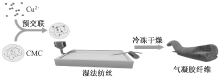
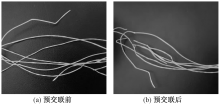
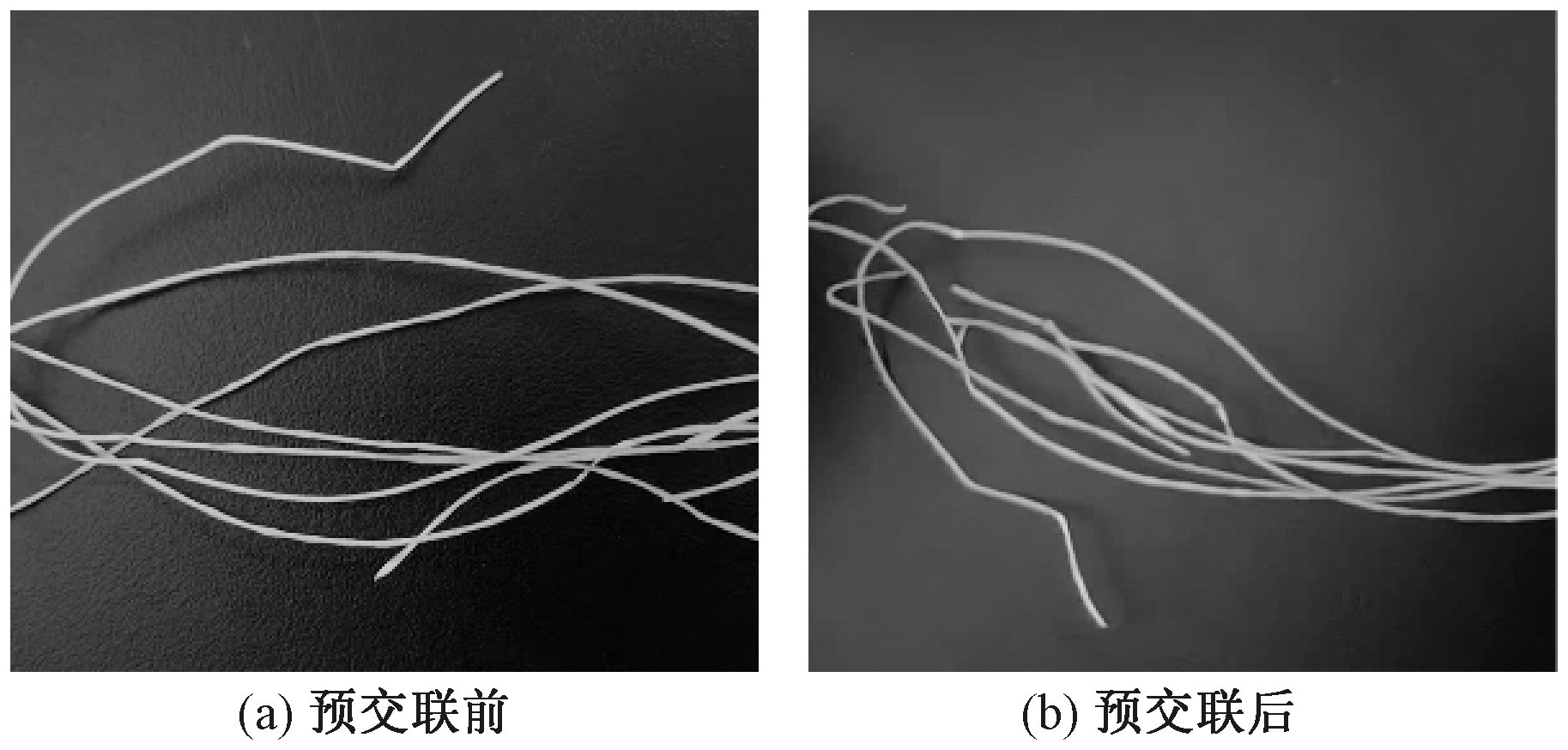
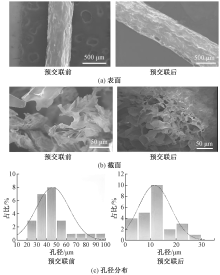
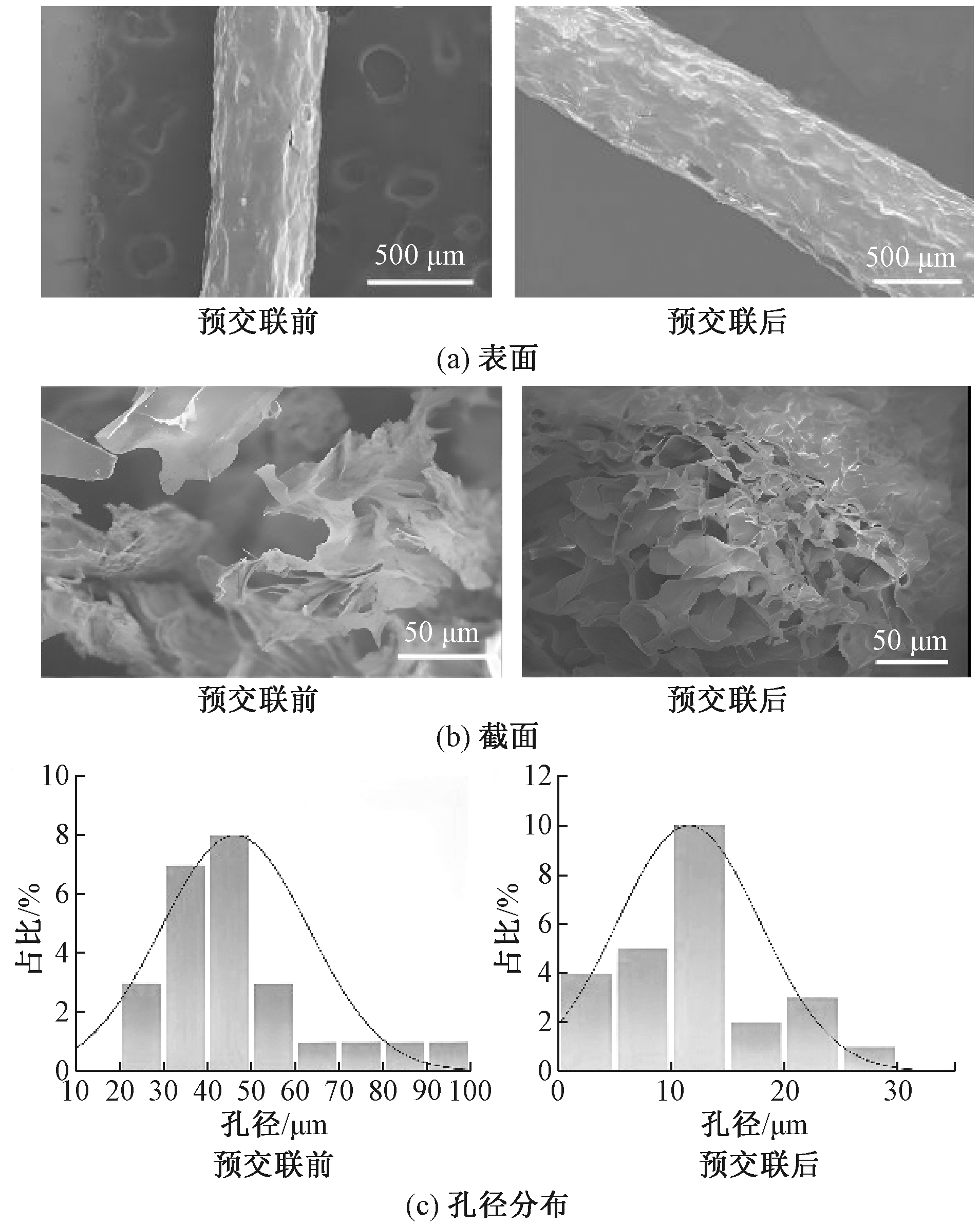
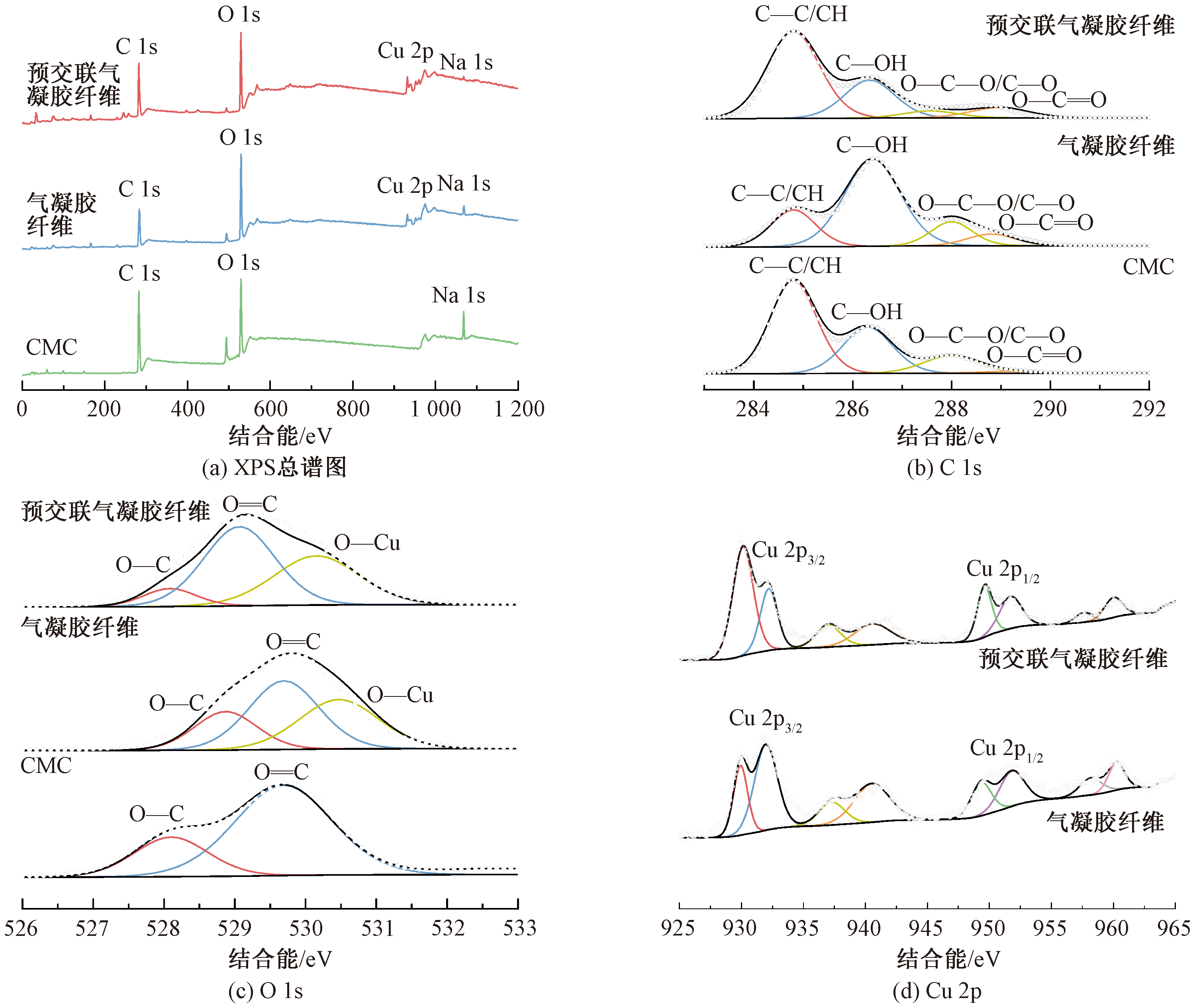
为突破传统块状气凝胶在创面敷料应用中存在的脆性大、难加工成形及力学稳定性差等瓶颈,对气凝胶进行定向组装形成气凝胶纤维,提出金属离子预交联-湿法纺丝-冷冻干燥联合工艺,将预交联后的纺丝液经湿法纺丝、牵伸卷绕、冷冻干燥后构建基于羧甲基纤维素钠(CMC)交联铜离子(Cu2+)的复合抗菌气凝胶纤维。结果表明:预交联引入的Cu2+与CMC羧基之间发生配位作用,诱导分子链发生有序聚集,实现CMC分子链的预交联定向排列,使得预交联后气凝胶纤维内部孔径由50 μm减至15 μm,内部结构更加致密,且气凝胶纤维中Cu元素含量由1.59%升至2.87%;经过预交联气凝胶纤维的拉伸断裂强度由3.40 MPa升至12.10 MPa,对大肠埃希菌和金黄色葡萄球菌的抑菌率均达到99.99%。铜离子预交联不仅有利于气凝胶纤维的纺丝成形,还可同步增强其力学性能和抗菌性能。

关键词: 气凝胶纤维, 抗菌材料, 湿法纺丝, 羧甲基纤维素钠, 铜离子预交联工艺, 功能性敷料

Abstract:

Objective Burn and scald injuries present significant clinical challenges due to extensive tissue fluid exudation, prolonged healing time, and high susceptibility to secondary infection. These wounds also demand dynamic care to accommodate movement and dressing changes. Conventional wound dressings often fail to adequately manage these complex requirements simultaneously. Aerogels, known for their ultra-high porosity, specific surface area, and exceptional fluid absorption and retention capabilities, hold theoretical promise for creating an optimal moist wound healing environment. However, conventional bulk aerogels suffer from inherent mechanical fragility, making them difficult to process and mold into practical forms and resulting in poor mechanical stability during application. These limitations represent critical bottlenecks preventing the effective utilization of aerogels in advanced wound care, particularly for dynamic burn sites. In order to overcome these fundamental limitations of bulk aerogels, a novel approach of the directionally assembling a nanoporous structure into a one-dimensional fiber form was adopted. This strategy aimed to retain the core beneficial properties of aerogels-specifically, ultra-high porosity, high specific surface area, and excellent liquid absorption and water retention capacity, while simultaneously conferring essential flexibility, knittability, and mechanical adaptability necessary for practical wound dressing applications. This shift from bulk to fiber morphology directly addresses the processing, molding, and stability challenges.

Method Focusing on sodium carboxymethyl cellulose (CMC), a biocompatible polysaccharide, an innovative fibrillation strategy was employed, and a flexible composite antibacterial aerogel fiber was successfully constructed by incorporating copper ions (Cu2+) into the CMC-based system. A key innovation in the preparation process was the introduction of Cu2+ directly into the spinning dope for aerogel fiber formation. This introduction enabled a critical pre-crosslinking effect before the wet-spinning stage. The mechanism involves coordination bonding between the positively charged Cu2+ ions and the negatively charged carboxylate groups present on the CMC molecular chains. This Cu2+-carboxylate coordination acted as a powerful molecular directing force, inducing the CMC chains to undergo ordered aggregation and achieve a pre-aligned, oriented arrangement prior to fiber solidification.

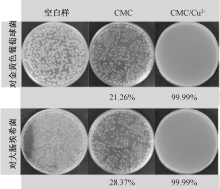
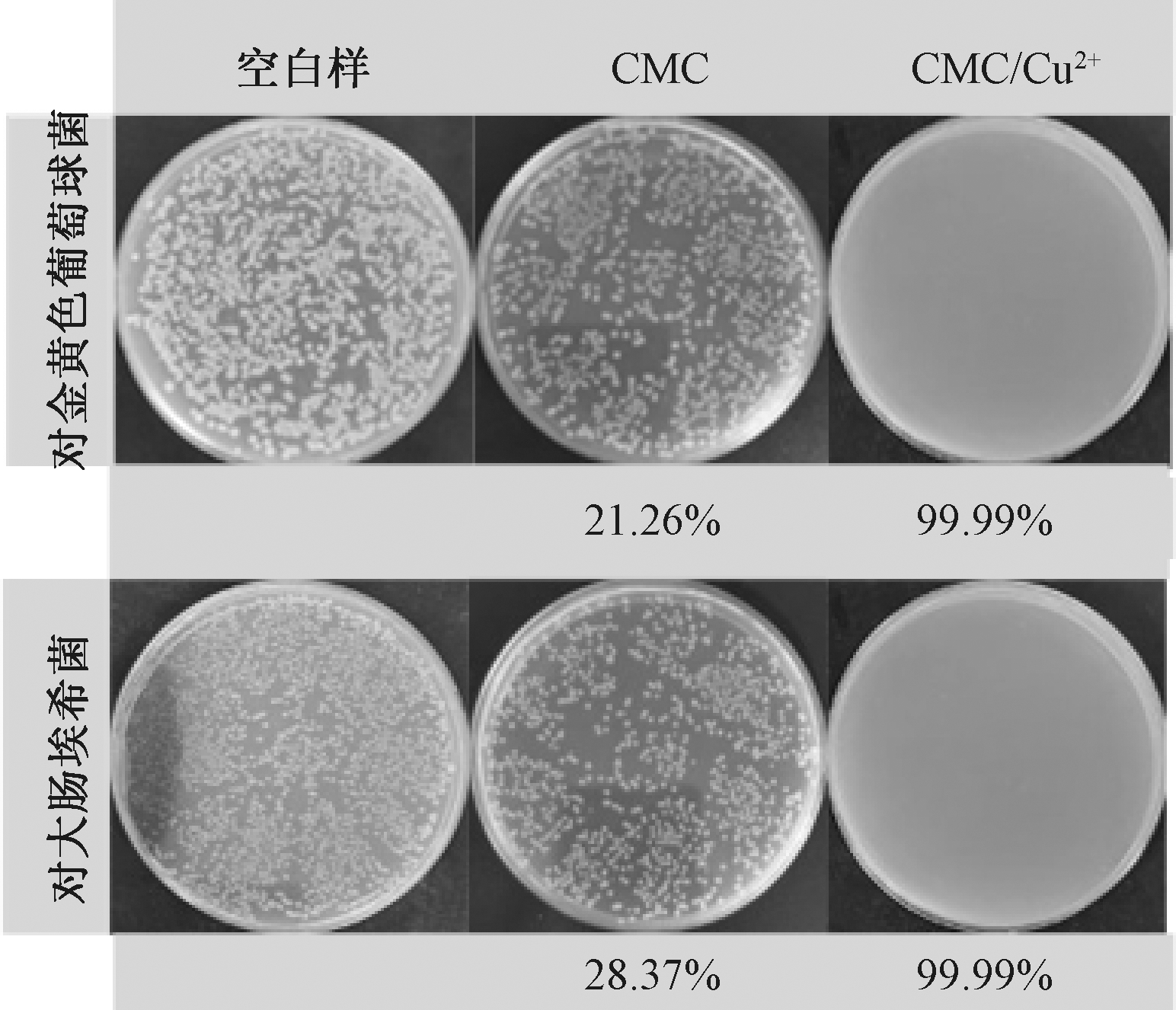
Results This coordinated pre-crosslinking and alignment process was pivotal in successfully preparing CMC/Cu2+ antibacterial aerogel fibers exhibiting a hierarchical porous structure. The resulting material demonstrated a remarkable enhancement in mechanical strength. Tensile strength measurements reached 12.10 MPa, significantly higher than that observed in equivalent fibers prepared without the Cu2+-induced pre-crosslinking step. The molding mechanism is therefore primarily attributed to the synergistic effect of the Cu2+-CMC coordination occurring before wet-spinning and the optimized molecular arrangement this induces. This synergy constructs a robust ionic bonding pre-crosslinking network within the fiber, substantially increasing the cross-linking density within the CMC/Cu2+ composite. The enhanced cross-linking density is the key factor responsible for the significantly improved mechanical properties of the final aerogel fibers, enabling their practical handling and use as a dressing. Beyond mechanical robustness, the CMC/Cu2+ aerogel fibers exhibited potent antibacterial activity. Testing against common wound pathogens, Escherichia coli (E.coli) and Staphylococcus aureus (S.aureus), demonstrated a bacterial reduction rate of 99.99% for both strains. The antibacterial mechanism is attributed to the properties of the Cu2+ ions integrated within the fiber matrix. Initially, positively charged Cu2+ ions are electrostatically attracted to the negatively charged surface of the microbial cell membrane by Coulomb forces. Following this initial binding, copper ions penetrate the bacterial cell membrane. Inside the cell, Cu2+ interacts with vital intracellular components, leading to the coagulation of bacterial proteins and the inhibition of essential enzyme synthesis. This multifaceted action results in efficient and broad-spectrum bactericidal efficacy.

Conclusion This study developed a novel preparation strategy for advanced aerogel wound dressings. By directionally assembling nanoporous CMC into a fiber form and leveraging Cu2+ coordination for pre-crosslinking and molecular alignment, flexible composite CMC/Cu2+ aerogel fibers were created. These fibers retain the desirable fluid management properties of aerogels, such as high porosity, surface area, absorption, and retention, while overcoming the critical drawbacks of traditional bulk aerogels-namely brittleness, poor processability, and inadequate mechanical stability. The material simultaneously provides significant mechanical strength and potent, stable antibacterial action. This approach offers a promising new pathway for the development of effective functional dressings, particularly relevant for improving the management and treatment outcomes of challenging burn and scald wounds.

Key words: aerogel fiber, antibacterial material, wet spinning, sodium carboxymethyl cellulose, copper ion pre-crosslinking process, functional dressing

中图分类号: 

  • TQ 342.87

图1

预交联CMC/Cu2+气凝胶纤维制备工艺流程图"

图2

预交联前后CMC/Cu2+气凝胶纤维的实物照片"

表1

不同纺丝参数与气凝胶纤维力学性能"

样品
编号
喷丝孔
内径/
mm
凝固
浴浓度/
(mol·L-1)
气压/
MPa
牵伸比 断裂
强度/
MPa
1 0.67 0.15 0.16 1.2 2.55
2 0.60 0.15 0.16 1.2 2.83
3 0.50 0.15 0.16 1.2 3.40
4 0.40 0.15 0.16 1.2 4.20

表2

不同浓度凝固浴下气凝胶纤维的力学性能"

样品
编号
喷丝孔
内径/
mm
凝固
浴浓度/
(mol·L-1)
气压/
MPa
牵伸比 断裂
强度/
MPa
5 0.40 0.05 0.16 1.2 2.59
6 0.40 0.10 0.16 1.2 2.85
7 0.40 0.15 0.16 1.2 4.20
8 0.40 0.20 0.16 1.2 2.89

表3

不同纺丝液时气凝胶纤维的力学性能"

纺丝液
类别
喷丝孔
内径/
mm
凝固
浴浓度/
(mol·L-1)
气压/
MPa
牵伸比 断裂
强度/
MPa
未预交联 0.5 0.05 0.16 1.2 2.50
0.5 0.10 0.16 1.2 2.85
0.5 0.15 0.16 1.2 3.40
Cu2+
预交联
0.5 0.05 0.16 1.2 8.82
0.5 0.10 0.16 1.2 10.20
0.5 0.15 0.16 1.2 12.10

图3

不同气凝胶纤维的微观形貌和孔径分布"

图4

CMC、气凝胶纤维和预交联气凝胶纤维的XPS曲线"

表4

CMC、气凝胶纤维和预交联气凝胶纤维中的元素含量"

样品类别 元素含量/%
C O Na Cu
CMC 54.84 21.76 2.87
气凝胶纤维 37.00 28.30 1.50 1.59
预交联气凝胶纤维 48.54 27.38 0.90 2.87

图5

CMC和CMC/Cu2+气凝胶纤维对大肠埃希菌和对金黄色葡萄球菌的抗菌效果图"

图6

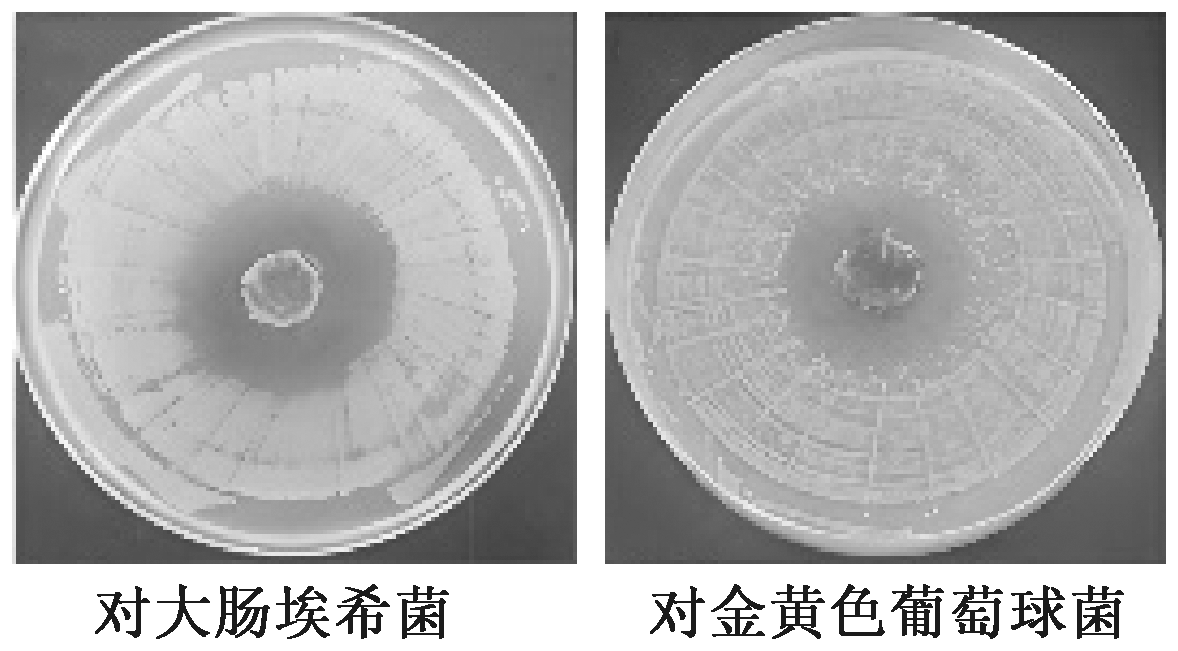
CMC/Cu2+气凝胶纤维对大肠埃希菌和金黄色葡萄球菌的抑菌圈"

图7

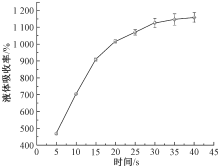
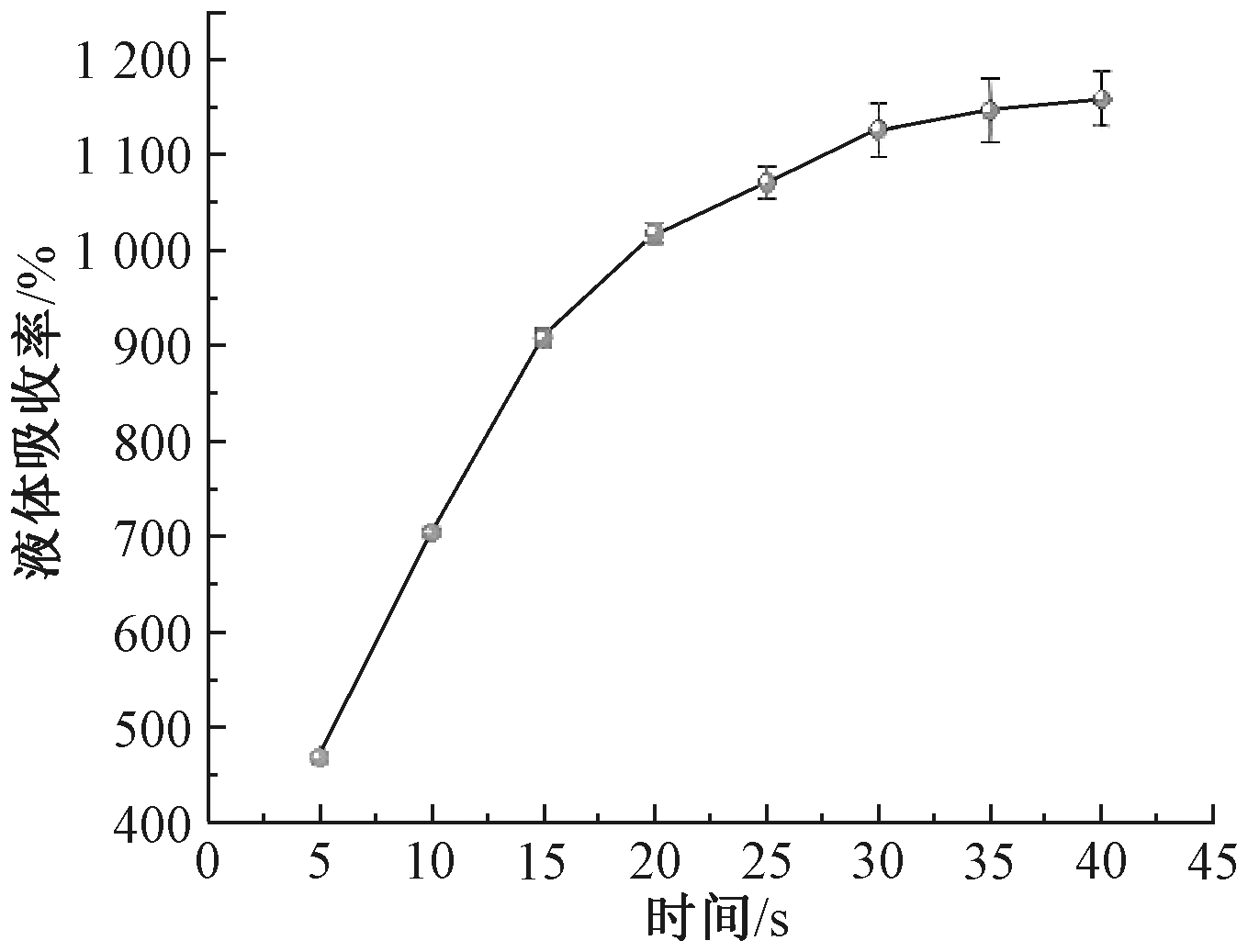
CMC/Cu2+气凝胶纤维的液体吸收率"

[1] STOICA A E, CHIRCOV C, GRUMEZESCU A M. Hydrogel dressings for the treatment of burn wounds: an up-to-date overview[J]. Materials, 2020, 13(12): 2853.
doi: 10.3390/ma13122853
[2] 张美玲, 邵建皓, 孙亚虎, 等. 香蕉假茎制备抗菌敷料的性能分析[J]. 农业工程学报, 2022, 38(21): 180-187.
ZHANG Meiling, SHAO Jianhao, SUN Yahu, et al. Performance analysis of the antibacterial wound dressing using banana pseudostem[J]. Transactions of the Chinese Society of Agricultural Engineering, 2022, 38(21): 180-187.
[3] WANG Z Q, YANG H W, LI Y, et al. Robust silk fibroin/graphene oxide aerogel fiber for radiative heating textiles[J]. ACS Applied Materials & Interfaces, 2020, 12(13): 15726-15736.
[4] AGHABABAEI TAFRESHI O, SAADATNIA Z, GHAFFARI-MOSANENZADEH S, et al. Polyimide aerogel fiber bundles for extreme thermal management systems in aerospace applications[J]. ACS Applied Materials & Interfaces, 2024, 16(40): 54597-54609.
[5] YU Y, ZHUANG Z H, ZHANG W J, et al. Cellulose-based aerogel fibers with enhanced mechanical properties for thermal insulation and humidity response[J]. International Journal of Biological Macromolecules, 2025, 323: 147053.
doi: 10.1016/j.ijbiomac.2025.147053
[6] 陈玉竹, 刘思思, 张蒙蒙, 等. 基于抗菌性壳聚糖/羧甲基纤维素复合药物涂层的聚氨酯敷料[J]. 应用化学, 2023, 40(2): 252-260.
doi: 10.19894/j.issn.1000-0518.220164
CHEN Yuzhu, LIU Sisi, ZHANG Mengmeng, et al. Polyurethane dressing based on antibacterial chitosan/carboxymethyl cellulose composite drug coating[J]. Chinese Journal of Applied Chemistry, 2023, 40(2): 252-260.
doi: 10.19894/j.issn.1000-0518.220164
[7] 李友琦. 羧甲基纤维素复合薄膜的制备及其抗菌性能研究[J]. 当代化工研究, 2024(7): 75-77.
LI Youqi. Preparation and antibacterial properties of carboxymethyl cellulose composite films[J]. Modern Chemical Research, 2024(7): 75-77.
[8] FENG K, RUAN Y L, ZHANG X M, et al. Photothermal-ionic-pharmacotherapy of myocardial infarction with enhanced angiogenesis and antiapoptosis[J]. ACS Applied Materials & Interfaces, 2023, 15(49): 56846-56858.
[9] BOURAHLI M E H. Uni-and bimodal Weibull distribution for analyzing the tensile strength of Diss fibers[J]. Journal of Natural Fibers, 2018, 15(6): 843-852.
doi: 10.1080/15440478.2017.1371094
[10] DONG X G, WANG C G, BAI Y J, et al. Effect of DMSO/H2O coagulation bath on the structure and property of polyacrylonitrile fibers during wet-spinning[J]. Journal of Applied Polymer Science, 2007, 105(3): 1221-1227.
doi: 10.1002/app.v105:3
[11] 许梦. 聚丙烯腈(PAN)湿法纺丝凝固模型的建立[D]. 上海: 东华大学, 2023:70-71.
XU Meng. Establishment of coagulation model for polyacrylonitrile(PAN) wet spinning[D]. Shanghai: Donghua University, 2023:70-71.
[12] 韩笑. 金属离子预交联法制备卡拉胶纤维及其性能研究[D]. 青岛: 青岛大学, 2022:13.
HAN Xiao. Study on the preparation and properties of carrageenan fibers via metal ion pre-crosslinking method. Qingdao: Qingdao University, 2022:13.
[13] KONG Q P, ZHANG H Z, WANG P G, et al. NiCo bimetallic and the corresponding monometallic organic frameworks loaded CMC aerogels for adsorbing Cu2+: adsorption behavior and mechanism[J]. International Journal of Biological Macromolecules, 2023, 244: 125169.
doi: 10.1016/j.ijbiomac.2023.125169
[14] YANG Z F, FENG F F, JIANG W W, et al. Designment of polydopamine/bacterial cellulose incorporating copper (II) sulfate as an antibacterial wound dressing[J]. Biomaterials Advances, 2022, 134: 112591.
doi: 10.1016/j.msec.2021.112591
[15] 张宏政, 利保怡, 孔巧平, 等. 镍钴双金属MOF-纤维素气凝胶三维复合材料关键制备工艺参数对Cu2+吸附性能/机制的影响[J]. 青岛理工大学学报, 2025, 46(1): 109-117.
ZHANG Hongzheng, LI Baoyi, KONG Qiaoping, et al. Effects of key preparation parameters of nickel cobalt bimetallic MOF-cellulose aerogel three-dimensional composites on Cu2+ adsorption performance/mechanism[J]. Journal of Qingdao University of Technology, 2025, 46(1): 109-117.
[16] YANG L Z, BAO L, DONG T, et al. Adsorption properties of cellulose/guar gum/biochar composite hydrogel for Cu2+, Co2+ and methylene blue[J]. International Journal of Biological Macromolecules, 2023, 242: 125021.
doi: 10.1016/j.ijbiomac.2023.125021
[17] 李鹏, 杨秀. 基于铜离子交联改善壳聚糖水凝胶力学性能和抗菌性能的研究[J]. 北京生物医学工程, 2024, 43(1): 88-93.
LI Peng, YANG Xiu. Study on the improvement of mechanical properties and antibacterial properties of chitosan hydrogels based on copper ion crosslinking[J]. Beijing Biomedical Engineering, 2024, 43(1): 88-93.
[18] 刘阔. 可修复、抗菌的导电聚氨酯复合材料的合成与传感性能研究[D]. 北京: 北京化工大学, 2023:38.
LIU Kuo. Synthesis of healable, antibacterial and conductive polyurethane composites and the study on sensing performance[D]. Beijing: Beijing University of Chemical Technology, 2023:38.
[1] 张苒, 祝仕玲, 王栋, 刘琼珍, 陆莹. 硫化铋/碳纳米管/聚偏二氟乙烯复合温度传感纤维的制备与性能[J]. 纺织学报, 2026, 47(02): 18-25.
[2] 王彬, 侯泽明, 徐英俊, 王玉忠. 高阻燃性再生纤维素纤维的制备及其性能[J]. 纺织学报, 2026, 47(02): 47-55.
[3] 刘一鸣, 李琳, 杜鲜晶, 刘攀, 殷霞, 田明伟. 内螺旋结构弹性导电纱线的制备及其应变不敏感性能的调控[J]. 纺织学报, 2026, 47(01): 115-122.
[4] 陈克林, 李卓, 王晓歌, 李成晋, 胡建臣, 张克勤. 微流控湿法纺丝制备基于聚羟基脂肪酸酯的光致变色纤维及其性能[J]. 纺织学报, 2026, 47(01): 46-53.
[5] 邓晶, 王蕊宁, 孙润军, 张亚娟, 郭海冰, 雷轲. 用于脉搏监测的海藻酸钠改性水性聚氨酯/液态金属导电传感纤维[J]. 纺织学报, 2025, 46(12): 74-82.
[6] 梁锋, 方沿, 张伟华, 唐余玲, 李双洋, 周建飞, 石碧. 基于金属-多酚网络的胶原蛋白基纤维制备及其力学性能[J]. 纺织学报, 2025, 46(08): 10-17.
[7] 王清清, 廖师琴, 魏取福. 光电双响应纱线应变传感器的制备及其性能[J]. 纺织学报, 2025, 46(08): 71-79.
[8] 谭文萍, 张硕, 张倩, 张寅, 刘润政, 黄晓卫, 明津法. 聚乳酸纤维气凝胶制备及其辐射制冷性能[J]. 纺织学报, 2025, 46(06): 63-72.
[9] 郭羽晴, 屈芸, 张利平, 孙洁. 芳纶纳米纤维制备及其可纺性[J]. 纺织学报, 2025, 46(04): 1-10.
[10] 刘锦锋, 杜康存, 肖畅, 付少海, 张丽平. 多孔MXene/热塑性聚氨酯纤维的制备及其应力应变传感性能[J]. 纺织学报, 2025, 46(03): 41-48.
[11] 王小艳, 杨书康, 肖国威, 杜金梅, 许长海. 光响应螺噁嗪掺杂长余辉发光纤维的制备及其性能[J]. 纺织学报, 2025, 46(02): 1-9.
[12] 阳腾, 孙志慧, 伍思钰, 于晖, 王飞. 基于聚氨酯/炭黑/锦纶导电纱线的织物应变传感器制备及其性能[J]. 纺织学报, 2024, 45(12): 80-88.
[13] 罗梦颖, 陈慧君, 夏明, 王栋, 李沐芳. 弹性导电复合纤维的制备及其应变与温度传感性能[J]. 纺织学报, 2024, 45(10): 9-15.
[14] 吴帆, 梁凤玉, 肖奕葶, 杨智博, 王文婷, 樊威. 聚(3,4-乙撑二氧噻吩):聚苯乙烯磺酸基复合导电纤维的制备及其性能[J]. 纺织学报, 2024, 45(08): 99-106.
[15] 胥家辉, 郭肖青, 王伟, 王怀芳, 张传杰, 宫兆庆. 海藻酸钠/纳米蒙脱土纤维制备及其增强增韧机制[J]. 纺织学报, 2024, 45(06): 16-22.
Viewed
Full text


Abstract

Cited

  Shared   
  Discussed   
No Suggested Reading articles found!