纺织学报 ›› 2026, Vol. 47 ›› Issue (01): 115-122.doi: 10.13475/j.fzxb.20250302901
刘一鸣1,2, 李琳1,2, 杜鲜晶3, 刘攀1,2, 殷霞1,2, 田明伟1,2( )
)
LIU Yiming1,2, LI Lin1,2, DU Xianjing3, LIU Pan1,2, YIN Xia1,2, TIAN Mingwei1,2()
摘要:
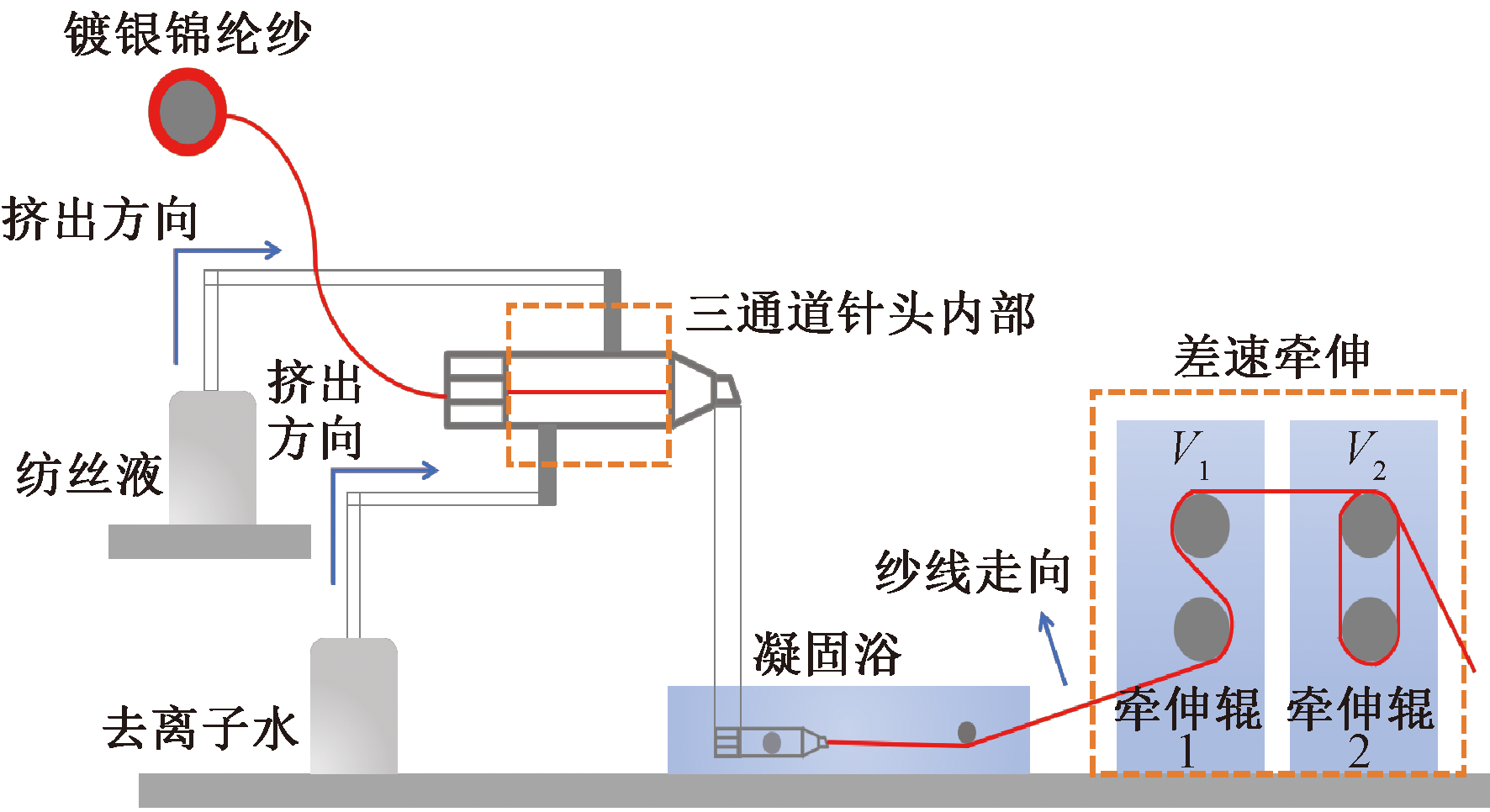
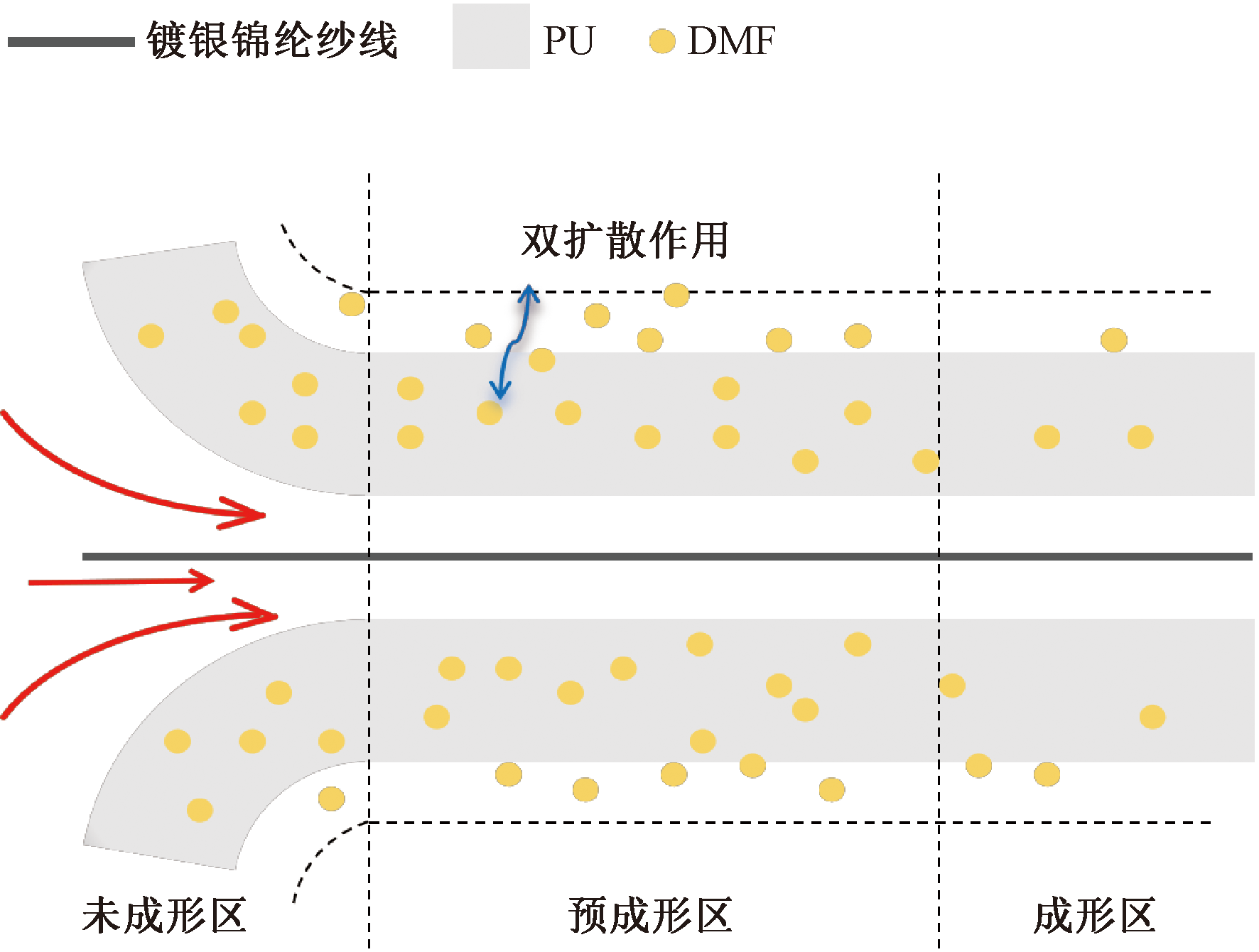
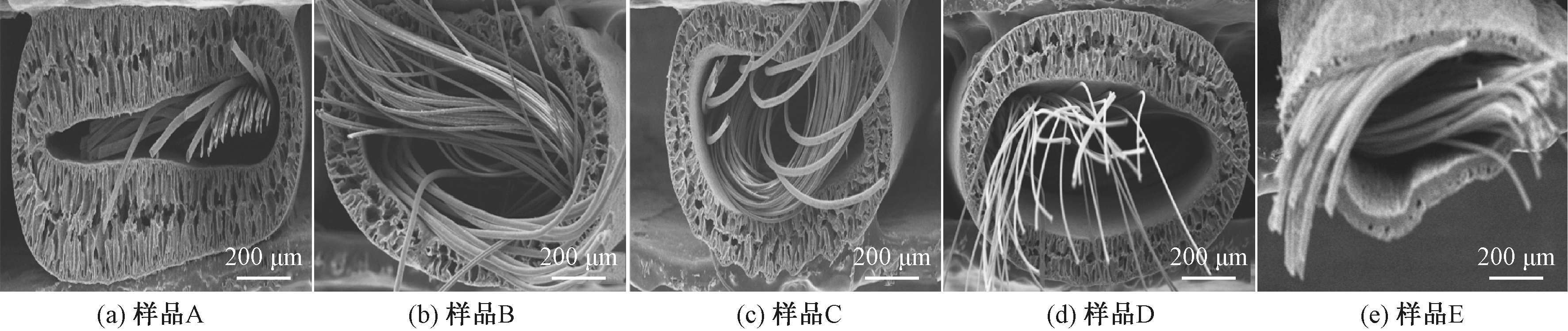
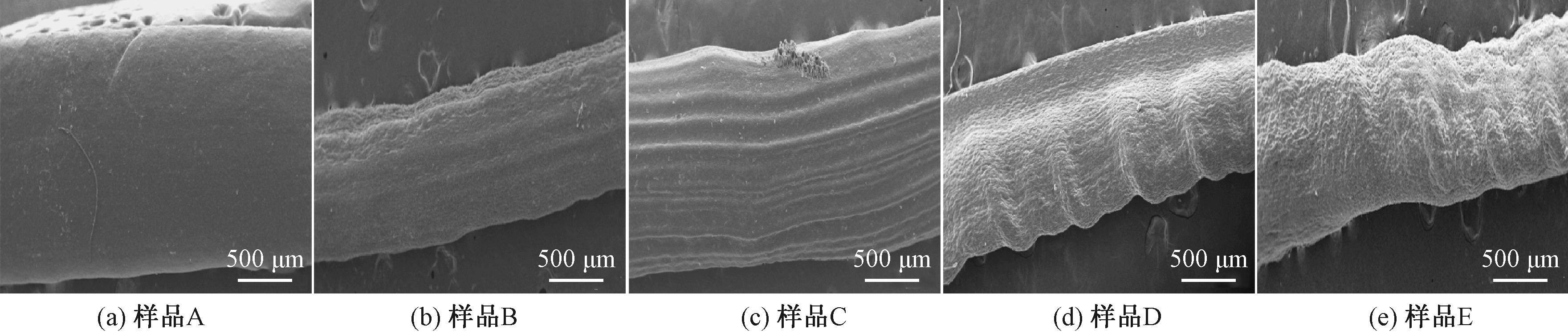
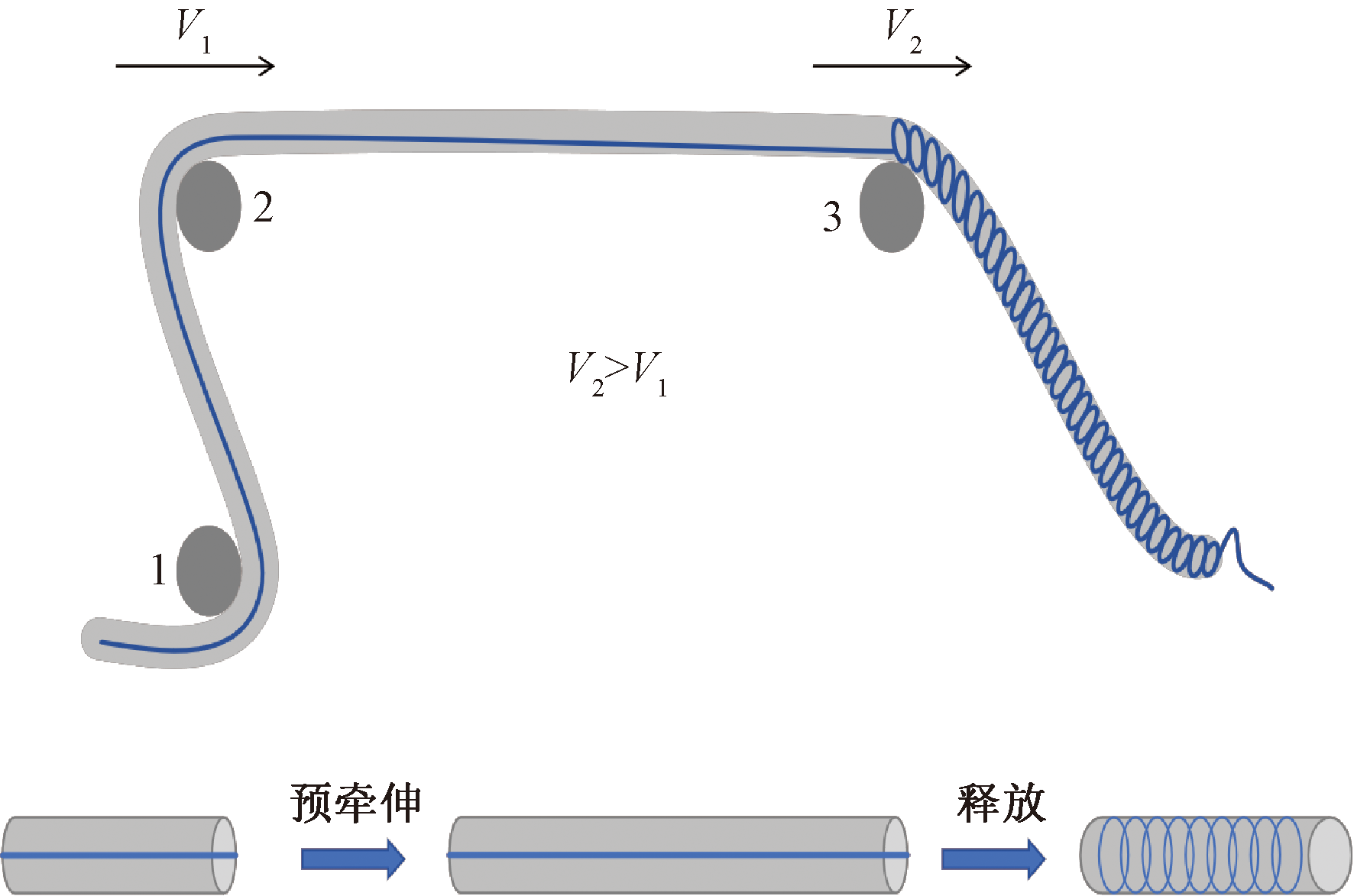
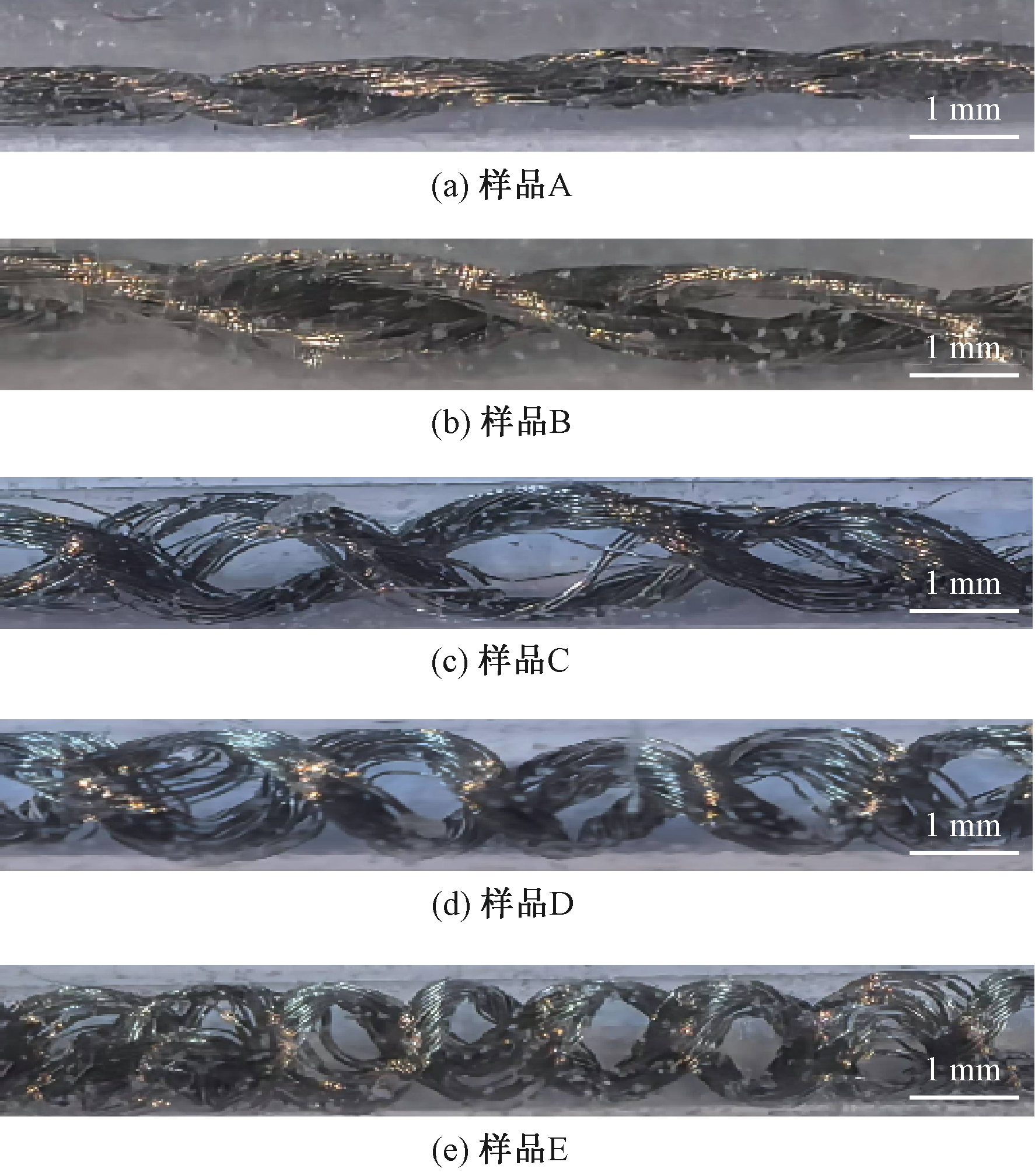
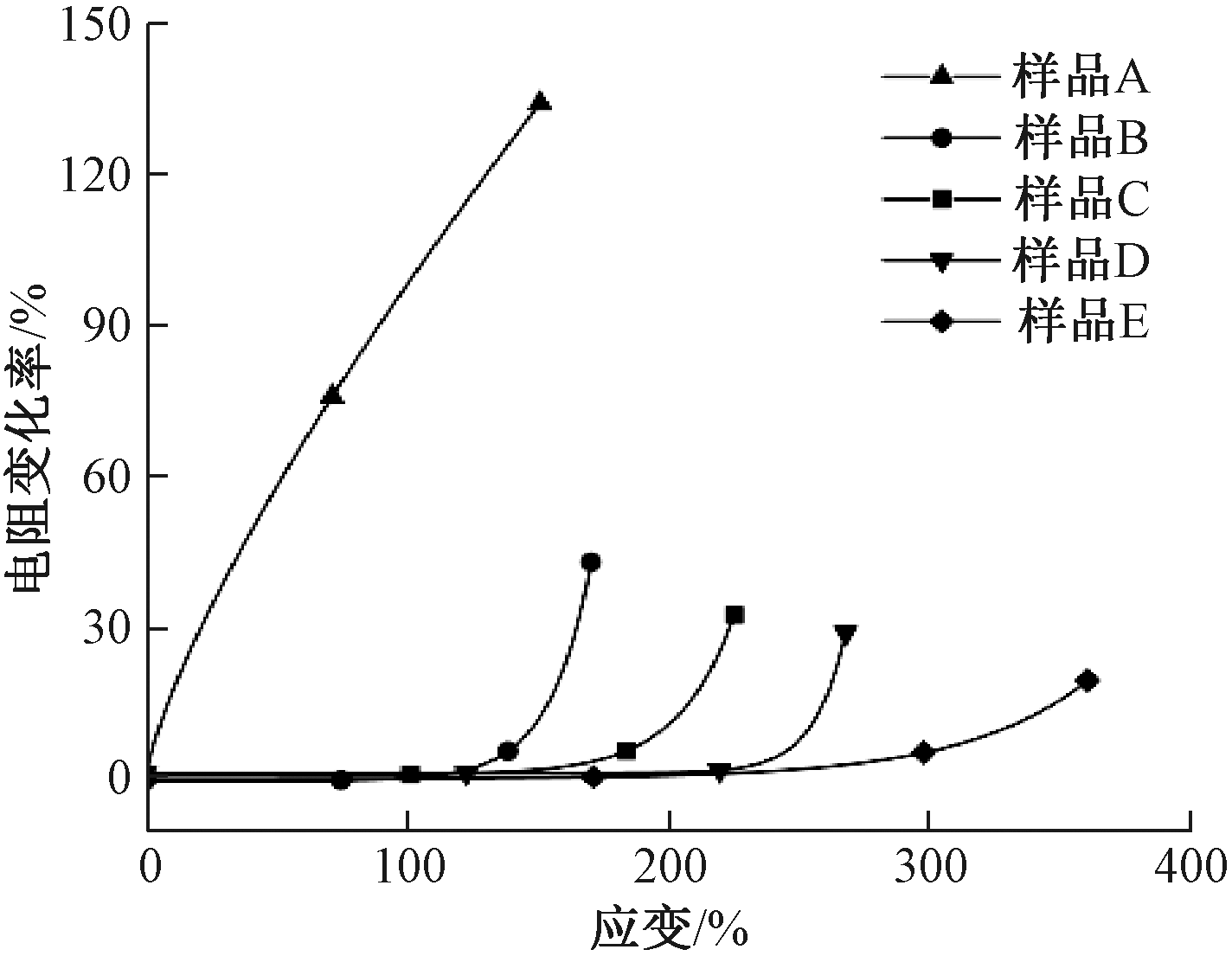
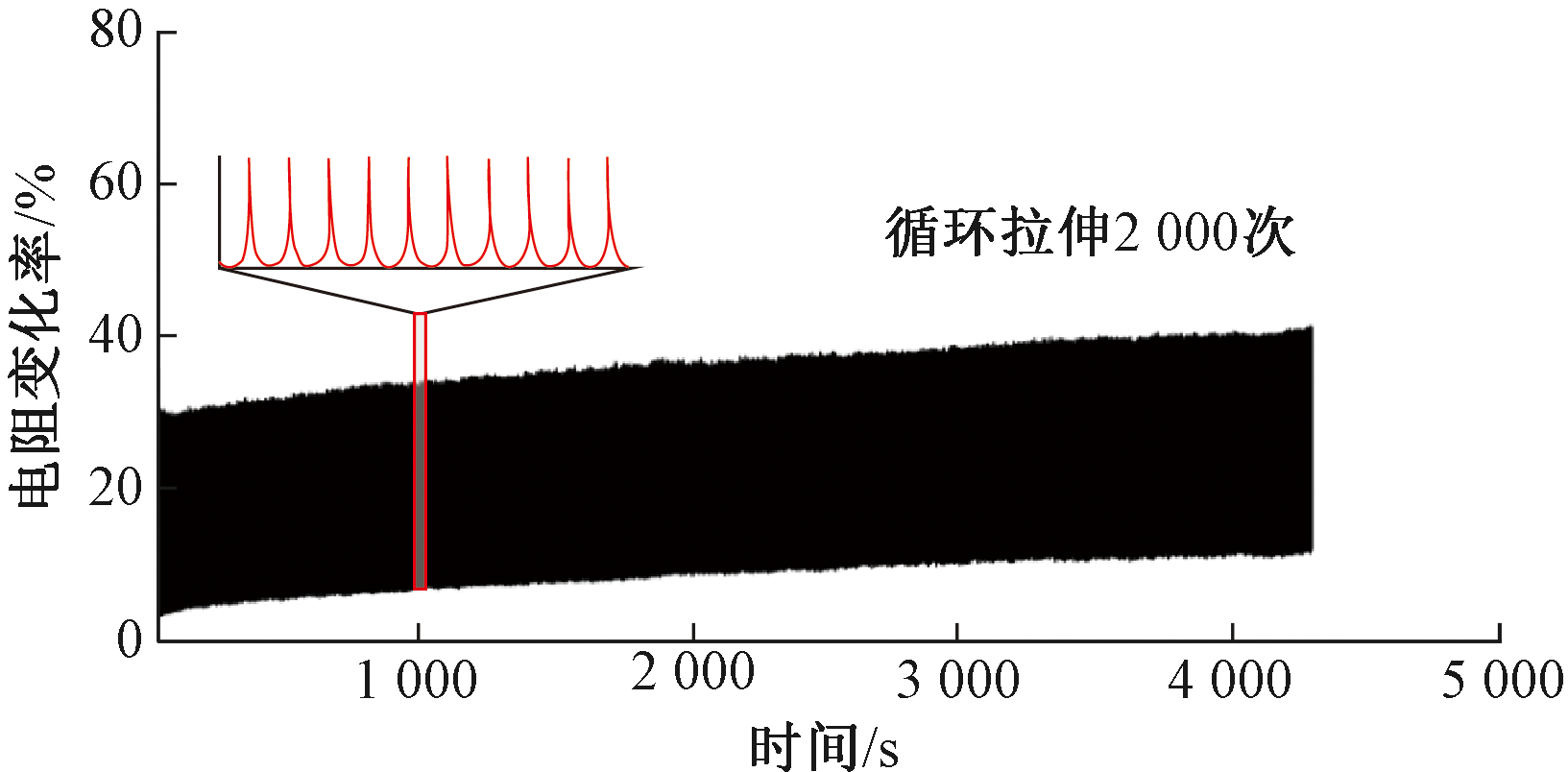
弹性导电纱线是应用于智能可穿戴电子纺织品领域的重要材料,然而传统弹性导电纱线存在应变敏感的问题,这不仅阻碍信号的无损传输,还限制了其在可拉伸设备中的应用。为改善弹性导电纱线的力学性能并使其同时具备良好的弹性和传感性能,选用具有良好导电性能的镀银锦纶纱和具有高弹性的聚氨酯树脂作为基材制备弹性导电纱线。采用同轴湿法纺丝和差速牵伸相结合的方法,制备出具有内螺旋结构的导电纱线。在纺丝过程中,通过调节前后牵伸辊的牵伸速度,制备不同规格的弹性导电纱线,对内螺旋结构纱线的制备工艺加以优化,实现了内螺旋结构导电纱线的连续生产。对所制备的导电纱线的微观形貌、力学性能、传感性能、应变不敏感性能进行测试表征。结果表明:随着牵伸速度比的增大,螺旋结构数目增多,电阻变化率减小,应变不敏感性能增强。当牵伸速度比为1 ∶1时,导电纱线在90%的应变下的电阻变化率高达90%,体现出良好的导电传感性能。当牵伸速度比为1 ∶5时,导电纱线在300%的应变下的电阻变化率低至5. 6%,且在30%应变拉伸条件下电阻变化率随时间变化显示出良好的稳定性,体现出良好的应变不敏感性能和耐久性能(2 000 次循环),为高弹性复合导电纱线的发展提供理论指导。
中图分类号:
| [1] |
BAI T H, WANG Y Q, ZHU K P, et al. Multifunctional ultraelastic helical conductive yarn for motion detection and human-machine interaction[J]. Chemical Engineering Journal, 2024, 498: 155143.
doi: 10.1016/j.cej.2024.155143 |
| [2] |
LIU Z F, FANG S, MOURA F A, et al. Hierarchically buckled sheath-core fibers for superelastic electronics, sensors, and muscles[J]. Science, 2015, 349(6246): 400-404.
doi: 10.1126/science.aaa7952 |
| [3] | 张荣, 徐成成, 魏文闵, 等. 聚合物基柔性导电复合材料的制备和研究进展[J]. 高分子材料科学与工程, 2017, 33(2): 177-183. |
| ZHANG Rong, XU Chengcheng, WEI Wenmin, et al. Progress of preparation and characterisation for polymer-conductive-copmosites-based flexible conductors[J]. Polymer Materials Science & Engineering, 2017, 33(2): 177-183. | |
| [4] | 胡圣飞, 张帆, 张荣, 等. 石墨烯表面改性及其在聚合物导电复合材料中的应用研究[J]. 高分子材料科学与工程, 2017, 33(8): 184-190. |
| HU Shengfei, ZHANG Fan, ZHANG Rong, et al. Graphene surface modification and its application in conductive polymer composites[J]. Polymer Materials Science & Engineering, 2017, 33(8): 184-190. | |
| [5] |
ZHAO Y, TAN Y J, YANG W D, et al. Scaling metal-elastomer composites toward stretchable multi-helical conductive paths for robust responsive wearable health devices[J]. Advanced Healthcare Materials, 2021, 10(17): 2100221.
doi: 10.1002/adhm.v10.17 |
| [6] | GAO Y Y, YU L Y, LI Y M, et al. Maple leaf inspired conductive fiber with hierarchical wrinkles for highly stretchable and integratable electronics[J]. ACS Applied Materials & Interfaces, 2022, 14(43): 49059-49071. |
| [7] |
XU D, GE C, GAO C, et al. Novel composite yarn with a wavy-network structure produced by various delivery speed ratios and untwisting factors[J]. Textile Research Journal, 2022, 92(23/24): 4551-4562.
doi: 10.1177/00405175221107163 |
| [8] |
HE J, ZHOU R H, ZHANG Y F, et al. Strain-insensitive self-powered tactile sensor arrays based on intrinsically stretchable and patternable ultrathin conformal wrinkled graphene-elastomer composite[J]. Advanced Functional Materials, 2022, 32(10): 2107281.
doi: 10.1002/adfm.v32.10 |
| [9] | ZHAO G X, WU T L, WANG R H, et al. Hydrogel-assisted microfluidic spinning of stretchable fibers via fluidic and interfacial self-adaptations[J]. Science Advances, 2023, 9(42): eadj5407. |
| [10] |
ZHANG W X, MIAO J L, TIAN M W, et al. Hierarchically interlocked helical conductive yarn enables ultra-stretchable electronics and smart fabrics[J]. Chemical Engineering Journal, 2023, 462: 142279.
doi: 10.1016/j.cej.2023.142279 |
| [11] |
LI Q, SI M Z, LIU T T, et al. Stretchable conductive yarn with extreme electrical stability pushes fabrication of versatile textile stretchable electronics[J]. Composites Communications, 2022, 31: 101131.
doi: 10.1016/j.coco.2022.101131 |
| [12] |
YAN Z C, LIU Y T, XIONG J, et al. Hierarchical serpentine-helix combination for 3D stretchable electronics[J]. Advanced Materials, 2023, 35(23): 2210238.
doi: 10.1002/adma.v35.23 |
| [13] |
LI L S, YANG G D, LYU J, et al. Folk arts-inspired twice-coagulated configuration-editable tough aerogels enabled by transformable gel precursors[J]. Nature Communications, 2023, 14: 8450.
doi: 10.1038/s41467-023-44156-4 pmid: 38114508 |
| [14] |
ZHANG C, ZHANG L, PU Z H, et al. Fabricating 1D stretchable fiber-shaped electronics based on inkjet printing technology for wearable applications[J]. Nano Energy, 2023, 113: 108574.
doi: 10.1016/j.nanoen.2023.108574 |
| [15] | CHEN S, LIU H Z, LIU S Q, et al. Transparent and waterproof ionic liquid-based fibers for highly durable multifunctional sensors and strain-insensitive stretchable conductors[J]. ACS Applied Materials & Interfaces, 2018, 10(4): 4305-4314. |
| [16] |
WANG J J, YANG W F, LIU Z X, et al. Ultra-fine self-powered interactive fiber electronics for smart clothing[J]. Nano Energy, 2023, 107: 108171.
doi: 10.1016/j.nanoen.2023.108171 |
| [17] |
MARION J S, GUPTA N, CHEUNG H, et al. Thermally drawn highly conductive fibers with controlled elasticity[J]. Advanced Materials, 2022, 34(19): 2201081.
doi: 10.1002/adma.v34.19 |
| [18] | LIU Y Y, TANG Y L, GUO X Q, et al. Template-free and stretchable conductive fiber with a built-in helical structure for strain-insensitive signal transmission[J]. ACS Applied Materials & Interfaces, 2023, 15(39): 46379-46387. |
| [19] | 刘圆沅, 田明伟. 应变不敏感型可拉伸导体及其智能电子纺织品应用现状[J]. 高分子材料科学与工程, 2023, 39(7): 157-167. |
| LIU Yuanyuan, TIAN Mingwei. Strain-insensitive tensile conductors and their applications in intelligent electronic textiles[J]. Polymer Materials Science & Engineering, 2023, 39(7): 157-167. | |
| [20] |
WANG S X, CHEN Y J, PEI D F, et al. Rifled microtubes with helical and conductive ribs for endurable sensing device[J]. Chemical Engineering Journal, 2023, 465: 142939.
doi: 10.1016/j.cej.2023.142939 |
| [21] | 李欣达, 兰嫒, 唐静文, 等. DMSO/离子液体复合溶剂湿法纺丝制备纤维素纤维的凝固条件[J]. 材料科学与工程学报, 2015, 33(4): 474-478. |
| LI Xinda, LAN Ai, TANG Jingwen, et al. Coagulation bath conditions for preparing cellulose fiber by using DMSO/ILs as solvent[J]. Journal of Materials Science and Engineering, 2015, 33(4): 474-478. | |
| [22] | LUO Y Y, ZHAO L B, LUO G X, et al. Highly sensitive piezoresistive and thermally responsive fibrous networks from the in situ growth of PEDOT on MWCNT-decorated electrospun PU fibers for pressure and temperature sensing[J]. Microsystems & Nanoengineering, 2023, 9: 113. |
| [23] | 傅林, 钱建华, 单江音, 等. 银纳米线/聚氨酯纳米纤维膜柔性传感器制备及其性能[J]. 纺织学报, 2025, 46(9): 74-83. |
|
FU Lin, QIAN Jianhua, SHAN Jiangyin, et al. Preparation and performance of silver nanowires/polyurethane nanofiber membrane flexible sensor[J]. Journal of Textile Research, 2025, 46(9): 74-83.
doi: 10.1177/004051757604600113 |
| [1] | 邵剑波, 岳欣琰, 陈雨, 韩潇, 洪剑寒. 全针织结构多模态柔性电容传感器的构筑及其传感性能[J]. 纺织学报, 2026, 47(01): 123-131. |
| [2] | 刘旭颖, 银倩琳, 王先成, 樊高晴, 戚栋明, 陈智杰. 二氧化碳基聚氨酯丙烯酸酯乳液制备及其胶膜性能[J]. 纺织学报, 2026, 47(01): 168-175. |
| [3] | 张宁讴, 王海龙, 胡星友, 孙彬, 游超瑜. 电致发光纤维的技术创新与研究进展[J]. 纺织学报, 2026, 47(01): 250-258. |
| [4] | 胡崴琳, 白洁, 刘丹, 白濛, 李娟, 李启正. 基于机器学习模型的电子纺织品研究进展[J]. 纺织学报, 2026, 47(01): 268-276. |
| [5] | 陈克林, 李卓, 王晓歌, 李成晋, 胡建臣, 张克勤. 微流控湿法纺丝制备基于聚羟基脂肪酸酯的光致变色纤维及其性能[J]. 纺织学报, 2026, 47(01): 46-53. |
| [6] | 张莹, 郭明靖, 王利君. 针织结构温度传感器设计及其着装传感性能[J]. 纺织学报, 2025, 46(12): 123-132. |
| [7] | 王梁宇, 高晓红, 于彩娇, 张雪婷, 杨旭礼. 还原氧化石墨烯/铜纳米颗粒导电棉织物的制备及其传感性能[J]. 纺织学报, 2025, 46(12): 181-187. |
| [8] | 季巧, 于清源, 周爱晖, 马博谋, 徐进, 袁久刚. 细菌纤维素及其复合材料的应用研究进展[J]. 纺织学报, 2025, 46(12): 243-250. |
| [9] | 邓晶, 王蕊宁, 孙润军, 张亚娟, 郭海冰, 雷轲. 用于脉搏监测的海藻酸钠改性水性聚氨酯/液态金属导电传感纤维[J]. 纺织学报, 2025, 46(12): 74-82. |
| [10] | 张帆, 蔡再生, 刘慧景, 陆少锋, 黄旭明. 高牢固光致变色棉织物的点击化学法制备及其性能[J]. 纺织学报, 2025, 46(11): 196-202. |
| [11] | 刘飞, 刘璐, 郑智超, 刘俊宏, 吴德群, 蒋秋冉. 自黏型玉米醇溶蛋白基超细纤维膜的制备及其性能[J]. 纺织学报, 2025, 46(11): 34-42. |
| [12] | 郭梦瑶, 吴佳庆, 王迎. 全包覆结构聚氨酯膜条带/棉复合纱制备及其力学性能[J]. 纺织学报, 2025, 46(11): 69-76. |
| [13] | 唐曾华, 李宏杰, 毕思伊, 邵光伟, 蒋金华, 陈南梁, 邵慧奇. 增强结构对碳纤维/热塑性聚氨酯柔性复合材料电磁屏蔽性能的影响[J]. 纺织学报, 2025, 46(10): 111-119. |
| [14] | 王莎莎, 李超婧, 李彦, 毛吉富, 王富军, 王璐. 智能可穿戴健康纺织品应用研究进展[J]. 纺织学报, 2025, 46(10): 265-273. |
| [15] | 赵捷清, 王瑧, 秦孝天, 王成成, 张丽平. 模拟绿叶颜色变化的温致变色织物制备及其性能[J]. 纺织学报, 2025, 46(09): 19-26. |
|
||
 京公网安备11010502044800号