Journal of Textile Research ›› 2025, Vol. 46 ›› Issue (11): 94-101.doi: 10.13475/j.fzxb.20250103801

• Textile Engineering • Previous Articles     Next Articles

Development and performance of outdoor functional fabrics with bionic structures

XU Lili, TENG Yanfei, MA Pibo, WAN Ailan()   

  1. Engineering Research Center for knitting Technology, Ministry of Education,Jiangnan University, Wuxi, Jiangsu 214122, China
  • Received:2025-01-14 Revised:2025-07-11 Online:2025-11-15 Published:2025-11-15
  • Contact: WAN Ailan E-mail:ailan.wan@jiangnan.edu.cn

Abstract:

Objective With the booming development of outdoor sports, people's demand for functional sportswear continued to grow. Heavy clothing led to poor perspiration, seriously affecting comfort with risk of hypothermia, and was easy to gather odor causing embarrassment and discomfort in a complex autumn and winter outdoor environment. Current research on the base layer of outdoor functional fabrics is primarily focused on single-function characteristics, neglecting consumers' demand for multifunctional properties combining odor elimination and thermal-moisture comfort. Therefore, it is urgent to develop outdoor functional fabrics with deodorizing performance and thermal-moisture comfort.
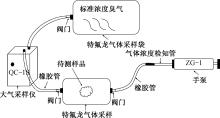
Method In order to develop outdoor functional fabrics that concurrently exhibit deodorizing and thermal-moisture comfort properties, eight fabric types were developed based on the biomimetic principle of Victoria amazonica leaf venation structure with the use of wool as plating yarn and odor-eliminating polyurethane/polypropylene covered yarn as the ground yarn. A deodorizing performance testing device was established to evaluate the deodorizing capabilities of these outdoor functional fabrics. The deodorizing performance and thermal-moisture comfort were assessed by testing the air permeability, moisture permeability, and moisture management properties. Additionally, the service performance of the outdoor functional fabrics was scrutinized.
Results The results of the deodorizing performance test indicated that among the 9 fabric samples, the maximum ammonia elimination rate was 99.50%, and the minimum was 85.11%. The maximum acetic acid elimination rate was 94.55%, and the minimum was 80.36%. All fabric samples exhibited excellent deodorizing efficacy, with both ammonia and acetic acid elimination rates exceeded 80%. Notably, bubble structured fabric demonstrated significantly superior deodorizing performance compared to the plain knit fabric. In terms of thermal insulation, with the exception of the leaf small pore fabric, all other fabric samples outperformed the plain knit fabric, with the secondary vein fabric achieved the best thermal insulation performance. The cardinal vein fabric exhibited the highest air permeability, while the branching structureⅡfabric demonstrated the lowest. For water vapor permeability, with the exception of the leaf small pore, branching structure I and the bubble structure fabrics, all other fabric samples outperformed the plain knit fabric. All 8 biomimetic fabric samples had a unidirectional transport index greater than 300, indicating excellent moisture absorption and wicking properties. Specifically, vein small grid and bubble structure fabrics showed markedly superior moisture management performance compared to the plain knit fabric. The serviceability assessment suggested that it was evident that all eight biomimetic fabric samples met the service performance requirements for outdoor functional apparel. In terms of pilling resistance, the cardinal vein, secondary vein, vein small grid, bubble structure, and the branching structureⅡfabrics performed the best, with the fabric surface remaining clear and intact after 7 000 cycles of abrasion. The branching structureⅠfabric showed the best bursting strength and bursting height, demonstrating exceptional bursting performance. With respect to the tensile properties, the weft-breaking strength and breaking elongation of all 8 biomimetic fabric samples were greater than those in the warp direction. In the weft direction, the secondary vein fabric had the highest breaking strength, and the branching structureⅡfabric had the highest breaking elongation.
Conclusion The comparative analysis of eight fabric samples and plain-knit fabrics demonstrated that incorporating wool and deodorizing polyurethane fibers significantly improved the fabrics' deodorizing performance. The bioinspired structural design was also found to substantially enhance thermal-moisture comfort, offering valuable guidance for developing outdoor functional apparel that combines both deodorizing performance and comfort. However, challenges remained regarding how to effectively implement zonal designs using these bioinspired structures in outdoor garments, as well as how to establish appropriate evaluation methods for assessing the performance of such functional clothing, indicating important directions for future research.

Key words: bionic structure, wool, outdoor functional garment, functional fabric, bionic knitting fabric, deodorizing polyurethane fiber, deodorizing performance, thermal-moisture comfort

CLC Number: 

  • TS186.3

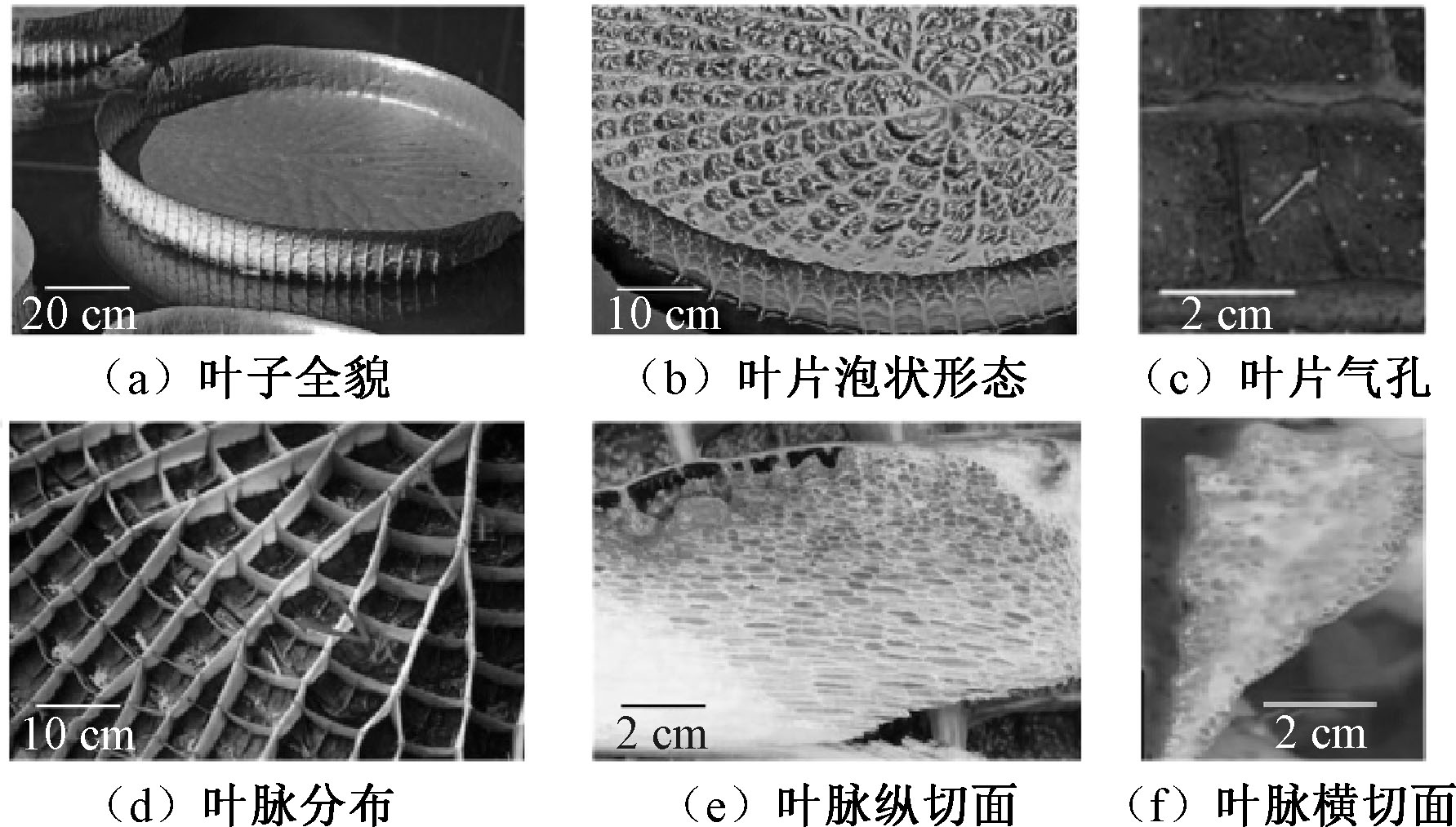
Fig.1

Morphologies of giant waterlily. (a) Whole leaf;(b) Bubble-like surface of leaf; (c) Small pores in leaves; (d) Veins network on leaf back;(e) Longitudinal-section leaf vein;(f) Cross-section of leaf vein"

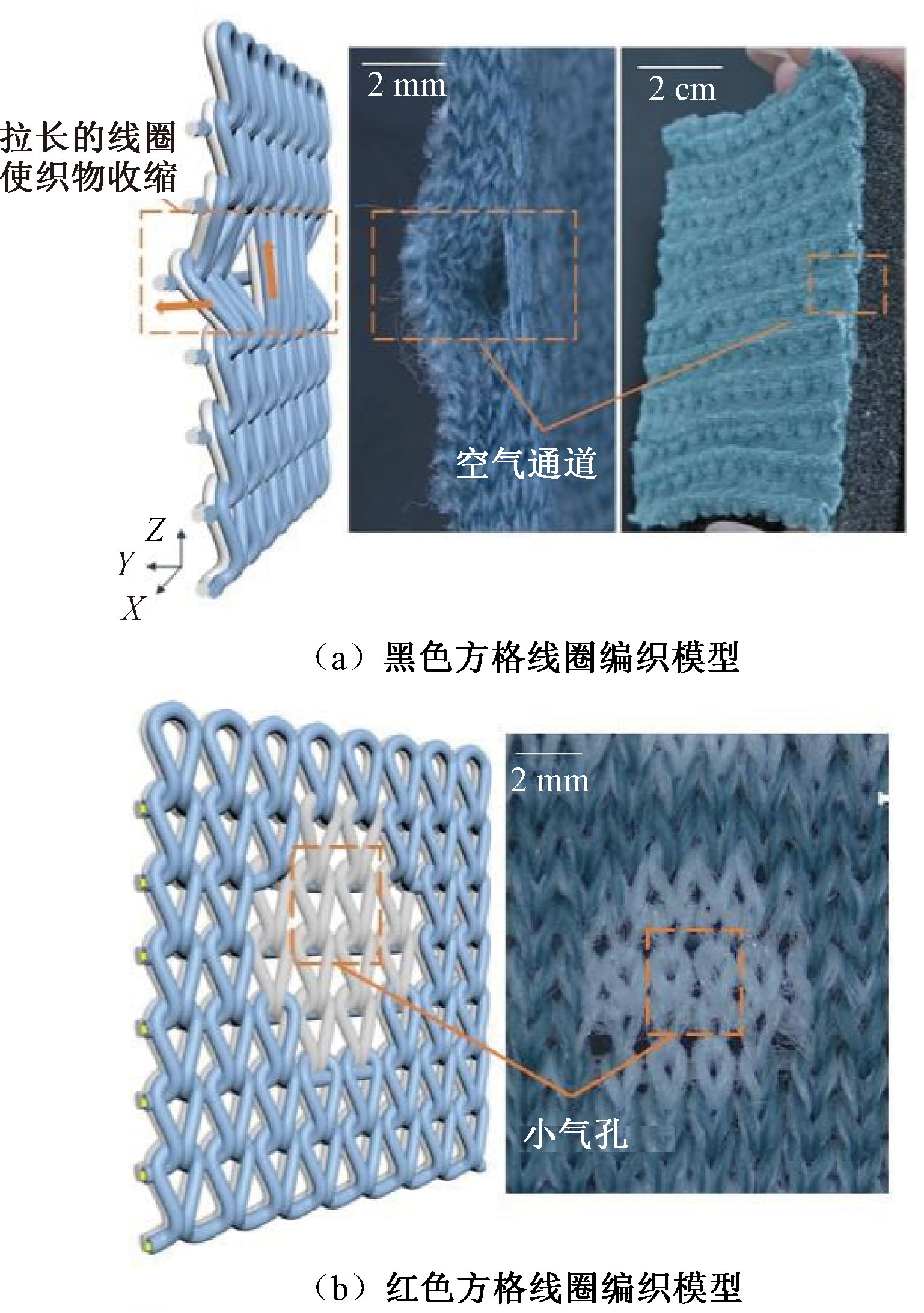
Fig.2

Coil pattern diagram. (a) Coil knitting model of black grid; (b) Coil knitting model of red grid"

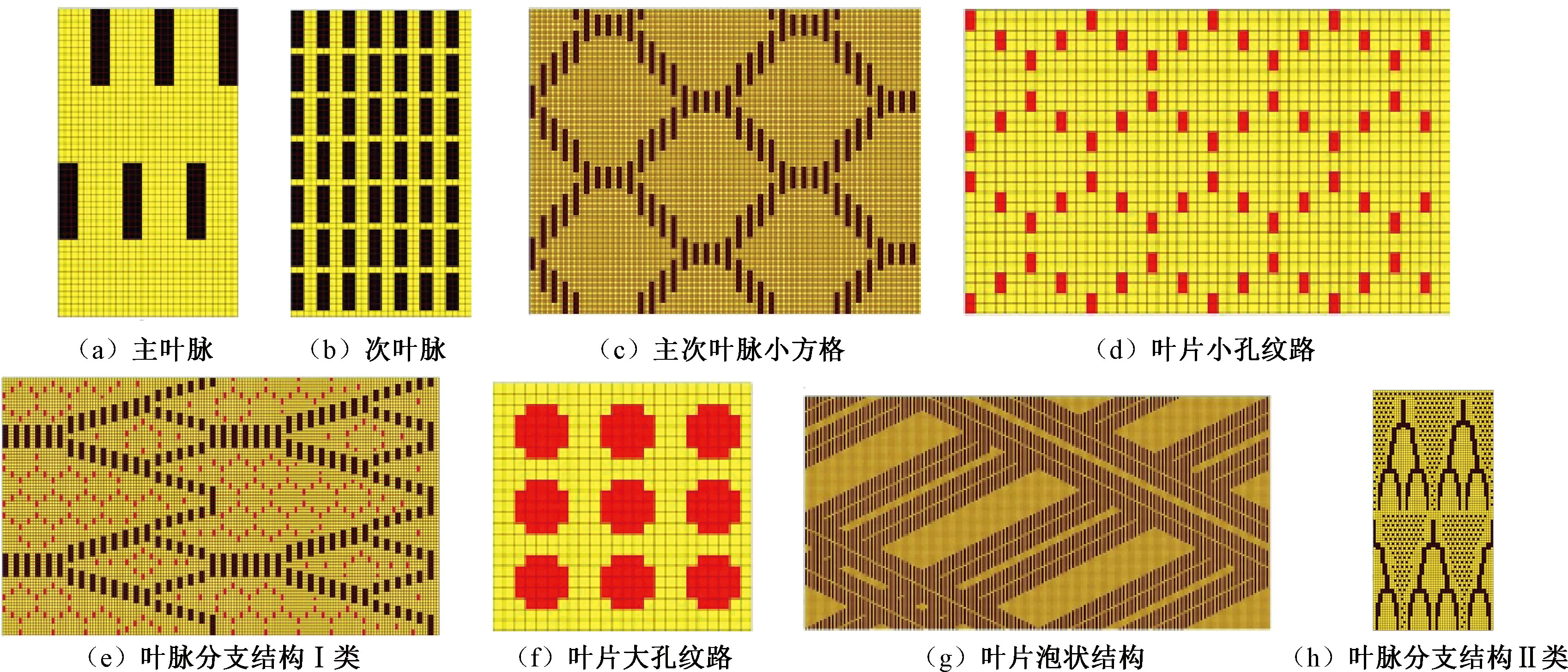
Fig.3

PAT diagram of bionic vein structure fabric. (a)Cardinal vein; (b)Secondary vein; (c)Vein small grid;(d)Leaf small pores; (e)Branching structure Ⅰ; (f)Leaf big pore; (g)Bubble structure; (h) Branching structure Ⅱ"

Tab.1

Specifications and structure parameters of fabrics"

结构名称 面料
编号
面密度/
(g·m-2)
厚度/
mm
密度/(线圈数·(5 cm)-1) 消臭氨纶
含量/%
羊毛
含量/%
横密 纵密
主叶脉 1# 339 2.28 95 165 12.93 60.64
次叶脉 2# 326 1.44 100 245 12.81 60.54
主次叶脉小方格 3# 340 2.23 75 185 11.65 64.50
叶片小孔纹路 4# 218 0.83 80 145 13.59 58.39
叶脉分支结构Ⅰ类 5# 252 1.50 70 165 12.97 60.29
叶片大孔纹路 6# 199 0.96 80 145 14.85 54.60
叶片泡状结构 7# 442 2.17 90 220 12.70 61.19
叶脉分支结构Ⅱ类 8# 331 1.89 85 195 12.78 60.85
纬平针 0# 310 1.06 95 155 12.37 62.14

Fig.4

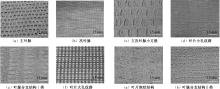
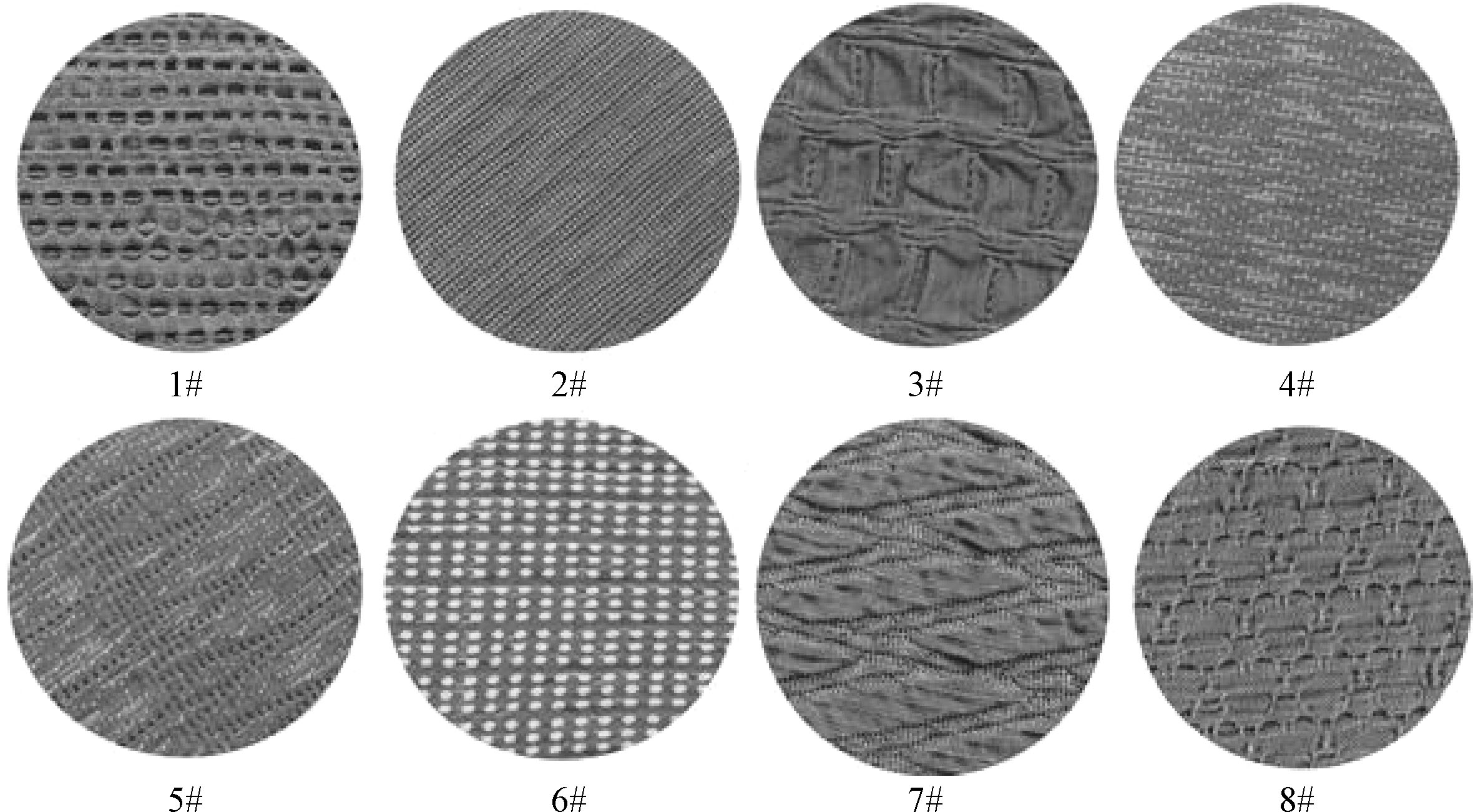
Physical pictures of imitating vein structure. (a)Cardinal vein; (b)Secondary vein; (c)Vein small grid;(d)Leaf small pores; (e)Branching structure Ⅰ; (f)Leaf big pore; (g)Bubble structure; (h) Branching structure Ⅱ"

Fig.5

Deodorant rate detection device"

Tab.2

Deodorizing properties of bionic knitting fabrics"

面料
编号
氨气 醋酸
初始浓度/
(μL·L-1)
2 h后浓度/(μL·L-1) 消除率/
%
初始浓度/
(μL·L-1)
2 h后浓度/(μL·L-1) 消除率/%
样品A 空白B 样品A 空白B
1# 100.00 5.50 98.00 94.39 30.00 3.00 28.50 89.47
2# 100.00 7.50 98.00 92.35 30.00 4.00 29.00 86.21
3# 100.00 5.00 94.00 94.68 30.00 2.50 28.50 91.23
4# 100.00 13.50 96.00 85.94 30.00 5.00 27.00 81.48
5# 100.00 11.00 94.00 88.30 30.00 4.50 27.50 83.64
6# 100.00 14.00 94.00 85.11 30.00 5.50 28.00 80.36
7# 100.00 0.50 92.00 99.50 30.00 1.50 27.50 94.55
8# 100.00 6.50 95.00 93.16 30.00 3.50 28.50 87.72
0# 100.00 4.50 72.00 93.75 30.00 2.00 28.00 92.86

Tab.3

Warm keeping properties of bionic knitting fabrics"

面料
编号
热阻/
(10-3m2·K·W-1)
传热系数/
(W·(m2·℃)-1)
克罗值/
clo
1# 74.100 13.550 0.478 0
2# 112.233 9.073 0.723 7
3# 71.675 13.995 0.462 3
4# 42.633 24.290 0.275 0
5# 51.733 19.407 0.333 7
6# 44.950 22.338 0.289 6
7# 95.967 10.670 0.618 7
8# 53.475 18.678 0.344 8
0# 43.200 23.273 0.263 0

Tab.4

One-way transfer index and rating of bionic knitting fabrics"

面料编号 单向传递指数 等级
1# 324.210 5
2# 369.700 5
3# 409.610 5
4# 381.250 5
5# 377.620 5
6# 385.240 5
7# 405.930 5
8# 365.710 5
0# 402.550 5

Tab.5

Pilling properties of bionic knitting fabrics after repeated rubbing"

面料编号 不同摩擦次数下的起毛起球等级
125次 500次 1 000次 2 000次 5 000次 7 000次
1# 5 5 5 5 5 5
2# 5 5 5 5 5 5
3# 5 5 5 5 5 5
4# 5 5 5 5 4.5 4
5# 5 5 5 5 5 4.5
6# 5 5 5 5 4.5 4
7# 5 5 5 5 5 5
8# 5 5 5 5 5 5

Fig.6

Physical images of fabrics after 7 000 rubbing cycles"

Tab.6

Bursting properties of bionic knitting fabrics"

面料编号 顶破强力/N 顶破高度/mm 顶破功/J
1# 404.50 58.405 1.27
2# 427.85 32.535 0.68
3# 359.65 51.895 1.10
4# 494.30 47.440 1.01
5# 510.20 62.295 1.27
6# 353.05 48.000 0.85
7# 317.40 56.160 0.92
8# 377.35 46.125 0.89

Tab.7

Tensile properties of bionic knitting fabrics"

面料编号 拉伸方向 断裂强力/N 断裂伸长率/%
1# 纵向 41.65 200.55
横向 97.61 241.34
2# 纵向 58.39 97.80
横向 113.34 203.26
3# 纵向 44.04 171.45
横向 82.25 256.26
4# 纵向 45.15 146.25
横向 55.54 265.69
5# 纵向 35.06 158.84
横向 55.13 274.59
6# 纵向 39.77 152.60
横向 43.08 225.08
7# 纵向 33.24 137.00
横向 101.89 248.13
8# 纵向 44.86 238.63
横向 101.34 280.42
[1] 蒋全虎, 陈家起, 高奎亭, 等. 新时代我国户外运动产业高质量发展思考[J]. 体育文化导刊, 2023(9): 76-83, 90.
JIANG Quanhu, CHEN Jiaqi, GAO Kuiting, et al. High-quality development of China's outdoor sports industry in the new era[J]. Sports Culture Guide, 2023(9): 76-83, 90.
[2] LEYDEN J J, MCGINLEY K J, HÖLZLE E, et al. The microbiology of the human axilla and its relationship to axillary odor[J]. Journal of Investigative Dermatology, 1981, 77(5): 413-416.
doi: 10.1111/1523-1747.ep12494624 pmid: 7288207
[3] 李佳怡, 卢业虎, 叶鑫, 等. 智能发热户外防寒服装研制与性能评价[J]. 东华大学学报(自然科学版), 2018, 44(1): 80-86.
LI Jiayi, LU Yehu, YE Xin, et al. Performance evaluation of outdoor cold protective clothing with smart heating function[J]. Journal of Donghua University (Natural Science), 2018, 44(1): 80-86.
[4] 冯爱芬, 张永久. 纳米三防羽绒服面料的研制[J]. 纺织学报, 2004, 25(2): 77-79, 5-6.
FENG Aifen, ZHANG Yongjiu. The development of nanometer three-proof down jacket fabric[J]. Journal of Textile Research, 2004, 25(2): 77-79, 5-6.
[5] 陈丽华. 不同种类防水透湿织物的性能及发展[J]. 纺织学报, 2012, 33(7): 151-158.
CHEN Lihua. Properties and development trends of different kinds of waterproof and moisture permeable fabrics[J]. Journal of Textile Research, 2012, 33(7): 151-158.
[6] 李智勇, 周惠敏, 夏鑫. 含氟聚氨酯/聚氨酯纳米纤维膜复合织物的制备及其防水透湿性能[J]. 纺织学报, 2016, 37(10): 83-88.
LI Zhiyong, ZHOU Huimin, XIA Xin. Preparation and waterproof and water-permeable properties of electrospun fluorinated polyurethanel polyurethane nanofiber membrane composite fabrics[J]. Journal of Textile Research, 2016, 37(10): 83-88.
[7] 沈雷, 任祥放, 刘皆希, 等. 保暖充电老年服装的设计与开发[J]. 纺织学报, 2017, 38(4): 103-108.
SHEN Lei, REN Xiangfang, LIU Jiexi, et al. Design and development of warm clothing for the elderly[J]. Journal of Textile Research, 2017, 38(4): 103-108.
doi: 10.1177/004051756803800112
[8] 苏文桢, 宋文芳, 卢业虎, 等. 充气防寒服的保暖性能[J]. 纺织学报, 2020, 41(2): 115-118, 124.
SU Wenzhen, SONG Wenfang, LU Yehu, et al. Thermal insulation of air inflatable cold protective clothing[J]. Journal of Textile Research, 2020, 41(2): 115-118, 124.
[9] 方雪明, 董智佳, 丛洪莲, 等. 单面纬编织物变化孔隙率结构设计与透气导湿性能评价[J]. 纺织学报, 2024, 45(5): 51-59.
FANG Xueming, DONG Zhijia, CONG Honglian, et al. Design of variable porosity structure and evaluation of permeablity and moisture conductivity of single side weft knitted fabric[J]. Journal of Textile Research, 2024, 45(5): 51-59.
[10] 钱娟, 谢婷, 张佩华, 等. 聚乙烯针织物的热湿舒适性能[J]. 纺织学报, 2022, 43(7):60-66.
QIAN Juan, XIE Ting, ZHANG Peihua, et al. Thermal and moisture comfort performance of polyethylene knitted fabric[J]. Journal of Textile Research, 2022, 43(7):60-66.
doi: 10.1177/004051757304300111
[11] 吴志明, 赵敏. 基于压力舒适性的经编无缝上衣贾卡分区设计[J]. 纺织学报, 2012, 33(2): 89-93.
WU Zhiming, ZHAO Min. Jacquard partition design of warp knitted seamless upper outer garment based on pressure comfort[J]. Journal of Textile Research, 2012, 33(2): 89-93.
[12] WANG J P, ZHANG B J, YAO X F, et al. Single-sided jacquard knit fabric development and seamless ski underwear zoning design based on body mapping sportswear[J]. AUTEX Research Journal, 2023, 23(4): 483-494.
doi: 10.2478/aut-2022-0033
[13] 杨玉芳. β-环糊精用于羊毛织物防臭整理研究[D]. 上海: 东华大学, 2010: 1-2.
YANG Yufang. Study on deodorizing finishing of wool fabric with β-cyclodextrin[D]. Shanghai: Donghua University, 2010: 1-2.
[14] 丁雪婷, 王建萍, 潘婷, 等. 仿蜻蜓翅膀结构的冬季针织面料研发及其性能[J]. 纺织学报, 2023, 44(9):75-83.
DING Xueting, WANG Jianping, PAN Ting, et al. Development and performance of dragonfly wing structure like winter knitted fabrics[J]. Journal of Textile Research, 2023, 44(9):75-83.
doi: 10.1177/004051757404400113
[15] SASAKI K, TENJIMBAYASHI M, MANABE K, et al. Asymmetric superhydrophobic/superhydrophilic cotton fabrics designed by spraying polymer and nanoparticles[J]. ACS Applied Materials & Interfaces, 2016, 8(1): 651-659.
[16] CHEN Y M, LI S J, LI X L, et al. Liquid transport and real-time dye purification via lotus petiole-inspired long-range-ordered anisotropic cellulose nanofibril aerogels[J]. ACS Nano, 2021, 15(12): 20666-20677.
doi: 10.1021/acsnano.1c10093
[17] BOX F, ERLICH A, GUAN J H, et al. Gigantic floating leaves occupy a large surface area at an economical material cost[J]. Science Advances, 2022, 8(6): eabg3790.
[1] WANG Siyu, WANG Feng, WANG Hongbo, SU Jing. L-cysteine/bromelain synergistic one-bath process anti-shrinkage finishing of wool fabrics [J]. Journal of Textile Research, 2025, 46(10): 152-158.
[2] XU Weihui, ZHU Tingting, WAN Ailan, MA Pibo. Development of antibacterial seamless yoga clothes and its thermal-wet comfort based on bionic structure [J]. Journal of Textile Research, 2025, 46(10): 187-196.
[3] ZHU Yaolin, LI Zheng, ZHANG Qiang, CHEN Xin, CHEN Jinni, ZHANG Hongsong. Quantitative detection of wool and cashmere based on near infrared spectroscopy and multi-feature network [J]. Journal of Textile Research, 2025, 46(09): 104-111.
[4] LUO Yuling, YANG Xizhu, WANG Xinglan, ZHENG Xiaohui, ZHAO Shengnan, CHANG Suqin. Review on research progress of cooling garments with phase-change packages as cold source [J]. Journal of Textile Research, 2025, 46(07): 253-261.
[5] HAN Zhihui, WAN Ailan, HONG Liang, GAO Lizhong, XIA Fenglin. Damage analysis and finite element simulation of wool yarn in warping [J]. Journal of Textile Research, 2025, 46(07): 103-110.
[6] WEI Xuanxiang, FENG Yang, FAN Xiangyu, WU Minghua, YU Deyou. Yak wool decolorization using homogeneous advanced oxidation technology and its mechanism [J]. Journal of Textile Research, 2025, 46(06): 151-159.
[7] LIN Siling, LIU Fuyao, ZHANG Cheng, HOU Lin, XU Yanyan, FU Ranqian, FAN Wei. Preparation and performance of dual-directional temperature-regulating flame-retardant and anti-static textiles [J]. Journal of Textile Research, 2025, 46(06): 38-44.
[8] ZHU Menghui, GE Meitong, DONG Zhijia, CONG Honglian, MA Pibo. Structure and heat-moisture properties evaluation of double-sided wool/polyester weft-knitted fabrics [J]. Journal of Textile Research, 2025, 46(05): 179-185.
[9] ZHU Daquan, CUI Zhihua, GAO Pu, ZHU Jie, ZHANG Bin, ZHU Yuewen, CHEN Weiguo. Aromatic primary amination modification of mercerized wool and its room temperature diazo coupling staining [J]. Journal of Textile Research, 2025, 46(05): 186-194.
[10] YU Shixiong, LIN Cantian, ZHU Shuntian, HU Hongxia, GAO Yanfeng, MA Rujun. Research progress in radiative thermal management fabrics and their infrared spectral design [J]. Journal of Textile Research, 2025, 46(05): 96-104.
[11] ZHU Wenshuo, XUE Yuan, SUN Xianqiang, XUE Jingli, JIN Guang. Full color gamut matching of wool blended yarn based on seven primary color fibers [J]. Journal of Textile Research, 2025, 46(04): 71-80.
[12] YAO Yiting, AO Limin, ZHANG Zhanwang, SU Youpeng. Testing method of pile face properties for felting knitted wool fabrics [J]. Journal of Textile Research, 2025, 46(03): 100-108.
[13] LI Huan, MENG Wenjun, ZHANG Jing, JIANG Zhe, WEI Yimin, ZHOU Man, WANG Qiang. Dyeing wool with indigo dye in deep eutectic solvent system [J]. Journal of Textile Research, 2025, 46(03): 123-130.
[14] GUO Qing, MAO Yangshun, REN Yajie, LIU Jimin, WANG Huaifang, ZHU Ping. Simultaneous in-situ dyeing and flame retardant functionalization of wool fabrics based on laccase catalysis [J]. Journal of Textile Research, 2025, 46(02): 161-169.
[15] SHI Jingjing, YANG Enlong. Effect of advance-feeding on structure and performance of cotton/wool segment colored yarns [J]. Journal of Textile Research, 2024, 45(12): 67-73.
Viewed
Full text


Abstract

Cited

  Shared   
  Discussed   
No Suggested Reading articles found!