Journal of Textile Research ›› 2026, Vol. 47 ›› Issue (1): 80-88.doi: 10.13475/j.fzxb.20250501801

• Fiber Materials • Previous Articles     Next Articles

Wool and cashmere fiber recognition algorithm based on frequency-domain field depth fusion and improved SOLOv2 model

YE Zenan1, LI Ziyin1(), HE Jianjun1, WANG Xiaodong2, YE Fei2, LIU Weihong2   

  1. 1. College of Optics and Electronics, China Jiliang University, Hangzhou, Zhejiang 310018, China
    2. Huzhou Institute of Quality and Technical Supervision and Inspection(Huzhou Fiber Quality Monitoring Center), Huzhou, Zhejiang 313099, China
  • Received:2025-05-14 Revised:2025-11-04 Online:2026-01-15 Published:2026-01-15
  • Contact: LI Ziyin E-mail:liziyin@cjlu.edu.cn

Abstract:

Objective In order to address the persistent challenges in wool and cashmere fiber recognition in small training datasets, strong dependence on high-resolution microscopy, and poor performance with intertwined fibers, a novel recognition framework is proposed and validated. It integrates a frequency-domain multi-focus image fusion technique with an improved instance segmentation model SOLOv2. The framework aims to enhance source imagery quality and subsequently improve the segmentation accuracy and robustness of the model, providing a reliable technological solution for automated fiber analysis in industrial settings.

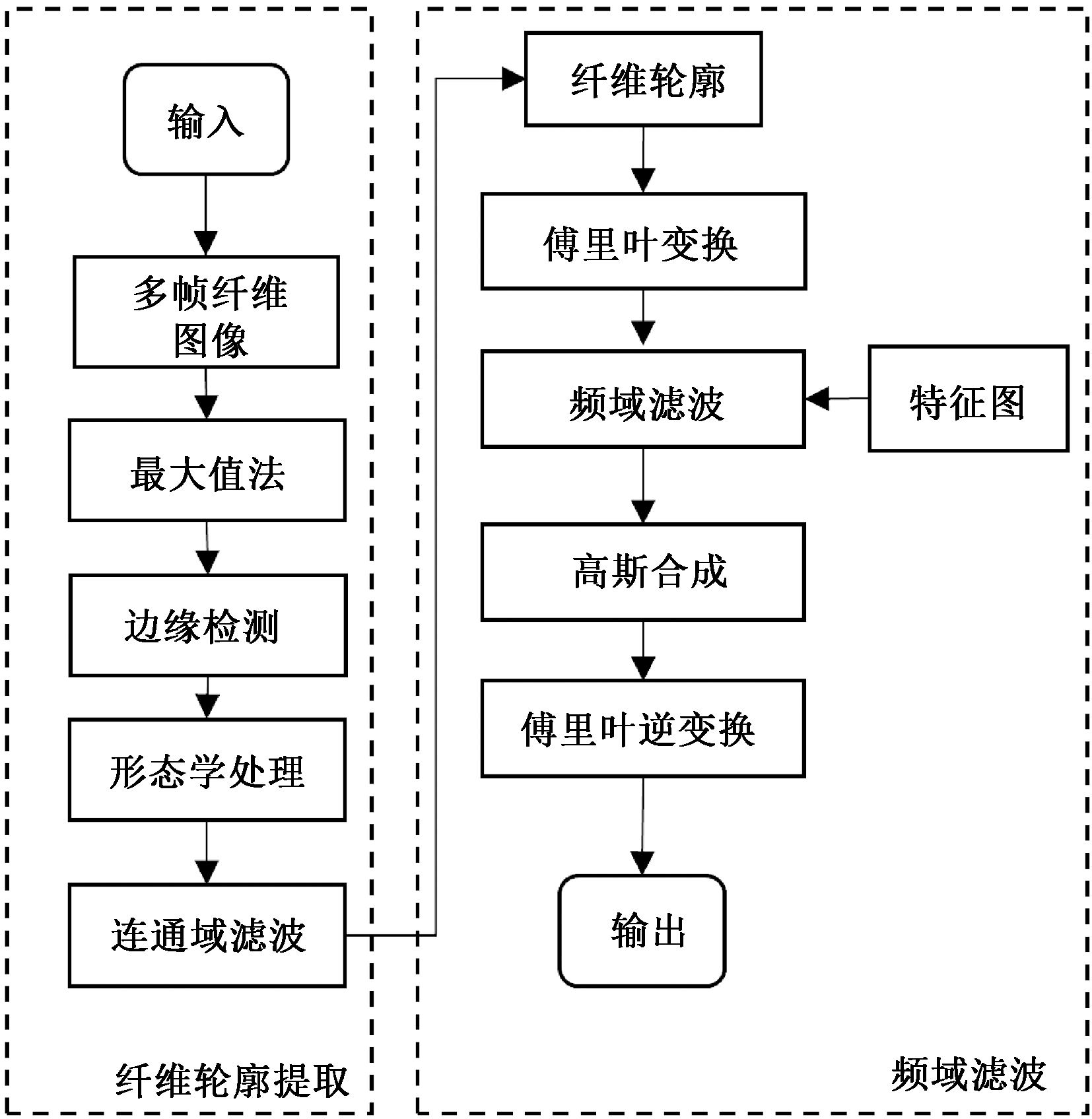
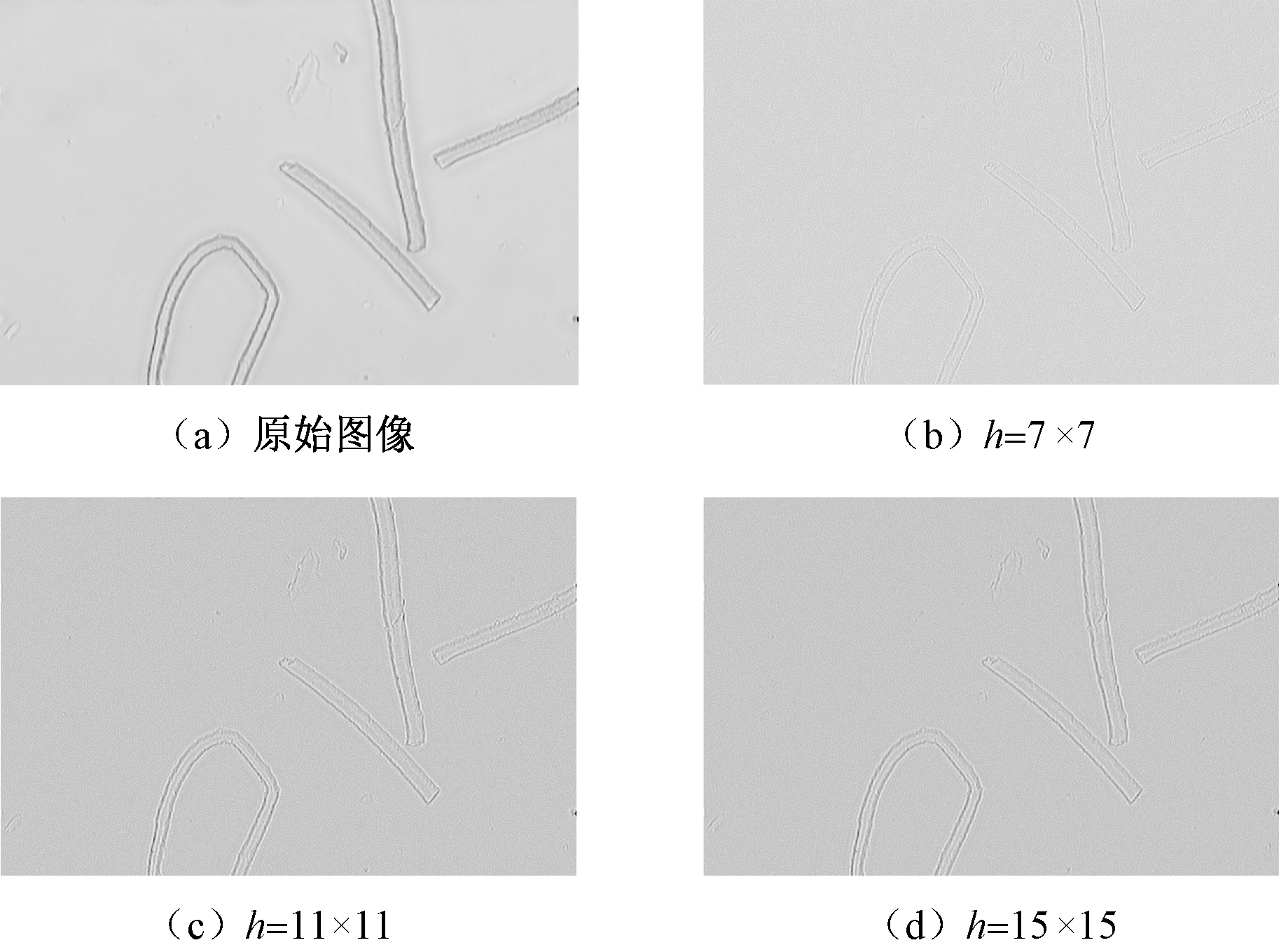
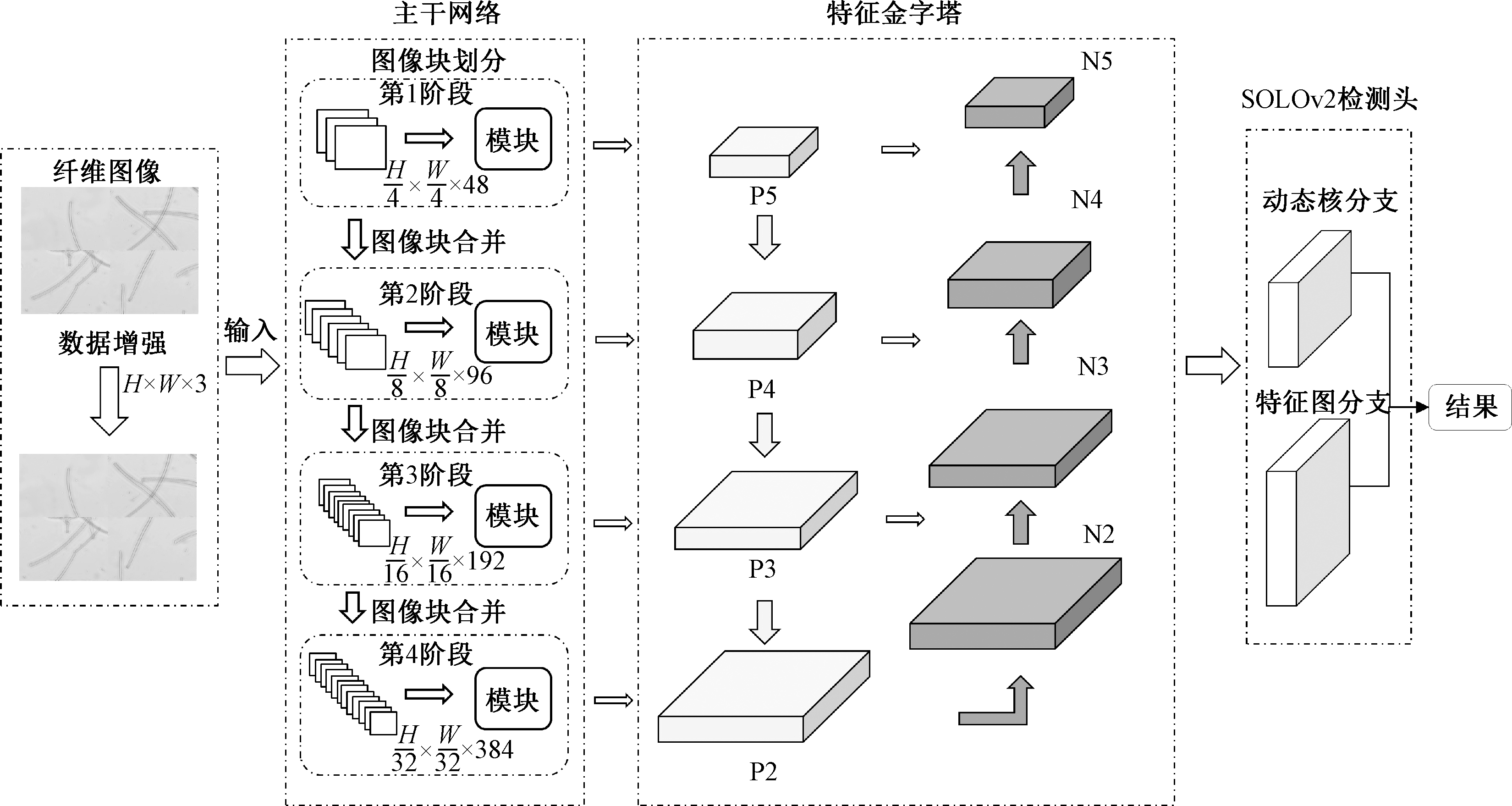
Method A series of multi-focus images of wool and cashmere fibers were captured and preprocessed using spatial filtering and morphological operations. These images were then fused in the frequency domain via a Fourier transform coupled with a Gaussian kernel filter to generate all-in-focus, high-quality representations. Building upon this, a comprehensive dataset comprising 11 799 precisely annotated images was constructed. The recognition model, built upon the SOLOv2 architecture, incorporates a Swin Transformer as its backbone for superior hierarchical feature extraction and replaces the standard Feature Pyramid Network (FPN) with a Path Aggregation Feature Pyramid Network (PAFPN) to enhance multi-scale feature fusion. In order to improve model generalization, a composite data augmentation strategy involving random cropping, flipping, and high pass was systematically employed during training.

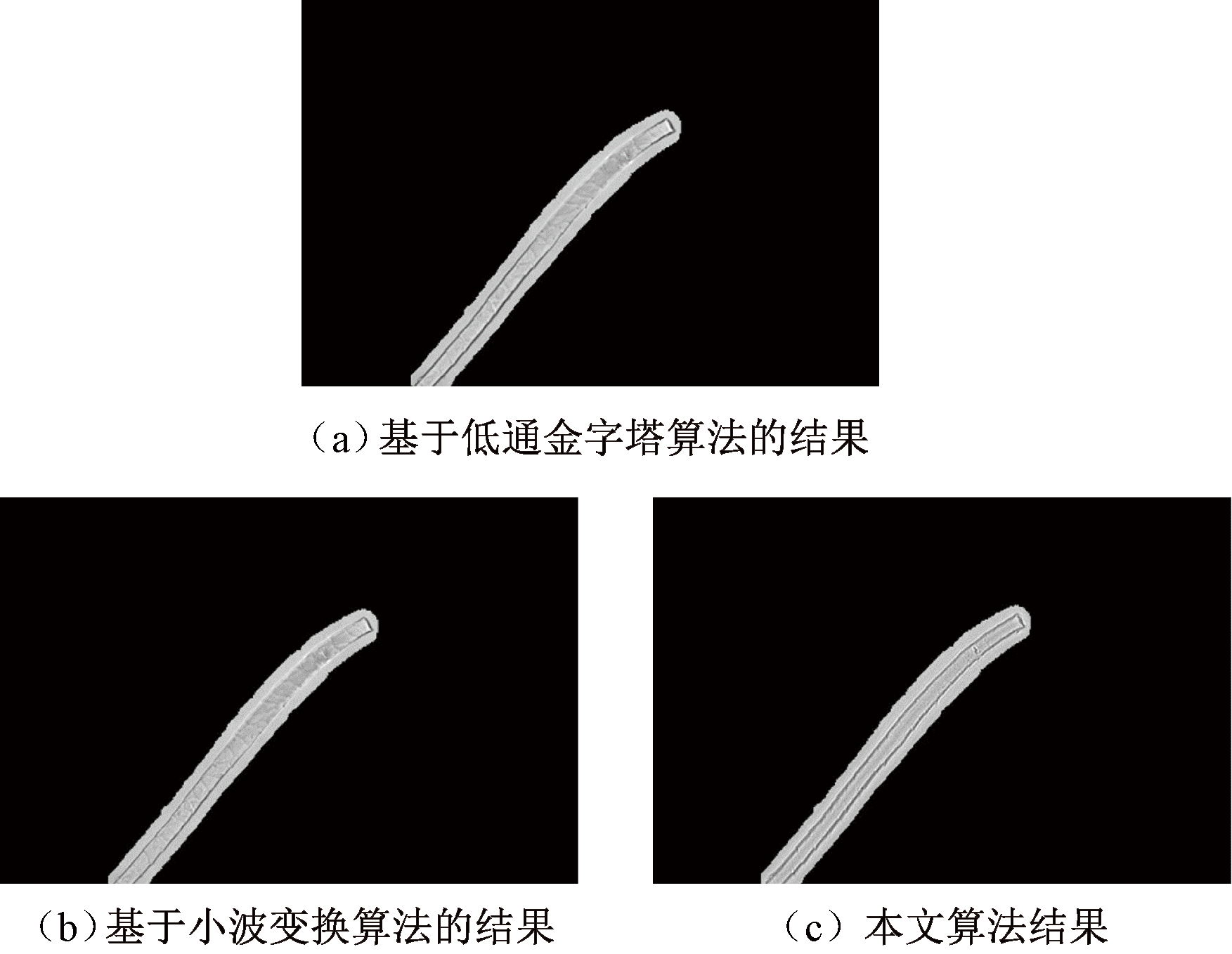
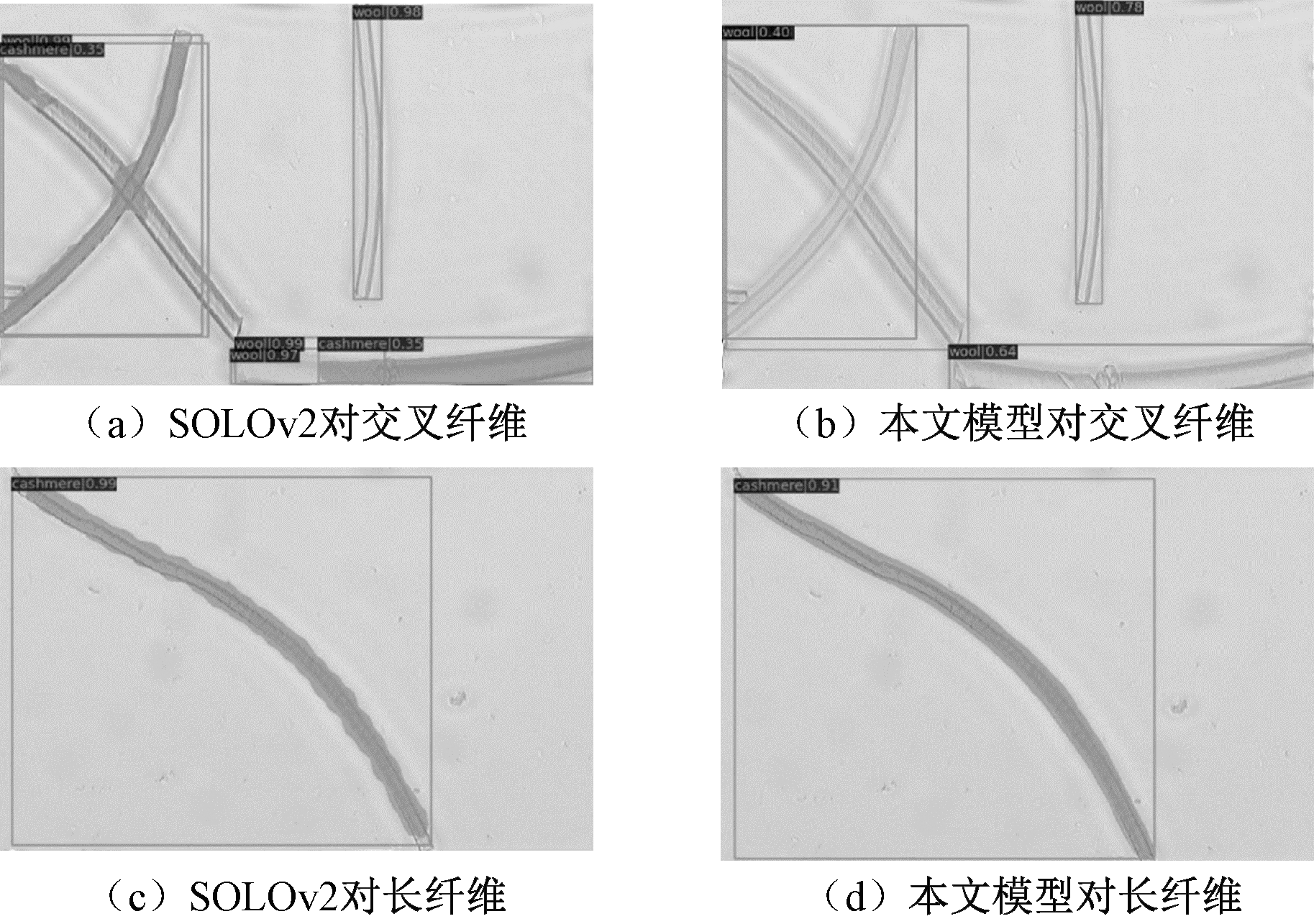
Results In order to quantitatively evaluate the effectiveness of the proposed depth-of-field fusion algorithm, a comparative experiment was carefully designed and conducted on a set of multi-focus fiber images captured under identical microscopic conditions. This ensured fairness of comparison and eliminated potential biases caused by variations in illumination, magnification, or sample preparation. The proposed frequency-domain algorithm demonstrated clear superiority over conventional fusion methods, including wavelet transform and Laplacian pyramid fusion. By effectively combining high-frequency and low-frequency information, the algorithm produced fused images with both sharper edge detail and stronger structural integrity. Quantitative analysis further confirmed that the fused images achieved an average information entropy of 0.80, a spatial frequency of 153.57, and an average gradient of 126.01. Such metrics indicate that the fused images contain richer texture detail, clearer contours, and enhanced information content, all of which are critical for resolving ambiguous cases of overlapping and entangled fibers that frequently occur in textile inspection. The validated fusion method also enabled the creation of a large, high-quality dataset containing 11 799 samples, which served as a solid foundation for subsequent model training and evaluation. Building upon this dataset, the performance of the improved SOLOv2 model was rigorously assessed through comparative experiments with several established instance segmentation frameworks. The results showed that the proposed model significantly outperformed existing benchmarks, achieving a mean average precision (mAP) of 96.85% on the test set. This value was notably higher than those of Mask R-CNN, Yolact, and the original SOLOv2 with a ResNet-50 backbone. In order to disentangle the contributions of individual improvements, systematic ablation studies were conducted. Experimental results demonstrate that replacing the backbone with Swin Transformer significantly increased the mAP from 94.12% to 95.90%, fully verifying its superior capability in feature representation. Meanwhile, substituting the FPN structure with PAFPN improved the detection accuracy to 94.81%, confirming the positive contribution of enhanced multi-scale feature fusion to model performance. Under the synergistic effect of these two improvement strategies, the model achieved the final mAP of 96.85%. Qualitative evaluations complemented these quantitative results, revealing that the segmentation masks generated by the improved model exhibited smoother contours, higher fidelity to fiber boundaries, and a notable reduction of artifacts, particularly in challenging cases involving densely intertwined fibers where other models often failed.

Conclusion The empirical results conclusively demonstrate the efficacy of the proposed two-stage framework. The frequency-domain filtering-based depth-of-field fusion algorithm effectively overcomes the reliance on pristine and high-resolution imaging inherent in conventional methods, yielding superior image quality that facilitates subsequent analysis. Meanwhile, the improved SOLOv2 model, enhanced by Swin Transformer and PAFPN, excels at accurately identifying and segmenting interlaced fibers, producing high-quality masks with smooth, artifact-free edges. Achieving an average precision of 96.85% on the challenging wool and cashmere fiber recognition task validates the synergy between advanced image preprocessing and state-of-the-art network architecture. The developed solution not only presents a high-performance approach for a specific textile analysis problem but also provides valuable insights for other microscopic image segmentation tasks facing similar challenges.

Key words: fiber detection, computer vision, depth of field synthesis, instance segmentation, SOLOv2 model, fiber recognition, wool, cashmere

CLC Number: 

  • TS107.2

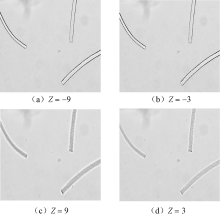
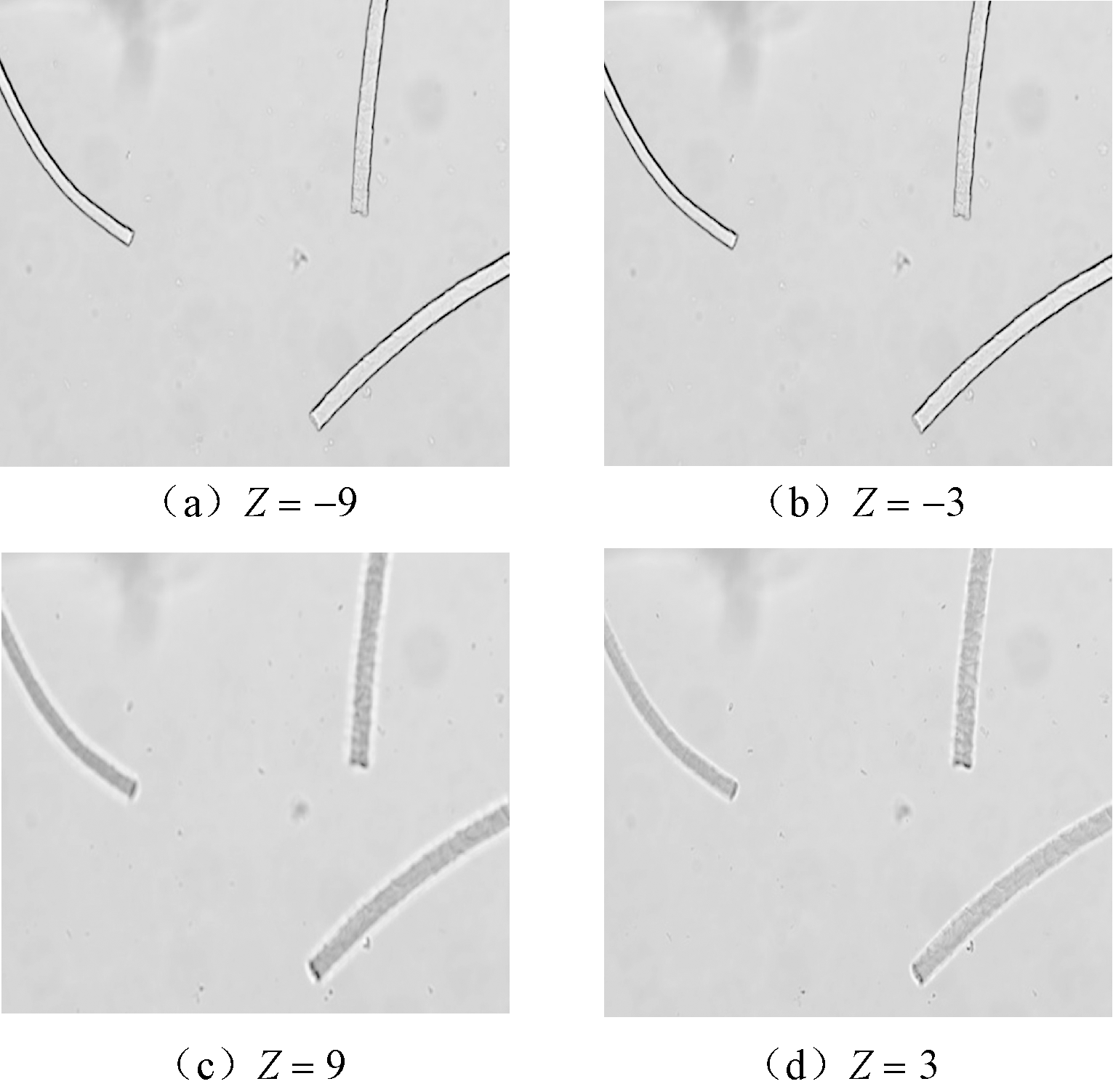
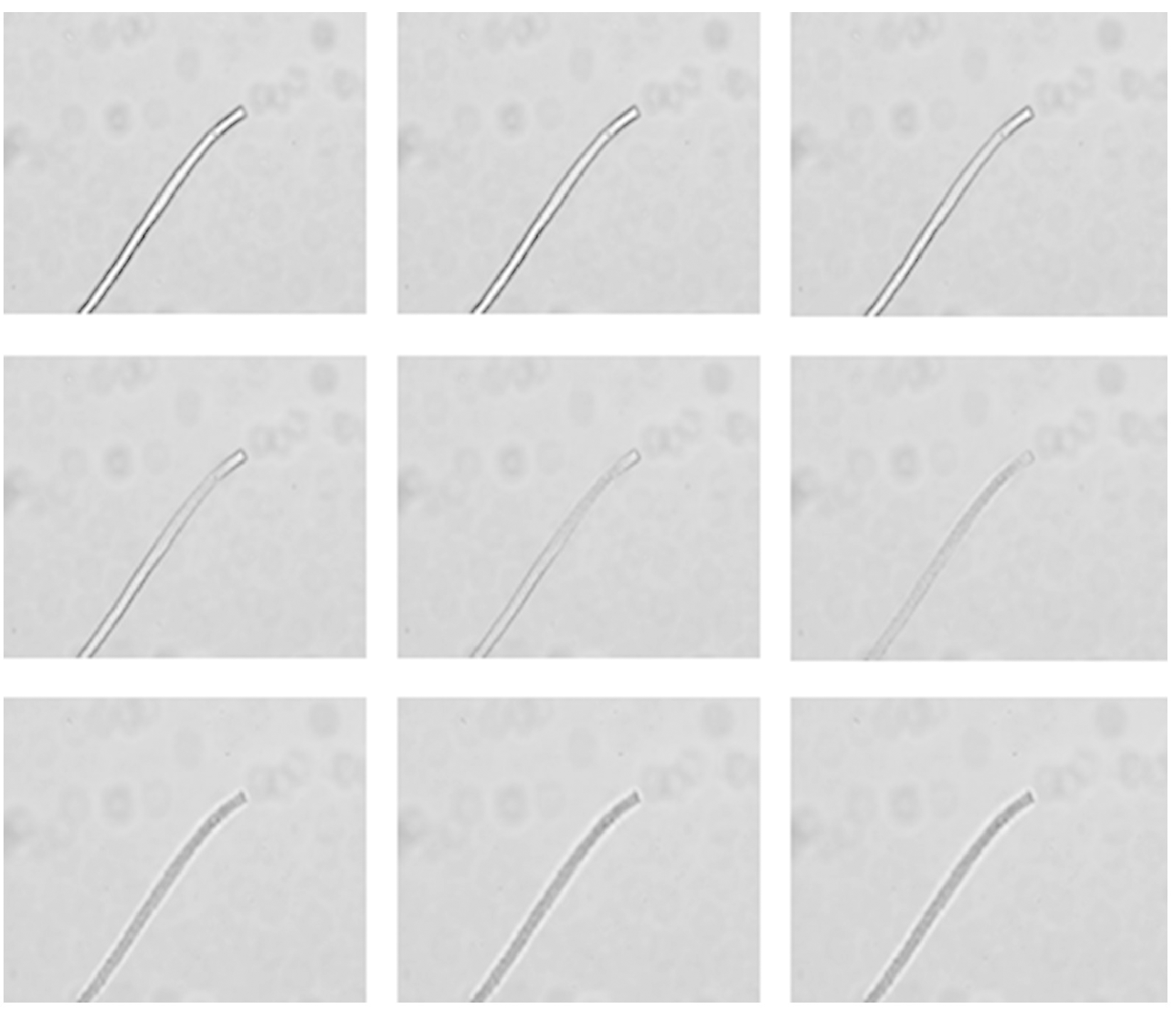
Fig.1

Cashmere fiber images at different Z positions(×800)"

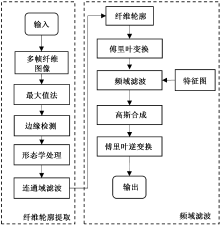
Fig.2

Depth of field synthesis algorithm process"

Fig.3

Original fiber image dataset"

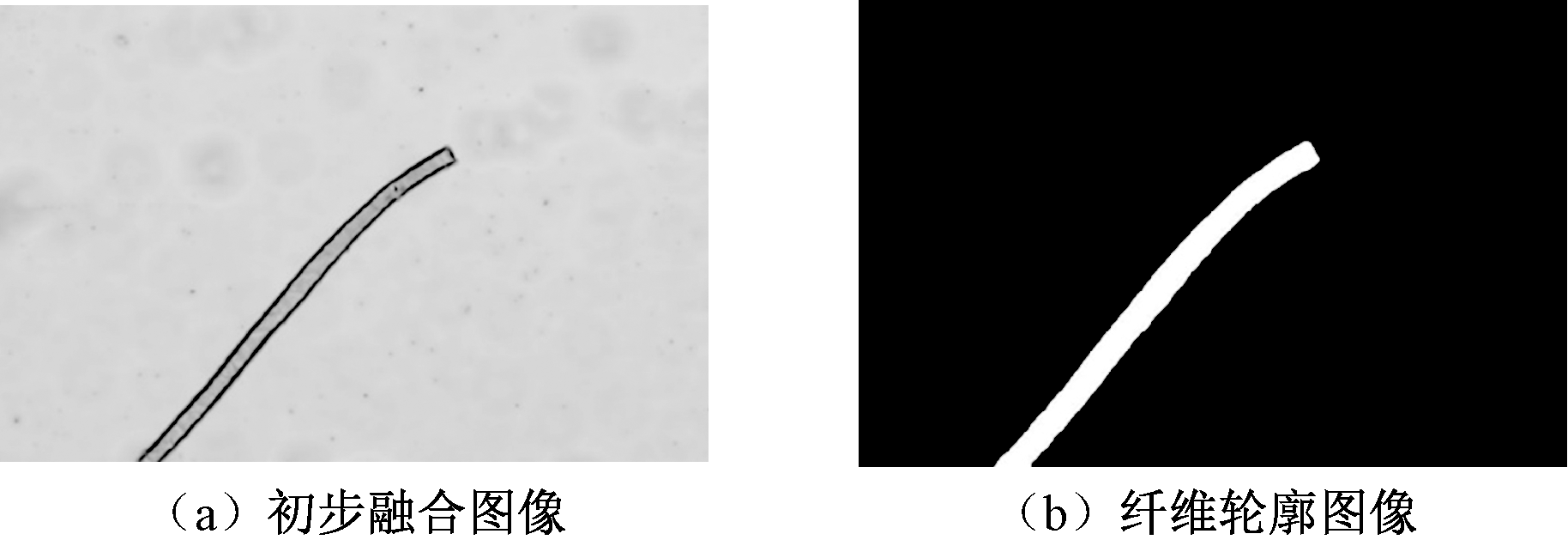
Fig.4

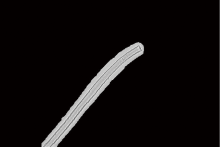
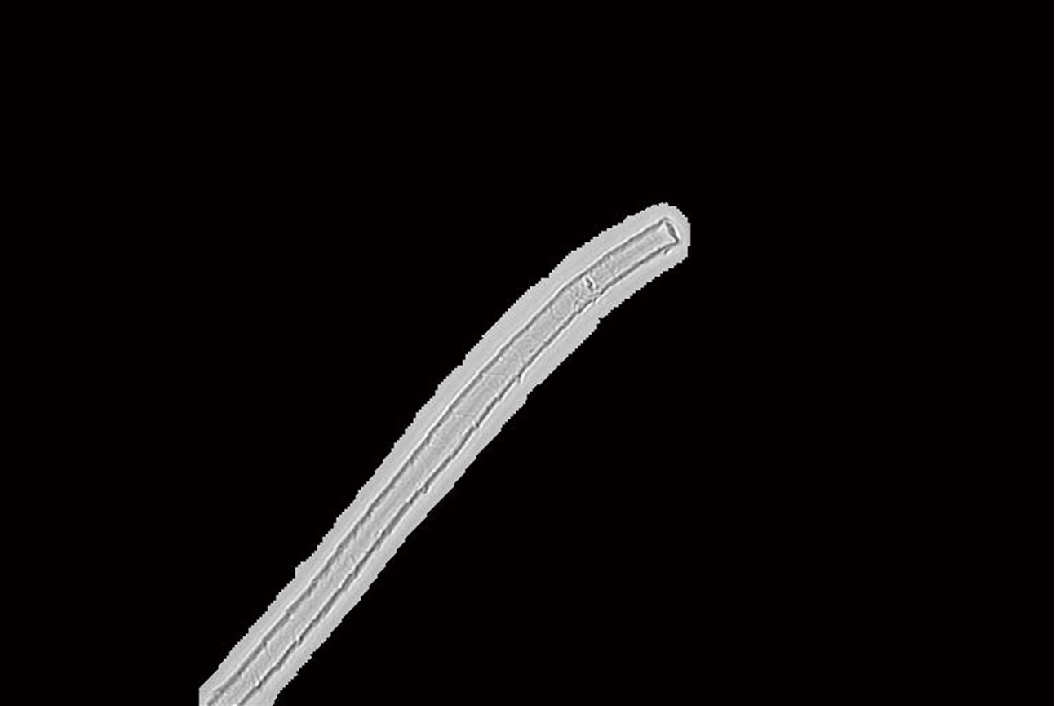
Fiber contour extraction. (a) Preliminary fusion image; (b) Fiber contour image"

Fig.5

Feature image"

Fig.6

Final result image"

Fig.7

Result of random high pass effect. (a) Original image; (b) h=7×7; (c) h=11×11; (d) h=15×15"

Fig.8

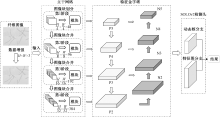
Network architecture based on improved SOLOv2"

Tab.1

Backbone network architecture"

阶段 图像块数量 通道数 层数 窗口大小
第1阶段 192×128 96 2 7×7
第2阶段 96×64 192 2 7×7
第3阶段 48×32 384 18 7×7
第4阶段 24×16 768 2 7×7

Fig.9

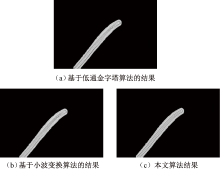
Comparison chart of results from three algorithms. (a) Result based on low-pass pyramid algorithm; (b) Result based on wavelet transform algorithm; (c) Result of proposed algorithm"

Tab.2

Test results of depth of field synthesis algorithm"

类别 信息熵 空间频率 平均梯度
原始图像(基准) 0.73 139.78 106.83
基于低通金字塔 0.78 148.38 120.01
基于小波变换 0.78 147.57 109.73
本文算法 0.80 153.57 126.01

Tab.3

Hyperparameter settings"

超参数名称 超参数数值 超参数名称 超参数数值
学习率 0.005 权重衰减 0.000 1
批大小 4 最大训练轮数 50
优化器 AdamW 类别数 4
动量 0.9

Tab.4

Model test results"

模型 平均准确度/%
羊绒 羊毛 其它 未对焦
Mask R-CNN 87.2 91.9 64.5 38.5
SOLOv2 91.2 93.5 63.5 38.8
Yoloact 71.0 80.7 52.7 25.7
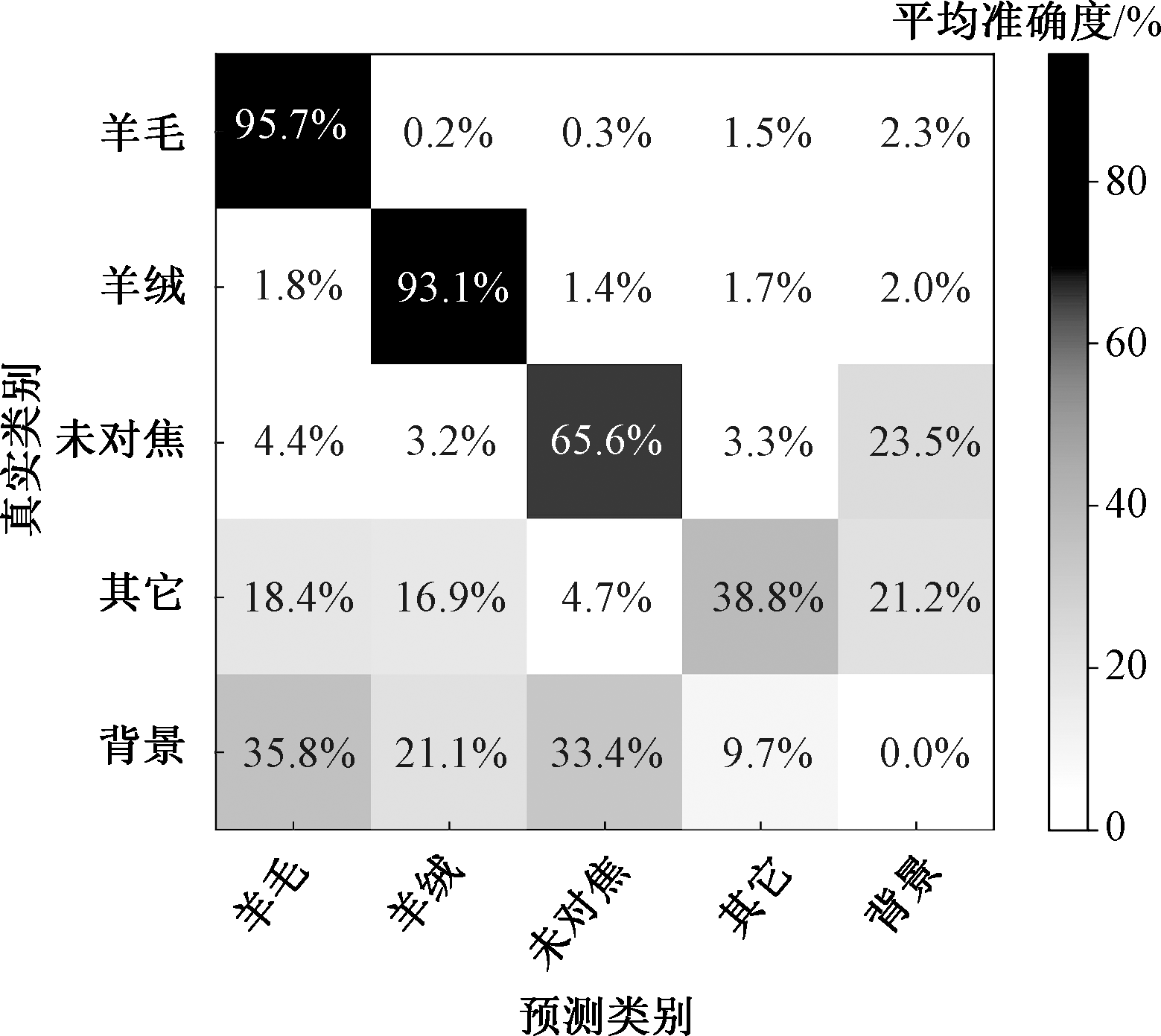
本文模型 93.1 95.7 65.6 37.5

Fig.10

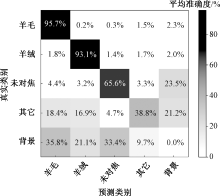
Confusion matrix"

Tab.5

Ablation study on data augmentation strategies"

数据增强策略 平均准确度/%
随机裁剪 95.29
随机翻转 95.87
随机高反差保留 95.93
随机裁剪+随机翻转 96.34
随机裁剪+随机高反差保留 96.13
随机翻转+随机高反差保留 96.09
随机裁剪+随机翻转+随机高反差保留 96.85

Tab.6

Ablation study on improved SOLOv2"

模型结构 平均准确度/%
羊绒 羊毛 二者平均值
ResNet-50+FPN 93.52 94.72 94.12
ResNet-50+PAFPN 94.42 95.20 94.81
Swin Transformer+FPN 95.37 96.42 95.90
Swin Transformer+PAFPN 96.31 97.39 96.85

Fig.11

Test results comparison of different models. (a) SOLOv2 for crossed fibers; (b) Proposed model for crossed fibers; (c) SOLOv2 for long fiber; (d) Proposed model for long fiber"

[1] 张敏, 高维明, 宫平, 等. 毛绒生产现状与未来发展趋势研究[J/OL]. 畜牧兽医科学(电子版), 2019(9): 50-51.
ZHANG Min, GAO Weiming, GONG Ping, et al. Study on the present situation and future development trend of plush production[J/OL]. Graziery Veterinary Scie-nces (Electronic Version), 2019(9): 50-51.
[2] 马志强. 国内外动物纤维显微镜定量分析法的比较[J]. 毛纺科技, 2021, 49(1): 87-90.
MA Zhiqiang. Comparison of animal fiber microscopically quantitative analysis for local and abroad standard[J]. Wool Textile Journal, 2021, 49(1): 87-90.
[3] ZHOU J F, WANG R W, WU X Y, et al. Fiber-content measurement of wool-cashmere blends using near-infrared spectroscopy[J]. Applied Spectroscopy, 2017, 71(10): 2367-2376.
doi: 10.1177/0003702817713480 pmid: 28537417
[4] TANG M F, ZHANG W P, ZHOU H, et al. A real-time PCR method for quantifying mixed cashmere and wool based on hair mitochondrial DNA[J]. Textile Research Journal, 2014, 84(15): 1612-1621.
doi: 10.1177/0040517513494252
[5] 陈恒. 基于羊绒与羊毛纤维数字图像的特征提取与优化研究[D]. 北京: 北京服装学院, 2015: 4-8.
CHEN Heng. Research on feature extraction and optimization based on digital image of cashmere and wool fiber[D]. Beijing: Beijing Institute of Clothing Technology, 2015: 4-8.
[6] 柴新玉. 基于SEM图像的羊绒羊毛纤维鉴别[D]. 上海: 东华大学, 2018: 1-4.
CHAI Xinyu. Identification of cashmere and wool based on SEM images[D]. Shanghai: Donghua University, 2018: 1-4.
[7] 孔繁圣. 基于深度学习的羊绒羊毛纤维识别研究[D]. 杭州: 中国计量大学, 2021: 59-66.
KONG Fansheng. Research on recognition of cashmere and wool fibers based on deep learning[D]. Hangzhou: China University of Metrology, 2021: 59-66.
[8] 常庆蕊. 基于深度学习的织物纤维识别方法研究[D]. 北京: 华北电力大学, 2022: 1-3.
CHANG Qingrui. Research on fabric fiber identification method based on deep learning[D]. Beijing: North China Electric Power University, 2022: 1-3.
[9] HUO Z T, LI Z Y, QU R D, et al. Fiber recognition algorithm based on improved mask RCNN[C]// Proceedings of the 2023 5th International Conference on Pattern Recognition and Intelligent Systems. New York: ACM, 2023: 98-103.
[10] 路凯, 罗俊丽, 张洋, 等. 基于轻量级卷积神经网络的羊绒羊毛识别方法[J]. 毛纺科技, 2024, 52(4): 94-102.
LU Kai, LUO Junli, ZHANG Yang, et al. Cashmere and wool identification method based on lightweight convolutional neural network[J]. Wool Textile Journal, 2024, 52(4): 94-102.
[11] 袁春兰, 熊宗龙, 周雪花, 等. 基于Sobel算子的图像边缘检测研究[J]. 激光与红外, 2009, 39(1): 85-87.
YUAN Chun-lan, XIONG Zong-long, ZHOU Xue-hua, et al. Study of infrared image edge detection based on sobei operator[J]. Laser & Infrared, 2009, 39(1): 85-87.
[12] WANG X L, ZHANG R F, KONG T, et al. SOLOv2: dynamic and fast instance segmentation[J]. ArXiv: Computer Vision and Pattern Recognition. 2020, 33: 17721-17732.
[13] HE K M, ZHANG X Y, REN S Q, et al. Deep residual learning for image recognition[C]// 2016 IEEE Conference on Computer Vision and Pattern Recogni-tion (CVPR). New York: IEEE, 2016: 770-778.
[14] LIU Z, LIN Y T, CAO Y, et al. Swin transformer:hierarchical vision transformer using shifted windows[C]// 2021 IEEE/CVF International Conference on Computer Vision (ICCV). New York: IEEE, 2022: 9992-10002.
[15] WANG K X, LIEW J H, ZOU Y T, et al. PANet:few-shot image semantic segmentation with prototype alignment[C]// 2019 IEEE/CVF International Conference on Computer Vision (ICCV). New York: IEEE, 2019: 9196-9205.
[16] TOET A. Image fusion by a ratio of low-pass pyra-mid[J]. Pattern Recognition Letters, 1989, 9(4): 245-253.
doi: 10.1016/0167-8655(89)90003-2
[17] DE I, CHANDA B. A simple and efficient algorithm for multifocus image fusion using morphological wave-lets[J]. Signal Processing, 2006, 86(5): 924-936.
doi: 10.1016/j.sigpro.2005.06.015
[18] LOSHCHILOV I, HUTTER F. Decoupled weight decay regularization[EB/OL]. (2017-11-14)[2025-05-12]. https://arxiv.org/abs/1711.05101.
[1] GU Jiayu, ZHANG Weidong, DONG Yongchun, SUN Xuan, XU Liangjun. Antibacterial finishing of wool and silk fabrics with Ginkgo Biloba flavonoids [J]. Journal of Textile Research, 2026, 47(1): 142-150.
[2] CHEN Ming, ZHANG Hao, ZHANG Ziyuan, YANG Qingbiao, GAO Ji, FAN Cunwei, SUN Jie. Synthesis and dyeing properties of acid dyes containing bio-based moieties [J]. Journal of Textile Research, 2025, 46(12): 142-151.
[3] XU Lili, TENG Yanfei, MA Pibo, WAN Ailan. Development and performance of outdoor functional fabrics with bionic structures [J]. Journal of Textile Research, 2025, 46(11): 94-101.
[4] WANG Siyu, WANG Feng, WANG Hongbo, SU Jing. L-cysteine/bromelain synergistic one-bath process anti-shrinkage finishing of wool fabrics [J]. Journal of Textile Research, 2025, 46(10): 152-158.
[5] ZHU Yaolin, LI Zheng, ZHANG Qiang, CHEN Xin, CHEN Jinni, ZHANG Hongsong. Quantitative detection of wool and cashmere based on near infrared spectroscopy and multi-feature network [J]. Journal of Textile Research, 2025, 46(09): 104-111.
[6] HAN Zhihui, WAN Ailan, HONG Liang, GAO Lizhong, XIA Fenglin. Damage analysis and finite element simulation of wool yarn in warping [J]. Journal of Textile Research, 2025, 46(07): 103-110.
[7] WEI Xuanxiang, FENG Yang, FAN Xiangyu, WU Minghua, YU Deyou. Yak wool decolorization using homogeneous advanced oxidation technology and its mechanism [J]. Journal of Textile Research, 2025, 46(06): 151-159.
[8] ZHU Menghui, GE Meitong, DONG Zhijia, CONG Honglian, MA Pibo. Structure and heat-moisture properties evaluation of double-sided wool/polyester weft-knitted fabrics [J]. Journal of Textile Research, 2025, 46(05): 179-185.
[9] ZHU Daquan, CUI Zhihua, GAO Pu, ZHU Jie, ZHANG Bin, ZHU Yuewen, CHEN Weiguo. Aromatic primary amination modification of mercerized wool and its room temperature diazo coupling staining [J]. Journal of Textile Research, 2025, 46(05): 186-194.
[10] ZHU Wenshuo, XUE Yuan, SUN Xianqiang, XUE Jingli, JIN Guang. Full color gamut matching of wool blended yarn based on seven primary color fibers [J]. Journal of Textile Research, 2025, 46(04): 71-80.
[11] YAO Yiting, AO Limin, ZHANG Zhanwang, SU Youpeng. Testing method of pile face properties for felting knitted wool fabrics [J]. Journal of Textile Research, 2025, 46(03): 100-108.
[12] LI Huan, MENG Wenjun, ZHANG Jing, JIANG Zhe, WEI Yimin, ZHOU Man, WANG Qiang. Dyeing wool with indigo dye in deep eutectic solvent system [J]. Journal of Textile Research, 2025, 46(03): 123-130.
[13] GUO Qing, MAO Yangshun, REN Yajie, LIU Jimin, WANG Huaifang, ZHU Ping. Simultaneous in-situ dyeing and flame retardant functionalization of wool fabrics based on laccase catalysis [J]. Journal of Textile Research, 2025, 46(02): 161-169.
[14] SHI Jingjing, YANG Enlong. Effect of advance-feeding on structure and performance of cotton/wool segment colored yarns [J]. Journal of Textile Research, 2024, 45(12): 67-73.
[15] WANG Le, DUAN Zhixin, YAO Jinbo, LIU Jianyong, LU Jianjun. Eco-friendly mercerization of wool carpet using protease method based on substrate activation [J]. Journal of Textile Research, 2024, 45(09): 129-136.
Viewed
Full text


Abstract

Cited

  Shared   
  Discussed   
No Suggested Reading articles found!