Journal of Textile Research ›› 2025, Vol. 46 ›› Issue (03): 216-224.doi: 10.13475/j.fzxb.20240403101

• Machinery & Equipment • Previous Articles    

Design of hexagonal three-dimensional braiding technology for tubular fabrics

DING Caihong(), HE Shaoxu   

  1. College of Mechanical Engineering, Donghua University, Shanghai 201620, China
  • Received:2024-05-01 Revised:2024-06-26 Online:2025-03-15 Published:2025-04-16

Abstract:

Objective Hexagonal three-dimensional braiding technology enables more flexible braiding processes, allowing for the fabrication of complex braided structures. The flexibility resulted in challenges such as difficulty in process development and lack of systemization, failing to meet the demands of hexagonal braiding technology. Therefore, a hexagonal braiding technique was proposed for tubular fabric structural design aiming to address these issues. By establishing an inherent connection between fabric structure and braiding machine through equivalent horn gears, the efficiency of hexagonal three-dimensional braiding technology design for tubular fabrics was enhanced.

Method Initially, the transfer principle of the yarn carrier on the horn gears was analyzed, and the theory of equivalent horn gears was proposed. Combined with the structure and motion characteristics of the hexagonal braiding machine, the equivalent horn gears unit of the braiding machine was proposed. Subsequently, based on the structural parameters of tubular fabrics, the inherent connection between the arrangement law of the yarn carrier and the fabric structure was established based on the equivalent horn gears. Finally, by analyzing the yarn forming process, the bottom plate process unit was defined. Combining with the principle of tubular fabric forming, the bottom plate structure of the hexagonal braiding machine equivalent horn gears system was constructed, obtaining the arrangement law of the yarn carrier, elucidating the movement criteria of the yarn carrier, and obtaining recyclable process steps.

Results Firstly, the principle of carrier position transformation was analyzed, and the theory of equivalent horn gears was proposed. Combined with the structural characteristics of the second-generation hexagonal braiding machine, the equivalent horn gears unit of the second-generation hexagonal braiding machine was proposed, further elucidating the chassis motion unit of the hexagonal braiding machine equivalent horn gears system. Secondly, based on the structural parameters of tubular fabrics, and the structural characteristics of the equivalent horn gears, the inherent connection between the arrangement law of the yarn carrier and the fabric structure was established, reflecting the forming principle of tubular fabrics. Thirdly, by analyzing the fabric forming principle, the bottom plate process unit was defined. Then, combining with the principle of tubular fabric forming, the selection principle of the equivalent horn gears unit was proposed, and the bottom plate structure of the hexagonal braiding machine equivalent horn gears system was constructed, thereby determining the arrangement law of the yarn carrier. Fourthly, the yarn carriers were arranged based on the interweaving centerline, and the motion steps of the process units were planned respectively, resulting in recyclable execution steps. Fifthly, the braiding process of the 3∶3-1 tubular fabric was designed, and relevant experiments were conducted, achieving consistent fabric structural characteristics with the designed fabric configuration.

Conclusion Building upon the foundation of hexagonal horn gears and stepwise directional motion and drawing inspiration from the establishment method of Maypole tubular fabric forming process, this study explores the hexagonal three-dimensional braiding technology for tubular fabrics. Leveraging the structural characteristics of the second-generation hexagonal braiding machine, the theory of equivalent horn gears is proposed. Mapping the arrangement of yarn carriers to fabric structure, a hexagonal braiding technology based on the theory of equivalent horn gears is developed. Finally, the feasibility and correctness of this approach are verified through braiding experiments. Although hexagonal three-dimensional braiding machines have been continuously improved in mechanical and electronic control aspects, enabling more flexible braiding of complex fabric structures, a corresponding universal braiding technology or theory for hexagonal braiding has yet to emerge. Systematic methods still lack to establish the regulatory relationship between braiding processes and fabric structures. The hexagonal braiding technology proposed provides effective technical support for the rapid development of tubular fabrics, filling the gap in the braiding process system of hexagonal braiding machines and promoting the advancement of hexagonal braiding technology. With the popularity of hexagonal braiding machines, new production demands continue to emerge, driving the development of hexagonal braiding technology to new heights.

Key words: hexagonal braiding, tubular braid, braiding technology, equivalent horn gear, yarn carrier, composite material

CLC Number: 

  • TS107

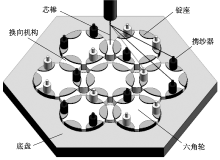
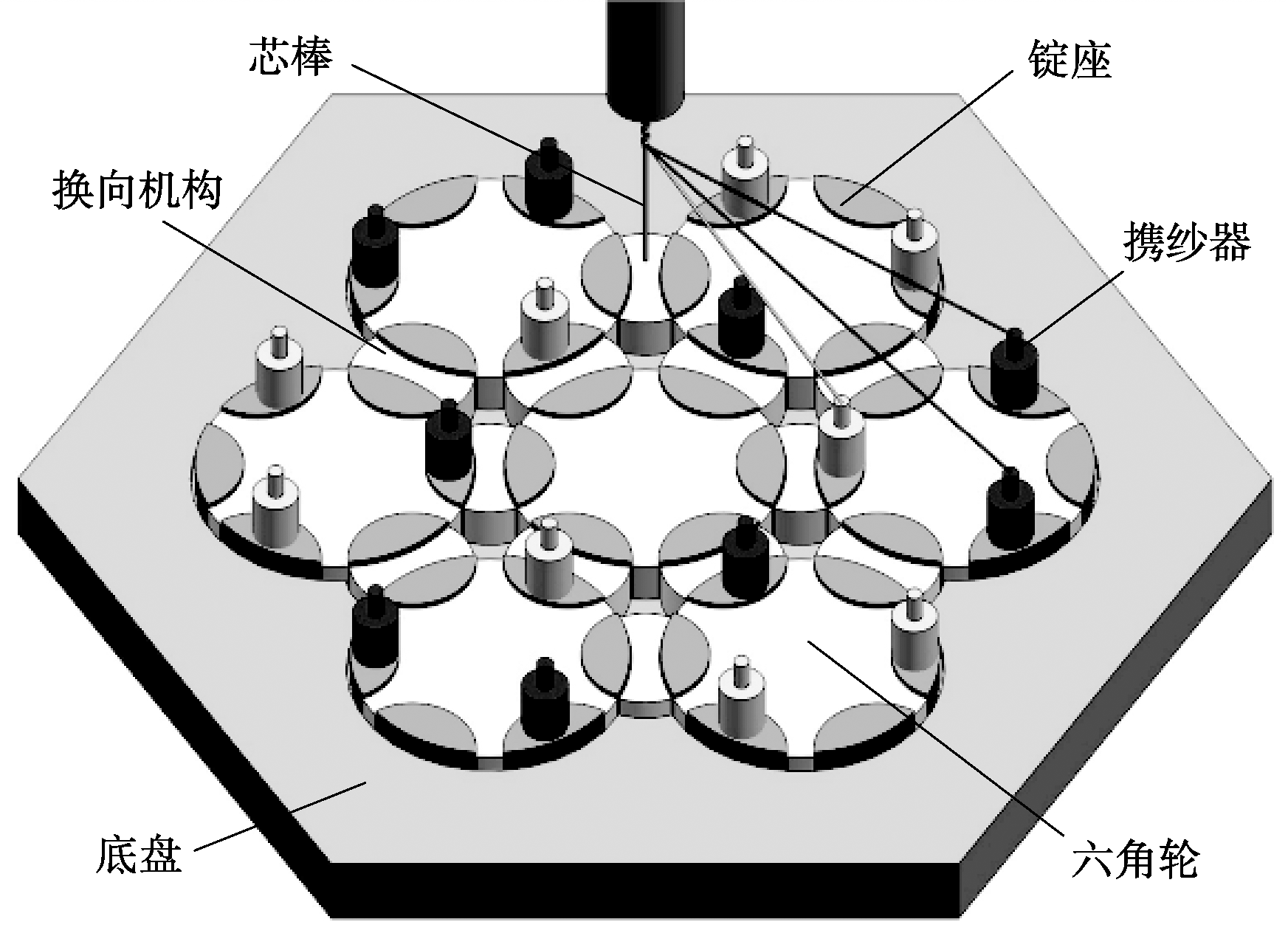
Fig.1

Structure diagram of second-generation hexagonal braider"

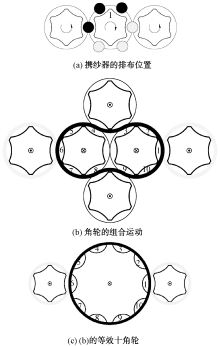
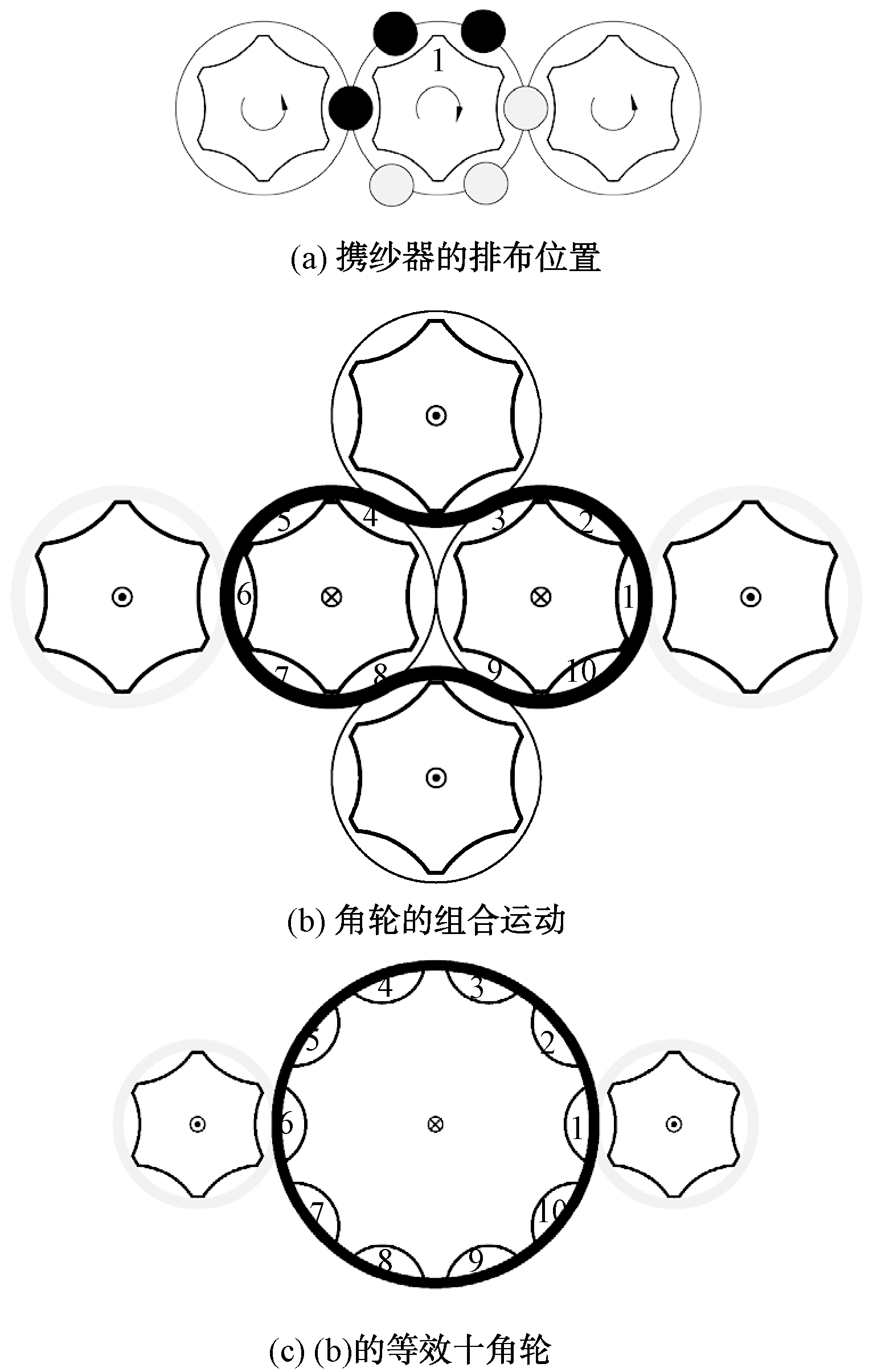
Fig.2

Transfer mode of yarn carriers at notch position. (a) Arrangement of yarn carriers; (b) Combined motion of angle wheel; (c) Equivalent decagonal wheel of (b)"

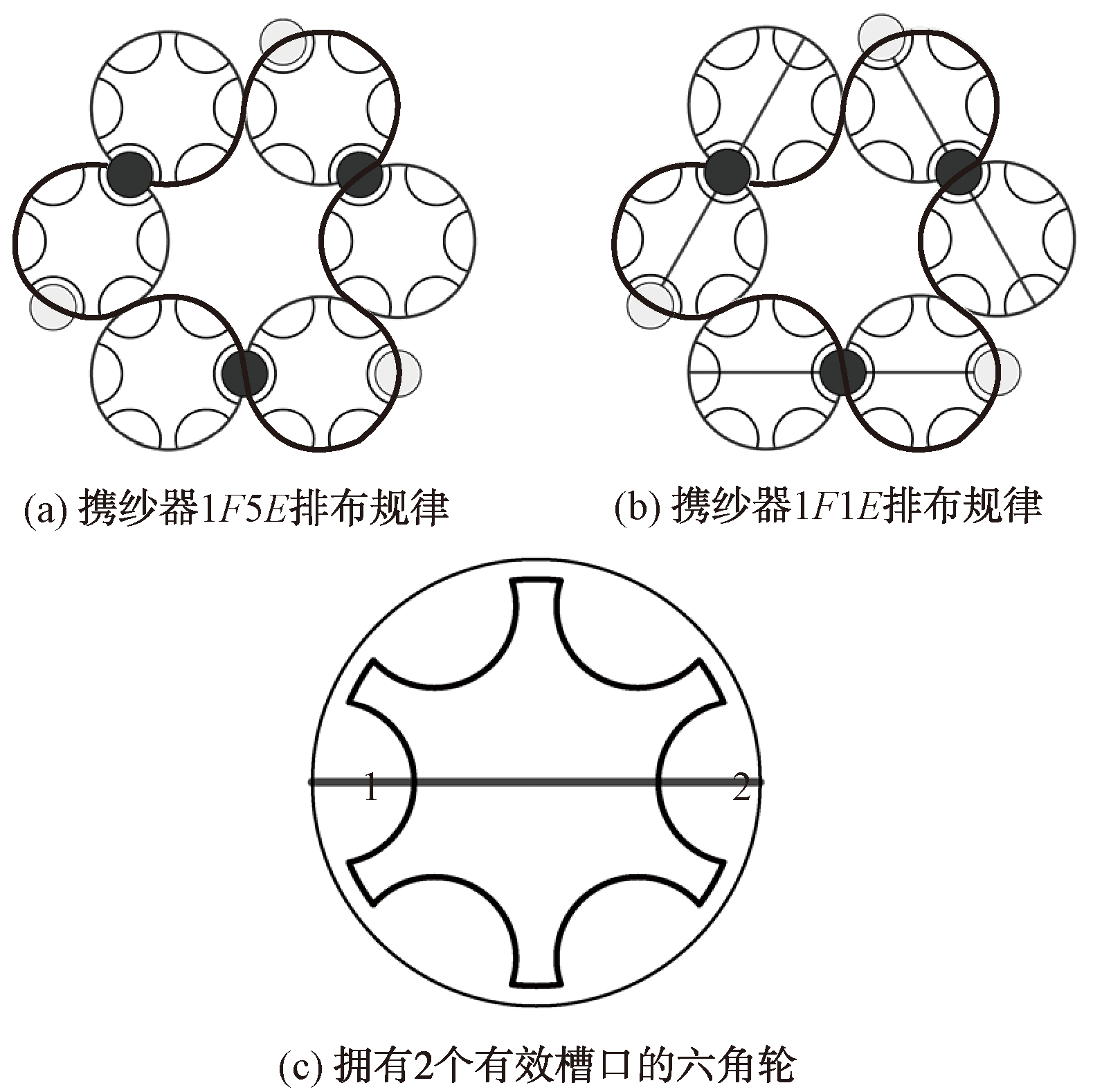
Fig.3

Patterns of carrier arrangement on hexagonal wheel chassis. (a) Yarn carriers arranged according to rule of 1F5E; (b) Yarn carriers arranged according to rule of 1F1E; (c) Hexagonal wheel with two effective notches"

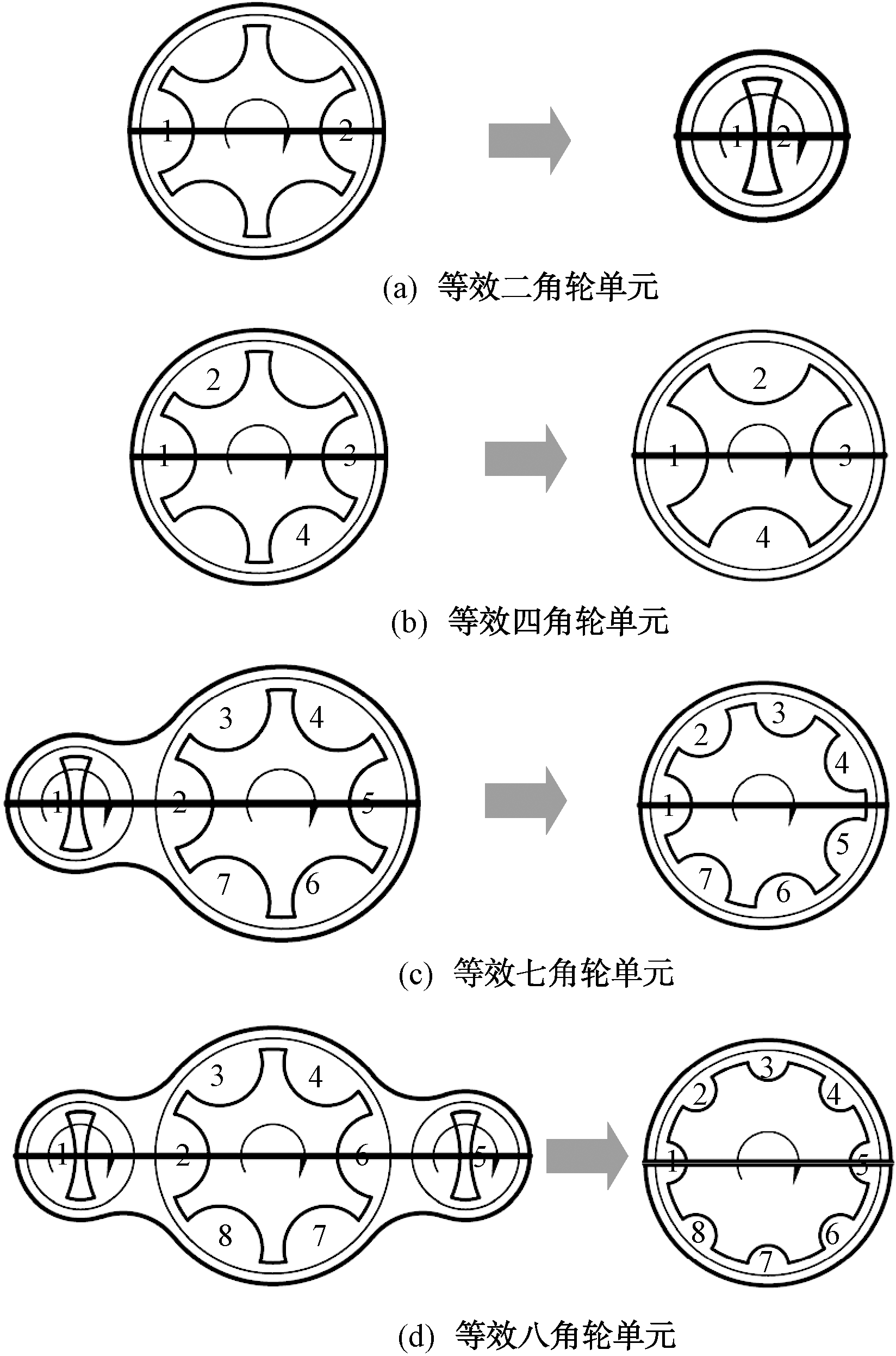
Fig.4

Equivalent gear units for hexagonal braider. (a) Equivalent digonal wheel unit; (b) Equivalent quadrangular wheel unit; (c) Equivalent heptagonal wheel unit; (d) Equivalent octagonal wheel unit"

Fig.5

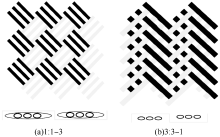
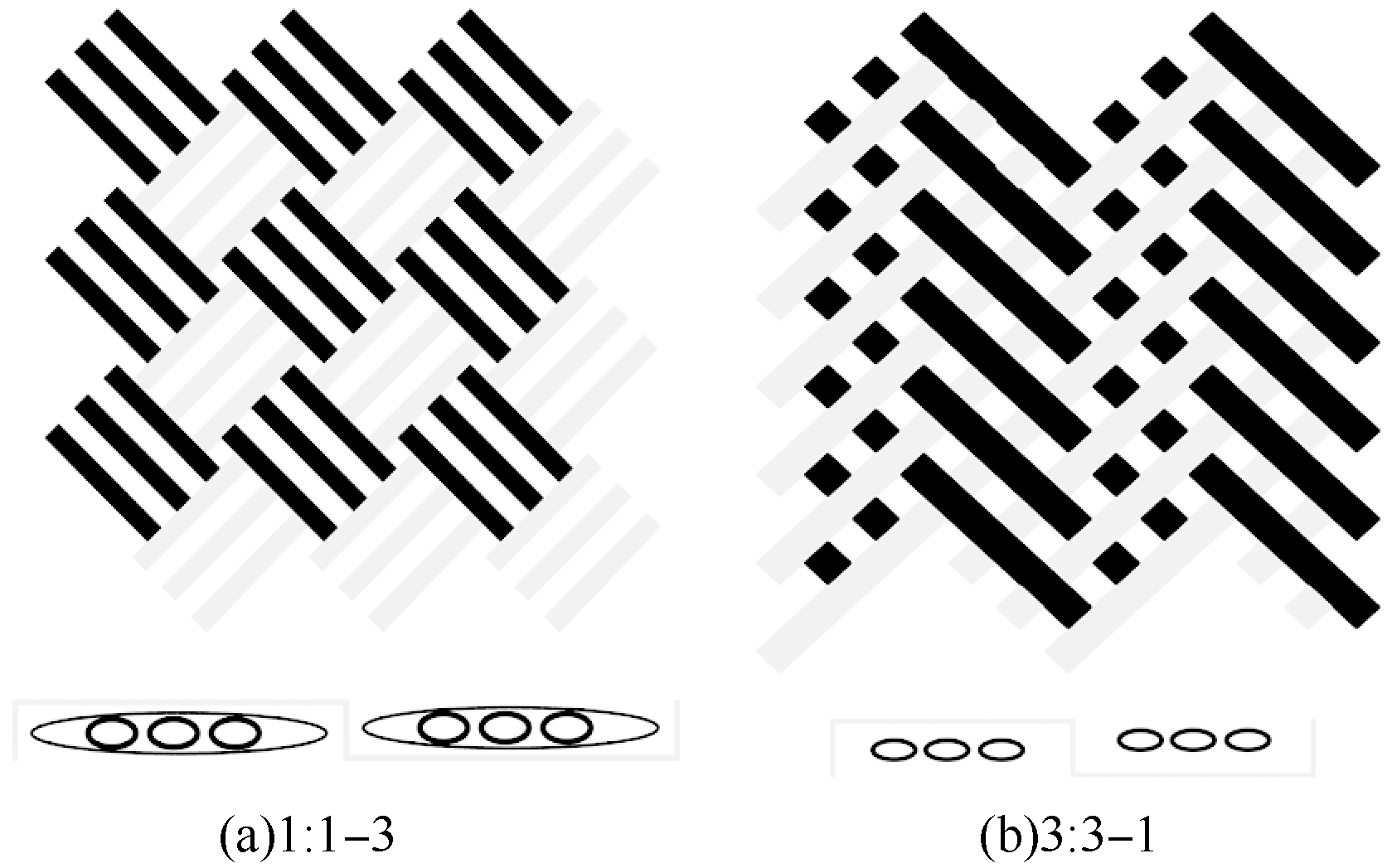
Common yarn structures and expressions"

Fig.6

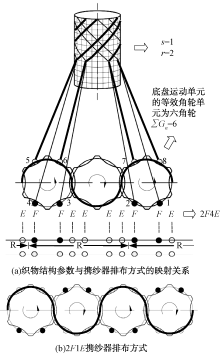
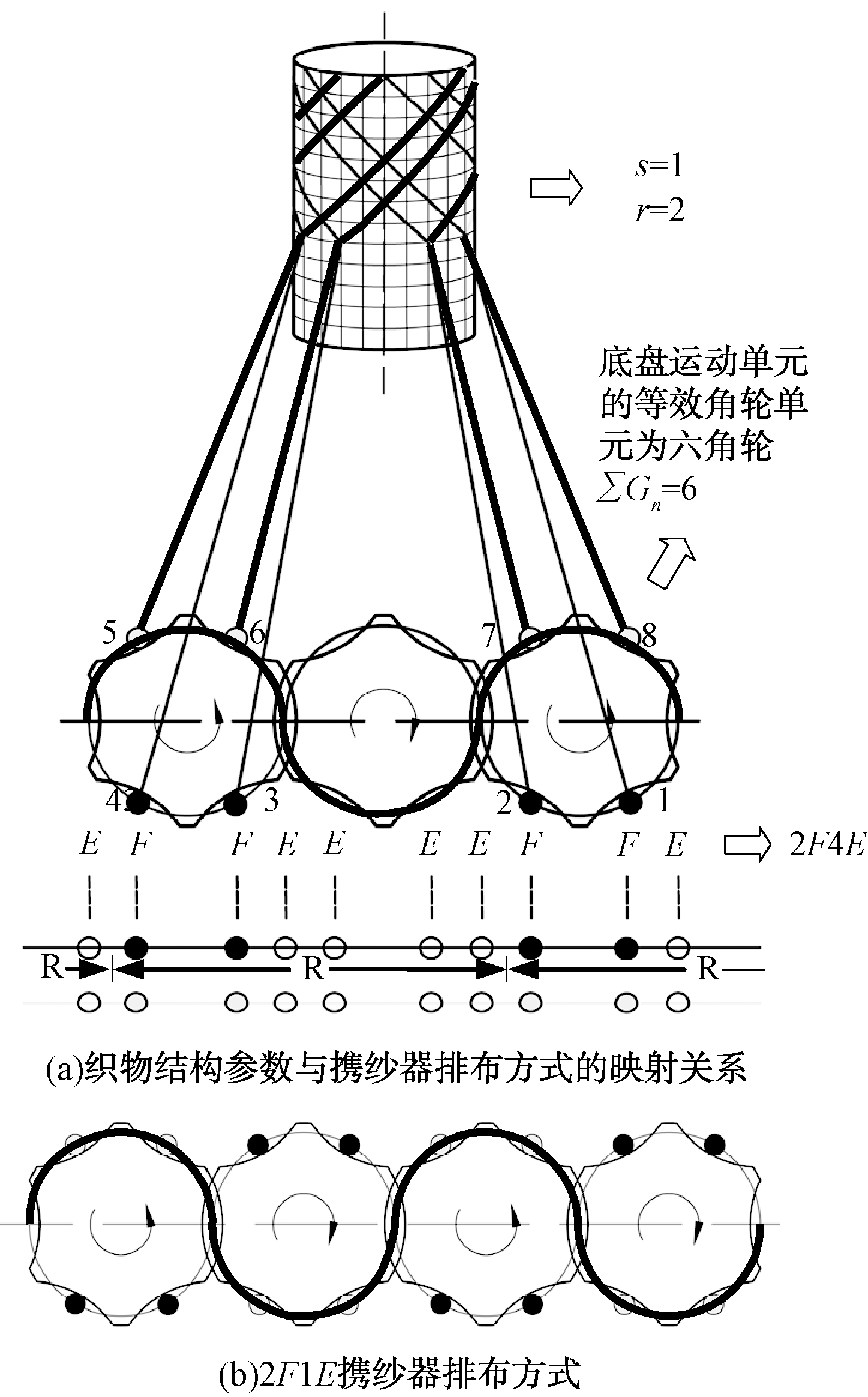
Schematic diagram of relationship between structural parameters of tubular fabric and arrangement of yarn carrier. (a) Mapping relationship between fabric structure parameters and yarn carrier arrangement; (b) 2F1E arrangement mode of yarn carriers"

Fig.7

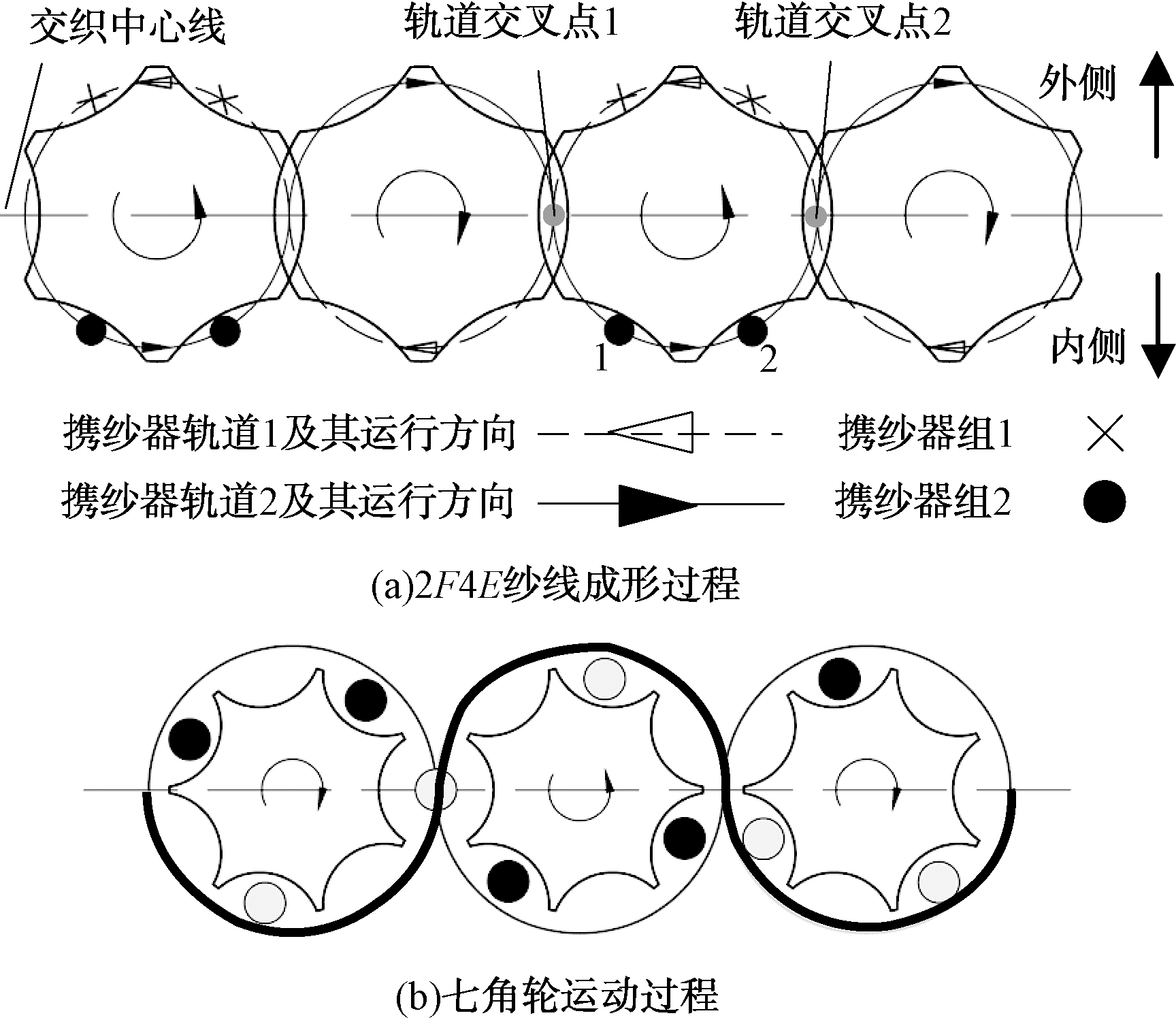
Fabric forming process. (a) 2F4E yarn forming process; (b) Motion process of heptagonal wheel"

Fig.8

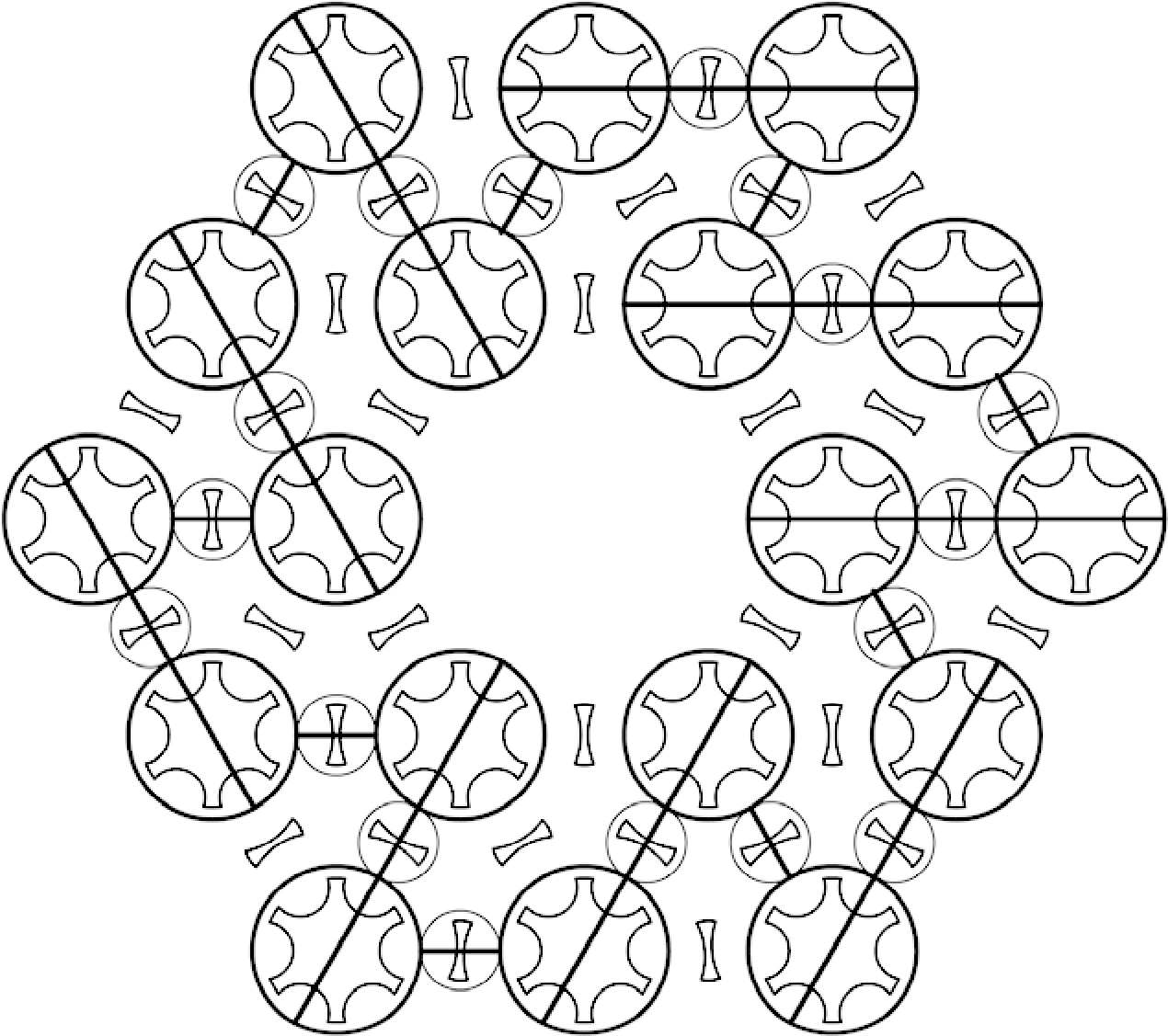
System of equivalent gear braider machine constructed on double-layer hexagonal braider machine"

Fig.9

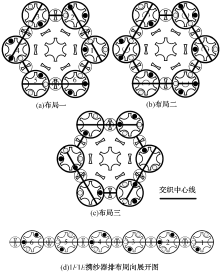
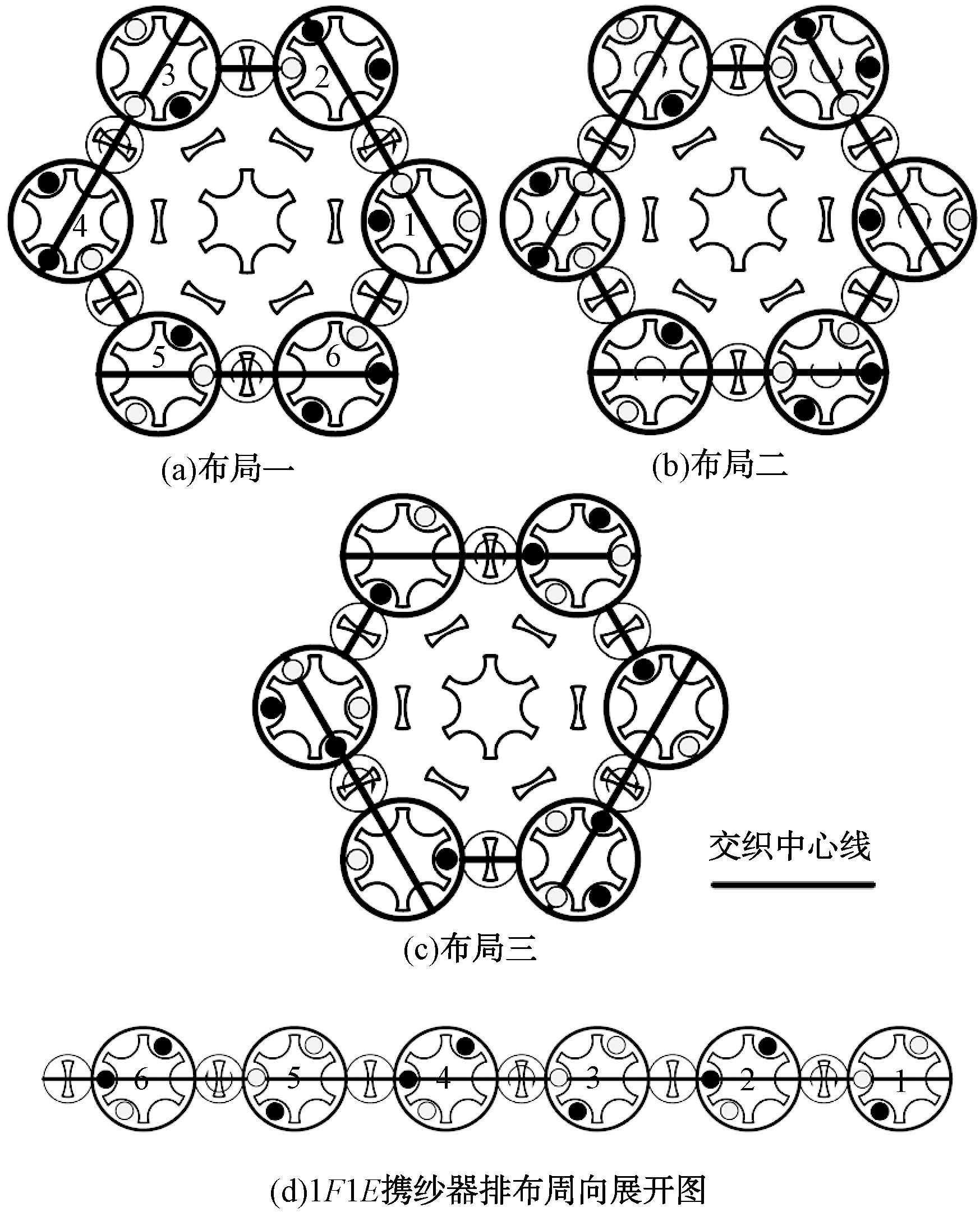
Motion mode and layout of yarn carrier. (a) Layout 1; (b) Layout 2; (c) Layout 3; (d) Circumferential development diagram of 1F1E yarn carrier arrangement"

Fig.10

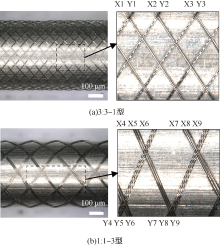
Structural features of tubular fabrics"

[1] 汪星明, 邢誉峰. 三维编织复合材料研究进展[J]. 航空学报, 2010, 31(5): 914-927.
WANG Xingming, XING Yufeng. Developments in research on 3D braided composites[J]. Acta Aeronautica et Astronautica Sinica, 2010, 31(5): 914-927.
[2] 高馨语. 三维编织三通圆管编织方法和准静态压缩行为[D]. 上海: 东华大学, 2022:1-18.
GAO Xinyu. Braiding techniques and quasi-static compressive behavior of 3-D braided composite three-way circular tubes[D]. Shanghai: Donghua University, 2022:1-18.
[3] 陈曦, 缪旭红, 刘青, 等. 全成形Y形三通管织物编织工艺设计[J]. 纺织学报, 2021, 42(5): 73-78.
CHEN Xi, MIAO Xuhong, LIU Qing, et al. Knitting process design of fully-fashioned Y-shaped three-way pipe fabrics[J]. Journal of Textile Research, 2021, 42(5): 73-78.
[4] MEI H, HAN Z, LIANG S, et al. Process modelling of 3D hexagonal braids[J]. Composite Structures 2020, 6: 1-19.
[5] ROBERT A Florentine. Apparatus for weaving a three-dimensional article: 4312261[P]. 1982-01-26.
[6] BROWN Richard. Braiding apparatus: 4934240[P]. 1988-12-16.
[7] KYOSEV Y. Braiding machine components[M].// Braiding technology for textiles. Cambridge: Woodhead Publishing, 2015: 115-151.
[8] BOGDANOVICH A E. An overview of three-dimensional braiding technologies[M]. Netherlands: Advances in Braiding Technology, 2016:3-78.
[9] EMONTS C, GRIGAT N, MERKORD F, et al. Innovation in 3D braiding technology and its applica-tions[J]. Textiles, 2021, 1(2): 185-205.
[10] KYOSEV Y, GLEANER P. Extended horn gears in 3 Dmaypole braiding: theoretical analysis, gear arrangementand prediction of the floating length[J]. Journal of Textilesand Fibrous Materials, 2018, 1: 1-7.
[11] KYOSEV Y. Patterning of braided products[M]. Braiding Technology for Textiles. Netherlands: Elsevier, 2015: 29-46.
[1] YANG Lu, MENG Jiaguang, CHEN Yuqing, ZHI Chao. Preparation and properties of humidity-responsive cellulose/polyurethane composites based on waste textiles [J]. Journal of Textile Research, 2025, 46(02): 26-34.
[2] GUO Qi, WU Ning, MENG Ying, AN Da, HUANG Jianlong, CHEN Li. Process design and verification of tapered axisymmetric preform with variable thickness [J]. Journal of Textile Research, 2024, 45(12): 98-108.
[3] XIAO Yuan, TONG Yao, HU Cheng'an, WU Xianjun, YANG Leipeng. Preparation of all-fabric flexible piezoresistive sensors based on conductive composite coating [J]. Journal of Textile Research, 2024, 45(10): 152-160.
[4] XI Lifeng, MA Pibo, JIA Wei, WANG Jiamian, ZHANG Hongbin, PENG Xiaoquan, XIA Fenglin, JIANG Gaoming. Research progress of extracorporeal membrane oxygenation technology in China [J]. Journal of Textile Research, 2024, 45(08): 234-240.
[5] MA Liang, YU Xuhua, LIU Wenwu, LI Ci, FANG Yiqun, LI Jun, XU Jiajun. Application of aerogel composite materials in improving thermal insulation performance of dry diving suit inner liner [J]. Journal of Textile Research, 2024, 45(07): 181-188.
[6] LI Jiao, XIN Shiji, CHEN Li, CHEN Xiaoming. Design of double-station needling robot system [J]. Journal of Textile Research, 2024, 45(07): 204-212.
[7] YUAN Jiugang, WANG Yingxue, ZHOU Aihui, XU Jin, TANG Ying, FAN Xuerong. Research progress in macrofungi and mycelia composites [J]. Journal of Textile Research, 2024, 45(07): 223-229.
[8] LI Qiyang, JI Chengchang, CHI Xinfu, SUN Yize. Braiding strategy and yarn trajectory prediction of large size special-shaped structure mandrel [J]. Journal of Textile Research, 2023, 44(10): 188-195.
[9] SUN Mingtao, CHEN Chengyu, YAN Weixia, CAO Shanshan, HAN Keqing. Influence of needling reinforcement frequency on properties of jute/polylactic acid fiber composite sheets [J]. Journal of Textile Research, 2023, 44(09): 91-98.
[10] LÜ Junwei, LUO Longbo, LIU Xiangyang. Advances in design and fabrication of aramid fiber's surface and interface structure based on direct fluorination [J]. Journal of Textile Research, 2023, 44(06): 21-27.
[11] YING Zhiping, WANG Weiqing, WU Zhenyu, HU Xudong. Compression after impact performance of three-dimensional orthogonal woven composites [J]. Journal of Textile Research, 2023, 44(01): 129-135.
[12] ZHANG Yi, SHAO Lifeng, YANG Bin, GAO Jinxia, YU Chongwen. Acoustic properties of palm fiber felt/poly(3-hydroxybutyrate-co-3-hydroxyvalerate) hot-pressed composites [J]. Journal of Textile Research, 2022, 43(10): 24-30.
[13] FANG Zhouqian, MIAO Peiyuan, JIN Xiaoke, ZHU Chengyan, TIAN Wei. Nondestructive testing on damage of carbon fiber composites using ultrasonic C-scanning [J]. Journal of Textile Research, 2022, 43(10): 71-76.
[14] YANG Honglin, XIANG Wei, DONG Shuxiu. Preparation and electromagnetic shielding properties of polyester fabric based nano-copper/reduced graphene oxide composites [J]. Journal of Textile Research, 2022, 43(08): 107-112.
[15] HUANG Yaoli, LU Cheng, JIANG Jinhua, CHEN Nanliang, SHAO Huiqi. Thermal mechanical properties of polyimide fiber-reinforced polydimethylsiloxane flexible film [J]. Journal of Textile Research, 2022, 43(06): 22-28.
Viewed
Full text


Abstract

Cited

  Shared   
  Discussed   
No Suggested Reading articles found!