纺织学报 ›› 2025, Vol. 46 ›› Issue (06): 31-37.doi: 10.13475/j.fzxb.20241001901
• 纤维新材料与纺织绿色发展青年科学家沙龙专栏 • 上一篇 下一篇
徐桐1, 徐瑞东1, 王奕文1, 田明伟1,2( )
)
XU Tong1, XU Ruidong1, WANG Yiwen1, TIAN Mingwei1,2()
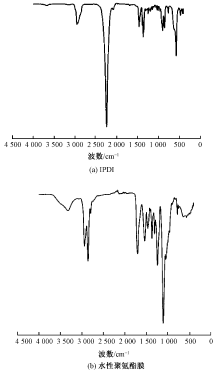
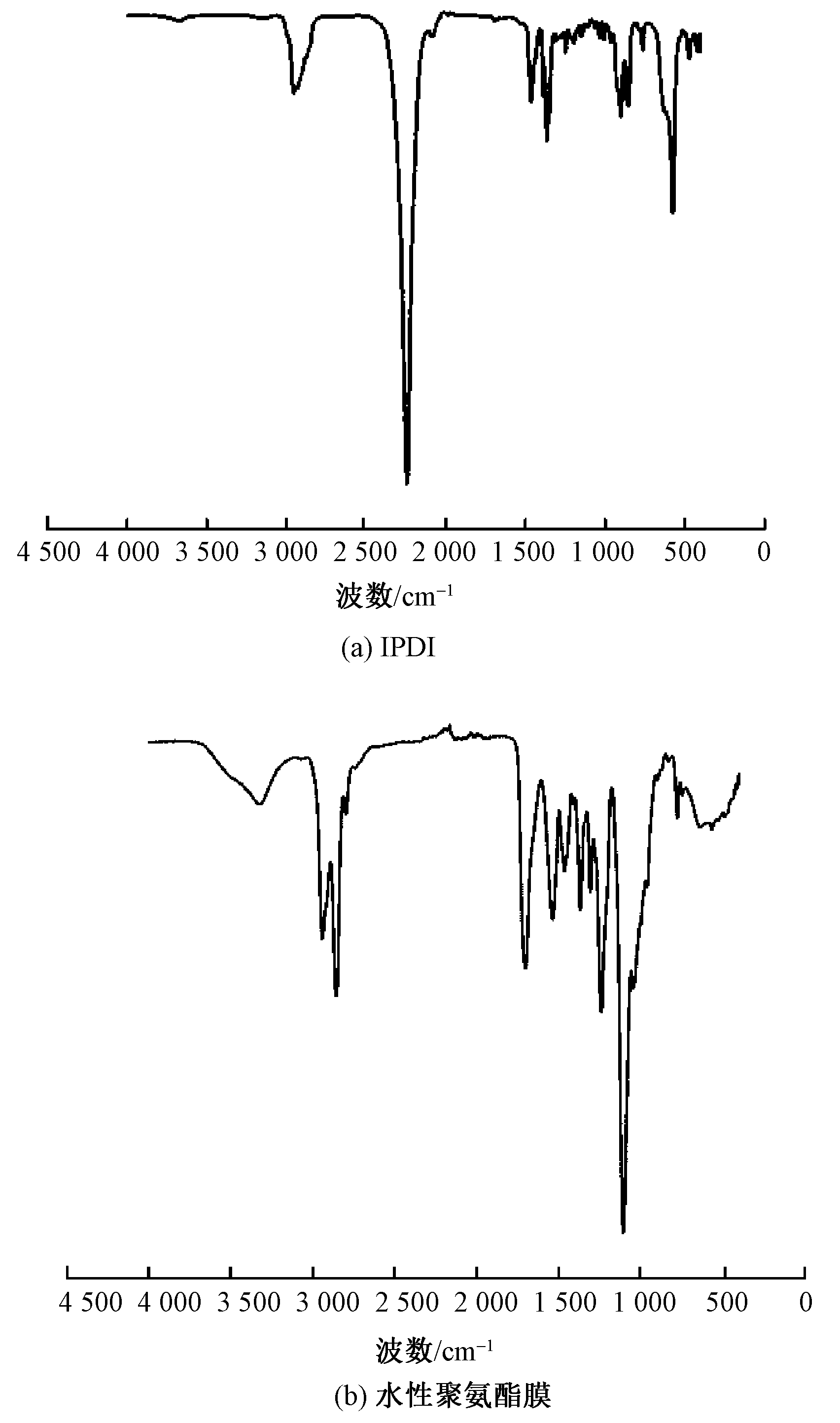
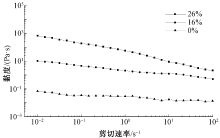
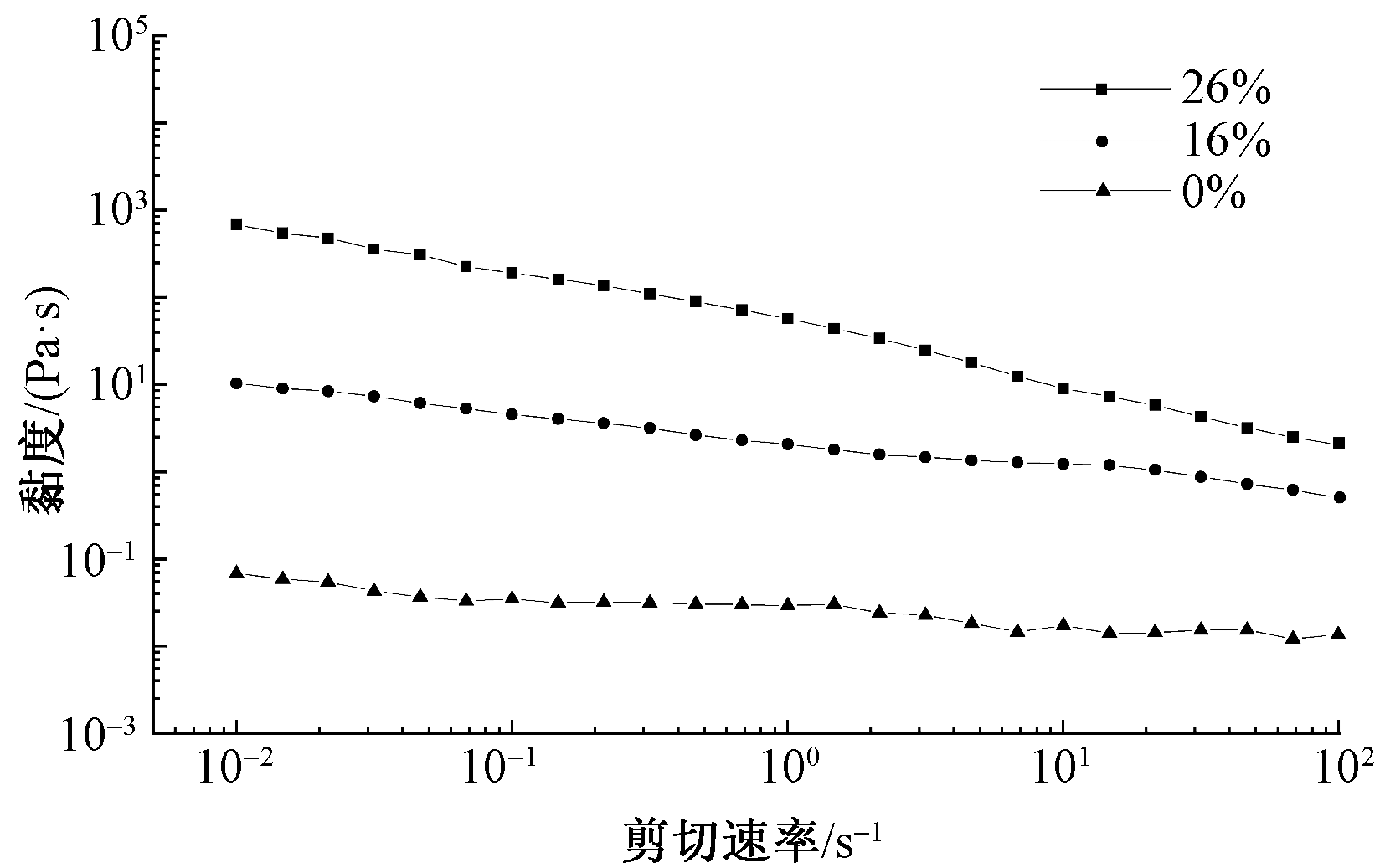
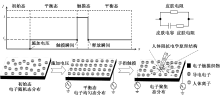
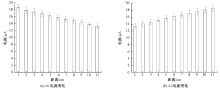
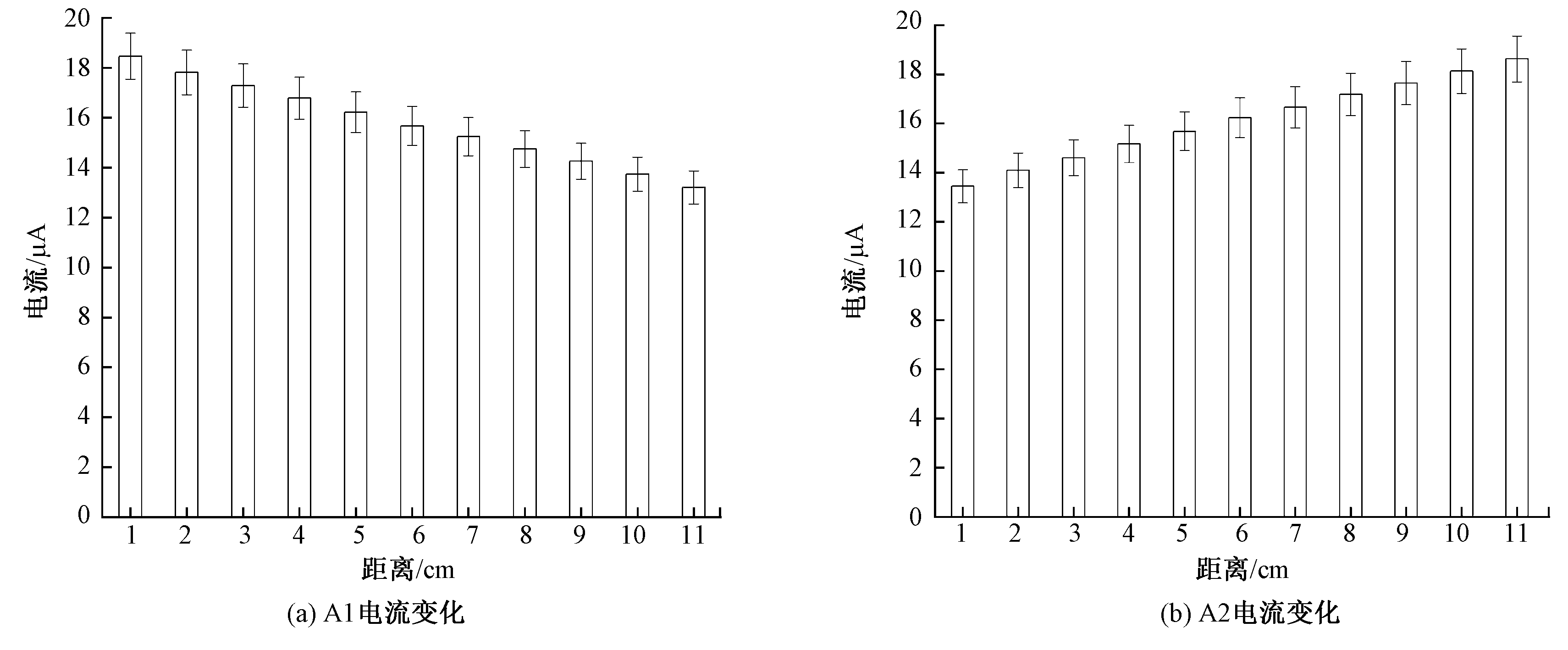
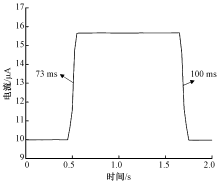
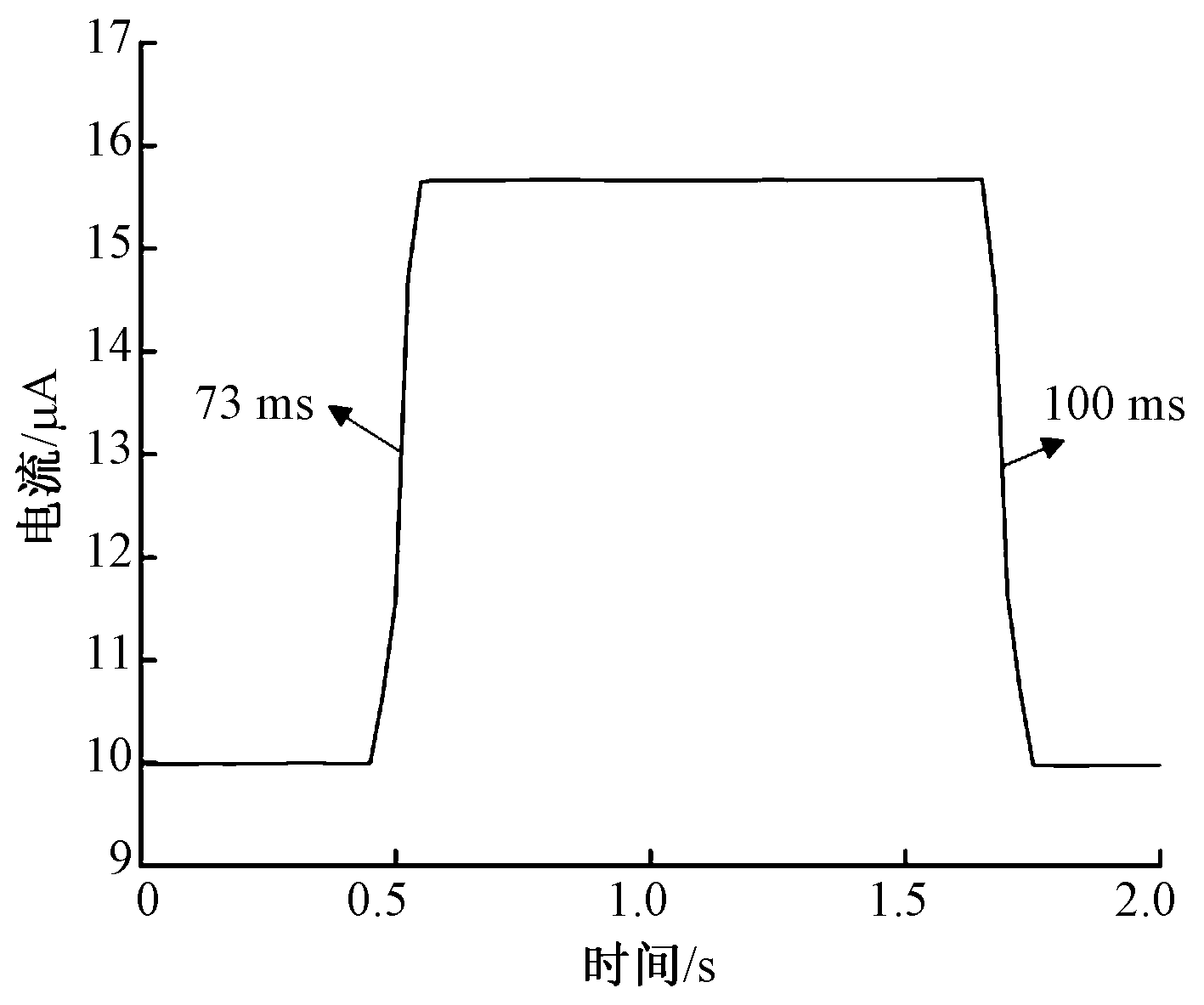
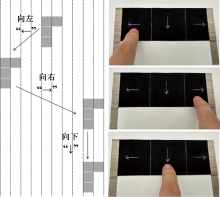
摘要: 针对现有凝胶基触摸电子设备生物相容性差、界面牢度低等瓶颈问题,提出以蚕丝织物为基底、导电水性聚氨酯为导电层的纺织基触摸电子织物的制备策略。采用自乳化法工艺制备水性聚氨酯乳液,构建高均匀分散特性的导电网络体系,组装具有层叠结构的纺织基触摸电子织物;表征水性聚氨酯合成过程中特征基团的变化趋势以及触摸电子织物的微观形貌,研究触摸电子织物触摸定位原理,分析形变对触摸信号的影响规律。结果表明:人体与织物在接触界面处可形成耦合电容微结构,从而破坏织物表面的均匀静电场,造成接触点处电势降低,引起触摸信号,实现触摸点的一维坐标定位;触摸电子织物的响应时间仅为73 ms,恢复时间为100 ms,表现出优异的响应速度;多次触摸相同位置,触摸信号波动仅为0.118%,表现出优异的稳定性;施加30°、60°、90°、120°、150°、180°弯曲角度后,触摸电子织物的触摸信号波动幅度低于5%,表现出形变不灵敏特性;此外,触摸电子织物具有优异的耐久性,放置60 d后触摸电流变化率仅为1.5%。基于此,开发出柔性织物触控键盘,可实现远程触控交互功能,在智能可穿戴领域具有广阔的应用前景。
中图分类号:
| [1] | FANG Cuiqin, XU Bingang, LI Meiqi, et al. Advanced design of fibrous flexible actuators for smart wearable applications[J]. Advanced Fiber Materials, 2024, 6(3): 622-657. |
| [2] | HAN Fei, GE Ping, WANG Fei, et al. Smart contact lenses: from rational design strategies to wearable health monitoring[J]. Chemical Engineering Journal, 2024. DOI:10.1016/j.cej.2024.154823. |
| [3] | LI Jianye, DING Qiongling, WANG Hao, et al. Engineering smart composite hydrogels for wearable disease monitoring[J]. Nano-Micro Letters, 2023. DOI:10.1007/s40820-023-010679-5. |
| [4] | WU Wenlong, REN Yukun, JIANG Tianyi, et al. Anti-drying, transparent, ion-conducting, and tough organohydrogels for wearable multifunctional human-machine interfaces[J]. Chemical Engineering Journal, 2021. DOI: 10.1016/j.cej.2021.132635. |
| [5] | ZHAO Xuefeng, YANG Shiqi, WEN Xiaohong, et al. A fully flexible intelligent thermal touch panel based on intrinsically plastic Ag2S semiconductor[J]. Advanced Materials, 2022. DOI:10.1002/adma.202107479. |
| [6] | JUNG Young, CHOI Jungrak, LEE Wookjin, et al. Irregular microdome structure-based sensitive pressure sensor using internal popping of microspheres[J]. Advanced Functional Materials, 2022. DOI:10.1002/adfm.202201147. |
| [7] | 徐瑞东, 王航, 曲丽君, 等. 聚乳酸非织造基材触摸传感电子织物制备及其性能[J]. 纺织学报, 2023, 44(9):161-167. |
| XU Ruidong, WANG Hang, QU Lijun, et al. Preparation and properties of polyactic acid nonwoven substrate touch-sensing electronic textile[J]. Journal of Textile Research, 2023, 44(9): 161-167. | |
| [8] | XU Lin, PAN Ying, WANG Xxuanqi, et al. Reconfigurable touch panel based on a conductive thixotropic supramolecular hydrogel[J]. ACS Applied Materials & Interfaces, 2023, 15(3): 4458-4468. |
| [9] | KIM Wonhyo, KWAK Yeon Hwa, PARK Kwang Bum, et al. Development of a touch sensor capable of touch and touch load recognition[J]. Sensors and Actuators A: Physical, 2017, 264: 298-307. |
| [10] | PARK Byound Joon, OH Seungwoo, KIM Felix Sunjoo, et al. Pixel-free capacitive touch sensor using a single-layer ion gel[J]. Journal of Materials Chemistry C, 2019. DOI:10.1039/c9tc02809a. |
| [11] | SONG Yu, CHEN Haotian, CHEN Xuexian, et al. All-in-one piezoresistive-sensing patch integrated with micro-supercapacitor[J]. Nano Energy, 2018. DOI:10.1016/j.nanoen.2018.08.041. |
| [12] | YAP Lim Wei, GONG Shu, TANG Yue, et al. Soft piezoresistive pressure sensing matrix from copper nanowires composite aerogel[J]. Science Bulletin, 2016. DOI:10.1007/s11434-016-1149-0. |
| [13] |
LEE Yongjun, KIM Jiejung, JANG Bongkyun, et al. Graphene-based stretchable/wearable self-powered touch sensor[J]. Nano Energy, 2019, 62: 259-267.
doi: 10.1016/j.nanoen.2019.05.039 |
| [14] | HU Zhihao, HUI Xiandan, LI Shengming, et al. A self-powered, high-precision and minimum-channel touch panel coupling triboelectrification and uniform resistance film[J]. Nano Energy, 2023. DOI:10.1016/j.nanoen.2023.108676. |
| [15] | CAREY Tian, JONES Chris, LE Moal Fred, et al. Spray-coating thin films on three-dimensional surfaces for a semitransparent capacitive-touch device[J]. ACS Applied Materials & Interfaces, 2018. DOI:10.1021/acsami.8b02784. |
| [16] | WON Byound Yeon, AHN Jun Ki, PARK Hyun Gyu. New surface capacitive touchscreen technology to detect DNA[J]. ACS Sensors, 2016. DOI:10.1021/acssensors.6b00040. |
| [17] | TKACHEV Sergey, MONTEIRO Miguel, SANTOS Joao, et al. Environmentally friendly graphene inks for touch screen sensors[J]. Advanced Functional Materials, 2021. DOI:10.1002/adfm.202103287. |
| [18] | GUO Xingkui, YANG Fan, LIU Wenbo, et al. Skin-inspired self-healing semiconductive touch panel based on novel transparent stretchable hydrogels[J]. Journal of Materials Chemistry A, 2021, 9(26): 14806-14817. |
| [19] | CHEN Zhengliu, LI Fang, ZHANG Likun, et al. Temperature tolerant all-solid-state touch panel with high stretchablity, transparency and self-healing ability[J]. Chemical Engineering Journal, 2022. DOI:10.1016/j.cej.2022.138672. |
| [20] | HAN Chuang, YANG Fan, GUO Xingkui, et al. Ultra-stretchable self-healing composite hydrogels as touch panel[J]. Advanced Materials Interfaces, 2021. DOI:10.1002/admi.202100742. |
| [21] | KUMAR Udit, FOX Candance R, FEIT Corbin, et al. ALD based nanostructured zinc oxide coated antiviral silk fabric[J]. RSC Advances, 2022. DOI:10.1039/d2ra02653h. |
| [22] | LI Jia, WANG Boxiang, LIN Jie, et al. Multifunctional surface modification of mulberry silk fabric via PNIPAAm/Chitosan/PEO nanofibers coating and cross-linking technology[J]. Coatings, 2018. DOI:10.3390/coatings8020068. |
| [23] | WU Di, WENG Ling, ZHANG Xiaorui, et al. Flexible, wearable multilayer piezoresistive sensor based on mulberry silk fabric for human movement and health detection[J]. Journal of Materials Science: Materials in Electronics, 2023. DOI:10.1007/s10854-023-10691-5. |
| [24] | CHAI Chunpeng, MA Yifei, LI Guoping, et al. The preparation of high solid content waterborne polyurethane by special physical blending[J]. Progress in Organic Coatings, 2018. DOI:10.1016/j.porgcoat.2017.10.021. |
| [25] | ZHAO Baobao, QIAN Yao, QIAN Xiaoming, et al. Fabrication and characterization of waterborne polyurethane/silver nanocomposite foams[J]. Polymer Composites, 2018. DOI:10.1002/pc.24888. |
| [26] | LEHMAN John H, TERRONES Mauricio, MANSFIELD Elisabeth, et al. Evaluating the characteristics of multiwall carbon nanotubes[J]. Carbon, 2011, 49(8):2581-2602. |
| [27] | YUDIN V V, KOVYLIN Roman S, BATEN'KIN Maxim A, et al. Visible-light induced synthesis of biocompatible porous polymers from oligocarbonatedimethacrylate (OCM-2) in the presence of dialkyl phthalates[J]. Polymer, 2020. DOI:10.1016/j.polymer.2020.122302. |
| [28] | ZHAO Linhe, HONG Chengyu, WANG Chuanhao, et al. Enhancement of the adhesion strength of water-based ink binder based on waterborne polyurethane[J]. Progress in Organic Coatings, 2023. DOI:10.1016/j.porgcoat.2023.107765. |
| [1] | 史晟, 王涯舟, 王淑花, 庞明科, 李鑫, 张美玲, 高承永. 废旧涤纶醇解及含氟水性聚氨酯的制备[J]. 纺织学报, 2025, 46(06): 8-16. |
| [2] | 岳欣琰, 邵剑波, 王小虎, 韩潇, 赵晓曼, 洪剑寒. 基于镀银锦纶/锦纶/水性聚氨酯复合纱的一维结构柔性电容传感器[J]. 纺织学报, 2025, 46(03): 82-89. |
| [3] | 王理杰, 杨建军, 吴庆云, 吴明元, 张建安, 刘久逸. 衣康酸聚乙二醇单醚酯封端水性聚氨酯织物涂层剂的制备及其性能[J]. 纺织学报, 2024, 45(10): 145-151. |
| [4] | 肖宁宁, 陈智杰, 欧阳裕福, 孟金贵, 孙阳艺, 戚栋明. 超细纤维合成革用阻燃水性聚氨酯的制备及其性能[J]. 纺织学报, 2024, 45(09): 113-120. |
| [5] | 徐豫松, 周杰, 甘佳怡, 张涛, 张先明. 含磷氮水性聚氨酯的制备及其在涤纶织物阻燃整理中应用[J]. 纺织学报, 2024, 45(07): 112-120. |
| [6] | 李琛, 王冬, 仲鸿天, 董朋, 付少海. 超细纤维合成革含浸用水性聚氨酯的合成及其应用[J]. 纺织学报, 2024, 45(03): 129-136. |
| [7] | 陈锟, 许晶莹, 郑怡倩, 李加林, 洪兴华. 丝网印刷还原氧化石墨烯改性蚕丝织物的导电与电热性能[J]. 纺织学报, 2024, 45(03): 122-128. |
| [8] | 辛华, 李阳帆, 罗浩. 复合改性氧化石墨烯接枝水性聚氨酯的制备及其性能[J]. 纺织学报, 2023, 44(08): 133-142. |
| [9] | 孙国强, 杨建军, 吴庆云, 吴明元, 张建安, 刘久逸. 内交联型自消光水性聚氨酯树脂的制备及其性能[J]. 纺织学报, 2023, 44(07): 151-158. |
| [10] | 庞明科, 王淑花, 史晟, 薛立钟, 郭红, 高承永, 卢建军, 赵晓婉, 王子涵. 废旧聚对苯二甲酸乙二醇酯纤维醇解制备阻燃水性聚氨酯及其应用[J]. 纺织学报, 2023, 44(02): 214-221. |
| [11] | 马逸平, 樊武厚, 吴晋川, 蒲宗耀. 全水基杂化型无氟防水剂制备及其在涤/棉织物防水整理中应用[J]. 纺织学报, 2022, 43(02): 183-188. |
| [12] | 刘淑强, 靖逸凡, 杨雅茹, 吴改红, 余娟娟, 王凯文, 李惠敏, 李甫, 张曼. 自修复双层微胶囊的制备及其在玄武岩织物上的应用[J]. 纺织学报, 2021, 42(04): 127-131. |
| [13] | 丁子寒, 邱华. 纳米二氧化硅改性水性聚氨酯防水透湿涂层织物的制备及其性能[J]. 纺织学报, 2021, 42(03): 130-135. |
| [14] | 鲁鹏, 洪思思, 林旭, 李慧, 刘国金, 周岚, 邵建中, 柴丽琴. 活性染料/聚苯乙烯复合胶体微球的制备及其在桑蚕丝织物上的结构生色[J]. 纺织学报, 2021, 42(01): 90-95. |
| [15] | 宋慧君, 翟亚丽, 钞意元, 朱超宇. 蚕丝织物的栀子蓝色素染色[J]. 纺织学报, 2020, 41(06): 81-85. |
|
||
 京公网安备11010502044800号