纺织学报 ›› 2025, Vol. 46 ›› Issue (05): 143-150.doi: 10.13475/j.fzxb.20240506101
时晓聪, 陈莉( ), 杜迅
), 杜迅
SHI Xiaocong, CHEN Li(), DU Xun
摘要:
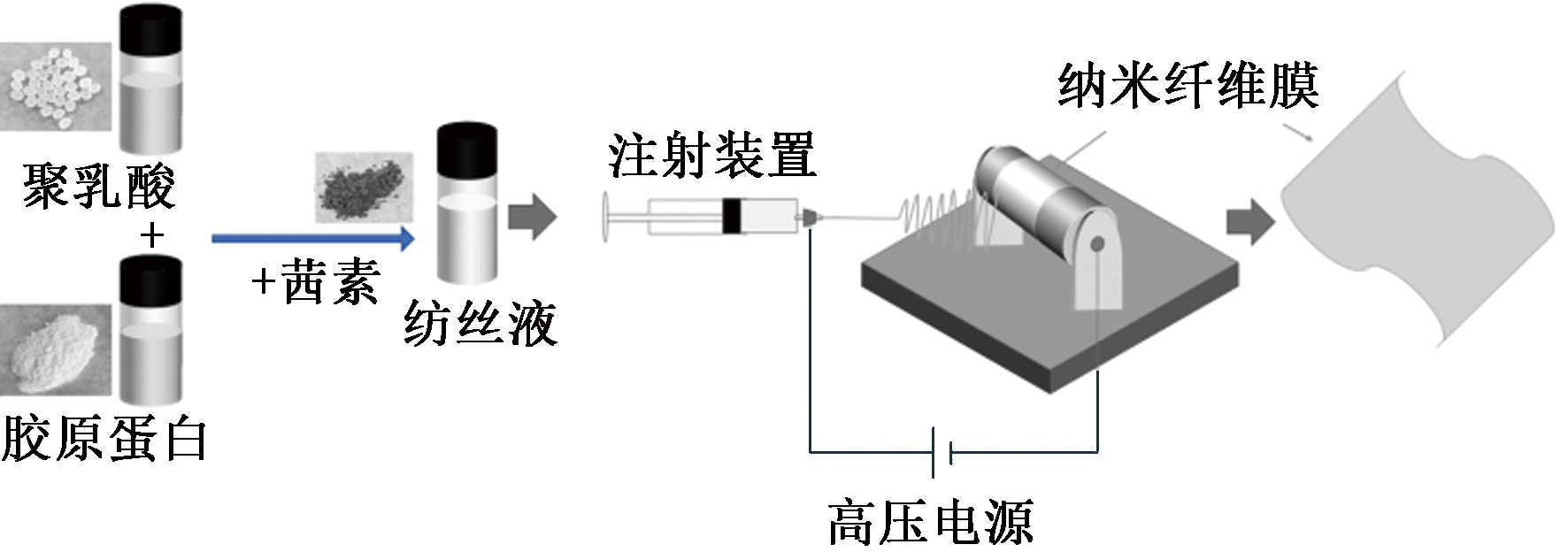
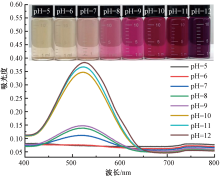
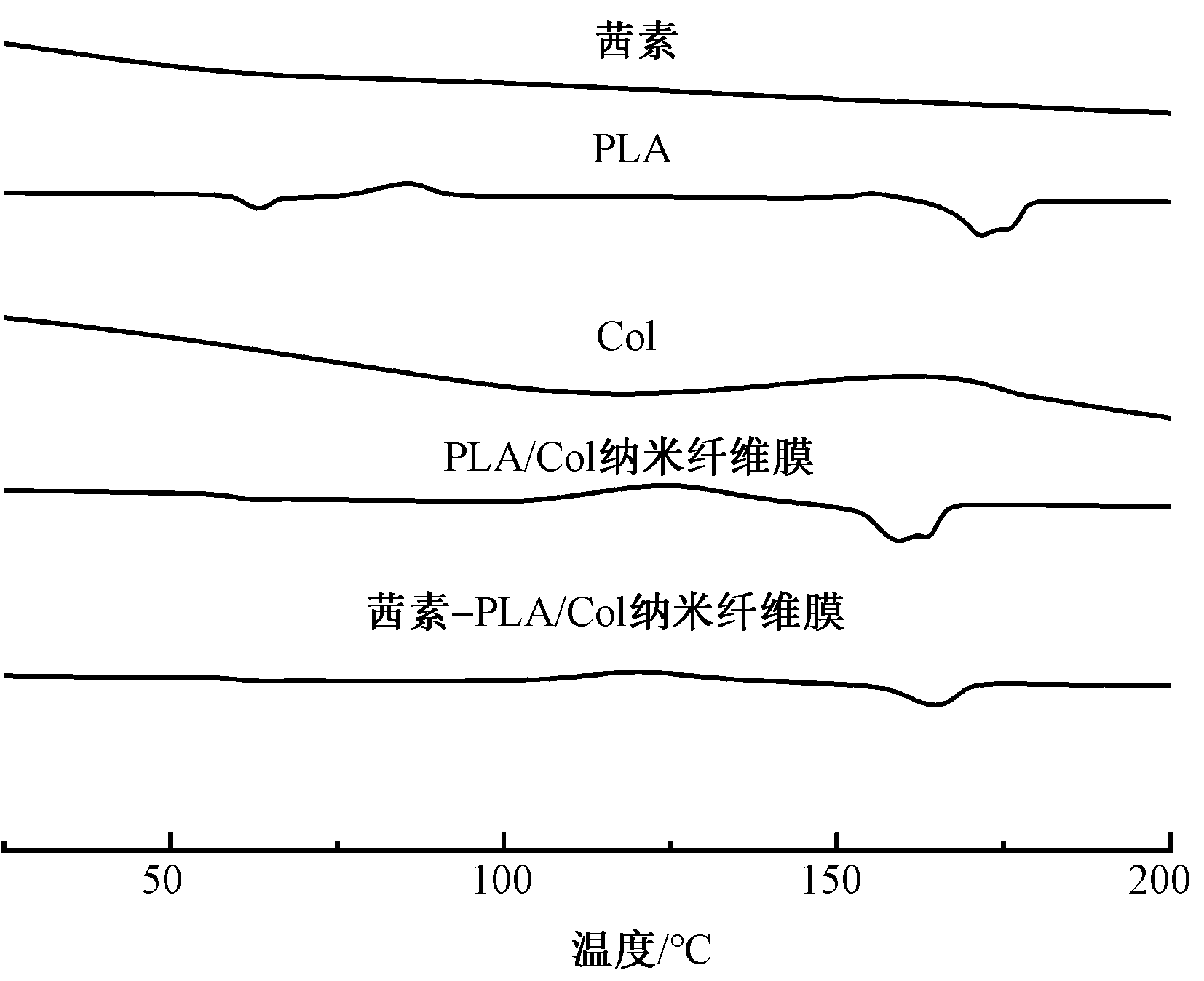
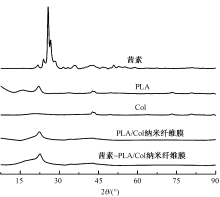
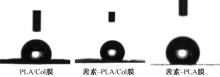
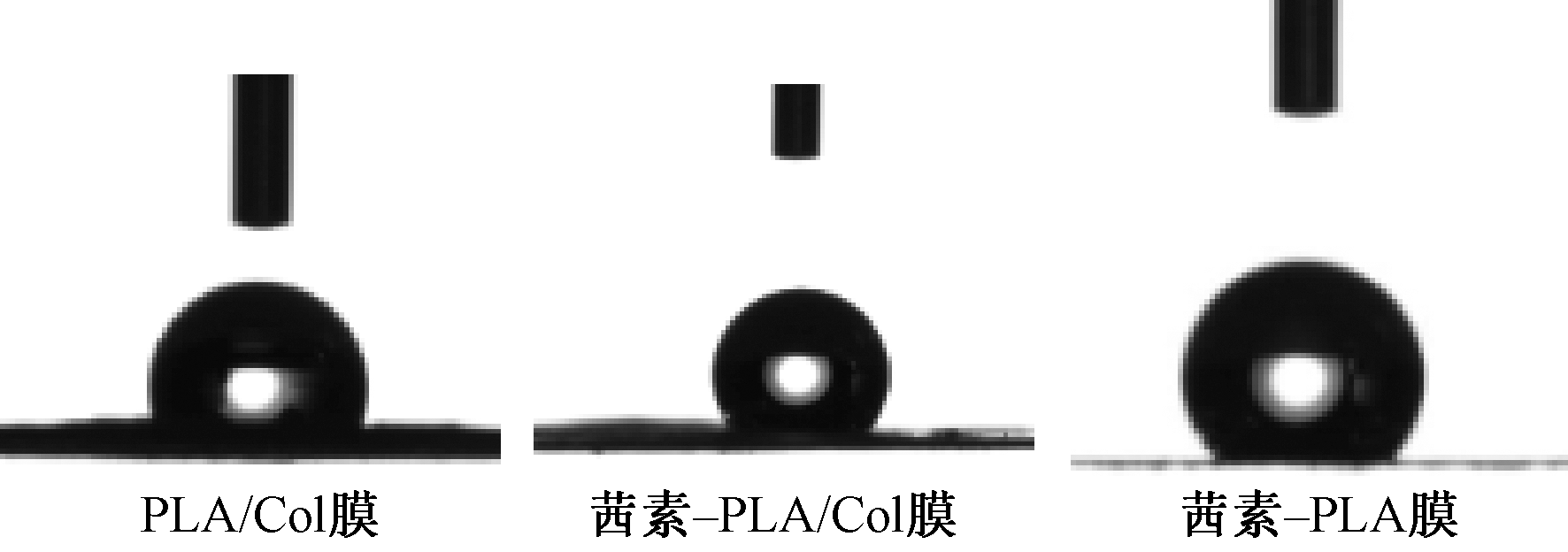
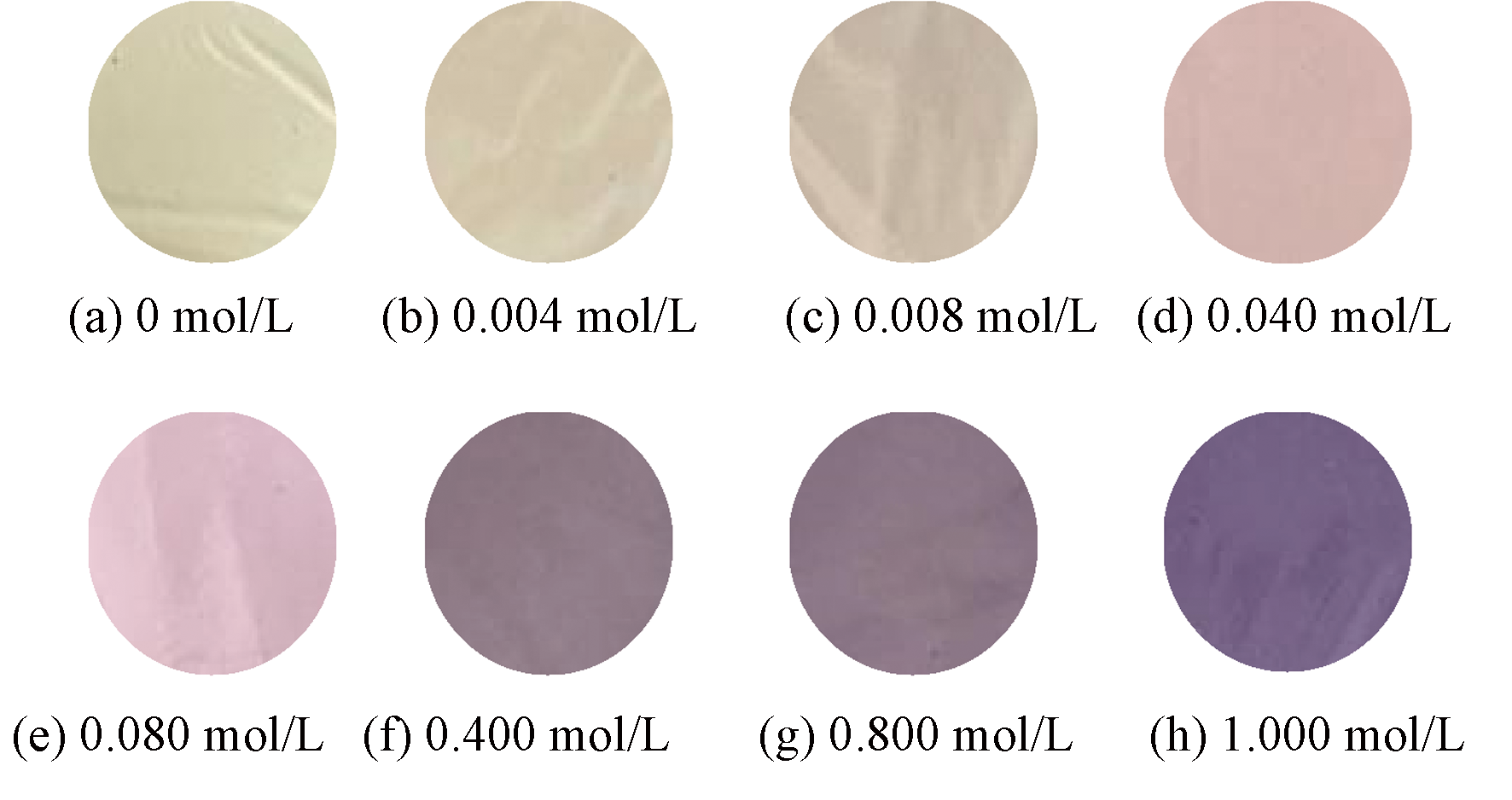
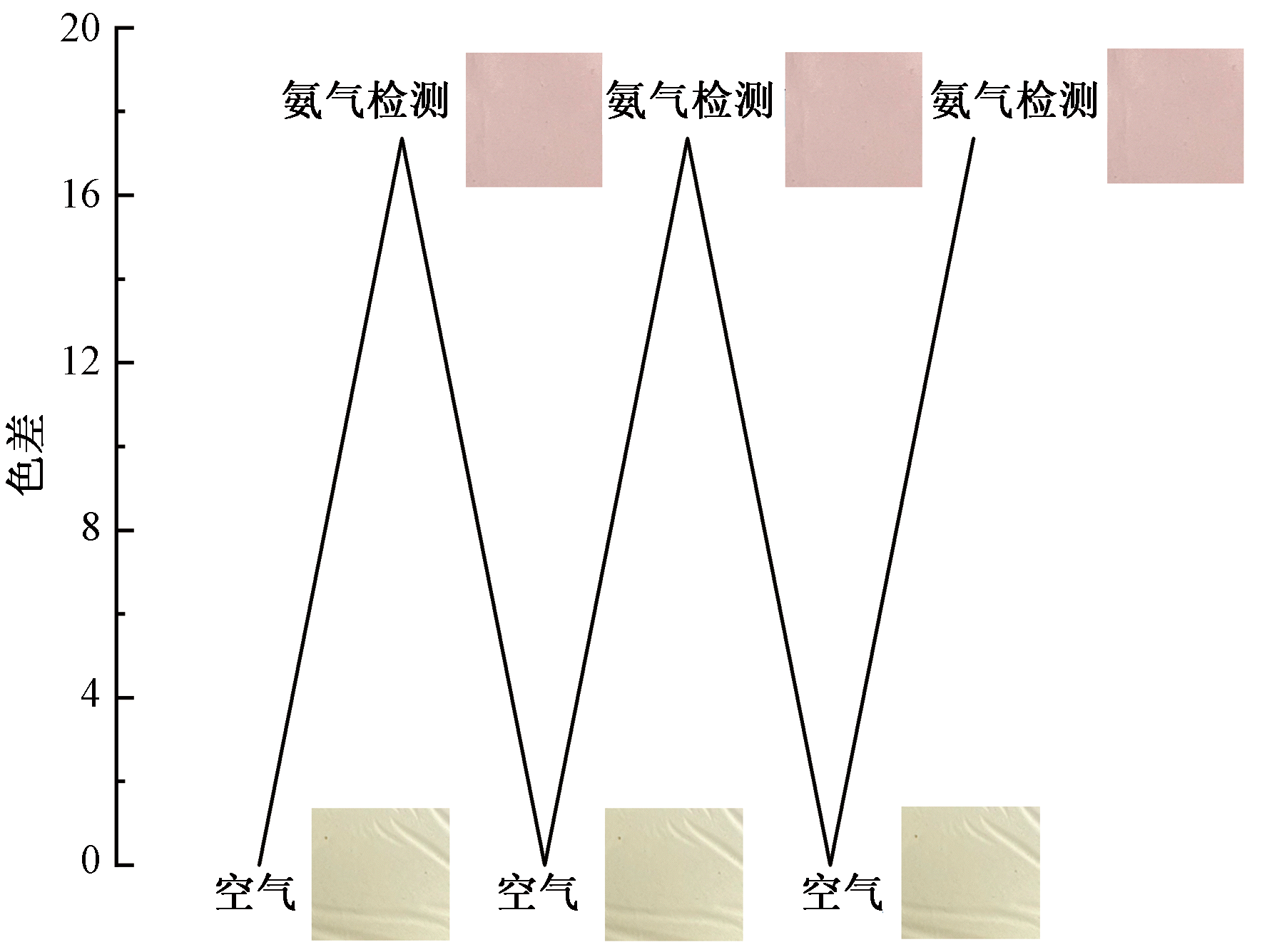
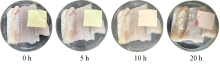
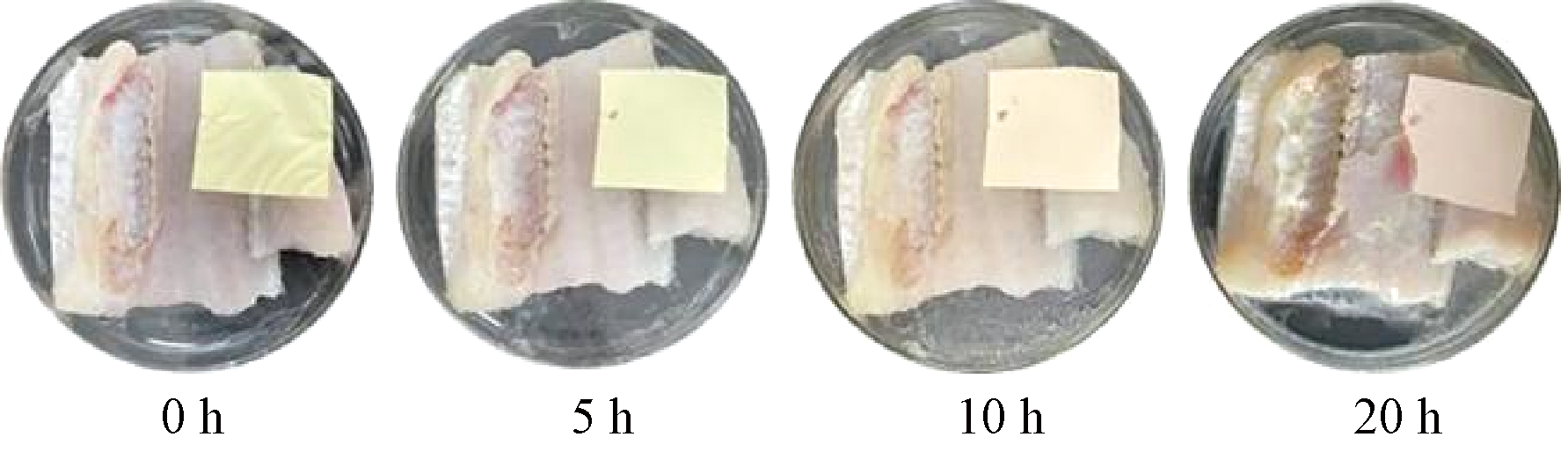
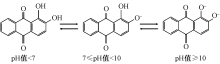
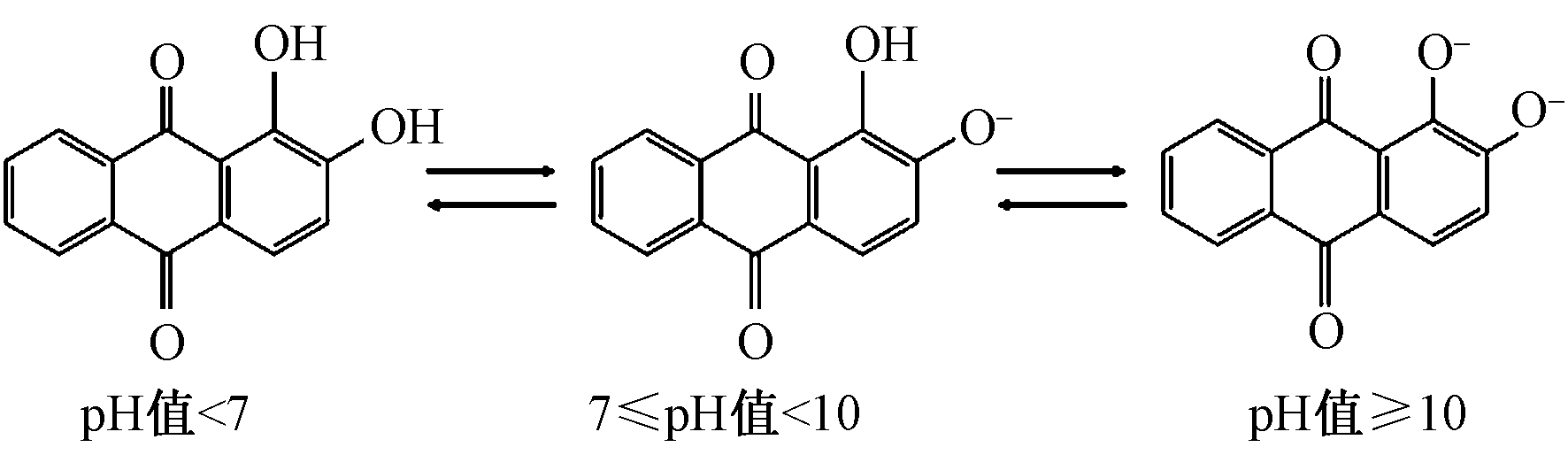
为探索开发一种用于氨气检测的比色纳米纤维材料,以茜素为检测探针,聚乳酸(PLA)、胶原蛋白(Col)为基材,利用静电纺丝技术制备了茜素-PLA/Col纳米纤维膜。借助紫外-可见分光光度计、扫描电子显微镜、差示扫描量热仪、X射线衍射仪和接触角测量仪等,对探针的颜色变化和纳米纤维膜的微观形貌和化学组成进行表征,并对纳米纤维膜的热稳定性、亲水性、可降解性、氨气检测性能以及可重复性进行了探究,并应用于鱼体新鲜度检测。结果表明:茜素溶液在pH值大于或等于7时具有敏感变色性能;随着氨气浓度增加,纳米纤维膜的颜色由黄色变为粉红色,再变为紫红色,最终变为紫色;纳米纤维膜具有良好的热稳定性、疏水性、可降解性及可重复检测性,其可用于鱼体新鲜度的比色检测。
中图分类号:
| [1] | ZHANG D, KANG Z, LIU X, et al. Highly sensitive ammonia sensor based on PSS doped ZIF-8-derived porous carbon/polyaniline hybrid film coated on quartz crystal microbalance[J]. Sensors and Actuators B: Chemical, 2022. DOI:10.1016/j.snb.2022.131419. |
| [2] | ZHOU M, HAN Y, YAO Y, et al. Fabrication of Ti3C2Tx/In2O3 nanocomposites for enhanced ammonia sensing at room temperature[J]. Ceramics International, 2022, 48(5):6600-6607. |
| [3] | DONG J, GAO Z, ZHANG Y, et al. A selective and sensitive optical sensor for dissolved ammonia detection via agglomeration of fluorescent Ag nanoclusters and temperature gradient headspace single drop microextrac-tion[J]. Biosens Bioelectron, 2017, 91: 155-161. |
| [4] | 杜晓燕, 程五一, 闫瑞青, 等. 我国涉氨制冷企业氨泄漏事故规律性研究[J]. 消防科学与技术, 2017, 36(6):857-860. |
| DU Xiaoyan, CHENG Wuyi, YAN Ruiqing, et al. Research on regularity of ammonia leakage accidents in ammonia-related refrigeration enterprises in China[J]. Fire Science and Technology, 2017, 36(6):857-860. | |
| [5] | 许佳欣, 陈程, 邱诗波, 等. 氨气传感器研究现状及智能化应用[J]. 包装学报, 2022, 14(2):57-66. |
| XU Jiaxin, CHEN Cheng, QIU Shibo, et al. Research status and intelligent application of ammonia sensor[J]. Packaging Journal, 2022, 14(2): 57-66. | |
| [6] | VEERALINGAM S, SAHATIYA P, BADHULIKA S. Low cost, flexible and disposable SnSe2 based photoresponsive ammonia sensor for detection of ammonia in urine samples[J]. Sensors and Actuators B: Chemical, 2019.DOI:10.1016/j.snb.2019.126725. |
| [7] | 祁福平, 党红娟. 化工企业氨气含量检测方法简评[J]. 中氮肥, 2022(5):69-72. |
| QI Fuping, DANG Hongjuan. Review on detection methods of ammonia content in chemical enterp-rises[J]. M-sized Nitrogenous Fertilizer Progress, 2022(5):69-72. | |
| [8] | 谭由之. 植物染料茜素的清洁分散染色及数码印花应用[D]. 上海: 东华大学, 2022:4-6. |
| TAN Youzhi. Application of vegetable dye alizarin in clean disperse dyeing and digital printing[D]. Shanghai: Donghua University, 2022:4-6. | |
| [9] | ARRIETA M P, SAMPER M D, ALDAS M, et al. On the use of PLA-PHB blends for sustainable food packaging applications[J]. Materials, 2017.DOI:10.3390/ma10091008. |
| [10] | CHEN Y, GEEVER L M, KILLION J A, et al. Review of multifarious applications of poly (lactic acid)[J]. Polymer-Plastics Technology and Engineering, 2016, 55(10): 1057-1075. |
| [11] | YANG L, ZHANG J, WU J, et al. Influence of collagen hydrolysate components on fabrication of collagen/PVA composite fiber[J]. Textile Research Journal, 2020, 90(9/10):1141-1148. |
| [12] |
ZHANG J, ZOU X, ZHAI X, et al. Preparation of an intelligent pH film based on biodegradable polymers and roselle anthocyanins for monitoring pork freshness[J]. Food Chemistry, 2019, 272: 306-312.
doi: S0308-8146(18)31442-0 pmid: 30309548 |
| [13] |
DENG L, KANG X, LIU Y, et al. Effects of surfactants on the formation of gelatin nanofibres for controlled release of curcumin[J]. Food Chemistry, 2017, 231:70-77.
doi: S0308-8146(17)30391-6 pmid: 28450025 |
| [14] | AN N, AN Y, HU Z, et al. Graphene hydrogels non-covalently functionalized with alizarin: an ideal electrode material for symmetric supercapacitors[J]. Journal of Materials Chemistry A, 2015, 3(44): 22239-22246. |
| [15] | 张全彩. RuO2、MnO2和茜素/ZIF-8衍生多孔碳复合材料的制备及其超电容性能研究[D]. 兰州: 西北师范大学, 2018:70-73. |
| ZHANG Quancai. Preparation of porous carbon composites derived from RuO2, MnO2 and alizarin/ZIF-8 and their supercapacitive properties[D]. Lanzhou: Northwest Normal University, 2018:70-73. | |
| [16] | 严晨峰. 纤维素纳米球增强聚乳酸纳米复合材料的构筑及性能研究[D]. 杭州: 浙江理工大学, 2016:50-51. |
| YAN Chenfeng. Construction and properties of polylactic acid nanocomposites reinforced by cellulose nanos-pheres[D]. Hangzhou: Zhejiang University of Science and Technology, 2016:50-51. | |
| [17] | KONG Y, YUAN J, WANG Z, et al. Study on the preparation and properties of aligned carbon nanotubes/polylactide composite fibers[J]. Polymer Composites, 2012, 33(9): 1613-1619. |
| [18] | 徐金龙. 胶原纤维可食用膜的机械性能改善策略及相关机制[D]. 无锡: 江南大学, 2021:30-31. |
| XU Jinlong. Strategies and mechanisms for improving mechanical properties of edible collagen fiber mem-brane[D]. Wuxi: Jiangnan University, 2021:30-31. | |
| [19] | 李美琛. 茜素表面改性二氧化钛材料的制备及可见光下光催化还原六价铬的研究[D]. 天津: 天津大学, 2020:18-19. |
| LI Meichen. Preparation of alizarin surface modified titanium dioxide and photocatalytic reduction of hexavalent chromium under visible light[D]. Tianjing: Tianjin University, 2020:18-19. | |
| [20] | 周歆如, 范梦晶, 岳欣琰, 等. 导电微纳纤维复合纱的制备及其气敏特性[J]. 纺织学报, 2024, 45(2):52-58. |
| ZHOU Xinru, FAN Mengjing, YUE Xinyan, et al. Preparation and gas-sensitive properties of conductive micro-nano fiber composite yarn[J]. Journal of Textile Research, 2019, 45(2):52-58. | |
| [21] | 倪安琪. 变色响应聚丙烯腈纳米纤维膜的性能研究[D]. 上海: 东华大学, 2017:31-38. |
| NI Anqi. Study on properties of color-changing response polyacrylonitrile nanofiber films[D]. Shanghai: Donghua University, 2017:31-38. | |
| [22] | 李秋莹, 于昕睿, 刘铮, 等. 姜黄素/茜素pH敏感蛋白纤维膜的制备及对金枪鱼鲜度的指示作用[J]. 中国食品学报, 2022, 22(10): 260-269. |
| LI Qiuying, YU Xinrui, LIU Zheng, et al. Preparation of curcumin/alizarin pH sensitive protein fiber membrane and its indicator effect on tuna freshness[J]. Journal of Chinese Institute of Food Science and Technology, 2022, 22(10): 260-269. |
| [1] | 闫静, 王亚倩, 刘晶晶, 李好义, 杨卫民, 康卫民, 庄旭品, 程博闻. 熔融静电纺长丝纱的制备及其在摩擦纳米发电机中的应用[J]. 纺织学报, 2025, 46(05): 23-29. |
| [2] | 陆宁, 陈碧泠, 宋功吉, 罗忆心, 王建南, 许建梅. 纳米纤维在人工神经导管中的应用与研究进展[J]. 纺织学报, 2025, 46(03): 236-244. |
| [3] | 乔思杰, 邢桐贺, 童爱心, 史芷丞, 潘恒, 刘可帅, 余豪, 陈凤翔. 不同聚乳酸材料的性能对比[J]. 纺织学报, 2025, 46(03): 27-33. |
| [4] | 张惠琴, 吴改红, 刘霞, 刘淑强, 赵恒, 刘涛. 生物可降解聚乳酸防护口罩的开发及性能评估[J]. 纺织学报, 2025, 46(03): 116-122. |
| [5] | 赵超, 金欣, 王闻宇, 朱正涛. 自充电超级电容器用聚丙烯腈纳米纤维隔膜的制备及其性能[J]. 纺织学报, 2025, 46(02): 20-25. |
| [6] | 赵珂, 张恒, 程文胜, 甄琪, 步青云, 崔景强. 类蒲叶结构聚乳酸熔喷非织造材料的制备及其性能[J]. 纺织学报, 2025, 46(02): 51-60. |
| [7] | 詹克静, 杨鑫, 张应龙, 张昕, 潘志娟. 自凝聚丝素蛋白微纳米纤维膜的制备及其力学增强[J]. 纺织学报, 2025, 46(02): 10-19. |
| [8] | 范梦晶, 岳欣琰, 邵剑波, 陈雨, 洪剑寒, 韩潇. 基于静电纺纤维包芯纱的电容式扭转传感器构建及其传感性能[J]. 纺织学报, 2025, 46(02): 106-112. |
| [9] | 梁雯宇, 季东晓, 覃小红. 微纳米纤维包芯纱制备及其电致发光性能[J]. 纺织学报, 2025, 46(01): 42-51. |
| [10] | 左红梅, 高敏, 阮芳涛, 邹梨花, 徐珍珍. MXene-氧化石墨烯改性碳纤维/聚乳酸复合材料制备及其力学性能[J]. 纺织学报, 2025, 46(01): 9-15. |
| [11] | 朱雪, 钱鑫, 郝梦圆, 张永刚. MXene/碳纳米纤维膜的静电纺丝-电泳沉积复合工艺制备及其电磁屏蔽性能[J]. 纺织学报, 2025, 46(01): 1-8. |
| [12] | 王雅文, 刘娜, 王元非, 吴桐. 静电纺纳米纤维纱线及其对细胞迁移和血管化的调控[J]. 纺织学报, 2024, 45(12): 25-32. |
| [13] | 卢海龙, 于影, 左雨欣, 王浩然, 陈洪立, 汝欣. 取向增强抗CO2腐蚀纤维薄膜的制备及其性能[J]. 纺织学报, 2024, 45(12): 33-40. |
| [14] | 欧宗权, 于金超, 潘志娟. 光致变色聚乳酸/聚3-羟基丁酸酯共混纤维的纺制及其结构与性能[J]. 纺织学报, 2024, 45(12): 9-17. |
| [15] | 雷福旺, 冯其, 侯奥菡, 赵振鸿, 谭佳兆, 赵景, 王先锋. 聚偏氟乙烯-聚丙烯腈/SiO2单向导湿纤维膜的制备及其性能[J]. 纺织学报, 2024, 45(12): 1-8. |
|
||
 京公网安备11010502044800号