纺织学报 ›› 2025, Vol. 46 ›› Issue (06): 103-110.doi: 10.13475/j.fzxb.20240703901
陈亚娟1,2, 郭瀚宇1,2, 张陈恬1,2, 李欣欣1,2, 张雪萍1,2( )
)
CHEN Yajuan1,2, GUO Hanyu1,2, ZHANG Chentian1,2, LI Xinxin1,2, ZHANG Xueping1,2()
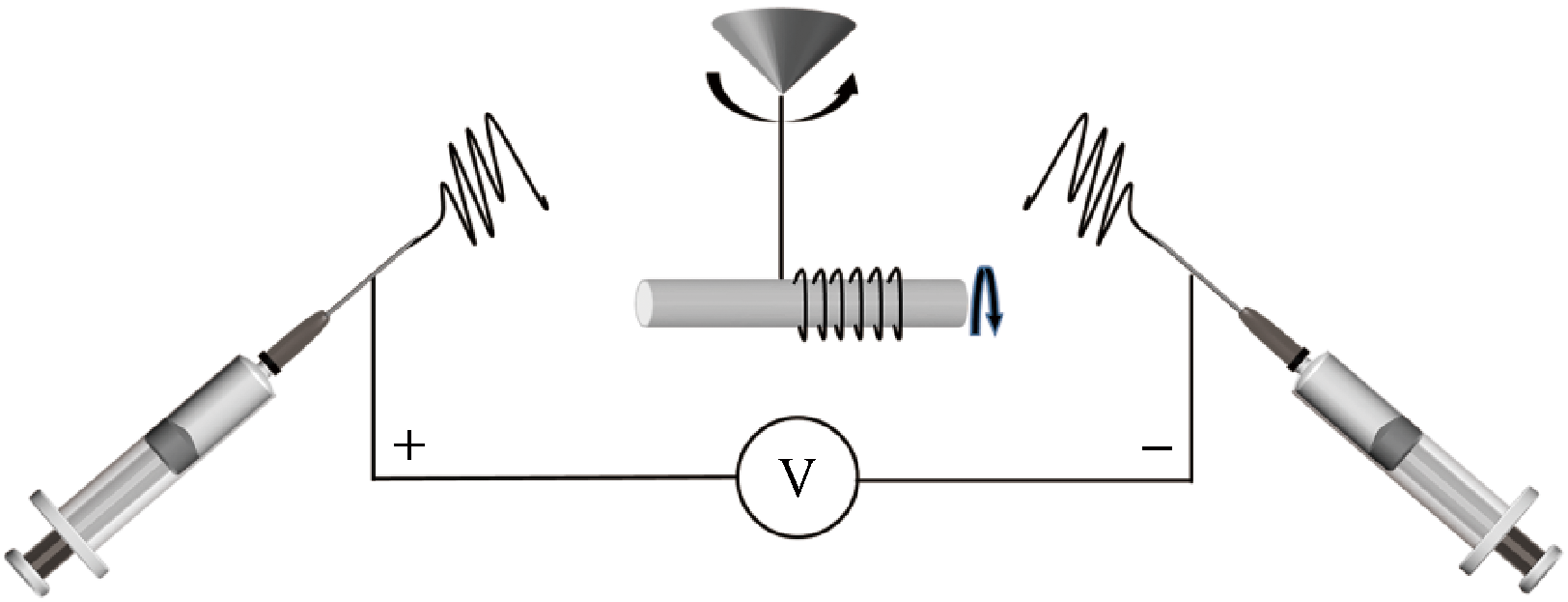
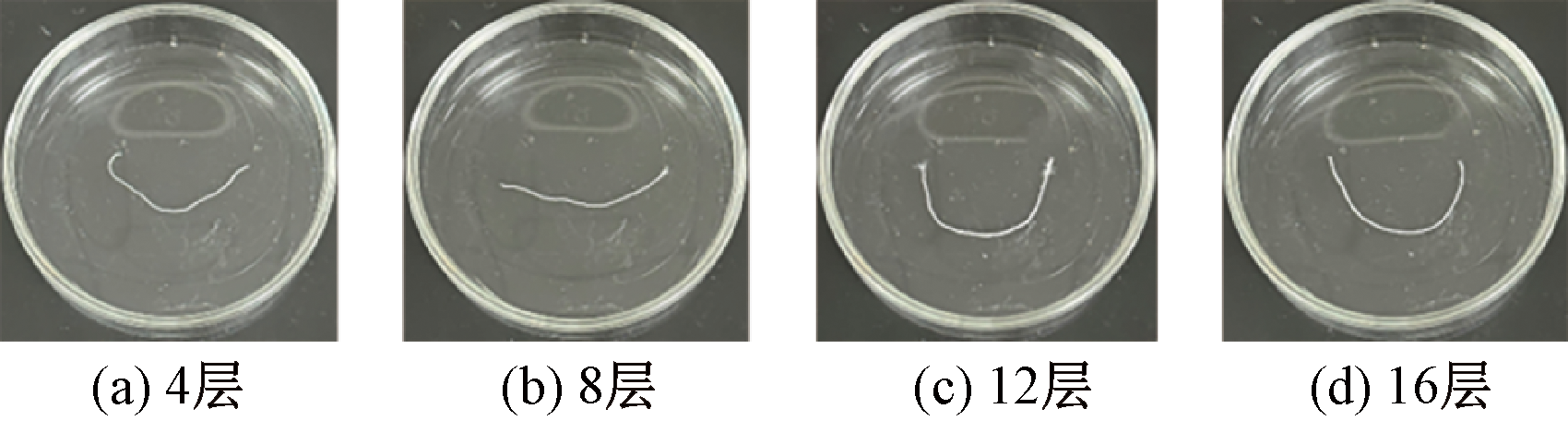
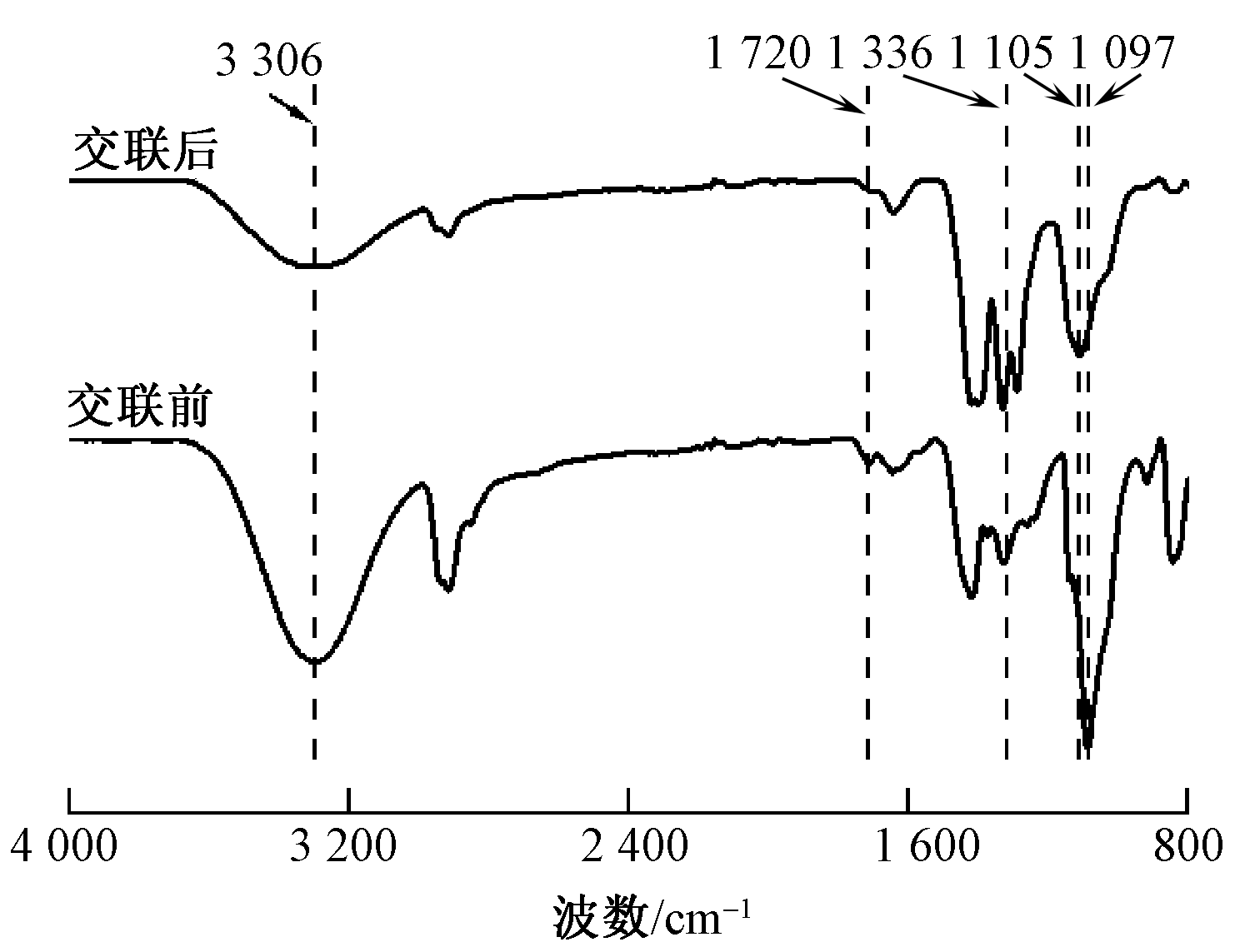
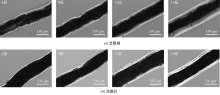
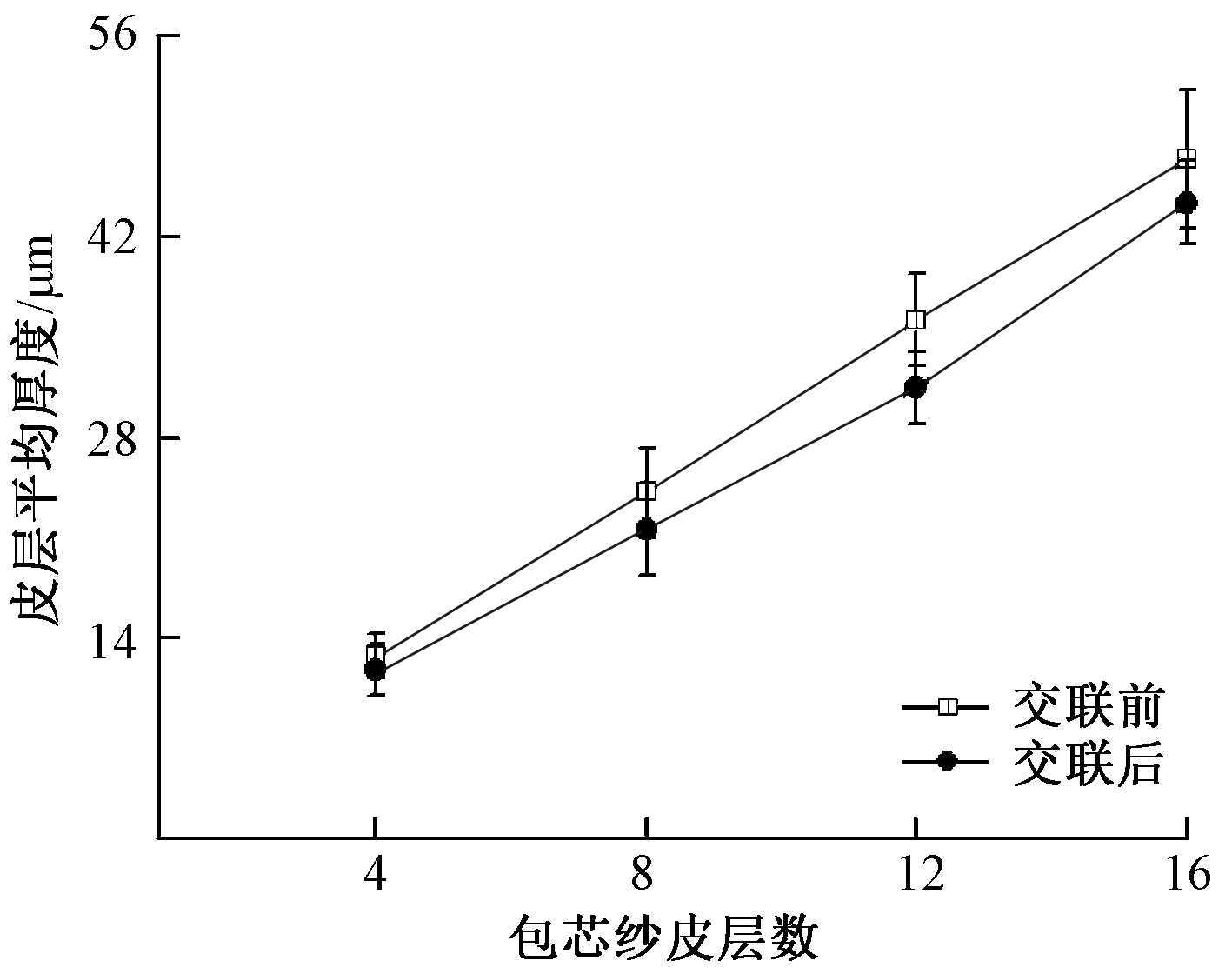
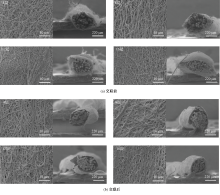
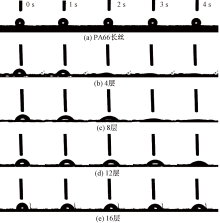
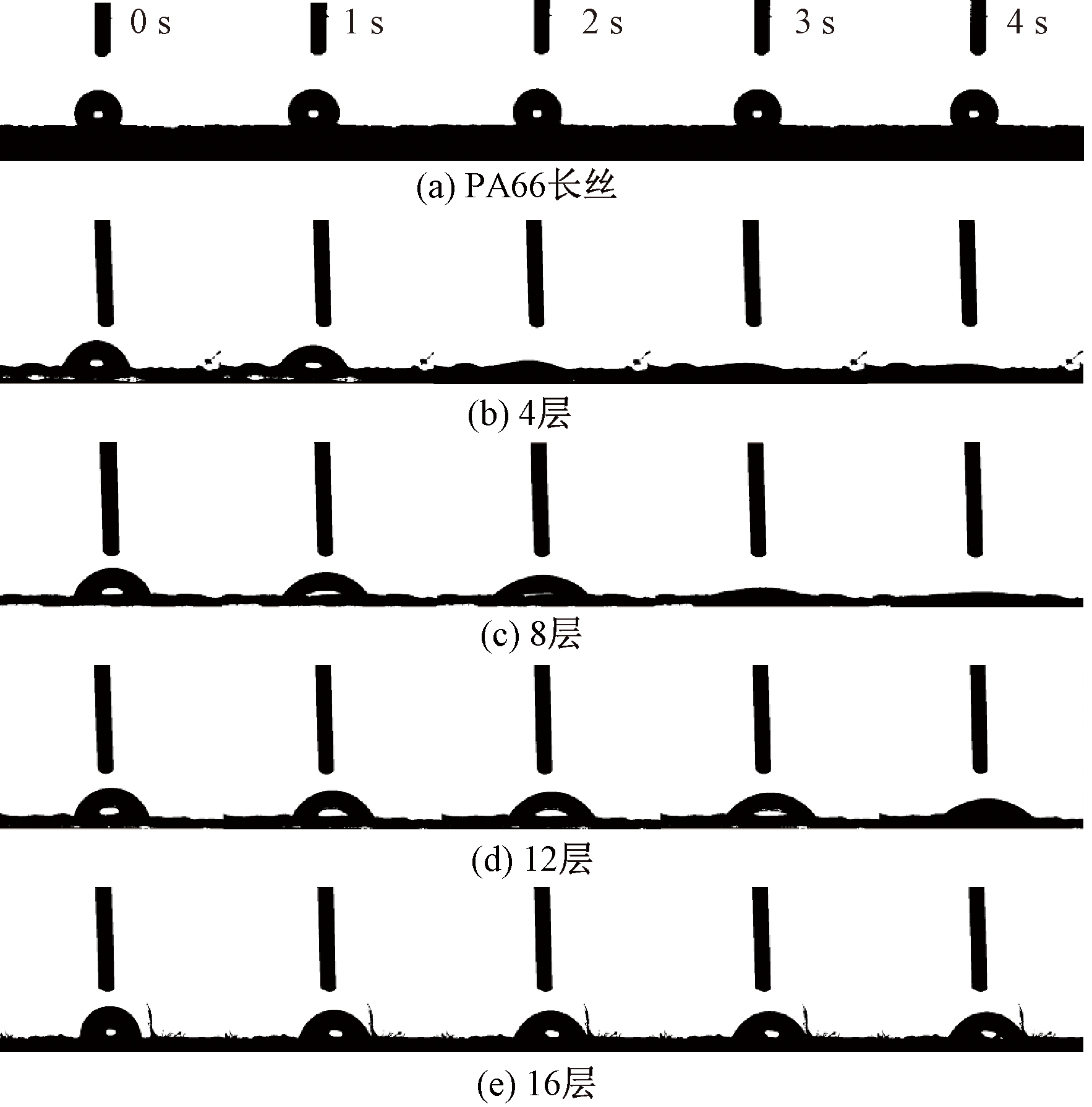
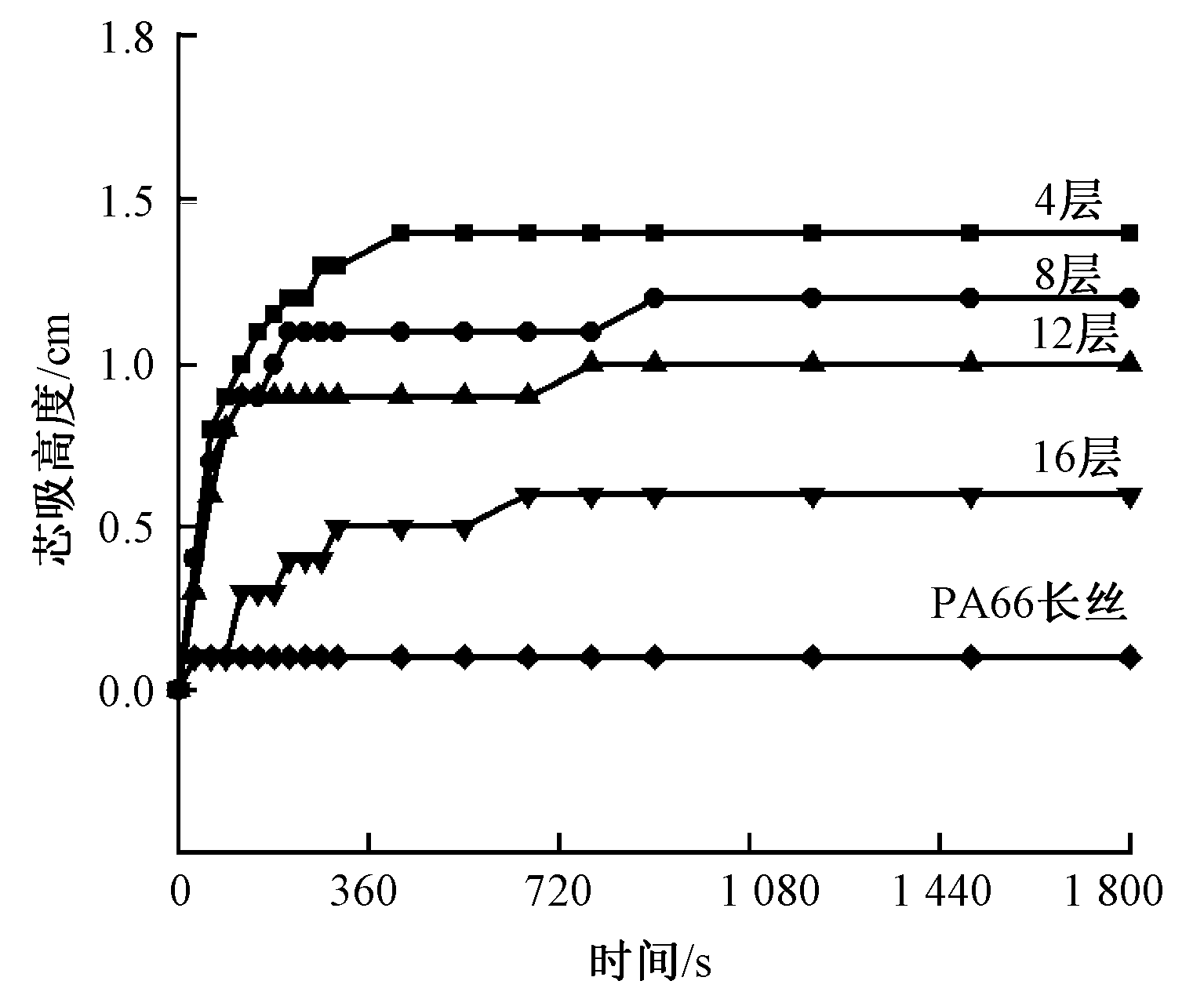
摘要: 锦纶66(PA66)长丝由于吸湿性较差,在织造过程中易产生静电且所得织物易积聚汗液、滋生细菌,严重限制了其应用范围。为改善PA66长丝的吸湿性,采用纳米包芯纱技术,以PA66长丝为芯纱,静电纺聚乙烯醇(PVA)/海藻酸钠(SA)纳米纤维为皮层,制备出皮层数分别为4、8、12和16的PVA/SA/PA66纳米包芯纱,然后使用质量分数为3.6%的CaCl2饱和硼酸溶液对其进行交联,得到PVA/SA/PA66复合水凝胶包芯纱,并对其结构和吸湿性能进行测试与表征。结果表明:包芯纱具有明显的皮芯结构,皮层厚度随皮层数增加呈正比例增长;不同皮层数复合水凝胶包芯纱的液滴渗透速率和芯吸高度从大到小排序依次为4层、8层、12层、16层;在温度25 ℃、90%相对湿度条件下,不同皮层复合凝胶包芯纱的平衡吸湿量从大到小排序依次为12层、8层、4层、16层,其中12层的平衡吸湿量为0.29 g/g,是纯PA66长丝的4倍。
中图分类号:
| [1] | 曾成, 赵红艳, 孙亚鑫, 等. 我国锦纶66产业发展现状及展望[J]. 高科技纤维与应用, 2022, 47(6): 9-16. |
| ZENG Cheng, ZHAO Hongyan, SUN Yaxin, et al. Development status and prospect of nylon 66 industry in China[J]. High-tech Fiber and Application, 2022, 47(6): 9-16. | |
| [2] | ZHANG Chentian, GUO Hanyu, LI Chunmei, et al. Atmospheric water extraction: a review from materials to devices[J]. Journal of Materials Chemistry A, 2023, 11(41): 22041-22057. |
| [3] | GUO Hanyu, LUO Qingliang, LIU Dong, et al. Super moisture-sorbent sponge for sustainable atmospheric water harvesting and power gene-ration[J]. Advanced Materials, 2024. DOI:10.1002/adma.202414285. |
| [4] | 钱洋, 张璐, 李晨阳, 等. 静电纺海藻酸钠复合纳米纤维膜制备及其性能[J]. 纺织学报, 2024, 45(8): 18-25. |
| QIAN Yang, ZHANG Lu, LI Chenyang, et al. Preparation and performance of electrospun sodium alginate composite nanofiber membranes[J]. Journal of Textile Research, 2024, 45(8): 18-25. | |
| [5] | 王春红, 李明, 龙碧旋, 等. 聚乙烯醇/海藻酸钠/黄连素医用敷料制备及其性能[J]. 纺织学报, 2021, 42(5): 16-22. |
| WANG Chunhong, LI Ming, LONG Bixuan, et al. Preparation and performance of polyvinyl alcohol/so-dium alginate/berberine medical dressing[J]. Journal of Textile Research, 2021, 42(5): 16-22. | |
| [6] | ZHANG Xueping, WANG Fei, GUO Hanyu, et al. Advanced cooling textiles: mechanisms, applications, and perspectives[J]. Advanced Science, 2024. DOI: 10.1002/advs.202305228. |
| [7] | 杨青峰, 史然, 邢宏龙. 聚乙烯醇/海藻酸钠复合水凝胶的制备及吸附性能研究[J]. 安徽化工, 2022, 48(6): 39-43. |
| YANG qingfeng, SHI Ran, XING Honglong. Preparation and adsorption performance of polyvinyl alcohol/sodium alginate composite hydrogels[J]. Anhui Chemical Industry, 2022, 48(6): 39-43. | |
| [8] | 王悦, 徐国平, 仇巧华, 等. 聚乙烯醇/海藻酸钠载药复合水凝胶的制备及其抗菌性能[J]. 现代纺织技术, 2023, 31(3): 145-154. |
| WANG Yue, XU Guoping, QIU Qiaohua, et al. Preparation of polyvinyl alcohol/sodium alginate drug-loaded composite hydrogel and its antibacterial properties[J]. Advanced Textile Technology, 2023, 31(3): 145-154. | |
| [9] | 刘玉. PLA/PVA/SA复合纱线的机织支架构建[D]. 杭州: 浙江理工大学, 2020: 1-30. |
| LIU Yu. Construction of woven support for PLA/PVA/SA composite yarns[D]. Hangzhou: Zhejiang Sci-Tech University, 2020: 1-30. | |
| [10] | 张松楠, 任志涛, 侯世鹏, 等. 水凝胶复合织物的研究进展[J]. 纺织高校基础科学学报, 2024, 37(2): 50-61, 71. |
| ZHANG Songnan, REN Zhitao, HOU Shipeng, et al. Research and progress in hydrogel-fabric composite[J]. Basic Sciences Journal of Textile Universities, 2024, 37(2): 50-61, 71. | |
| [11] | 杨宇晨, 覃小红, 俞建勇. 静电纺纳米纤维功能性纱线的研究进展[J]. 纺织学报, 2021, 42(1): 1-9. |
| YANG Yuchen, QIN Xiaohong, YU Jianyong. Research progress of transforming electrospun nanofibers into functional yarns[J]. Journal of Textile Research, 2021, 42(1): 1-9. | |
| [12] | 孟亚飞. 聚氨酯静电纺亚微米纤维包芯纱的制备及抗菌功能研究[D]. 上海: 东华大学, 2022: 1-30. |
| MENG Yafei. Preparation and antibacterial function of polyurethane electrostatic spinning submicron fiber core-spun yarn[D]. Shanghai: Donghua University, 2022: 1-30. | |
| [13] | 彭蕙, 毛宁, 覃小红. 不同亲疏水性微纳米纤维/棉纤维包芯纱织物的导湿性能[J]. 东华大学学报(自然科学版), 2020, 46(5): 694-702. |
| PENG Hui, MAO Ning, QIN Xiaohong. Moisture conductivity of different hydrophilic submicron fiber/cotton fiber core-spun yarn fabrics[J]. Journal of Donghua University (Natural Science), 2020, 46(5): 694-702. | |
| [14] | 叶娇, 毛宁, 张弘楠, 等. 静电纺PAN亚微米纤维/棉纤维复合纱线及其织物导湿性能[J]. 东华大学学报(自然科学版), 2019, 45(3): 333-338, 357. |
| YE Jiao, MAO Ning, ZHANG Hongnan, et al. Electrospinning PAN sub-micron fiber/cotton fiber composite yarn and its fabrics' moisture transfer ability[J]. Journal of Donghua University(Natural Science), 2019, 45(3):333-338, 357. | |
| [15] | 李亮, 王慧萍, 刘让同, 等. 一种多尺度互联吸湿排汗包芯纱及其制备方法: 202311250006.X[P]. 2023-12-26. |
| LI Liang, WANG Huiping, LIU Rangtong, et al. A multi-scale interconnected hygroabsorbent and perspir-ation core-coated yarn and its preparation method: 202311250006.X[P]. 2023-12-26. | |
| [16] | YANG Jiachen, ZHANG Xueping, JUSTIN Koh J, et al. Reversible hydration composite films for evaporative perspiration control and heat stress management[J]. Small, 2022. DOI:10.1002/smll.202107636. |
| [17] | ZHANG Xueping, QU Hao, LI Xiangyu, et al. Auto-nomous atmospheric water harvesting over a wide RH range enabled by super hygroscopic composite aer-ogels[J]. Advanced Materials, 2024. DOI: 10.1002/adma.202310219. |
| [1] | 王春翔, 李姣, 解开放, 薛宏坤, 徐广标. 天麻多糖/聚乙烯醇静电纺抗菌保鲜膜的制备与性能[J]. 纺织学报, 2025, 46(06): 73-79. |
| [2] | 张嘉诚, 于影, 左雨欣, 顾志清, 汤腾飞, 陈洪立, 吕勇. 聚丙烯腈/二硫化钼纤维薄膜的挠曲电效应与扭转传感特性[J]. 纺织学报, 2025, 46(06): 80-87. |
| [3] | 邱月, 杨询, 李昊, 李海东, 吴国忠, 张彩丹. 聚琥珀酰亚胺纳米纤维膜改性及其染料吸附性能[J]. 纺织学报, 2025, 46(06): 88-95. |
| [4] | 时晓聪, 陈莉, 杜迅. 茜素-聚乳酸/胶原蛋白纳米纤维膜的制备及其氨气检测性能[J]. 纺织学报, 2025, 46(05): 143-150. |
| [5] | 闫静, 王亚倩, 刘晶晶, 李好义, 杨卫民, 康卫民, 庄旭品, 程博闻. 熔融静电纺长丝纱的制备及其在摩擦纳米发电机中的应用[J]. 纺织学报, 2025, 46(05): 23-29. |
| [6] | 陆宁, 陈碧泠, 宋功吉, 罗忆心, 王建南, 许建梅. 纳米纤维在人工神经导管中的应用与研究进展[J]. 纺织学报, 2025, 46(03): 236-244. |
| [7] | 张惠琴, 吴改红, 刘霞, 刘淑强, 赵恒, 刘涛. 生物可降解聚乳酸防护口罩的开发及性能评估[J]. 纺织学报, 2025, 46(03): 116-122. |
| [8] | 赵超, 金欣, 王闻宇, 朱正涛. 自充电超级电容器用聚丙烯腈纳米纤维隔膜的制备及其性能[J]. 纺织学报, 2025, 46(02): 20-25. |
| [9] | 詹克静, 杨鑫, 张应龙, 张昕, 潘志娟. 自凝聚丝素蛋白微纳米纤维膜的制备及其力学增强[J]. 纺织学报, 2025, 46(02): 10-19. |
| [10] | 范梦晶, 岳欣琰, 邵剑波, 陈雨, 洪剑寒, 韩潇. 基于静电纺纤维包芯纱的电容式扭转传感器构建及其传感性能[J]. 纺织学报, 2025, 46(02): 106-112. |
| [11] | 梁雯宇, 季东晓, 覃小红. 微纳米纤维包芯纱制备及其电致发光性能[J]. 纺织学报, 2025, 46(01): 42-51. |
| [12] | 朱雪, 钱鑫, 郝梦圆, 张永刚. MXene/碳纳米纤维膜的静电纺丝-电泳沉积复合工艺制备及其电磁屏蔽性能[J]. 纺织学报, 2025, 46(01): 1-8. |
| [13] | 王雅文, 刘娜, 王元非, 吴桐. 静电纺纳米纤维纱线及其对细胞迁移和血管化的调控[J]. 纺织学报, 2024, 45(12): 25-32. |
| [14] | 卢海龙, 于影, 左雨欣, 王浩然, 陈洪立, 汝欣. 取向增强抗CO2腐蚀纤维薄膜的制备及其性能[J]. 纺织学报, 2024, 45(12): 33-40. |
| [15] | 雷福旺, 冯其, 侯奥菡, 赵振鸿, 谭佳兆, 赵景, 王先锋. 聚偏氟乙烯-聚丙烯腈/SiO2单向导湿纤维膜的制备及其性能[J]. 纺织学报, 2024, 45(12): 1-8. |
|
||
 京公网安备11010502044800号