纺织学报 ›› 2025, Vol. 46 ›› Issue (06): 111-119.doi: 10.13475/j.fzxb.20241001201

• 纺织工程 • 上一篇    下一篇

全成形防护头罩的工艺模型和实现

洪楚玲, 丛洪莲, 赵克政, 刘博, 贺海军   

  1. 江南大学 针织技术教育部工程研究中心, 江苏 无锡 214122
  • 收稿日期:2024-10-10 修回日期:2025-02-19 出版日期:2025-06-15 发布日期:2025-07-02
  • 通讯作者: 丛洪莲(1976—),女,教授,博士。主要研究方向为针织工艺技术。E-mail:cong-wkrc@163.com。
  • 作者简介:洪楚玲(2002—),女,硕士生。主要研究方向为全成形产品设计。
  • 基金资助:
    中央高校基本科研业务费专项资金资助项目(JUSRP123005);江苏省自然科学基金青年基金项目(BK20231056)

Process model and realization of fully formed protective head mask

HONG Chuling, CONG Honglian, ZHAO Kezheng, LIU Bo, HE Haijun   

  1. Engineering Research Center for Knitting Technology, Ministry of Education, Jiangnan University, Wuxi, Jiangsu 214122, China
  • Received:2024-10-10 Revised:2025-02-19 Published:2025-06-15 Online:2025-07-02

摘要: 针对现有防护头罩因需剪裁和缝合织造而存在穿戴不适以及防护功能欠佳的问题,提出采用四针床全成形技术实现头罩一体成形的工艺。在建立人体头颈部数据模型的基础上,首先系统分析了全成形防护头罩4个区域的具体成形工艺并构建了相应的模型。进一步地,以超高分子量聚乙烯为原料在四针床全成形电脑横机上实现头罩的编织成形,同时对头罩的防护功能及实用性进行了测定。结果表明:降落伞式帽顶通过控制各收针点连接的曲线与抛物线无限接近使得编织圆润立体;透气夹层口罩轮廓利用局部编织完成,夹层利用针床单独编织及纱嘴规律运行编织完成;颈颚省道通过3个步骤编织确保颈鄂部位的三维贴合精度;利用超高分子量聚乙烯纱编织的头罩,在保持舒适性和实用性的同时,提升了防护功能性。

关键词: 全成形, 防护头罩, 局部编织, 超高分子量聚乙烯, 降落伞式编织, 针织工艺

Abstract:

Objective This study aims to address critical issues in existing protective head masks, such as weak seam protection, poor fit, and discomfort caused by cutting and stitching processes. By proposing a seamlessly integrated manufacturing process utilizing four-needle bed fully-forming technology, seams are eliminated through three-dimensional integral knitting and optimize functional zoning. Targeting industrial manufacturing, outdoor extreme sports, and other scenarios requiring EN 388 Level 3-4 protection standards, a three-dimensional personalized parametric model is established of the head and neck of Asian adult males. Through the synergistic design of ultra-high molecular weight polyethylene (UHMWPE) materials and structural engineering, protective performance is enhanced while improving wear comfort, addressing the urgent demand for high-quality, advanced materials, eco-friendly processes, and personalized protective equipment.

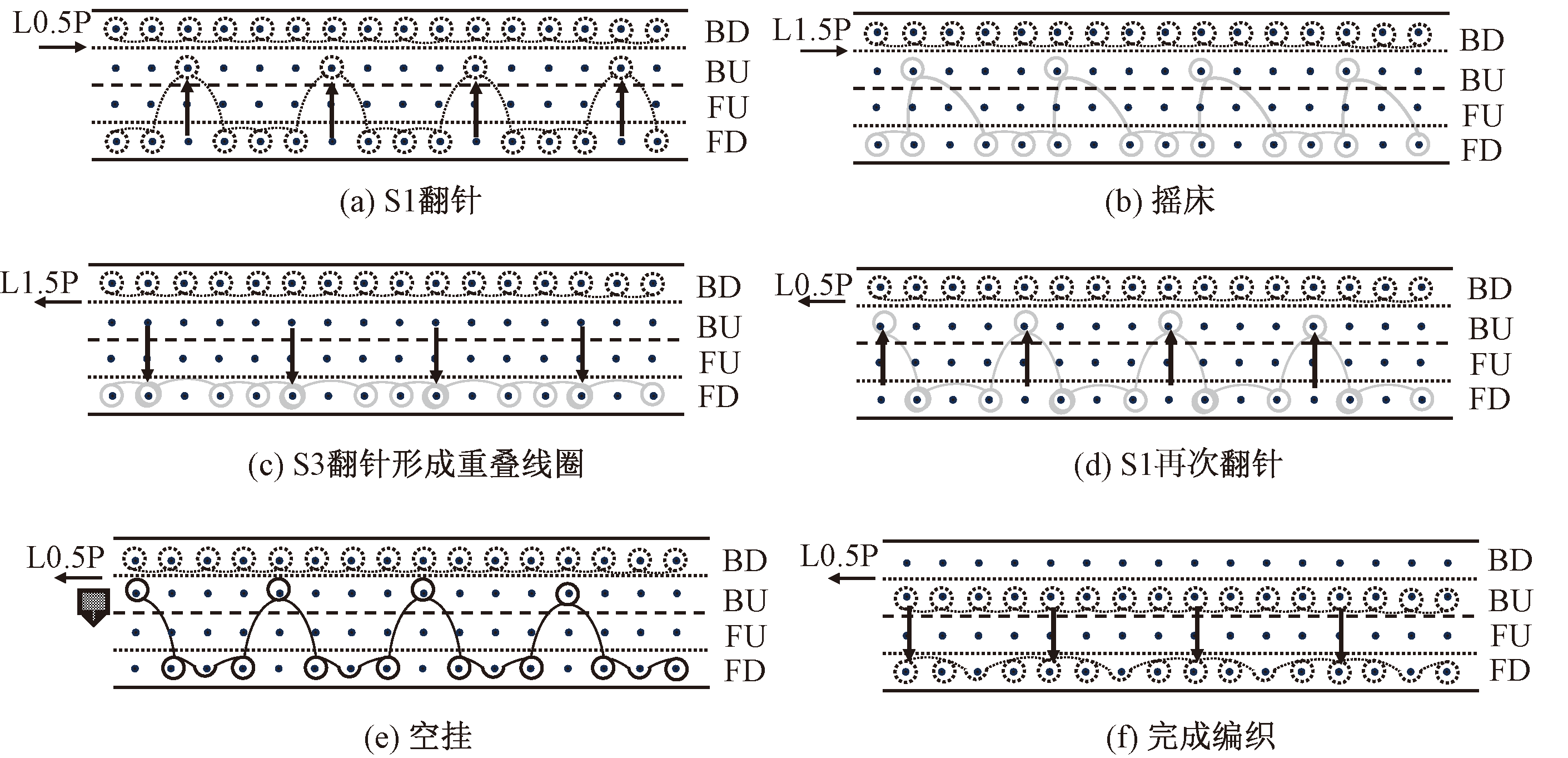
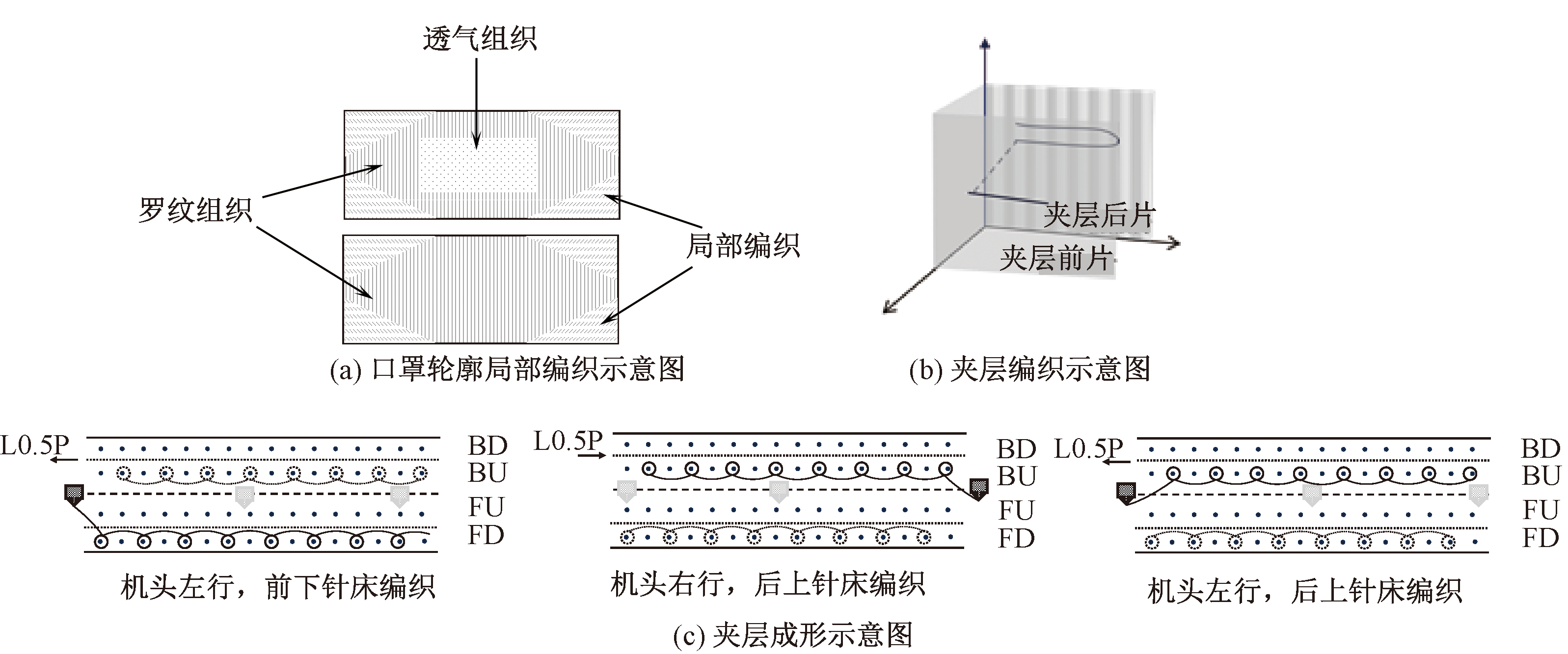
Method Based on GB/T 2428—2024 "Adult Head and Face Dimensions" and GB/T 23461—2009 "Adult Male Head 3D Dimensions", a parametric model of the human head and neck was constructed, and the four regions of the fully formed protective head mask were optimized and analyzed, which are the head fit forming region, eye opening forming region, breathable sandwich mask region, and neck and jaw dart forming region. The head fitting area was created by adopting a parabolic curve needle closing algorithm to obtain three-dimensional wrapping through gradient density control, and the eye opening area was achieved by combining C-shaped rib knitting and dynamic control of the yarn-feeder to form a smooth skeleton structure. The breathable mask area was constructed with a breathable sandwich through partial knitting technology, and the neck and jaw dart area were formed by adopting a three-step molding to ensure the precision of curved surface fitting. Shima Seiki MACH2X153 four-needle-bed computerized flatbed knitting machine with machine number E15 was used. In order to knit smoothly on the four-needle-bed computerized flatbed knitting machine and to make the fabric more elastic, two additional polyamide ammonia-covered yarns with specifications of 5.56 tex/2.22 tex were added in addition to 66.67 tex UHMWPE yarn for knitting to achieve the one-piece forming of the head mask. In order to evaluate the feasibility of UHMWPE in the knitting of the fully formed head mask and to verify the actual protective effect, as well as to ensure the practicality of the head mask, the cut resistance, tensile recovery and air permeability of the head mask were tested according to the standards of N 388:2016+A1:2018, FZ/T 70006—2004 and GB/T 5453—1997.

Results The study demonstrated significant enhancements in the three-dimensional fit and functional performance of the head mask. In the head-fitting zone, precise control of narrowing points along a parabolic trajectory combined with a gradient narrowing process applied at longitudinal intervals was applied to successful replication of a rounded, parachute-like structure that conforms to the natural curvature of the human head. C-shaped rib knitting technology was utilized to form the eye-opening zone, with No.6 yarn feeder reciprocating across both sides of the opening to create smooth-edged openwork structures, with the width and curvature precisely matching the lateral canthus spacing and the oblique nasal-to-canthal distance. The breathable mask section was contoured through a partial knitting process that pauses on both sides while focusing on the central structure, combined with the independent operation of the needle bed and the regular movement of the yarn nozzle to complete the composite layer, thereby enhancing breathability and application potential. The neck and jaw dart were ensured through a three-step knitting process to achieve a precise three-dimensional fit in the neck and jaw area. Moreover, the introduction of UHMWPE brought the cut resistance index of the head mask to 0.99, further validating the feasibility of this material in the full-form knitting process. Test data show that the horizontal stretch recovery rate of the neck and jaw area reaches 54.27%, meeting the deformation recovery requirements during dynamic wearing. The breathability of the mask area reaches 827.9 mm/s, far exceeding the basic human respiratory requirement of 250 mm/s. These results confirm that the fully formed head mask has achieved the expected goals in terms of protective performance and practicality of wearing.

Conclusion Combining the excellent protective performance of UHMWPE and the excellent full-forming process of four-knit and four-needle bed full-forming technology, the protective head mask is realized in one piece, which significantly improves the comfort and protective performance of the head mask. The fabricated fully formed protective head masks have good cut-resistant performance, appropriate tensile recovery, and breathability to meet human respiratory needs. The application of four-needle bed full-forming technology not only solves the cutting and sewing problems of traditional head masks but also provides a new idea for the design and production of protective head masks, and the selection of raw materials in this study also provides a reference for exploring the knitting forms of UHMWPE-based protective textiles. In the future, the knitting process can be further optimized to expand its application in special protective fields.

Key words: fully formed, protective head mask, partial knitting, ultra-high molecular weight polyethylene yarn, parachute-style knitting, knitting technology

中图分类号: 

  • TS184.5

图1

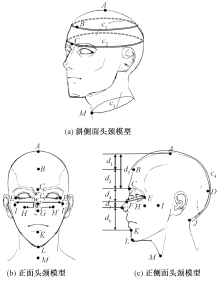
头颈部特征点及特征参数 A—头顶点;B—发缘点;C—眉间点;D—枕后点;E—眼角外侧点;F—鼻中点;G—鼻尖点;H—脸颊点;I—颧骨点;J—后颈窝点;K—颏上点;L—颏下点;M—前颈窝点。"

表1

头颈部特征参数符号及定义"

特征参数 符号 定义
两眼外宽 w1 眼角外侧点EE'间距
面宽 w2 颧骨点II'间距
脸颊宽 w3 脸颊点HH'间距
半帽顶高1 d1 头顶点A至发缘点B垂直距离
半帽顶高2 d2 发缘点B至眉间点C垂直距离
帽顶高 d3 头顶点A至眉间点C垂直距离
眼部开口高 d4 眉间点C至鼻中点F垂直距离
半鼻高 d5 鼻中点F至鼻尖点G垂直距离
口罩高 d6 鼻尖点G至颏上点K垂直距离
头中围 c1 过发缘点B的围度
头围 c2 过眉间点C的围度
颈围 c3 过前颈窝点M的围度
上帽围 c4 BAD到点J的围度
开口斜度 S1 眼角外侧点E至鼻中点F斜线距离

图2

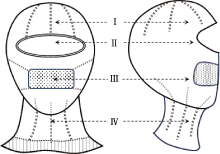
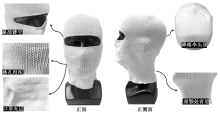
全成形防护头罩结构示意图"

图3

颈颚处省道成形工艺"

图4

挑孔组织编织示意图"

图5

夹层口罩成形示意图"

图6

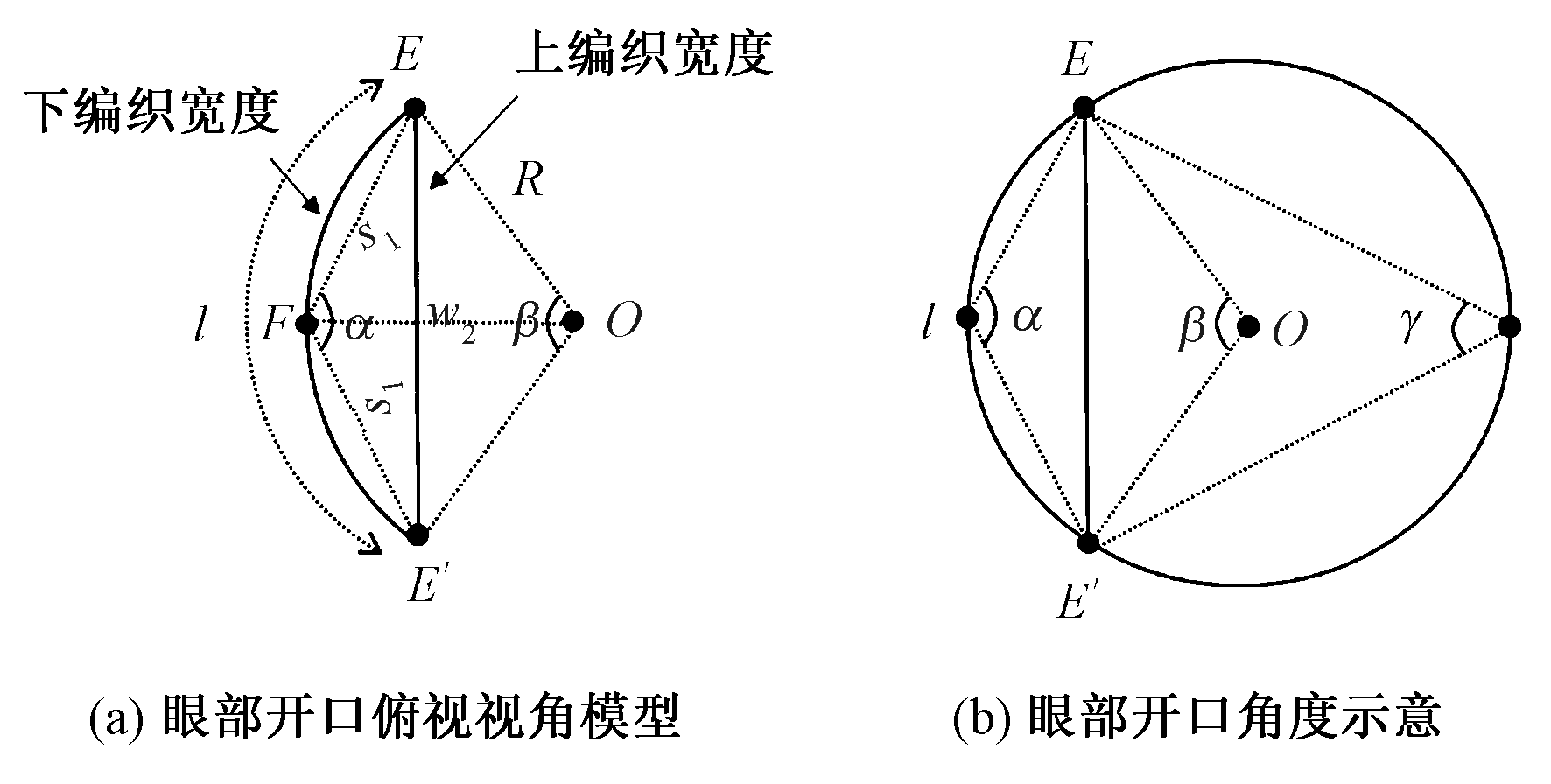
眼部开口俯视视角模型"

图7

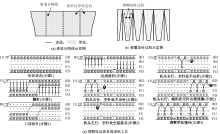
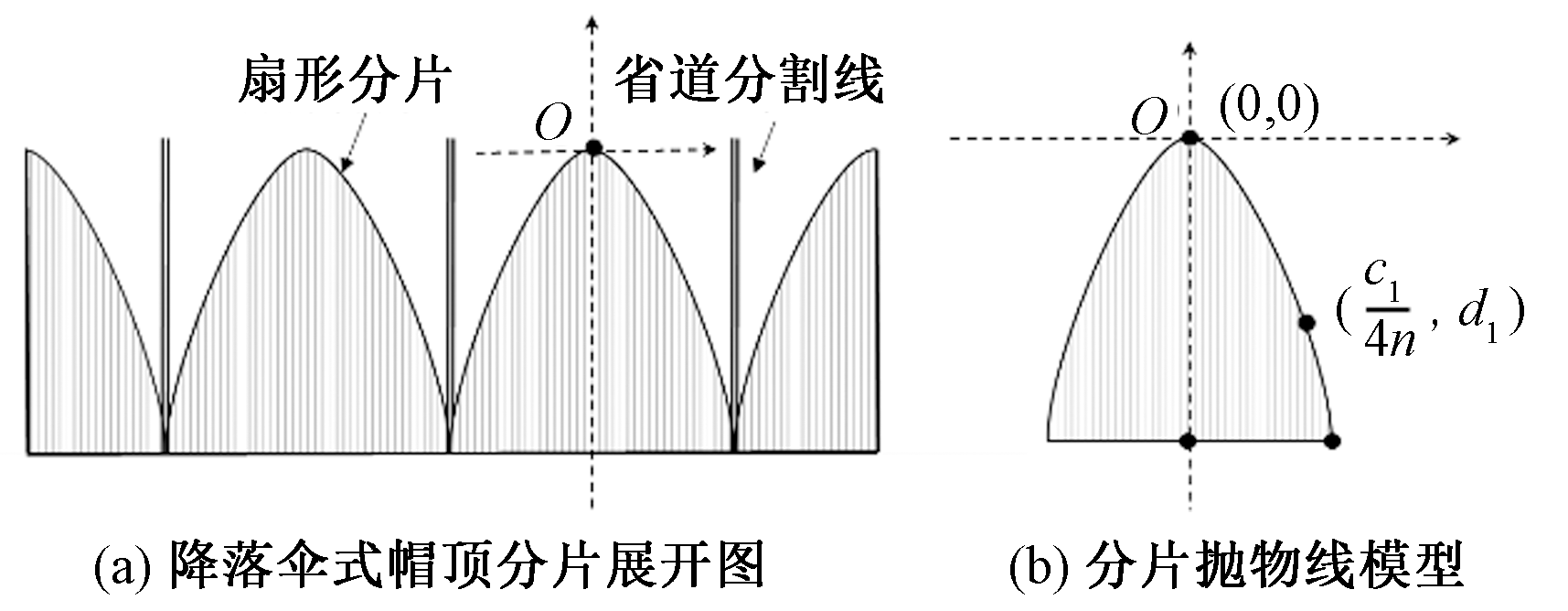
降落伞式帽顶分片示意图"

表2

各组织成品密度"

组织 横密/
(纵行·(5 cm)-1)
纵密/
(横列·(5 cm)-1)
下摆1+1罗纹组织 23 56
大身1+1罗纹组织 27.5 50
透气组织 24 47

表3

各部位尺寸及针(转)数"

部位 方向 尺寸/cm 针(转)数
颈部 横向 18 83
纵向 8.5 47.5
颈颚放针结束处
(大身)
纵向 22.5 104
口罩处 横向 8 39
纵向 5 24
局编 横向 6.4 35
纵向 1.6 8
眼部开口处 横向 9 49
纵向 1.2 6
帽顶起始宽 横向 22.5 104
帽顶高 纵向 5.7 28.5
隔横列收针数据 纵向 0.7、0.6、0.5、0.5、
0.5、0.3、0.3、0.3、
0.3、0.3、0.3、0.3、
0.2、0.2
3.5、3、2.5、
2.5、2.5、1.5、
1.5、1.5、1.5、
1.5、1.5、1.5、
1、1

图8

全成形防护头罩成品示意图"

表4

全成形头罩防护功能及实用性测试结果"

厚度/
mm
面密度/
(g·cm-2)
拉伸断裂强力/N 最高撕裂
强力/N
耐磨性能/
转数
耐切割
指数
颈颚处横向弹
性回复率/%
透气率/
(mm·s-1)
纵向 横向
1.97 539 389.26 164.35 706.81 1 560 10 54.27 827.9
[1] 陈秀玲, 宋晓霞. 针织结构在安全防护纺织品中的研究[J]. 针织工业, 2024 (10): 1-6.
CHEN Xiuling, SONG Xiaoxia. Research progress of knitted structures in safety protection textiles[J]. Knitting Industries, 2024(10): 1-6.
[2] 蒋高明, 刘海桑, 夏风林, 等. 纺织科技发展前沿[J]. 服装学报, 2024, 9(1): 1-10.
JIANG Gaoming, LIU Haisang, XIA Fenglin, et al. Textile science and technology development frontier[J]. Journal of Clothing Research, 2024, 9(1): 1-10.
[3] 牛方. 安全防护纺织品:应时代之召,顺行业之势[J]. 中国纺织, 2023(Z3): 65-67.
NIU Fang. Safety protection textiles: responding to the call of the times, shunning the trend of the industry[J]. China Textile, 2023(Z3): 65-67.
[4] 杨豆豆, 孟家光, 魏冬, 等. 超高相对分子质量聚乙烯纤维防割手套编织研究[J]. 合成纤维工业, 2019, 42(3): 49-52.
YANG Doudou, MENG Jiaguang, WEI Dong, et al. Study on knitting technology for anti-cutting gloves of ultra-high relative molecular mass polyethylene fiber[J]. China Synthetic Fiber Industry, 2019, 42(3): 49-52.
[5] 徐晨光, 孟家光, 魏冬, 等. 超高分子量聚乙烯纤维防割手套的性能综合分析[J]. 纺织科学与工程学报, 2019, 36(3): 24-27.
XU Chenguang, MENG Jiaguang, WEI Dong, et al. Performance comprehensive analysis of ultra high molecular weight polyethylene fiber cut-resistant gloves[J]. Journal of Textile Science and Engineering, 2019, 36(3): 24-27.
[6] WAN X, DONG Z, CONG H. Model design and jacquard stitches' heat-moisture performance of warp-knitted fully formed head mask[J]. Journal of The Textile Institute, 2023, 114(11): 1658-1666.
[7] 吴志明, 张丽荣. 全成形提花组织针织帽的设计开发[J]. 针织工业, 2020(9): 5-8.
WU Zhiming, ZHANG Lirong. Design and knitting process of fully formed jacquard knitted hat[J]. Knitting Industries, 2020(9): 5-8.
[8] 李春晓, 宋晓霞. 电脑横机全成形技术发展及创新优化[J]. 针织工业, 2020(12): 14-18.
LI Chunxiao, SONG Xiaoxia. Development and innovation optimization of the fully-fashioned technology on computerized flat knitting machine[J]. Knitting Industries, 2020(12): 14-18.
[9] 詹必钦, 丛洪莲, 吴光军. 基于全成形技术的针织服装款式结构与实现[J]. 服装学报, 2020, 5(5): 405-410.
ZHAN Biqin, CONG Honglian, WU Guangjun. Structure and realization of knitted garment based on whole garment technology[J]. Journal of Clothing Research, 2020, 5(5): 405-410.
[10] 蒋高明, 周濛濛, 郑宝平, 等. 绿色低碳针织技术研究进展[J]. 纺织学报, 2022, 43(1): 67-73.
JIANG Gaoming, ZHOU Mengmeng, ZHENG Baoping, et al. Research progress of green and low-carbon knitting technology[J]. Journal of Textile Research, 2022, 43(1): 67-73.
[11] 罗璇, 彭佳佳, 蒋高明, 等. 全成形毛衫样板设计及成形方法[J]. 纺织学报, 2018, 39(7): 105-110.
LUO Xuan, PENG Jiajia, JIANG Gaoming, et al. Design and knitting shaping method of fully-fashioned knitwear[J]. Journal of Textile Research, 2018, 39(7): 105-110.
[12] 王盼, 吴志明. 全成形毛衫局部编织原理及其应用[J]. 纺织学报, 2019, 40(5): 41-46.
WANG Pan, WU Zhiming. Principle and application of partial knitting on fully formed sweater[J]. Journal of Textile Research, 2019, 40(5): 41-46.
[13] 李珂, 吴志明. 全成形毛衫C形编织工艺与应用[J]. 上海纺织科技, 2018, 46(4): 12-16.
LI Ke, WU Zhiming. Knitting process and application of whole garment sweater of C-knitting[J]. Shanghai Textile Science & Technology, 2018, 46(4): 12-16.
[14] 邱庄岩, 吴志明, 蒋高明. 全成形毛衫肩袖成形工艺[J]. 纺织学报, 2018, 39(3): 56-60.
QIU Zhuangyan, WU Zhiming, JIANG Gaoming. Forming process of shoulder and sleeves of whole garment[J]. Journal of Textile Research, 2018, 39(3): 56-60.
[15] 邹亚男, 夏风林, 董智佳, 等. 经编全成形脖套的结构设计与工艺实现[J]. 纺织学报, 2021, 42(12): 76-80.
doi: 10.13475/j.fzxb.20210306705
ZOU Ya'nan, XIA Fenglin, DONG Zhijia, et al. Structural design and implementation of warp-knitted fully-formed neck sleeves[J]. Journal of Textile Research, 2021, 42(12): 76-80.
doi: 10.13475/j.fzxb.20210306705
[16] 叶卓然, 罗靓, 潘海燕, 等. 超高分子量聚乙烯纤维及其复合材料的研究现状与分析[J]. 复合材料学报, 2022, 39(9): 4286-4309.
YE Zhuoran, LUO Liang, PAN Haiyan, et al. Research status and analysis of ultra-high molecular weightpolyethylene fiber and its composites[J]. Acta Materiae Compositae Sinica, 2022, 39(9): 4286-4309.
[17] 李玉贤, 丛洪莲, 吴光军. 针织立体构型产品的全成形工艺设计[J]. 纺织学报, 2023, 44(5): 132-138.
LI Yuxian, CONG Honglian, WU Guangjun. Full forming process design for three-dimensional knitted products[J]. Journal of Textile Research, 2023, 44(5): 132-138.
[18] 梁鑫花, 丛洪莲, 吴光军. 全成形运动休闲外套的工艺设计与实现[J]. 毛纺科技, 2023, 51(1): 64-69.
LIANG Xinhua, CONG Honglian, WU Guangjun. Process design and implementation of fully formed sports casual jacket[J]. Wool Textile Journal, 2023, 51(1): 64-69.
[19] 冯英杰, 蒋高明, 吴光军, 等. 全成形运动护膝结构设计及成形方法[J]. 纺织学报, 2023, 44(1): 112-118.
FENG Yingjie, JIANG Gaoming, WU Guangjun, et al. Structural design and forming method for one-piece sports knee pads[J]. Journal of Textile Research, 2023, 44(1): 112-118.
[20] 姚远. 弹性针织面料性能与服装压力的研究[D]. 上海: 东华大学, 2010: 72.
YAO Yuan. Study on the properties of the elastic knitted fabric and the clothing pressure[D]. Shanghai: Donghua University, 2010: 72.
[21] 徐立双, 王利君, 孙晓楠. 聚乙烯防切割手套用针织物设计与性能评价[J]. 丝绸, 2021, 58(12): 17-22.
XU Lishuang, WANG Lijun, SUN Xiaonan. Design of polyethylene knitted fabric for cut-resistant gloves and performance evaluation[J]. Journal of Silk, 2021, 58(12): 17-22.
[1] 丛洪莲, 方蕾妹, 姜菲, 李慧建, 俞旭良. 基于功能分区的横编防护外套模块化设计[J]. 纺织学报, 2025, 46(05): 227-235.
[2] 顾文敏, 蒋高明, 刘海桑, 李炳贤. 基于网格模型的全成形裙装三维仿真[J]. 纺织学报, 2025, 46(05): 214-221.
[3] 沙莎, 戴佳丽, 褚国伟, 付康怡, 刘雅婷, 邓中民. 全成形康复训练裤的结构设计与实现[J]. 纺织学报, 2025, 46(04): 171-178.
[4] 王菁, 董智佳, 郑飞, 黄守东, 彭会涛, 吴光军, 马丕波. 横编全成形鞋体的结构设计与工艺实现[J]. 纺织学报, 2025, 46(04): 89-95.
[5] 罗璇, 周奕, 李端, 刘博. 基于头部特征区域的全成形防护帽的结构建模与工艺实现[J]. 纺织学报, 2025, 46(02): 244-250.
[6] 巫晓雯, 方蕾妹, 江昆, 丛洪莲. 基于热湿舒适性的横编全成形运动内衣的分区设计[J]. 纺织学报, 2024, 45(12): 172-179.
[7] 赵雅杰, 丛洪莲, 孙江龙. 针织软凉席面料设计与性能评价[J]. 纺织学报, 2024, 45(11): 99-105.
[8] 杨雨琪, 高兴忠, 高世萱, 陈宏, 刘涛. 三维超高分子量聚乙烯纤维/苎麻混杂轮胎防滑织物的设计与制备[J]. 纺织学报, 2024, 45(10): 72-79.
[9] 方春月, 刘紫璇, 贾立霞, 阎若思. 双等离子体改性超高分子量聚乙烯复合材料的弹道响应[J]. 纺织学报, 2024, 45(02): 77-84.
[10] 董智佳, 郭燕雨秋, 刘海桑, 姚思宏. 经编全成形镂空紧身衣的结构设计与实现[J]. 纺织学报, 2023, 44(12): 130-137.
[11] 张杏, 叶伟, 龙啸云, 曹海建, 孙启龙, 马岩, 王征. 超高分子量聚乙烯纤维织物/热塑性聚氨酯复合材料的界面黏结性能[J]. 纺织学报, 2023, 44(08): 143-150.
[12] 孙园园, 张琦, 张燕婷, 左露娇, 丁宁宇. 三维通孔结构三色三贾卡提花间隔鞋材的研发[J]. 纺织学报, 2023, 44(07): 110-115.
[13] 陈露, 吴孟锦, 贾立霞, 阎若思. 氧等离子体改性超高分子量聚乙烯纤维复合材料层间损伤声发射特征分析[J]. 纺织学报, 2023, 44(07): 116-125.
[14] 夏良君, 曹根阳, 刘欣, 徐卫林. 高性能纤维及其制品颜色构建的研究进展[J]. 纺织学报, 2023, 44(06): 1-9.
[15] 李玉贤, 丛洪莲, 吴光军. 针织立体构型产品的全成形工艺设计[J]. 纺织学报, 2023, 44(05): 132-138.
Viewed
Full text


Abstract

Cited

  Shared   
  Discussed   
No Suggested Reading articles found!