纺织学报 ›› 2025, Vol. 46 ›› Issue (06): 160-167.doi: 10.13475/j.fzxb.20240901601
张帅1,2, 王金坤1,2, 房宽峻3( ), 马君志1,2, 宋焱1,2
ZHANG Shuai1,2, WANG Jinkun1,2, FANG Kuanjun3(), MA Junzhi1,2, SONG Yan1,2
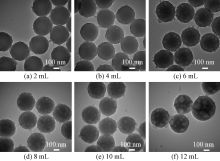
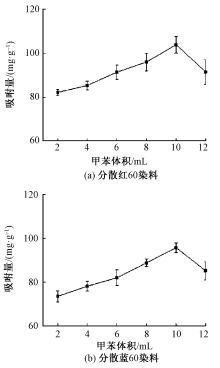
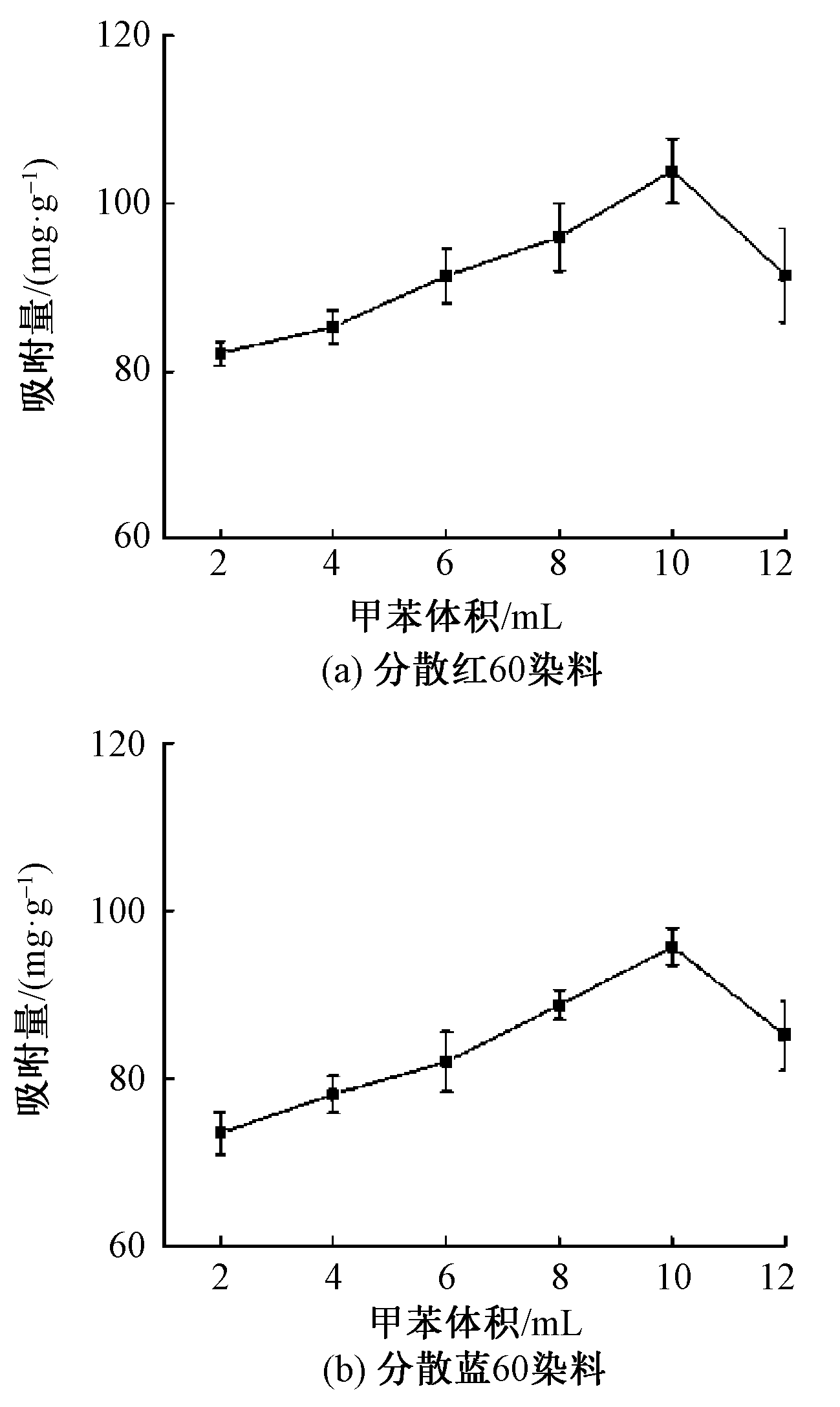
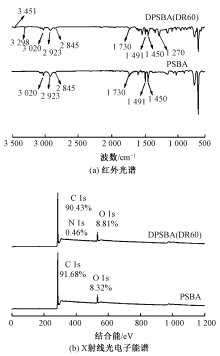
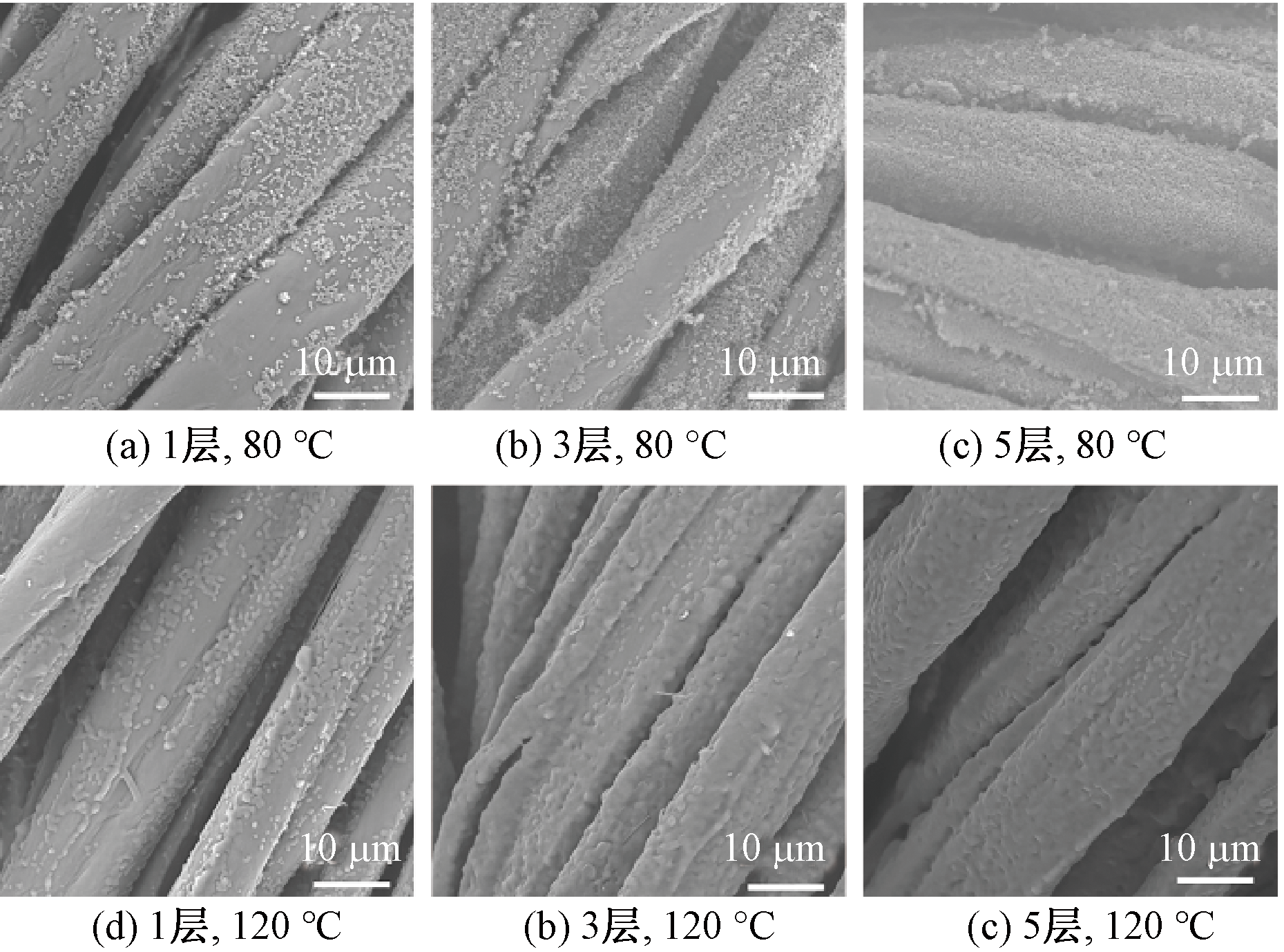
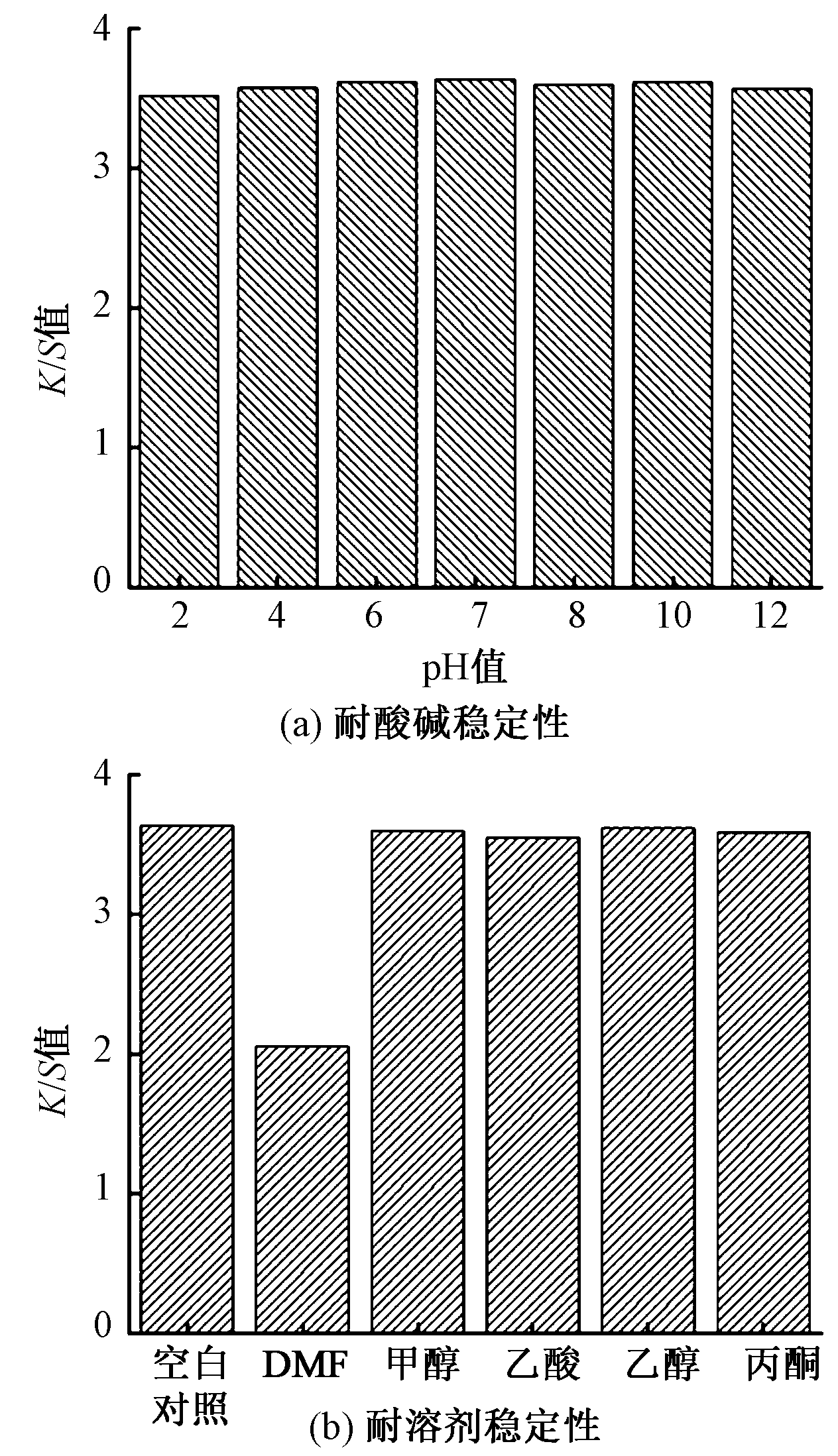
摘要: 为提升分散染料/聚合物纳米球的染料负载量,选取新型内部多孔聚合物纳米球作为载体,采用扩散染色法制备分散染料/聚合物复合纳米球,并将其应用于棉织物表面彩色疏水涂层的构建。借助透射和扫描电子显微镜、X射线元素分析仪对多孔分散染料/聚合物复合纳米球和涂层织物的形貌和结构进行表征,并通过差示扫描量热仪、傅里叶变换红外光谱仪和接触角测量仪等分析其热性能、化学结构及疏水性。结果表明:随着甲苯溶液体积的增加,聚合物纳米球内部孔径逐渐增大,且孔隙结构趋向不均匀;同时,分散染料的负载量呈现先增大后减小的趋势,显示出与纳米球内部孔径和分布的密切关系;分散染料/聚合物复合纳米球具有良好的自固化性能,可在棉织物表面形成薄膜结构;随着喷涂层数的增加,涂层织物的颜色性能和疏水性能逐渐提升,其中水接触角最高达到139.2°,且具有较好的耐摩擦色牢度、耐日晒色牢度、透气透湿性以及耐化学试剂稳定性。
中图分类号:
| [1] | 吴伟, 纪柏林, 毛志平. 活性及分散染料染色新技术[J]. 纺织学报, 2023, 44(5):1-12. |
| WU Wei, JI Bailin, MAO Zhiping. New technologies for dyeing with reactive and dispersed dyes[J]. Journal of Textile Research, 2023, 44 (5): 1-12. | |
| [2] | BENKHAYA S, MRABET S, HARFI A. A review on classifications, recent synthesis and applications of textile dyes[J]. Inorganic Chemistry Communications, 2020. DOI: 10.1016/j.inoche.2020.107891. |
| [3] | BERRADI M, HSISSOU R, KHUDHAIR M, et al. Textile finishing dyes and their impact on aquatic environs[J]. Heliyon, 2019. DOI: 10.1016/j.heliyon.2019.e02711. |
| [4] | SALEEM A, PEI L, SALEEM F, et al. Sustainable dyeing of nylon with disperse dyes in decamethylcyclopentasiloxane waterless dyeing system[J]. Journal of Cleaner Production, 2020. DOI: 10.1016/j.jclepro.2020.123258. |
| [5] | 付政, 李敏, 何颖婷, 等. 纳米包覆分散染料的制备及其免水洗染色性能[J]. 纺织学报, 2022, 43 (9):104-111. |
| FU Zheng, LI Min, HE Yingting, et al. Preparation of nano coated disperse dyes and their water free dyeing properties[J]. Journal of Textile Research, 2022, 43(9):104-111. | |
| [6] | SONG Y, FANG K, BUKHARI N, et al. Disperse dye/poly(styrene-methacrylic acid) nanospheres with high coloration performance for textiles[J]. Journal of Cleaner Production, 2020. DOI: 10.1016/j.jclepro.2020.121538. |
| [7] | GAO A, HU L, ZHANG H, et al. Silicone nanomicelle dyeing using the nanoemulsion containing highly dispersed dyes for polyester fabrics[J]. Journal of Cleaner Production, 2018, 200: 48-53. |
| [8] | SONG Y, FANG K, BUKHARI N, et al. Improved inkjet printability of dye-based inks through enhancing the interaction of dye molecules and polymer nanospheres[J]. Journal of Molecular Liquids, 2021. DOI: 10.1016/j.molliq.2020.114702. |
| [9] | EL-SAYED M, KAMEL M, MORSY S, et al. Encapsulation of nano Disperse Red 60 via modified miniemulsion polymerization:I:preparation and characterization[J]. Journal of Applied Polymer Science, 2012, 125(2): 1318-1329. |
| [10] |
LI J, FAN J, CAO R, et al. Encapsulated dye/polymer nanoparticles prepared via miniemulsion polymerization for inkjet printing[J]. ACS Omega, 2018, 3(7): 7380-7387.
doi: 10.1021/acsomega.8b01151 pmid: 31458897 |
| [11] | FANG K, REN B. A facile method for preparing colored nanospheres of poly (styrene-co-acrylic acid)[J]. Dyes and Pigments, 2014, 100: 50-56. |
| [12] | FANG K, ZHANG L, CAI Y, et al. Hollow disperse dyes/copolymer composite nanospheres[J]. Dyes and Pigments, 2017, 136: 191-196. |
| [13] | 张帅. 多功能染料聚合物复合纳米球的制备与性能研究[D]. 天津: 天津工业大学, 2023:43-44. |
| ZHANG Shuai. The preparation and performance study of multifunctional dye polymer composite nano-spheres[D]. Tianjin: Tiangong University, 2023: 43-44. | |
| [14] | 陈群. 基于P(St-MMA-AA)微球的胶体晶体的制备和光学性能[D]. 青岛: 青岛大学, 2019:1-20. |
| CHEN Qun. Preparation and optical properties of colloidal crystals based on P(St-MMA-AA) microspheres[D]. Qingdao: Qingdao University, 2019:1-20. | |
| [15] | ZHANG S, FANG K, LIU X, et al. Enhanced hydrophobicity and UV resistance of cotton fabrics through the synergistic effect of raspberry-shaped colored nanoparticles and polymethylhydrosiloxane[J]. Applied Surface Science, 2023. DOI: 10.1016/j.apsusc.2023.157849. |
| [16] | ZHANG S, FANG K, LIU X, et al. Enhancement UV-resistance and hydrophobic of cotton fabrics through membrane formation by cationic colored nano-spheres[J]. Surfaces and Interfaces, 2023. DOI: 10.1016/j.surfin.2023.102701. |
| [1] | 殷连博, 李家炜, 段慧敏, 宋理想, 陈玉霜, 厉巽巽, 戚栋明. 液体分散染料染色废水的循环染色[J]. 纺织学报, 2025, 46(03): 131-140. |
| [2] | 解晓康, 江华, 王也, 石璐璐. α-(三氟甲基)苯基重氮酯型染料与合成纤维的反应机制[J]. 纺织学报, 2025, 46(02): 145-152. |
| [3] | 王容容, 周洲, 冯祥, 申莹, 刘峰, 邢剑. 聚酯纤维与聚乙烯/聚丙烯双组分纤维多孔吸声材料的制备及其性能[J]. 纺织学报, 2025, 46(02): 61-68. |
| [4] | 关芳兰, 王建明, 陈嘉滢, 李淑敏. 二醋酯纤维织物分散染料免蒸洗数码印花工艺[J]. 纺织学报, 2024, 45(12): 137-143. |
| [5] | 关玉, 张恒玮, 付政, 付少海. 纳米分散染料胶囊喷墨印花墨水的制备及其性能[J]. 纺织学报, 2024, 45(11): 136-144. |
| [6] | 赵向阳, 闫凯, 龙家杰. 超临界二氧化碳流体中SCFX-AYRL染料的溶解性研究[J]. 纺织学报, 2024, 45(06): 98-104. |
| [7] | 范博, 吴伟, 王健, 徐红, 毛志平. 分散染料在超临界CO2流体染色聚酯纤维中的扩散行为[J]. 纺织学报, 2024, 45(02): 134-141. |
| [8] | 葛怀富, 吴伟, 王健, 徐红, 毛志平. 5-(二甲氨基)-2-甲基-5-氧戊酸甲酯在超临界二氧化碳流体染色中的应用[J]. 纺织学报, 2024, 45(01): 120-127. |
| [9] | 唐奇, 柴丽琴, 徐天伟, 王成龙, 王直成, 郑今欢. 聚乳酸/聚3-羟基丁酸-戊酸酯共混纤维及其雪尼尔纱的染色动力学[J]. 纺织学报, 2023, 44(06): 129-136. |
| [10] | 朱晓荣, 向攸慧, 何佳臻, 翟丽娜. 低辐射热条件下附加相变材料织物的蓄放热双重特性[J]. 纺织学报, 2023, 44(06): 152-160. |
| [11] | 艾丽, 朱亚伟. 液体分散染料研发技术现状及其应用前景[J]. 纺织学报, 2023, 44(05): 220-227. |
| [12] | 易菁源, 裴刘军, 朱赫, 张红娟, 王际平. 非水介质染色体系中分散染料对涤纶/棉混纺织物的沾色研究[J]. 纺织学报, 2023, 44(05): 29-37. |
| [13] | 王小艳, 马子婷, 许长海. 基于高耐碱高耐氧漂分散染料的涤盖棉织物漂染一浴加工工艺[J]. 纺织学报, 2023, 44(05): 38-45. |
| [14] | 吴伟, 纪柏林, 毛志平. 活性及分散染料染色新技术[J]. 纺织学报, 2023, 44(05): 1-12. |
| [15] | 陈智杰, 蒋继康, 虞一浩, 符晔, 吴金丹, 戚栋明. 硅磷改性碳酸钙的合成及其在聚酰胺涂层中应用[J]. 纺织学报, 2023, 44(04): 146-153. |
|
||
 京公网安备11010502044800号