纺织学报 ›› 2025, Vol. 46 ›› Issue (06): 151-159.doi: 10.13475/j.fzxb.20241103201

• 染整工程 • 上一篇    下一篇

牦牛绒均相高级氧化脱色技术及机制

韦选香1,2, 冯杨1,2, 樊翔宇3, 吴明华1,2, 余德游1,2()   

  1. 1.浙江理工大学 生物基纤维材料全国重点实验室, 浙江 杭州 310018
    2.浙江理工大学 生态染整技术教育部工程研究中心, 浙江 杭州 310018
    3.雅莹集团股份有限公司, 浙江 嘉兴 314000
  • 收稿日期:2024-11-13 修回日期:2025-03-10 出版日期:2025-06-15 发布日期:2025-07-02
  • 通讯作者: 余德游(1992—),男,副教授,博士。主要研究方向为纺织印染绿色制造。E-mail:yudeyou92@zstu.edu.cn
  • 作者简介:韦选香(1999—),女,硕士生。主要研究方向为天然纤维绿色低碳脱色技术。
  • 基金资助:
    国家自然科学基金项目(22476183);国家自然科学基金项目(22106141);浙江理工大学基本科研业务费专项资金资助项目(23202131-Y)

Yak wool decolorization using homogeneous advanced oxidation technology and its mechanism

WEI Xuanxiang1,2, FENG Yang1,2, FAN Xiangyu3, WU Minghua1,2, YU Deyou1,2()   

  1. 1. State Key Laboratory of Bio-based Fiber Materials, Zhejiang Sci-Tech University, Hangzhou, Zhejiang 310018, China
    2. Engineering Research Center of Ecological Dyeing and Finishing Technology (Ministry of Education), Zhejiang Sci-Tech University, Hangzhou, Zhejiang 310018, China
    3. EP Yaying Fashion Group Co., Ltd., Jiaxing, Zhejiang 314000, China
  • Received:2024-11-13 Revised:2025-03-10 Published:2025-06-15 Online:2025-07-02

摘要: 为解决传统牦牛绒脱色存在氧源单一、化学机制不清晰的问题,借鉴均相高级氧化技术分解污染物的方法,优选双氧水、过氧乙酸、过一硫酸氢钾为典型氧化剂,硫酸亚铁为催化剂对牦牛绒进行脱色研究。以牦牛绒纤维白度、断裂强力为评价指标,优选适配牦牛绒高效脱色的氧源,进一步优化脱色工艺,并对脱色机制和环境影响进行研究。结果表明:双氧水是适合牦牛绒脱色的最佳氧源,优化后的脱色条件为双氧水质量浓度25 g/L,温度60 ℃,pH值8.5,所得牦牛绒白度和断裂强度分别为68%和2.28 cN/dtex;羟基自由基在脱色过程发挥主要作用,单线态氧起次要作用;与过氧乙酸和过一硫酸氢钾相比,基于双氧水的脱色技术对环境影响最小,更符合牦牛绒脱色绿色低碳发展方向。

关键词: 牦牛绒, 脱色氧源, 双氧水, 生命周期评价, 均相高级氧化, 脱色

Abstract:

Objective The yak wool fibers are inherent in colors primarily including black, purple and brown, failing to meet the demand for multi-color varieties for applications. Hence, the fibers need to be bleached prior to dyeing with target colors. However, the traditional bleaching process has limitations in oxidant selection and elusive mechanism remained in conventional yak wool decolorization. Herein, the bleaching capacity and environmental impact of homogeneous advanced oxidation processes with three typical oxidants were compared. Meanwhile, the mechanism of hydrogen peroxide(H2O2)-driven efficient decolorization was also investigated.

Method Inspired by the homogeneous advanced oxidation technology for organic pollutants degradation, a comparative study was conducted to examine the effects of three typical oxidants H2O2, peracetic acid (PAA), and potassium peroxymonosulfate (PMS) on decolorization of yak wool fibers using ferrous sulfate as the catalyst. Using the whiteness index and breaking strength as evaluation indicators, the most suitable oxidant was identified and the decolorization parameters were optimized. The reactive oxygen species were identified and analyzed using the electron spin resonance(EPR) technology and quenching experiment. Finally, the environmental impact of the decolorization process was assessed via the life cycle assessment (LCA).

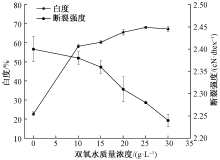
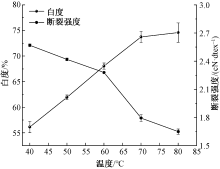
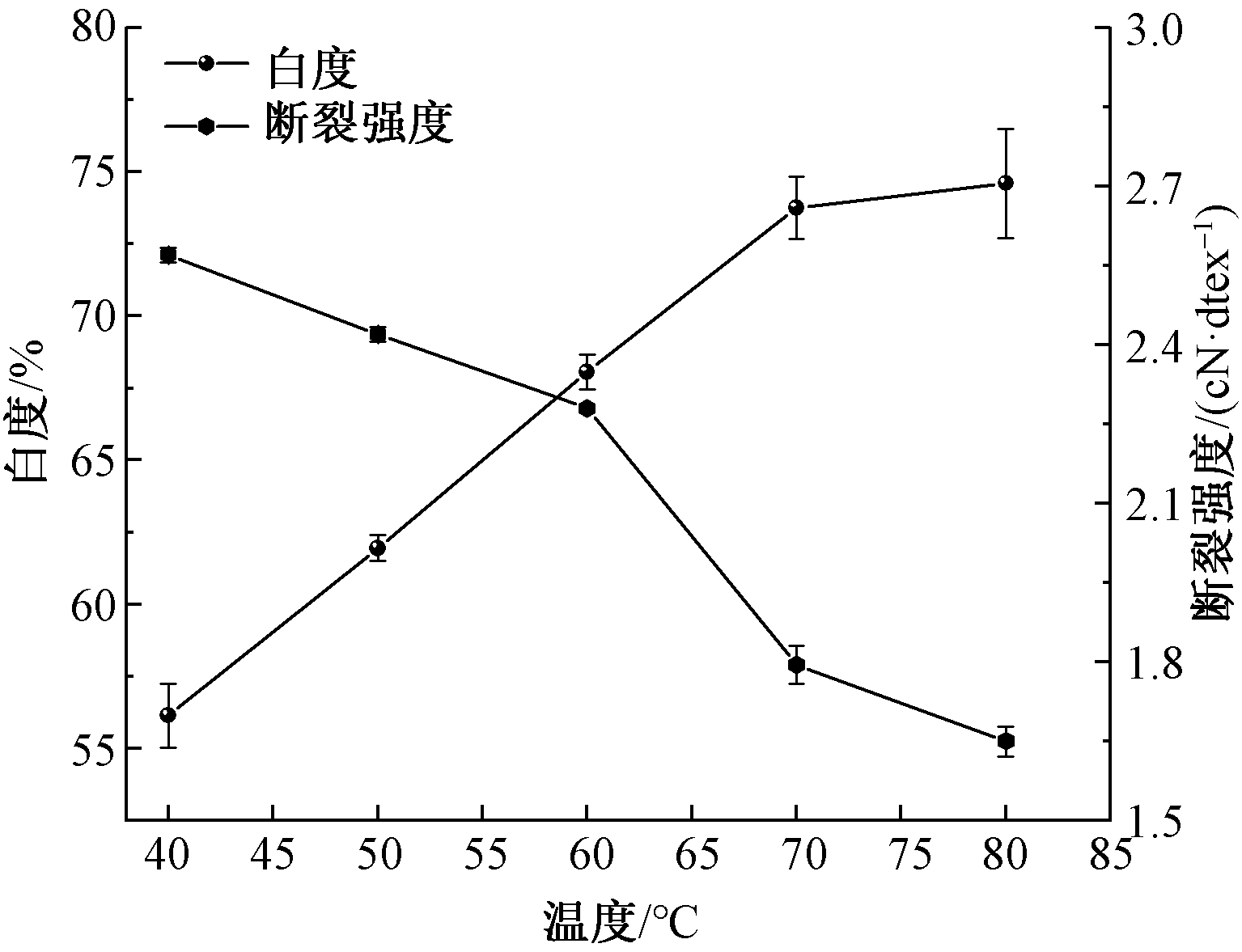
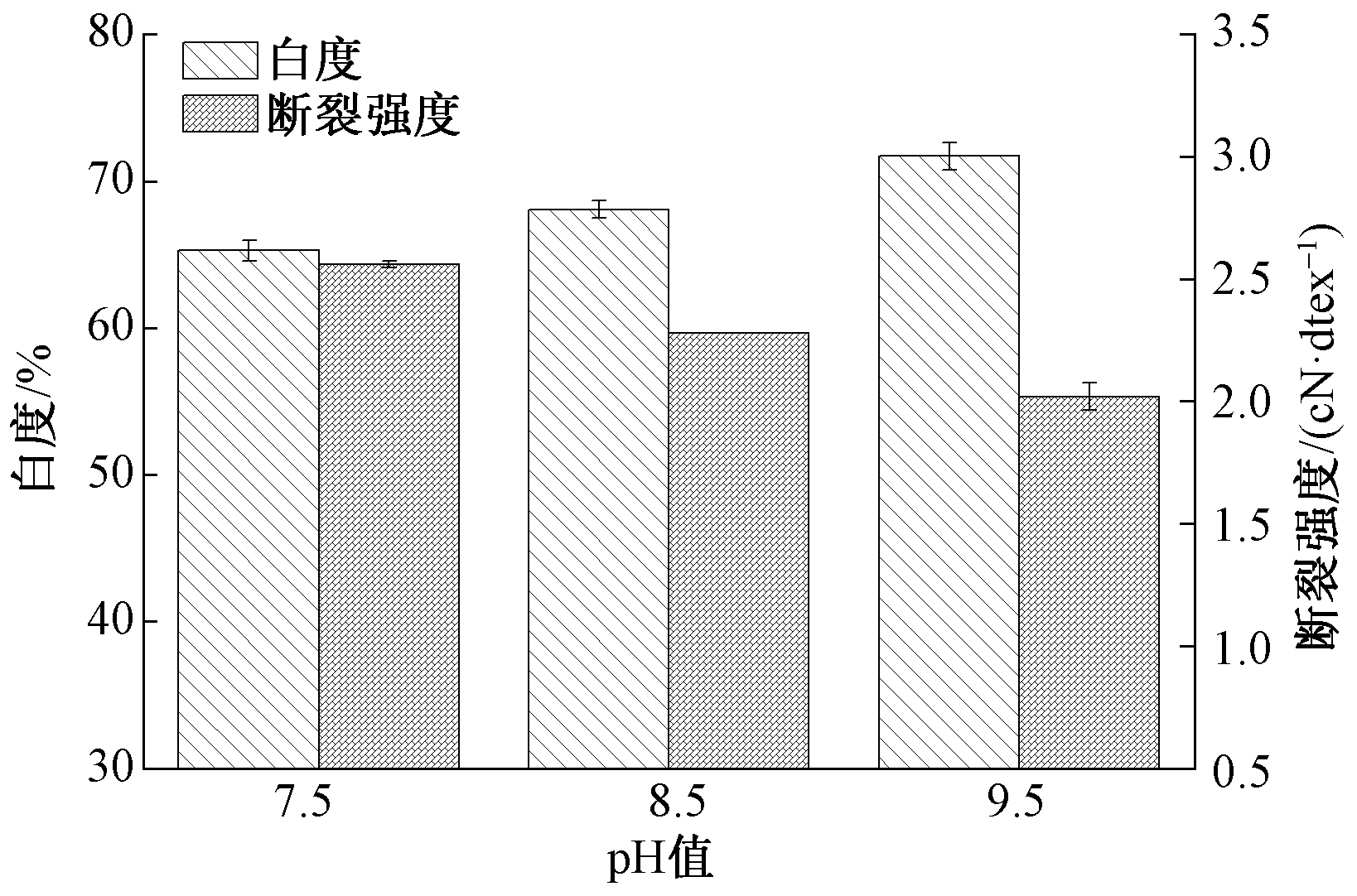
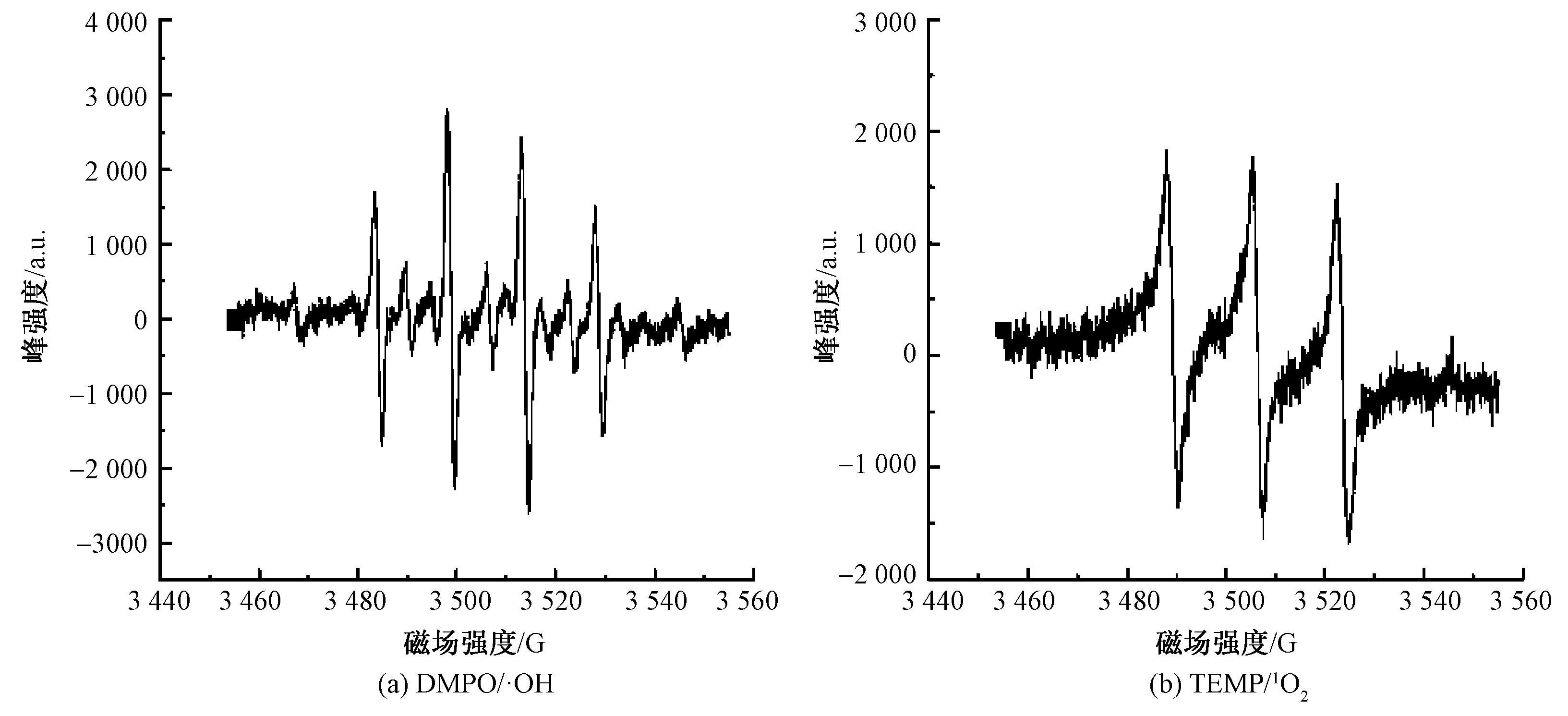
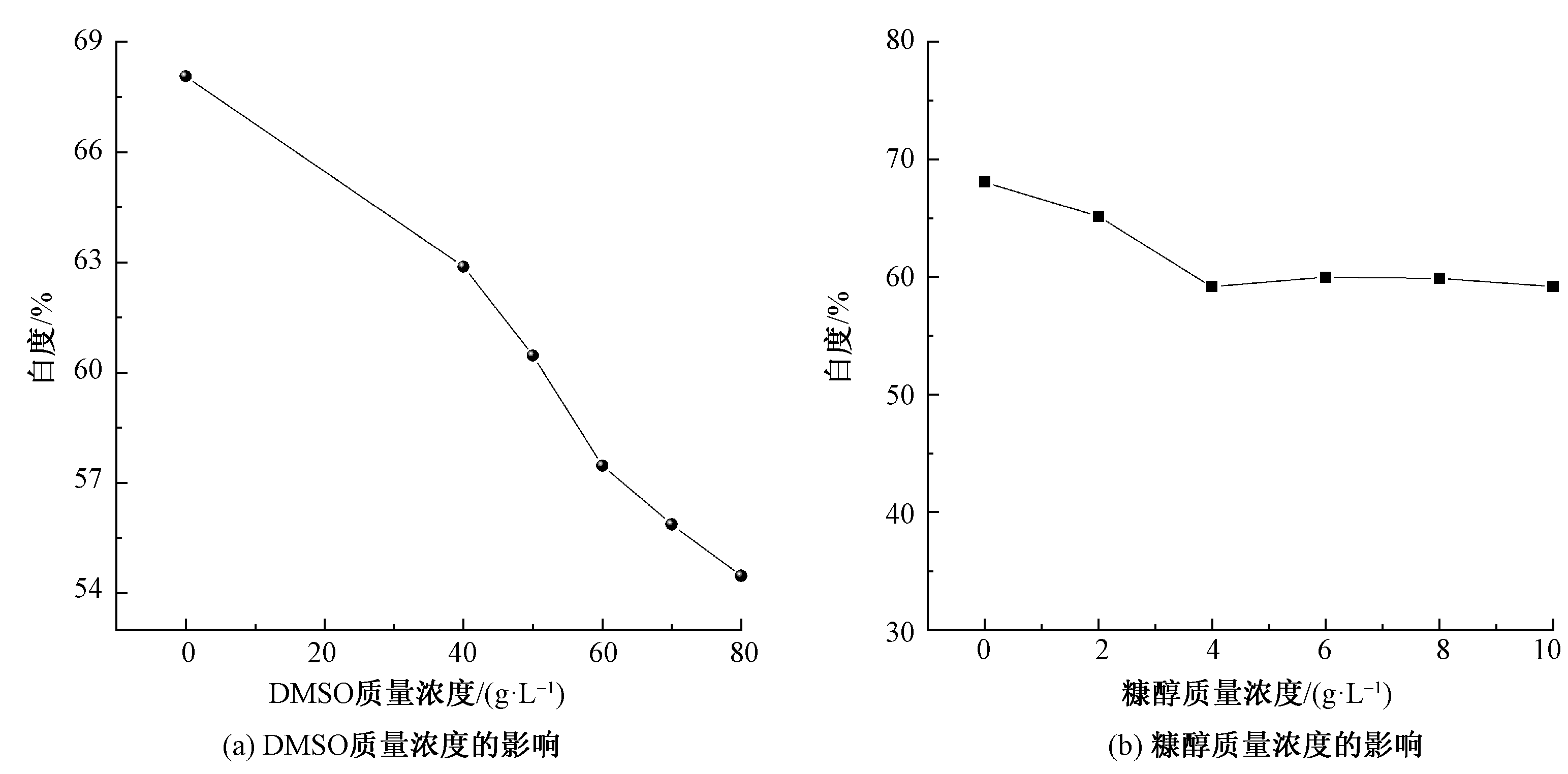
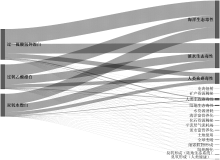
Results The results of single-factor experiments indicated that hydrogen peroxide is the most suitable green oxidizing agent for decolorizing yak wool. The optimal decolorization conditions were determined to be an H2O2 concentration of 25 g/L, a temperature of 60 ℃, and a solution pH value of 8.5. Under these conditions, the whiteness of yak wool fibers reached up to 68%, with a fiber breaking strength loss of approximately 12%. Mechanistic analysis of the H2O2 decolorization process revealed the presence of hydroxyl radicals (·OH) and singlet oxygen (1O2) in the system. Further quenching experiments demonstrated that ·OH and 1O2 are the main reactive oxygen species responsible for decolorization, with ·OH playing the primary role and 1O2 having a secondary effect. Scanning electron microscope images revealed that yak wool fibers treated with H2O2 or PAA for decolorization exhibited surface damage, including roughened cuticle scales and unclear scale edges. Fibers treated with PMS showed even more severe damage, with cuticle scales becoming indistinct or completely detached in some areas. LCA results showed that the PMS decolorization process had the highest environmental impacts on global warming potential, terrestrial ecotoxicity, non-carcinogenic human toxicity, and fossil resource scarcity, while both PMS and PAA decolorization processes had significant negative impacts on environmental ecology and human health. Therefore, compared to the other two oxidants, decolorization using H2O2 was more environmental-friendly and low-carbon.

Conclusion Inspired by the advantages of the homogeneous advanced oxidation technology for organic pollutants degradation, three typical oxidants including hydrogen peroxide, peracetic acid, and hydrogen persulfate were screened and compared for yak wool fiber decolorization using ferrous sulfate as the catalyst. The results revealed that hydrogen peroxide is the most suitable oxidizing agent for practice. The optimal decolorization condition was identified to be H2O2 concentration of 25 g/L, temperature of 60 ℃, and solution pH value of 8.5. After being decolorized by hydrogen peroxide, the whiteness of yak wool fibers reached 68%, and the loss of strength was relatively small. The decolorization mechanism of hydrogen peroxide bleaching system showed that both the hydroxyl radical and singlet oxygen contributed to the yak wool fiber decolorization, in which hydroxyl radical played the primary role and singlet oxygen served a secondary function. Life cycle assessment showed that, compared to PMS and peracetic acid, the use of H2O2 for decolorization had the lowest environmental impact, which aligns better with the green and low-carbon development trend for yak wool decolorization processes.

Key words: yak wool, decolorization oxidant, hydrogen peroxide, life cycle assessment, homogeneous advanced oxidation, decolorization

中图分类号: 

  • TS192.5

图1

不同双氧水质量浓度下牦牛绒的白度和断裂强度"

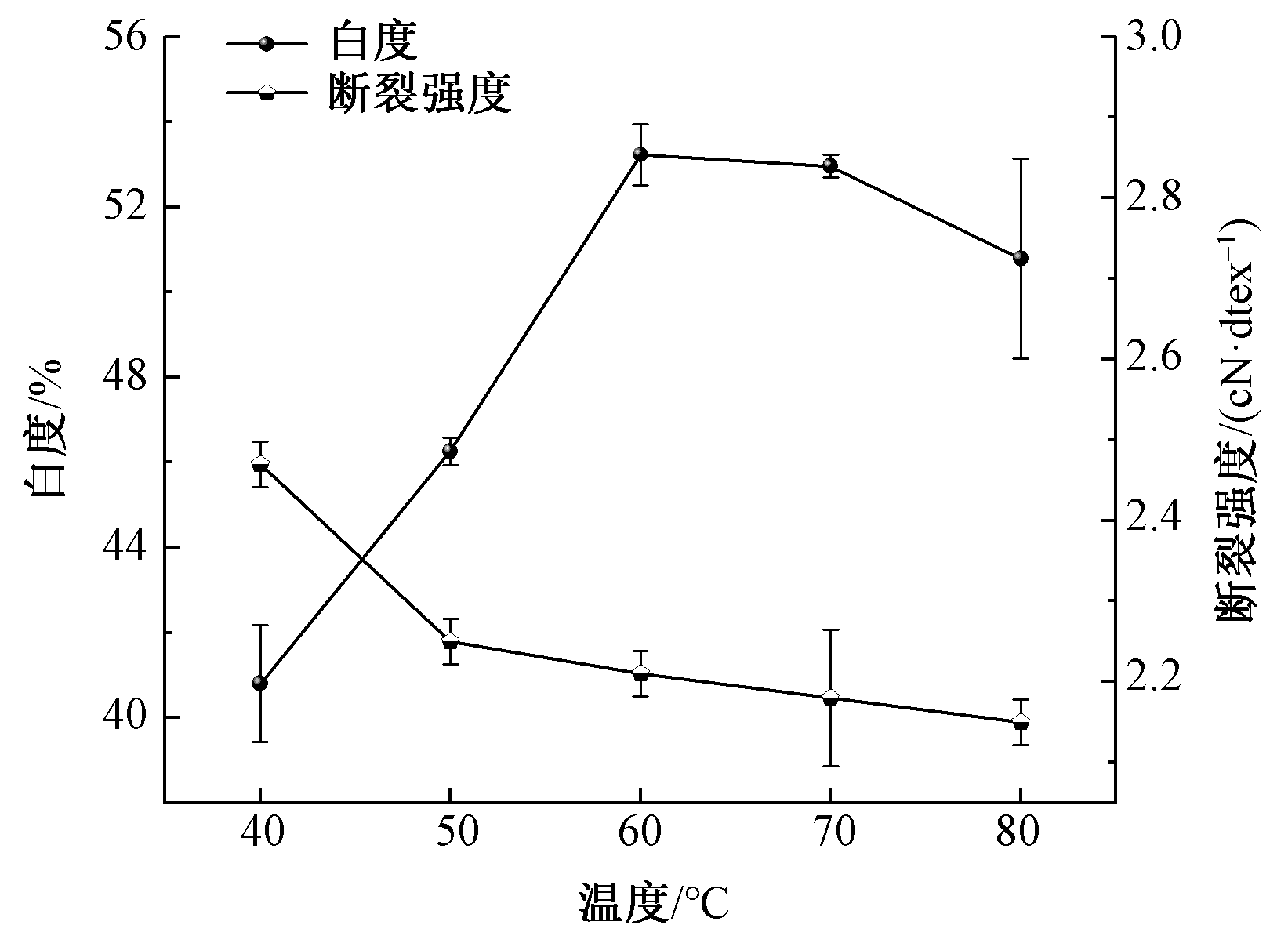
图2

不同脱色温度下牦牛绒的白度和断裂强度"

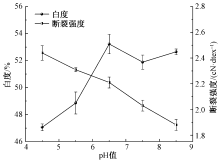
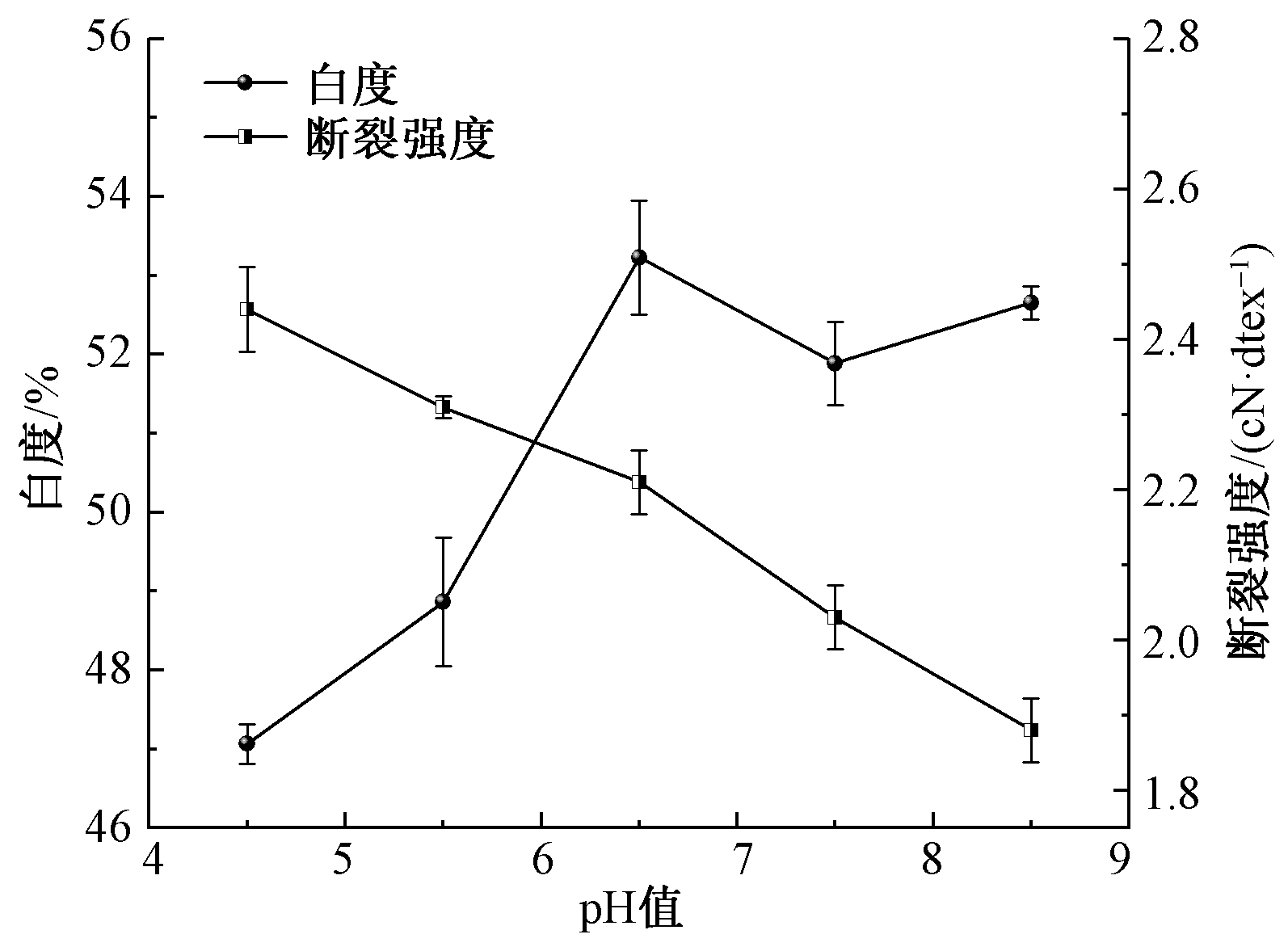
图3

不同溶液pH值下牦牛绒的白度及断裂强度"

图4

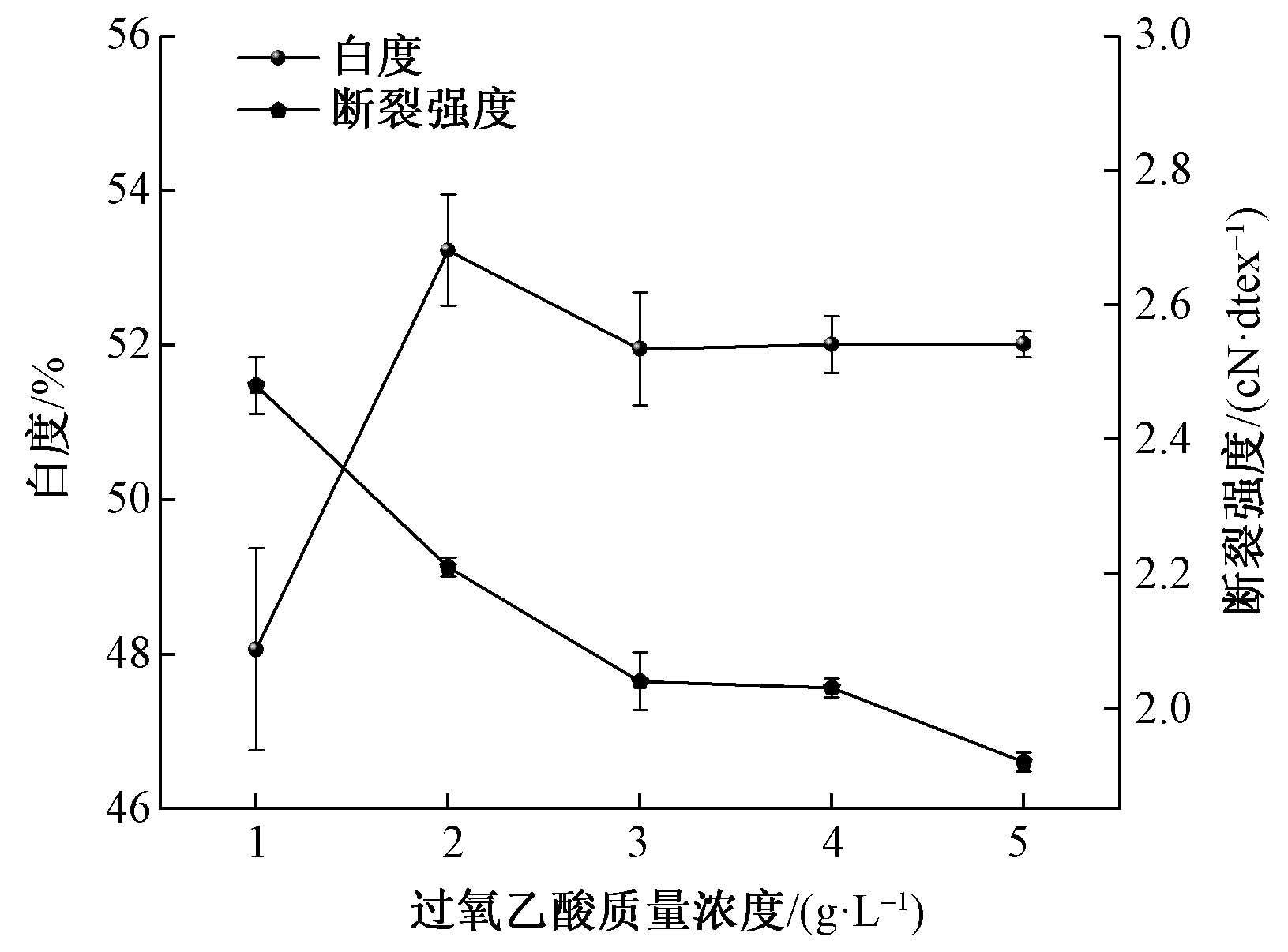
过氧乙酸质量浓度对牦牛绒白度和断裂强度的影响"

图5

脱色温度对牦牛绒白度和断裂强度的影响"

图6

脱色液pH值对牦牛绒白度和断裂强度的影响"

表1

牦牛绒在最佳脱色工艺下的长度和短绒率"

组别 平均长度/mm 20 mm以下短绒率/%
原样 50.80 15.29
双氧水脱色 50.53 18.63
过氧乙酸脱色 50.69 17.38

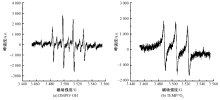
图7

亚铁离子预处理-双氧水体系中DMPO/·OH和TEMP/1O2的EPR谱图"

图8

DMSO和糠醇质量浓度对牦牛绒脱色效果的影响"

图9

不同氧化剂脱色后牦牛绒的扫描电镜照片"

表2

3种氧化剂漂白牦牛绒对环境的影响"

影响类别 不同氧化剂漂白工艺的
18个环境指标影响程度
双氧水
漂白
过氧乙
酸漂白
过一硫酸
氢钾漂白
单位
全球变暖 438.25 479.87 618.80 kg CO2 eq
平流层气流耗竭 0.00 0.00 0.00 kg CFC11 eq
电离辐射 7.21 8.06 14.94 kBq Co-60 eq
臭氧形成(人类健康) 1.22 1.32 1.61 kg NOx eq
细颗粒物形成 0.68 0.74 0.94 kg PM2.5 eq
臭氧形成(陆地生态系统) 1.22 1.33 1.61 kg NOx eq
陆地酸化 1.52 1.68 2.09 kg SO2 eq
淡水富营养化 0.09 0.09 0.13 kg P eq
海洋富营养化 0.01 0.01 0.01 kg N eq
陆地生态毒性 398.15 432.72 617.96 kg 1,4-DCB
淡水生态毒性 13.95 15.12 18.62 kg 1,4-DCB
海洋生态毒性 17.77 19.27 23.90 kg 1,4-DCB
人类致癌毒性 13.72 14.86 18.60 kg 1,4-DCB
人类非致癌毒性 140.18 152.28 212.17 kg 1,4-DCB
土地使用 5.42 5.88 7.75 m2·a crop eq
矿产资源稀缺 0.26 0.28 0.44 kg Cu eq
化石资源稀缺 86.41 95.34 129.21 kg oil eq
水资源消耗 1.37 1.51 2.13 m3

图10

3种氧化剂漂白工艺归一化环境影响"

[1] 李蔚, 刘新金, 徐伯俊, 等. 牦牛绒与骆驼绒及羊绒的物理性能对比[J]. 纺织学报, 2015, 36(8): 1-5.
LI WEI, LIU Xinjin, XU Bojun, et al. Comparisons among physical properties of yak wool,camel hair and cashmere[J]. Journal of Textile Research, 2015, 36(8): 1-5.
[2] 王亚中, 芦玉花. 牦牛绒(毛)的纤维特征和性能分析[J]. 毛纺科技, 2002, 30(1): 18-20.
WANG Yazhong, LU Yuhua. Fiber characteristics and properties of yak wool[J]. Wool Textile Journal, 2002, 30(1): 18-20.
[3] 张凤涛, 唐淑娟, 陆海明, 等. 牦牛绒漂白最佳工艺条件的研究[J]. 染整技术, 1999, 21(6): 15-17,52.
ZHANG Fengtao, TANG Shujuan, LU Haiming, et al. Study on the optimum technological conditions for bleaching yak wool[J]. Textile Dyeing and Finishing Journal, 1999, 21(6): 15-17,52.
[4] 王岱笠, 韩丽娟. 牦牛绒脱色工艺研究进展[J]. 纺织科技进展, 2023, 45(12): 9-12.
WANG Daili, HAN Lijuan. Research progress of yak cashmere decolorization technology[J]. Progress in Textile Science & Technology, 2023, 45(12): 9-12.
[5] WOLFRAM L J, HALL J, HUI I. The mechanism of hair bleaching[J]. Journal of the Society of Cosmetic Chemists, 1970, 21(13): 875-900.
[6] BERECK A. Bleaching of pigmented speciality animal fibres and wool[J]. Review of Progress in Coloration and Related Topics, 1994, 24(1): 17-25.
[7] 孙洁, 贺江平, 郭蓉如. 牦牛绒氧化-还原法脱色工艺[J]. 毛纺科技, 2012, 40(2): 40-42.
SUN Jie, HE Jiangping, GUO Rongru. Decolorization of yak with oxidization-reduction[J]. Wool Textile Journal, 2012, 40(2): 40-42.
[8] 刘夺奎. 有色绒脱色工艺的研究[J]. 毛纺科技, 2013, 41(10): 19-23.
LIU Duokui. Research of the decoloring process of colored cashmere[J]. Wool Textile Journal, 2013, 41(10): 19-23.
[9] 刘婵, 谢春萍, 刘新金, 等. 亚铁离子质量浓度对黑牦牛绒纤维脱色的影响[J]. 纺织学报, 2016, 37(4): 21-26.
LIU Chan, XIE Chunping, LIU Xinjin, et al. Influence of different ferrous sulfate concentrations on bleaching of black yak fiber[J]. Journal of Textile Research, 2016, 37(4): 21-26.
[10] 贾凌寒. 高级氧化技术在废水处理中应用进展[J]. 当代化工研究, 2024 (3): 80-82.
JIA Linghan. Progress in the application of advanced oxidation technology in wastewater treatment[J]. Modern Chemical Research, 2024 (3): 80-82.
[11] 李万新, 舒大武, 安芳芳, 等. 碳化钛与三价铁离子协同过硫酸钠对活性染料废水的降解[J]. 纺织学报, 2025, 46(1): 138-147.
LI Wanxin, SHU Dawu, AN Fangfang, et al. Degradation of reactive dye wastewater by titanium carbide and Fe3+ activated sodium persulfate[J]. Journal of Textile Research, 2025, 46(1): 138-147.
[12] LI Q, WEI Z, LI M, et al. An efficient ultrasonic-assisted bleaching strategy customized for yak hair triggered by melanin-targeted fenton reaction[J]. Ultrasonics Sonochemistry, 2022, 86: 1350-1377.
[13] TIAN K, HU L, LI L, et al. Recent advances in persulfate-based advanced oxidation processes for organic wastewater treatment[J]. Chinese Chemical Letters, 2022, 33(10): 4461-4477.
doi: 10.1016/j.cclet.2021.12.042
[14] KIM J, ZHANG T, LIU W, et al. Advanced oxidation process with peracetic acid and Fe(Ⅱ) for contaminant degradation[J]. Environmental Science & Technology, 2019, 53(22): 13312-13322.
[15] PAN J, XIA Z, ZHANG H. One-step bleaching method for animal fiber by persulphate/hydrogen peroxide[J]. Journal of Cleaner Production, 2023, 423: 959-966.
[16] ZHOU H, QIU Y, YANG C, et al. Efficient degradation of congo red in water by UV-Vis driven CoMoO4/PDS photo-penton system[J]. Molecules, 2022, 27(24): 1420-1449.
[17] SHAVANDI A, CARNE A, BEKHIT A A, et al. An improved method for solubilisation of wool keratin using peracetic acid[J]. Journal of Environmental Chemical Engineering, 2017, 5(2): 1977-1984.
[18] 庞会忠. 过氧乙酸分解羽毛角蛋白质效果的研究[J]. 中国饲料, 1998 (6): 27-28.
PANG Huizhong. Study on the decomposing effect of feather keratin with peracetic acid[J]. China Feed, 1998 (6): 27-28.
[19] 朱凯棋, 杨杏, 李美真. 过一硫酸氢钾法羊毛剥鳞工艺的研究[J]. 染整技术, 2017, 39(4): 52-55.
ZHU Kaiqi, YANG Xing, LI Meizhen. The research of wool scale-stripping process using potassium monopersulfate[J]. Textile Dyeing and Finishing Journal, 2017, 39(4): 52-55.
[20] 戴佳洋, 胡亿丰, 王雨静, 等. 丝织物精练阶段的碳足迹核算与评价[J]. 纺织学报, 2024, 45(8): 190-197.
DAI Jiayang, HU Yifeng, WANG Yujing, et al. Carbon footprint accounting and evaluation during silk refining stage[J]. Journal of Textile Research, 2024, 45(8): 190-197.
[1] 项文龙, 杨静冉, 肖晓珍. 铁钴双金属有机框架/稻谷壳复合材料的制备及其染料脱色性能[J]. 纺织学报, 2025, 46(06): 178-186.
[2] 戴佳洋, 胡亿丰, 王雨静, 伍冬平, 卞幸儿, 许建梅. 丝织物精练阶段的碳足迹核算与评价[J]. 纺织学报, 2024, 45(08): 190-197.
[3] 韩博, 王玉霖, 舒大武, 王涛, 安芳芳, 单巨川. 活性染料染色废水的循环染色[J]. 纺织学报, 2023, 44(08): 151-157.
[4] 王伟, 吴嘉欣, 张晓云, 张传杰, 宫兆庆. 制浆用废旧棉织物的脱色性能及其机制[J]. 纺织学报, 2023, 44(07): 175-183.
[5] 许建梅, 潘璐璐, 伍冬平, 卞幸儿, 胡亿丰, 戴佳洋, 王雨静. 生丝传统检验与电子检测的碳足迹核算与评价[J]. 纺织学报, 2023, 44(04): 38-45.
[6] 杨文博, 张傲洁, 刘幽燕, 李青云. 聚氨酯泡沫固定化生物体系对活性蓝4的吸附脱色[J]. 纺织学报, 2022, 43(08): 132-139.
[7] 王静, 娄娅娅, 王春梅. 铁基金属–有机框架材料/活性碳纤维复合材料的制备及其对染料的脱色[J]. 纺织学报, 2022, 43(08): 126-131.
[8] 高陆玺, 吕雪川, 张弛, 宋翰林, 高肖汉. 用于印染废水处理的改性絮凝剂合成及其脱色性能[J]. 纺织学报, 2022, 43(07): 121-128.
[9] 孙婷, 张如全, 唐子杰, 涂虎, 胡敏. 全棉水刺非织造布的低碳节能冷堆处理工艺[J]. 纺织学报, 2022, 43(01): 89-95.
[10] 李艳艳, 李梦娟, 葛明桥. 有色废弃聚酯的脱色与再利用研究进展[J]. 纺织学报, 2021, 42(08): 17-23.
[11] 秦潇璇, 瞿立新, 谢春萍. 原色与脱色牦牛绒精梳纯纺纱工艺研究[J]. 纺织学报, 2021, 42(06): 78-84.
[12] 潘佳俊, 夏兆鹏, 张海宝, 卢杨, 赵吉林, 王学农, 王亮, 刘雍. 牦牛绒过氧化氢/过硫酸铵脱色体系工艺优化及其机制[J]. 纺织学报, 2021, 42(04): 101-106.
[13] 徐红云, 于存, 苏帮. 一色齿毛菌对直接大红4BS染料的脱色[J]. 纺织学报, 2020, 41(04): 78-83.
[14] 陈欣, 张家琳, 王纪冬, 李晓强, 葛明桥. 电絮凝技术在废弃涤纶醇解液脱色中的应用[J]. 纺织学报, 2019, 40(10): 98-104.
[15] 郭东艳, 徐乃库, 肖长发. 内涂覆锰氧化物聚(甲基)丙烯酸酯中空纤维制备及其对亚甲基蓝的脱色性能[J]. 纺织学报, 2019, 40(10): 26-32.
Viewed
Full text


Abstract

Cited

  Shared   
  Discussed   
No Suggested Reading articles found!