纺织学报 ›› 2025, Vol. 46 ›› Issue (10): 159-166.doi: 10.13475/j.fzxb.20250202901
刘东方1, 任李培2, 徐卫林2, 肖杏芳1,2( )
)
LIU Dongfang1, REN Lipei2, XU Weilin2, XIAO Xingfang1,2()
摘要:
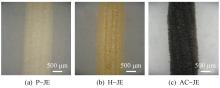
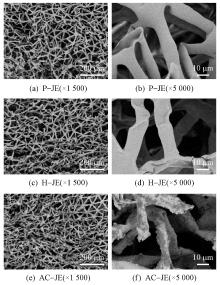
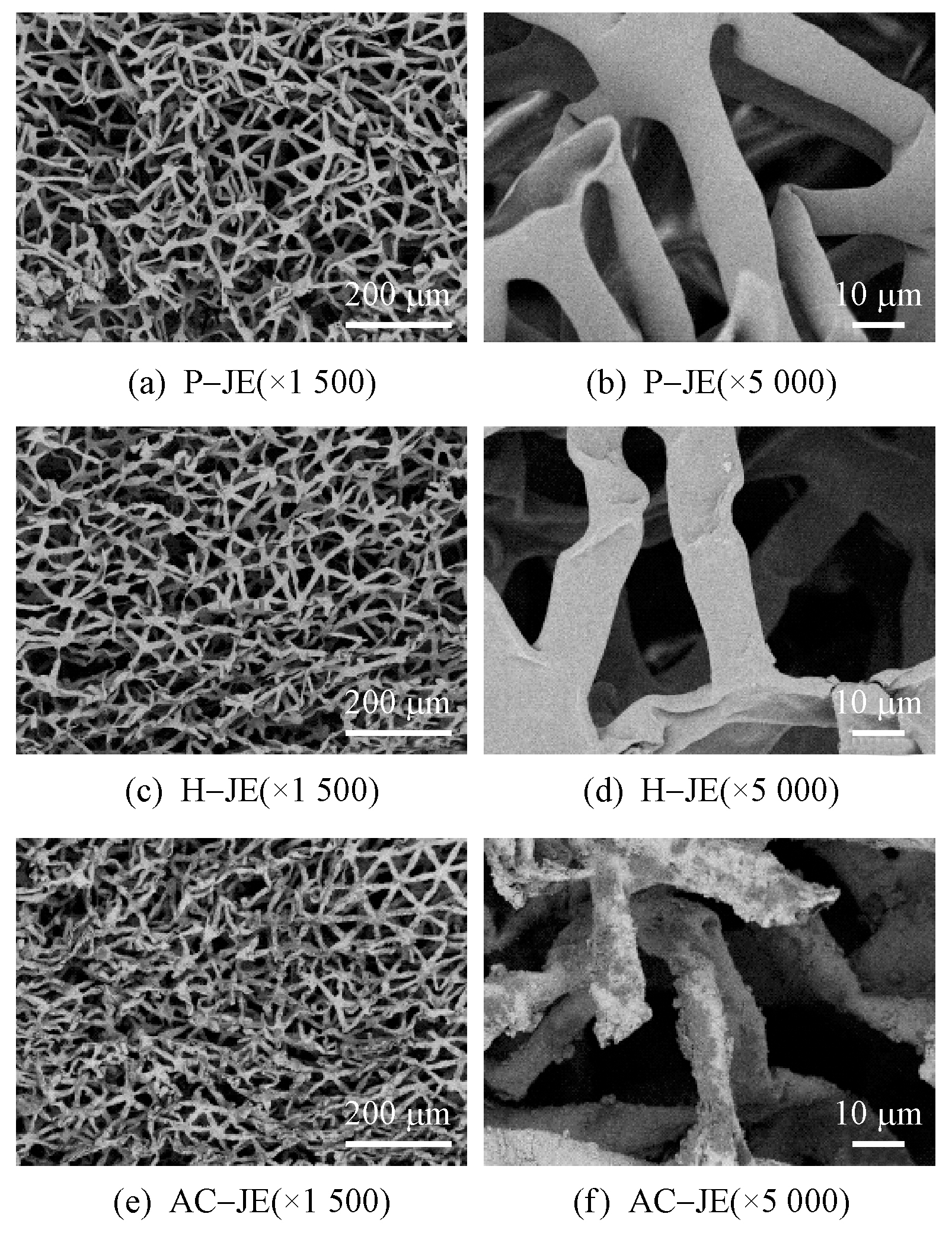
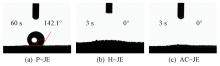
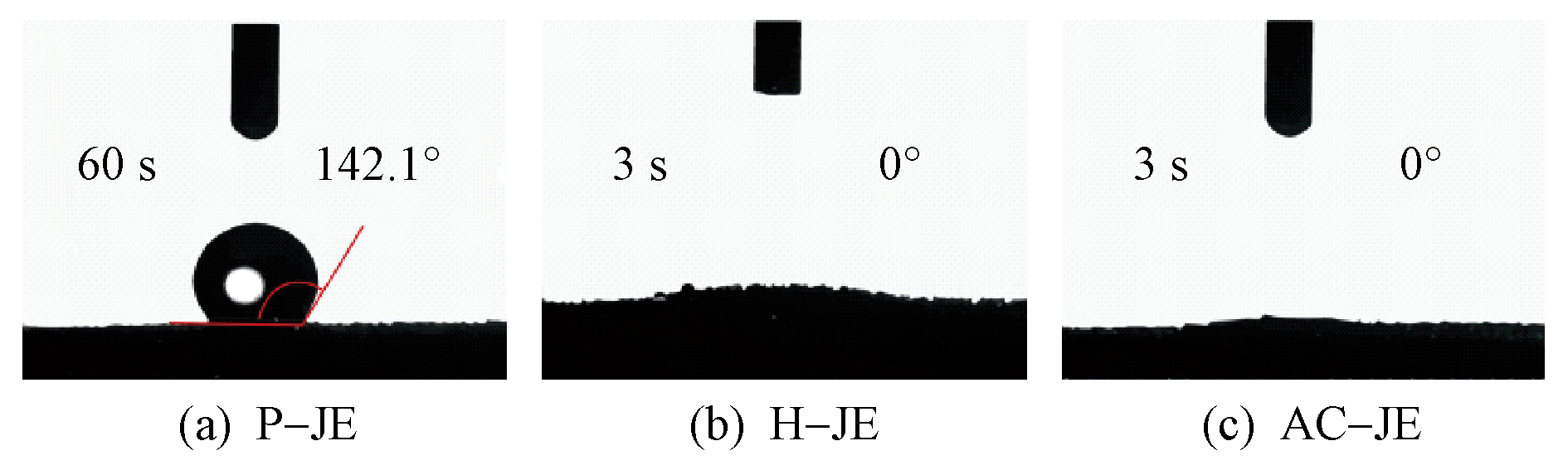
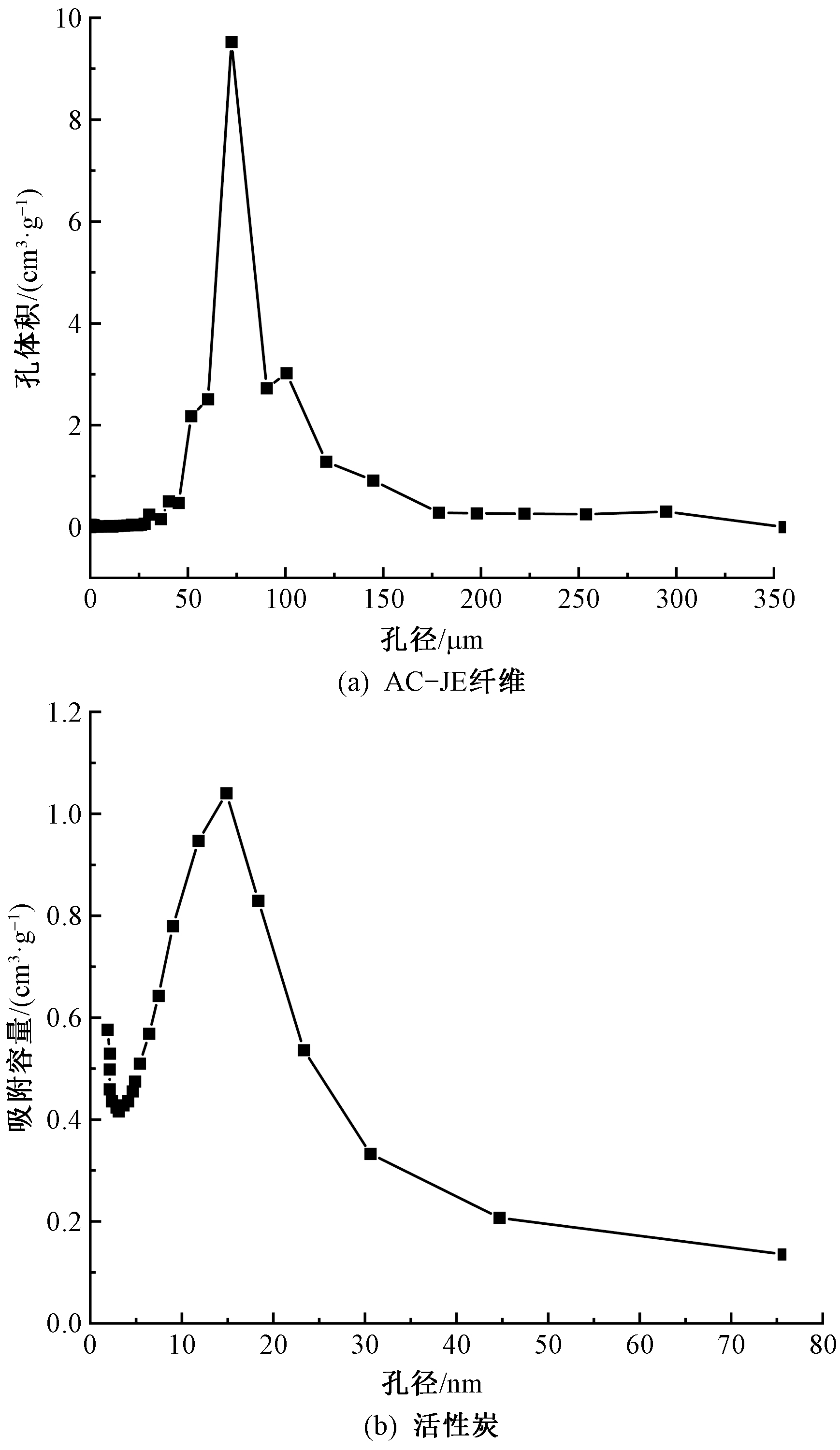
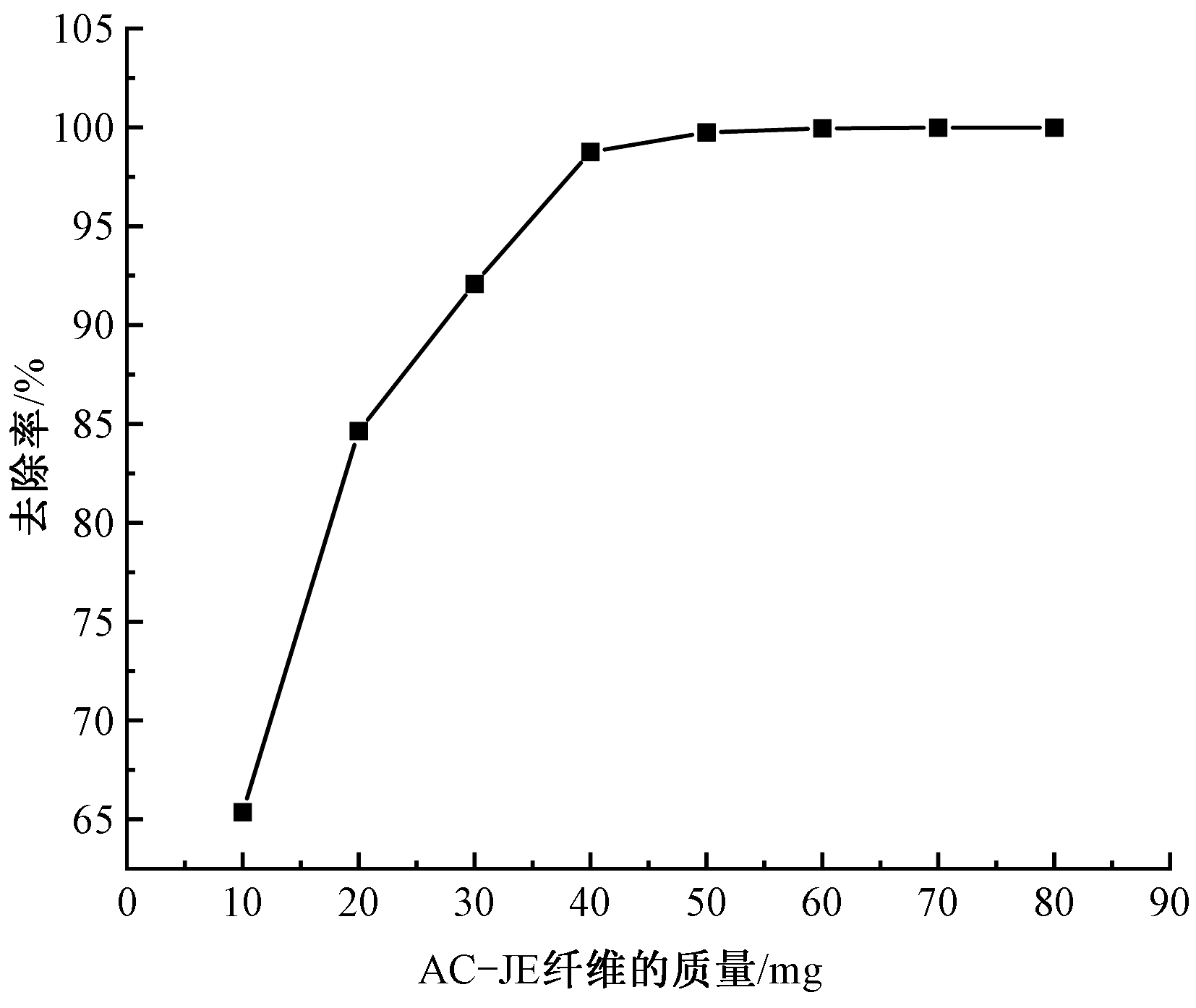
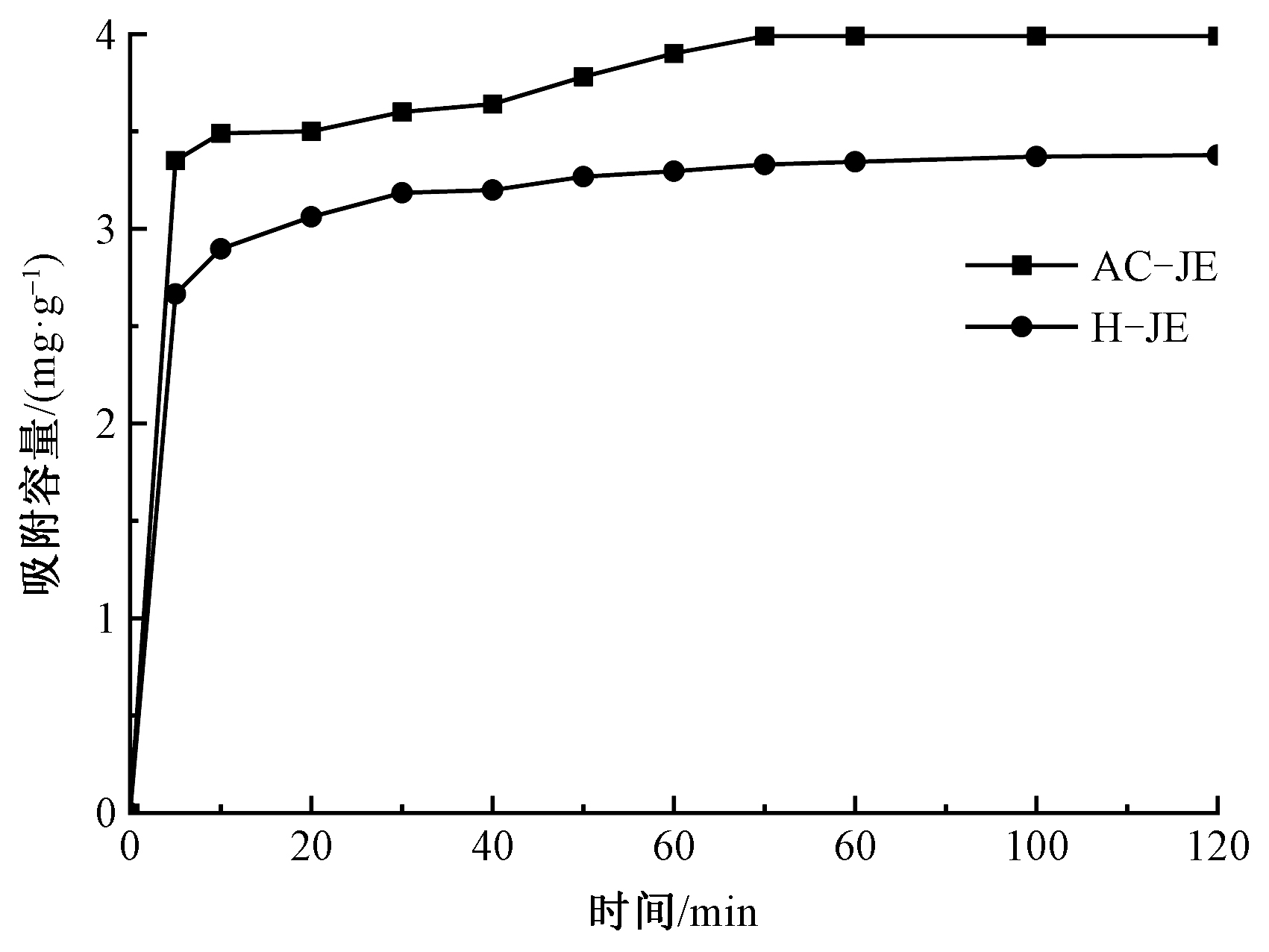
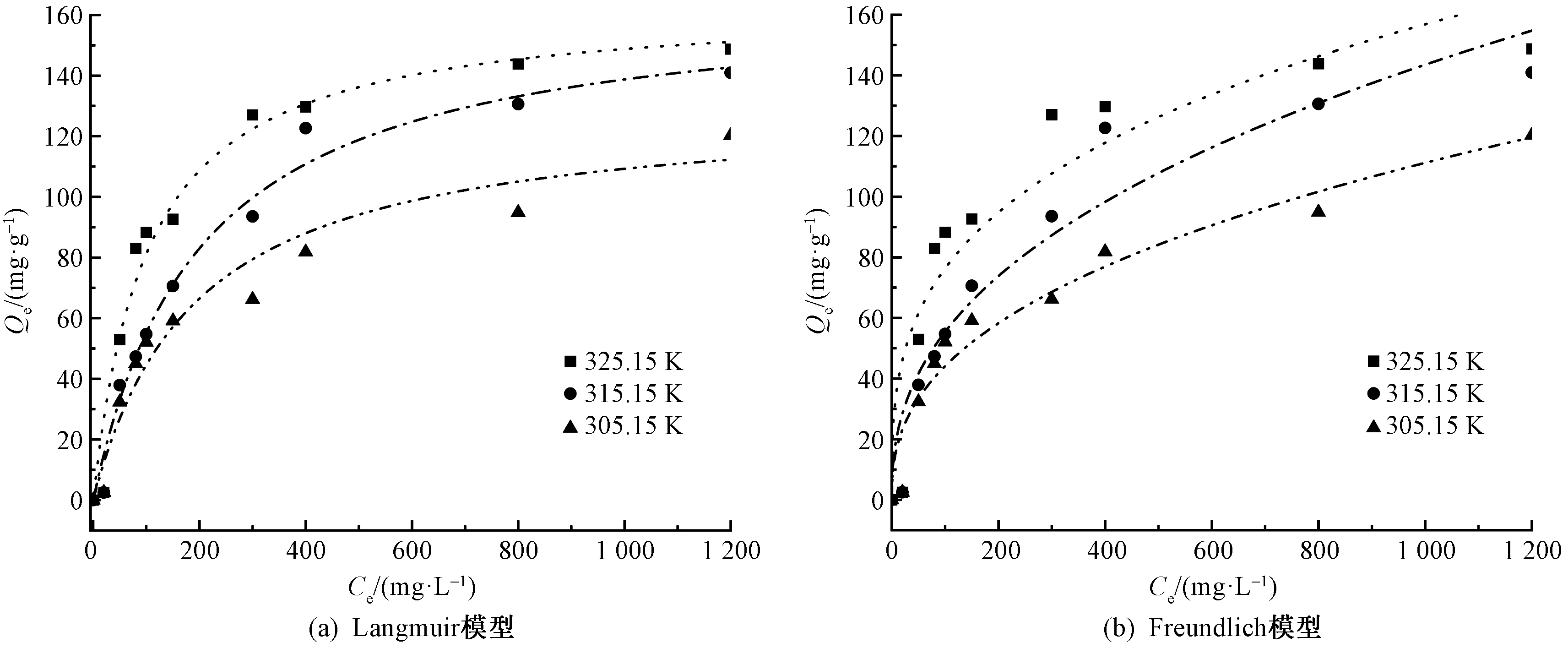
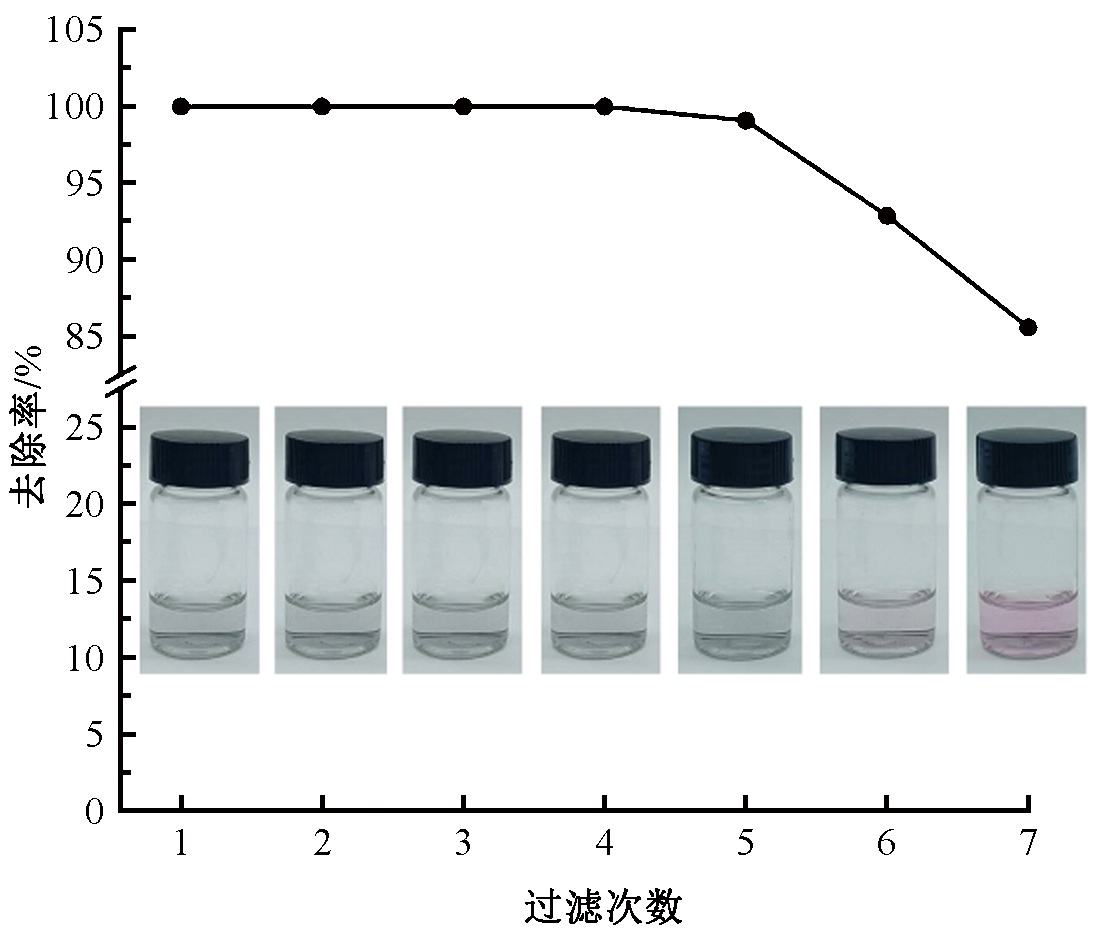
针对颗粒状吸附剂吸附染料后处理和回收困难的问题,采用具有多孔结构的灯心草纤维制备活性炭-灯心草(AC-JE)用于去除印染废水中的染料。通过微观形貌、浸润性能和孔径结构分析,以罗丹明B为染料模型探讨在不同条件下的染料吸附效果;并进行连续过滤染液实验,考察AC-JE的稳定性和可连续使用性。研究结果表明:活性炭均匀分散于灯心草多孔网状结构上,在染液初始质量浓度为25 mg/L,AC-JE质量为50 mg,吸附时间为60 min时,对罗丹明B染料吸附容量稳定为3.99 mg/g,去除率达到99.97%,吸附过程遵循准二级动力学方程和Langmuir等温模型,温度为315.15 K时最大单分子层吸附容量为142.43 mg/g;AC-JE经过7次连续累积过滤使用,其去除率仍能保持在85.57%,具有较高的稳定性和可连续利用性。AC-JE在印染废水处理中表现出优异的吸附性能和连续过滤潜力,为解决染料吸附剂回收困难的问题提供了新思路。
中图分类号:
| [1] | 杨佳怡. 吸附法处理印染废水的研究进展[J]. 化纤与纺织技术, 2022, 51(12): 55-57. |
| YANG Jiayi. Research progress on treatment of printing and dyeing wastewater by adsorption method[J]. Chemical Fiber & Textile Technology, 2022, 51(12): 55-57. | |
| [2] | 葛函雯. 水污染中染料及抗生素的净化方法及研究进展[J]. 石油石化绿色低碳, 2024, 9(5): 60-67. |
| GE Hanwen. Purification methods and research progress of dye and antibiotic pollutants: a review[J]. Green Petroleum & Petrochemicals, 2024, 9(5): 60-67. | |
| [3] | 高陆玺, 吕雪川, 张弛, 等. 用于印染废水处理的改性絮凝剂合成及其脱色性能[J]. 纺织学报, 2022, 43(7): 121-128. |
|
GAO Luxi, LÜ Xuechuan, ZHANG Chi, et al. Synthesis and decolorizing performance of modified flocculant for treating dyeing wastewater[J]. Journal of Textile Research, 2022, 43(7): 121-128.
doi: 10.1177/004051757304300210 |
|
| [4] | 王京敏, 王迪迪, 王明昊, 等. 纺织印染行业废水处理工艺及污泥处置标准化的研究[J]. 中国标准化, 2024(20): 77-80, 105. |
| WANG Jingmin, WANG Didi, WANG Minghao, et al. Research on wastewater treatment process and standardization of sludge disposal in the textile printing and dyeing industry[J]. China Standardization, 2024(20): 77-80, 105. | |
| [5] | 王雅, 李庆, 管斌斌, 等. Cu-有机骨架对水中染料的吸附和光降解[J]. 纺织高校基础科学学报, 2019, 32(3): 244-251. |
| WANG Ya, LI Qing, GUAN Binbin, et al. Adsorption and photodegradation towards dyes from water by Cu-organic framework[J]. Basic Sciences Journal of Textile Universities, 2019, 32(3): 244-251. | |
| [6] | 施超, 冯景伟, 彭书传, 等. 活性炭纤维对水中罗丹明B的吸附性能[J]. 环境化学, 2013, 32(3): 394-401. |
| SHI Chao, FENG Jingwei, PENG Shuchuan, et al. Adsorption propreties of Rhodamine B by activater carbon fiber in aqueous solutions[J]. Environmental Chemistry, 2013, 32(3): 394-401. | |
| [7] |
DHANYA A, APARNA K. Synthesis and evaluation of TiO2/chitosan based hydrogel for the adsorptional photocatalytic degradation of azo and anthraquinone dye under UV light irradiation[J]. Procedia Technology, 2016, 24: 611-618.
doi: 10.1016/j.protcy.2016.05.141 |
| [8] | 杨丽, 王涛, 石现兵, 等. 改性聚丙烯腈纤维负载MoSx/TiO2光催化材料制备及其降解染料性能[J]. 纺织学报, 2022, 43(9): 149-155. |
| YANG Li, WANG Tao, SHI Xianbing, et al. Preparation of modified polyacrylonitrile fiber supported MoSx/TiO2 composite photocatalyst and its performance for dye degradation[J]. Journal of Textile Research, 2022, 43(9): 149-155. | |
| [9] |
TOPRAK A, HAZER B. Novel porous carbon microtubes and microspheres produced from poly(CL-b-VbC) triarm block copolymer as high performance adsorbent for dye adsorption and separation[J]. Journal of Molecular Liquids, 2020, 314: 113565.
doi: 10.1016/j.molliq.2020.113565 |
| [10] |
LIU H Y, ZHANG J, LU M, et al. Biosynthesis based membrane filtration coupled with iron nanoparticles reduction process in removal of dyes[J]. Chemical Engineering Journal, 2020, 387: 124202.
doi: 10.1016/j.cej.2020.124202 |
| [11] |
OH S, KURT Z, TSEMENTZI D, et al. Microbial community degradation of widely used quaternary ammonium disinfectants[J]. Applied and Environmental Microbiology, 2014, 80(19): 5892-5900.
doi: 10.1128/AEM.01255-14 pmid: 24951783 |
| [12] | 王林涛, 杨靖, 夏嘉晨, 等. 煤气化细渣特性及其对不同染料的吸附性[J]. 纺织高校基础科学学报, 2023, 36(1): 26-35. |
| WANG Lintao, YANG Jing, XIA Jiachen, et al. Characteristics of coal gasification fine slag and its adsorption properties for different dyes[J]. Basic Sciences Journal of Textile Universities, 2023, 36(1): 26-35. | |
| [13] |
HERRERA-GONZÁLEZ A M, CALDERA-VILLALOBOS M, PELÁEZ-CID A A. Adsorption of textile dyes using an activated carbon and crosslinked polyvinyl phosphonic acid composite[J]. Journal of Environmental Management, 2019, 234: 237-244.
doi: 10.1016/j.jenvman.2019.01.012 |
| [14] |
MARRAKCHI F, HAMEED B H, HUMMADI E H. Mesoporous biohybrid epichlorohydrin crosslinked chitosan/carbon-clay adsorbent for effective cationic and anionic dyes adsorption[J]. International Journal of Biological Macromolecules, 2020, 163: 1079-1086.
doi: S0141-8130(20)33777-6 pmid: 32652156 |
| [15] |
YAO L, ZHANG L Z, WANG R, et al. A new integrated approach for dye removal from wastewater by polyoxometalates functionalized membranes[J]. Journal of Hazardous Materials, 2016, 301: 462-470.
doi: 10.1016/j.jhazmat.2015.09.027 pmid: 26410275 |
| [16] |
RAE I B, PAP S, SVOBODOVA D, et al. Comparison of sustainable biosorbents and ion-exchange resins to remove Sr2+ from simulant nuclear wastewater: batch, dynamic and mechanism studies[J]. Science of The Total Environment, 2019, 650: 2411-2422.
doi: 10.1016/j.scitotenv.2018.09.396 |
| [17] |
LI X Z, WAN C C, TAO T, et al. An overview of the development status and applications of cellulose-based functional materials[J]. Cellulose, 2024, 31(1): 61-99.
doi: 10.1007/s10570-023-05616-8 |
| [18] | 肖昊, 孙辉, 于斌, 等. 壳聚糖-SiO2气凝胶/纤维素/聚丙烯复合水刺材料的制备及其吸附染料性能[J]. 纺织学报, 2024, 45(2): 179-188. |
| XIAO Hao, SUN Hui, YU Bin, et al. Preparation of chitosan-SiO2 aerogel/cellulose/polypropylene composite spunlaced nonwovens and adsorption dye performance[J]. Journal of Textile Research, 2024, 45(2): 179-188. | |
| [19] | 郭思琪, 郑环达, 王玉雪, 等. 新型活性分散染料的合成及对棉织物的超临界二氧化碳无水染色[J]. 纺织高校基础科学学报, 2024, 37(6): 17-24. |
| GUO Siqi, ZHENG Huanda, WANG Yuxue, et al. Synthesis of novel reactive disperse dyes and water-free dyeing of cotton fabrics with supercritical carbon dioxide[J]. Basic Sciences Journal of Textile Universities, 2024, 37(6): 17-24. | |
| [20] |
TIAN J, LI X Z, DING W, et al. Enhanced removal of cadmium from aqueous environments and soil during electrokinetic remediation using Si-Mg modified sawdust-based biochar as an adsorbent and permeable reactive barrier material[J]. Chemical Engineering Journal, 2025, 508: 161178.
doi: 10.1016/j.cej.2025.161178 |
| [1] | 项文龙, 杨静冉, 肖晓珍. 铁钴双金属有机框架/稻谷壳复合材料的制备及其染料脱色性能[J]. 纺织学报, 2025, 46(06): 178-186. |
| [2] | 金汝诗, 陈万明, 刘国金, 刘承海, 戚栋明, 翟世民. 生物炭在印染废水处理中的应用研究进展[J]. 纺织学报, 2025, 46(04): 235-243. |
| [3] | 杨亮, 孔韩韩, 李韦霖, 祁小芬, 张天芸, 王雪梅, 李文全. 沸石咪唑酯骨架-8的制备及其对刚果红的吸附性能[J]. 纺织学报, 2024, 45(07): 140-149. |
| [4] | 郑康, 龚文丽, 鲍杰, 刘琳. 两性纤维素多孔凝胶球的制备及其动态吸附性能[J]. 纺织学报, 2024, 45(05): 102-112. |
| [5] | 陈荣轩, 孙辉, 于斌. N-TiO2/聚丙烯复合熔喷非织造材料的制备及其光催化性能[J]. 纺织学报, 2024, 45(03): 137-147. |
| [6] | 肖昊, 孙辉, 于斌, 朱祥祥, 杨潇东. 壳聚糖-SiO2气凝胶/纤维素/聚丙烯复合水刺材料的制备及其吸附染料性能[J]. 纺织学报, 2024, 45(02): 179-188. |
| [7] | 黄彪, 郑莉娜, 秦妍, 程羽君, 李成才, 朱海霖, 刘国金. 多孔型TiO2微粒的制备及其对离子型染料的吸附[J]. 纺织学报, 2023, 44(11): 167-175. |
| [8] | 李红颖, 徐毅, 杨帆, 任瑞鹏, 周全, 吴丽杰, 吕永康. 三维乒乓菊状CdS/BiOBr催化剂的制备及其光催化降解罗丹明B[J]. 纺织学报, 2023, 44(09): 124-133. |
| [9] | 李璟孜, 娄蒙蒙, 黄世燕, 李方. 基于光热利用的金属有机骨架/石墨烯复合膜对印染废水的再生处理[J]. 纺织学报, 2023, 44(09): 116-123. |
| [10] | 王宸杨, 贾洁, 李发学. β-环糊精基金属有机框架材料的制备及其对重金属离子的吸附[J]. 纺织学报, 2023, 44(08): 158-166. |
| [11] | 王国琴, 付小航, 朱羽科, 吴礼光, 王挺, 蒋孝佳, 陈华丽. 可见光响应的介孔TiO2光降解罗丹明B机制及其降解途径[J]. 纺织学报, 2023, 44(05): 155-163. |
| [12] | 李方, 潘航, 章耀鹏, 马慧婕, 沈忱思. 印染废水中聚乙烯醇浆料的高效去除及六价铬的协同还原[J]. 纺织学报, 2023, 44(03): 147-157. |
| [13] | 冯帅博, 强荣, 邵玉龙, 杨啸, 马茜, 陈博文, 陈熠, 高明洋, 陈彩虹. 丝瓜络衍生碳纤维基复合材料的电磁波吸收性能[J]. 纺织学报, 2023, 44(02): 69-75. |
| [14] | 胡倩, 杨涛语, 朱斐超, 吕汪洋, 吴明华, 余德游. 混合价态铁基金属有机框架催化过氧乙酸高效降解对硝基苯酚[J]. 纺织学报, 2022, 43(11): 133-140. |
| [15] | 郑琳娟, 郁佳, 尹冲, 梁志结, 毛庆辉. 多酸基金属-有机框架负载棉织物的制备及其光催化性能[J]. 纺织学报, 2022, 43(10): 106-111. |
|
||
 京公网安备11010502044800号