纺织学报 ›› 2025, Vol. 46 ›› Issue (10): 95-102.doi: 10.13475/j.fzxb.20241207601

• 纺织工程 • 上一篇    下一篇

机织物的三维真实感建模与参数化设计

邱俊, 李际军()   

  1. 浙江大学 计算机科学与技术学院, 浙江 杭州 310027
  • 收稿日期:2024-12-31 修回日期:2025-06-06 出版日期:2025-10-15 发布日期:2025-10-15
  • 通讯作者: 李际军(1967—),男,副教授,博士。主要研究方向为计算机图形学。E-mail:lijijun@cs.zju.edu.cn
  • 基金资助:
    浙江省基础公益研究计划(LGF19F020017)

3-D realistic modeling and parametric design of woven fabrics

QIU Jun, LI Jijun()   

  1. College of Computer Science and Technology, Zhejiang University, Hangzhou, Zhejiang 310027, China
  • Received:2024-12-31 Revised:2025-06-06 Published:2025-10-15 Online:2025-10-15

摘要:

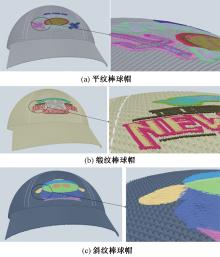
为提升机织物的设计效率,构建纱线级的三维织物模型用于仿真,并提出参数化设计方法,首先通过截面几何形状的交互设计和推导的通用三维变换关系,实现了管状纱线模型的自由建模。在此基础上构建了参数化的多股加捻纱线模型并添加毛羽特征,用螺距与纱线半径的比率控制捻度,用毛羽断点数量和偏移系数控制毛羽密度。然后设计了网格化的交互界面来描述和编辑织物组织结构,用经纱循环数、纬纱循环数和循环单元实施参数化控制;用纱线宽度和纱线间隙的比率表达织物透孔度;提出了利用这些参数的织物建模算法,开发了交互式的设计模块。最后展示并分析了不同维度参数的部分设计结果,并将设计仿真模块用于棒球帽设计中,验证了算法的可用性。

关键词: 机织物, 参数化设计, 纱线模型, 织物三维建模, 织物渲染

Abstract:

Objective Intelligent production of woven fabrics is one of the core directions of the transformation and upgrading of the textile industry. To improve the efficiency of woven fabric design, this paper proposes a simple and efficient parametric design method for woven fabrics. This method uses intuitive mathematical parameters to represent key parameters in the woven fabric design process and presents them through an easy-to-use interactive interface. A yarn-level modeling and simulation algorithm is also proposed to enable real-time preview of simulation results during parametric design.

Method Firstly, the free modeling of tubular yarn model is realized through interactive design of cross-sectional geometry and derived universal three-dimensional transformation relationship. On this basis, a parametric multi-ply twisted yarn model is constructed with hairiness characteristics added. The twist is controlled by the ratio of pitch to yarn radius, and the hairiness density is controlled by the number of hairiness breakpoints and offset coefficient. Then, an interactive weave design paper interface is designed to describe and edit the fabric structure, and parametric control is implemented by the number of warp yarn cycles, the number of weft yarn cycles and the cycle unit. The ratio of yarn width and yarn gap is used to express the fabric porosity. A fabric modeling algorithm using these parameters is proposed, and an interactive design module is developed.

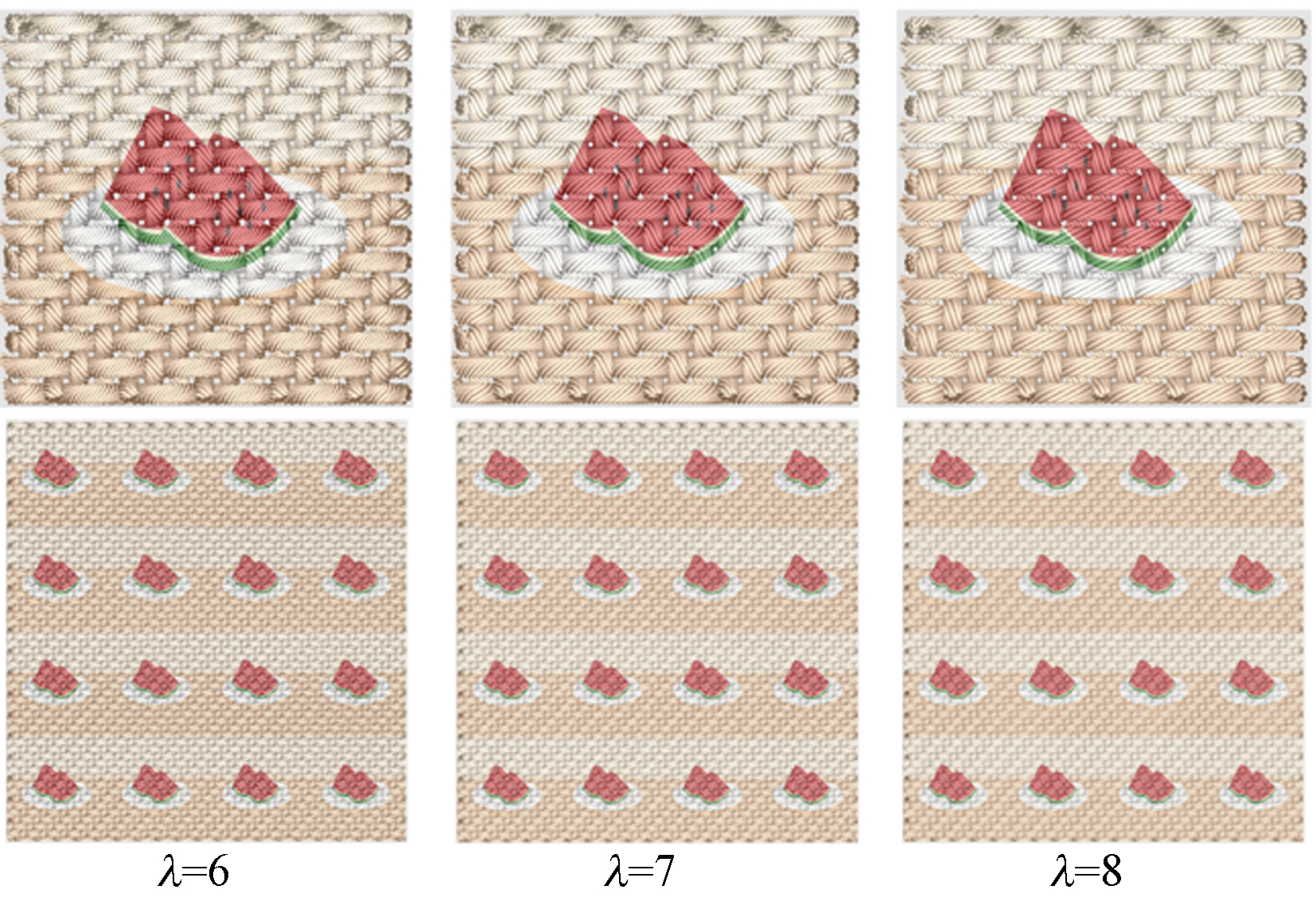
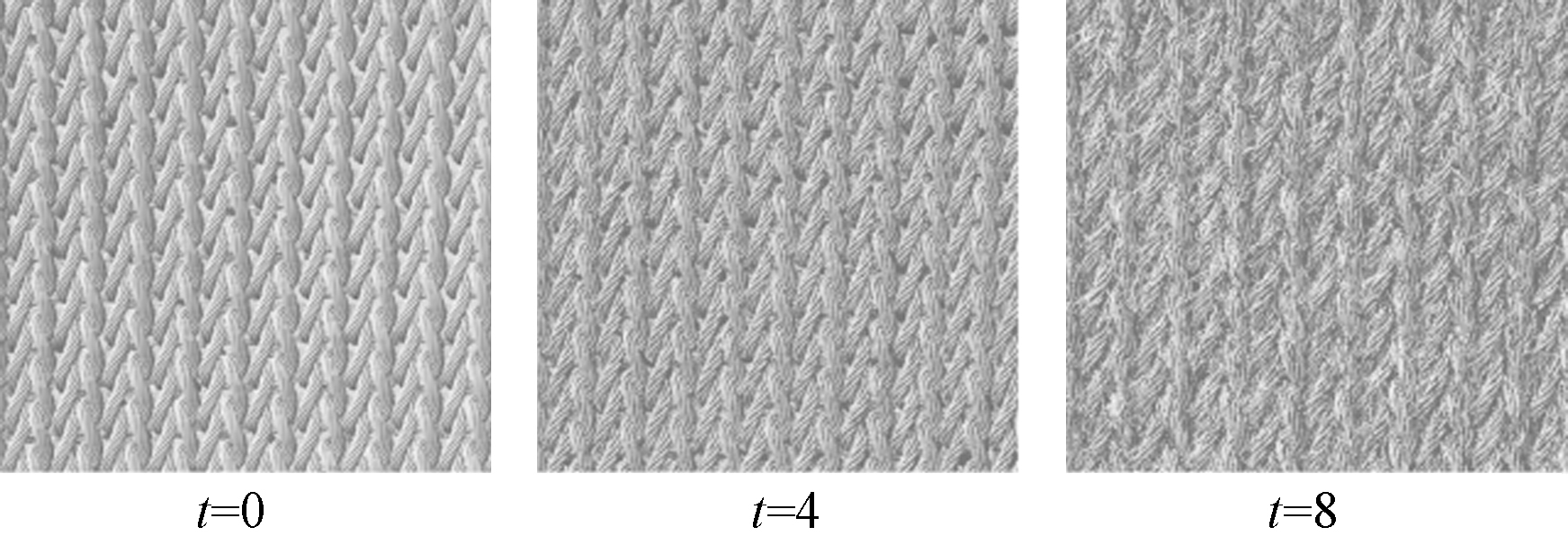
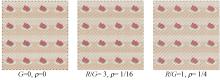
Results On the one hand, different yarn modeling methods can present simulation effects with different appearances. The surface of tubular yarns looks smoother, and multi-strand yarns show more yarn details. The simulated structure of the runway-shaped yarn (approximated by a rectangular shape) produces a smoother surface, and the structure composed of yarns with an elliptical cross-section exhibits a noticeable difference in color at the yarn seams due to the large curvature variation. For the multi-strand yarn model, twist and hairiness are two very important simulation parameters. It is found that higher the twist leads to tighter and stiffer yarns, as for real yarns. The results also show that fabric strength and hairiness density are proportional to surface roughness. Research shows that fabric structure and porosity affect the fabric simulation effect. Different structures have a significant impact on the appearance of the fabric resulting in different simulation textures. Fabric porosity is derived from the yarn thickness and yarn spacing. The porosity of a fabric is characterized by the ratio of yarn thickness and yarn spacing. Simulation results using a twill weave structure show that the lower the porosity, the tighter the yarn arrangement and the smoother the illumination; this relationship is strongly correlated with the fabric's structure. Based on the implementation of these modeling and simulation algorithms and the introduction of parametric design, a lightweight woven fabric design module was developed. This interactive interface utilizes a grid-based interface to design the structure, color, and appearance, enabling real-time simulation and rendering. This parametric design approach offers the advantages of simplicity and efficiency. The resulting design module is easy to use, exhibits a strong sense of realism in simulation results, and exhibits good portability.

Conclusion This paper introduces parametric design into woven fabric design and establishes a yarn-level three-dimensional fabric model to improve the realism of the simulation effect. In addition to design efficiency, the portability of design tools is also of great significance for the intelligent production of woven fabrics, and modular tools are also highly scalable. Yarn-level woven fabric simulation can reflect rich model details and is more realistic. Woven fabrics with different organizational structures reflect different textures. Through the combination of parameters in different dimensions, various real materials can be simulated to produce highly realistic visual effects. This is of great significance to fields such as clothing CAD and realistic rendering, and can be used as another choice for the physical material of woven fabric models. The portability of the design method in this paper can bring a broad application space.

Key words: woven fabric, parametric design, yarn model, fabric 3-D modeling, fabric rendering

中图分类号: 

  • TP311.1

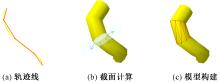
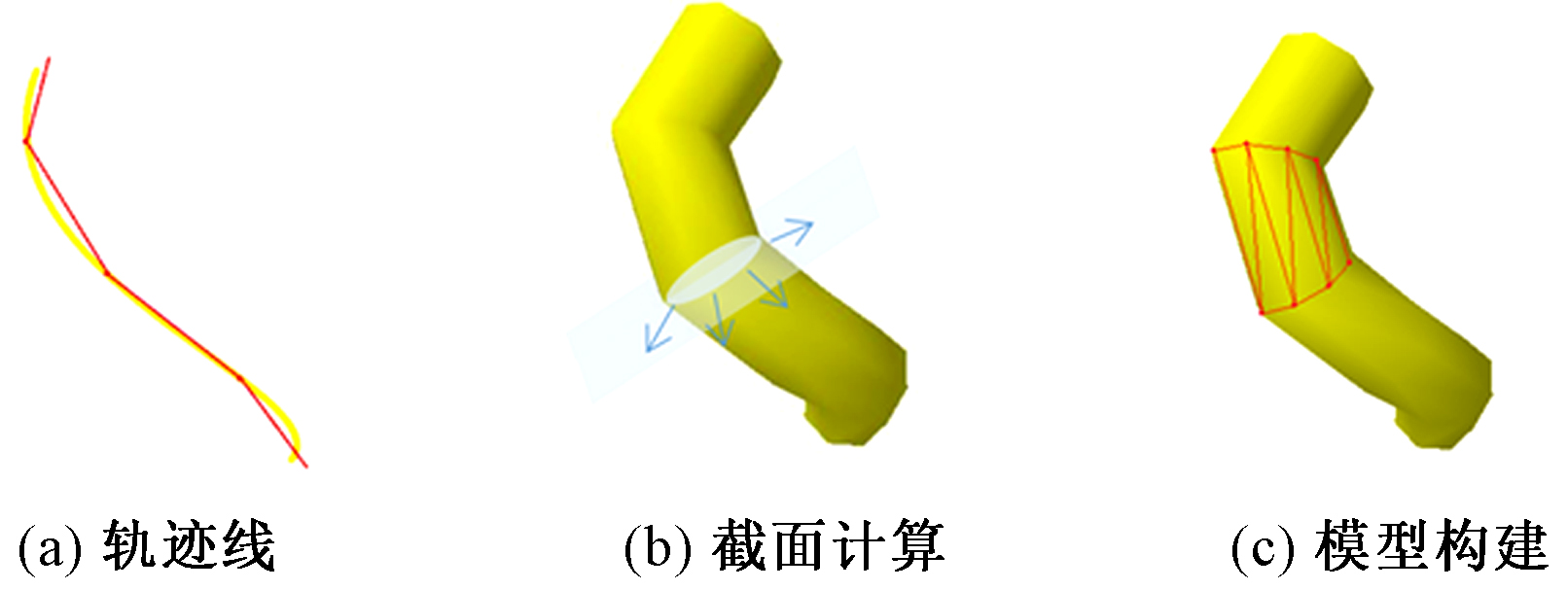
图1

纱线建模过程"

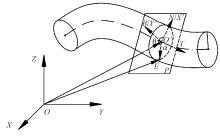
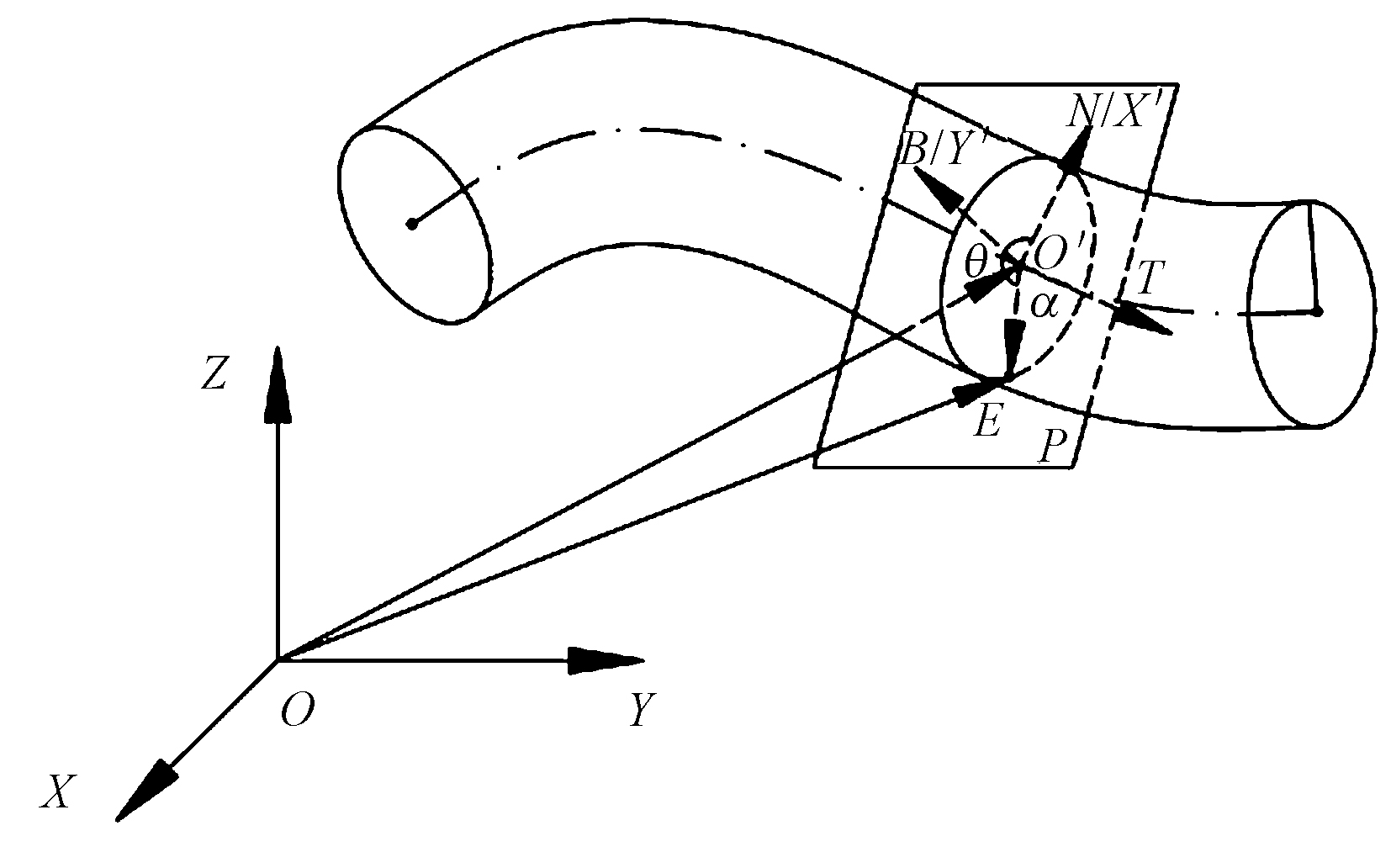
图2

圆柱体线框模型"

图3

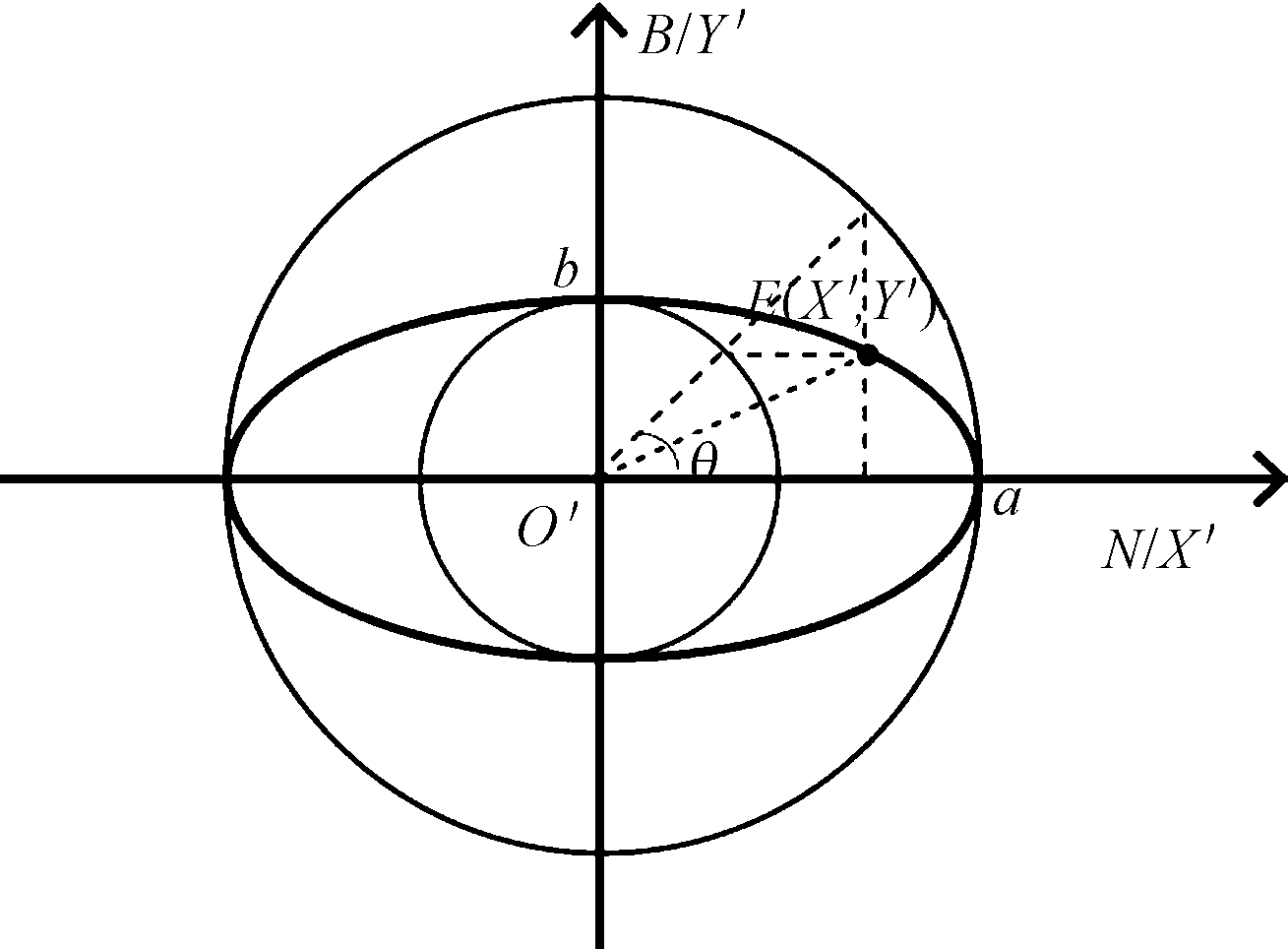
椭圆形横截面表示"

图4

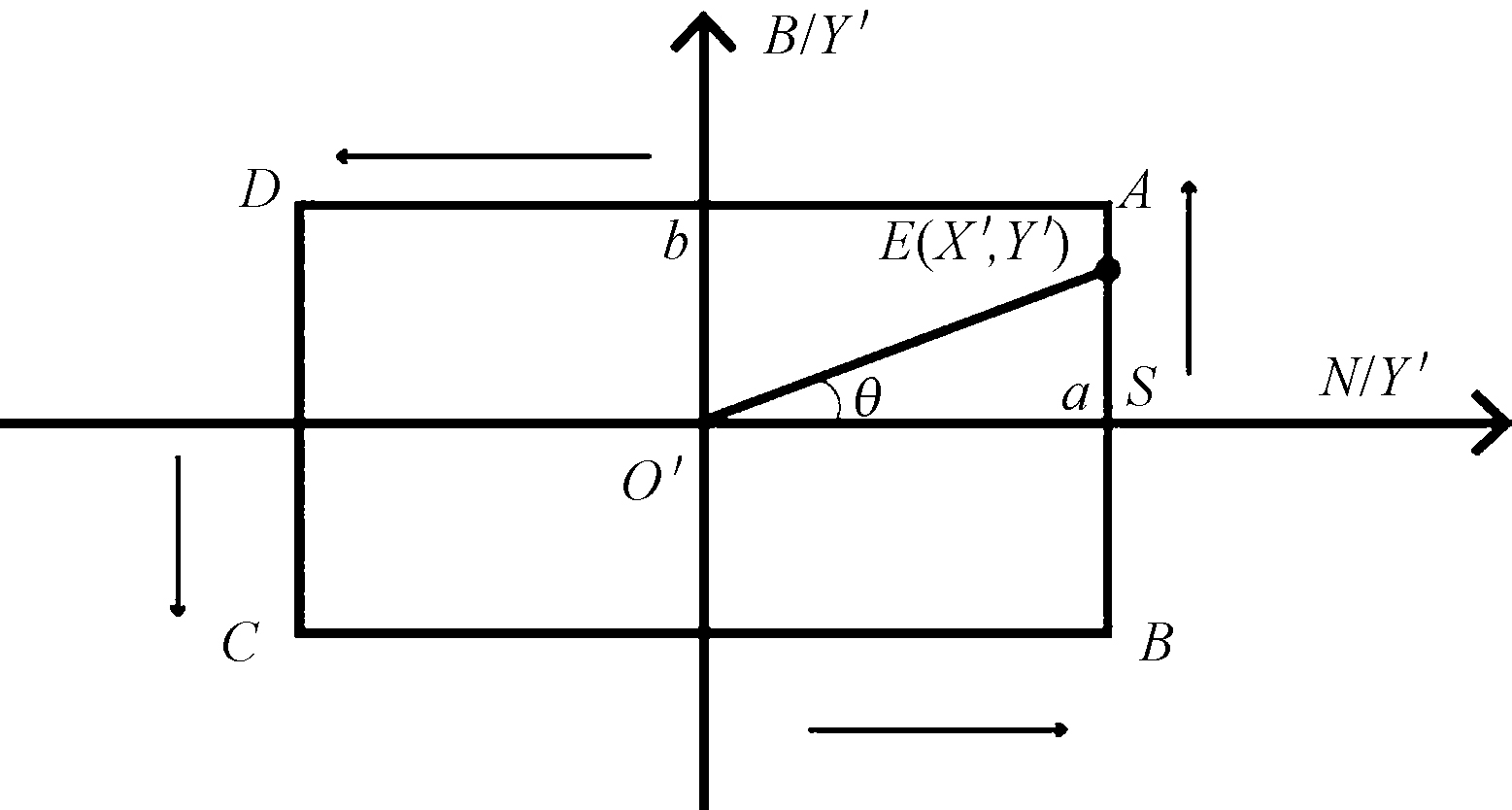
矩形横截面表示"

图5

多股加捻纱线模型"

图6

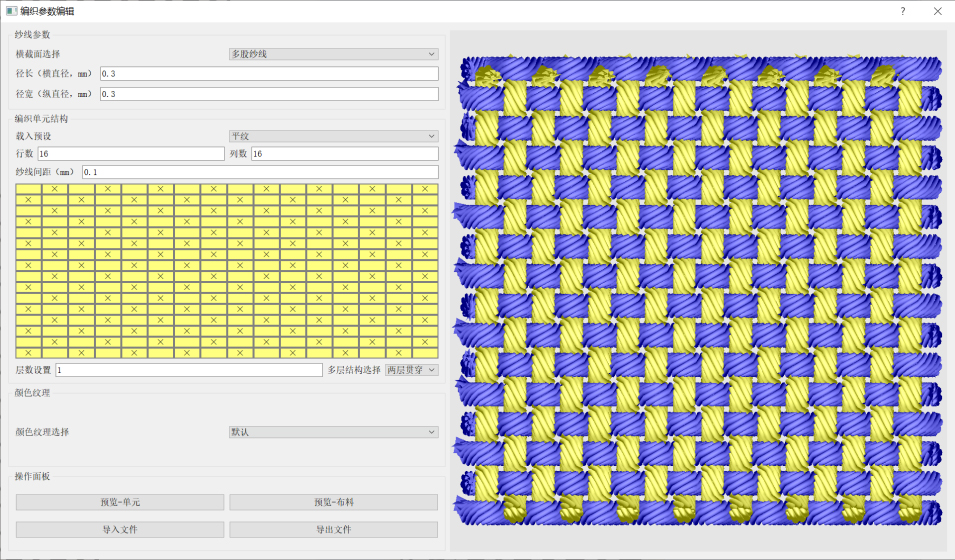
机织物参数化设计界面"

图7

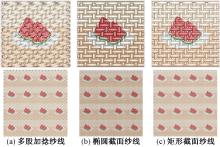
不同纱线的仿真结果"

图8

不同捻度纱线的仿真结果"

图9

不同毛羽密度的仿真结果"

图10

不同组织结构的仿真结果"

图11

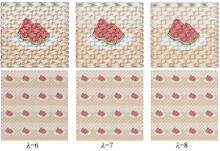
不同透孔度的仿真结果"

图12

仿真效果对比"

图13

不同织物组织结构的棒球帽"

[1] BUSO A, MCQUILLAN H, JANSEN K, et al. The unfolding of textileness in animated textiles: an exploration of woven textile-forms[C]// Proceedings of DRS. Design Research Society, 2022: 5-10.
[2] DEVENDORF L, LO J, HOWELL N, et al. "I don't want to wear a screen": probing perceptions of and possibilities for dynamic displays on clothing[C]// Proceedings of the 2016 CHI Conference on Human Factors in Computing Systems. New York: ACM, 2016: 6028-6039.
[3] DEVENDORF L, WALTERS K, FAIRBANKS M, et al. AdaCAD: parametric design as a new form of notation for complex weaving[C]// Proceedings of the 2023 CHI Conference on Human Factors in Computing Systems. New York: ACM, 2023: 1-18.
[4] ScotWeave, Jacquard Looms[EB/OL](2018) http://scotweave.com/products/product/jacquard-looms.
[5] WU R D, ZHANG J X, LEAF J, et al. Weave-craft[J]. ACM Transactions on Graphics, 2020, 39(6): 1-16.
[6] SHERBURN M. Geometric and mechanical modelling of textiles[D]. University of Nottingham, 2007: 5-35.
[7] BROWN L P. TexGen[M]// Advanced weaving technology. Cham: Springer International Publishing, 2022: 253-291.
[8] PANNEERSELVAM R G, BALAMURUGAN D, PRAKASH C, et al. A study on generating the perspective projection of different weave structures using 3D computer-aided designing tools[J]. The Journal of the Textile Institute, 2023, 114(11): 1727-1739.
doi: 10.1080/00405000.2022.2145449
[9] 张玚. 三维织物针法设计与真实感显示的研究与实现[D]. 杭州: 浙江大学, 2021: 7-13.
ZHANG Yang. The study and implementation of design of stitch pattern and realistic display of 3D fabric[D]. Hangzhou: Zhejiang University, 2021: 7-13.
[10] LI Y, YANG L, CHEN S, et al. Three dimensional simulation of weft knitted fabric based on surface model[J]. Mathematical and Computer Modelling, 2014, 18: 52-57.
[11] KYOSEV Y. Topology-based modeling of textile structures and their joint assemblies[M]. Cham: Springer International Publishing, 2019: 14-16.
[12] ZHAO S, LUAN F J, BALA K. Fitting procedural yarn models for realistic cloth rendering[J]. ACM Transactions on Graphics, 2016, 35(4): 1-11.
[13] WU K, YUKSEL C. Real-time fiber-level cloth rendering[C]// Proceedings of the 21st ACM SIGGRAPH Symposium on Interactive 3D Graphics and Games. New York: ACM, 2017: 1-8.
[14] DENG W, WANG X, KE W, et al. Parametric 3D simulations of spun yarns and fabrics[J]. The Journal of the Textile Institute, 2024, 115(9): 1413-1422.
doi: 10.1080/00405000.2023.2230326
[15] 刘欧. 针织衣物的渲染与任意姿势的人体着装算法研究[D]. 杭州: 浙江大学, 2020: 10-12.
LIU Ou. Research on knitted clothing rendering and dressing in arbitrary posture[D]. Hangzhou: Zhejiang University, 2020: 10-12.
[1] 张子悦, 江红霞, 刘基宏. 单色机织物数字纹理色卡的设计与评价[J]. 纺织学报, 2025, 46(10): 167-175.
[2] 梁睿, 李众, 童维红, 叶长怀. 聚乙烯衍生炭化织物及其电磁屏蔽性能[J]. 纺织学报, 2025, 46(09): 27-35.
[3] 张爱丹, 王倩. 三纬组合全显结构织物的颜色预测方法[J]. 纺织学报, 2025, 46(05): 151-158.
[4] 尚静雨, 蒋高明, 陈钰珊, 刘海桑, 李炳贤. 花式纱罗织物设计与三维仿真[J]. 纺织学报, 2025, 46(04): 81-88.
[5] 王浙峰, 蔡王丹, 李诗雅, 徐青艺, 张红霞, 祝成炎, 金肖克. 抗菌除臭复合功能机织物的服用性能[J]. 纺织学报, 2025, 46(03): 90-99.
[6] 李慧敏, 刘淑强, 杜琳琳, 张曼, 吴改红. 玄武岩/聚酰亚胺三维间隔机织物的参数化建模及高温环境传热数值模拟[J]. 纺织学报, 2025, 46(01): 87-94.
[7] 孙戬, 王彤, 陈云辉, 林何, 刘晖, 成小乐. 织物增强橡胶基复合材料本构模型及其应用[J]. 纺织学报, 2025, 46(01): 95-102.
[8] 李文雅, 梁建行, 薛涛, 董真真. 基于点云的三维纱线参数化建模[J]. 纺织学报, 2024, 45(11): 80-87.
[9] 田少萌, 张丽, 石浩轩, 徐阳. 基于ANSYS Workbench的高密机织滤料动态形变模拟与分析[J]. 纺织学报, 2024, 45(09): 63-69.
[10] 徐辉, 朱昊, 潘苏情, 史红艳, 应迪. 基于变截面复丝模型的机织物模拟[J]. 纺织学报, 2024, 45(05): 70-78.
[11] 石路健, 宋亚伟, 谢汝义, 高志超, 房宽峻. 莱赛尔机织物防原纤化前处理工艺优化[J]. 纺织学报, 2023, 44(12): 96-105.
[12] 杨孟想, 刘让同, 李亮, 刘淑萍, 李淑静. 机织物的热传递与强热条件下热防护性能[J]. 纺织学报, 2023, 44(11): 74-82.
[13] 王旭, 闵尔君, 李少聪, 张文强, 彭旭光. 基于平织机的管状三维机织物设计及其矩阵模型[J]. 纺织学报, 2023, 44(08): 103-109.
[14] 应志平, 王伟青, 吴震宇, 胡旭东. 三维正交机织复合材料的冲后压缩性能[J]. 纺织学报, 2023, 44(01): 129-135.
[15] 肖琪, 王瑞, 张淑洁, 孙红玉, 王静茹. 基于ABAQUS的涤/棉混纺机织物起球过程有限元仿真[J]. 纺织学报, 2022, 43(06): 70-78.
Viewed
Full text


Abstract

Cited

  Shared   
  Discussed   
No Suggested Reading articles found!