纺织学报 ›› 2025, Vol. 46 ›› Issue (11): 102-110.doi: 10.13475/j.fzxb.20250206601

• 纺织工程 • 上一篇    下一篇

织物起毛起球等级评定系统

邓云涛1, 谭艳君1(), 张洪松2, 燕雨1, 余秋雨1, 林风喜3, 王一鑫4, 安乐乐2   

  1. 1.西安工程大学 纺织科学与工程学院, 陕西 西安 710048
    2.上海冉紫实业有限公司, 上海 200000
    3.中联品检(福建)检测服务有限公司, 福建 泉州 362700
    4.中联品检(武汉)检测技术有限公司, 湖北 武汉 430024
  • 收稿日期:2025-02-28 修回日期:2025-08-03 出版日期:2025-11-15 发布日期:2025-11-15
  • 通讯作者: 谭艳君(1963—),女,教授级高级工程师。主要研究方向为功能材料的研发及智能纺织品检测技术。E-mail:448720091@qq.com
  • 作者简介:邓云涛(2000—),男,硕士生。主要研究方向为织物起毛起球测量方法。

Nival system for fabric pilling grade evaluation

DENG Yuntao1, TAN Yanjun1(), ZHANG Hongsong2, YAN Yu1, YU Qiuyu1, LIN Fengxi3, WANG Yixin4, AN Lele2   

  1. 1. College of Textile Science and Engineering, Xi'an Polytechnic University, Xi'an, Shaanxi 710048, China
    2. Shanghai Ranzi Industrial Co., Ltd., Shanghai 200000, China
    3. Zhonglianpin Inspection (Fujian) Testing Service Co., Ltd.,Quanzhou, Fujian 362700, China
    4. Zhonglianpin Inspection (Wuhan) Testing Service Co., Ltd.,Wuhan, Hubei 430024, China
  • Received:2025-02-28 Revised:2025-08-03 Published:2025-11-15 Online:2025-11-15

摘要:

针对织物起毛起球评定过程中因主观因素造成的等级评定误差、效率低等问题,开发了智能识别织物起毛起球等级评定系统。该系统采用基于U-Net网络模型通过嵌入双注意力机制和迁移学习等手段进行重塑出的DA-Unet模型,实现对不规则织物起毛起球区域精准的语义分割,研究发现当光源在60°入射角度时模型的像素准确率可达98.75%。结合Spearman和Kendall方法对特征参数与等级的相关性进行分析,确定了起毛起球个数、面积、最大面积和面积中位数4类特征参数对等级影响最大。在采用六大机器学习分类算法对针织和机织物(涵盖棉、涤纶材质)进行等级评定时,随机森林分类算法准确率最高,可达97.42%和95.31%。随后借助箱线图对相关特征参数数值进行分析,确定等级相关数值范围,最终构建精确的等级评定模块。实验对1 200张不同类型的织物进行分析,结果显示,系统对织物起毛起球等级的评定结果,与人工评级结果误差在1级以内的准确率分别达98.90%(针织物)和98.19%(机织物),有效验证了系统在织物起毛起球等级评定方面的准确性。

关键词: 织物起毛起球, 起毛起球等级评定, 神经网络, 相关性分析, 起毛起球特征参数, 机器学习分类算法

Abstract:

Objective Fabric pilling grading is a crucial aspect of fabric quality inspection. With the continuous increase in production levels within the textile industry, fabric pilling detection still relies on manual methods, which struggle to keep pace with production efficiency and are susceptible to subjective influences. Consequently, a portable fabric pilling grading evaluation system has been developed to address the demands of rapidly growing production efficiency for both efficiency and accuracy in the inspection process.
Method In this study, a detachable specimen clamp was designed and light angles were optimized, which collectively culminated in the development of a portable fabric acquisition device. The grading evaluation system employed an improved DA-Unet network model based on U-Net architecture to perform semantic segmentation on pilling areas of both knitted and woven fabrics made from cotton and polyester materials. Through correlation analysis, the characteristic parameters of fabric pilling are determined, and the final pilling grade evaluation module is constructed by using machine learning classification algorithm and numerical analysis of related characteristic parameters.
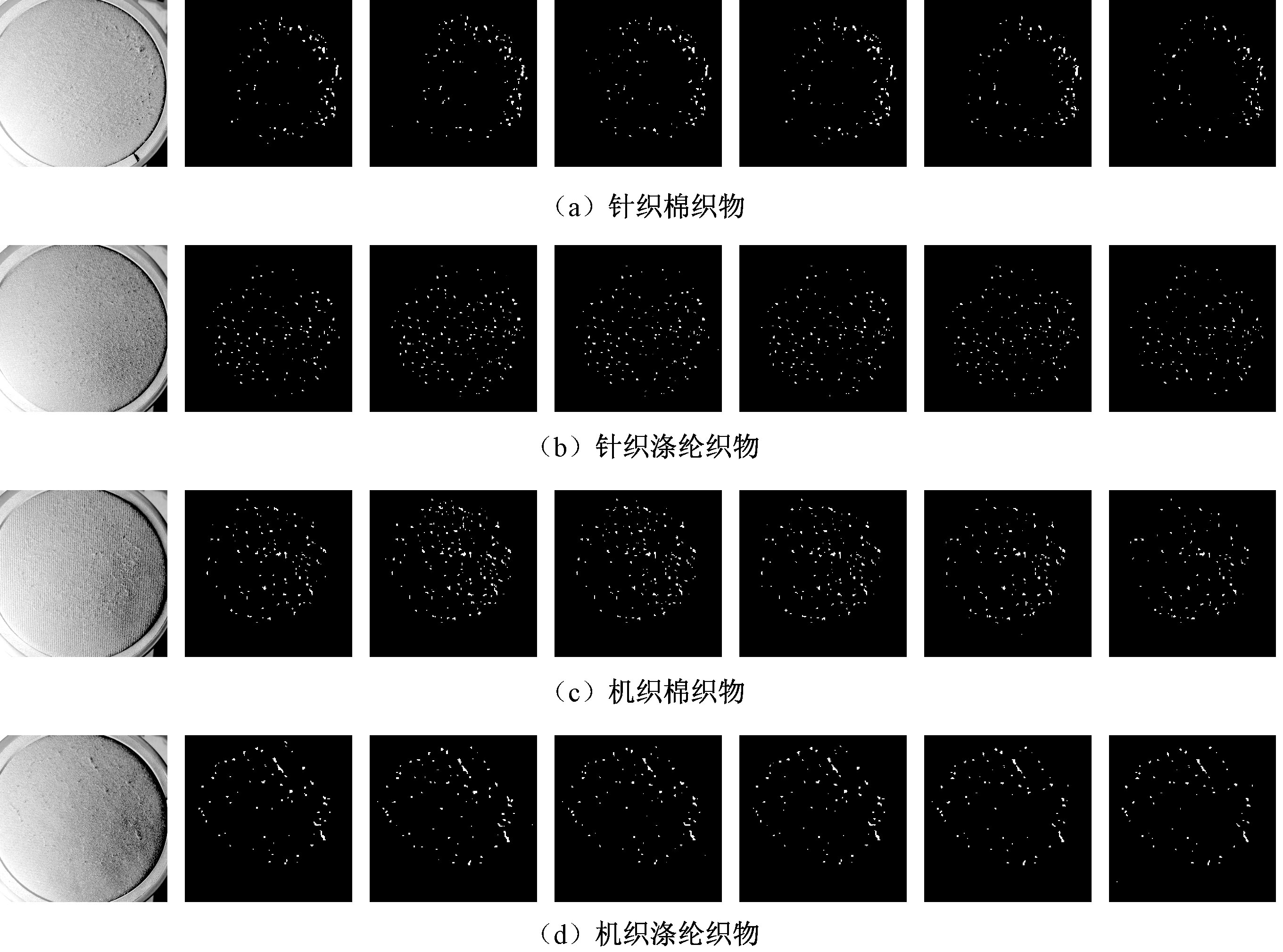
Results The system uses the DA-Unet network model to semantically segment the fabric image under different incident light angles, and compares the obtained semantic segmentation results with the results of pilling areas marked by professionals. Through the four evaluation indexes of intersection over union, pixel accuracy, recall and precision, the optimal incident light angle is determined to be 60°, and the results of the four evaluation indexes are 75.83%, 98.75%, 79.59% and 94.67%. The influence of characteristic parameters including pilling number, total pilling area, maximum pilling area, average pilling area, median pilling area and contrast, on pilling grade of fabrics was explored. The correlation between the characteristic parameters and the grade was analyzed by Spearman and Kendall methods, and the four characteristic parameters that had the greatest influence on the grade evaluation were determined as pilling number, total pilling area, maximum pilling area and median pilling area. Because of the differences in pilling characteristics between knitted and woven fabrics, six machine learning classification algorithms are used to predict the grade of four characteristic parameters of the two fabrics (combined with the grade evaluation results as input data). The results show that the random forest classification algorithm has the highest accuracy on knitted and woven fabrics, reaching 97.42% and 95.31% respectively. Because the special circumstances such as the appearance of hairballs in a large area have a great influence on the evaluation results, the related numerical range of different grade characteristic parameters is further analyzed, and the grade evaluation module is finally completed through the different grades divided by the parameter values. When analyzing the grades of 1 200 knitted and woven fabric samples, with discrepancies maintained within one grade compared to professional evaluations, the system achieved accuracy of 98.90% for knitted fabrics and 98.19% for woven fabrics, which effectively verified the accuracy of this system in fabric pilling grading.
Conclusion The system is used for assessing the pilling grades of knitted and woven fabrics made from cotton and polyester materials. Through four evaluation indexes, the angle of incident light is determined to be 60°. Through the Spearman and Kendall correlation analysis, four characteristic parameters which have the greatest influence on the grade evaluation are determined. Among the machine learning classification algorithms, the random forest classification algorithm has the highest rating accuracy for knitted and woven fabrics, reaching 97.42% and 95.31%. By analyzing the range of characteristic parameters of different grades, the grading accuracy of knitted and woven fabrics can reach 98.90% and 98.19%. The final results verify that the system has high accuracy in the evaluation of fabric pilling grade. Future research plans involve further expanding the types of fabrics to include nonwoven fabrics. Additionally, other methods will be explored in the grading evaluation module to further enhance the accuracy of the evaluation results.

Key words: fabric pilling, pilling grading, neural network, correlation analysis, pilling characteristic parameter, machine learning classification algorithm

中图分类号: 

  • TS194.179

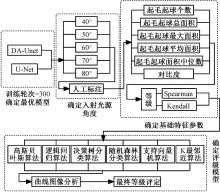
图1

实验流程图"

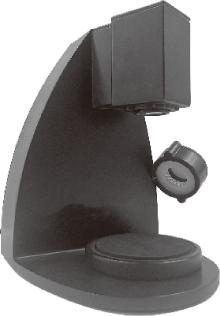
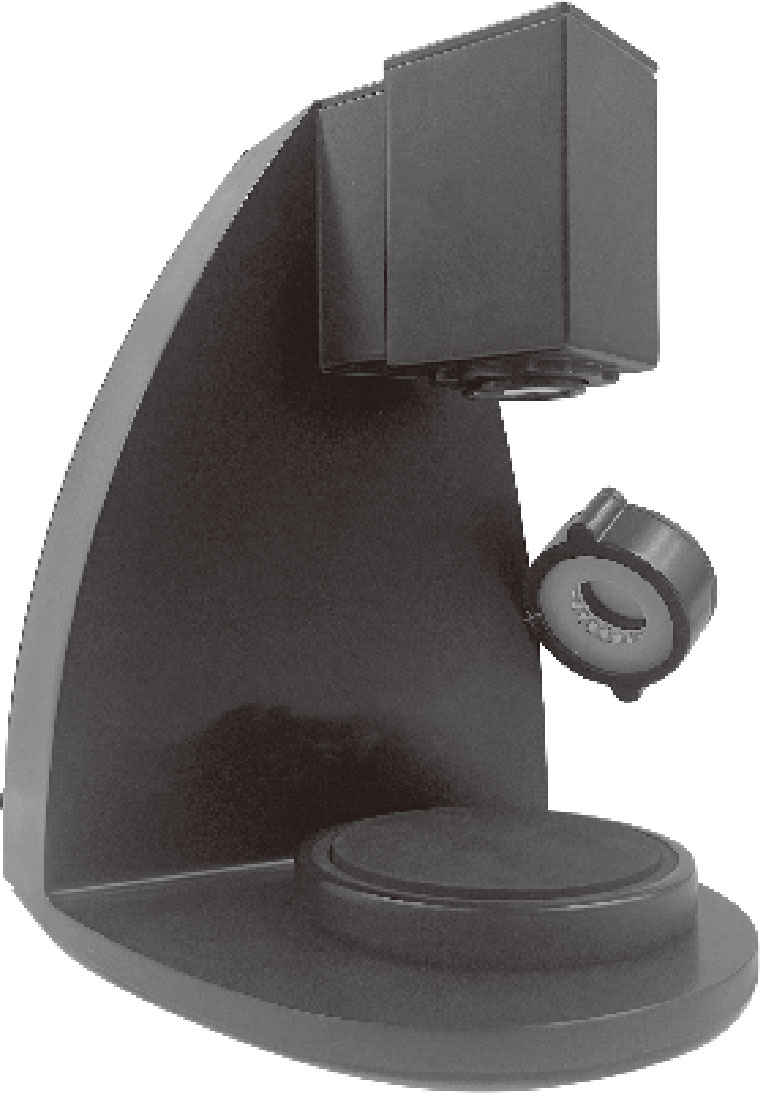
图2

采集装置实物图"

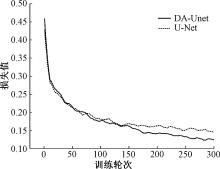
图3

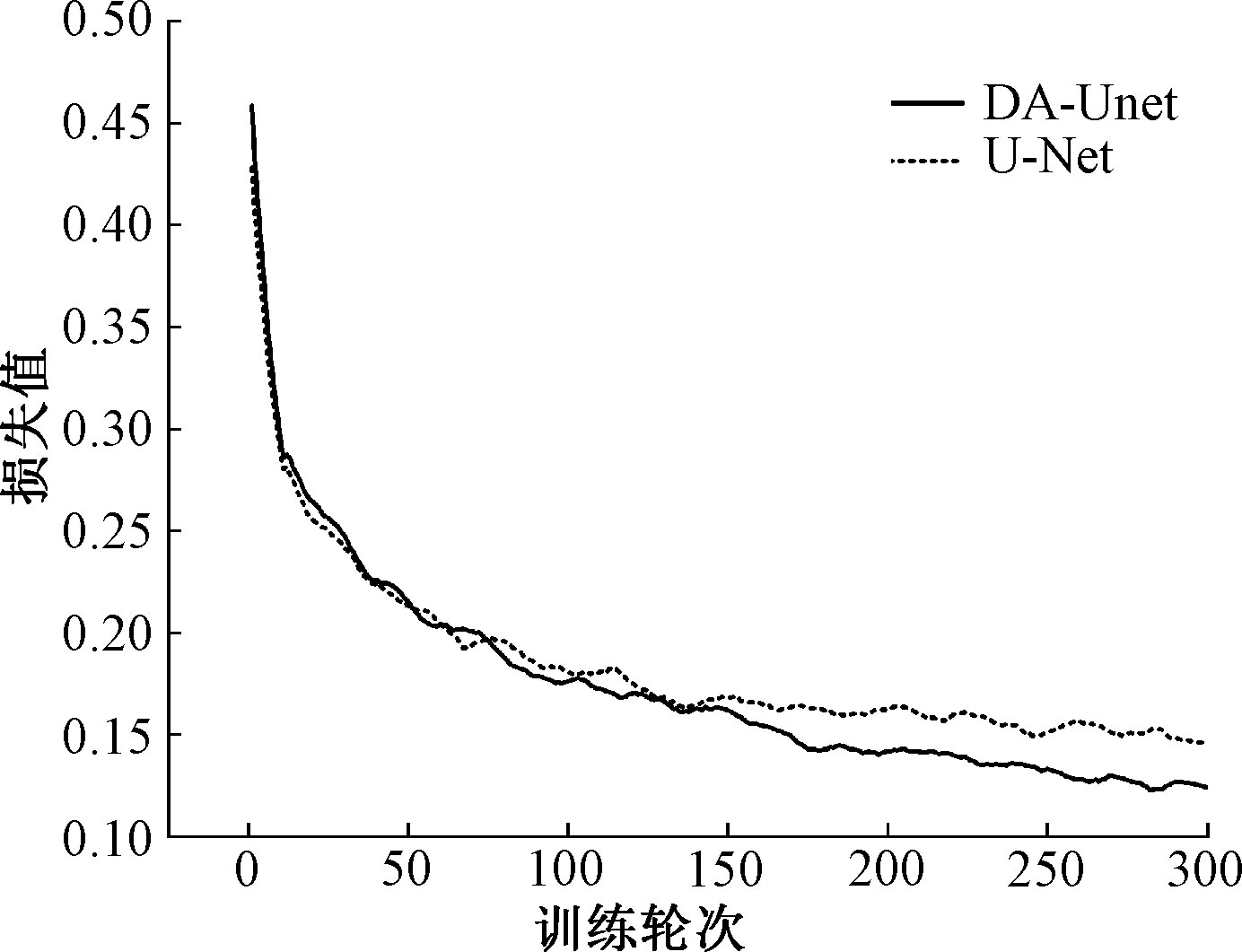
不同模型训练过程损失函数图"

图4

不同织物种类结果 注:从左至右分别为织物原图,人工标注图像,40°、50°、60°、70°和80°语义分割结果图像。"

表1

不通光源入射角度下的4项评估指标结果"

角度/(°) 交并比/% 像素准确率/% 召回率/% 精确度/%
40 38.22 98.25 55.73 54.10
50 61.73 98.63 70.74 82.84
60 75.83 98.75 79.59 94.67
70 46.39 98.52 46.92 61.82
80 41.50 98.61 40.36 62.95

表2

6类特征参数与等级的相关性系数"

特征参数 Spearman相关性
系数
Kendall相关性
系数
起毛起球个数 -0.933 7 -0.823 9
起毛起球总面积 -0.961 9 -0.860 5
起毛起球最大面积 -0.937 4 -0.825 8
起毛起球平均面积 -0.920 7 -0.804 6
起毛起球面积中位数 -0.934 6 -0.820 7
对比度 -0.294 6 -0.240 9

图5

针织物不同级的起毛起球标准样照"

表3

针织物和机织物在6类机器学习算法下评级准确率"

机器学习分类算法 针织物准确率/% 机织物准确率/%
高斯贝叶斯算法 97.00 94.53
逻辑回归算法 59.23 65.63
决策树分类算法 95.28 93.75
随机森林分类算法 97.42 95.31
支持向量机算法 94.85 89.06
K最近邻算法 95.71 94.53

图6

特殊织物起球案例图片"

图7

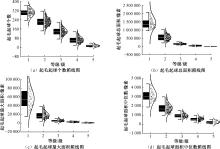
针织物不同特征参数数值范围"

表4

针织物不同等级起毛起球参数范围"

等级/级 起毛起球个数范围/个 起毛起球总面积范围/像素 起毛起球最大面积范围/像素 起毛起球面积中位数范围/像素
1 ≥284 ≥1 172 046 ≥39 997 ≥2 742
1-2 [246.5,284) [705 920.5,1 172 046) [22 592.5,39 997) [2 066.5,2 742)
2 [198,246.5) [397 322,705 920.5) [11 556.5,22 592.5) [1 419,2 066.5)
2-3 [159,198) [188 536,397 322) [6 919,11 556.5) [1 076,1 419)
3 [115,159) [128 214,188 536) [4 273,6 919) [798,1 076)
3-4 [80,115) [65 275,128 214) [3 424,4 273) [665,798)
4 [42,80) [30 356,65 275) [2 076,3 424) [453,665)
4-5 [18,42) [814,30 356) [878,2 076) [317,453)
5 <18 <814 <878 <317

表5

机织物不同等级起毛起球参数范围"

等级/级 起毛起球个数范围/个 起毛起球总面积范围/像素 起毛起球最大面积范围/像素 起毛起球面积中位数范围/像素
1 ≥187 ≥415 275 ≥10 781 ≥1 537
1-2 [247 839,415 275) [7 936,10 781) [1 359,1 537)
2 [131,187) [177 757,247 839) [5 400,7 936) [981,1 359)
2-3 [93,131) [84 363,177 757) [4 643,5 400) [909,981)
3 [60,93) [50 088,84 363) [2 975,4 643) [600,909)
3-4 [38,60) [20 575,50 088) [2 054,2 975) [546,600)
4 [24,38) [11 116,20 575) [1 334,2 054) [291,546)
4-5 [11,24) [3 848,11 116) [803,1 334)
5 <11 <3 848 <803 <291
[1] 卢开新, 管雯珺. 织物起毛起球检测技术发展现状及展望[J]. 纺织科技进展, 2020(3): 20-23.
LU Kaixin, GUAN Wenjun. Development status and prospect of fabric pilling detection technology[J]. Progress in Textile Science & Technology, 2020(3): 20-23.
[2] 王惠. 纺织品起毛起球性能测定方法对比分析[J]. 化纤与纺织技术, 2021, 50(7): 74-75, 148.
WANG Hui. Comparative analysis of testing methods for pilling properties of textiles[J]. Chemical Fiber & Textile Technology, 2021, 50(7): 74-75, 148.
[3] 董康乐, 陈姗, 安少元, 等. 基于图像处理的织物起毛起球分级研究[J]. 纺织器材, 2019, 46(6): 15-19.
DONG Kangle, CHEN Shan, AN Shaoyuan, et al. Study on fabric pilling classification based on image processing[J]. Textile Accessories, 2019, 46(6): 15-19.
[4] 蔡林莉, 黄志威, 叶春收, 等. 基于图像处理的粗梳毛织物起毛起球等级客观评定[J]. 毛纺科技, 2013, 41(2): 58-61.
CAI Linli, HUANG Zhiwei, YE Chunshou, et al. Research on objective evaluation of fabric spray test based on image processing[J]. Wool Textile Journal, 2013, 41(2): 58-61.
[5] LIU L L, DENG N, XIN B J, et al. Objective evaluation of fabric pilling based on multi-view stereo vision[J]. The Journal of the Textile Institute, 2021, 112(12): 1986-1997.
doi: 10.1080/00405000.2020.1862479
[6] 汪亚明, 崔新辉, 韩永华. 基于小波变换及Gabor滤波的起毛起球图像分割[J]. 丝绸, 2016, 53(3): 37-40.
WANG Yaming, CUI Xinhui, HAN Yonghua. Fabric pilling image segmentation based on wavelet transform and Gabor filter[J]. Journal of Silk, 2016, 53(3): 37-40.
[7] CHEN H Q, HAN Y H, LI J G, et al. An objective fabric pilling evaluation based on wavelet transform and Gabor filter[J]. Journal of Engineered Fibers and Fabrics, 2022, 17: 15589250221108728.
[8] WU J, LIU Q W, XIAO Z T, et al. Objective rating method for fabric pilling based on LSNet network[J]. The Journal of the Textile Institute, 2024, 115(4): 535-543.
doi: 10.1080/00405000.2023.2201531
[9] XIAO Q, WANG R, ZHANG S J, et al. Prediction of pilling of polyester-cotton blended woven fabric using artificial neural network models[J]. Journal of Engineered Fibers and Fabrics, 2020, 15: 1558925019900152.
[10] TECHNIKOVÁ L, TUNÁK M, JANÁ EK J. New objective system of pilling evaluation for various types of fabrics[J]. The Journal of the Textile Institute, 2017, 108(1): 123-131.
doi: 10.1080/00405000.2016.1160476
[11] 孙杰, 李伟松, 沈锦玉, 等. 基于仪器评级的织物起毛起球性能客观评价方法探讨[J]. 天津纺织科技, 2016(4): 38-39.
SUN Jie, LI Weisong, SHEN Jinyu, et al. Discussion on objective evaluation method of fabric pilling performance based on instrument rating[J]. Tianjin Textile Science & Technology, 2016(4): 38-39.
[12] YAN Y, TAN Y J, GAO P F, et al. Fabric pilling image segmentation by embedding dual-attention mechanism U-Net network[J]. Textile Research Journal, 2024, 94(21/22): 2434-2444.
doi: 10.1177/00405175241246735
[13] XIONG Y, YUAN L, GU Q, et al. Correlation analysis between fabric structure and color rendering of polyester colored spun woven fabric based on the improved relative discrimination criterion[J]. Textile Research Journal, 2022, 92(13/14): 2433-2445.
doi: 10.1177/00405175221079654
[14] LI B Y, TIAN M, LIU X H, et al. Predicting the thermal protective performance of flame-retardant fabric based on machine learning[J]. International Journal of Clothing Science and Technology, 2024, 36(2): 226-240.
doi: 10.1108/IJCST-12-2022-0175
[15] 刘燕萍, 郭佩瑶, 吴莹. 面向织物疵点检测的深度学习技术应用研究进展[J]. 纺织学报, 2024, 45(12): 234-242.
doi: 10.13475/j.fzxb.20240102302
LIU Yanping, GUO Peiyao, WU Ying. Research progress in deep learning technology for fabric defect detection[J]. Journal of Textile Research, 2024, 45(12): 234-242.
doi: 10.13475/j.fzxb.20240102302
[16] 王小东, 陈俊鹏, 裴泽光. 基于U-Net卷积神经网络的织物压力传感阵列串扰解决方法[J]. 纺织学报, 2024, 45(7): 86-93.
WANG Xiaodong, CHEN Junpeng, PEI Zeguang. Method for solving crosstalk in fabric pressure sensor array based on U-Net convolutional neural network[J]. Journal of Textile Research, 2024, 45(7): 86-93.
doi: 10.1177/004051757504500117
[17] 陆寅雯, 侯珏, 杨阳, 等. 基于姿态嵌入机制和多尺度注意力的单张着装图像视频合成[J]. 纺织学报, 2024, 45(7): 165-172.
LU Yinwen, HOU Jue, YANG Yang, et al. Single dress image video synthesis based on pose embedding and multi-scale attention[J]. Journal of Textile Research, 2024, 45(7): 165-172.
[18] 孙长敏, 戴宁, 沈春娅, 等. 基于K-近邻算法改进粒子群-反向传播算法的织物质量预测技术[J]. 纺织学报, 2024, 45(7): 72-77.
SUN Changmin, DAI Ning, SHEN Chunya, et al. Fabric quality prediction technology based on K-nearest neighbor algorithm improved particle swarm optimization-back propagation algorithm[J]. Journal of Textile Research, 2024, 45(7): 72-77.
[1] 朱耀麟, 李政, 张强, 陈鑫, 陈锦妮, 张洪松. 基于近红外光谱和多特征网络的羊毛和羊绒定量检测[J]. 纺织学报, 2025, 46(09): 104-111.
[2] 郑小虎, 杜思淇, 刘永青, 王健, 陈峰. 基于一维卷积神经网络的棉纱线质量预测[J]. 纺织学报, 2025, 46(09): 120-127.
[3] 张晓婷, 赵鹏宇, 潘如如, 高卫东. 基于深度特征融合的格子织物图像检索方法[J]. 纺织学报, 2025, 46(08): 89-95.
[4] 顾孟尚, 张宁, 潘如如, 高卫东. 结合频域卷积模块的机织物图像疵点目标检测[J]. 纺织学报, 2025, 46(05): 159-168.
[5] 梁金星, 李东盛, 李壹帆, 周景, 罗航, 陈佳, 胡新荣. 基于照相测色的纺织品色牢度评级方法[J]. 纺织学报, 2025, 46(04): 119-128.
[6] 王罗俊, 彭来湖, 熊叙一, 李杨, 胡旭东. 基于超级基神经网络的自适应反演非奇异滑模纱线恒张力控制[J]. 纺织学报, 2025, 46(02): 92-99.
[7] 盛锡彬, 赵崧灵, 顾冰菲. 基于标准工时预测的衬衣部件模块生产编排优化[J]. 纺织学报, 2025, 46(01): 154-162.
[8] 刘健, 王程皓, 董守骏, 刘泳汝. 半封闭自由表面式静电纺丝喷头设计与优化[J]. 纺织学报, 2024, 45(11): 215-225.
[9] 孙长敏, 戴宁, 沈春娅, 徐开心, 陈炜, 胡旭东, 袁嫣红, 陈祖红. 基于K-近邻算法改进粒子群-反向传播算法的织物质量预测技术[J]. 纺织学报, 2024, 45(07): 72-77.
[10] 王小东, 陈俊鹏, 裴泽光. 基于U-Net卷积神经网络的织物压力传感阵列串扰解决方法[J]. 纺织学报, 2024, 45(07): 86-93.
[11] 胡旭东, 汤炜, 曾志发, 汝欣, 彭来湖, 李建强, 王博平. 基于轻量化卷积神经网络的纬编针织物组织结构分类[J]. 纺织学报, 2024, 45(05): 60-69.
[12] 齐育宝, 汝欣, 李建强, 周悦欣, 彭来湖. 基于随机共振-反向传播算法的压电选针器渐变失效检测[J]. 纺织学报, 2024, 45(03): 202-208.
[13] 葛苏敏, 林瑞冰, 徐平华, 吴思熠, 罗芊芊. 基于机器视觉的曲面枕个性化定制方法[J]. 纺织学报, 2024, 45(02): 214-220.
[14] 雷钧杰, 沈春娅, 胡旭东, 汝欣, 彭来湖. 基于NSGAII和神经网络的织造车间大规模调度[J]. 纺织学报, 2023, 44(11): 208-215.
[15] 任国栋, 屠佳佳, 李杨, 邱子安, 史伟民. 基于轻量化网络和知识蒸馏的纱线状态检测[J]. 纺织学报, 2023, 44(09): 205-212.
Viewed
Full text


Abstract

Cited

  Shared   
  Discussed   
No Suggested Reading articles found!