纺织学报 ›› 2025, Vol. 46 ›› Issue (12): 66-73.doi: 10.13475/j.fzxb.20250404601

• 纤维材料 • 上一篇    下一篇

聚乙烯吡咯烷酮对聚对苯二甲酸乙二醇酯中空纤维膜结构与性能的调控

姚晓军1,2,3,4, 徐恩婷1,2,3,4, 杨雪媛1,2,3,4, 房磊1,2,3,4, 包伟1,2,3,4, 房宽峻1,2,3,4()   

  1. 1.青岛大学 山东省医疗健康纺织材料重点实验室, 山东 青岛 266071
    2.青岛大学 纺织服装学院,山东 青岛 266071
    3.青岛大学 生态纺织省部共建协同创新中心, 山东 青岛 266071
    4.山东省高等学校低碳纺织与功能制造实验室, 山东 青岛 266071
  • 收稿日期:2025-04-28 修回日期:2025-09-10 出版日期:2025-12-15 发布日期:2026-02-06
  • 通讯作者: 房宽峻(1963—),男,教授,博士。主要研究方向为生态纺织技术。E-mail:13808980221@163.com
  • 作者简介:姚晓军(1999—),男,硕士生。主要研究方向为聚酯中空纤维膜。
  • 基金资助:
    山东省重大科技创新工程项目(2023CXGC010504)

Regulation of polyvinylpyrrolidone on structure and properties of polyethylene terephthalate hollow fiber membranes

YAO Xiaojun1,2,3,4, XU Enting1,2,3,4, YANG Xueyuan1,2,3,4, FANG Lei1,2,3,4, BAO Wei1,2,3,4, FANG Kuanjun1,2,3,4()   

  1. 1. Shandong Key Laboratory of Textile Materials for Healthcare, Qingdao University, Qingdao, Shandong 266071, China
    2. College of Textiles & Clothing, Qingdao University, Qingdao, Shandong 266071, China
    3. Collaborative Innovation Center for Eco-textiles of Shandong Province and the Ministry of Education, Qingdao Univertisy,Qingdao, Shandong 266071, China
    4. University Laboratory for Low Carbon and Functional Textiles of Shandong Province, Qingdao, Shandong 266071, China
  • Received:2025-04-28 Revised:2025-09-10 Published:2025-12-15 Online:2026-02-06

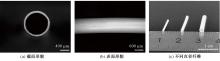
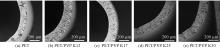
摘要: 针对小口径人工血管国产化替代需求,通过干喷湿纺制备了聚对苯二甲酸乙二醇酯(PET)中空纤维膜,采用不同分子量的聚乙烯吡咯烷酮(PVP)改变纺丝液的相分离过程,对PET中空纤维膜的微观结构、力学性能、抗蛋白吸附性能和细胞相容性等进行调控。结果表明:所制备的PET中空纤维膜截面呈规则圆形,表面光滑,直径可根据需求制备;添加PVP后,PET中空纤维膜孔结构由不规则的指状孔与致密区转变为“外指状孔/内海绵孔”的梯度结构,聚合物间的连接性增强,表现为拉伸伸长率最大增至9.4%;在改善PET中空纤维膜亲水性的同时,进一步增强中空纤维膜表面的电负性,提升抵抗蛋白吸附的能力;PET中空纤维对牛血清白蛋白截留率随添加的PVP分子量增加而下降,最低至50.0%,表明孔径增大提升了蛋白质分子穿越能力;在细胞相容性实验中,添加PVP的中空纤维膜表面细胞活度显著提升,最高达259%,证实所制备的PET中空纤维具有优异的细胞相容性。

关键词: 小口径人工血管, 中空纤维膜, 聚酯, 干喷湿纺, 亲水改性, 多孔结构, 医用纺织品, 聚乙烯吡咯烷酮

Abstract:

Objective Cardiovascular disease (CVD) is a major global health challenge, with deaths continuing to rise each year. Vascular transplantation is an effective means to save lives, and the development of artificial blood vessels to replace damaged blood vessels is of clinical significance. In this research, polyethylene terephthalate (PET) was used as raw material, which was blended with polyvinylpyrrolidone (PVP) for hydrophilic modification, to prepare hydrophilic PET hollow fiber membrane by microfluidic dry jet wet spinning process. Its application potential in the field of small-diameter artificial blood vessels was explored.

Method PET was added to hexafluoroisopropanol to prepare a spinning solution, which also contained PVP with a mass fraction of 2% and different molecular weights. Using the principle of non-solvent phase separation, several groups of different PET hollow fiber membranes were prepared using a dry-jet wet-spinning process. The microporous structure of the synthesized PET hollow fiber membrane was examined via scanning electron microscopy. Mechanical properties of the membrane were evaluated using a universal material testing machine. Hydrophilic performance was measured by means of a contact angle measuring instrument. Cell compatibility was characterized through cell culture experiments.

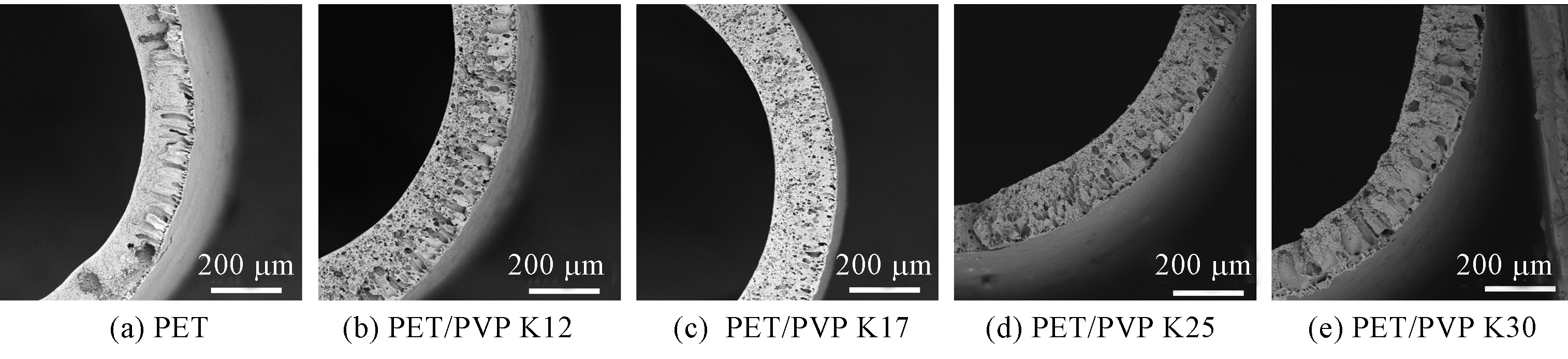
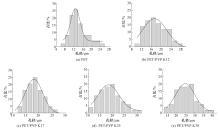
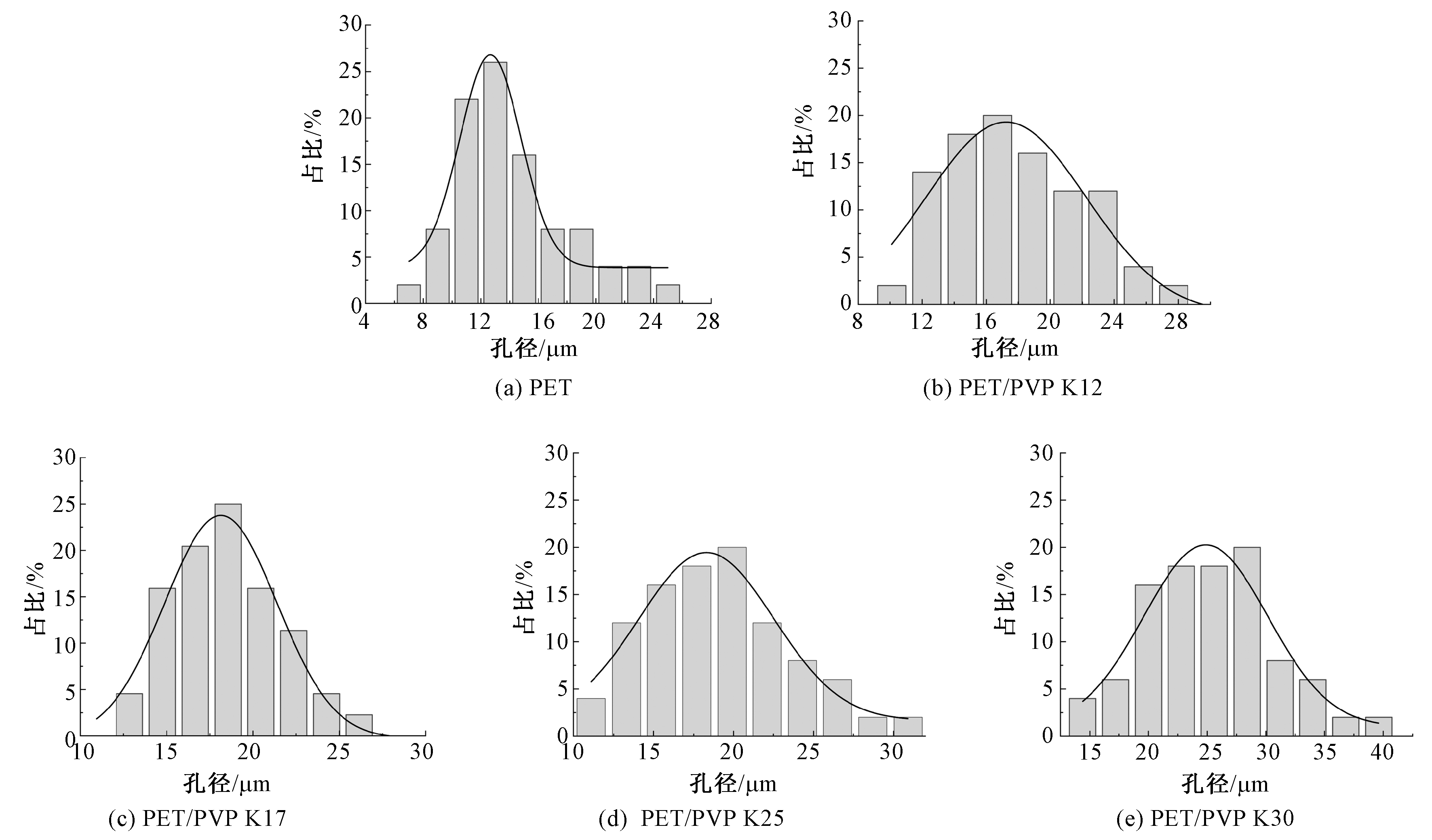
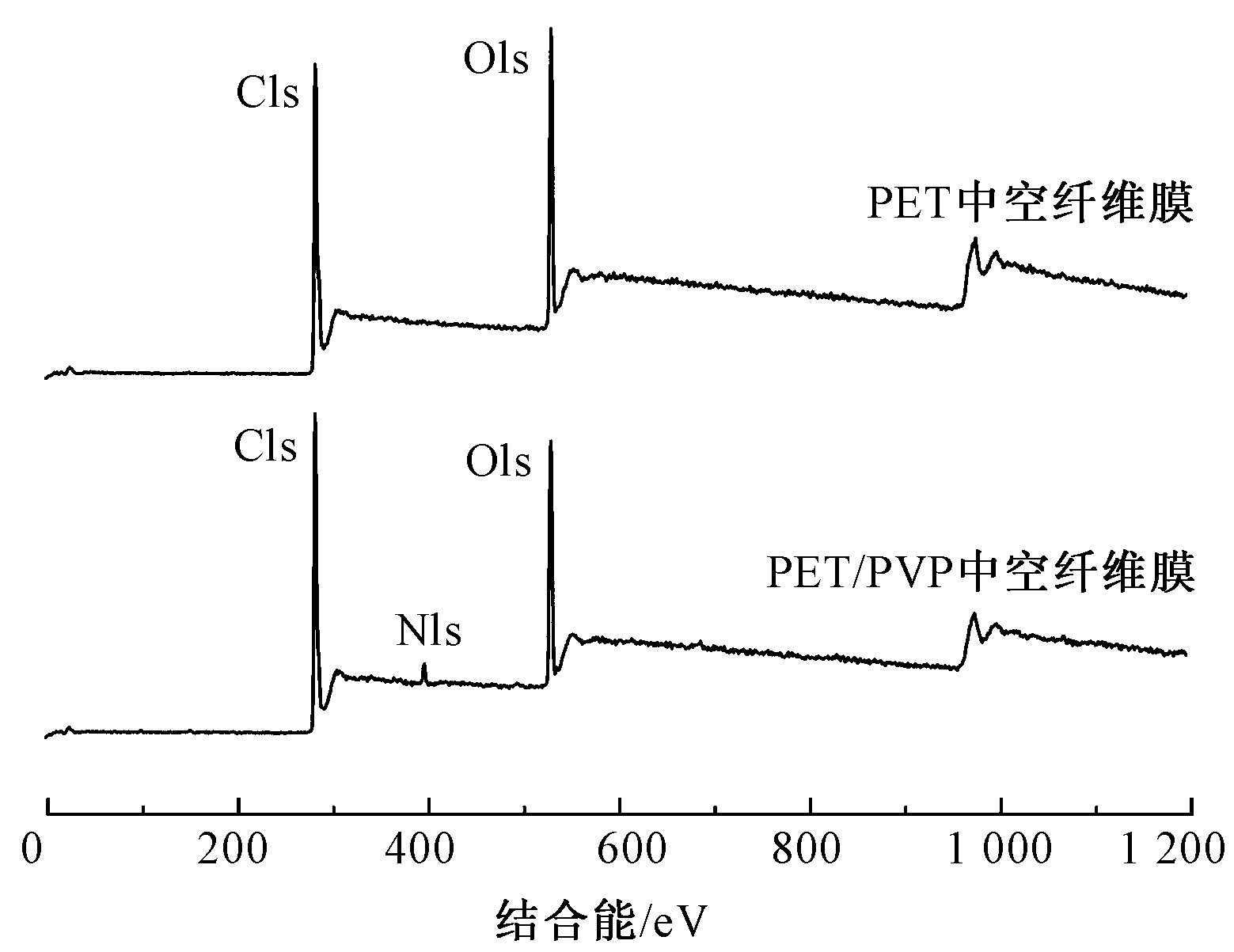
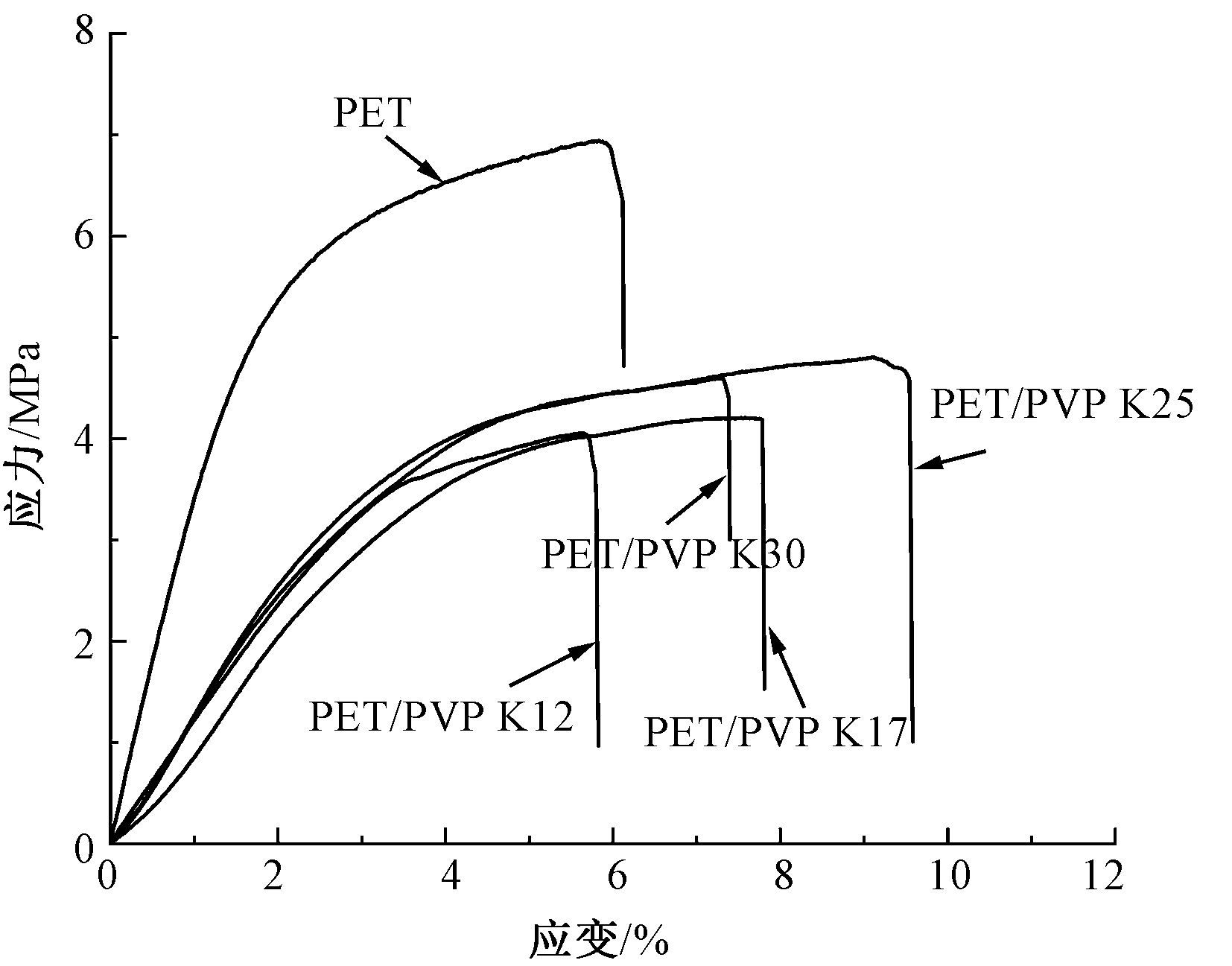
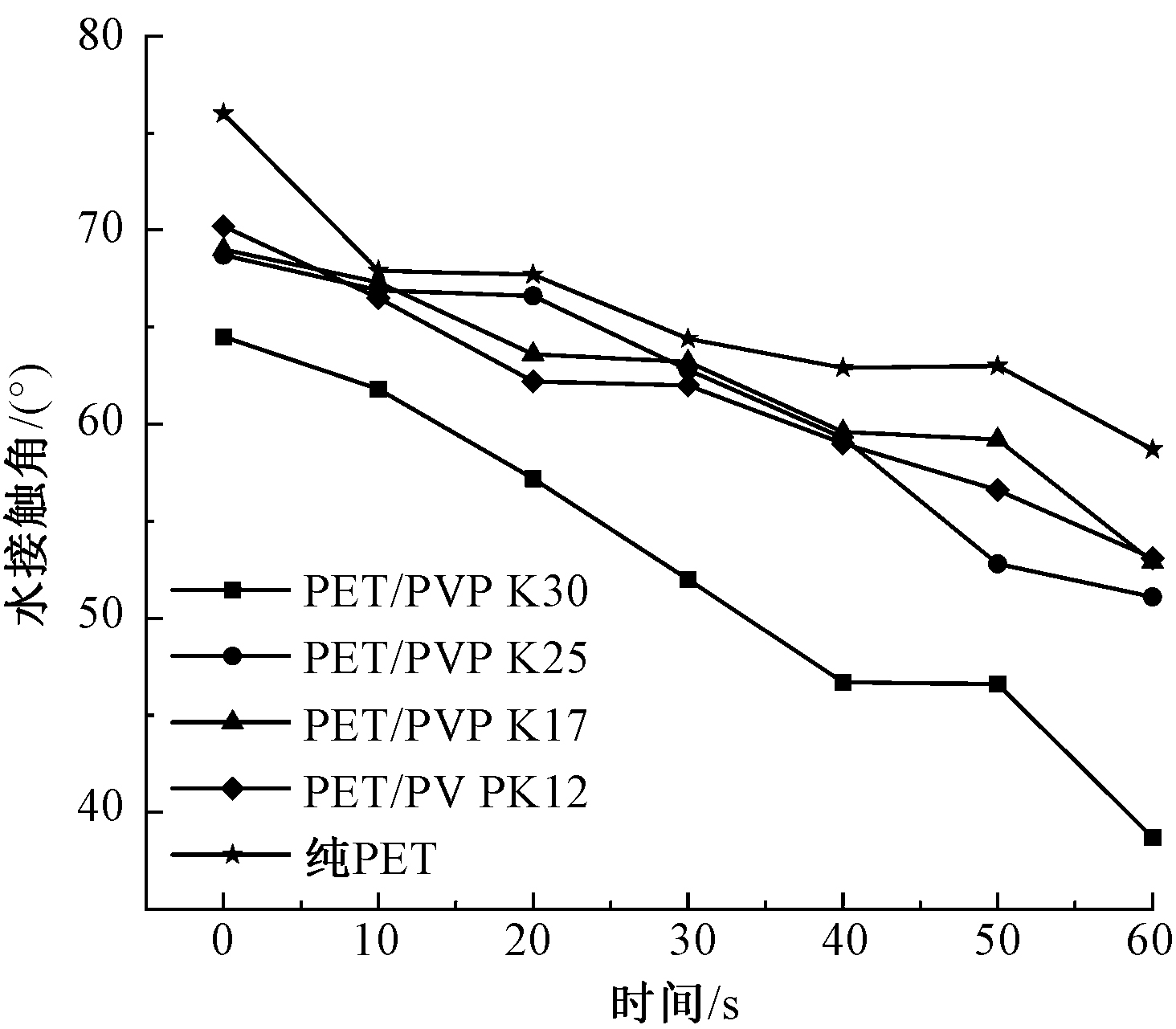
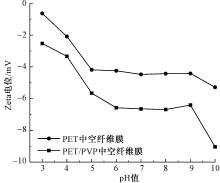
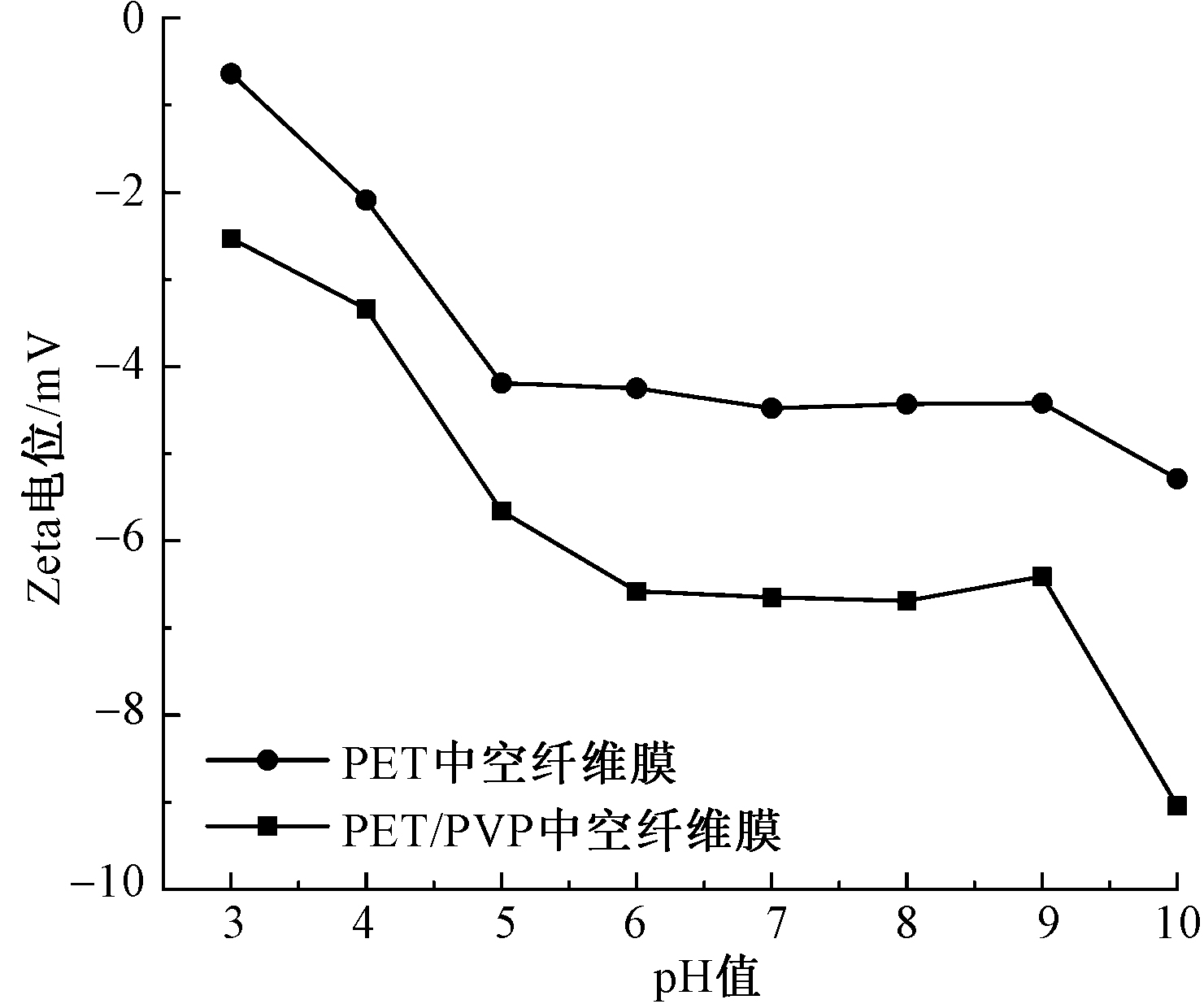
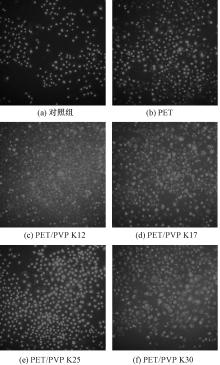
Results XPS analysis showed that PVP had been successfully incorporated into PET hollow fiber membranes to provide hydrophilic groups. The introduction of PVP improved the uneven pore structure of the PET hollow fiber membrane in cross-section, and formed a cross-sectional morphology with the coexistence of sponge-like and finger-shaped pores, and the average pore size in the cross-section gradually increased to 26.3 μm, and the uniform pore morphology was conducive to the infiltration of endothelial cells. The dynamic water contact angle of the membrane surface reduced to 38.7° after 60 s, with good hydrophilic properties, facilitateing the attachment of endothelial cells. With the increase of the molecular weight of PVP, the tensile strain of the fiber membrane exhibits an initial increase followed by a subsequent decrease, while the tensile stress decreased from 7 MPa to 4 MPa, indicating an improvement in the elasticity of the fiber membrane and the mechanical strength of the membrane was superior to that of natural blood vessels. The membrane surface always showed a negative charge, which was further enhanced by the negative potential of the surface after the introduction of PVP. The negative charge helped repel platelets and plasma proteins, thereby reducing thrombosis. The retention rate of bovine serum albumin (BSA) by the fibrous membrane is more than 50%. The cell activity of the PET hollow fiber membrane group supplemented with PVP was more than 200%, which was better than that of the pure PET hollow fiber membrane and the control group, and PVP enhanced the wettability of the fiber surface, optimized the cell adhesion and proliferation interface, increased the cell anchor position, and promoted the exchange of substances by regulating the fiber surface microenvironment.

Conclusion In this study, PVP and PET were mixed as spinning liquid, and hydrophilic PET hollow fiber membranes were prepared by the dry jet wet spinning process. The introduction of PVP significantly improved the cross-sectional pore structure of PET hollow fiber membrane, which changed from the combination of dense layer and chaotic finger pores to a uniform loose porous morphology, improved the structural stability of the fiber membrane, and the tensile strain is maximally increased to 9.4%. In addition, the improvement of the hydrophilic properties of the fibrous membrane are conducive to the adhesion of endothelial cells, and the electropositivity of the fibrous membrane surface and the enhancement of the electronegativity after the introduction of PVP can weaken the adsorption of negatively charged substances such as platelets and plasma proteins, and reduce the formation of thrombosis. Compared with the control group, the cell activity results were significantly improved, up to 259%, and the hydrophilic PET hollow fiber membrane prepared in this study had a simple process and uniform pores, which provided a certain reference for the development of small-diameter artificial blood vessels.

Key words: small-bore artificial blood vessel, hollow fiber membrane, polyester, dry spray wet spinning, hydrophilic modification, porous structure, medical textiles, polyvinylpyrrolidone

中图分类号: 

  • TQ323.4

图1

中空纤维的宏观形态照片"

图2

添加不同分子量PVP的PET中空纤维膜的截面形貌照片"

图3

添加不同分子量PVP的PET中空纤维膜截面孔径分布"

图4

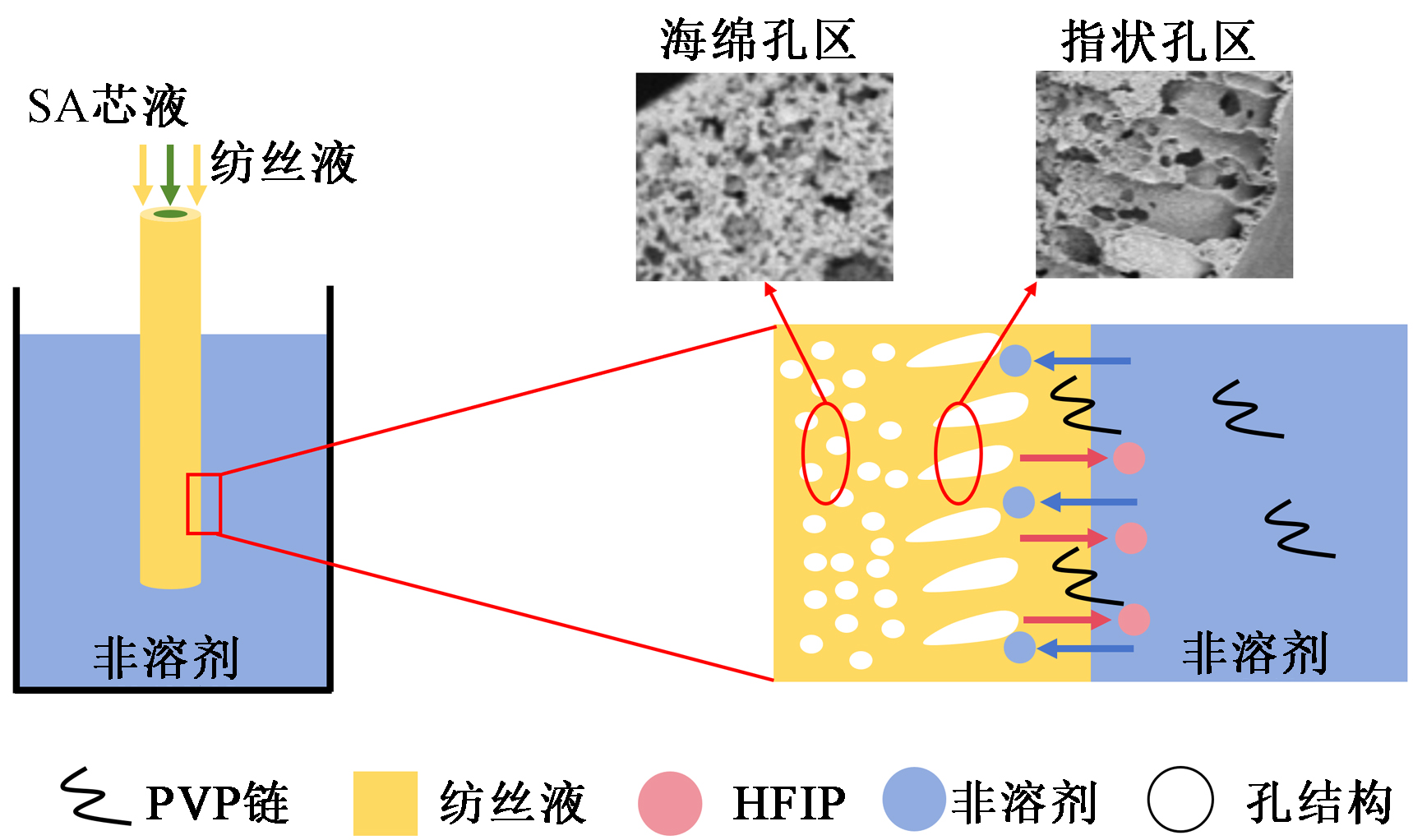
PET中空纤维膜成形过程示意图"

图5

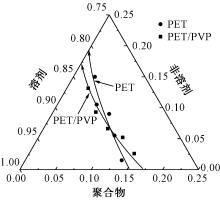
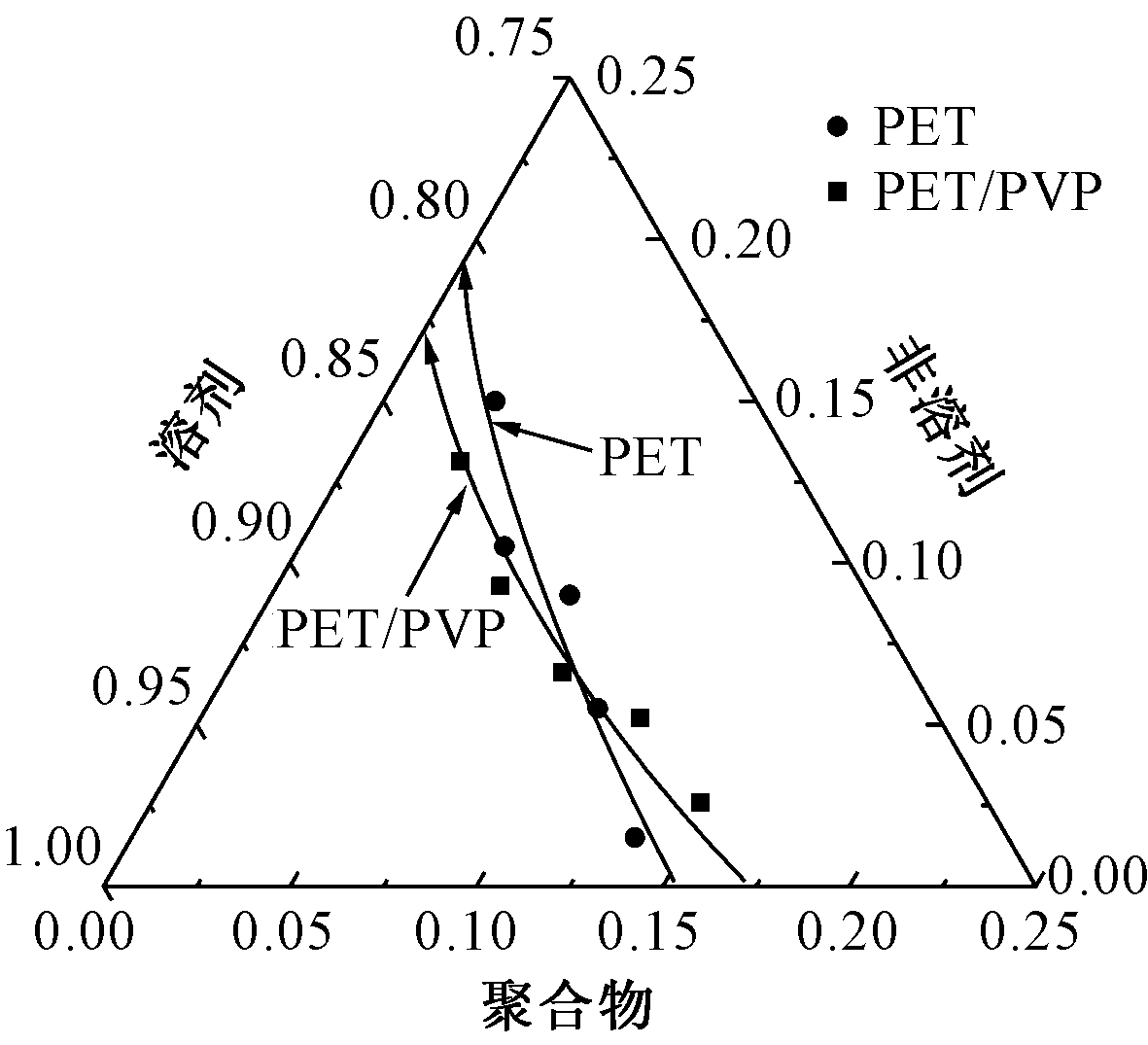
聚合物/溶剂/非溶剂三元相图"

图6

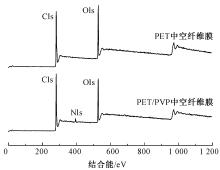
PVP/PET中空纤维膜与纯PET中空纤维膜的XPS图谱"

图7

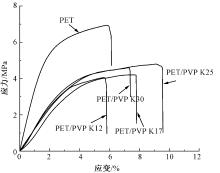
添加不同分子量PVP的中空纤维膜的应力-应变曲线"

图8

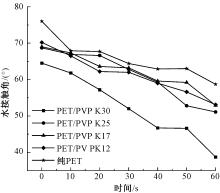
添加不同分子量PVP的PET中空纤维膜表面60 s动态接触角"

图9

PET中空纤维膜与PET/PVP中空纤维膜的表面电位"

图10

PET和PET/PVP中空纤维膜的细胞相容性"

[1] LIU C X, DAI J Y, WANG X Q, et al. The influence of textile structure characteristics on the performance of artificial blood vessels[J]. Polymers, 2023, 15(14): 3003.
doi: 10.3390/polym15143003
[2] LEE S E, PARK Y S. The role of bacterial cellulose in artificial blood vessels[J]. Molecular & Cellular Toxicology, 2017, 13(3): 257-261.
[3] WANG F, LIANG M D, ZHANG B, et al. Advances in artificial blood vessels: exploring materials, preparation, and functionality[J]. Journal of Materials Science & Technology, 2025, 219: 225-256.
[4] GU Y R, ZHOU Z M, SUN Y X, et al. Perioperative outcomes: polycarbonate polyurethane artificial blood vessel versus polyester artificial blood vessel[J]. Journal of Endovascular Therapy, 2024: 15266028241283363.
[5] MOORE M J, TAN R P, YANG N J, et al. Bioengineering artificial blood vessels from natural materials[J]. Trends in Biotechnology, 2022, 40(6): 693-707.
doi: 10.1016/j.tibtech.2021.11.003
[6] HU X Y, HU T, GUAN G P, et al. Control of weft yarn or density improves biocompatibility of PET small diameter artificial blood vessels[J]. Journal of Biomedical Materials Research Part B, Applied Biomaterials, 2018, 106(3): 954-964.
doi: 10.1002/jbm.v106.3
[7] ZHOU S Q, LIU Y L, YU X K, et al. Bidirectional elastic PTFE small diameter artificial blood vessel grafts and surface antithrombotic functionalized construc-tion[J]. ACS Applied Bio Materials, 2024, 7(10): 6985-6997.
doi: 10.1021/acsabm.4c01098
[8] JEONG H J, NAM H, KIM J S, et al. Dragging 3D printing technique controls pore sizes of tissue engineered blood vessels to induce spontaneous cellular assem-bly[J]. Bioactive Materials, 2024, 31: 590-602.
doi: 10.1016/j.bioactmat.2023.07.021
[9] GUAN L H, ZHAO H J, WANG K, et al. PLCL-TPU bi-layered artificial blood vessel with compliance matching to host vessel[J]. Journal of Biomaterials Applications, 2023, 38(2): 194-202.
doi: 10.1177/08853282231188424
[10] WANG X, FU H M, WU H B, et al. Corilagin functionalized decellularized extracellular matrix as artificial blood vessels with improved endothelialization and anti-inflammation by reactive oxygen species scavenging[J]. Regenerative Biomaterials, 2024, 11: rbae074.
[11] XIANG Z H, CHEN H H, XU B F, et al. Gelatin/heparin coated bio-inspired polyurethane composite fibers to construct small-caliber artificial blood vessel grafts[J]. International Journal of Biological Macromolecules, 2024, 269: 131849.
doi: 10.1016/j.ijbiomac.2024.131849
[12] MANABE K, NARA H. Construction of stable biological albumin/heparin multilayers for elastic coatings on hydrophobic antithrombogenic artificial blood vessels[J]. Tribology International, 2021, 156: 106843.
doi: 10.1016/j.triboint.2020.106843
[13] 吕晓龙. 中空纤维多孔膜性能评价方法探讨[J]. 膜科学与技术, 2011, 31(2): 1-6.
LÜ Xiaolong. Discussion on the performance evaluation method of hollow fiber porous membrane[J]. Membrane Science and Technology, 2011, 31(2): 1-6.
[14] 梅硕, 李金超, 卢士艳, 等. 高强度聚氯乙烯中空纤维膜的制备及其性能[J]. 纺织学报, 2020, 41(9): 16-20.
MEI Shuo, LI Jinchao, LU Shiyan, et al. Preparation and properties of high-strength polyvinyl chloride hollow fiber membrane[J]. Journal of Textile Research, 2020, 41(9): 16-20.
doi: 10.1177/004051757104100104
[1] 季巧, 于清源, 周爱晖, 马博谋, 徐进, 袁久刚. 细菌纤维素及其复合材料的应用研究进展[J]. 纺织学报, 2025, 46(12): 243-250.
[2] 杨迎雪, 高念钊, 邓年明, 江敬辉, 董庆奇, 刘向东. 废旧涤纶纺织品再生循环利用的研究进展[J]. 纺织学报, 2025, 46(12): 251-259.
[3] 董海良, 卫婷, 况军, 陈烨. 聚对苯二甲酸丙二醇酯-聚四氢呋喃嵌段共聚物的合成与表征[J]. 纺织学报, 2025, 46(11): 19-25.
[4] 侯颖慧, 刘肖燕, 柳东辰, 郝矿荣, 邹婷. 基于体外降解的输尿管支架管的多目标优化[J]. 纺织学报, 2025, 46(09): 154-162.
[5] 时虎, 王赫, 王洪杰, 潘显苗. 多孔交联纳米纤维基超级电容器隔膜的设计[J]. 纺织学报, 2025, 46(08): 45-52.
[6] 姜庭国, 况军, 司虎, 张玉梅, 陈烨, 王华平. 工业丝用钛系聚酯的结晶动力学研究[J]. 纺织学报, 2025, 46(08): 53-61.
[7] 张帅, 王金坤, 房宽峻, 马君志, 宋焱. 新型多孔分散染料复合纳米球的合成及其性能[J]. 纺织学报, 2025, 46(06): 160-167.
[8] 王惠婷, 陈宇鉴, 刘诗仪, 张显涛, 陆斌, 邹专勇, 王建, 张寅江. 海藻酸盐基非织造医用敷料的研究进展[J]. 纺织学报, 2025, 46(06): 240-249.
[9] 丁凯, 符芬, 张智翔, 杨语童, 李超婧, 赵帆, 王璐, 王富军. 按压排尿用针织人工膀胱的设计及其力学性能[J]. 纺织学报, 2025, 46(05): 169-178.
[10] 符芬, 王钰涵, 丁凯, 赵帆, 李超靖, 王璐, 曾泳春, 王富军. 纤维素基止血材料的研究进展[J]. 纺织学报, 2025, 46(04): 226-234.
[11] 林伟嘉, 冀大伟, 田徐泳, 王春蕾, 薛昊龙, 肖长发. 增强型聚丙烯中空纤维膜制备及其油水分离性能[J]. 纺织学报, 2025, 46(04): 38-46.
[12] 王彪, 李源, 董杰, 张清华. 热亚胺化中应力对聚酰亚胺纤维结构和性能的影响[J]. 纺织学报, 2025, 46(03): 1-8.
[13] 王容容, 周洲, 冯祥, 申莹, 刘峰, 邢剑. 聚酯纤维与聚乙烯/聚丙烯双组分纤维多孔吸声材料的制备及其性能[J]. 纺织学报, 2025, 46(02): 61-68.
[14] 陈世昌, 曹峻华, 陈文兴. 聚酯降膜增黏反应过程模拟[J]. 纺织学报, 2025, 46(01): 16-24.
[15] 李沂蒙, 单梦琪, 李雯昕, 周奉凯, 毛吉富, 王富军, 王璐. 聚吡咯基可拉伸导电心肌补片的制备及其电传导性能[J]. 纺织学报, 2024, 45(12): 89-97.
Viewed
Full text


Abstract

Cited

  Shared   
  Discussed   
No Suggested Reading articles found!