纺织学报 ›› 2026, Vol. 47 ›› Issue (05): 37-44.doi: 10.13475/j.fzxb.20250706901
安钊1, 王伟1,2( ), 程春祖2, 薛振军2, 王欣奇2, 杨硕2,3, 狄友波1, 曹卫东4
AN Zhao1, WANG Wei1,2(), CHENG Chunzu2, XUE Zhenjun2, WANG Xinqi2, YANG Shuo2,3, DI Youbo1, CAO Weidong4
摘要:
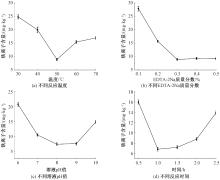
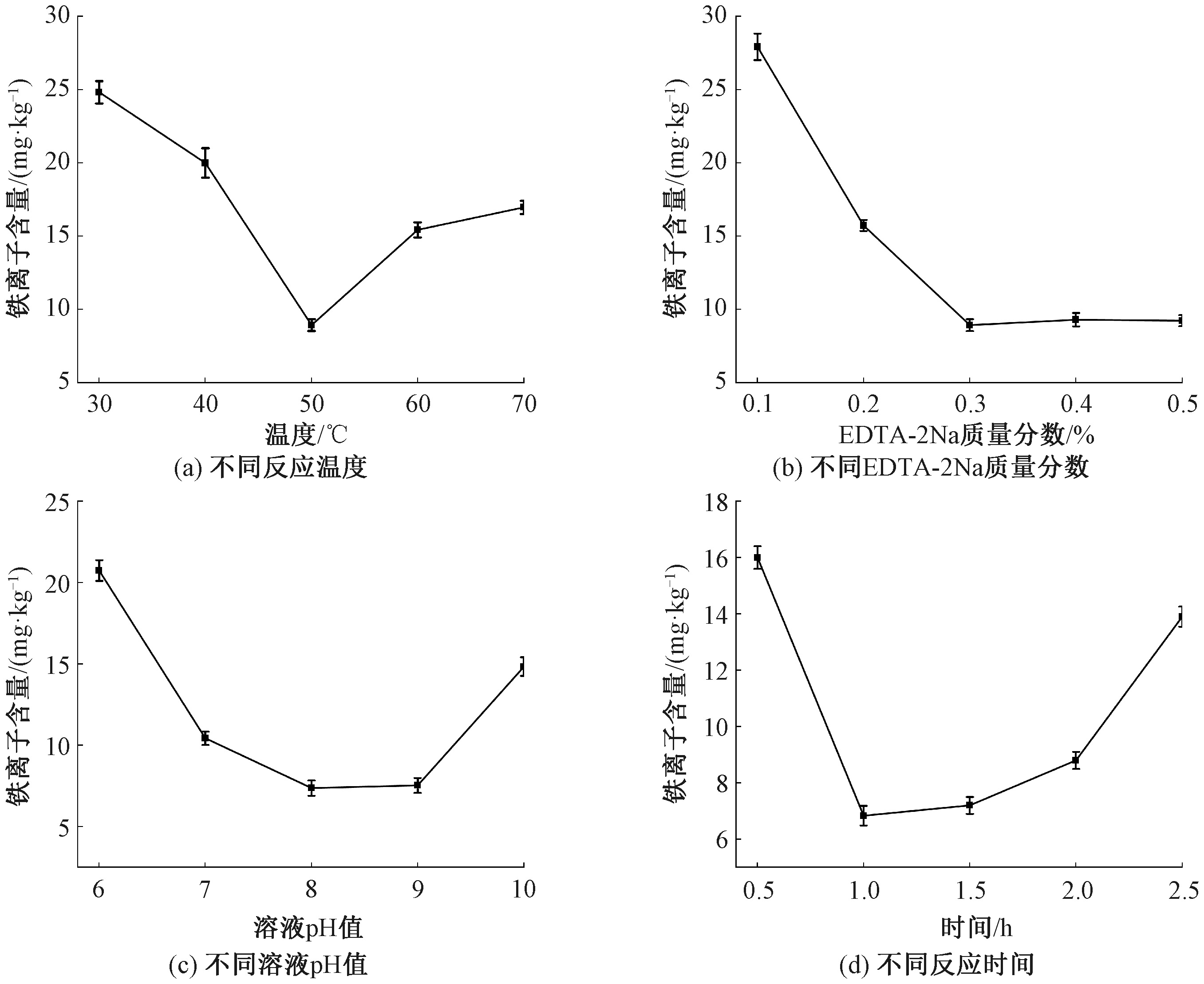
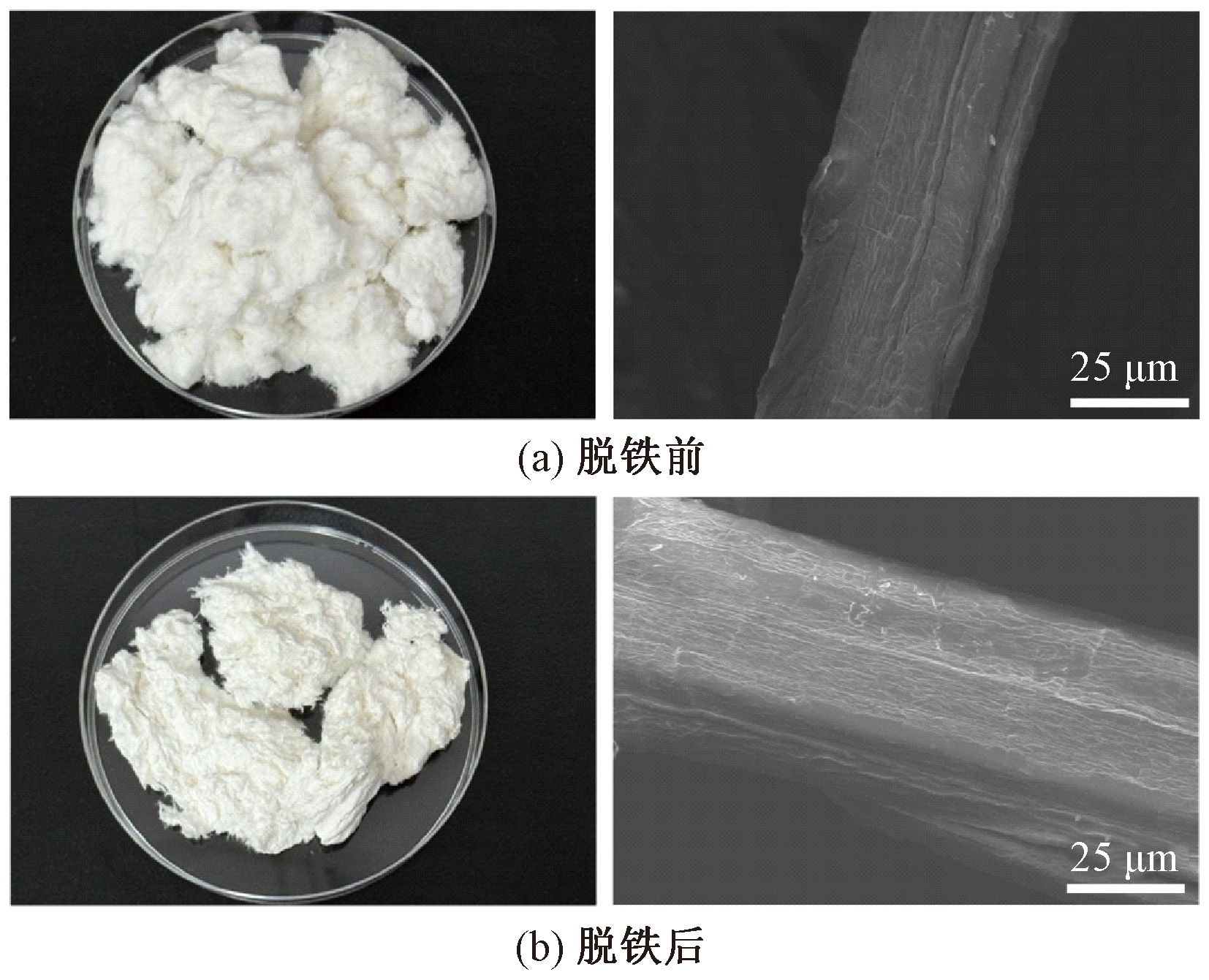
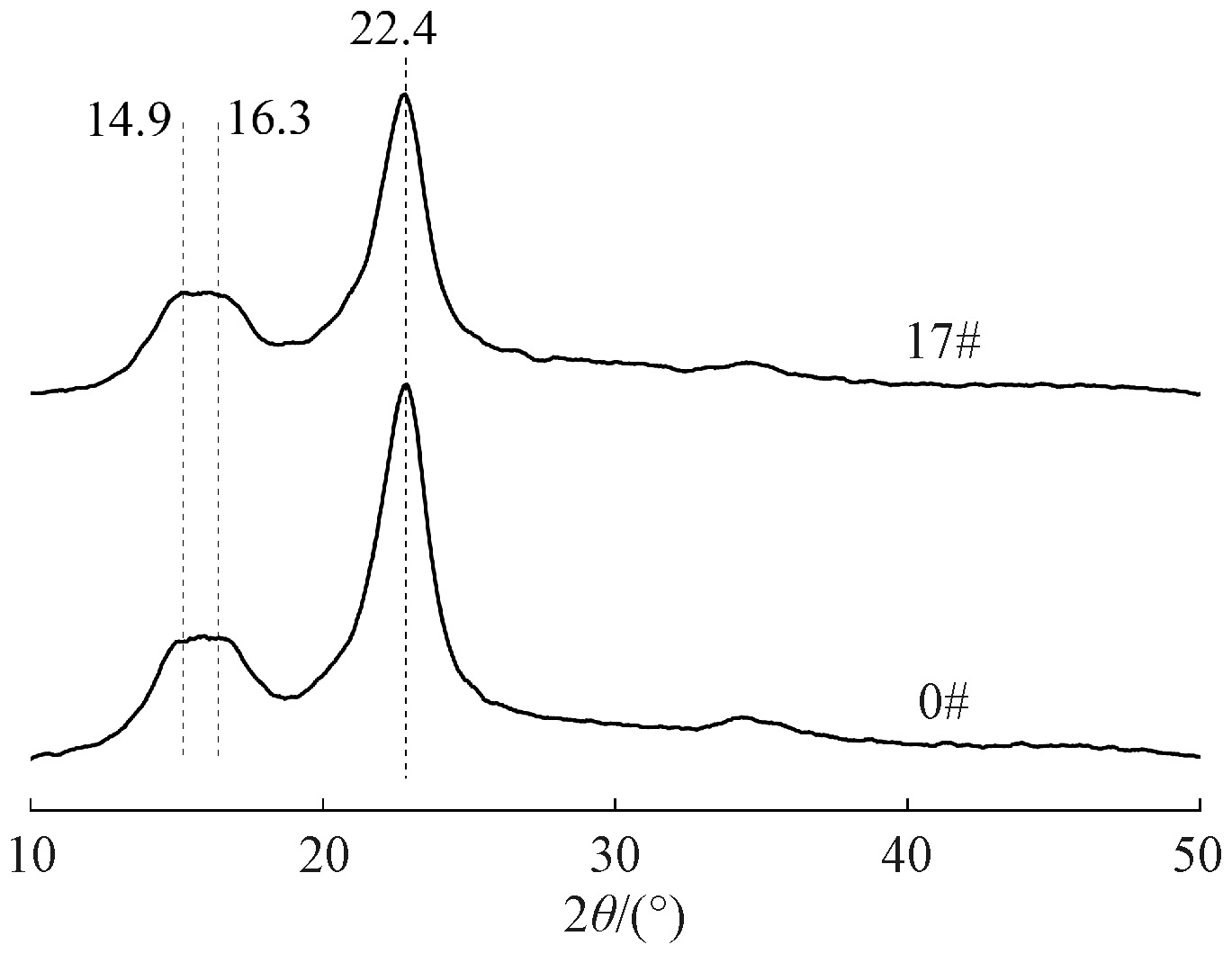
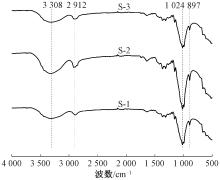
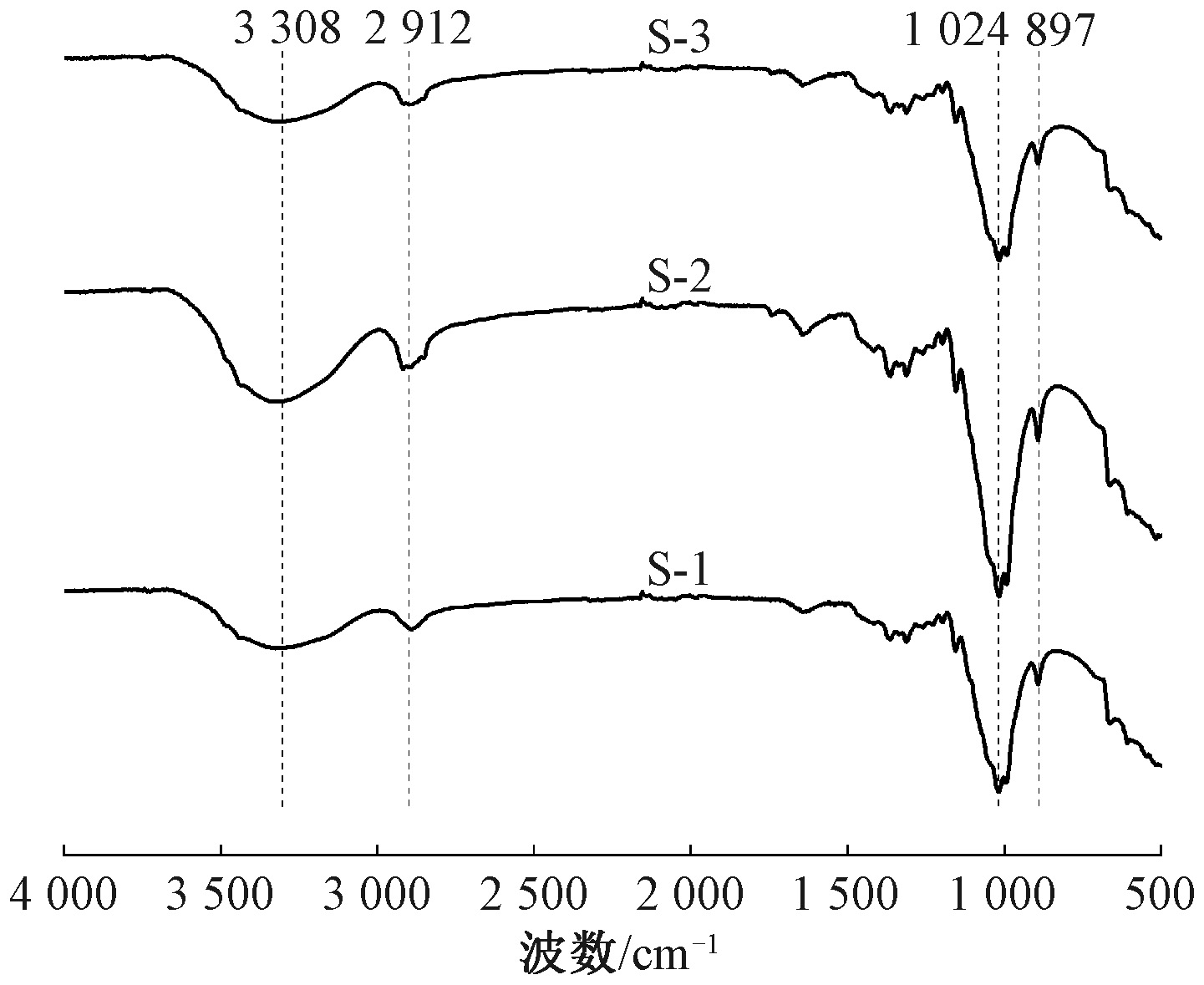
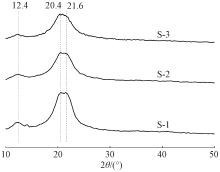
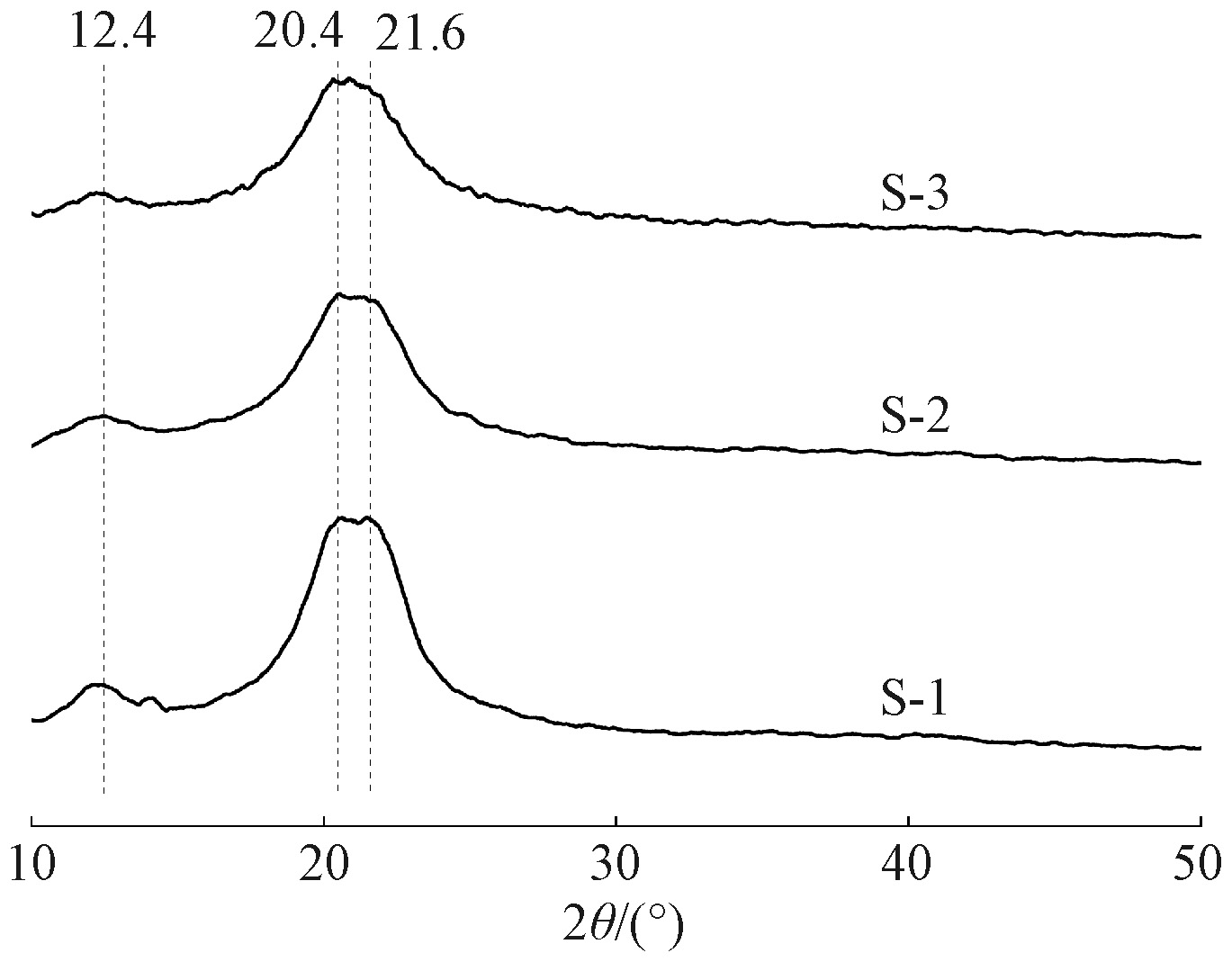
为拓展Lyocell纤维纺丝用浆粕的来源,以粘胶纺丝用麻浆粕为原料,利用乙二胺四乙酸二钠(EDTA-2Na)脱铁处理,开发了符合Lyocell纺丝要求的溶解浆粕,并重点研究了脱铁工艺对麻浆粕铁离子脱除以及纤维素聚合度、结晶度及溶解性的影响;进一步利用干喷湿法的纺丝工艺,将处理后的麻浆粕与溶解木浆共混,制备了不同含量的麻浆基Lyocell纤维,探讨了麻浆粕添加量对纤维性能的影响。结果表明,麻浆粕的最佳脱铁工艺为:EDTA-2Na添加量0.3%,溶液温度50 ℃,溶液pH值8及处理时间1 h,在此条件下,麻浆粕中铁离子含量降低至6.8 mg/kg,聚合度从528略降至501,结晶度从69.8%提升至76.0%,且溶解性更好,达到了Lyocell纺丝用溶解浆的要求;纤维性能方面,随着麻浆粕添加量的增加,纤维力学性能略有下降,但仍满足行业标准(FZ/T 52019—2018)中关于Lyocell短纤维合格品的要求。
中图分类号:
| [1] | 刘龙飞, 王欣奇, 薛振军, 等. 酸性改性造纸浆用于Lyocell纤维浆粕的研究[J]. 棉纺织技术, 2025, 53(12): 1-7. |
| LIU Longfei, WANG Xinqi, XUE Zhenjun, et al. Study on acid modified paper pulp used for Lyocell fiber pulp[J]. Cotton Textile Technology, 2025, 53(12): 1-7. | |
| [2] | 高敏, 程春祖, 徐中凯, 等. 含硅改性磷氮阻燃Lyocell纤维的制备及其性能[J]. 纺织学报, 2025, 46(10): 19-29. |
| GAO Min, CHENG Chunzu, XU Zhongkai, et al. Preparation and properties of Lyocell fiber with silicon-containing modified phosphorus-nitrogen flame retardant[J]. Journal of Textile Research, 2025, 46(10): 19-29. | |
| [3] | 黄伟, 张嘉煜, 张东, 等. Lyocell纤维性能表征及其对比分析[J]. 纺织学报, 2023, 44(3): 42-48. |
| HUANG Wei, ZHANG Jiayu, ZHANG Dong, et al. Property characterization and comparative analysis of Lyocell fibers[J]. Journal of Textile Research, 2023, 44(3): 42-48. | |
| [4] |
JIANG X Y, BAI Y Y, CHEN X F, et al. A review on raw materials, commercial production and properties of lyocell fiber[J]. Journal of Bioresources and Bioproducts, 2020, 5(1): 16-25.
doi: 10.1016/j.jobab.2020.03.002 |
| [5] |
EDGAR K J, ZHANG H H. Antibacterial modification of Lyocell fiber: a review[J]. Carbohydrate Polymers, 2020, 250: 116932.
doi: 10.1016/j.carbpol.2020.116932 |
| [6] | 季柳炎. 2024年溶解浆市场回顾与2025年展望[J]. 造纸信息, 2025(2): 36-43. |
| JI Liuyan. Review of dissolved pulp market in 2024 and prospect in 2025[J]. China Paper Newsletters, 2025(2): 36-43. | |
| [7] | 赵庆章. Lyocell纤维生产工艺及原理[M]. 北京: 中国纺织出版社, 2020:114-115. |
| ZHAO Qingzhang. Production technology and principle of Lyocell fiber[M]. Beijing: China Textile & Apparel Press, 2020:114-115. | |
| [8] | 李坚. 拓展生物质利用空间助推增材制造绿色发展[J]. 科技导报, 2016, 34(19): 13. |
| LI Jian. Expanding biomass utilization space and promoting green development of additive manufacturing[J]. Science & Technology Review, 2016, 34(19): 13. | |
| [9] | 申惠莹, 雷以超, 陈灵晨. 大麻韧皮纤维不同制浆方法纸浆性能的研究[J]. 中国造纸, 2023, 42(7): 49-56. |
| SHEN Huiying, LEI Yichao, CHEN Lingchen. Study on pulp properties of different pulping methods of hemp bast fiber[J]. China Pulp & Paper, 2023, 42(7): 49-56. | |
| [10] | 张华, 张建春, 张杰. 汉麻——一种高值特种生物质资源及应用[J]. 高分子通报, 2011, 24(8): 1-7. |
|
ZHANG Hua, ZHANG Jianchun, ZHANG Jie. Hemp——a high value biological resource and its application[J]. Polymer Bulletin, 2011, 24(8): 1-7.
doi: 10.1007/BF00298314 |
|
| [11] | 全琼瑛. 大麻脱胶机理与脱胶方法的优化[J]. 中国纤检, 2013(1): 87-88. |
| QUAN Qiongying. Hemp degumming mechanism and optimization methods[J]. China Fiber Inspection, 2013(1): 87-88. | |
| [12] | 狄友波, 陈燮阳, 阎智锋, 等. 壳聚糖-聚乙烯醇协同对籽用大麻浆粕铁离子的脱除[J]. 纺织学报, 2023, 44(6): 175-182. |
| DI Youbo, CHEN Xieyang, YAN Zhifeng, et al. Iron ion removal from seed hemp pulp based on synergistic effect of chitosan and polyvinyl alcohol[J]. Journal of Textile Research, 2023, 44(6): 175-182. | |
| [13] |
ROSENAU T, POTTHAST A, SIXTA H, et al. The chemistry of side reactions and byproduct formation in the system NMMO/cellulose (Lyocell process)[J]. Progress in Polymer Science, 2001, 26(9): 1763-1837.
doi: 10.1016/S0079-6700(01)00023-5 |
| [14] | 李盛世, 刘梦茹, 秦晓, 等. 绝缘竹浆制备过程中酸处理除铁离子规律研究[J]. 中国造纸, 2022, 41(6): 28-34. |
| LI Shengshi, LIU Mengru, QIN Xiao, et al. Removal rule of iron ions by acid treatment during the preparation of insulating bamboo pulp[J]. China Pulp & Paper, 2022, 41(6): 28-34. | |
| [15] |
SALIMI M, ALI NASSERI M, CHAPESSHLOO T D, et al. (Carboxy-3-oxopropylamino)-3-propylsilylcellulose as a novel organocatalyst for the synthesis of substituted imidazoles under solvent-free conditions[J]. RSC Advances, 2015, 5(43): 33974-33980.
doi: 10.1039/C5RA01909E |
| [16] | 李庆春, 黄知清, 杨春波, 等. Lyocell纤维适用浆粕的研究[J]. 人造纤维, 2001, 31(5): 4-7. |
| LI Qingchun, HUANG Zhiqing, YANG Chunbo, et al. Study on the suitable pulp of Lyocell fiber[J]. Cellulosic Fibre, 2001, 31(5): 4-7. | |
| [17] |
FRENCH A D. Idealized powder diffraction patterns for cellulose polymorphs[J]. Cellulose, 2014, 21(2): 885-896.
doi: 10.1007/s10570-013-0030-4 |
| [18] | 孔硕, 倪建萍, 范述捷, 等. 植物纤维在NMMO溶液中溶解性能研究进展[J]. 中国造纸学报, 2023, 38(1): 108-119. |
| KONG Shuo, NI Jianping, FAN Shujie, et al. Research progress of plant fiber dissolution performance in NMMO solution[J]. Transactions of China Pulp and Paper, 2023, 38(1): 108-119. | |
| [19] |
MONDAL M I H, KAI A. Structure of nascent microbial cellulose II: effects of methyl and methoxy groups of direct blue 14 and 15 on nascent microbial cellulose[J]. Polymer Journal, 1998, 30(2): 84-89.
doi: 10.1295/polymj.30.84 |
| [1] | 李园娟, 周衡书, 徐奕, 熊海鹰. 樟木预水解硫酸盐法溶解浆制备工艺[J]. 纺织学报, 2026, 47(04): 80-87. |
| [2] | 田俊莹, 程有旗, 何天虹, 姚金波, 李振峰, 武松亮. 竹浆纤维的抑菌性及其抑菌成分研究[J]. 纺织学报, 2026, 47(03): 225-232. |
| [3] | 任萧, 潘林洁, 姜海霞, 葛凤燕, 高洪国. 生物质多酚-亚铁离子多色系染料制备及其在棉织物上的应用[J]. 纺织学报, 2026, 47(01): 132-141. |
| [4] | 龙红霞, 吴伟, 刘娅岚, 徐红, 毛志平. 纤维素纤维孔道吸湿溶胀行为的分子动力学模拟[J]. 纺织学报, 2025, 46(11): 155-163. |
| [5] | 高敏, 程春祖, 徐中凯, 赵庆波, 张东, 代欣欣. 含硅改性磷氮阻燃Lyocell纤维的制备及其性能[J]. 纺织学报, 2025, 46(10): 19-29. |
| [6] | 张帆, 程春祖, 郭翠彬, 张东, 程敏, 李婷, 徐纪刚. Lyocell纤维直接成网工艺优化与性能分析[J]. 纺织学报, 2025, 46(03): 34-40. |
| [7] | 赵向阳, 闫凯, 龙家杰. 超临界二氧化碳流体中SCFX-AYRL染料的溶解性研究[J]. 纺织学报, 2024, 45(06): 98-104. |
| [8] | 刘懿德, 李凯, 姚久勇, 成芳芳, 夏延致. 纤维素水凝胶纤维的制备及其阻燃传感性能[J]. 纺织学报, 2024, 45(04): 1-7. |
| [9] | 肖昊, 孙辉, 于斌, 朱祥祥, 杨潇东. 壳聚糖-SiO2气凝胶/纤维素/聚丙烯复合水刺材料的制备及其吸附染料性能[J]. 纺织学报, 2024, 45(02): 179-188. |
| [10] | 狄友波, 陈燮阳, 阎智锋, 殷轩, 邱纯利, 马伟良, 张向兵. 壳聚糖-聚乙烯醇协同对籽用大麻浆粕铁离子的脱除[J]. 纺织学报, 2023, 44(06): 175-182. |
| [11] | 齐迪, 丁洪, 王祥荣. 儿茶素络合染料的制备及其对蚕丝织物的染色性能[J]. 纺织学报, 2023, 44(03): 111-118. |
| [12] | 黄伟, 张嘉煜, 张东, 程春祖, 李婷, 吴伟. Lyocell纤维性能表征及其对比分析[J]. 纺织学报, 2023, 44(03): 42-48. |
| [13] | 李婷, 李文瑞, 张晨曦, 迟克栋, 张明明, 刘海辉, 黄庆. 高速纺丝工艺下Lyocell纤维结构对其原纤化的影响[J]. 纺织学报, 2023, 44(02): 11-18. |
| [14] | 李兴兴, 李琴, 岳甜甜, 刘宇清. 微纳米纤维素材料的微流控制备技术研究进展[J]. 纺织学报, 2022, 43(04): 180-186. |
| [15] | 黄伟, 张嘉煜, 庄小雄, 张东, 李婷, 程春祖, 徐纪刚. 油剂处理工艺对Lyocell纤维性能的影响[J]. 纺织学报, 2022, 43(02): 105-109. |
|
||
 京公网安备11010502044800号