纺织学报 ›› 2026, Vol. 47 ›› Issue (07): 19-26.doi: 10.13475/j.fzxb.20260105201
• 第二十八届中国科协年会学术论文·减污降碳共性技术突破专栏· • 上一篇 下一篇
张昊1, 李筱轩1, 王纯萍2, 胡艳丽1( ), 王金玉2
ZHANG Hao1, LI Xiaoxuan1, WANG Chunping2, HU Yanli1(), WANG Jinyu2
摘要:
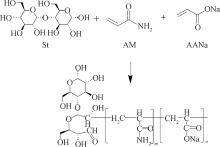
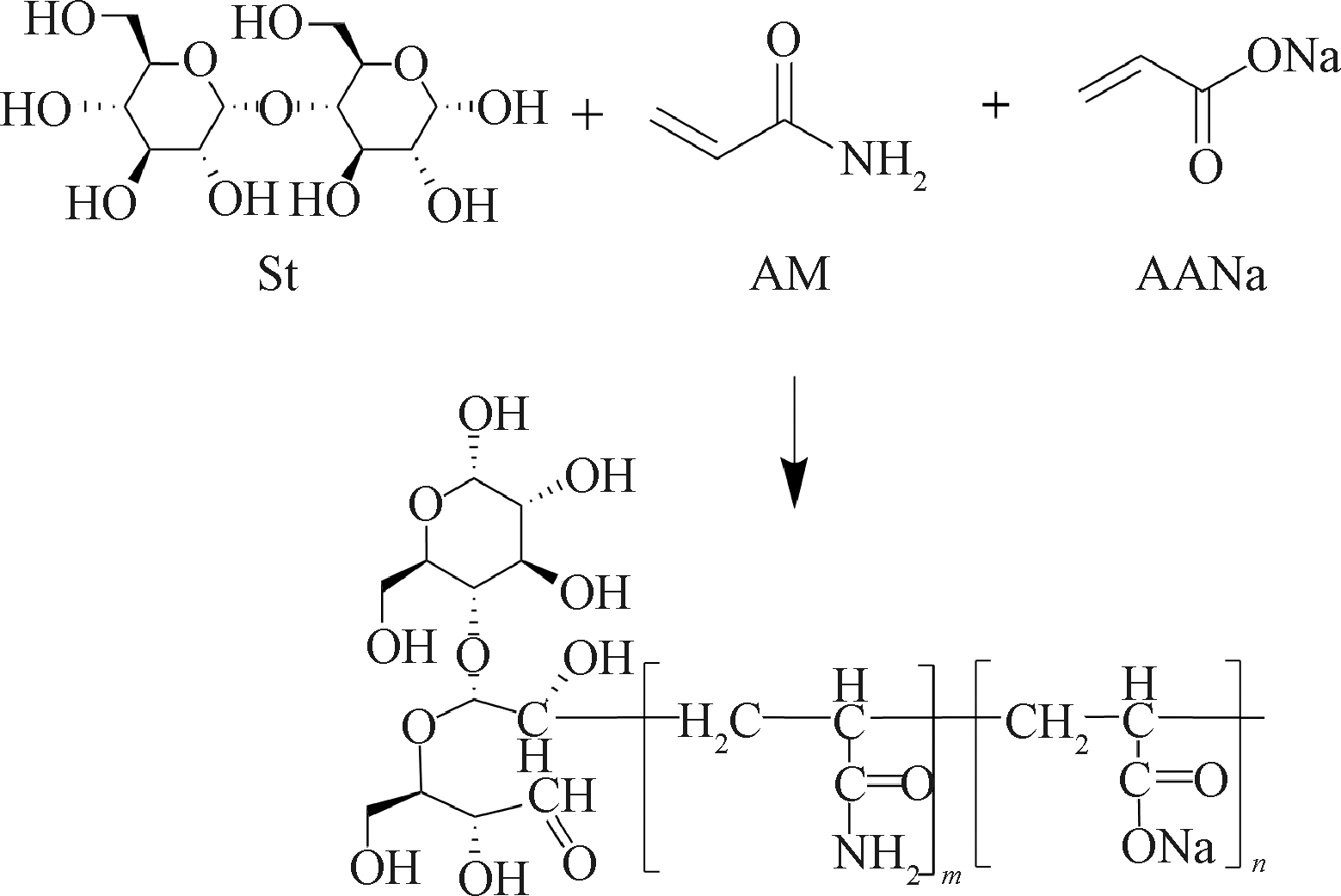
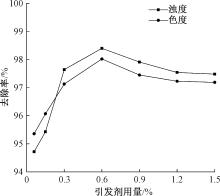
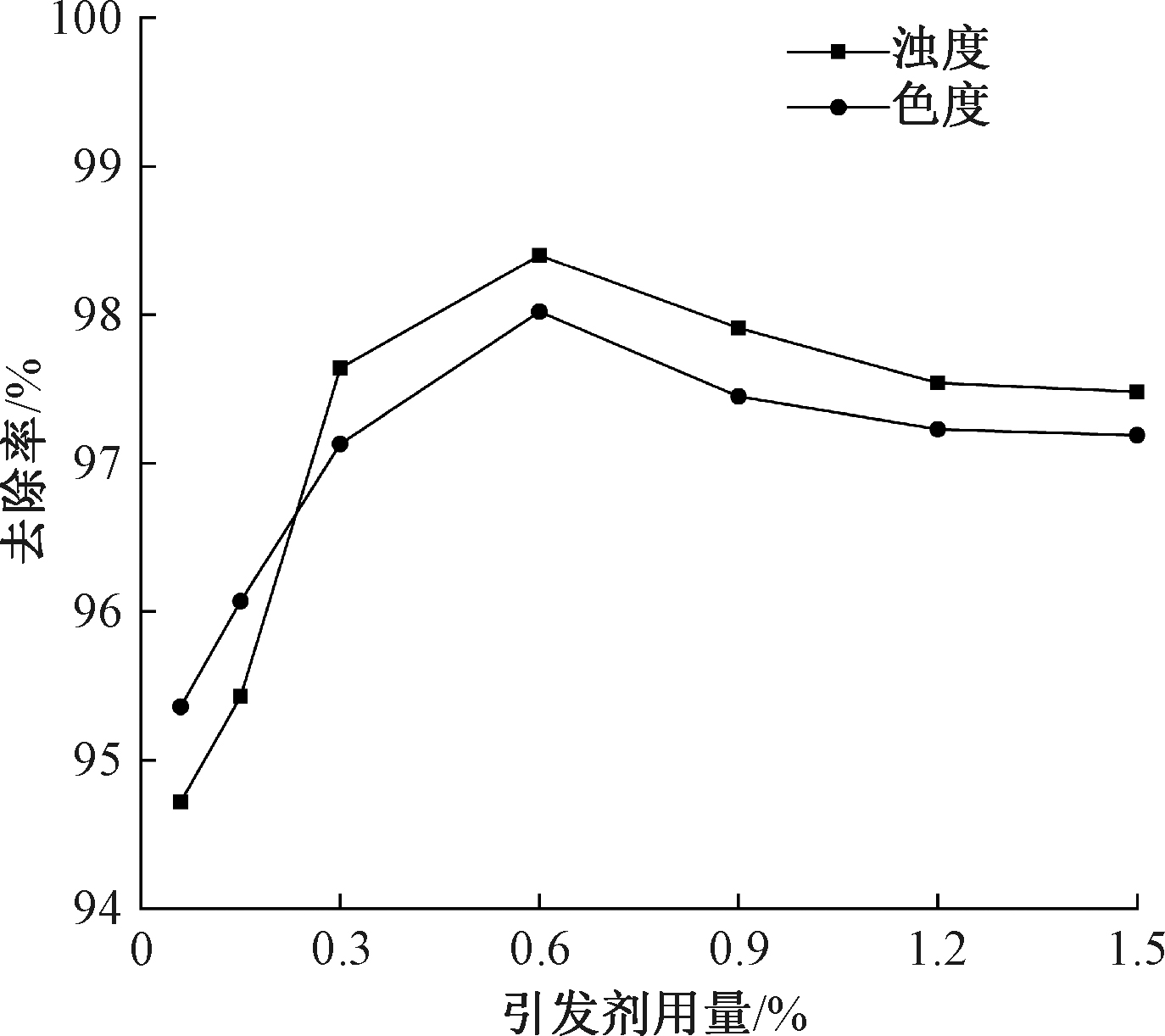
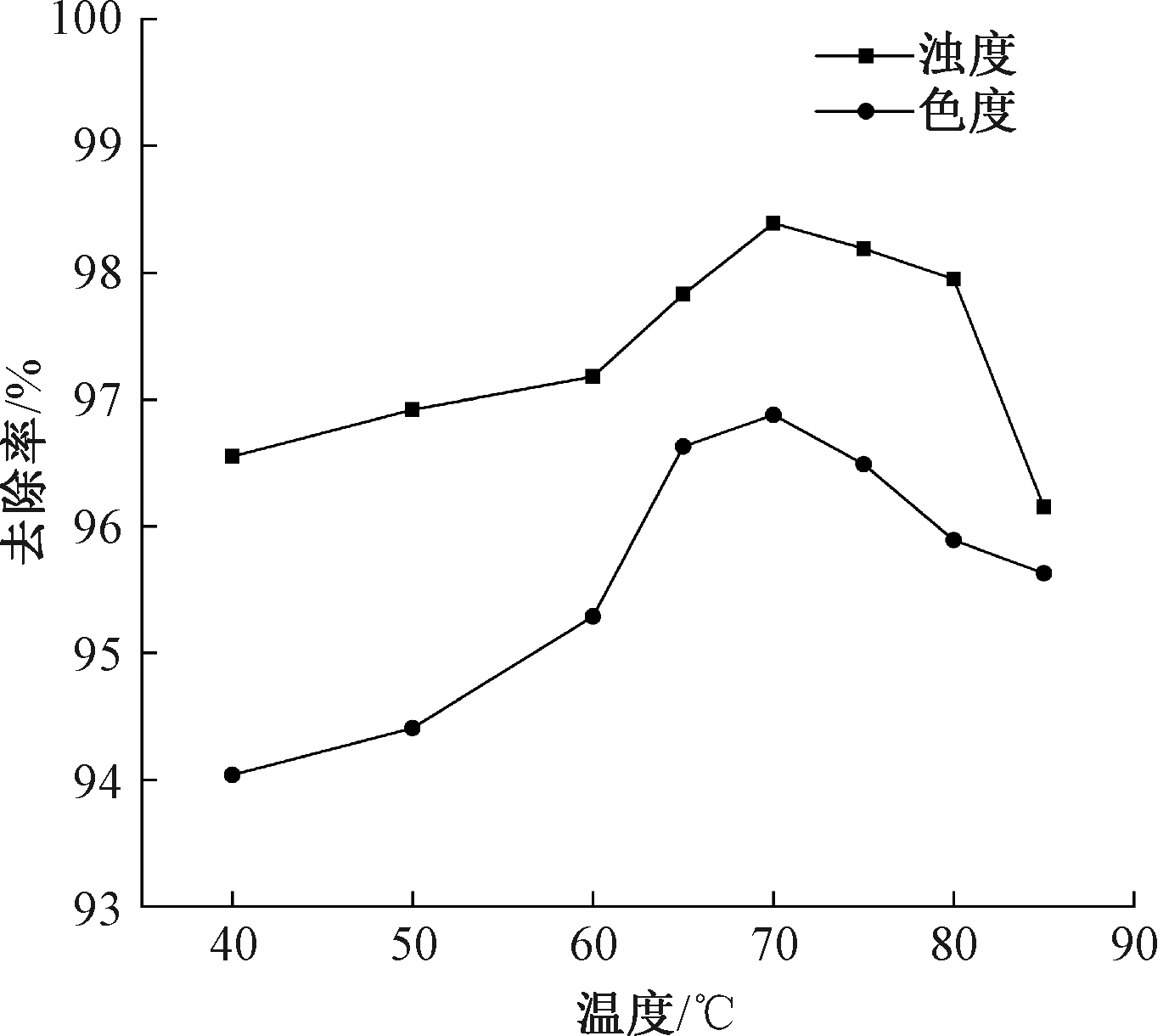
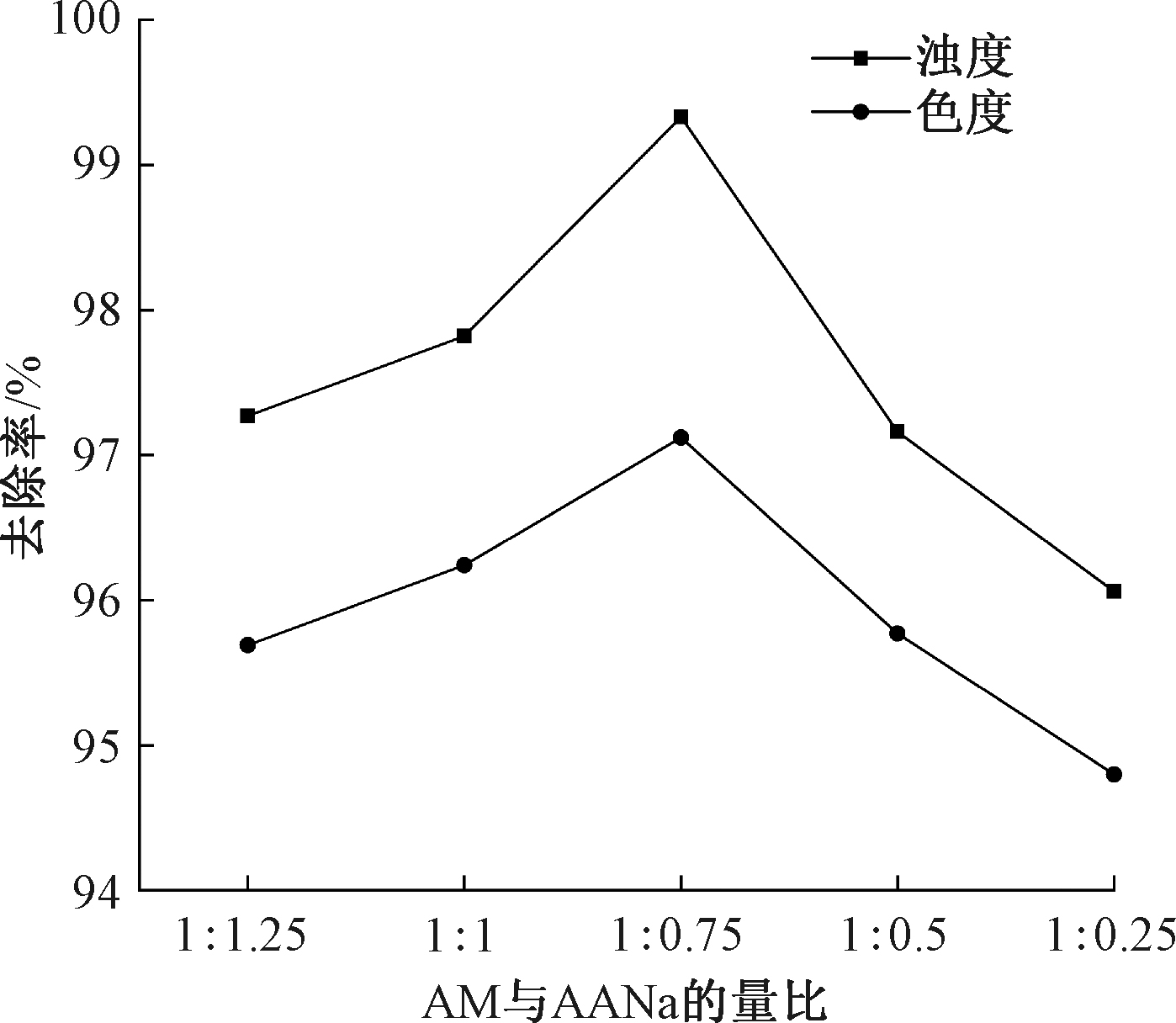
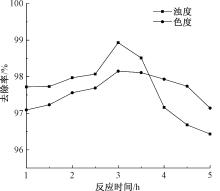
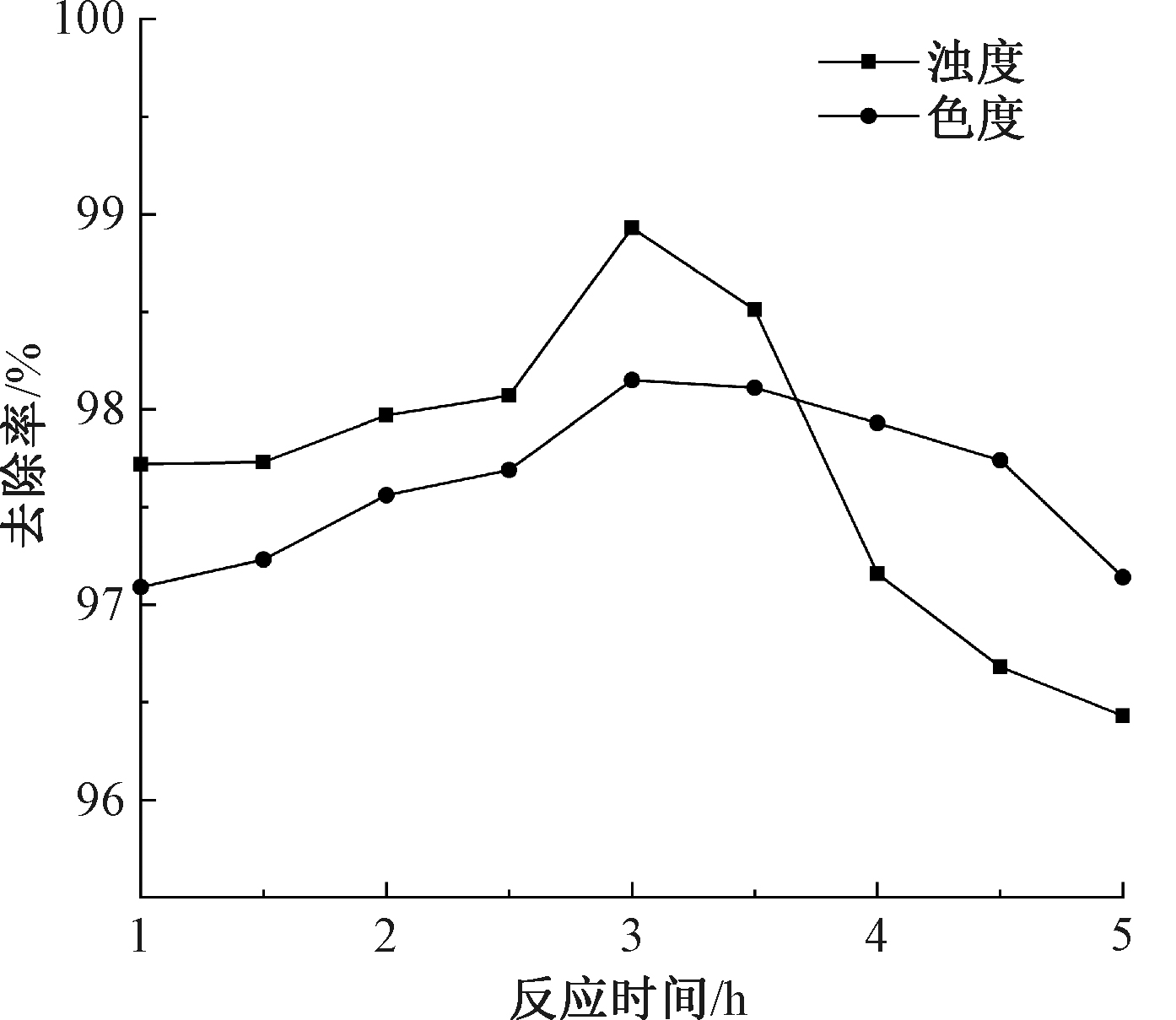
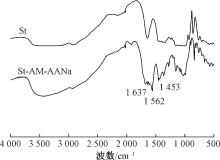
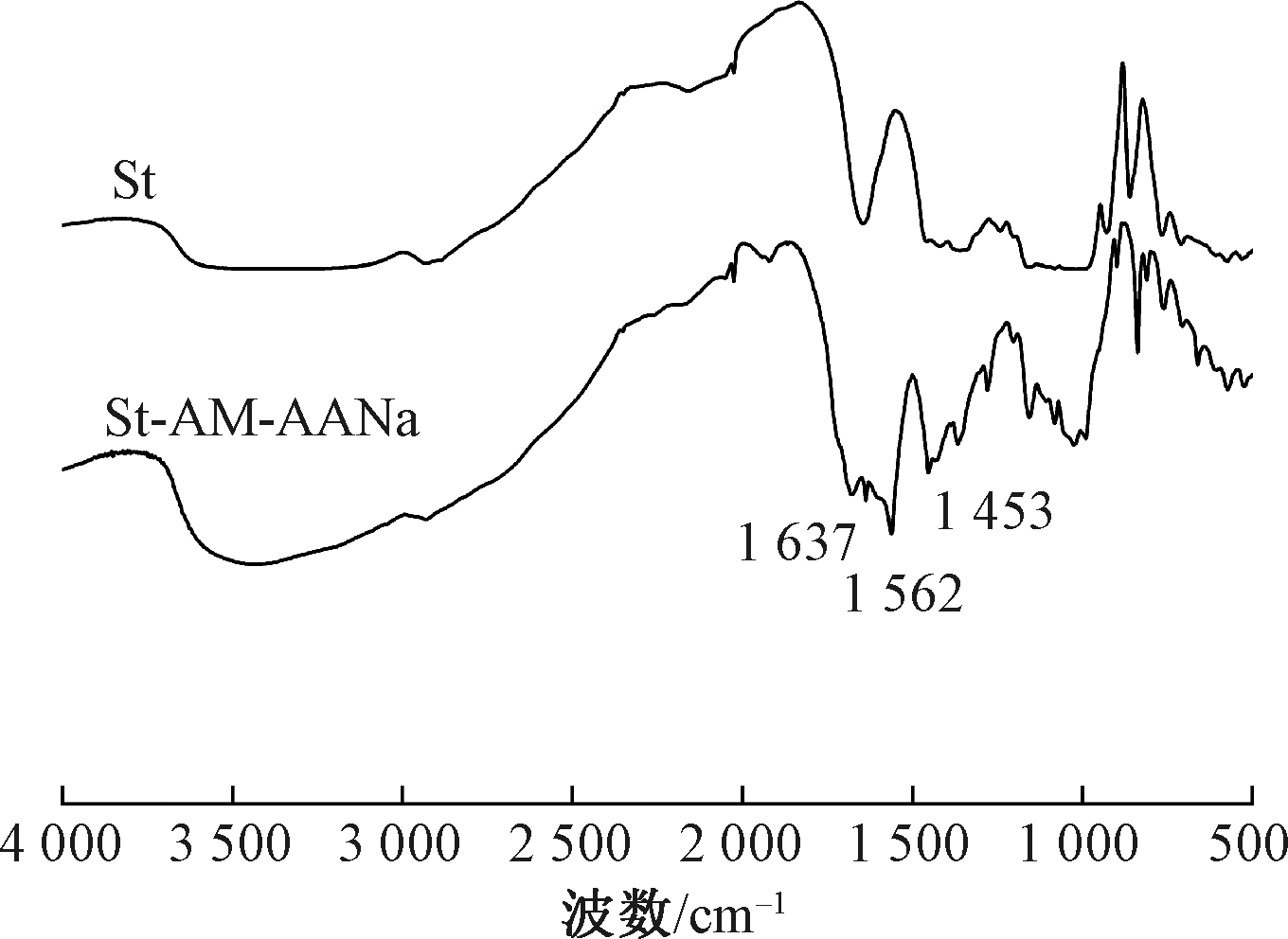
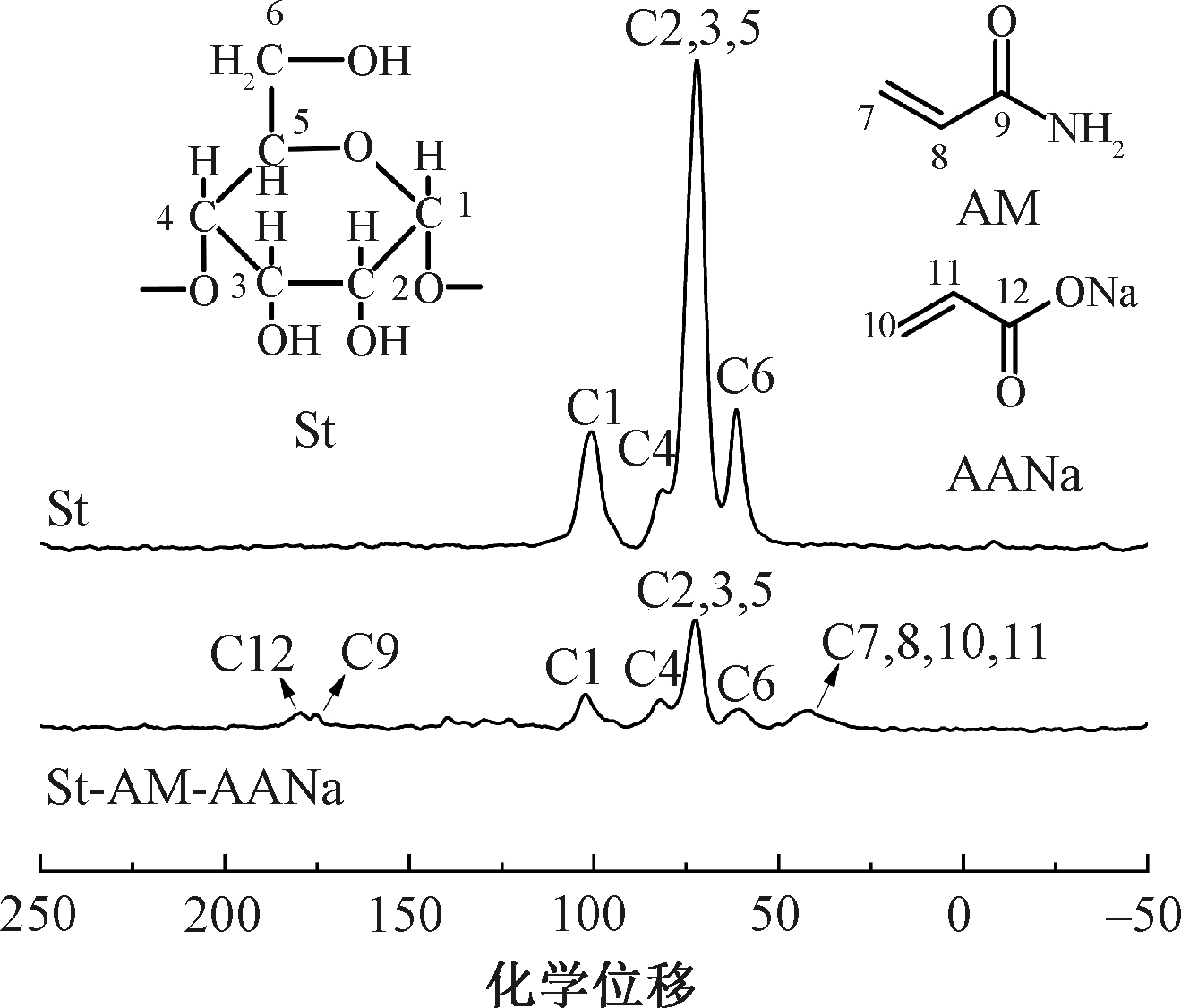
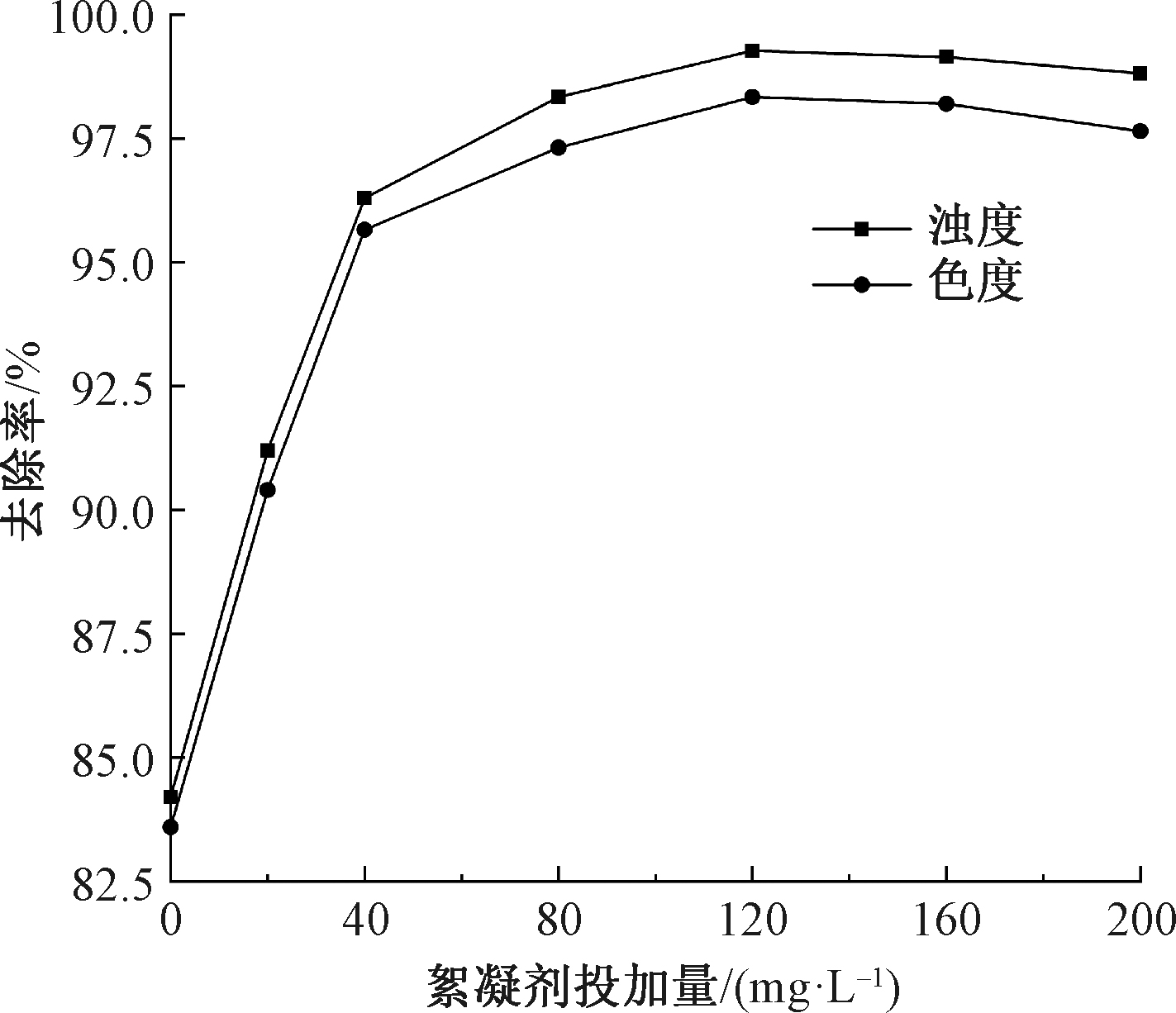
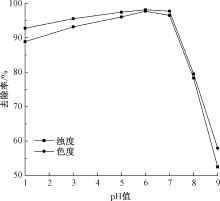
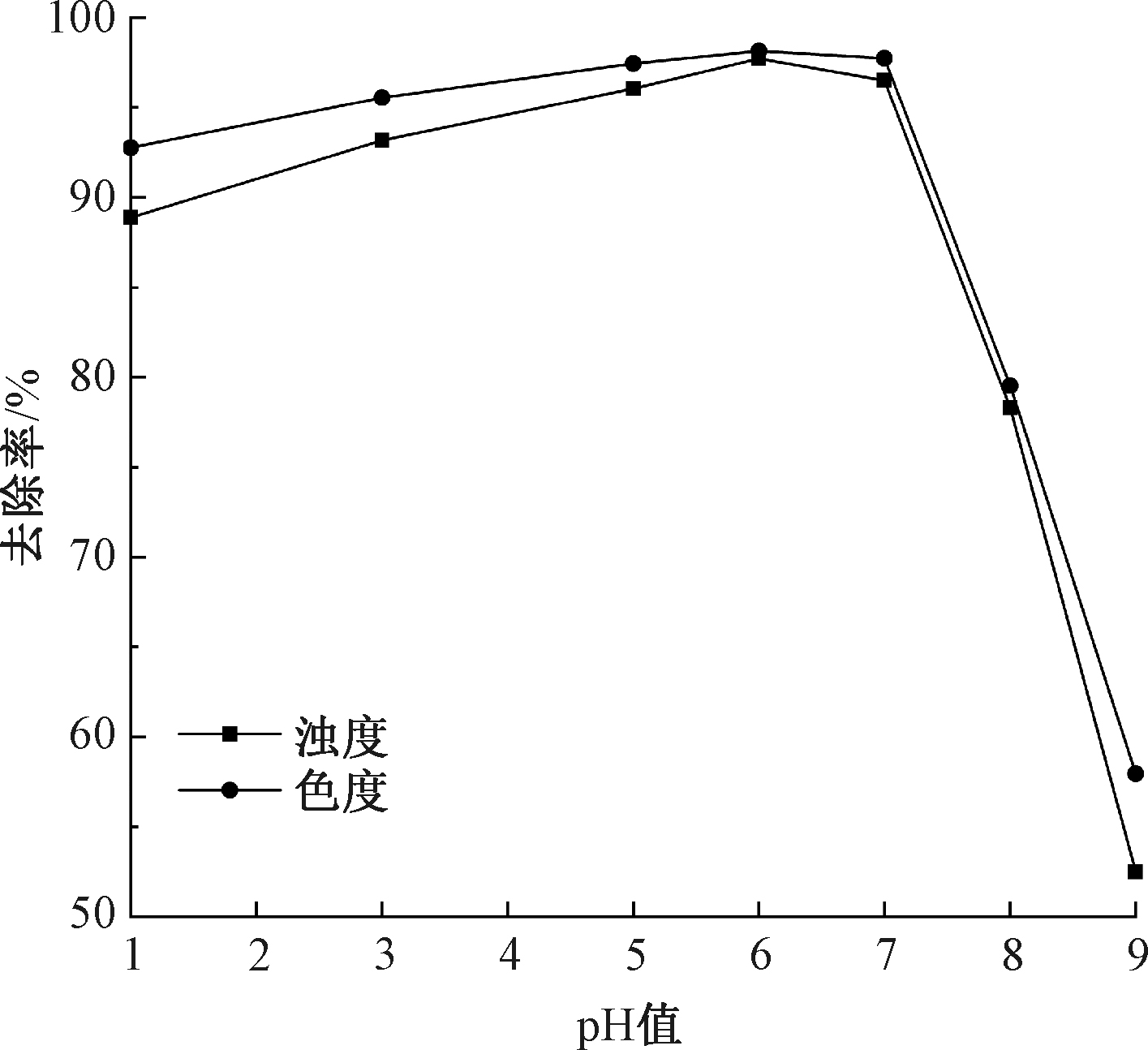
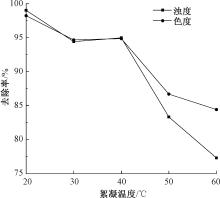
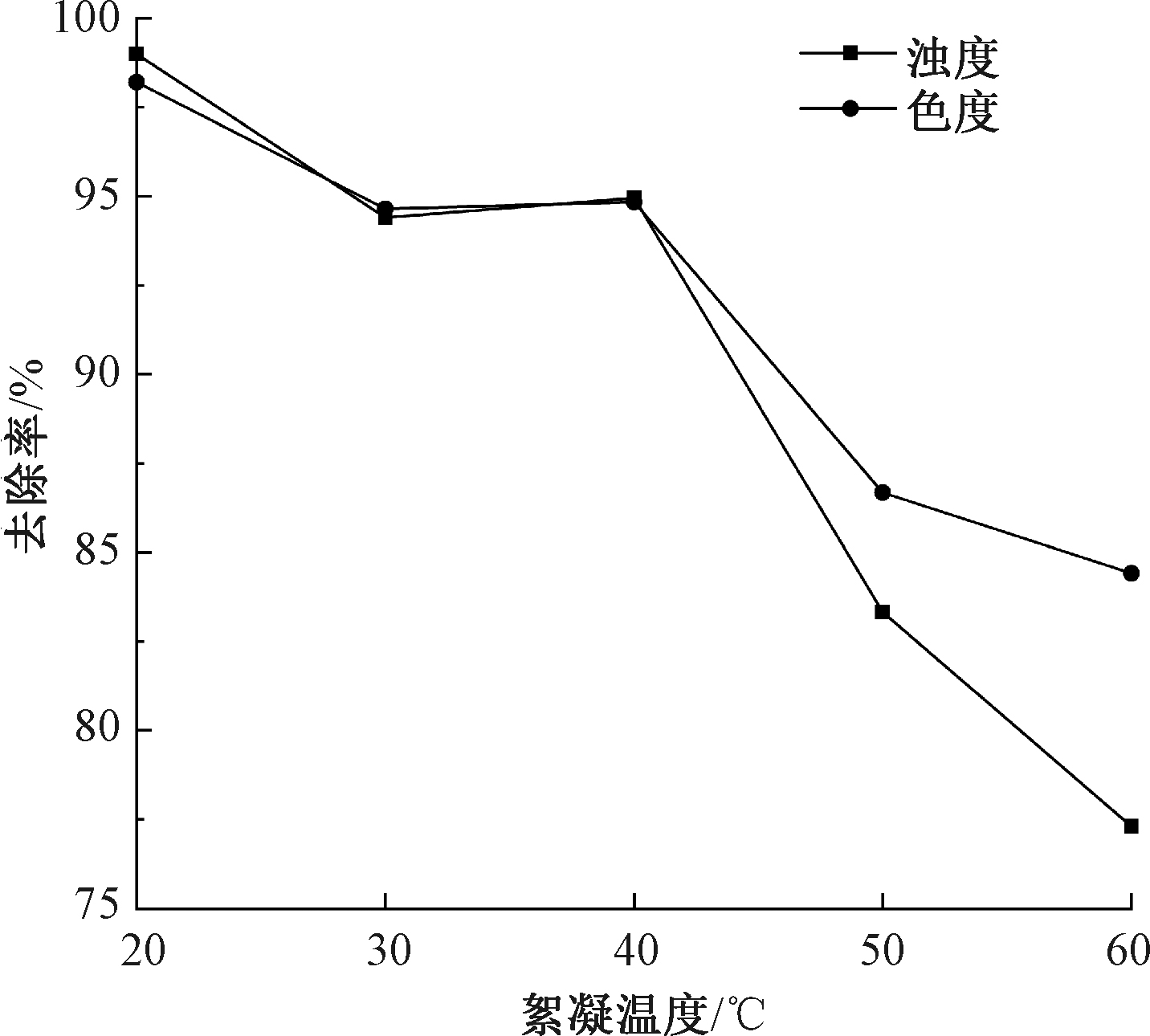
针对印染废水高色度、高有机污染物浓度和水体富营养化等问题,以来源广泛、价廉的木薯淀粉为基体,通过接枝共聚反应将丙烯酰胺(AM)和丙烯酸钠(AANa)引入淀粉分子链,制备改性淀粉基絮凝剂,并将其与聚合氯化铝(PAC)协同用于模拟印染废水的处理。采用单因素实验法,优化引发剂用量、单体配比、反应温度及反应时间等合成条件;并对改性淀粉基絮凝剂的结构与形貌进行表征。选用分散红FB、分散蓝E-4R和分散黄RGFL配制模拟印染废水,通过静态絮凝实验探究絮凝剂投加量、pH值和温度对絮凝效果的影响。研究结果表明,当引发剂质量分数为0.6%、AM与AANa的量比为1∶0.75、反应温度为70 ℃、反应时间为3 h时,所制备的絮凝剂絮凝效果最佳;在pH值为3~7、温度为20~40 ℃的条件下,PAC与改性絮凝剂协同使用时,对分散染料的浊度和色度去除率均可达90%以上;当改性絮凝剂投加量为120 mg/L、pH值为6、温度为20 ℃时,对模拟印染废水的处理效果最优,浊度去除率达99.28%,色度去除率达98.34%。
中图分类号:
| [1] | 方婷. 印染行业废水处理技术的研究现状与发展趋势[J]. 染整技术, 2025, 47(11): 152-154. |
| FANG Ting. Research status and development trends of wastewater treatment technologies in the textile dyeing industry[J]. Textile Dyeing and Finishing Journal, 2025, 47(11): 152-154. | |
| [2] |
EWUZIE U, SALIU O D, DULTA K, et al. A review on treatment technologies for printing and dyeing wastewater (PDW)[J]. Journal of Water Process Engineering, 2022, 50: 103273.
doi: 10.1016/j.jwpe.2022.103273 |
| [3] | 霍桃梅. 印染废水治理的关键技术与应用展望[J]. 化纤与纺织技术, 2024, 53(9): 48-50. |
| HUO Taomei. Key technology and application prospect of printing and dyeing wastewater treatment[J]. Chemical Fiber & Textile Technology, 2024, 53(9): 48-50. | |
| [4] | SEWNET A, ABEBE M, ASAITHAMBI P, et al. Visible-light-driven g-C3N4/TiO2 based heterojunction nanocomposites for photocatalytic degradation of organic dyes in wastewater: a review[J]. Air, Soil and Water Research, 2022, 15:1-23. |
| [5] | 高陆玺, 吕雪川, 张弛, 等. 用于印染废水处理的改性絮凝剂合成及其脱色性能[J]. 纺织学报, 2022, 43(7): 121-128. |
|
GAO Luxi, LÜ Xuechuan, ZHANG Chi, et al. Synthesis and decolorizing performance of modified flocculant for treating dyeing wastewater[J]. Journal of Textile Research, 2022, 43(7): 121-128.
doi: 10.1177/004051757304300210 |
|
| [6] |
ZHANG X, GRAHAM N, XU L, et al. The influence of small organic molecules on coagulation from the perspective of hydrolysis competition and crystallization[J]. Environmental Science & Technology, 2021, 55(11): 7456-7465.
doi: 10.1021/acs.est.1c00869 |
| [7] |
LIU Z B, HENG S L, DAI Q C, et al. Simultaneous removal of antibiotic resistance genes and improved dewatering ability of waste activated sludge by Fe(II)-activated persulfate oxidation[J]. Water Research, 2024, 253: 121265.
doi: 10.1016/j.watres.2024.121265 |
| [8] |
WEI H, GAO B Q, REN J, et al. Coagulation/flocculation in dewatering of sludge: a review[J]. Water Research, 2018, 143: 608-631.
doi: S0043-1354(18)30572-4 pmid: 30031298 |
| [9] | 陈冬芝, 杨晓刚, 陈艳霞, 等. 亚麻废纱制备纤维素基絮凝材料及其混凝工业废水性能[J]. 纺织学报, 2020, 41(1): 88-95. |
| CHEN Dongzhi, YANG Xiaogang, CHEN Yanxia, et al. Study on cellulose-based flocculant from flax yarn waste and its flocculation performance in treating industrial wastewater[J]. Journal of Textile Research, 2020, 41(1): 88-95. | |
| [10] | 蔡阳扬, 陶秀萍, 李同, 等. 天然高分子絮凝剂的制备及应用研究[J]. 中国农业科技导报, 2023, 25(10): 165-172. |
| CAI Yangyang, TAO Xiuping, LI Tong, et al. Preparation and application of natural polymer flocculants[J]. Journal of Agricultural Science and Technology, 2023, 25(10): 165-172. | |
| [11] |
ZHANG H, LI J Q, CAO S C, et al. Preparation of crosslinking-grafting cationic starch flocculant and its study on textile dyes removal[J]. Journal of Polymers and the Environment, 2024, 32(7): 3407-3421.
doi: 10.1007/s10924-023-03133-0 |
| [12] |
ZHAO X X, ZHANG R, CAO S C, et al. Preparation of grafted starch-based cationic flocculants and its removal of reactive and disperse dyes[J]. Journal of Applied Polymer Science, 2025, 142(2): e56336.
doi: 10.1002/app.v142.2 |
| [13] |
HU P, ZHUANG S, SHEN S, et al. Dewaterability of sewage sludge conditioned with a graft cationic starch-based flocculant: role of structural characteristics of flocculant[J]. Water Research, 2021, 189: 116578.
doi: 10.1016/j.watres.2020.116578 |
| [1] | 沈忱思, 侯传鑫, 苏雄, 李方. 高级氧化预处理阻燃整理有机磷废水效能评价[J]. 纺织学报, 2026, 47(07): 1-9. |
| [2] | 杨帆, 崔松松, 王姗丽, 王振华, 戴高奇, 余德游. 聚四氟乙烯中空纤维膜接触反应器中臭氧传质强化及其应用性能[J]. 纺织学报, 2026, 47(07): 10-18. |
| [3] | 王鑫杨, 乔曦冉, 徐成书, 王慧杰, 任燕, 韩彬, 徐子铮. 苝二酰亚胺/氧化石墨烯光催化剂的制备及其对活性染料的降解性能[J]. 纺织学报, 2026, 47(07): 27-33. |
| [4] | 邱虹, 陈黎, 王丽芳, 易珊, 唐一卡, 王玉平, 高洪国, 张雯欣, 王克毅, 刘丽芳. 纳米纤维素基温度响应型水凝胶的制备及其性能[J]. 纺织学报, 2026, 47(05): 1-8. |
| [5] | 胡浙人, 俞乐, 金楠洋, 罗金明, 孔培振, 余德游. 全氟及多氟烷基物质吸附技术及其处理印染废水研究进展[J]. 纺织学报, 2026, 47(05): 273-282. |
| [6] | 郭正, 张贺凯, 宋云飞, 朱怡雷, 李佳颍, 郑佳悦, 王明环. 聚苯乙烯/ZIF-67纳米纤维的制备及其高级氧化降解应用[J]. 纺织学报, 2026, 47(04): 52-60. |
| [7] | 岳献阳, 王少博, 黄鑫, 王艳芝, 李冲冲, 张晓晓. 黄麻织物基磁性含氮多孔碳对Cr(VI)的吸附性能[J]. 纺织学报, 2026, 47(02): 255-263. |
| [8] | 凌磊, 陈凯, 高俊, 武丁胜, 汪邓兵, 张春, 凤权. 聚丙烯腈/共价有机框架复合纳米纤维膜的制备及其对Cr(Ⅵ)的吸附性能[J]. 纺织学报, 2026, 47(01): 54-62. |
| [9] | 刘劲扬, 李成才, 朱海霖, 郭玉海, 姜学梁. 非对称结构聚四氟乙烯中空管式纤维膜的制备及油水分离性能[J]. 纺织学报, 2025, 46(12): 11-18. |
| [10] | 谢围围, 朱庆鹏, 宋娇娇, 陈志明. 磁性固定化漆酶的制备及其对染料的高效降解[J]. 纺织学报, 2025, 46(12): 163-170. |
| [11] | 季巧, 于清源, 周爱晖, 马博谋, 徐进, 袁久刚. 细菌纤维素及其复合材料的应用研究进展[J]. 纺织学报, 2025, 46(12): 243-250. |
| [12] | 杨孟晓, 邱小雪, 吴芳, 刘琳, 姚菊明. 蚕丝基导电凝胶纤维的制备及其应变传感性能[J]. 纺织学报, 2025, 46(12): 49-56. |
| [13] | 高俊, 凌磊, 陈缘, 武丁胜, 林韩蕾, 李振宇, 凤权. 氨基功能化聚丙烯腈纳米纤维膜的制备及其对Cr(Ⅵ)的吸附性能[J]. 纺织学报, 2025, 46(12): 57-65. |
| [14] | 李健阁, 吴伟, 韩伟鹏, 纪柏林, 徐红, 毛志平. 乙烯砜醋酸酯活性分散染料的合成及其对锦纶66的染色应用[J]. 纺织学报, 2025, 46(10): 143-151. |
| [15] | 刘东方, 任李培, 徐卫林, 肖杏芳. 灯心草负载活性炭材料的制备及其对染料吸附性能[J]. 纺织学报, 2025, 46(10): 159-166. |
|
||
 京公网安备11010502044800号