纺织学报 ›› 2026, Vol. 47 ›› Issue (03): 240-246.doi: 10.13475/j.fzxb.20250904001
邵英海1, 朴洪伟1,2,3( ), 曹继鹏1, 张月1, 许兰杰1, 于学智1, 张明光1
SHAO Yinghai1, PIAO Hongwei1,2,3(), CAO Jipeng1, ZHANG Yue1, XU Lanjie1, YU Xuezhi1, ZHANG Mingguang1
摘要:
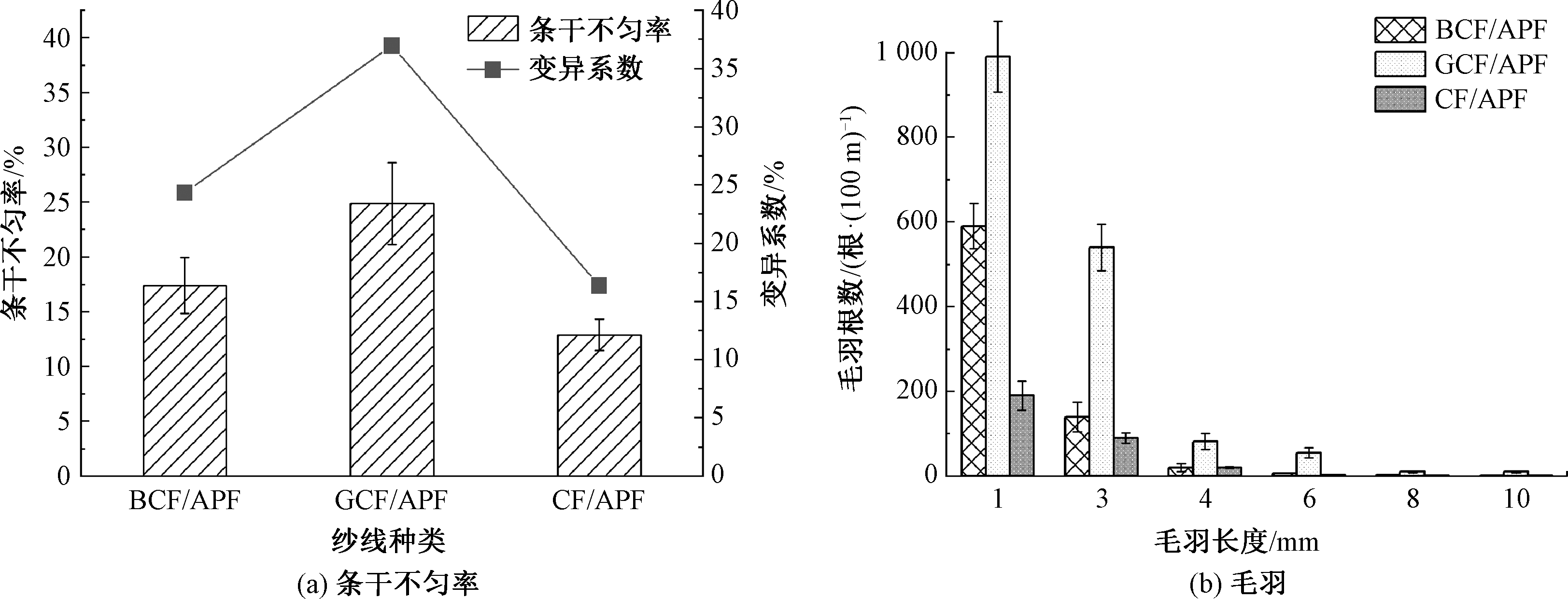
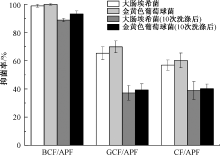
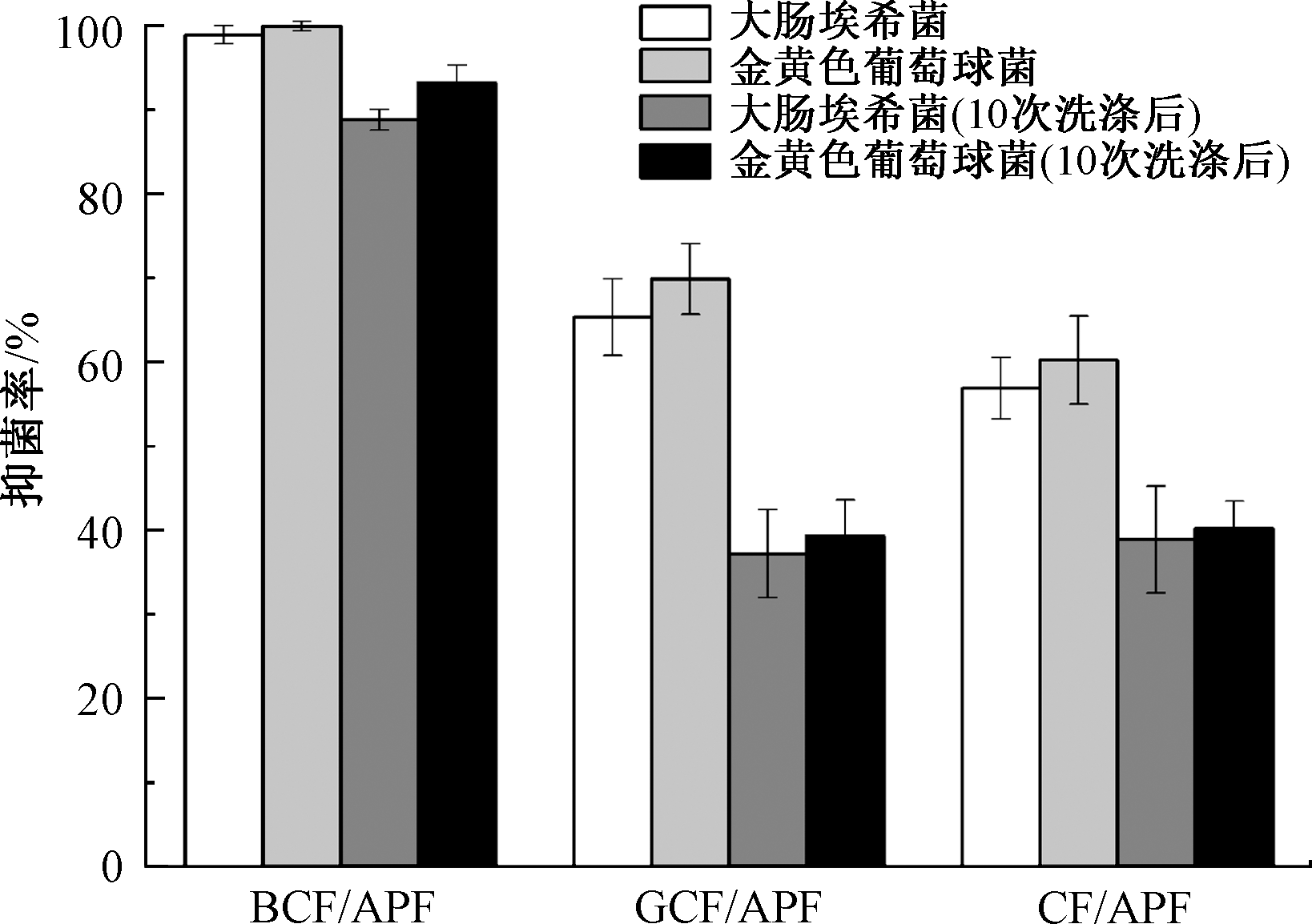
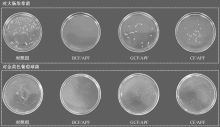
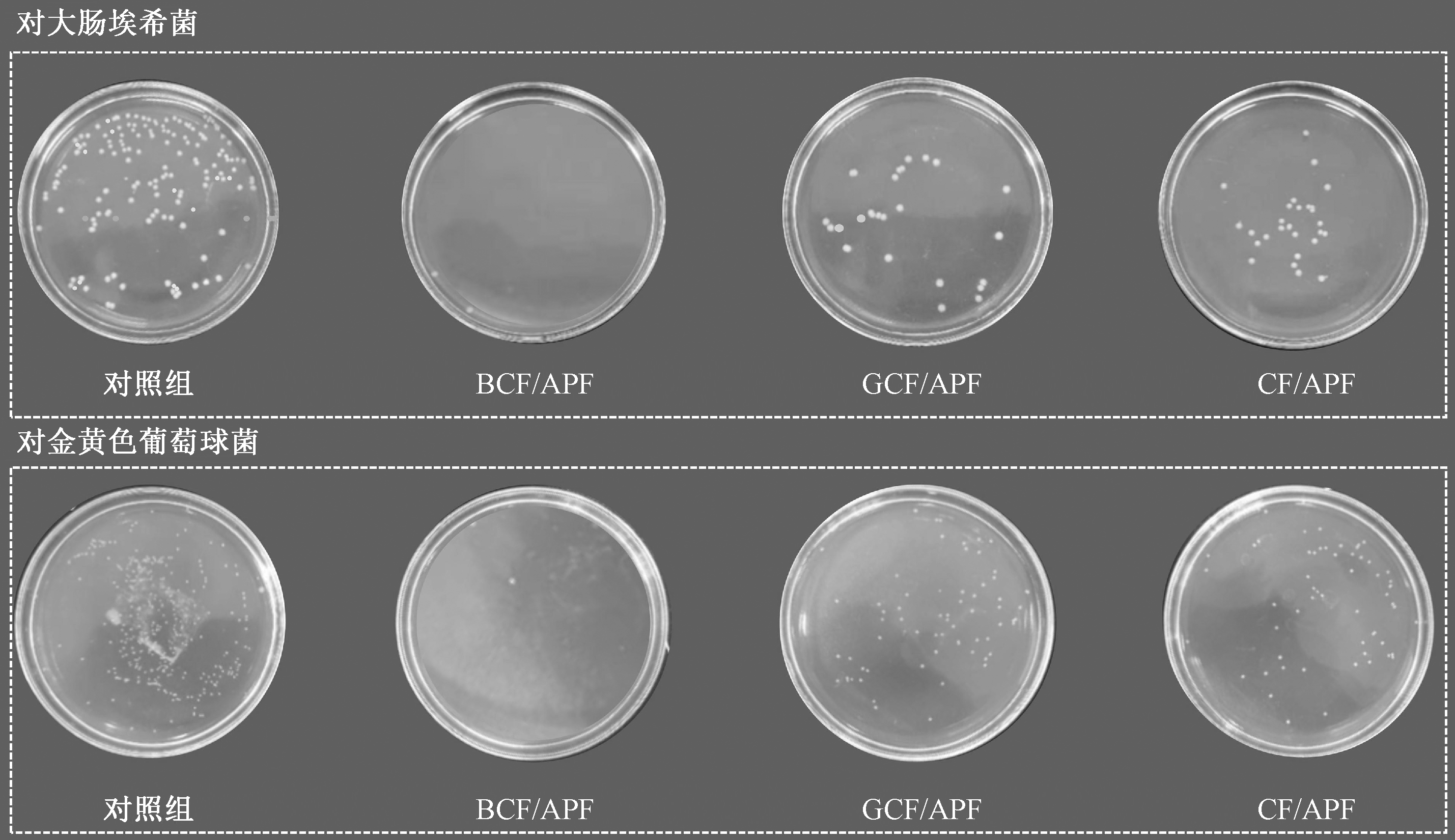
为促进天然彩棉纤维在绿色纺织服装领域的广泛应用,采用棉纺普梳工艺,以天然棕色棉纤维(BCF)、天然绿色棉纤维(GCF)、天然白色棉纤维(CF)以及柞蚕丝短纤维(APF)为原料,分别纺制了3种线密度为29.5 tex的混纺纱线(BCF/APF(70/30)、GCF/APF(70/30)和CF/APF(70/30))。系统表征了成纱的结构特征、拉伸力学性能及质量指标,分析了天然彩棉纤维本征性能对成纱质量的影响规律,重点探究了天然彩棉品种差异对混纺纱抗菌性能的调控机制。结果表明:天然彩棉本征纤维的性能较差(纤维短、细、强力低),高比例天然彩棉纤维混纺可在一定程度上降低成纱拉伸断裂强力与断裂伸长率,影响纱线条干均匀性并恶化纱线毛羽,尤其是GCF;GCF与BCF的抗菌性能存在显著差异,主要原因是二者所含天然色素物质不同(BCF含缩合单宁类物质;GCF含黄酮类物质);BCF/APF的综合成纱质量可基本满足纺织加工需求,且对大肠埃希菌与金黄色葡萄球菌的抗菌效果优异(抑菌率均大于95%),可用于开发各类环保型亲肤面料与功能纺织品。
中图分类号:
| [1] |
XU Q B, XIE L J, DIAO H, et al. Antibacterial cotton fabric with enhanced durability prepared using silver nanoparticles and carboxymethyl chitosan[J]. Carbohydrate Polymers, 2017, 177: 187-193.
doi: S0144-8617(17)30989-X pmid: 28962757 |
| [2] | 南清清, 曾庆红, 袁竟轩, 等. 抗菌功能纺织品的研究进展[J]. 纺织学报, 2022, 43(6): 197-205. |
| NAN Qingqing, ZENG Qinghong, YUAN Jingxuan, et al. Advances on antibacterial textiles[J]. Journal of Textile Research, 2022, 43(6): 197-205. | |
| [3] |
王志辉, 徐羽菲, 郭豪玉, 等. 光动力抗菌技术在纺织品上的应用研究进展[J]. 纺织学报, 2021, 42(11): 187-196.
doi: 10.13475/j.fzxb.20200903610 |
|
WANG Zhihui, XU Yufei, GUO Haoyu, et al. Progress in application of photodynamic antibacterial technology for textiles[J]. Journal of Textile Research, 2021, 42(11): 187-196.
doi: 10.13475/j.fzxb.20200903610 |
|
| [4] | 蒋少琪, 曹良波, 郭荣辉. 抗菌功能纺织品的研究进展[J]. 纺织科学与工程学报, 2024, 41(3): 101-109. |
| JIANG Shaoqi, CAO Liangbo, GUO Ronghui. Research progress of antibacterial functional textiles[J]. Journal of Textile Science and Engineering, 2024, 41(3): 101-109. | |
| [5] | 肖红, 施楣梧, 陈学军. 抗菌纺织品的概念辨析和研究开发方向[J]. 毛纺科技, 2024, 52(7): 1-8. |
| XIAO Hong, SHI Meiwu, CHEN Xuejun. The concept analysis and research and development direction of antibacterial textiles[J]. Wool Textile Journal, 2024, 52(7): 1-8. | |
| [6] | 刘建林. 天然彩棉/细绒棉混纺纱生产实践[J]. 纺织器材, 2023, 50(3): 42-45. |
| LIU Jianlin. Production practice of natural colored cotton/medium cotton blended yarn[J]. Textile Accessories, 2023, 50(3): 42-45. | |
| [7] | 姜晓巍. 大豆蛋白纤维/彩棉赛络纺弹力包芯纱的开发[J]. 合成纤维, 2008, 37(8): 41-43. |
| JIANG Xiaowei. Development of soybean protein fiber combed colored cotton and PU core-spun yarn by SIRO spinning[J]. Synthetic Fiber in China, 2008, 37(8): 41-43. | |
| [8] |
ATAV R, YÜKSEL M F, DILDEN D B, et al. Colored cotton fabric production without dyeing within the sustainability concept in textile[J]. Industrial Crops and Products, 2022, 187: 115419.
doi: 10.1016/j.indcrop.2022.115419 |
| [9] | 张喜昌. 不同混纺比彩棉与白棉混纺纱线性能分析[J]. 河南工程学院学报(自然科学版), 2022, 34(3): 8-11. |
| ZHANG Xichang. Performance analysis of blended yarn of colored cotton and white cotton with different blending ratios[J]. Journal of Henan University of Engineering (Natural Science Edition), 2022, 34(3): 8-11. | |
| [10] | 赵博. 天然彩棉纤维混纺纱产品的开发及工艺的研究[J]. 现代纺织技术, 2012, 20(5): 22-25. |
| ZHAO Bo. Research on the development and technology of naturally colored cotton blended yarn products[J]. Advanced Textile Technology, 2012, 20(5): 22-25. | |
| [11] |
MA M B, LI R X, DU Y Y, et al. Analysis of antibacterial properties of naturally colored cottons[J]. Textile Research Journal, 2013, 83(5): 462-470.
doi: 10.1177/0040517512447585 |
| [12] |
PENG Z, GAO Q, LUO C, et al. Flavonoid biosynthetic and starch and sucrose metabolic pathways are involved in the pigmentation of naturally brown-colored cotton fibers[J]. Industrial Crops and Products, 2020, 158: 113045.
doi: 10.1016/j.indcrop.2020.113045 |
| [13] | 贾艳梅, 于学智. 柞叶染料对柞蚕丝织物的染色及其吸附动力学研究[J]. 纺织学报, 2023, 44(3): 119-125. |
| JIA Yanmei, YU Xuezhi. Dyeing properties and adsorption kinetics of oak leaf extract on tussah silk[J]. Journal of Textile Research, 2023, 44(3): 119-125. | |
| [14] | 周镭, 王伟, 孙明星. 柞蚕丝与莱赛尔纤维混纺纱线的开发[J]. 天津纺织科技, 2020(5): 48-51. |
| ZHOU Lei, WANG Wei, SUN Mingxing. Development of wild silk fiber/Lyocell fiber blended yarn[J]. Tianjin Textile Science & Technology, 2020(5): 48-51. | |
| [15] |
刘婷, 闫涛, 潘志娟. 香蕉茎秆纤维/抗菌纤维混纺纱的制备及其性能[J]. 纺织学报, 2024, 45(10): 48-54.
doi: 10.13475/j.fzxb.20230805701 |
|
LIU Ting, YAN Tao, PAN Zhijuan. Preparation and properties of banana stem fiber/antibacterial fiber blended yarn[J]. Journal of Textile Research, 2024, 45(10): 48-54.
doi: 10.13475/j.fzxb.20230805701 |
|
| [16] | 蒋少军, 周鸣理, 杜德林. 梳棉机梳理彩棉纤维工艺及其针布的配置[J]. 纺织器材, 2008, 35(3): 41-43. |
| JIANG Shaojun, ZHOU Mingli, DU Delin. Color fiber carding process and the card clothing configuration[J]. Textile Accessories, 2008, 35(3): 41-43. | |
| [17] | 唐志荣. 天然彩色棉色素组分、结构及其相关性能研究[D]. 杭州: 浙江理工大学, 2013: 84-88. |
| TANG Zhirong. Study on the ingredient and structural identification of pigment and related performance of naturally colored cotton fiber[D]. Hangzhou: Zhejiang Sci-Tech University, 2013: 84-88. | |
| [18] | 罗少宏. 天然棕色棉色素组分、结构及性能研究[D]. 杭州: 浙江理工大学, 2014: 8-9. |
| LUO Shaohong. Identification of pigment from naturally brown cotton and performance study of brown cotton fiber[D]. Hangzhou: Zhejiang Sci-Tech University, 2014: 8-9. |
| [1] | 刘鹏碧, 任经岗, 张宽祥, 曹东阳, 刘熙, 郭昌盛. 植酸/苯扎氯铵一步共沉积涂层聚丙烯补片的制备及其抗菌性能[J]. 纺织学报, 2026, 47(03): 77-86. |
| [2] | 王世杰, 孙辉, 于斌. 聚乙烯醇/牡丹皮提取物复合纳米静电纺丝膜的制备及其抗菌性能[J]. 纺织学报, 2026, 47(02): 56-64. |
| [3] | 顾家玉, 张炜栋, 董永春, 孙璇, 徐良军. 银杏叶黄酮对羊毛和蚕丝织物的抗菌整理[J]. 纺织学报, 2026, 47(01): 142-150. |
| [4] | 宋佳怡, 王政驿, 程献伟, 关晋平, 朱亚伟. 液态靛蓝染料的制备及其对棉织物的染色性能[J]. 纺织学报, 2025, 46(12): 133-141. |
| [5] | 候志文, 任泽苹, 王晓宁, 张天骄. 棉织物的壳聚糖/海藻酸盐抗菌阻燃整理及其性能[J]. 纺织学报, 2025, 46(12): 171-180. |
| [6] | 缪璐璐, 顾佳华, 陶华冠, 孙国军, 邹专勇. 喷气涡流纺成纱工艺对三组分混纺纱性能的影响[J]. 纺织学报, 2025, 46(09): 112-119. |
| [7] | 徐丽亚, 汪瑱, 杨鸿杰, 汪蔚. 氧化锌-银/生物基聚酰胺56纳米纤维膜的制备及其抗菌性能[J]. 纺织学报, 2025, 46(07): 37-45. |
| [8] | 楚祥婷, 高见, 章红豆, 陆惠文, 刘新金, 苏旭中. 基于质量分布法的棉集合体中纤维弯钩研究[J]. 纺织学报, 2025, 46(07): 69-77. |
| [9] | 邵秋, 杨瑞华. 再循环棉/原棉转杯纺纱线的耐磨性[J]. 纺织学报, 2025, 46(03): 64-71. |
| [10] | 刘婷, 闫涛, 潘志娟. 香蕉茎秆纤维/抗菌纤维混纺纱的制备及其性能[J]. 纺织学报, 2024, 45(10): 48-54. |
| [11] | 刘慧, 李平, 朱平, 刘云. γ-脲基丙基三乙氧基硅烷/苯基膦酸阻燃抗菌棉织物的制备及其性能[J]. 纺织学报, 2024, 45(08): 205-214. |
| [12] | 吕子豪, 徐慧慧, 袁小红, 王清清, 魏取福. 光动力抗菌水刺棉的染整一体化制备及其性能[J]. 纺织学报, 2024, 45(08): 26-34. |
| [13] | 韩华, 胡安然, 孙艺文, 丁作伟, 李伟, 张彩云, 郭增革. 碘释放抗菌涂层棉织物的制备及其在伤口修复中的应用[J]. 纺织学报, 2024, 45(05): 113-120. |
| [14] | 陈锦苗, 李纪伟, 陈萌, 宁新, 崔爱华, 王娜. 壳聚糖微纳米纤维复合抗菌空气滤材的制备及其性能[J]. 纺织学报, 2024, 45(05): 19-26. |
| [15] | 贾琳, 董晓, 王西贤, 张海霞, 覃小红. 聚己内酯/MgO复合纳米纤维膜的制备及其性能[J]. 纺织学报, 2024, 45(04): 59-66. |
|
||
 京公网安备11010502044800号