纺织学报 ›› 2026, Vol. 47 ›› Issue (1): 142-150.doi: 10.13475/j.fzxb.20250205601

• 染整工程 • 上一篇    下一篇

银杏叶黄酮对羊毛和蚕丝织物的抗菌整理

顾家玉1,2(), 张炜栋1, 董永春3, 孙璇4, 徐良军5   

  1. 1.江苏工程职业技术学院 纺织服装学院, 江苏 南通 226006
    2.浙江盛发印染有限公司, 浙江 湖州 313109
    3.天津工业大学 纺织科学与工程学院, 天津 330387
    4.广州检验检测认证集团有限公司, 广东 广州 511447
    5.科德宝宝翎衬布(南通)有限公司, 江苏 南通 226010
  • 收稿日期:2025-02-25 修回日期:2025-09-11 出版日期:2026-01-15 发布日期:2026-01-15
  • 作者简介:顾家玉(1993—),女,讲师,博士生。主要研究方向为绿色染整及功能性纺织品。E-mail:gjyjcet@163.com
  • 基金资助:
    江苏省“青蓝工程”优秀青年培养对象资助(苏教师函〔2024〕14号);江苏省高等学校基础科学研究面上项目(24KJB540003)

Antibacterial finishing of wool and silk fabrics with Ginkgo Biloba flavonoids

GU Jiayu1,2(), ZHANG Weidong1, DONG Yongchun3, SUN Xuan4, XU Liangjun5   

  1. 1. College of Textile and Fashion, Jiangsu College of Engineering and Technology, Nantong, Jiangsu 226006, China
    2. SHINEFAIR Textile Co., Ltd., Huzhou, Zhejiang 313109, China
    3. College of Textile Science and Engineering, Tiangong University, Tianjin 300387, China
    4. Guangzhou Inspection Testing and Certification Group Co., Ltd., Guangzhou, Guangdong 511447, China
    5. Kodobo Baoling Interlining (Nantong) Co., Ltd., Nantong, Jiangsu 226010, China
  • Received:2025-02-25 Revised:2025-09-11 Published:2026-01-15 Online:2026-01-15

摘要:

为开拓无色或淡色的植物提取液的附加价值,利用银杏叶提取液中的黄酮实现对羊毛和蚕丝织物的抗菌整理。首先采用乙醇/水提取法制备了含黄酮的银杏叶提取液(GBL-e),并通过高效液相色谱法考察GBL-e中的黄酮类型;然后使用GBL-e对织物进行抗菌整理,并通过吸附反应模型探究织物对GBL-e黄酮的吸附机制;最后研究2种织物的抗菌性能。实验结果表明,GBL-e中主要存在槲皮素、山奈酚和异鼠李素这3种黄酮类化合物;羊毛和蚕丝织物对黄酮的吸附过程符合Lagergren准二级动力学模型以及Langmuir和Freundlich吸附等温模型,且蚕丝织物对黄酮的吸附能力显著优于羊毛织物;经过GBL-e整理的2种织物均具有良好的抗菌性能。

关键词: 银杏叶提取液, 羊毛织物, 蚕丝织物, 动力学, 热力学, 抗菌性能, 抗菌整理, 功能性纺织品

Abstract:

Objective In order to further explore and enhance the added value of colorless or light-colored plant extracts in the field of textile functionalization, this study focuses on utilizing flavonoids derived from Ginkgo Biloba leaf extracts (GBL-e) to impart antibacterial properties to two fabrics (wool and silk fabrics). While much existing research emphasizes the dyeing potential of pigmented plant extracts, this work intentionally targets underutilized, low-color botanical resources that are rich in bioactive compounds, aiming to provide an eco-friendly and sustainable approach to fabric finishing, aligning with growing demands for green manufacturing processes. The research systematically evaluates the extraction, identification, adsorption behavior, and antibacterial efficacy of GBL-e flavonoids on wool/silk substrates, thereby offering a comprehensive strategy for valorizing plant waste and expanding the functional applications of natural extracts in fabrics.

Method Initially, the flavonoid-rich Ginkgo Biloba leaf extract (GBL-e) was prepared using an ethanol/water extraction technique. Following extraction, high performance liquid chromatography (HPLC) was employed to qualitatively and quantitatively identify the specific types of flavonoids present in GBL-e, offering critical insights into its composition. Subsequently, the two fabrics were subjected to functional finishing treatment using the as-prepared GBL-e solution. Throughout this finishing process, the adsorption behavior and binding mechanism of flavonoids onto the wool/silk substrates were rigorously examined using established adsorption reaction models, enabling a deeper understanding of the interaction kinetics and equilibrium characteristics. Finally, the antibacterial efficacy of the treated fabrics was evaluated to determine their potential for practical applications in bioactive fabrics.

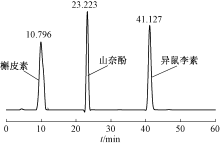
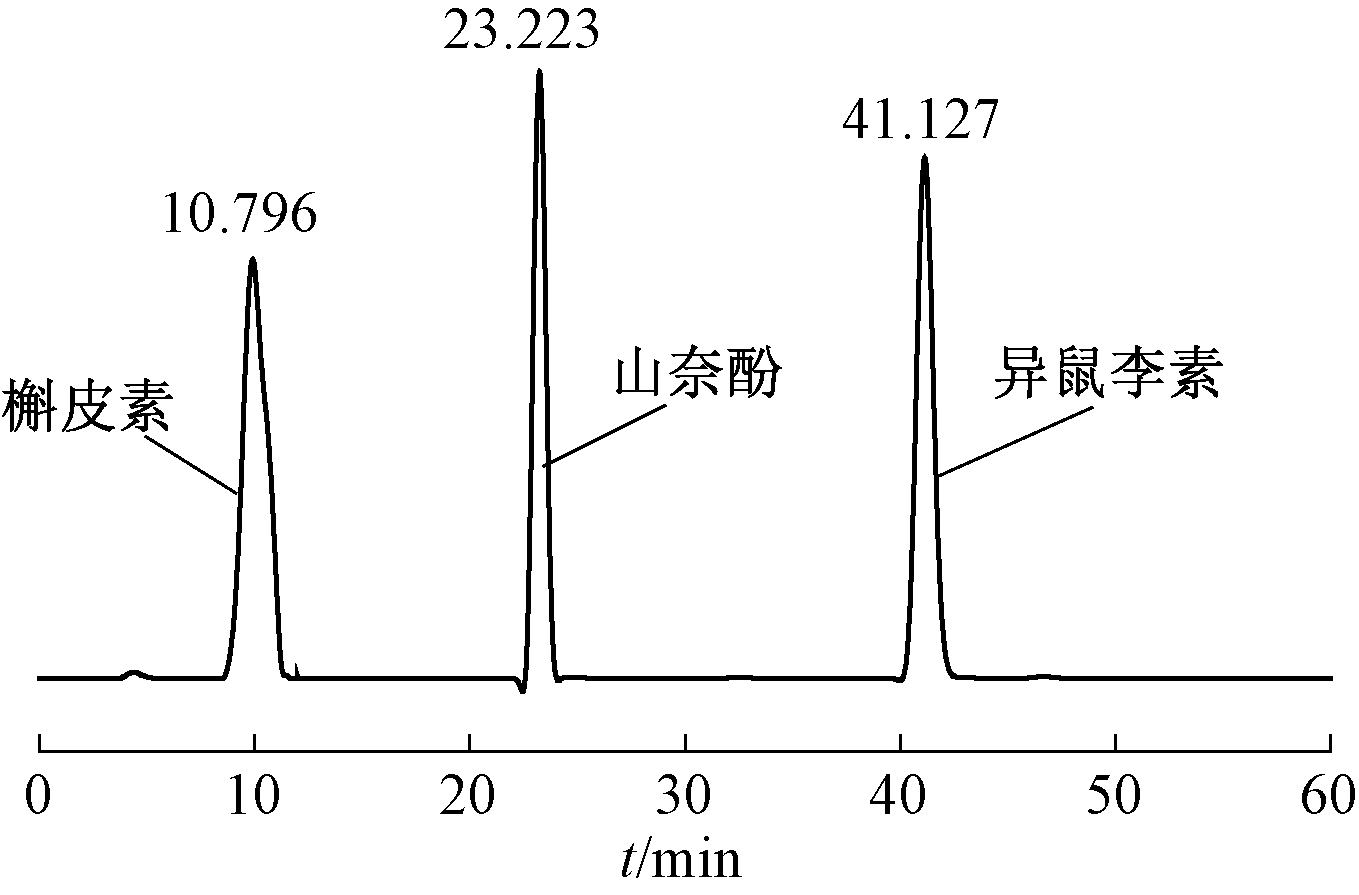
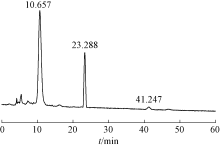
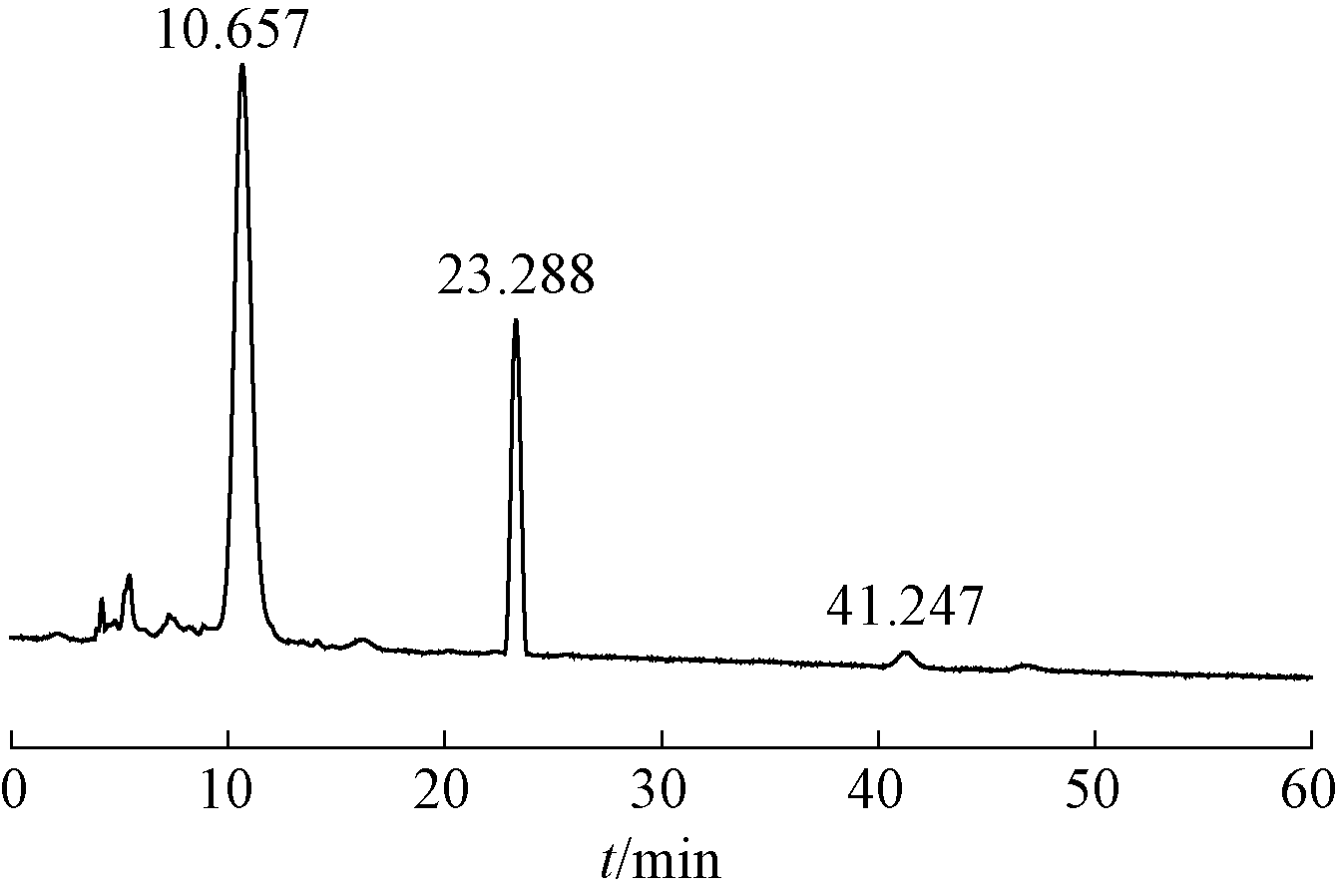
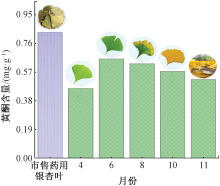
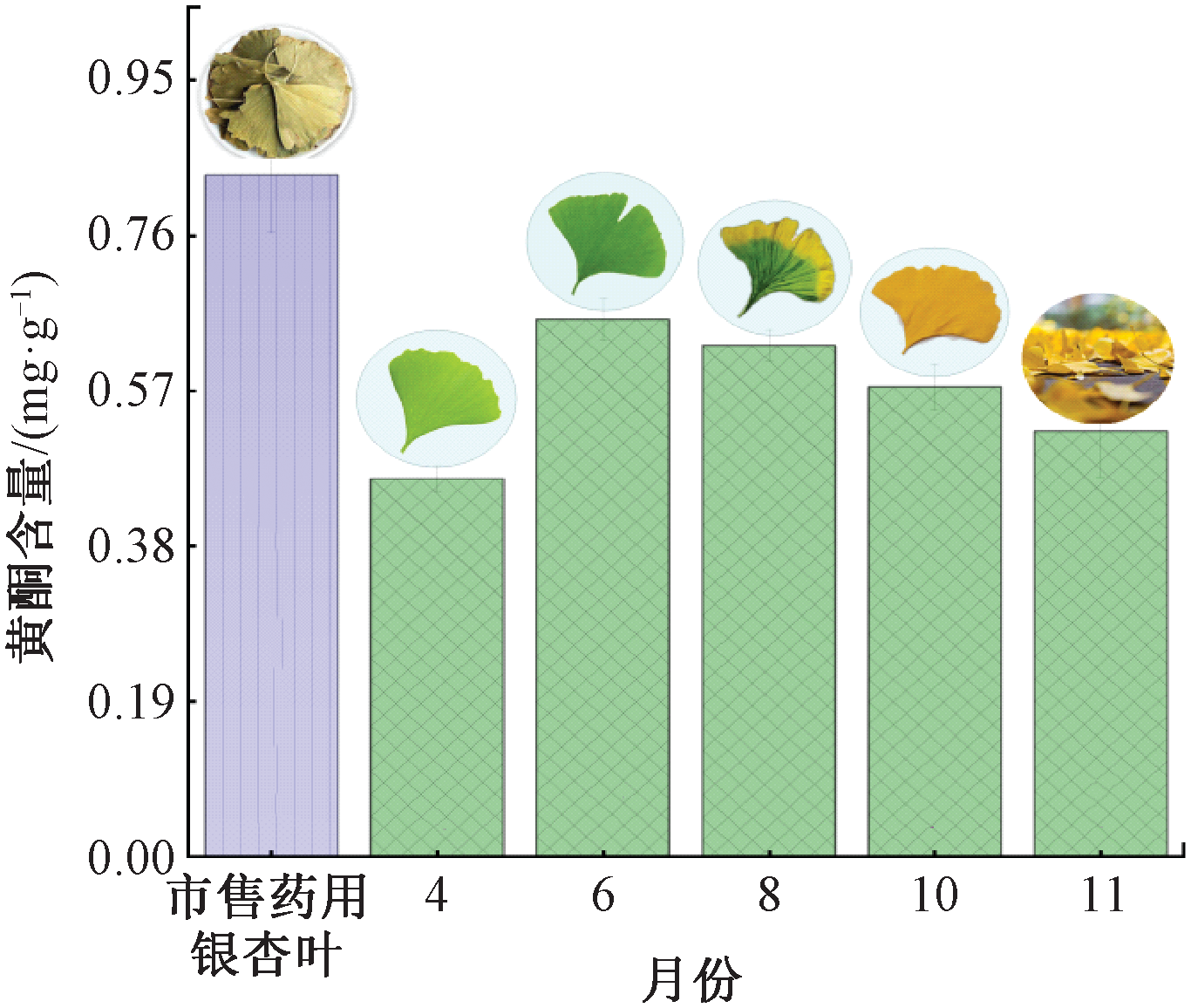
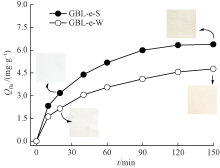
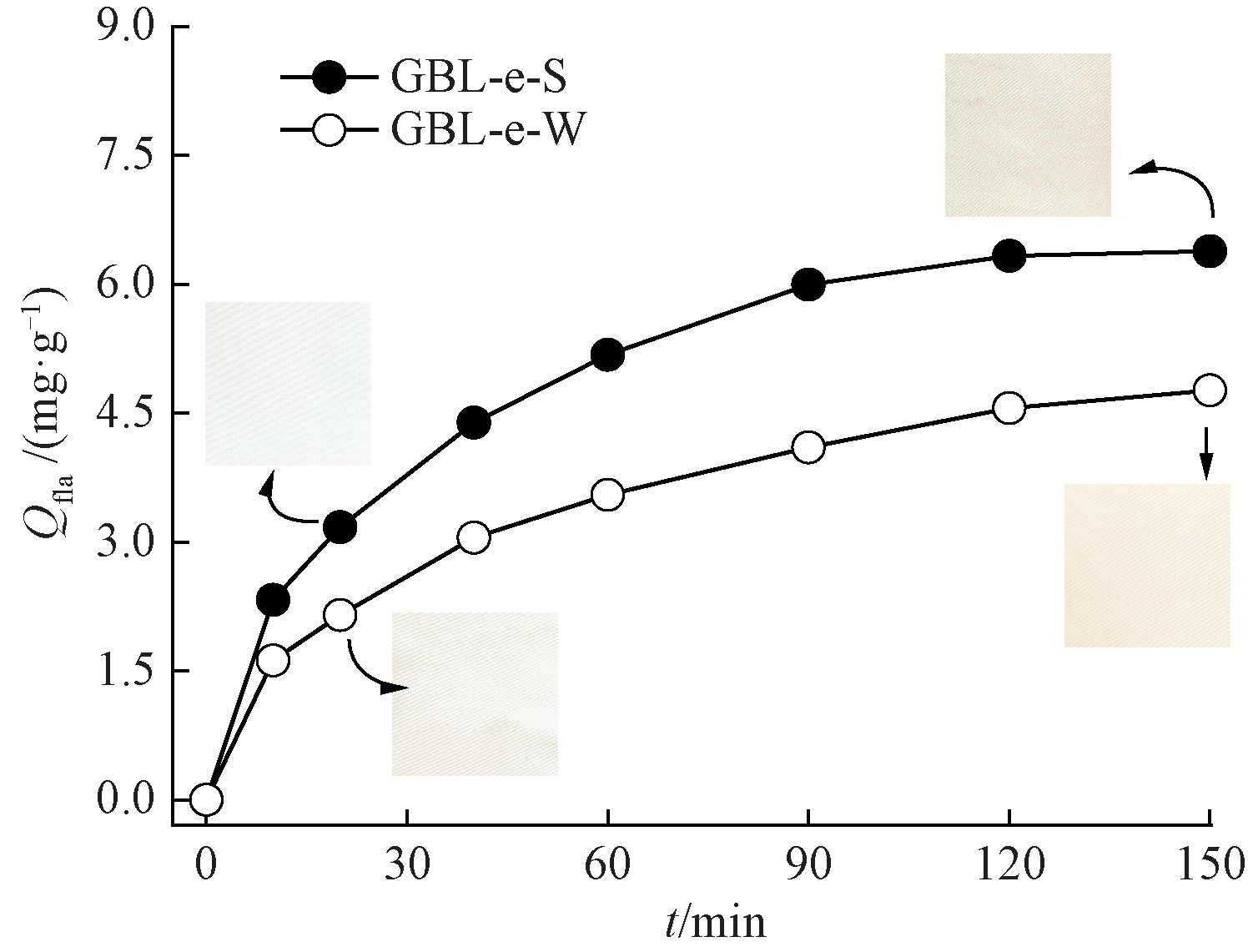
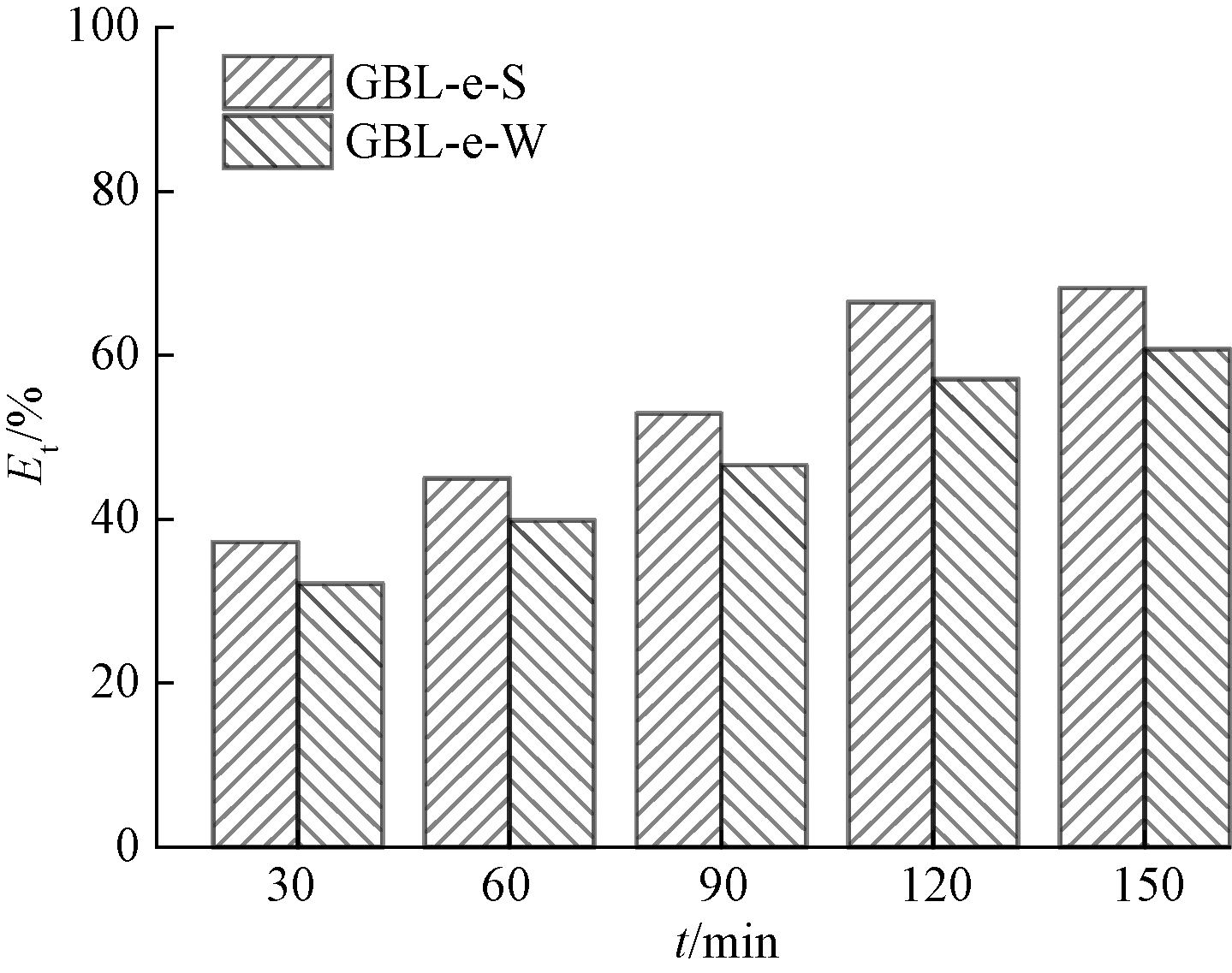
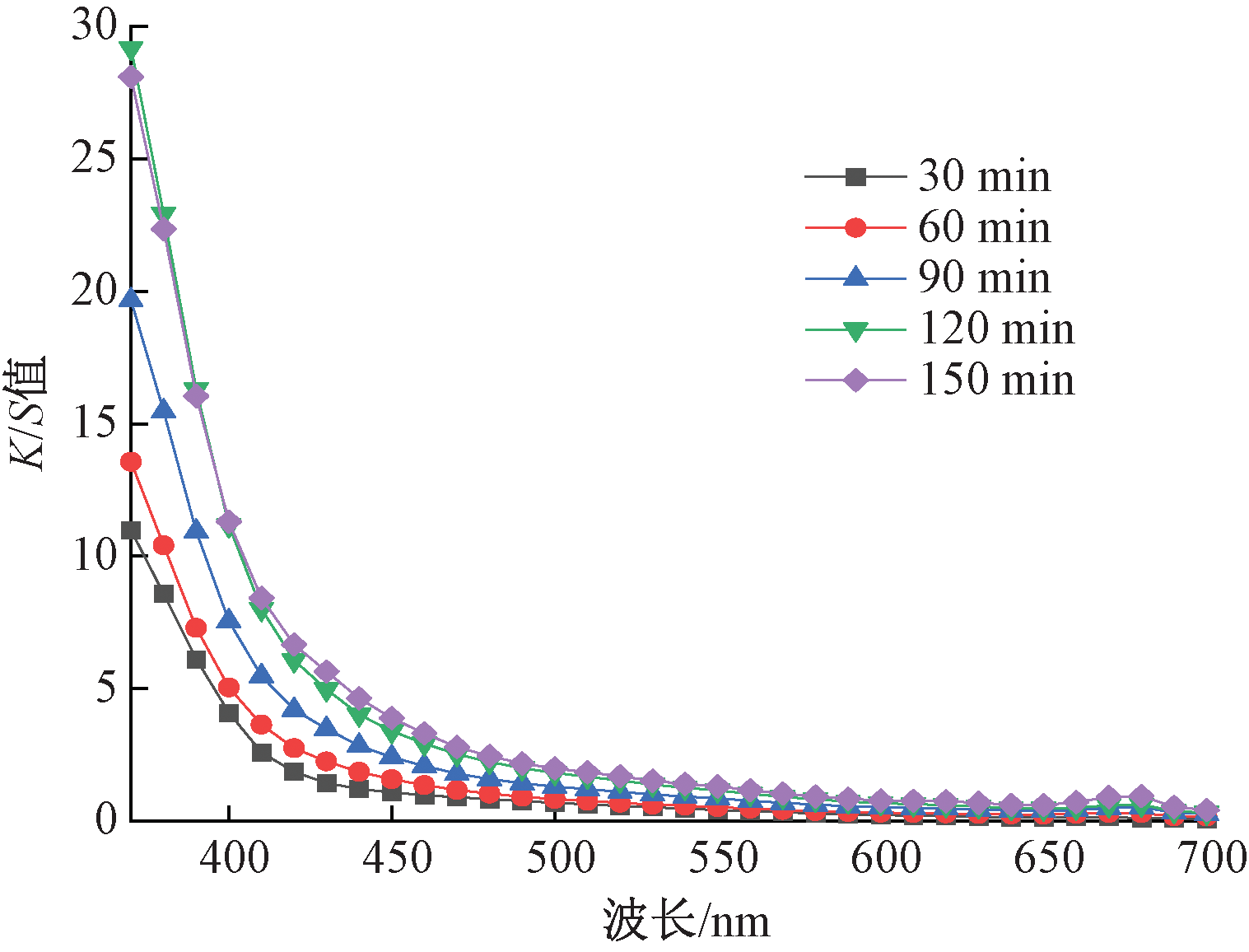
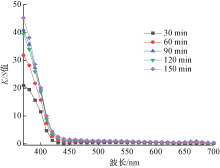
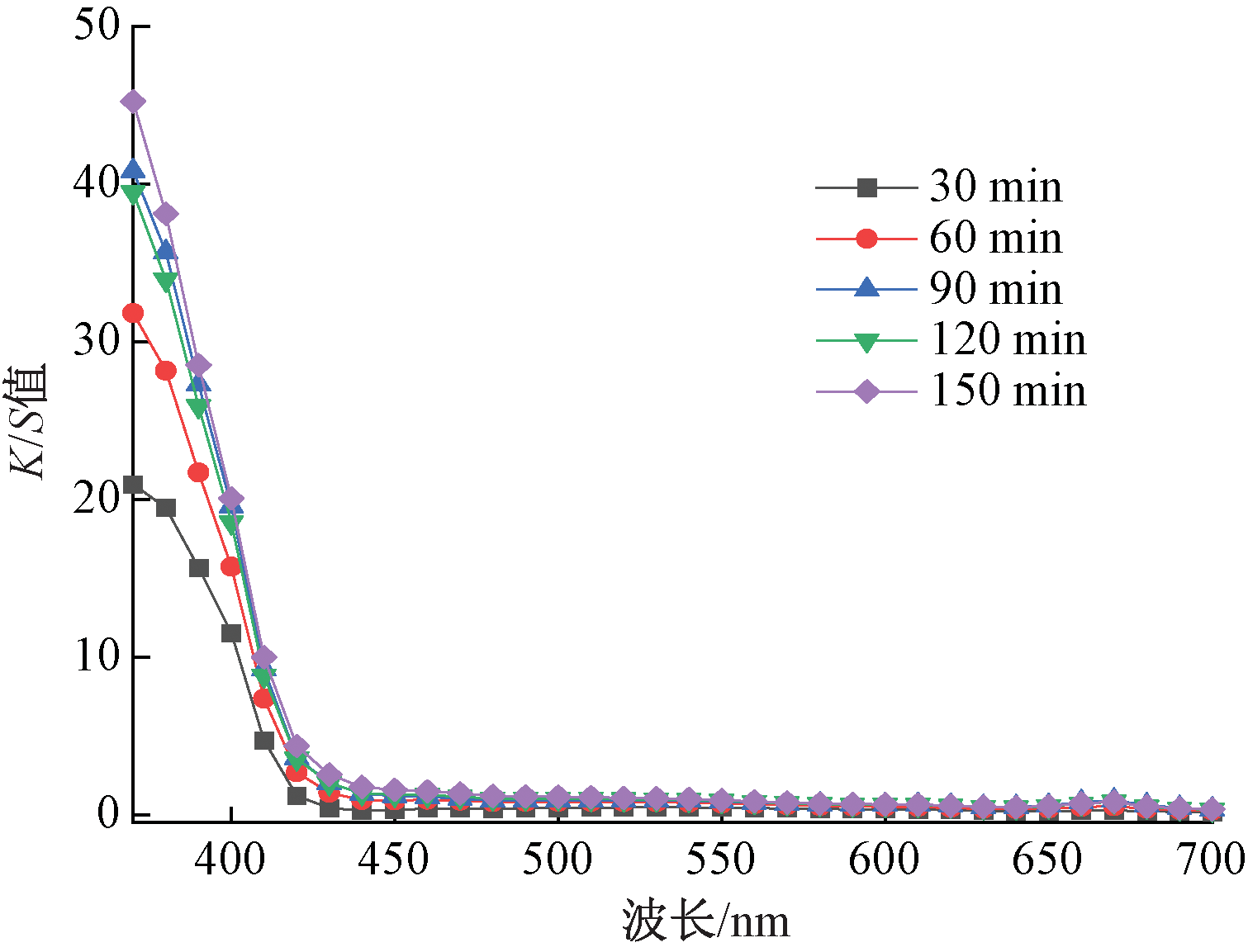
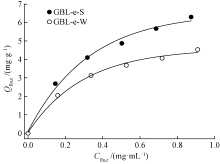
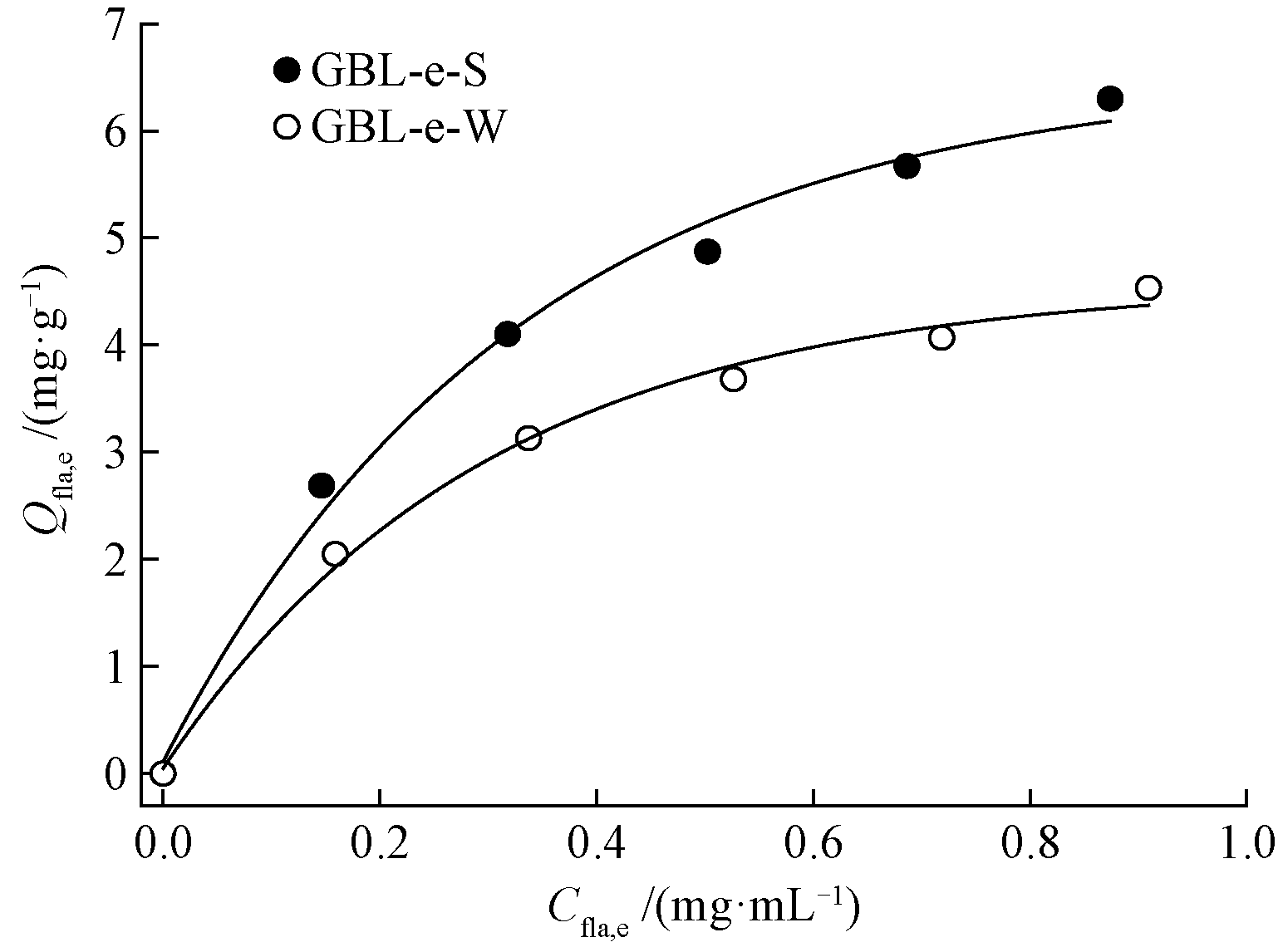
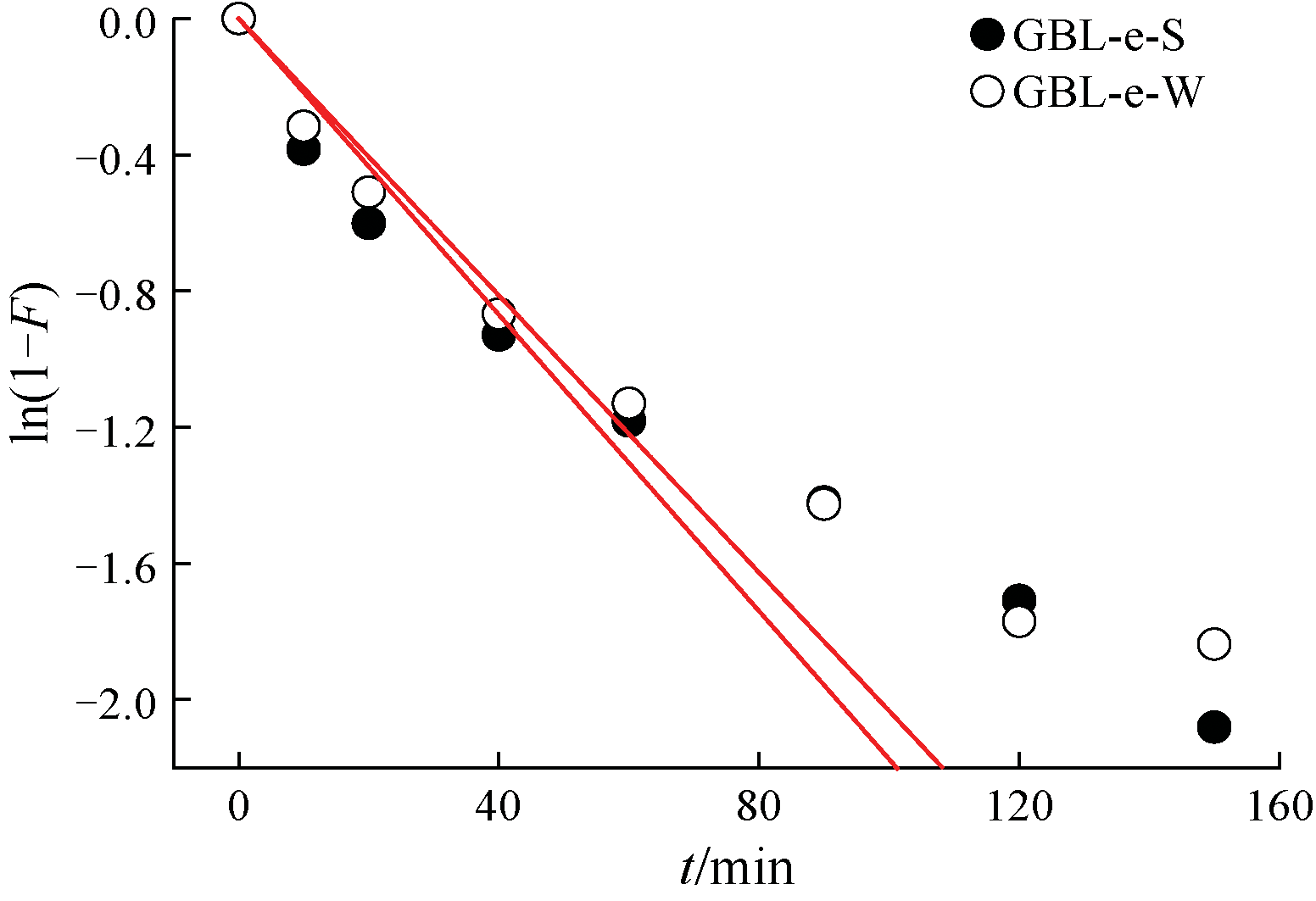
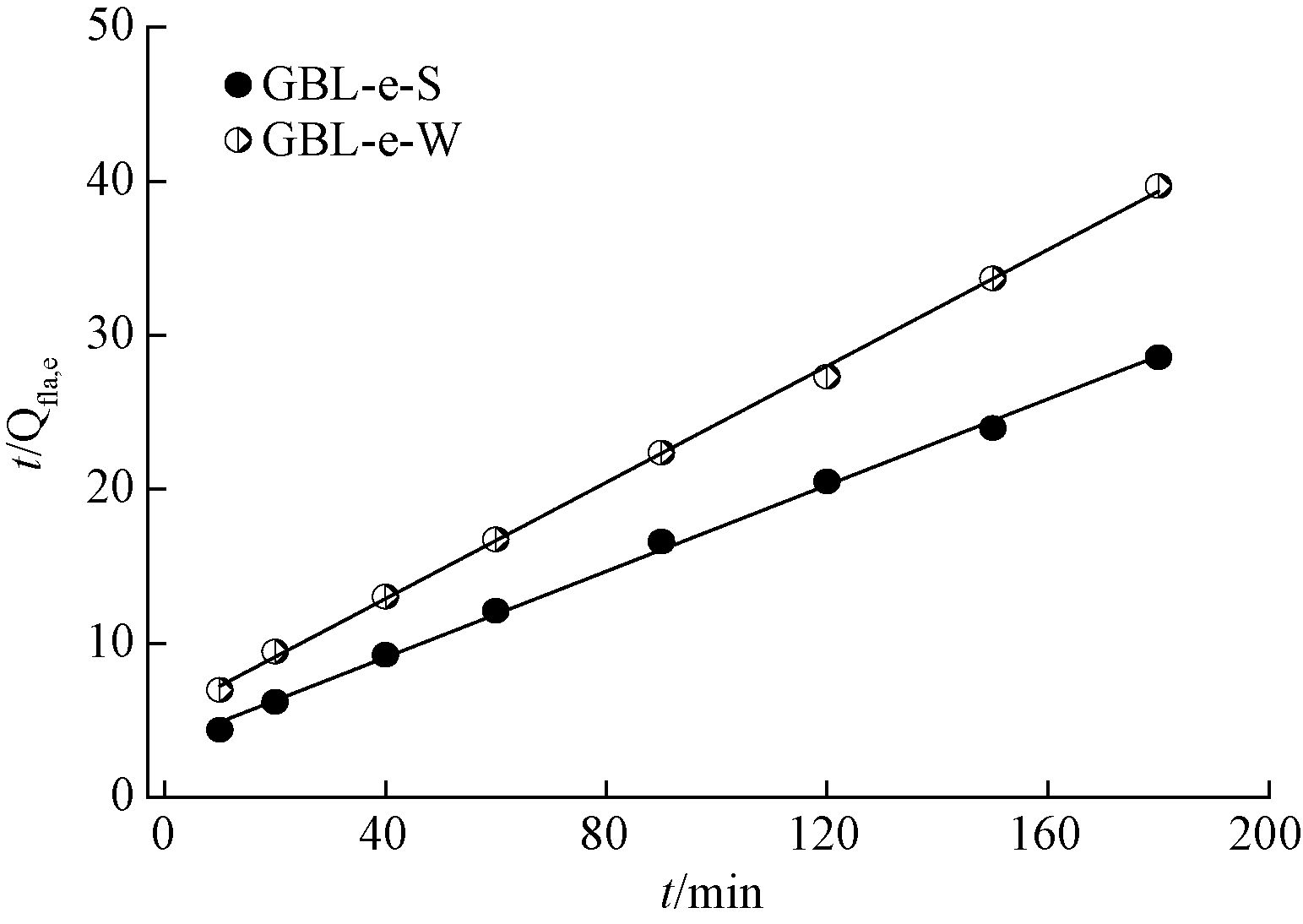
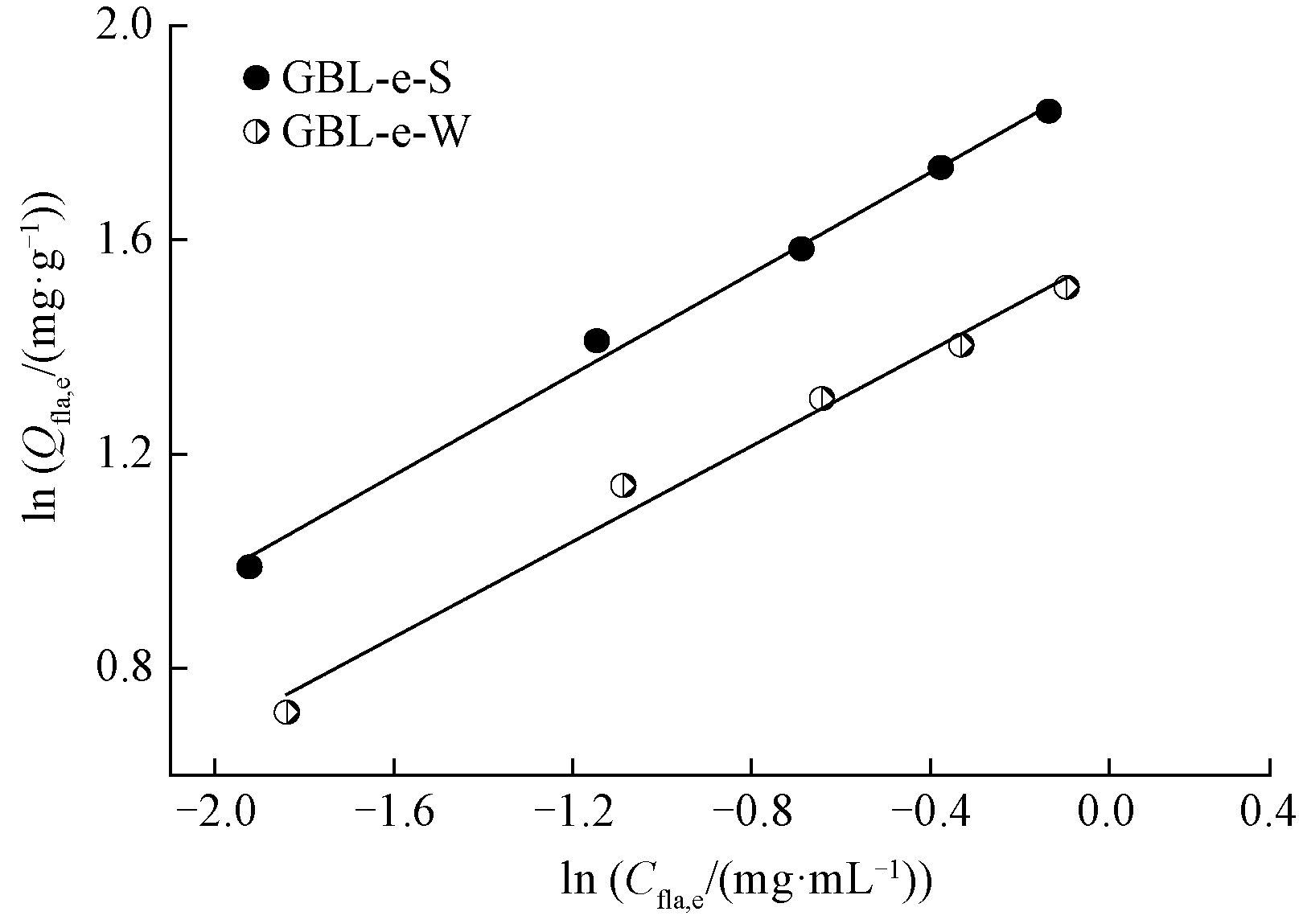
Results The retention time of the HPLC spectrum of GBL-e was the same as that of that of the mixed standards (quercetin, kaempferol and isorhamnetin), which were 10.657 min, 23.288 min and 41.247 min, respectively, suggesting that these three flavonoids were present in GBL-e; After the determination of flavonoids of Ginkgo Biloba leaves collected in different seasons, it was found that although the flavonoid content of the leaves was the highest in June, but the flavonoid content of Ginkgo Biloba leaves in November did not decrease a lot, which indicated an additional value of Ginkgo Biloba fallen leaves. In the process of finishing protein fabrics with GBL-e, the flavonoid adsorption amount (Qfla value) and dye-uptakes (Et) and K/S curves of the two protein fabrics showed a gradual increase in the trend with the prolongation of the finishing time; moreover, by increasing the concentration of flavonoids in the finishing solution, the Qfla,e values of the two fabrics also increased. In terms of kinetic modeling, the correlation coefficients of quasi-primary kinetics of flavonoid adsorption of GBL-e on the two fibers were poor, while the fitting correlation coefficient (r2) of quasi-secondary kinetics was above 0.99, so the quasi-secondary kinetics was more in line with the process of the adsorption of flavonoids on the protein fabrics. In terms of thermodynamic modeling, the Langmuir and Freundlich adsorption isothermal equations of flavonoids from GBL-e on both wool/silk fabrics reached r2 values above 0.98, but the Langmuir isothermal adsorption equation had a higher r2 value than that of the Freundlich isothermal adsorption equation. In the presence of the control fabrics only, the medium contained more of colonies in the medium decreased significantly in the presence of GBL-e finished protein fabrics, which implies that both GBL-e finished protein fabrics have significant antibacterial activity.

Conclusion The main chemical components in GBL-e quercetin, kaempferol and isorhamnetin; prolonging the finishing time and increasing the concentration of flavonoids contribute to the adsorption of flavonoids on the protein fabrics. The adsorption process of GBL-e on the protein fibers conforms to Lagergren's quasi second-order kinetic model, and the isothermal model of Langmuir and Freundlich adsorption. The GBL-e-finished wool/silk fabrics had good antibacterial activity.

Key words: Ginkgo biloba leaf extract, wool fabric, silk fabric, kinetics, thermodynamics, antibacterial property, antibacterial finishing, functional textiles

中图分类号: 

  • TS190

图1

槲皮素、山奈酚和异鼠李素标准品的HPLC谱图"

图2

GBL-e的HPLC谱图"

图3

不同季节的GBL中黄酮含量"

图4

整理时间对2种织物吸附黄酮的影响"

图5

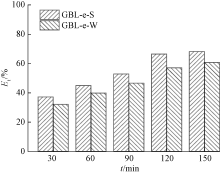
在染色过程中GBL-e整理织物Et值的变化情况"

图6

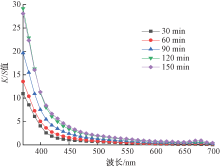
在染色过程中GBL-e-S的K/S值曲线"

图7

在染色过程中GBL-e-W的K/S值曲线"

图8

黄酮质量浓度对2种织物吸附黄酮的影响"

图9

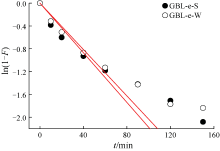
2种纤维吸附黄酮的准一级动力学模型"

图10

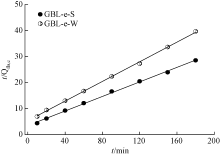
2种纤维吸附黄酮的准二级动力学模型"

表1

2种纤维吸附GBL-e黄酮的准一级动力学方程及参数"

织物样品 准一级动力学方程 k1 r2
GBL-e-S ln(1-F)=-0.021 75 t 0.022 0.966 5
GBL-e-W ln(1-F)=-0.020 33 t 0.020 0.981 9

表2

2种纤维吸附GBL-e黄酮的准二级动力学方程及参数"

织物样品 准二级动力学方程 k2 Qfla,e r2
GBL-e-S t/Qfla,t=0.139 9t+3.480 2 0.006 6 7.15 0.997 9
GBL-e-W t/Qfla,t=0.188 9t+5.331 7 0.005 6 5.29 0.999 0

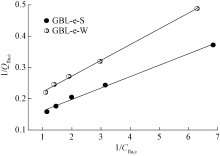
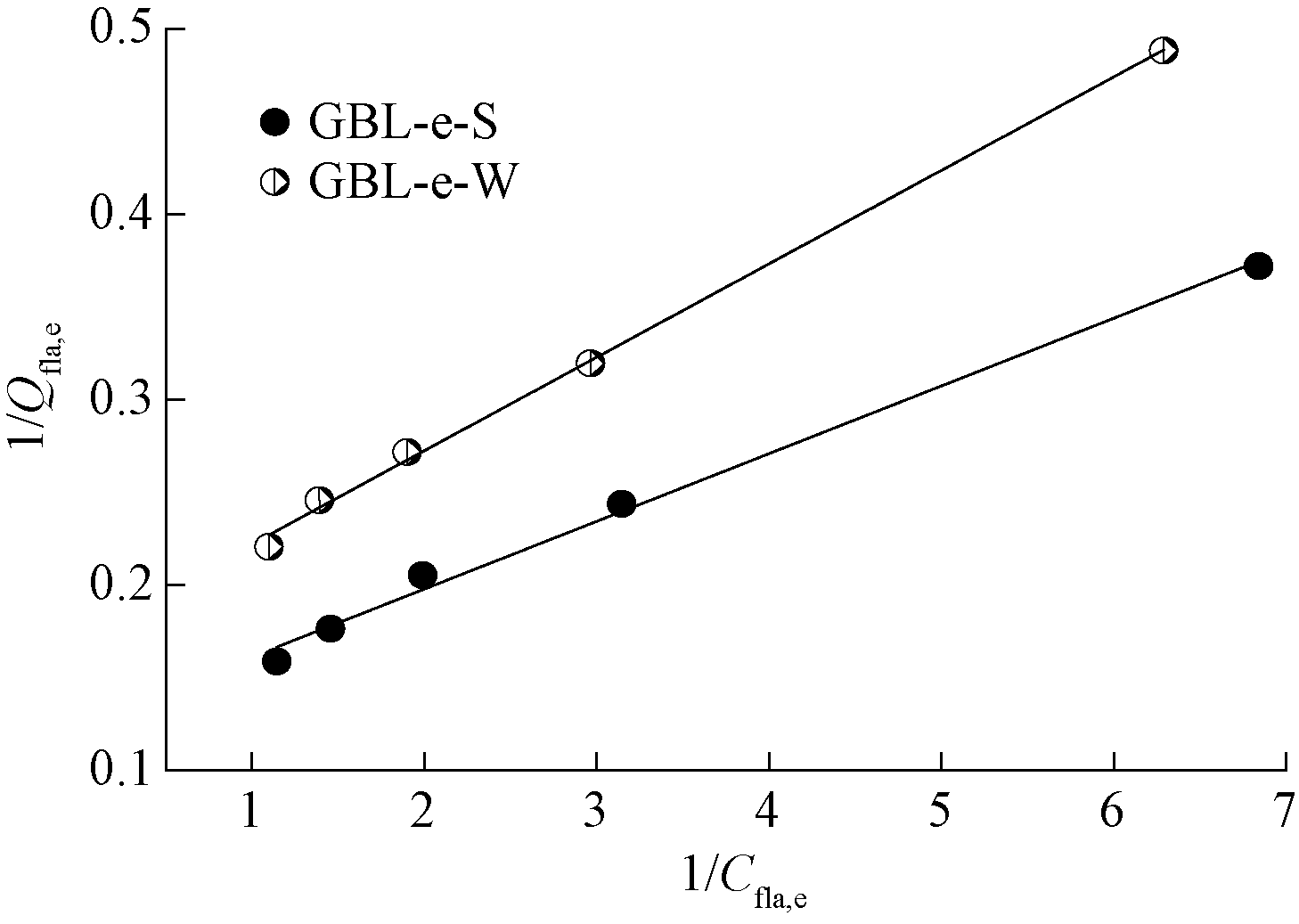
图11

2种织物对黄酮的Langmuir吸附等温模型"

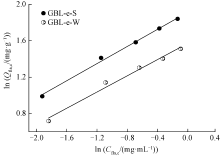
图12

2种织物对黄酮的Freundlich吸附等温线"

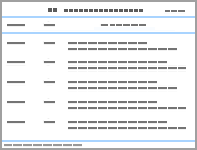
表3

2种织物对GBL-e黄酮的Langmuir吸附等温方程及参数"

织物样品 Langmuir吸附等温方程 kL Qfla,m r2
GBL-e-S 1/Qfla,e=0.036 5 Cfla,e+0.124 8 3.42 8.01 0.993 1
GBL-e-W 1/Qfla,e=0.050 3 Cfla,e+0.171 6 3.40 5.83 0.997 7

表4

2种织物对GBL-e黄酮的Freundlich吸附等温方程及参数"

织物样品 Freundlich吸附等温方程 kF n r2
GBL-e-S lnQfla,e=0.471 4 lnCfla,e+
1.914 2
0.649 3 2.240 0.994 3
GBL-e-W lnQfla,e=0.446 4 lnCfla,e+
1.571 7
0.452 2 2.121 0.982 1

图13

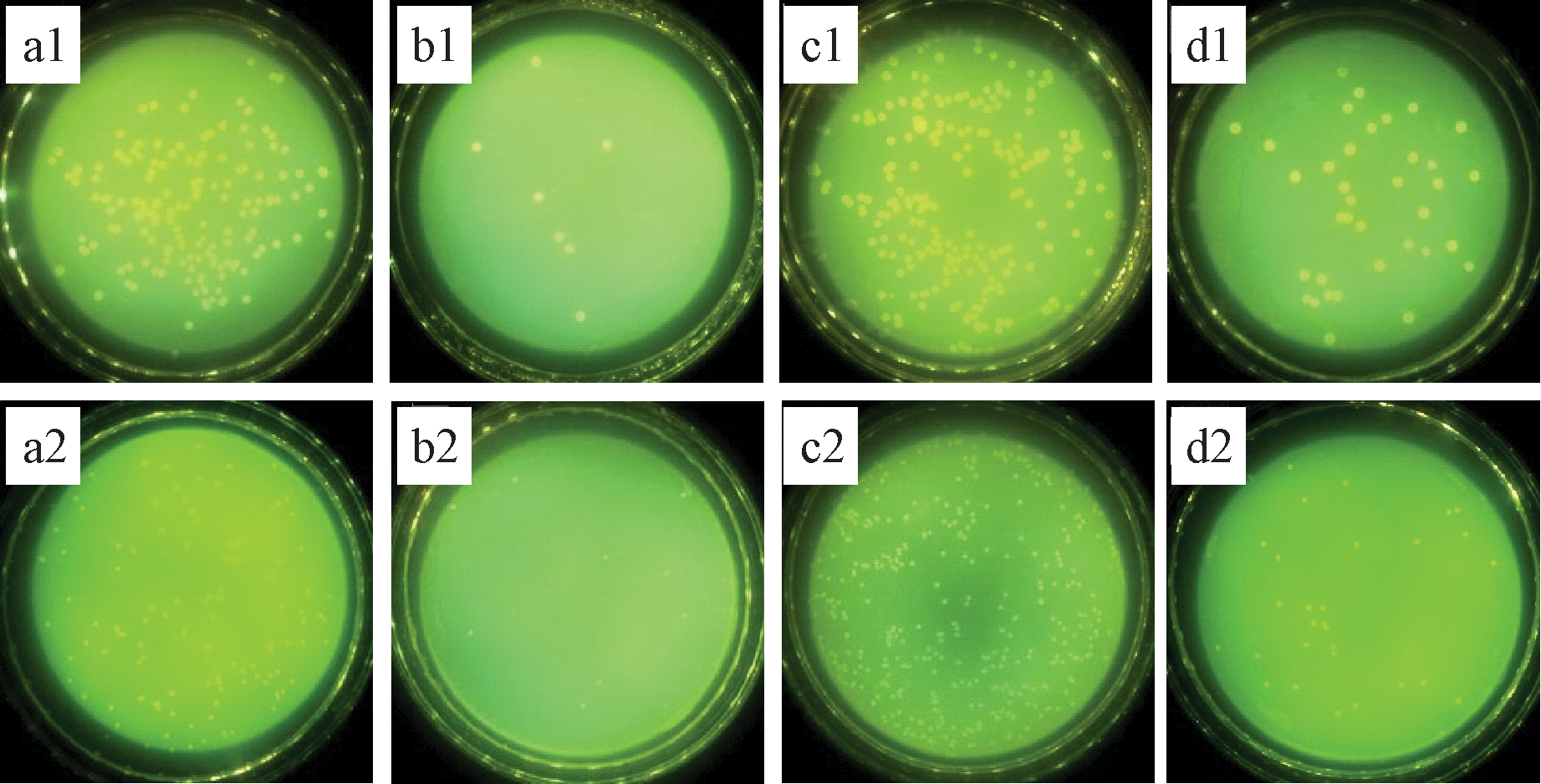
2种染色织物的抗菌性能 注:a1、b1、c1和d1分别代表未染色蚕丝织物、GBL-e-S、未染色羊毛织物、GBL-e-W对大肠埃希菌的抗菌情况;a2、b2、c2和d2分别代表它们对金黄色葡萄球菌的抗菌情况。"

表5

2种GBL-e染色纤维织物的抗菌性能"

织物 菌落数 抑菌率/%
E.coil S.aureus E.coil S.aureus
蚕丝
织物
未染色 148 122 0 0
GBL-e-S 7 8 95.95 93.44
羊毛
织物
未染色 173 171 0 0
GBL-e-S 36 30 85.96 82.48

图14

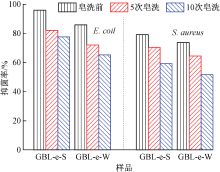
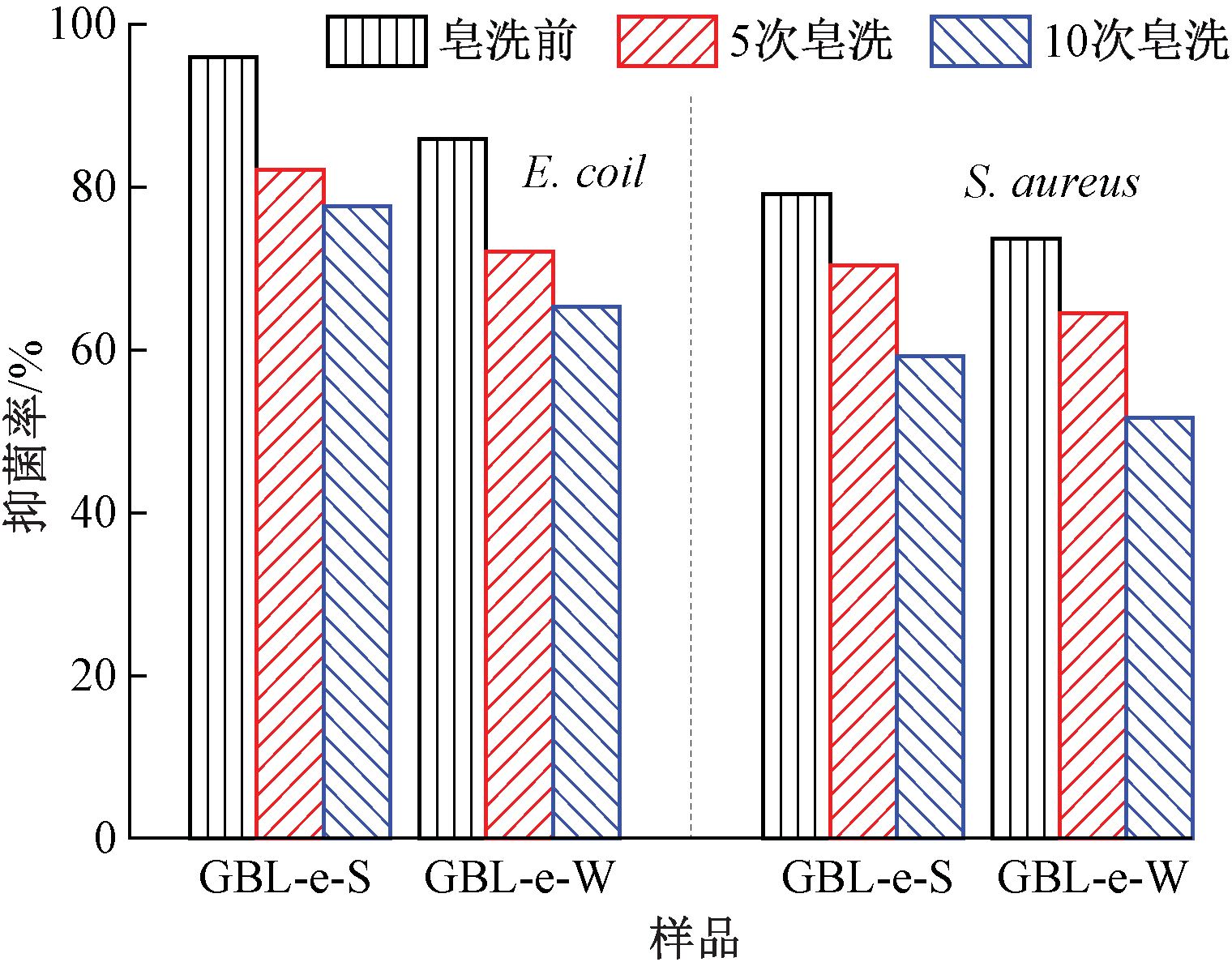
GBL-e整理织物在皂洗前后抗菌性能的变化"

[1] 周宇阳. 天然黄酮类化合物对蚕丝的功能改性[D]. 苏州: 苏州大学, 2018:3-8.
ZHOU Yuyang. Functionalization of silk using natural flavonoids[D]. Suzhou: Soochow University, 2018:3-8.
[2] FIRUZI O, LACANNA A, PETRUCCI R, et al. Evaluation of the antioxidant activity of flavonoids by ″ferric reducing antioxidant power″ assay and cyclic voltammetry[J]. Biochimica et Biophysica Acta (BBA) General Subjects, 2005, 1721(1/2/3): 174-184.
doi: 10.1016/j.bbagen.2004.11.001
[3] VAN BEEK T A. Chemical analysis of Ginkgo biloba leaves and extracts[J]. Journal of Chromatography A, 2002, 967(1): 21-55.
doi: 10.1016/S0021-9673(02)00172-3
[4] 冯锦辉, 毛祥正, 贺燕玲, 等. 银杏叶对心脑血管疾病药理作用的研究进展[J]. 陕西中医药大学学报, 2024, 47(5): 136-140.
FENG Jinhui, MAO Xiangzheng, HE Yanling, et al. Research progress on pharmacological effects of Ginkgo biloba leaves on cardiovascular and cerebrovascular diseases[J]. Journal of Shaanxi University of Chinese Medicine, 2024, 47(5): 136-140.
[5] 共研产业研究院. 2025-2031 年中国中药材银杏叶行业深度调查与前景趋势报告[R]. 北京: 共研产业研究院, 2025: 5.
Gongyan Industry Research Institute. 2025-2031 China Ginkgo leaf (Chinese Medicinal Material) industry in-depth survey and prospect trend report[R]. Beijing: Gongyan Industry Research Institute, 2025: 5.
[6] ZHOU G S, MA J Y, TANG Y P, et al. Multi-response optimization of ultrasonic assisted enzymatic extraction followed by macroporous resin purification for maximal recovery of flavonoids and ginkgolides from waste Ginkgo biloba fallen leaves[J]. Molecules, 2018, 23(5): 1029.
doi: 10.3390/molecules23051029
[7] 李保同. 银杏叶总黄酮的提取纯化及其抗氧化性能研究[D]. 北京: 北京林业大学, 2016:15-26.
LI Baotong. Study on extraction, purification and antioxidant activity of flavonoids from Ginkgo biloba leaves[D]. Beijing: Beijing Forestry University, 2016,15-26.
[8] 宋唯唯, 刘芬芬, 刘彩红. 高效液相色谱法测定银杏叶提取物中总黄酮醇苷含量[J]. 泰山医学院学报, 2016, 37(1): 33-35.
SONG Weiwei, LIU Fenfen, LIU Caihong. HPLC determination of total flavone glycosides in Ginkgo biloba extract[J]. Journal of Taishan Medical College, 2016, 37(1): 33-35.
[9] 陈萍, 薛佩芸, 梁馨月, 等. 银杏叶标准汤质量评价研究及高效液相色谱指纹图谱的建立[J]. 中国药业, 2019, 28(12): 17-20.
CHEN Ping, XUE Peiyun, LIANG Xinyue, et al. Quality evaluation of ginkgo folium standard decoction and establishment of HPLC fingerprint[J]. China Pharmaceuticals, 2019, 28(12): 17-20.
[10] ZHOU Y Y, TANG R C. Natural flavonoid-functionalized silk fiber presenting antibacterial, antioxidant, and UV protection performance[J]. ACS Sustainable Chemistry & Engineering, 2017, 5(11): 10518-10526.
[11] JAROS J, WILSON C, SHI V Y. Fabric selection in atopic dermatitis: an evidence-based review[J]. American Journal of Clinical Dermatology, 2020, 21(4): 467-482.
doi: 10.1007/s40257-020-00516-0 pmid: 32440827
[12] 李英超. 用于催化降解偶氮染料的蛋白质纤维铁配合物的制备与性能[D]. 天津: 天津工业大学, 2017:8-10.
LI Yingchao. Preparation and properties of protein fiber iron complexes for catalytic degradation of azo dyes[D]. Tianjin: Tianjin Polytechnic University, 2017:8-10.
[13] WANG B, YANG W, MCKITTRICK J, et al. Keratin: structure, mechanical properties, occurrence in biological organisms, and efforts at bioinspiration[J]. Progress in Materials Science, 2016, 76: 229-318.
doi: 10.1016/j.pmatsci.2015.06.001
[14] HASNI I, BOURASSA P, HAMDANI S, et al. Interaction of milk α- and β-caseins with tea poly-phenols[J]. Food Chemistry, 2011, 126(2): 630-639.
doi: 10.1016/j.foodchem.2010.11.087
[15] 张雨丽, 张桂征, 闭立辉, 等. 羊毛与家蚕丝纤维的主要服用性能比较及二者复合材料的开发[J]. 广西蚕业, 2016, 53(2): 45-49.
ZHANG Yuli, ZHANG Guizheng, BI Lihui, et al. Comparative study on key wearability properties of wool and domestic silkworm silk fibers and development of their composite materials[J]. Guangxi Sericulture, 2016, 53(2): 45-49.
[16] 姜怀. 纺织材料学[M]. 上海: 东华大学出版社, 2009:18-30.
JIANG Huai. Textile materials science[M]. Shanghai: Donghua University Press, 2009:18-30.
[17] 李甫. PAN纳米纤维金属配合物的优化制备及其催化性能调控方法[D]. 天津: 天津工业大学, 2017.
LI Fu. Optimization preparation of PAN nanofiber metal complexes and their catalytic performance regulation method[D]. Tianjin: Tiangong University, 2017.
[18] XIE Y X, YANG W J, TANG F, et al. Antibacterial activities of flavonoids: structure-activity relationship and mechanism[J]. Current Medicinal Chemistry, 2015, 22(1): 132-149.
doi: 10.2174/0929867321666140916113443 pmid: 25245513
[19] 王海涛, 王倩, 谢明杰. 大豆异黄酮对金黄色葡萄球菌的抑菌机制研究[J]. 中国农业科学, 2009, 42(7): 2586-2591.
doi: 10.3864/j.issn.0578-1752.2009.07.041
WANG Haitao, WANG Qian, XIE Mingjie. Anti-bacterial mechanism of soybean isoflavone on staphylococcus aureus[J]. Scientia Agricultura Sinica, 2009, 42(7): 2586-2591.
[1] 任萧, 潘林洁, 姜海霞, 葛凤燕, 高洪国. 生物质多酚-亚铁离子多色系染料制备及其在棉织物上的应用[J]. 纺织学报, 2026, 47(1): 132-141.
[2] 龚维龙, 阳禹辉, 左彪. 基于溶液浓度调控的丝素蛋白构象转变及其动力学[J]. 纺织学报, 2026, 47(1): 29-37.
[3] 宋佳怡, 王政驿, 程献伟, 关晋平, 朱亚伟. 液态靛蓝染料的制备及其对棉织物的染色性能[J]. 纺织学报, 2025, 46(12): 133-141.
[4] 陈铭, 张豪, 张子缘, 杨清标, 高吉, 范存伟, 孙戒. 含生物基组分的酸性染料的合成及其染色性能[J]. 纺织学报, 2025, 46(12): 142-151.
[5] 候志文, 任泽苹, 王晓宁, 张天骄. 棉织物的壳聚糖/海藻酸盐抗菌阻燃整理及其性能[J]. 纺织学报, 2025, 46(12): 171-180.
[6] 龙红霞, 吴伟, 刘娅岚, 徐红, 毛志平. 纤维素纤维孔道吸湿溶胀行为的分子动力学模拟[J]. 纺织学报, 2025, 46(11): 155-163.
[7] 马颖媛, 李建芳, 胡毅. 活性红195在异构烷烃体系中对蚕丝织物的少水染色性能[J]. 纺织学报, 2025, 46(11): 178-187.
[8] 叶慧, 丛洪莲, 贺海军. 基于二元脂肪酸的中空涤纶相变纤维制备及其性能[J]. 纺织学报, 2025, 46(11): 188-195.
[9] 李健阁, 吴伟, 韩伟鹏, 纪柏林, 徐红, 毛志平. 乙烯砜醋酸酯活性分散染料的合成及其对锦纶66的染色应用[J]. 纺织学报, 2025, 46(10): 143-151.
[10] 王司宇, 王峰, 王鸿博, 苏静. L-半胱氨酸/菠萝蛋白酶协同一浴法羊毛织物防毡缩整理[J]. 纺织学报, 2025, 46(10): 152-158.
[11] 张新宇, 金小培, 朱金唐, 崔华帅, 吴鹏飞, 崔宁, 史贤宁. 聚乳酸熔喷非织造布热尺寸稳定性提升方法[J]. 纺织学报, 2025, 46(08): 127-135.
[12] 姜庭国, 况军, 司虎, 张玉梅, 陈烨, 王华平. 工业丝用钛系聚酯的结晶动力学研究[J]. 纺织学报, 2025, 46(08): 53-61.
[13] 徐丽亚, 汪瑱, 杨鸿杰, 汪蔚. 氧化锌-银/生物基聚酰胺56纳米纤维膜的制备及其抗菌性能[J]. 纺织学报, 2025, 46(07): 37-45.
[14] 于晓坤, 易萍, 谢冠婧, 蔡凌霄. 基于人体动力学的服装衣袖运动舒适性探究[J]. 纺织学报, 2025, 46(06): 196-202.
[15] 徐桐, 徐瑞东, 王奕文, 田明伟. 纺织基触摸电子织物的制备及其触摸性能[J]. 纺织学报, 2025, 46(06): 31-37.
Viewed
Full text


Abstract

Cited

  Shared   
  Discussed   
No Suggested Reading articles found!