纺织学报 ›› 2026, Vol. 47 ›› Issue (05): 161-171.doi: 10.13475/j.fzxb.20250905301

• 染整工程 • 上一篇    下一篇

羟胺-复合酶协同改性羊毛及其抗起毛起球性能

肖琪1,2(), 王钰涵1, 瞿静1, 彭佳佳1, 王卫福1, 陈玟1   

  1. 1 苏州工学院 纺织服装与设计学院, 江苏 苏州 215500
    2 西安工程大学 功能性纺织材料及制品教育部重点实验室, 陕西 西安 710048
  • 收稿日期:2025-09-15 修回日期:2026-03-12 出版日期:2026-05-15 发布日期:2026-07-10
  • 作者简介:肖琪(1988—),女,副教授,博士。主要研究方向为功能纺织品。E-mail:xiaoqi223638@163.com
  • 基金资助:
    国家自然科学基金项目(52403032);中国纺织工业联合会科技指导项目(2025019);功能性纺织材料及制品教育部重点实验室开放课题(2024FTMP006);企业横向项目(KYH2024482Z);企业横向项目(KYH2026015Z)

Hydroxylamine-composite protease modification of wool and its anti-pilling performance

XIAO Qi1,2(), WANG Yuhan1, QU Jing1, PENG Jiajia1, WANG Weifu1, CHEN Wen1   

  1. 1 School of Textile Garment and Design, Suzhou University of Technology, Suzhou, Jiangsu 215500, China
    2 Key Laboratory of Functional Textile Material and Product, Ministry of Education, Xi'an Polytechnic University, Xi'an, Shaanxi 710048, China
  • Received:2025-09-15 Revised:2026-03-12 Published:2026-05-15 Online:2026-07-10

摘要:

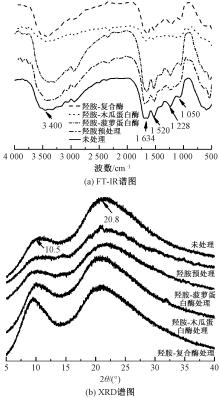
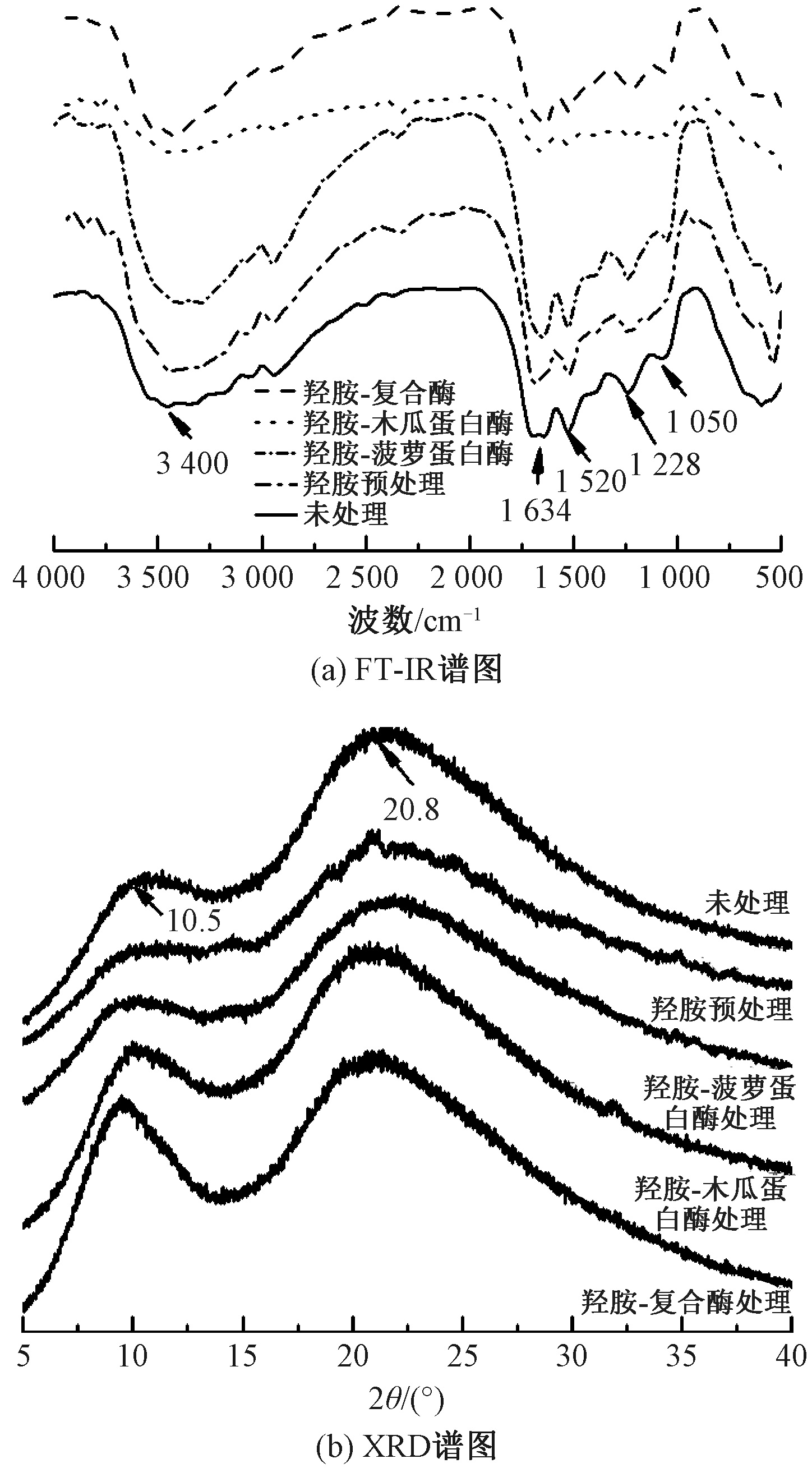
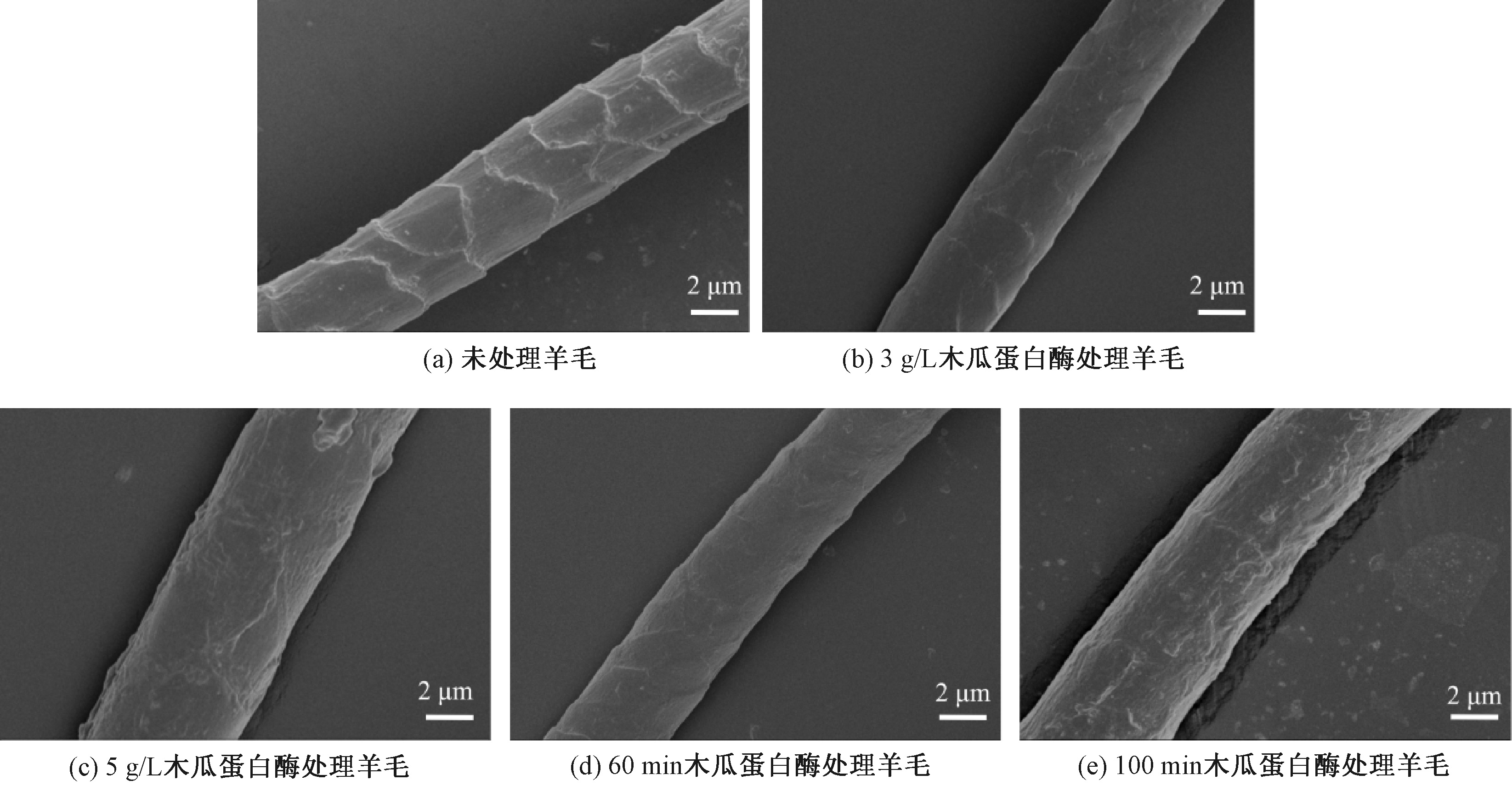
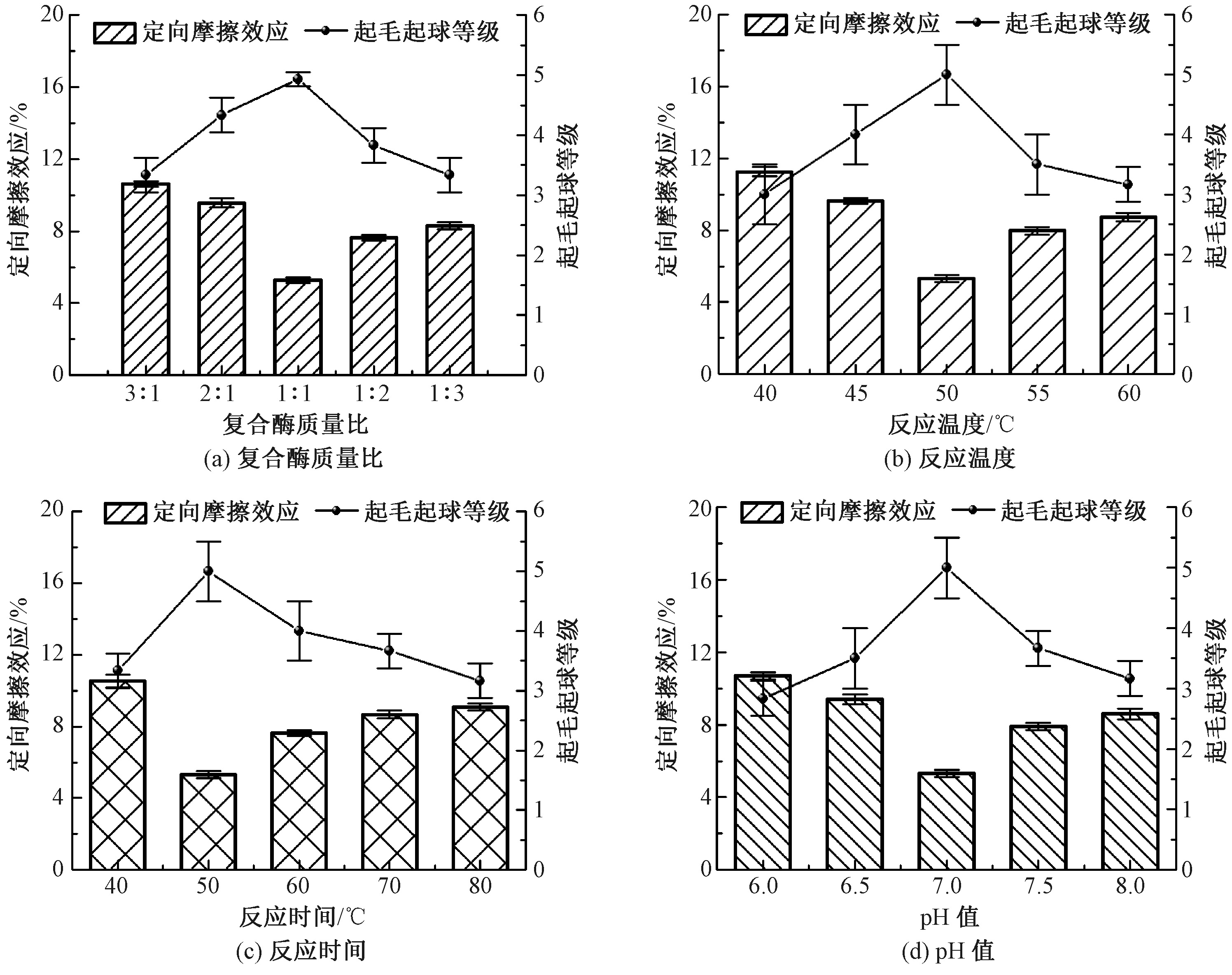
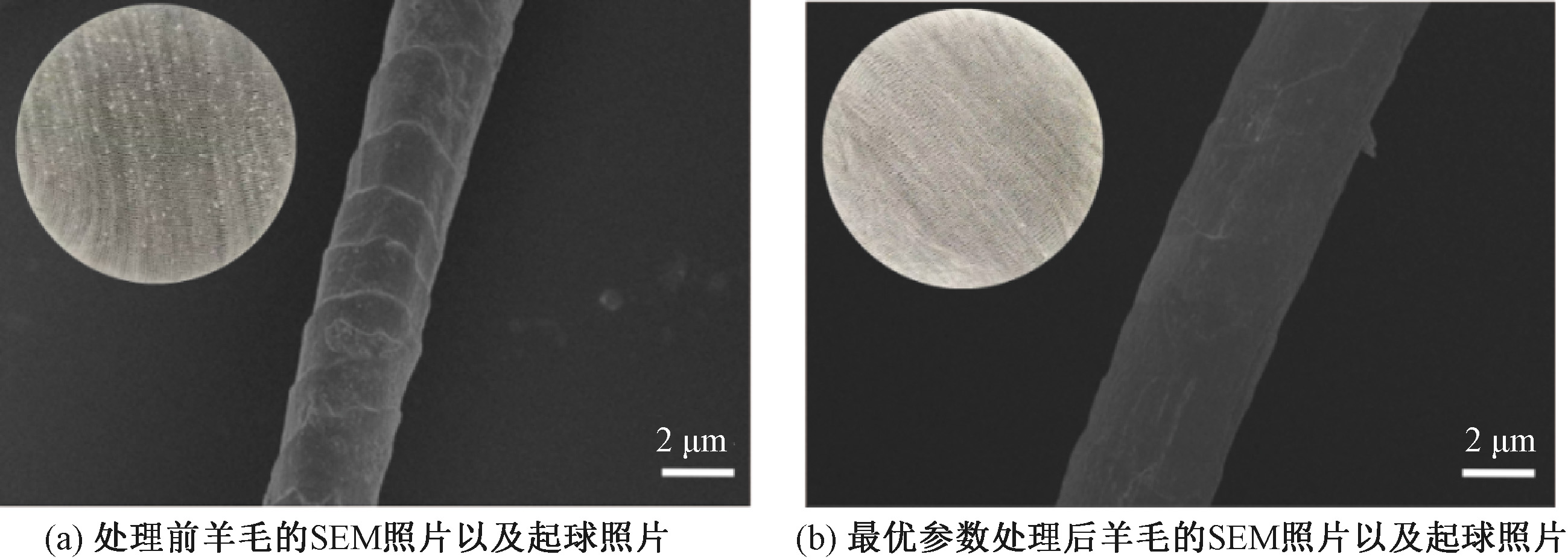
为解决羊毛织物易起毛起球的问题,采用羟胺预处理与菠萝蛋白酶-木瓜蛋白酶复合酶协同工艺对羊毛织物进行抗起毛起球整理。对整理前后羊毛的微观形貌与化学结构进行表征,并探究其抗起毛起球性能、力学性能及服用性能的变化,确定最优工艺参数:60 ℃条件下采用5%羟胺溶液(pH=7.5)预处理60 min,随后在50 ℃、pH值为7.0条件下,使用质量浓度为3 g/L的复合酶(菠萝蛋白酶与木瓜蛋白酶的质量比为1∶1)处理50 min。结果表明,经最优工艺整理后,羊毛的酰胺键特征吸收峰强度降低,结晶指数下降35.6%,纤维表面C、S元素相对含量减少,N元素相对含量增加;纤维定向摩擦效应降至5.3%,织物起毛起球等级达5级,透湿率提高23.3%,上染率提高3.0%,且对织物透气性能、保暖性能与顶破强力影响较小;经10次标准洗涤后,织物起毛起球等级仅下降0.5级,耐洗性优异。羟胺与复合酶对羊毛含硫键和酰胺键的协同作用实现了鳞片层的高效剥离。

关键词: 羟胺, 菠萝蛋白酶, 木瓜蛋白酶, 复合酶, 生物酶, 羊毛, 定向摩擦效应, 抗起毛起球性能

Abstract:

Objective In order to address the persistent challenge of fuzzing and pilling in wool knitted fabrics, this study aimed to develop an eco-friendly surface modification technology by integrating hydroxylamine pretreatment with bromelain-papain composite enzymatic hydrolysis. The research focused on systematically improving anti-pilling performance of wool fiber while maintaining its inherent comfort, mechanical properties, and thermal insulation, addressing the limitations of conventional chemical treatments that cause excessive fiber damage and environmental pollution.

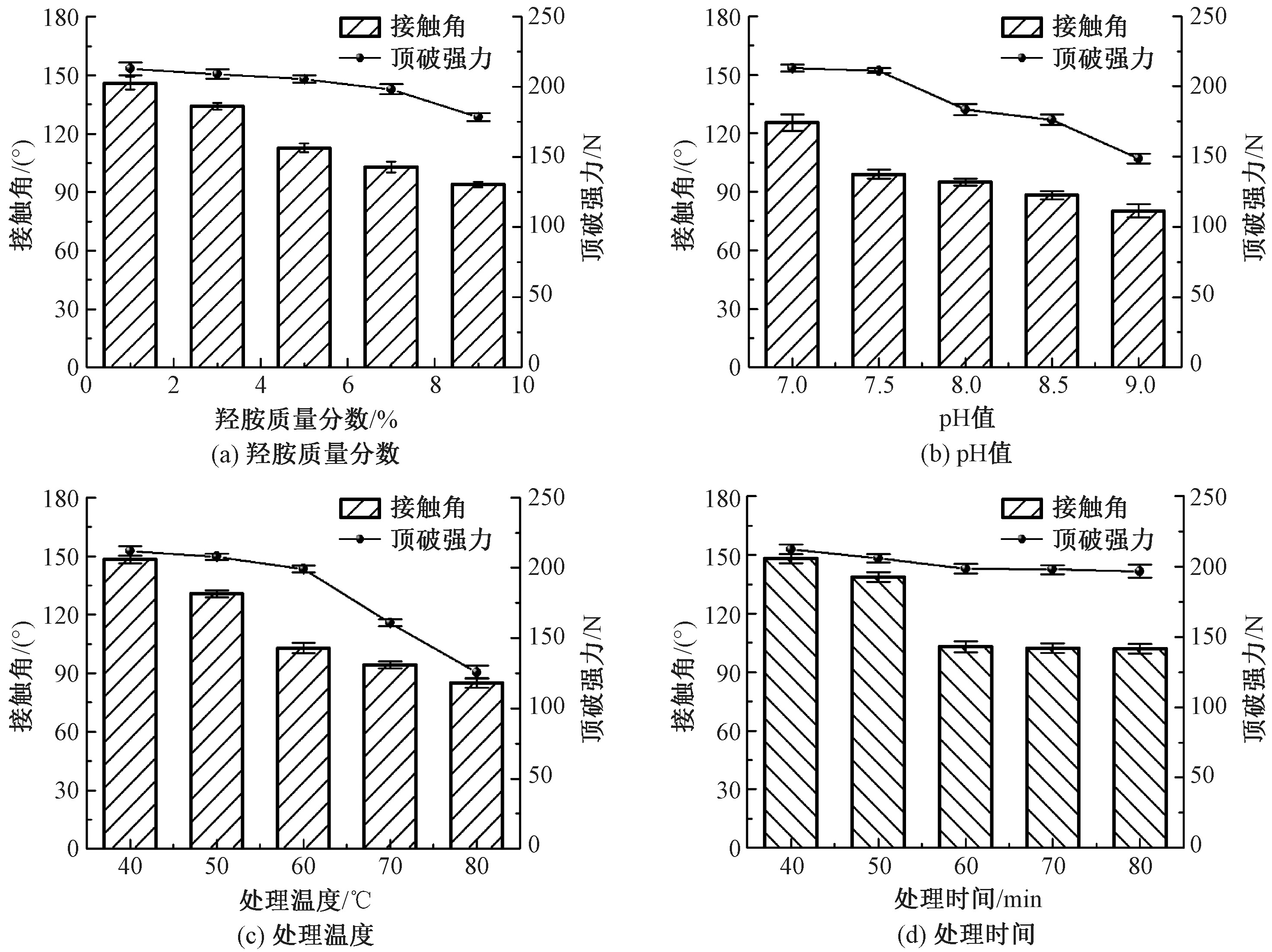
Method This study employed hydroxylamine pretreatment in combination with bromelain-papain composite enzymatic hydrolysis to effectively cleave thioester and amide bonds on the wool surface, thereby achieving efficient removal of wool scales and enhancing anti-pilling properties. Fourier transform infrared spectroscopy(FT-IR), X-ray diffraction(XRD), X-ray photoelectron spectro scopy (XPS), thermogravimetric analysis(TGA), differentrial scanning calorimetry(DSC), and scanning electron microscopy(SEM) characterization techniques were employed to analyze the microstructural and chemical compositional changes in wool before and after treatment. Furthermore, the influence of hydroxylamine concentration, pretreatment temperature, and time, as well as the concentration, treatment temperature, time, and pH value of both individual and synergistic protease treatments on the directional friction effect of wool fibers, fabric anti-pilling performance, mechanical properties, and wearing comfort, ultimately identifying optimal process parameters were systematically investigated.

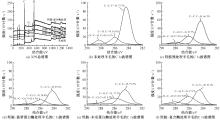
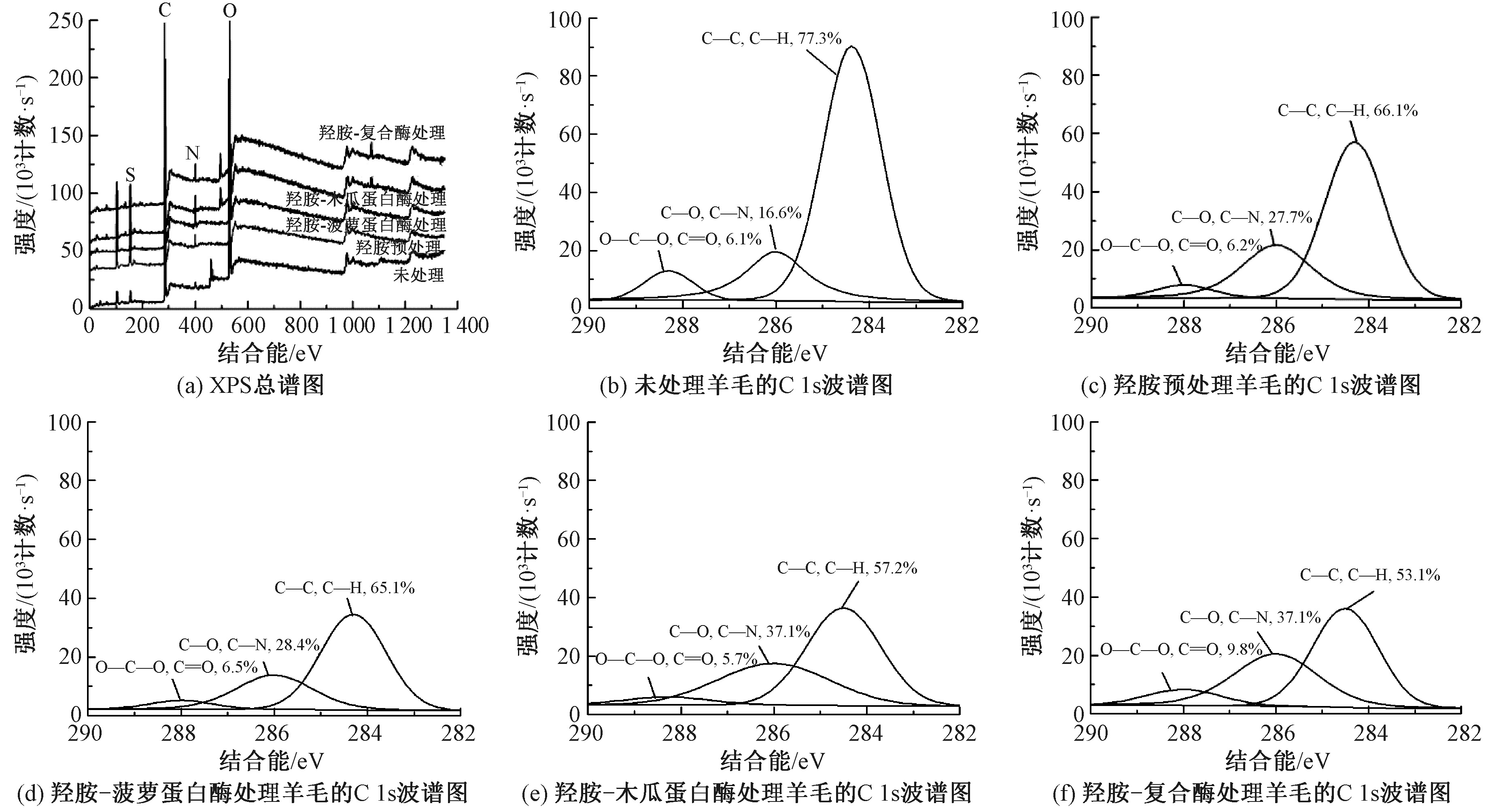
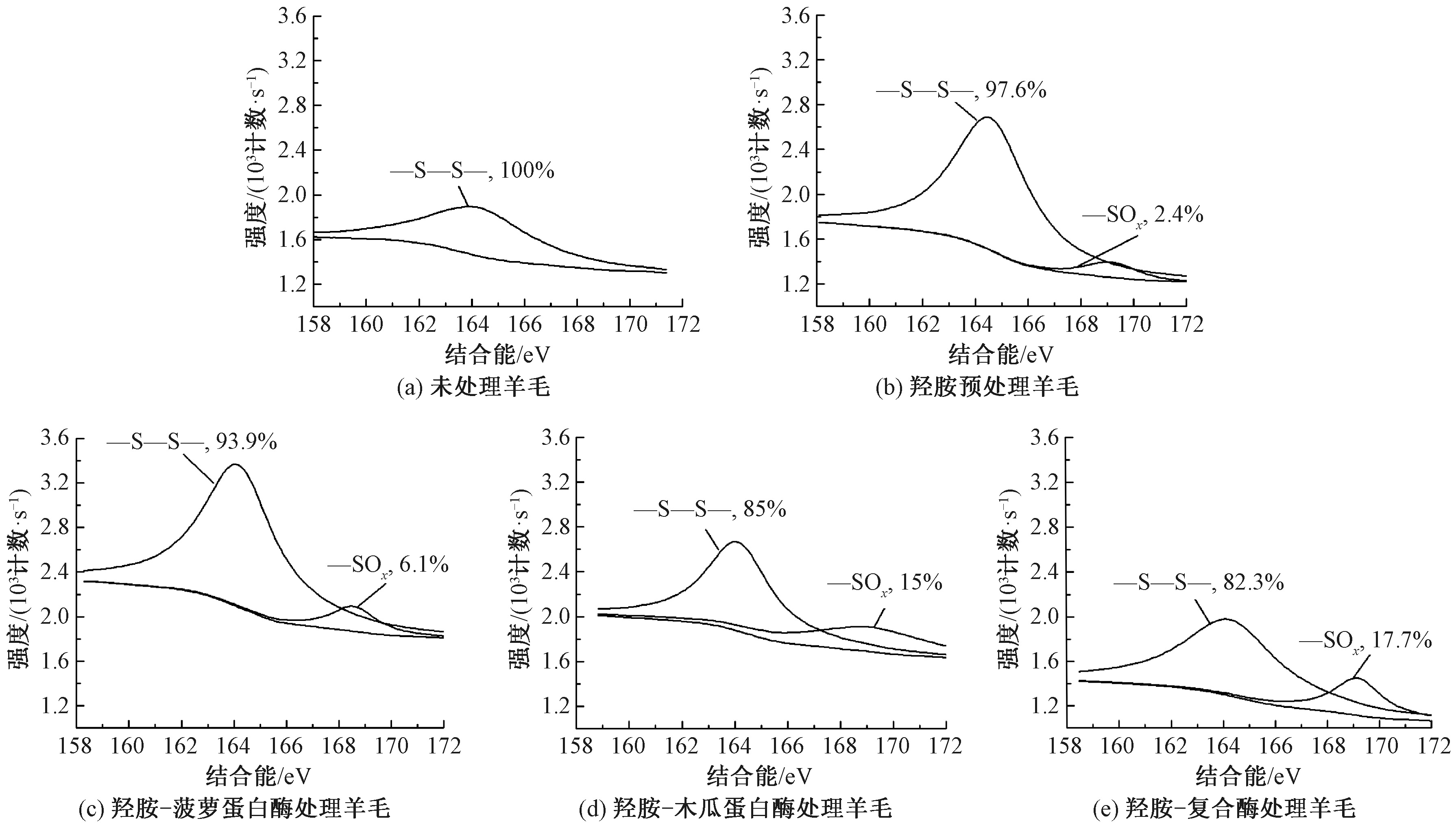
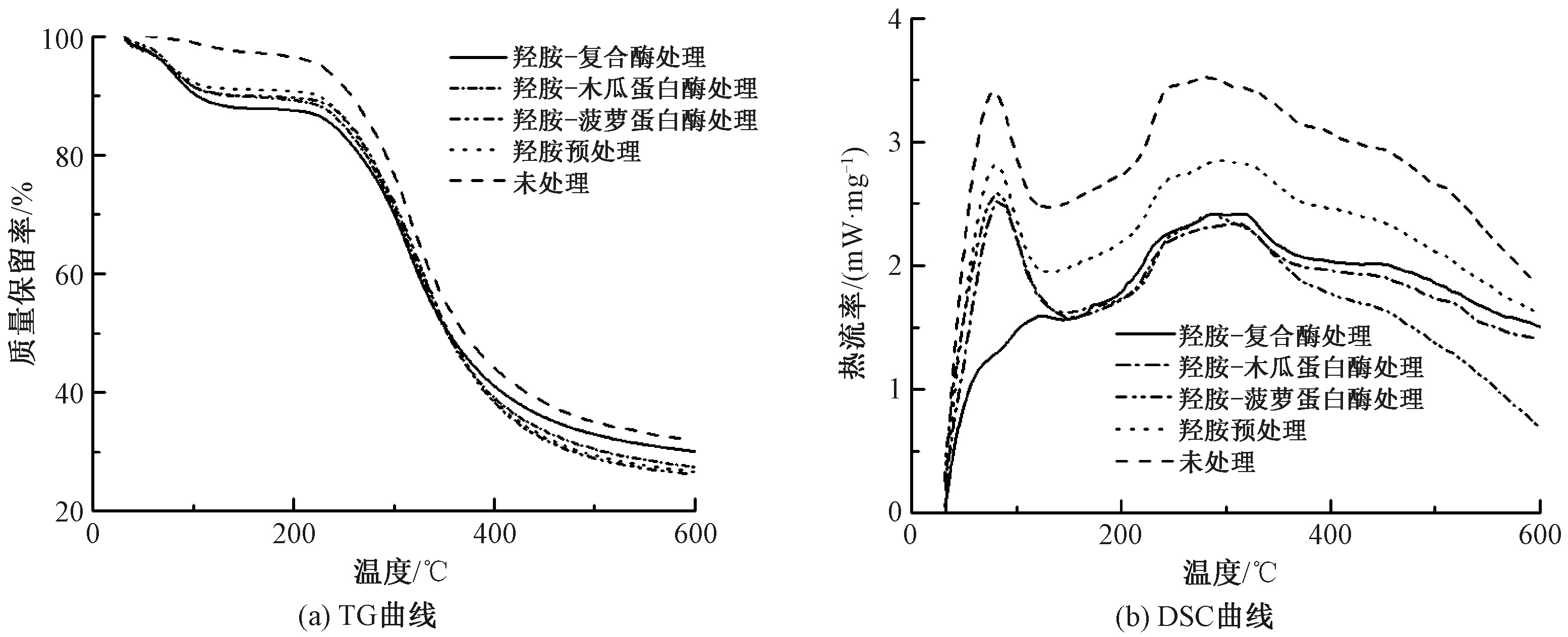
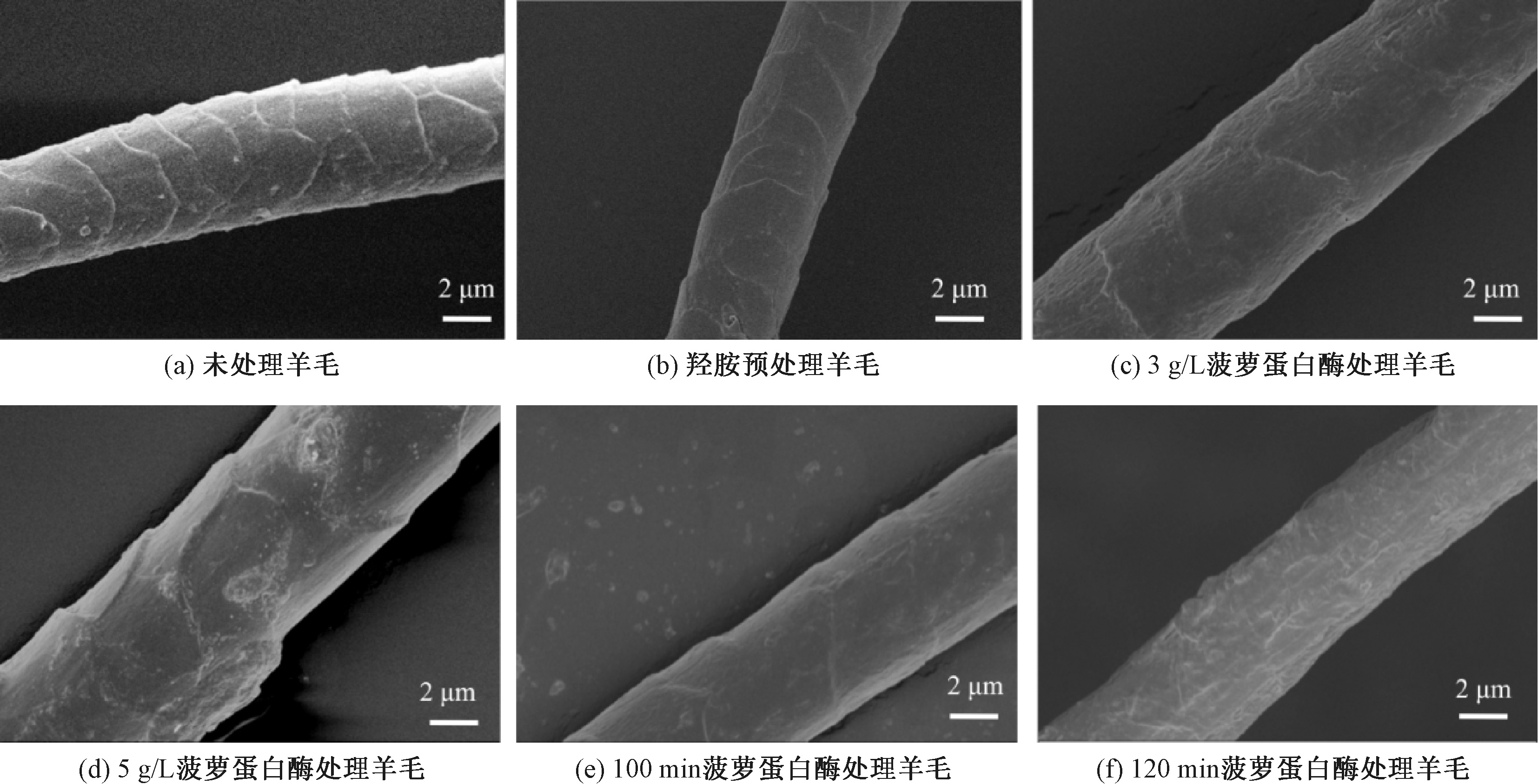
Results The modified wool demonstrated multi-dimensional enhancements validated by analytical techniques. XRD revealed a 35.6% decline in crystallinity (23.6% to 15.2%), which was corroborated by weakened amide band absorption in infrared spectroscopy, indicating disrupted keratin structures. XPS revealed a 9.6% reduction in surface carbon content (71.8% to 64.9%) and a 66.7% increase in nitrogen content (3.9% to 6.5%), reflecting chemical composition changes induced by hydroxylamine and enzymatic treatments. The slight decrease in thermal stability by TGA and DSC indirectly confirms that the wool cuticle layer has been hydrolyzed. At the same time, SEM confirmed the complete removal of the scale. Hydroxylamine pretreatment (pH=7.5, 5%, 60℃, 60 min) effectively removed lipid layers, increasing surface energy and hydrophilicity for optimal enzymatic conditions. Bromelain-papain synergistic treatment (ratio of 1∶1, 50 ℃, 50 min, pH=7.0) achieved superior scale degradation compared to single protease, elevating pilling grade to 5 (0.5 higher than single-protease systems). Functional tests revealed a 56.9% reduction in directional friction effect (12.3% to 5.3%), achieving anti-pilling grade of 5. Comfort properties were enhanced through a 23.3% improvement in moisture permeability (116.3 to 143.4 g/(m2·d)), while maintaining air permeability and top-breaking strength. The modified fabric exhibited accelerated dyeing rates and maintained thermal insulation while demonstrating exceptional wash durability, with only a 0.5-grade reduction in pilling after 10 wash cycles.

Conclusion Hydroxylamine pretreatment (pH=7.5, 5%, 60 ℃, 60 min) effectively removes the lipid layer of the wool fiber, significantly enhancing hydrophilicity and wetting performance while balancing between mechanical properties for optimal enzymatic treatment. Synergistic bromelain and papain catalysis (protease ratio of 1∶1, 50 ℃, 50 min, and pH=7.0) fully degrades scale layers, achieving pilling grade of 5, 0.5 grades better than single-protease treatments. The modified fabric demonstrated accelerated dye uptake, 23.3% higher moisture permeability, and excellent wash durability (0.5-grade reduction after 10 wash cycles), while maintaining air permeability, thermal insulation, and mechanical properties. These results collectively indicate that combined chemical-enzymatic modifications enhance the surface morphology, thermal stability, comfort, and durability of wool fabrics by controlled scale degradation and chemical optimization.

Key words: hydroxylamine, bromelain, papain, composite protease, biological protease, wool, directional friction effect, anti-pilling performance

中图分类号: 

  • TS136

图1

处理前后羊毛的FT-IR和XRD谱图"

表1

处理前后羊毛表面的元素含量"

试样 元素含量/%
C 1s N 1s O 1s S 2p
未处理羊毛 71.8 3.9 23.3 1.0
羟胺处理羊毛 69.1 4.2 24.9 1.8
羟胺-菠萝蛋白酶处理羊毛 67.8 4.9 25.7 1.6
羟胺-木瓜蛋白酶处理羊毛 66.8 5.2 26.8 1.2
羟胺-复合酶处理羊毛 64.9 6.5 27.8 0.8

图2

羊毛的C 1s XPS谱图"

图3

羊毛的S 2p XPS谱图"

图4

羊毛处理前后的TG和DSC曲线"

图5

羟胺预处理参数对织物接触角和顶破强力的影响"

图6

羟胺和菠萝蛋白酶处理前后羊毛的SEM照片"

图7

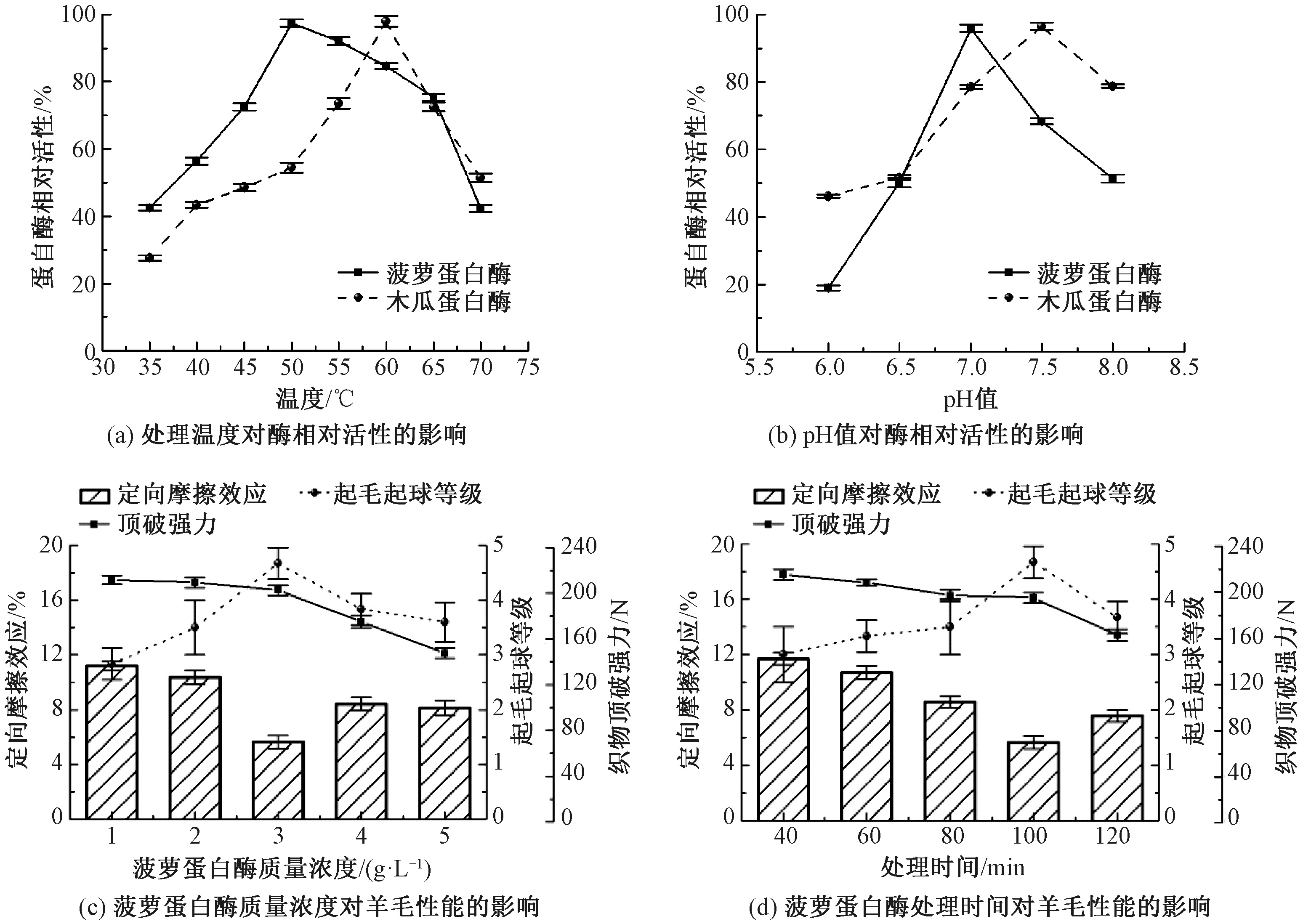
处理温度、pH值对酶相对活性的影响及菠萝蛋白酶处理参数对羊毛性能的影响"

图8

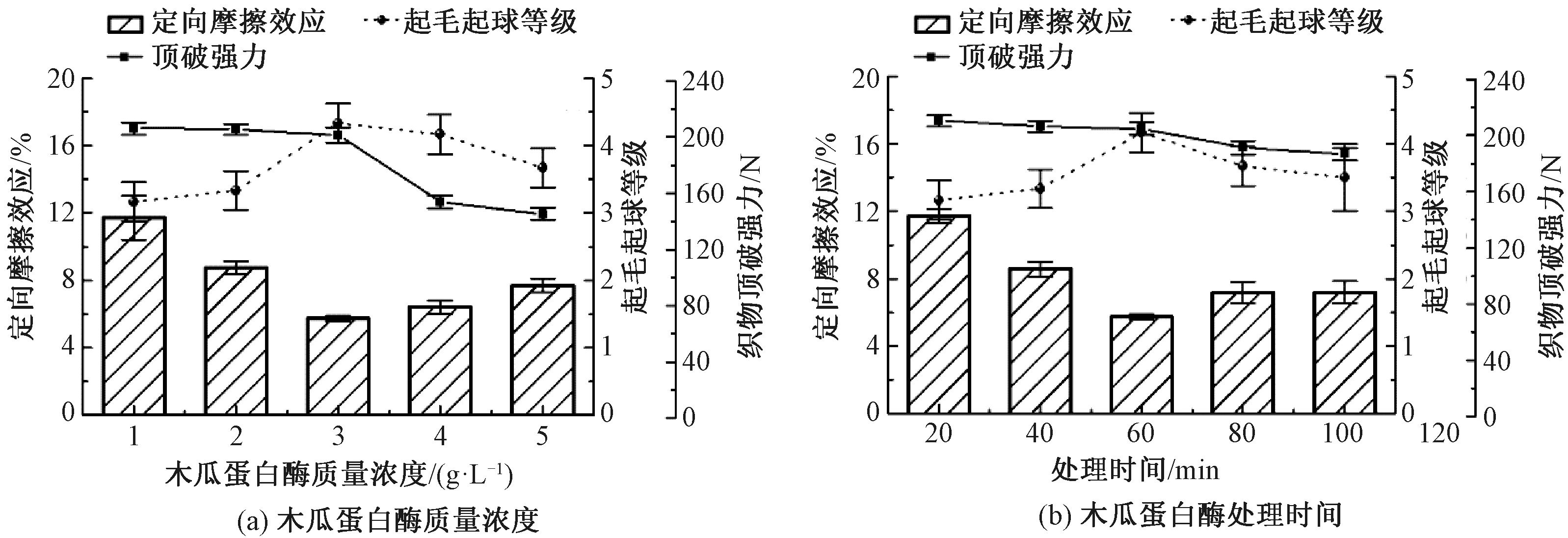
木瓜蛋白酶处理参数对羊毛性能的影响"

图9

木瓜蛋白酶处理前后羊毛的SEM照片"

图10

复合酶处理参数对羊毛性能的影响"

图11

复合酶处理前后羊毛的SEM照片和起球照片"

表2

处理前后羊毛织物的染色性能和服用性能"

试样 上染率/% K/S ΔE 透气率/
(mm·s-1)
透湿率/
(g·m-2·d-1)
热阻/
(10-3 m2·K·W-1)
顶破
强力/N
洗后起毛起球
等级/级
未处理羊毛 95.2±4.9 4.98±0.23 2.35±0.11 1 417.3±25.8 116.3±5.3 66.2±4.2 214.8±3.9 2.5
羟胺-菠萝蛋白酶处理 96.3±3.7 9.45±0.52 0.45±0.08 1 424.7±37.3 137.4±4.8 63.8±3.6 198.1±3.0 4
羟胺-木瓜蛋白酶处理 96.7±3.2 9.53±0.48 0.48±0.07 1 425.2±42.1 136.8±4.4 63.9±3.5 200.7±4.5 4
羟胺-复合酶处理 98.1±1.8 10.87±0.57 0.36±0.03 1 431.4±39.6 143.4±5.1 64.1±4.6 206.7±3.4 4.5
[1] ZHANG J Q, LI K, WANG J, et al. Enzymatic anti-felting finishing of the dyed woolen textiles through the collaborative action of mild reduction and protease treatment[J]. International Journal of Biological Macromolecules, 2025, 307: 142160.
doi: 10.1016/j.ijbiomac.2025.142160
[2] ZHAO X, WANG C X, WANG L H, et al. Performance of tapping washing in comparison with hand washing and front-loading machine washing for knitted wool sweaters[J]. Textile Research Journal, 2023, 93(3/4): 538-553.
doi: 10.1177/00405175221110114
[3] 郭庆, 毛阳顺, 任亚杰, 等. 基于漆酶一步催化法的羊毛织物原位染色及阻燃功能化[J]. 纺织学报, 2025, 46(2): 161-169.
GUO Qing, MAO Yangshun, REN Yajie, et al. Simultaneous in-situ dyeing and flame retardant functionalization of wool fabrics based on laccase catalysis[J]. Journal of Textile Research, 2025, 46(2): 161-169.
[4] YUAN J G, XIANG Y, ZHOU A H, et al. Using an eco-friendly cold pad-batch reduction pretreatment to improve the whiteness, hydrophilicity, and anti-shrinkage of wool fabric[J]. The Journal of the Textile Institute, 2025, 116(5): 880-889.
doi: 10.1080/00405000.2024.2359174
[5] XIAO Q, WANG Y H, CHEN W, et al. Enhancing anti-pilling performance of wool knitted fabrics via synergistic treatment with dopamine and silk sericin: a sustainable approach[J]. RSC Advances, 2025, 15(30): 24862-24871.
doi: 10.1039/D5RA03257A
[6] LIU W Y, YUAN F H, WANG J, et al. Simultaneous lice eggshell removal from wool and anti-felting with a single protease treatment[J]. Journal of Cleaner Production, 2023, 386: 135828.
doi: 10.1016/j.jclepro.2022.135828
[7] WANG M Y, ZHAO H Z, SHI F R, et al. Simple surface low temperature grafting for antibacterial and anti-felting inkjet printing wool fabrics[J]. Progress in Organic Coatings, 2023, 183: 107723.
doi: 10.1016/j.porgcoat.2023.107723
[8] WAN A L, XU T L, CHEN C M, et al. Effect of structure of wool/nylon spun yarn on warp knittability and fabric performance[J]. Textile Research Journal, 2025: 00405175251324666.
[9] LI R, ZHU Q T, ZHOU M, et al. Effective removal of scales from wool surface through the combination of thioglycolic acid compounds and proteases for anti-felting finishing[J]. International Journal of Biological Macromolecules, 2025, 306: 141698.
doi: 10.1016/j.ijbiomac.2025.141698
[10] ALMULAIKY Y Q. Acrylic modification as an environmentally acceptable supporter for improving peroxidase enzyme: stability and reusability[J]. Biocatalysis and Biotransformation, 2024, 42(6): 726-740.
doi: 10.1080/10242422.2024.2339359
[11] BOOSTANI B, BIDOKI S M, FATTAHI S. Using an eco-friendly deep eutectic solvent for waterless anti-felting of wool fibers[J]. Journal of Cleaner Production, 2023, 386: 135732.
doi: 10.1016/j.jclepro.2022.135732
[12] 王乐, 段志欣, 姚金波, 等. 基于底物激活的蛋白酶法羊毛地毯生态丝光处理[J]. 纺织学报, 2024, 45(9): 129-136.
WANG Le, DUAN Zhixin, YAO Jinbo, et al. Eco-friendly mercerization of wool carpet using protease method based on substrate activation[J]. Journal of Textile Research, 2024, 45(9): 129-136.
[13] XUE Y F, LI X Y, FAN Z Z, et al. Eco-friendly anti-felting finishing and low-temperature dyeing of wool through plant protease[J]. Fibers and Polymers, 2025, 26(4): 1643-1654.
doi: 10.1007/s12221-024-00838-4
[14] LI K, LI Z R, ZHANG J Q, et al. Eco-friendly shrink-resist finishing of wool through synergistic effect of disulfide bond reducing agent and papain[J]. International Journal of Biological Macromolecules, 2024, 273: 133156.
doi: 10.1016/j.ijbiomac.2024.133156
[1] 郭成志, 李众, 刘永胜, 乔小兰, 朱美芳. 抗起毛起球聚酯纤维的制备及其性能[J]. 纺织学报, 2026, 47(04): 1-8.
[2] 赵美宁, 李博, 孙艳丽, 武海良, 田诗溢. 具备光热转化性再生羊毛角蛋白基复合纤维的开发[J]. 纺织学报, 2026, 47(04): 17-25.
[3] 孟思雨, 韩宇进, 谭文丽, 马博谋, 袁久刚. 无醛交联剂改性羊毛角蛋白/海藻酸钠气凝胶复合材料的制备及其性能[J]. 纺织学报, 2026, 47(03): 18-25.
[4] 顾家玉, 张炜栋, 董永春, 孙璇, 徐良军. 银杏叶黄酮对羊毛和蚕丝织物的抗菌整理[J]. 纺织学报, 2026, 47(01): 142-150.
[5] 叶泽南, 李子印, 何健郡, 汪小东, 叶飞, 刘伟红. 基于频域景深合成和改进SOLOv2模型的羊毛羊绒纤维识别算法[J]. 纺织学报, 2026, 47(01): 80-88.
[6] 陈铭, 张豪, 张子缘, 杨清标, 高吉, 范存伟, 孙戒. 含生物基组分的酸性染料的合成及其染色性能[J]. 纺织学报, 2025, 46(12): 142-151.
[7] 徐丽丽, 腾燕飞, 马丕波, 万爱兰. 户外仿生结构功能面料的开发及其性能[J]. 纺织学报, 2025, 46(11): 94-101.
[8] 王司宇, 王峰, 王鸿博, 苏静. L-半胱氨酸/菠萝蛋白酶协同一浴法羊毛织物防毡缩整理[J]. 纺织学报, 2025, 46(10): 152-158.
[9] 朱耀麟, 李政, 张强, 陈鑫, 陈锦妮, 张洪松. 基于近红外光谱和多特征网络的羊毛和羊绒定量检测[J]. 纺织学报, 2025, 46(09): 104-111.
[10] 韩智慧, 万爱兰, 洪亮, 高丽忠, 夏风林. 羊毛纱经编整经损伤及其有限元模拟[J]. 纺织学报, 2025, 46(07): 103-110.
[11] 朱梦慧, 葛美彤, 董智佳, 丛洪莲, 马丕波. 纬编双面羊毛/涤纶交织物的结构与热湿性能评价[J]. 纺织学报, 2025, 46(05): 179-185.
[12] 朱大全, 崔志华, 高普, 朱杰, 张斌, 朱跃文, 陈维国. 丝光羊毛的芳伯胺化修饰及其室温重氮偶合染色[J]. 纺织学报, 2025, 46(05): 186-194.
[13] 朱文硕, 薛元, 孙显强, 薛惊理, 金光. 基于七基色纤维的羊毛混色纱全色域配色[J]. 纺织学报, 2025, 46(04): 71-80.
[14] 李欢, 孟文俊, 张京, 姜哲, 卫艺敏, 周曼, 王强. 低共熔溶剂体系中的羊毛靛蓝染料染色[J]. 纺织学报, 2025, 46(03): 123-130.
[15] 郭庆, 毛阳顺, 任亚杰, 刘济民, 王怀芳, 朱平. 基于漆酶一步催化法的羊毛织物原位染色及阻燃功能化[J]. 纺织学报, 2025, 46(02): 161-169.
Viewed
Full text


Abstract

Cited

  Shared   
  Discussed   
No Suggested Reading articles found!