纺织学报 ›› 2026, Vol. 47 ›› Issue (1): 123-131.doi: 10.13475/j.fzxb.20250602201

• 纺织工程 • 上一篇    下一篇

全针织结构多模态柔性电容传感器的构筑及其传感性能

邵剑波1,2, 岳欣琰2, 陈雨2, 韩潇2,3, 洪剑寒1,2,3()   

  1. 1.绍兴理工学院 纺织服装与设计学院, 浙江 绍兴 312000
    2.绍兴文理学院 纺织科学与工程学院, 浙江 绍兴 312000
    3.浙江省清洁染整技术研究重点实验室, 浙江 绍兴 312000
  • 收稿日期:2025-06-10 修回日期:2025-07-30 出版日期:2026-01-15 发布日期:2026-01-15
  • 通讯作者: 洪剑寒(1982—),男,教授,博士。主要研究方向为新型纺织材料的制备与应用。E-mail:jhhong@usx.edu.cn
  • 作者简介:邵剑波(2002—),男,硕士生。主要研究方向为针织结构柔性器件的设计开发与应用。
  • 基金资助:
    国家级大学生创新创业训练计划项目(202310349025);浙江省自然科学基金探索公益项目(LTGY24E030001)

Construction and sensing performance of all knitted multi-modal flexible capacitive sensor

SHAO Jianbo1,2, YUE Xinyan2, CHEN Yu2, HAN Xiao2,3, HONG Jianhan1,2,3()   

  1. 1. School of Textile, Apparel and Art Design, Shaoxing Institute of Technology, Shaoxing, Zhejiang 312000, China
    2. School of Textile Science and Engineering, Shaoxing University, Shaoxing, Zhejiang 312000, China
    3. Key Laboratory of Clean Dyeing and Finishing Technology of Zhejiang Province, Shaoxing, Zhejiang 312000, China
  • Received:2025-06-10 Revised:2025-07-30 Published:2026-01-15 Online:2026-01-15

摘要:

为获得具有拉伸-压力-非接触感知功能的全针织结构多模态柔性电容传感器,以镀银聚酰胺6为芯纱,利用涤纶与聚氨酯进行双重包覆,得到了聚氨酯-涤纶/镀银聚酰胺6复合导电纱线,并将其织制成纬平针组织的全针织结构柔性电容传感器。测试了复合导电纱线的相关性能,分析了传感器的拉伸、压力及非接触感知传感性能。结果表明:相较于芯纱,复合导电纱线的断裂强力与断裂伸长率分别提升了216.9%与9.33%,但导电能力有所下降;传感器具有良好的多模态传感能力,在拉伸传感中,灵敏系数最高可达0.324 3,在8.8 mm/s的拉伸速度下,拉伸1 000 s,电容波动较小,重复性较好;在压力传感中,可识别物体质量,且在同种压力作用下电容变化稳定;在非接触传感中,具有多方向敏感性,且可识别物体尺寸、靠近速度和距离。该传感器可用于监测人体呼吸体征及关节弯曲角度。

关键词: 全针织结构, 复合导电纱线, 柔性传感器, 电容传感器, 传感性能, 人体运动监测, 智能纺织品

Abstract:

Objective Flexible sensors, as the core components of intelligent textiles, have become a new research hotspot. Multi-modal sensors have a broader market prospect by virtue of their ability to monitor various external signals. At present, research on multi-modal flexible capacitive sensors mainly focuses on three-dimensional and one-dimensional structures. Three-dimensional flexible sensors are difficult to miniaturize due to their relatively large thickness and area. Long time wearing of one-dimensional flexible capacitive sensors has been reported to cause a sense of compression or friction discomfort to the skin. Therefore, it is of great significance to develop a two-dimensional knitted flexible sensor that is comfortable to wear and well integrated with clothing.

Method Silver-coated polyamide fiber (SCP) was used as the core yarn, on which double-layer polyester (PET) was wrapped, with the inner layer being S-twist and the outer layer being Z-twist, and the twist factor was 1 000 twists/m. PET/SCP yarn was thus prepared. A layer of waterborne polyurethane (PU) was coated on the outer surface of the PET/SCP yarn to obtain PU-PET/SCP composite conductive yarn, which was used as raw material to prepare an all knitted multi-modal flexible capacitive sensor. The influence of coating process on the performance of core yarn was studied. The tensile, pressure and non-contact sensing properties of the sensor were analyzed, and the sensor was applied to human activity monitoring.

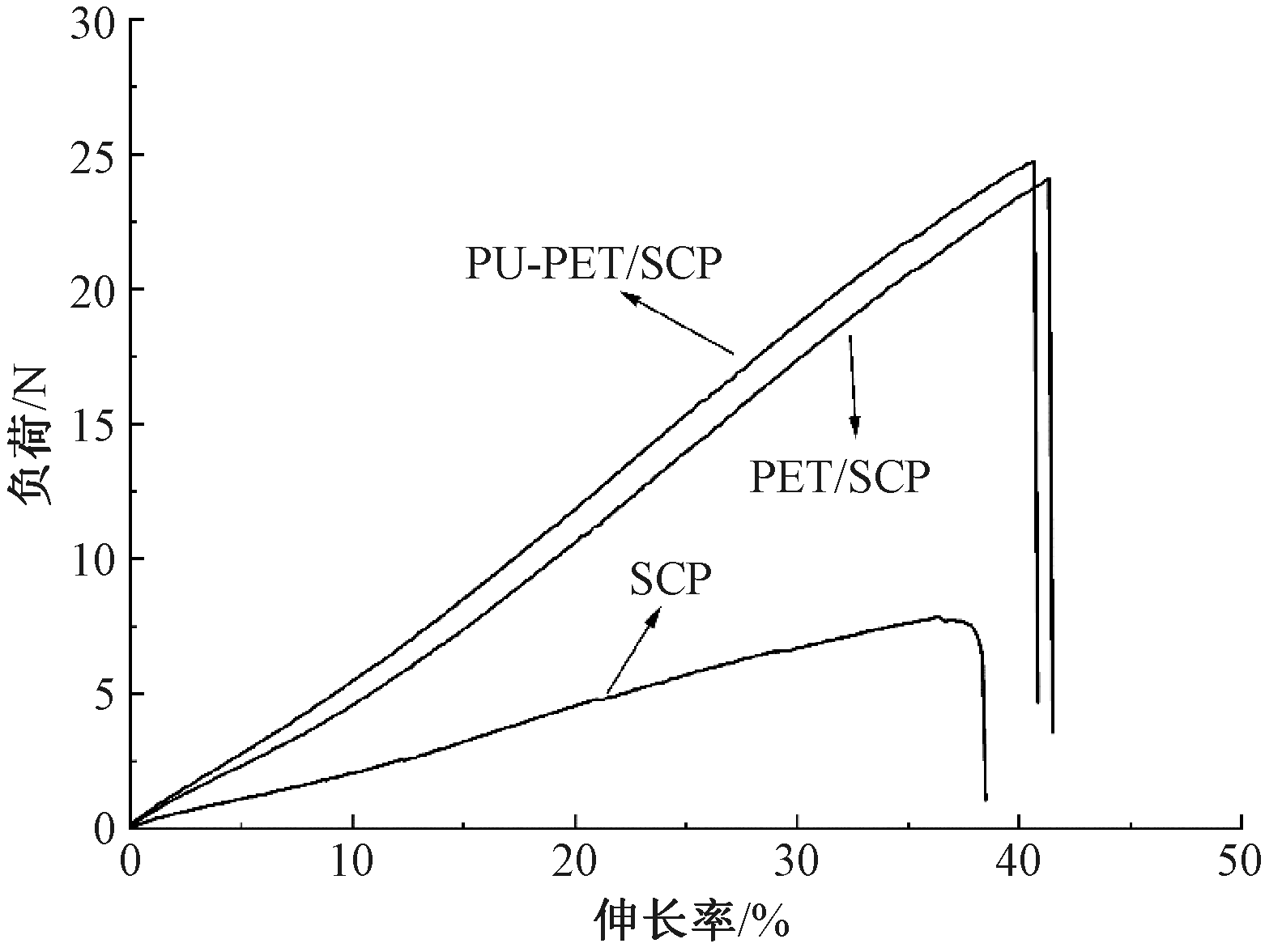
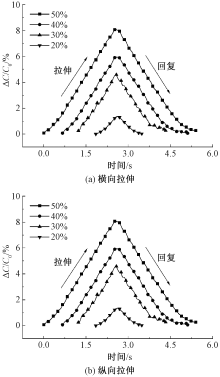
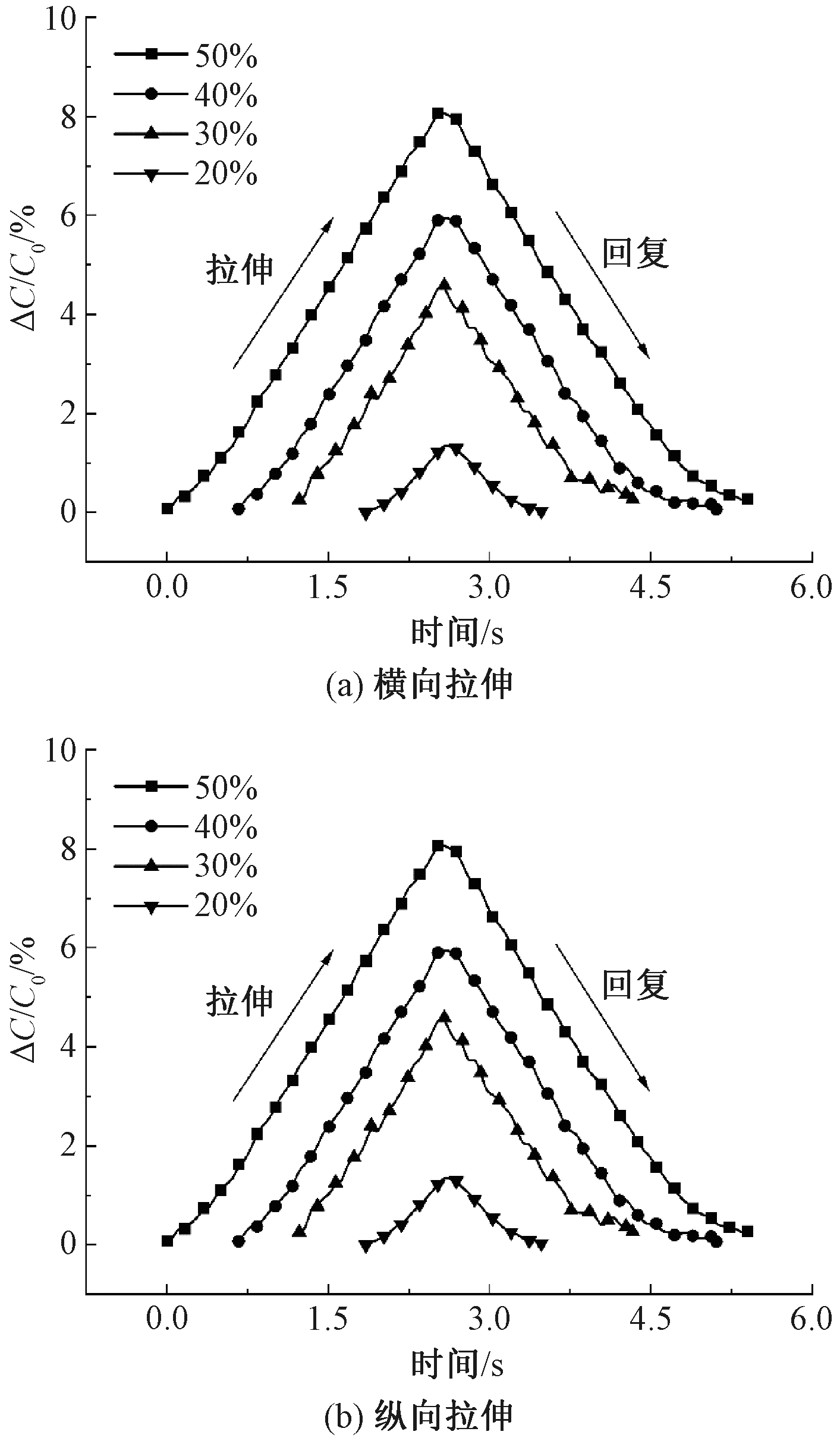
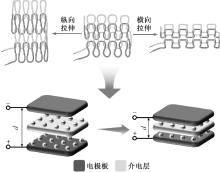
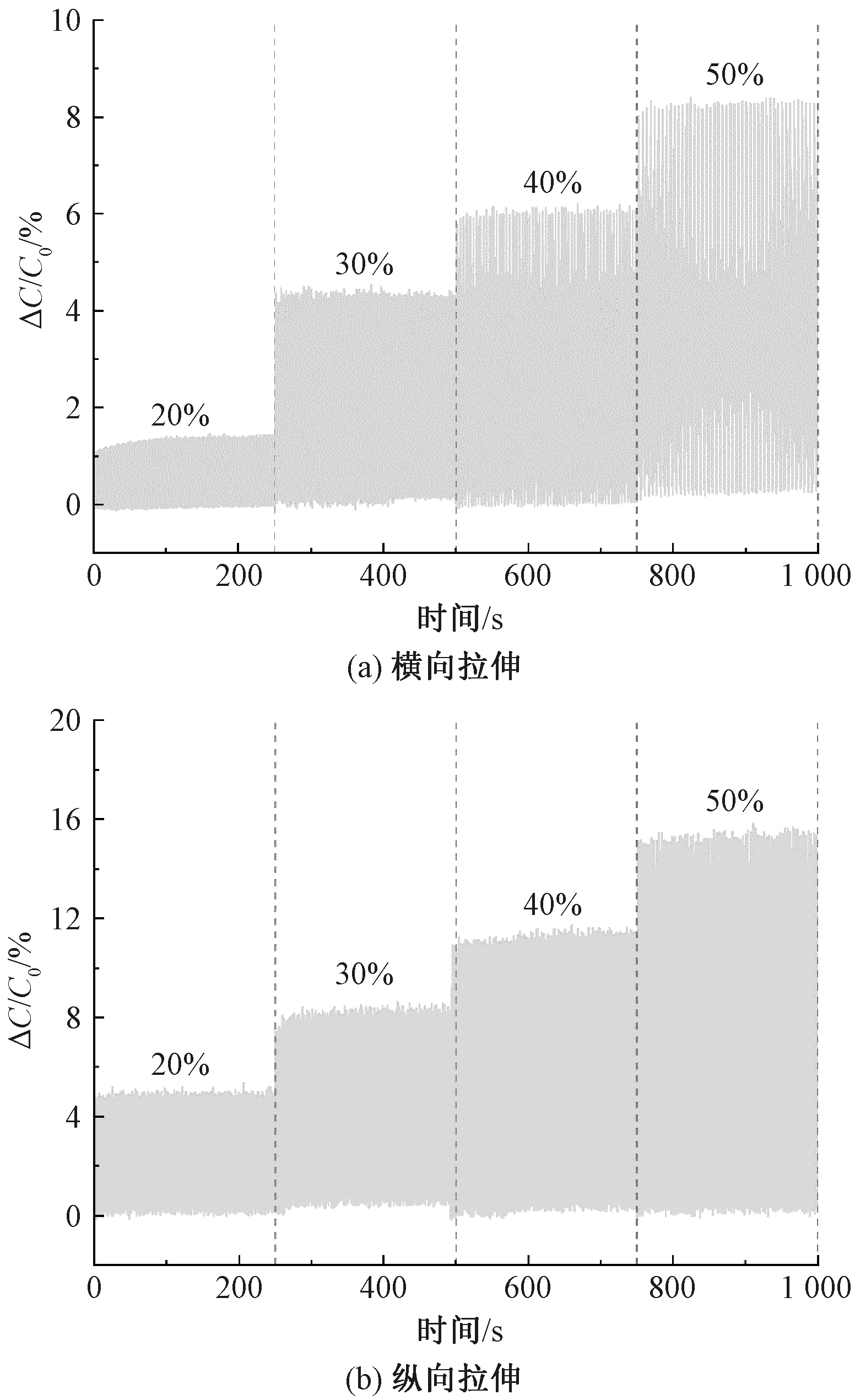
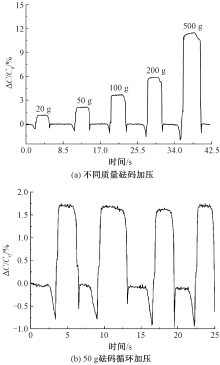
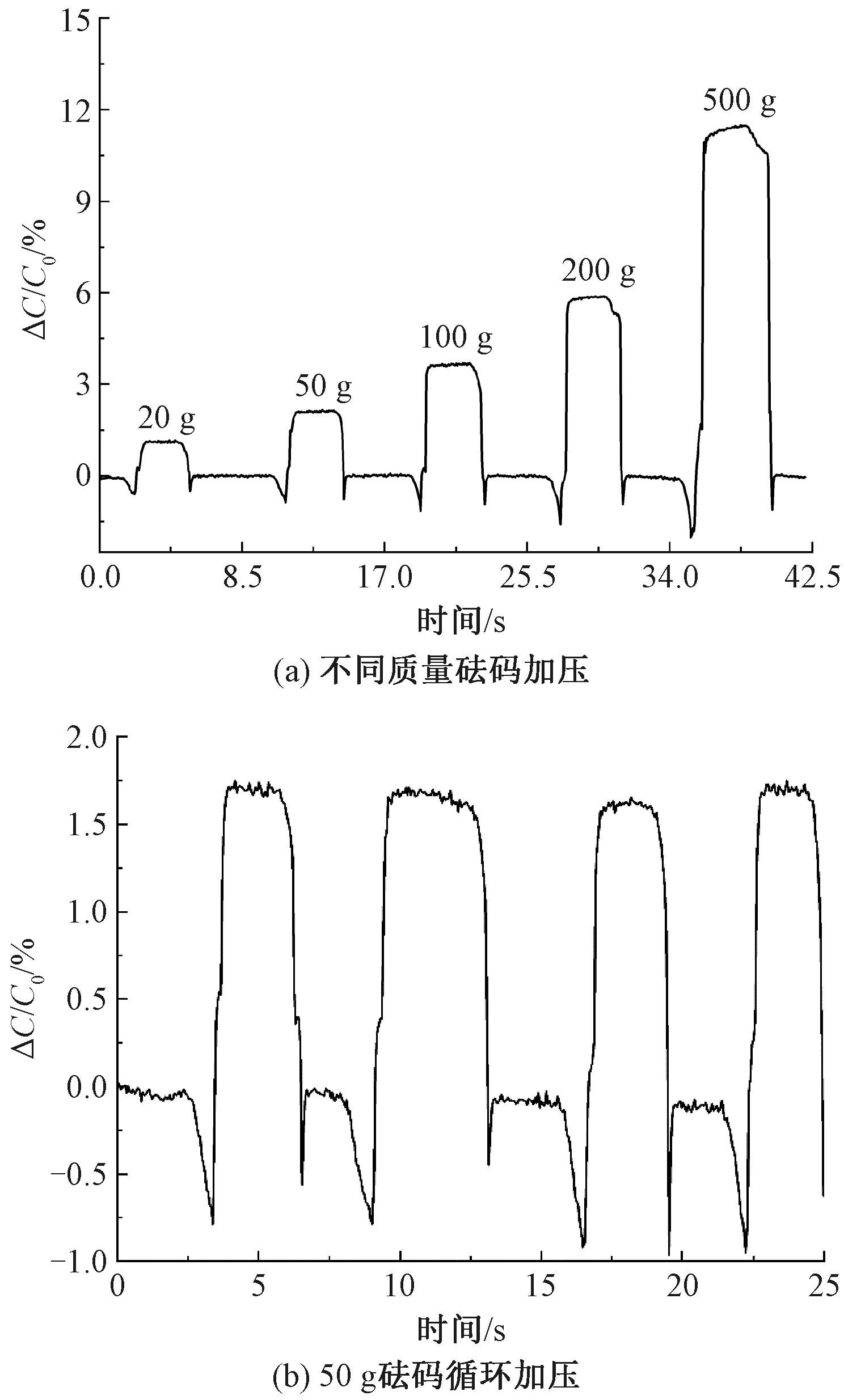
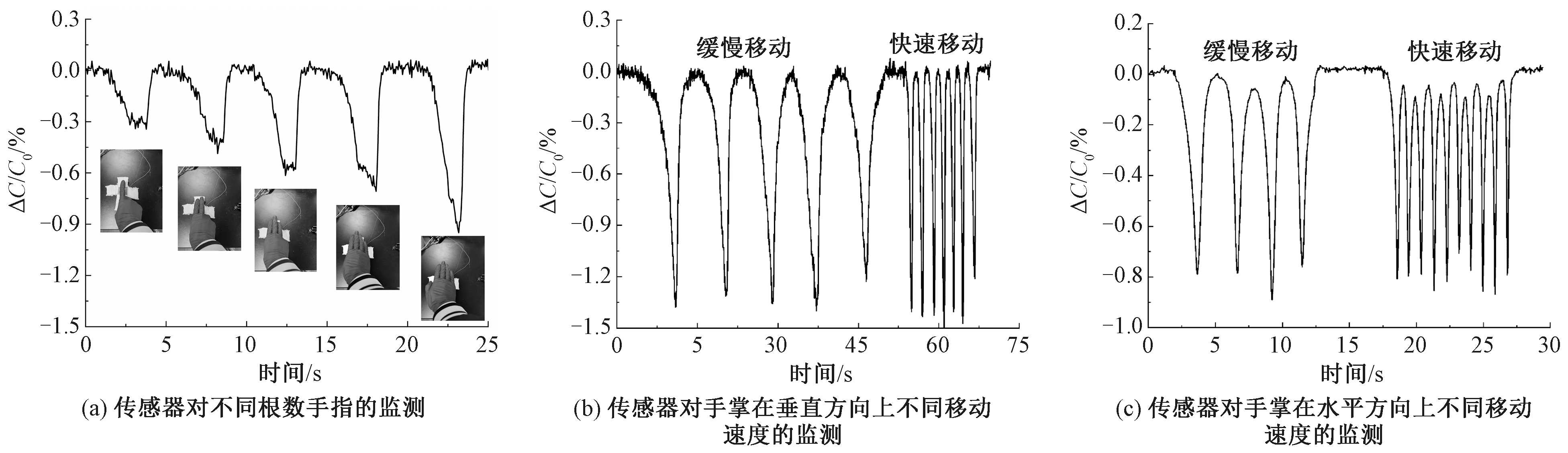
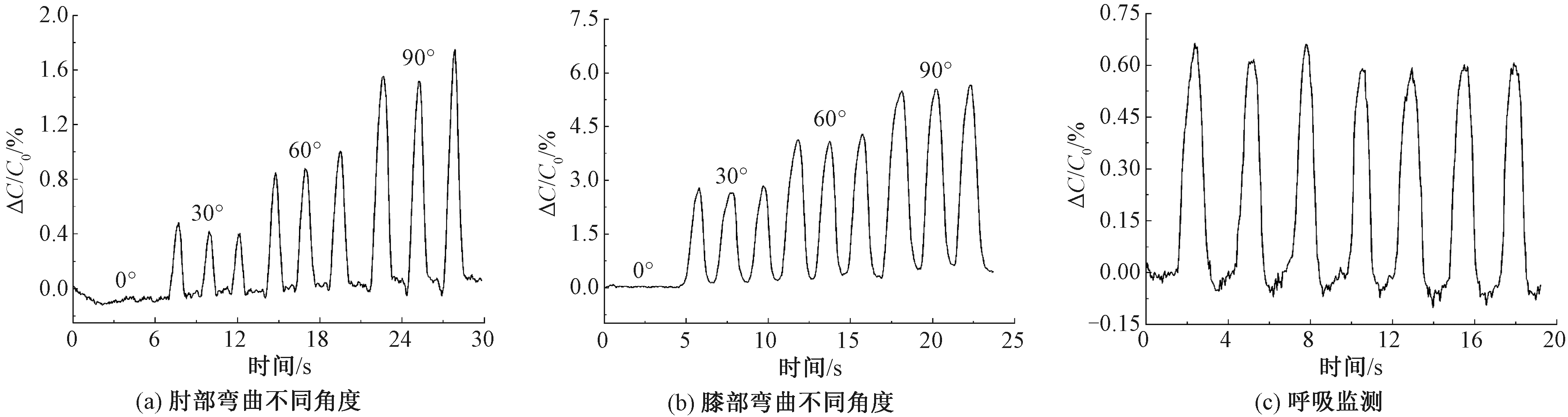
Results After PET wrapping and PU coating, the mechanical properties of the composite yarns were significantly improved, with the breaking strength and elongation at break increased by 216.9% and 9.33%, respectively. The composite conductive yarns were knitted into a flexible capacitive sensor with the plain knitted structure on a computerized flat knitting machine, and the sensor was designed to have multi-modal external force detection capabilities. In the tensile sensing tests in both the transverse and longitudinal directions, the capacitance of the sensor gradually increased with the increase of strain. The maximum sensitivity coefficient reached 0.324 3. Under the condition of stretching at a speed of 8.8 mm/s for 250 s at different elongation rates for a total of 1 000 s, the capacitance change of the sensor was relatively stable, demonstrating good repeatability. The sensor had good linearity, with R2 values of the fitting equations being higher than 0.97 at different elongation rates, indicating that within a certain strain range, the ΔC/C0 and elongation rate of the sensor showed a good linear correlation. In the pressure sensing test, by placing weights on the sensor, it was found that the sensor had good recognition ability for weights of different masses, and the capacitance change was stable for weights of the same mass, demonstrating good pressure sensing characteristics. In the non-contact sensing performance test, the sensor demonstrated multi-directional sensitivity. When an object approaches in either the vertical or horizontal direction, the sensor can display a relatively stable capacitance change signal. When an object approached the sensor without contact, the capacitance of the sensor gradually decreased with both the diminishing distance to the object and the increasing area of the object. This sensor demonstrates excellent non-contact sensing capabilities. It can identify the size (from a finger to a palm) and speed of approaching objects, and the corresponding relative capacitance changes are respectively significant. The speed detection was validated at specific vertical and horizontal palm movement frequencies.For human body monitoring, it precisely measures arm and knee bending (by 0°-90°) and detects respiratory rate by capturing the periodic capacitance variations caused by abdominal movements during breathing.

Conclusion A core-spun yarn structure was fabricated using SCP as the core yarn and PET as the sheath, subsequently over-coated with a PU layer to produce PU-PET/SCP composite conductive yarn. The composite conductive yarn exhibited excellent mechanical properties. The knitted capacitive sensors based on the PU-PET/SCP composite conductive yarn demonstrated the capability to monitor three types of external loading, i.e. stretching, pressure, and non-contact interactions. The two-dimensional knitted structure of the sensor features compact dimensions in both area and thickness, ensuring enhanced wearing comfort. Owing to these characteristics, this sensor shows significant application potential in fields such as human motion monitoring, healthcare, and robotics.

Key words: all knitted structure, composite conductive yarn, flexible sensor, capacitive sensor, sensing performance, human motion monitoring, smart texiles

中图分类号: 

  • TS101.922

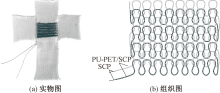
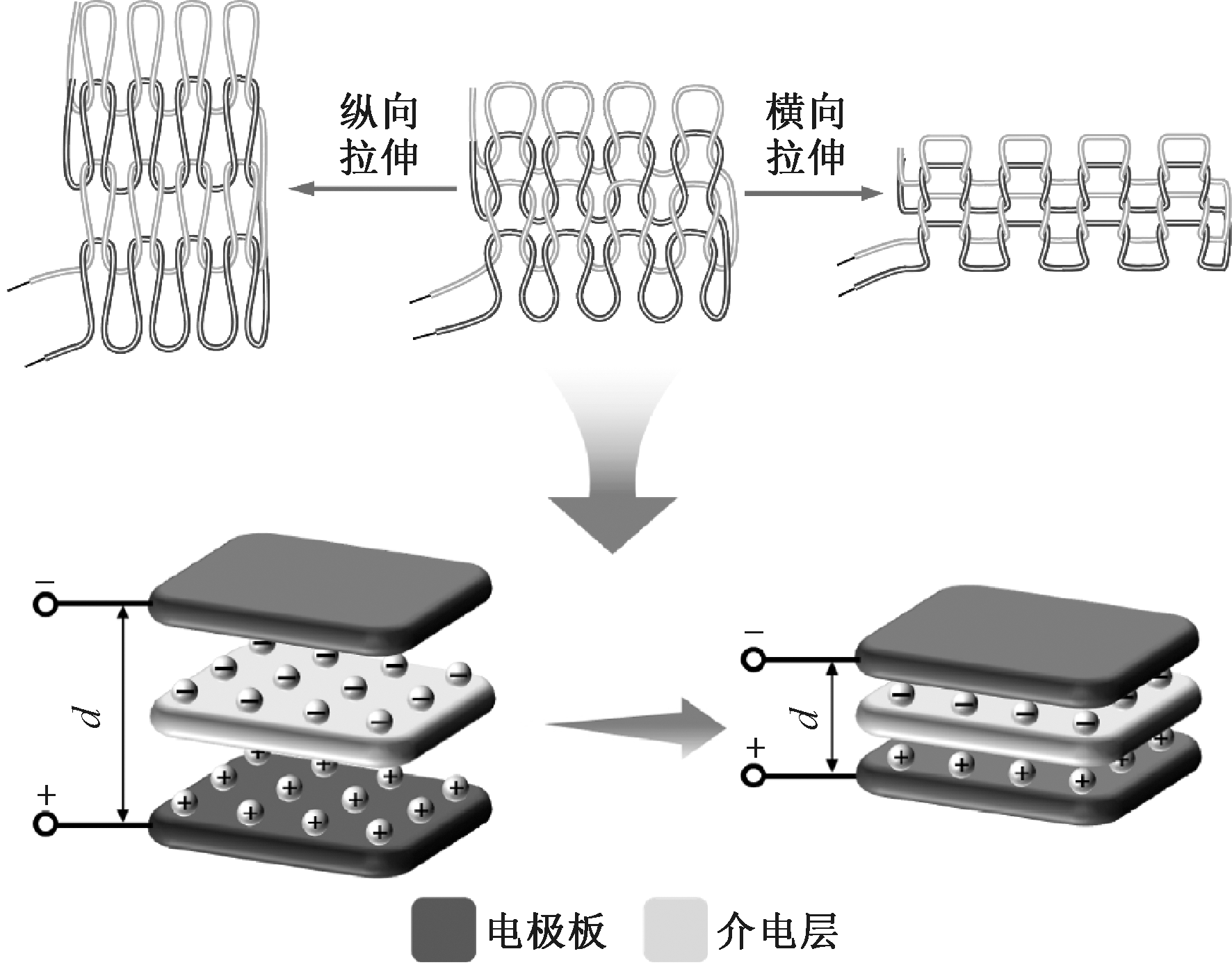
图1

针织结构柔性传感器的实物与结构示意图"

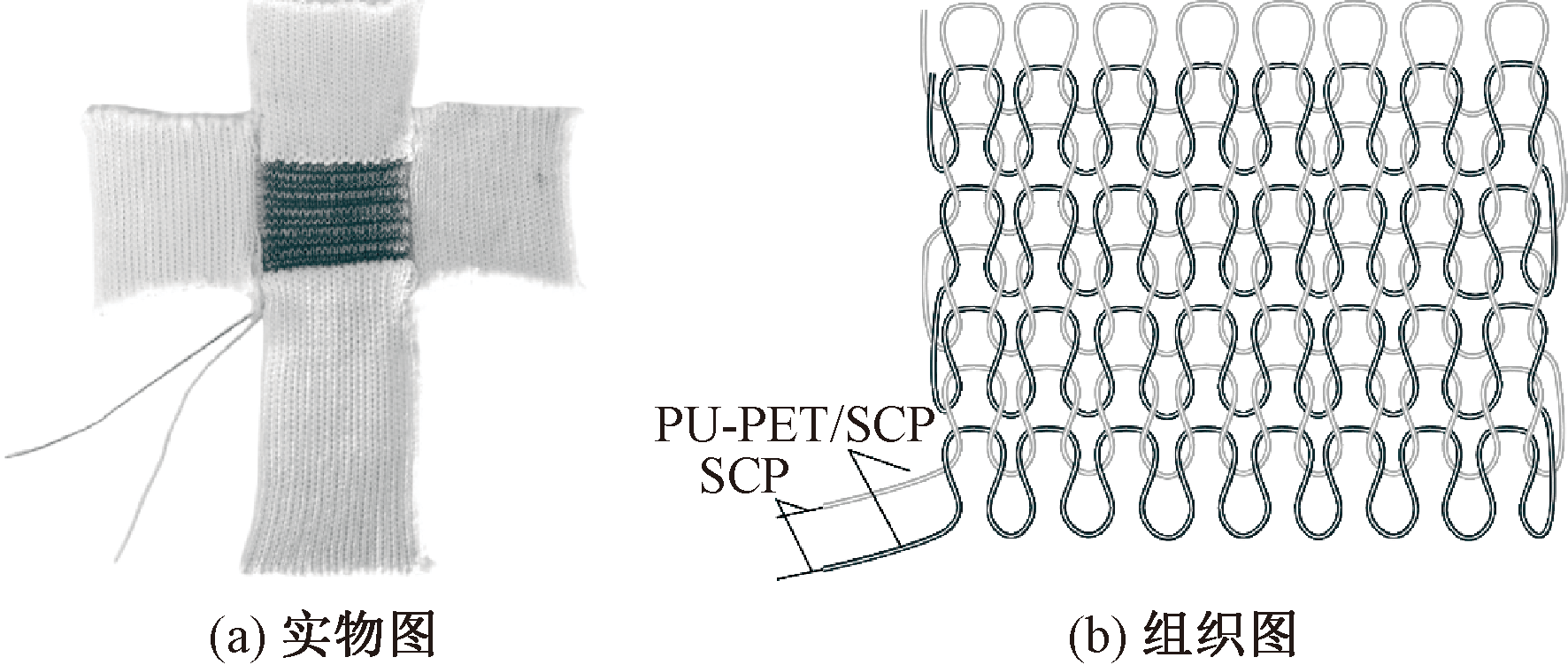
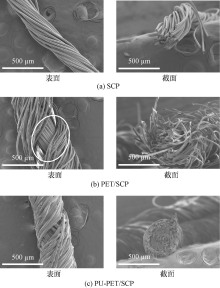
图2

不同纱线的表面与截面形貌结构"

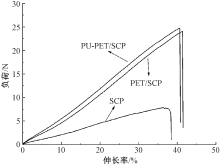
图3

不同类型纱线的负荷-伸长率曲线"

表1

不同类型纱线的力学指标"

纱线 断裂强力/N 断裂伸长率/%
SCP 7.85±0.64 37.10±2.27
PET/SCP 24.21±0.46 42.09±0.86
PU-PET/SCP 24.88±0.49 40.56±0.83

表2

纱线的电阻值"

纱线 单位电阻/(Ω·cm-1)
芯层 外层
SCP 4.49±0.97
PET/SCP 4.91±1.00 超量程,>5×10⁷
PU-PET/SCP 5.24±1.26 超量程,>5×10⁷

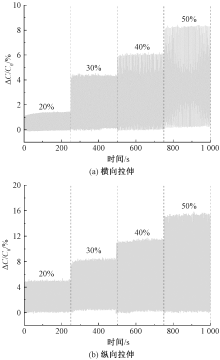
图4

伸长率对传感器相对电容的影响"

图5

传感器拉伸传感原理"

表3

传感器在不同伸长率下的灵敏系数与线性度"

方向 伸长
率/%
GGF 线性拟合方程
横向 20 0.079 1 yT=1.923x-0.131, R2=0.978
30 0.159 3 yT=3.250x+0.134, R2=0.994
40 0.160 3 yT=3.251x+0.244, R2=0.995
50 0.173 6 yT=3.333x-0.445, R2=0.996
纵向 20 0.277 0 yv=6.661x-0.490, R2=0.990
30 0.301 6 yv=7.193x-0.316, R2=0.979
40 0.306 9 yv=7.965x-1.022, R2=0.979
50 0.324 3 yv=8.931x-1.052, R2=0.977

图6

传感器重复循环拉伸稳定性"

图7

传感器的压力传感性能"

图8

非接触传感性能"

图9

传感器的人体运动与体征监测应用"

[1] 汪宇, 李奇鑫, 孙丰鑫. 织物基柔性传感器的研究进展[J]. 棉纺织技术, 2024, 52(5): 1-7.
WANG Yu, LI Qixin, SUN Fengxin. Research progress of fabric-based flexible sensor[J]. Cotton Textile Technology, 2024, 52(5): 1-7.
[2] MAHBUB I, PULLANO S A, WANG H F, et al. A low-power wireless piezoelectric sensor-based respiration monitoring system realized in CMOS process[J]. IEEE Sensors Journal, 2017, 17(6): 1858-1864.
doi: 10.1109/JSEN.2017.2651073
[3] XING Y, XIA Z D, ZHOU W, et al. Fabric resistive and capacitive sensors using wet-spinning wire of conductive silicone rubber[J]. Sensors and Actuators A: Physical, 2025, 387: 116426.
doi: 10.1016/j.sna.2025.116426
[4] GURARSLAN A, ÖZDEMIR B, BAYATİH, et al. Silver nanowire coated knitted wool fabrics for wearable electronic applications[J]. Journal of Engineered Fibers and Fabrics, 2019, 14(7):1-8.
[5] YUE X Y, WANG X H, SHAO J B, et al. One-dimensional flexible capacitive sensor with large strain and high stability for human motion monitoring[J]. ACS Applied Materials & Interfaces, 2024, 16(43): 59412-59423.
[6] ATALAY O. Textile-based, interdigital, capacitive, soft-strain sensor for wearable applications[J]. Materials, 2018, 11(5): 768.
doi: 10.3390/ma11050768
[7] HUANG C Y, YANG G, HUANG P, et al. Flexible pressure sensor with an excellent linear response in a broad detection range for human motion monitoring[J]. ACS Applied Materials & Interfaces, 2023, 15(2): 3476-3485.
[8] XU R D, QU L J, TIAN M W. Touch-sensing fabric encapsulated with hydrogel for human-computer interaction[J]. Soft Matter, 2021, 17(40): 9014-9018.
doi: 10.1039/d1sm01096d pmid: 34610079
[9] CUI J L, NAN X L, SHAO G R, et al. High-sensitivity flexible pressure sensor-based 3D CNTs sponge for human-computer interaction[J]. Polymers, 2021.DOI: 10.3390/polym13203465.
[10] XU C S, CHEN J, ZHU Z F, et al. Flexible pressure sensors in human-machine interface applications[J]. Small, 2024, 20(15): 2306655.
doi: 10.1002/smll.v20.15
[11] DONG C Z, BAI Y F, ZOU J F, et al. Flexible capacitive pressure sensor: material, structure, fabrication and application[J]. Nondestructive Testing and Evaluation, 2024, 39(7): 1749-1790.
doi: 10.1080/10589759.2024.2327639
[12] YE X R, TIAN M W, LI M, et al. All-fabric-based flexible capacitive sensors with pressure detection and non-contact instruction capability[J]. Coatings, 2022, 12(3): 302.
doi: 10.3390/coatings12030302
[13] GUAN F Y, XIE Y, WU H X, et al. Silver nanowire-bacterial cellulose composite fiber-based sensor for highly sensitive detection of pressure and proximity[J]. ACS Nano, 2020, 14(11): 15428-15439.
doi: 10.1021/acsnano.0c06063 pmid: 33030887
[14] 丛洪莲, 赵博宇, 董智佳. 智能针织产品开发现状与应用前景[J]. 纺织导报, 2020(5): 20-24.
CONG Honglian, ZHAO Boyu, DONG Zhijia. Development status and application prospect of intelligent knitting products[J]. China Textile Leader, 2020(5): 20-24.
[15] 张蕊, 叶苏娴, 王建, 等. 全织物型离电式柔性压力传感器的制备及其性能[J]. 纺织学报, 2025, 46(2): 113-121.
ZHANG Rui, YE Suxian, WANG Jian, et al. Preparation and performance of all-fabric iontronic flexible pressure sensor[J]. Journal of Textile Research, 2025, 46(2): 113-121.
doi: 10.1177/004051757604600206
[16] 佑晓露. 基于纳米纤维的柔性电容式传感器的构建与研究[D]. 郑州: 中原工学院, 2019:8-15.
YOU Xiaolu. Construction and research of flexible capacitive sensor based on nanofibers[D]. Zhengzhou: Zhongyuan University of Technology, 2019:8-15.
[1] 刘一鸣, 李琳, 杜鲜晶, 刘攀, 殷霞, 田明伟. 内螺旋结构弹性导电纱线的制备及其应变不敏感性能的调控[J]. 纺织学报, 2026, 47(1): 115-122.
[2] 张宁讴, 王海龙, 胡星友, 孙彬, 游超瑜. 电致发光纤维的技术创新与研究进展[J]. 纺织学报, 2026, 47(1): 250-258.
[3] 胡崴琳, 白洁, 刘丹, 白濛, 李娟, 李启正. 基于机器学习模型的电子纺织品研究进展[J]. 纺织学报, 2026, 47(1): 268-276.
[4] 张莹, 郭明靖, 王利君. 针织结构温度传感器设计及其着装传感性能[J]. 纺织学报, 2025, 46(12): 123-132.
[5] 王梁宇, 高晓红, 于彩娇, 张雪婷, 杨旭礼. 还原氧化石墨烯/铜纳米颗粒导电棉织物的制备及其传感性能[J]. 纺织学报, 2025, 46(12): 181-187.
[6] 季巧, 于清源, 周爱晖, 马博谋, 徐进, 袁久刚. 细菌纤维素及其复合材料的应用研究进展[J]. 纺织学报, 2025, 46(12): 243-250.
[7] 梁治, 姬康瑞, 黎张成, 何钰, 王灿, 侯冲. 热致变色纤维膜的制备及其温度传感性能[J]. 纺织学报, 2025, 46(11): 1-8.
[8] 张帆, 蔡再生, 刘慧景, 陆少锋, 黄旭明. 高牢固光致变色棉织物的点击化学法制备及其性能[J]. 纺织学报, 2025, 46(11): 196-202.
[9] 刘飞, 刘璐, 郑智超, 刘俊宏, 吴德群, 蒋秋冉. 自黏型玉米醇溶蛋白基超细纤维膜的制备及其性能[J]. 纺织学报, 2025, 46(11): 34-42.
[10] 王莎莎, 李超婧, 李彦, 毛吉富, 王富军, 王璐. 智能可穿戴健康纺织品应用研究进展[J]. 纺织学报, 2025, 46(10): 265-273.
[11] 张红霞, 齐芳汐, 赵静, 邢毅, 吕治家. 蜂巢结构介电层织物基传感器的一体成形及其性能[J]. 纺织学报, 2025, 46(10): 86-94.
[12] 赵捷清, 王瑧, 秦孝天, 王成成, 张丽平. 模拟绿叶颜色变化的温致变色织物制备及其性能[J]. 纺织学报, 2025, 46(09): 19-26.
[13] 傅林, 钱建华, 单江音, 林灵, 卫梦蓉, 翁可欣, 吴晓睿. 银纳米线/聚氨酯纳米纤维膜柔性传感器制备及其性能[J]. 纺织学报, 2025, 46(09): 74-83.
[14] 刘烨, 王俊胜, 金星. 消防员个人防护装备用智能纺织品研究进展[J]. 纺织学报, 2025, 46(05): 105-115.
[15] 张金芹, 李晶, 肖明, 毕曙光, 冉建华. 聚苯乙烯/还原氧化石墨烯微球传感电热织物的自组装法制备[J]. 纺织学报, 2025, 46(05): 202-213.
Viewed
Full text


Abstract

Cited

  Shared   
  Discussed   
No Suggested Reading articles found!