纺织学报 ›› 2025, Vol. 46 ›› Issue (10): 111-119.doi: 10.13475/j.fzxb.20241104901
唐曾华1,2, 李宏杰3, 毕思伊1, 邵光伟1, 蒋金华1,2, 陈南梁1,2, 邵慧奇1,4( )
)
TANG Zenghua1,2, LI Hongjie3, BI Siyi1, SHAO Guangwei1, JIANG Jinhua1,2, CHEN Nanliang1,2, SHAO Huiqi1,4()
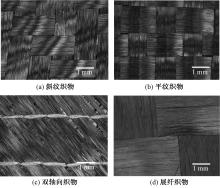
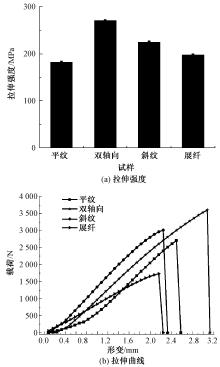
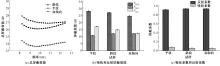
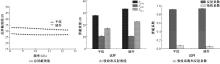
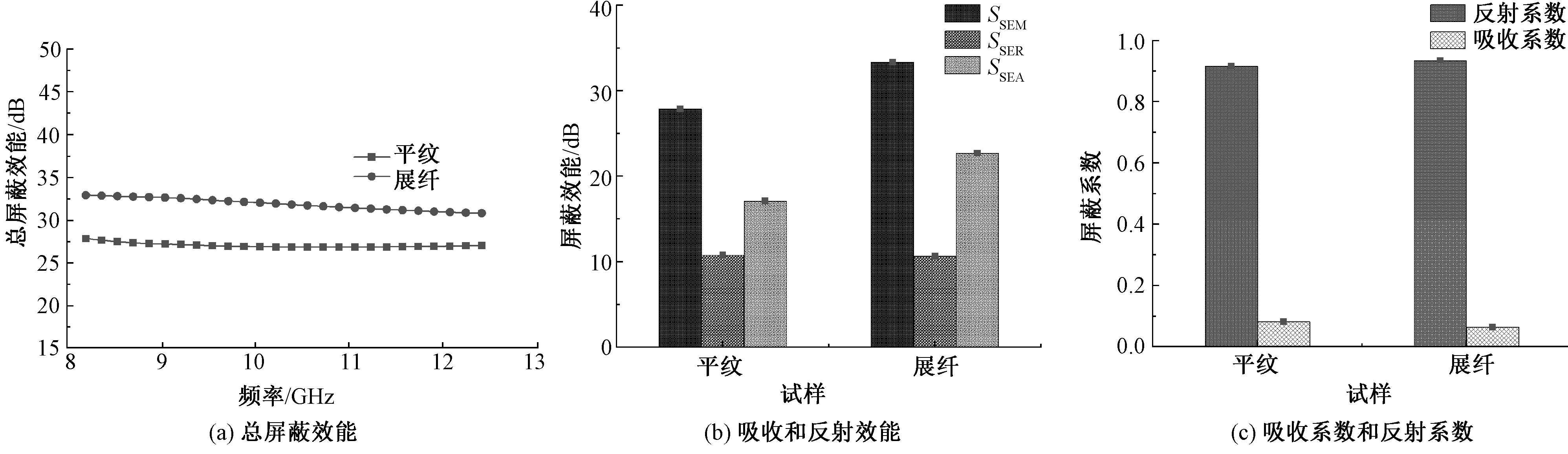
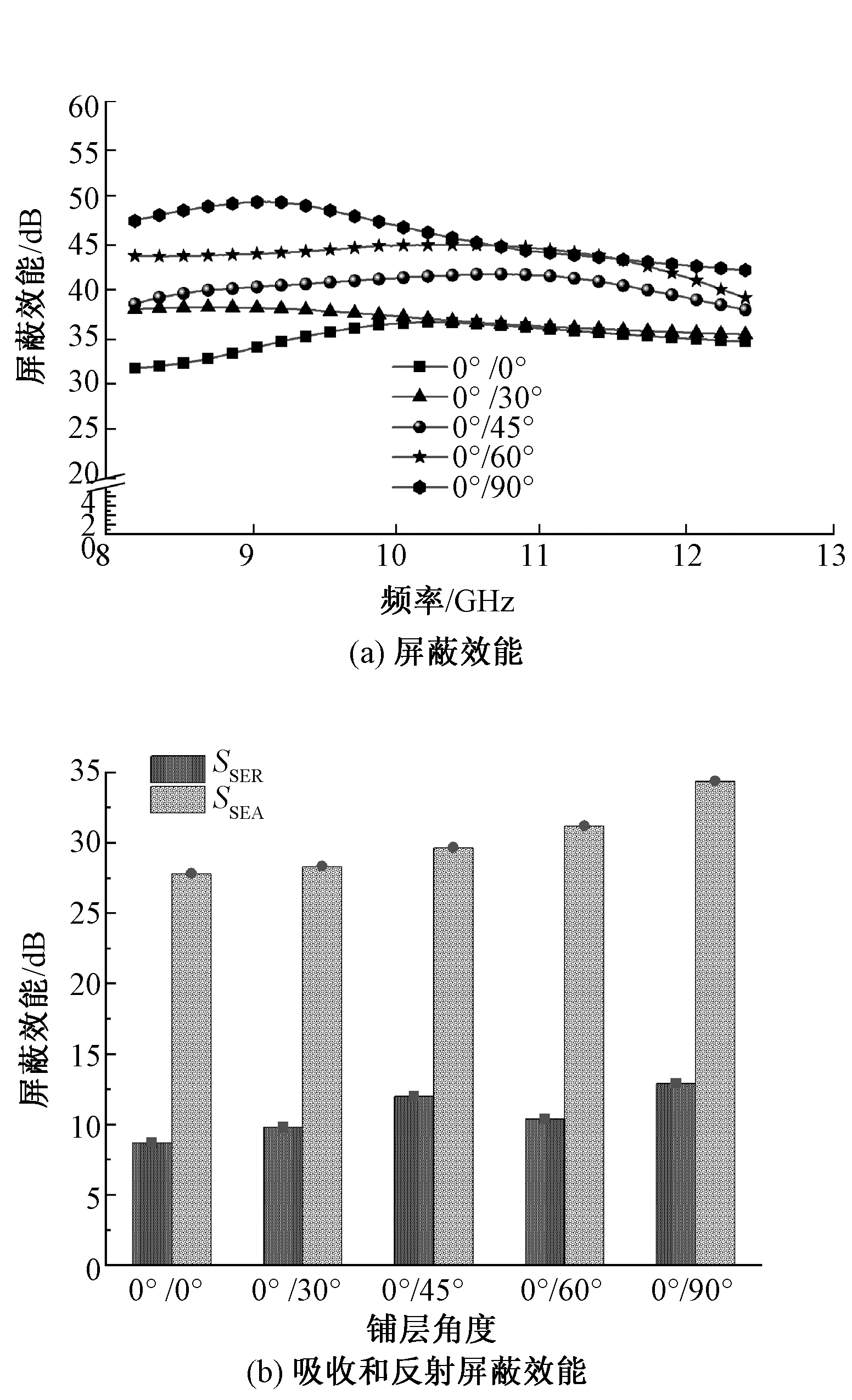
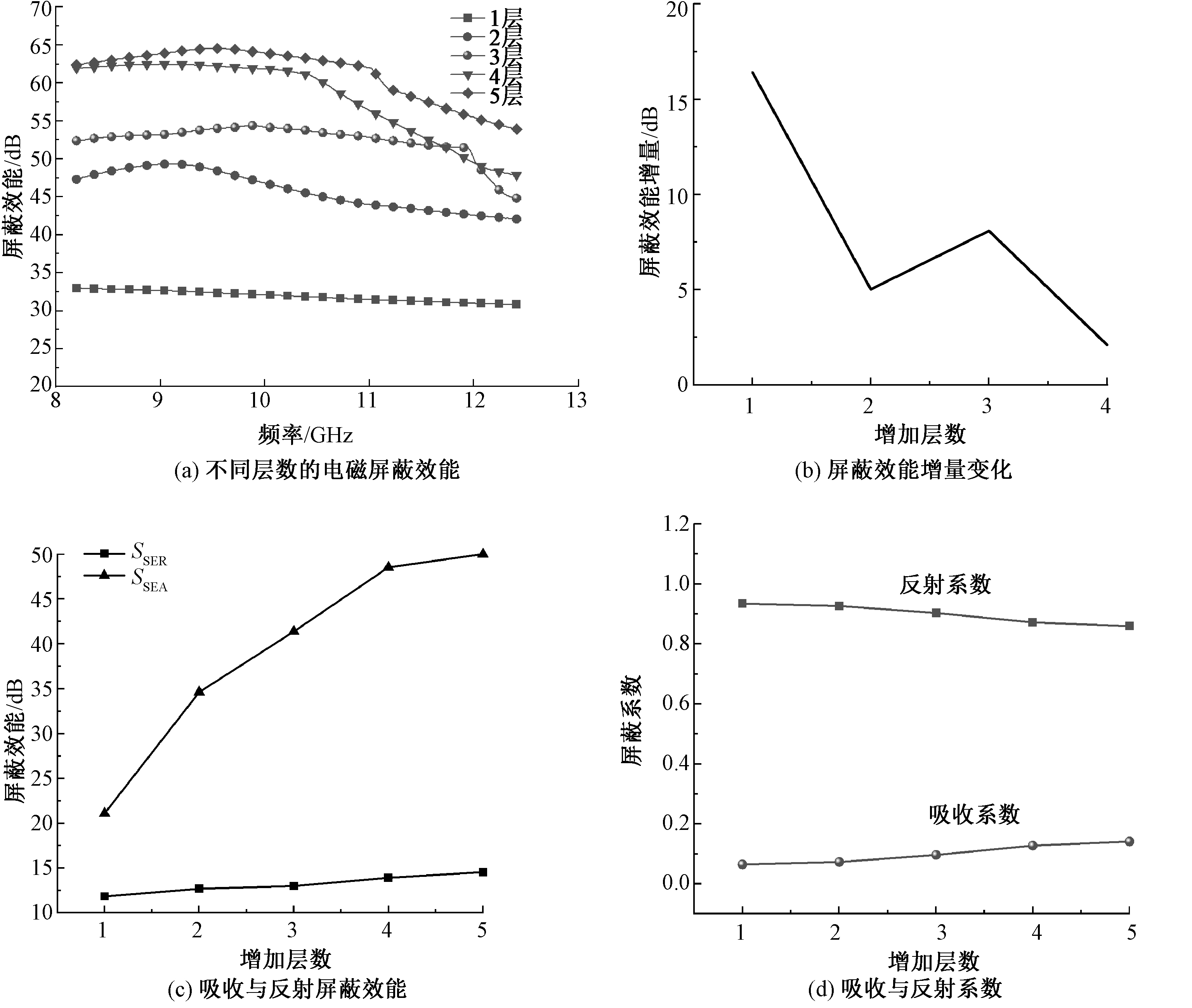
摘要: 为明确碳纤维增强结构对其柔性复合材料电磁屏蔽性能的影响规律,以热塑性聚氨酯为涂层树脂,采用热压法制备了不同织物结构的碳纤维/热塑性聚氨酯(CF/TPU)柔性复合材料。随后,对其结构形貌、力学性能和电磁屏蔽性能进行了测试表征,并分析了铺层角度及层数对CF/TPU电磁屏蔽性能的影响。结果表明:平纹碳纤维增强复合材料电磁屏蔽效能达到28 dB,略高于斜纹和双轴向增强结构,且经过展纤的平纹CF/TPU相较于普通平纹屏蔽效能提升了近50%。同时,碳纤维织物的铺层结构对CF/TPU电磁性能影响显著,随着铺层角度的增大,其电磁屏蔽效能也随之增大,90°铺层时其电磁屏蔽效能达到50 dB;随着铺层层数的增加,其电磁屏蔽效能逐渐增加,但层数的增益效应逐渐递减。
中图分类号:
| [1] |
YU Z C, CHEN Y, HE H L. Preparation and investigation of moisture transfer and electromagnetic shielding properties of double-layer electromagnetic shielding fabrics[J]. Journal of Industrial Textiles, 2020, 49(10): 1357-1373.
doi: 10.1177/1528083718813528 |
| [2] |
CHEN Y, WANG Y L, ZHANG H B, et al. Enhanced electromagnetic interference shielding efficiency of polystyrene/graphene composites with magnetic Fe3O4 nanoparticles[J]. Carbon, 2015, 82: 67-76.
doi: 10.1016/j.carbon.2014.10.031 |
| [3] | Ahsan Nazir. 用于电磁屏蔽的二茂铁基导电聚合物/碳材料复合物的制备及其性能研究[D]. 杭州: 浙江大学, 2019: 1-63. |
| AHSAN Nazir. Preparation and properties of ferrocene-based conductive polymer/carbon composites for electromagnetic shielding[D]. Hangzhou: Zhejiang University, 2019: 1-63. | |
| [4] | DUHAINI I. The effects of electromagnetic fields on human health[J]. Physica Medica, 2016, 32: 213. |
| [5] | 杨竹丽, 唐婉, 白顺梅, 等. 针织物基频率选择表面的制备与频响特性[J]. 西安工程大学学报, 2022, 36(5): 14-20. |
| YANG Zhuli, TANG Wan, BAI Shunmei, et al. Preparation of knitted fabric-based frequency selective surface and its frequency response characteristic[J]. Journal of Xi'an Polytechnic University, 2022, 36(5): 14-20. | |
| [6] | 张献, 王禹潮, 杨庆新, 等. 无线电能充电系统中纳米晶复合屏蔽结构的屏蔽性能[J]. 天津工业大学学报, 2022, 41(1): 52-59. |
| ZHANG Xian, WANG Yuchao, YANG Qingxin, et al. Shielding properties of nanocrystalline composite shielding structure in wireless power charging sys-tem[J]. Journal of Tiangong University, 2022, 41(1): 52-59. | |
| [7] |
CHENG J Y, LI C B, XIONG Y F, et al. Recent advances in design strategies and multifunctionality of flexible electromagnetic interference shielding mate-rials[J]. Nano-Micro Letters, 2022, 14(1): 80.
doi: 10.1007/s40820-022-00823-7 |
| [8] |
张伊帆, 陆承志, 杨雪勤, 等. 高温热还原石墨烯气凝胶/环氧树脂电磁屏蔽复合材料[J]. 功能材料, 2022, 53(3): 3186-3192.
doi: 10.3969/j.issn.1001-9731.2022.03.026 |
|
ZHANG Yifan, LU Chengzhi, YANG Xueqin, et al. High temperature thermal reduction graphene aerogel/epoxy resin electromagnetic shielding composites[J]. Journal of Functional Materials, 2022, 53(3): 3186-3192.
doi: 10.3969/j.issn.1001-9731.2022.03.026 |
|
| [9] |
崔永静, 郝晶莹, 王长亮, 等. 树脂基复合材料表面爆炸喷涂铝涂层性能研究[J]. 材料工程, 2018, 46(6): 120-124.
doi: 10.11868/j.issn.1001.4381.2017.000655 |
|
CUI Yongjing, HAO Jingying, WANG Changliang, et al. Characteristics of Al coatings fabricated by detonation Gun spray on polymer-based composites[J]. Journal of Materials Engineering, 2018, 46(6): 120-124.
doi: 10.11868/j.issn.1001.4381.2017.000655 |
|
| [10] | 刘琳, 张东. 电磁屏蔽材料的研究进展[J]. 功能材料, 2015, 46(3): 3016-3022. |
| LIU Lin, ZHANG Dong. Research progress in electromagnetic shielding materials[J]. Journal of Functional Materials, 2015, 46(3): 3016-3022. | |
| [11] |
CHENG K B, LEE M L, RAMAKRISHNA S, et al. Electromagnetic shielding effectiveness of stainless steel/polyester woven fabrics[J]. Textile Research Journal, 2001, 71(1): 42-49.
doi: 10.1177/004051750107100107 |
| [12] |
SU Chingluan, CHERN Jin-tsair. Effect of stainless steel-containing fabrics on electromagnetic shielding effectiveness[J]. Textile Research Journal 2004, 74(1): 51-54.
doi: 10.1177/004051750407400109 |
| [13] | 杨雅岚. 混纺型电磁屏蔽织物屏蔽效能的影响因素研究[D]. 郑州: 中原工学院, 2014: 1-41. |
| YANG Yalan. Study on influencing factors of shielding effectiveness of blended electromagnetic shielding fabric[D]. Zhengzhou: Zhongyuan University of Technology, 2014: 1-41. | |
| [14] | 潘振. 吸波型多层电磁屏蔽服装面料的研究[D]. 郑州: 中原工学院, 2018: 9-39. |
| PAN Zhen. Study on absorbing multi-layer electromagnetic shielding clothing fabric[D]. Zhengzhou: Zhongyuan University of Technology, 2018: 9-39. | |
| [15] | 汪秀琛, 李亚云, 段佳佳, 等. 宽频范围同类型双层电磁屏蔽织物的屏蔽效能变化规律[J]. 现代纺织技术, 2020, 28(3): 21-26. |
| WANG Xiuchen, LI Yayun, DUAN Jiajia, et al. Variation rule of shielding effectiveness of same-type double-layer electromagnetic shielding fabric in wide frequency range[J]. Advanced Textile Technology, 2020, 28(3): 21-26. | |
| [16] | 黄华友, 吴依琳, 倪海燕, 等. 芳纶/不锈钢纤维混纺机织物电磁屏蔽性能研究[J]. 化纤与纺织技术, 2020, 49(1): 17-22. |
| HUANG Huayou, WU Yilin, NI Haiyan, et al. Study on the electromagnetic shielding performance of aramid/stainless steel fiber blended woven fabrics[J]. Chemical Fiber & Textile Technology, 2020, 49(1): 17-22. | |
| [17] |
MARCINIAK K, GRABOWSKA K E, STEMPIEN Z, et al. Shielding of electromagnetic radiation by multilayer textile sets[J]. Textile Research Journal, 2019, 89(6): 948-958.
doi: 10.1177/0040517518760749 |
| [18] | 梁然然, 肖红, 王妮. 双层及多层电磁屏蔽织物的屏蔽效能[J]. 纺织学报, 2017, 38(9): 51-58. |
| LIANG Ranran, XIAO Hong, WANG Ni. Shielding effectiveness of double and multilayer electromagnetic shielding fabric[J]. Journal of Textile Research, 2017, 38(9): 51-58. | |
| [19] | 李雯, 王利君. 双层电磁屏蔽织物的组合设计与屏蔽效能研究[J]. 服装学报, 2021, 6(5): 390-395. |
| LI Wen, WANG Lijun. Research on the combination design and shielding effectiveness of double-layer electromagnetic shielding fabrics[J]. Journal of Fashion Science, 2021, 6(5): 390-395. | |
| [20] |
SCHULZ R B, PLANTZ V C, BRUSH D R. Shielding theory and practice[J]. IEEE Transactions on Electromagnetic Compatibility, 1988, 30(3): 187-201.
doi: 10.1109/15.3297 |
| [1] | 杜菁, 周安琪, 石颖欣, 王悦, 刘其霞, 单浩如, 于彩娇, 葛建龙. 挥发性有机化合物吸附用微/纳米活性碳纤维研究进展[J]. 纺织学报, 2025, 46(09): 250-257. |
| [2] | 陆爽怿, 王澜, 陈思, 周赳. 双经四纬提花结构双纬渐变显色模型构建及其显色特征[J]. 纺织学报, 2025, 46(09): 128-135. |
| [3] | 陈晴宇, 陆春红, 张斌, 晋义凯, 黄琪帏, 王超, 丁彬, 俞建勇, 王先锋. 碳纤维增强水泥基灌浆料的制备及其性能[J]. 纺织学报, 2025, 46(08): 120-126. |
| [4] | 张利平, 郭羽晴, 丁博, 孙洁. 芳纶纳米纤维/热塑性聚氨酯复合微孔膜与可呼吸覆膜织物制备及其性能[J]. 纺织学报, 2025, 46(07): 19-27. |
| [5] | 林玉婷, 许仕林, 胡毅. 多色彩热塑性聚氨酯/聚丙烯腈纳米纤维纱线的制备及其性能[J]. 纺织学报, 2025, 46(07): 78-86. |
| [6] | 李沐芳, 魏琬茹, 李倩倩, 宋引男, 王栋, 罗梦颖. 碳纤维表面有机/无机纳米花的构筑及其对过氧化氢的检测[J]. 纺织学报, 2025, 46(06): 17-22. |
| [7] | 黎靖康, 黄亮, 陈诗诗, 毕曙光, 冉建华, 唐加功. 苄基缩水甘油醚改性环氧类玻璃高分子材料的自修复与再加工性能[J]. 纺织学报, 2025, 46(04): 20-28. |
| [8] | 刘锦锋, 杜康存, 肖畅, 付少海, 张丽平. 多孔MXene/热塑性聚氨酯纤维的制备及其应力应变传感性能[J]. 纺织学报, 2025, 46(03): 41-48. |
| [9] | 刘仁义, 杨琴, 孙宝忠, 顾伯洪, 张威. 织物增强复合材料的电热驱动形状记忆回复行为[J]. 纺织学报, 2025, 46(01): 72-79. |
| [10] | 左红梅, 高敏, 阮芳涛, 邹梨花, 徐珍珍. MXene-氧化石墨烯改性碳纤维/聚乳酸复合材料制备及其力学性能[J]. 纺织学报, 2025, 46(01): 9-15. |
| [11] | 陆爽怿, 周赳. 基于双向多基色的全色域提花结构模型构建[J]. 纺织学报, 2024, 45(11): 88-98. |
| [12] | 姜梦敏, 王一璠, 金欣, 王闻宇, 肖长发. 聚吡咯共轭结构对碳纤维增强树脂基复合材料热循环稳定性能的影响[J]. 纺织学报, 2024, 45(10): 23-30. |
| [13] | 李天宇, 沈伟, 陈立峰, 竺铝涛. 三维角联锁机织复合材料的制备及其弯曲压缩失效机制[J]. 纺织学报, 2024, 45(08): 183-189. |
| [14] | 姜绍华, 梁帅童, 裴刘军, 张红娟, 王际平. 基于概率密度函数的织物染色侵入动力学分析[J]. 纺织学报, 2023, 44(10): 90-97. |
| [15] | 刘其霞, 张天昊, 季涛, 葛建龙, 单浩如. 锆基金属有机骨架材料/活性碳纤维复合材料的制备及其降解性能[J]. 纺织学报, 2023, 44(09): 134-143. |
|
||
 京公网安备11010502044800号