纺织学报 ›› 2026, Vol. 47 ›› Issue (02): 10-17.doi: 10.13475/j.fzxb.20250402901
陈欣1,2, 干梦婷1, 兰含宇1,2, 赵昕1,2, 张清华1,2( )
)
CHEN Xin1,2, GAN Mengting1, LAN Hanyu1,2, ZHAO Xin1,2, ZHANG Qinghua1,2()
摘要:
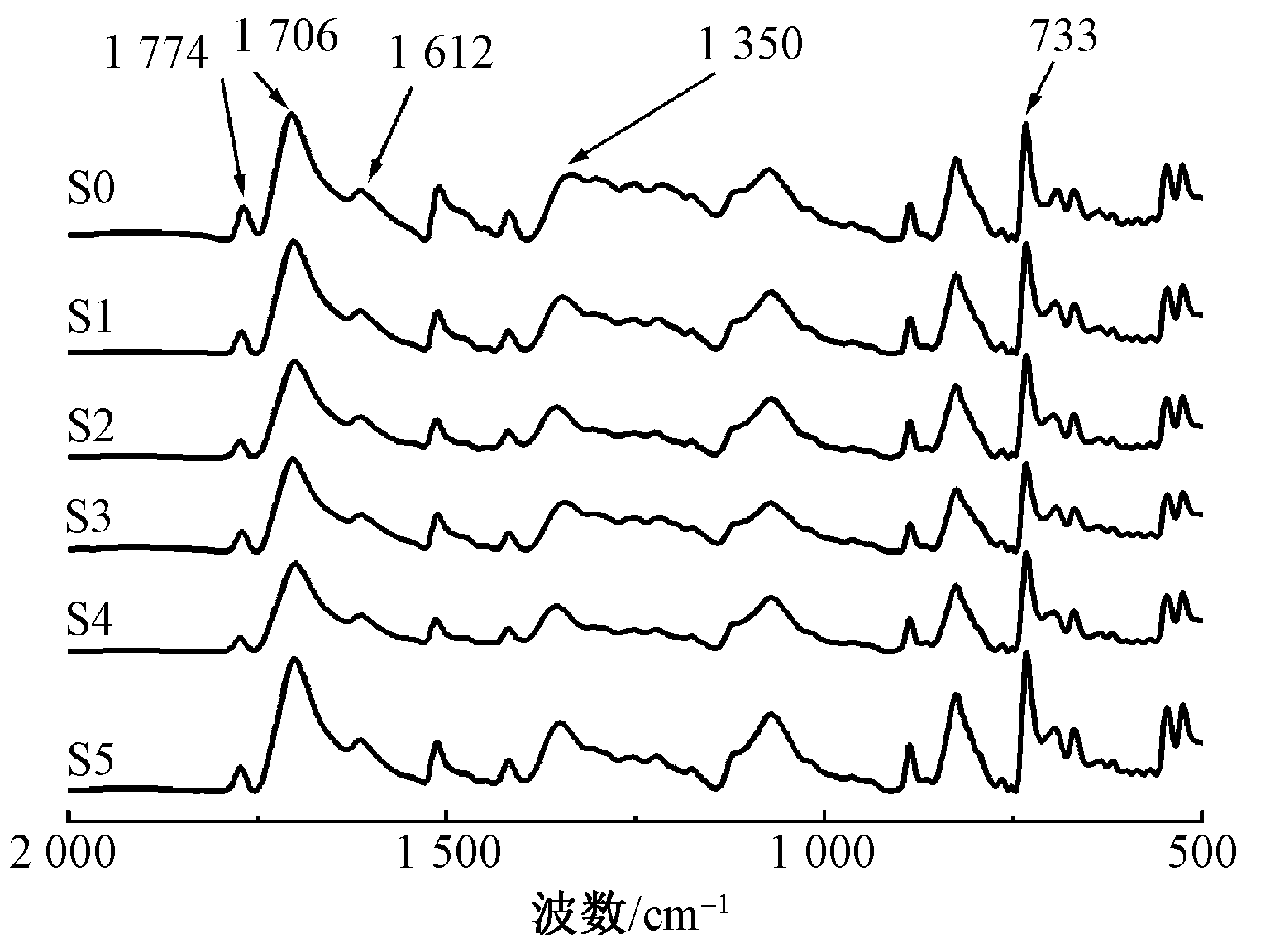
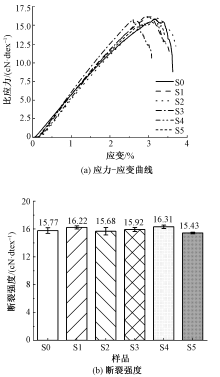
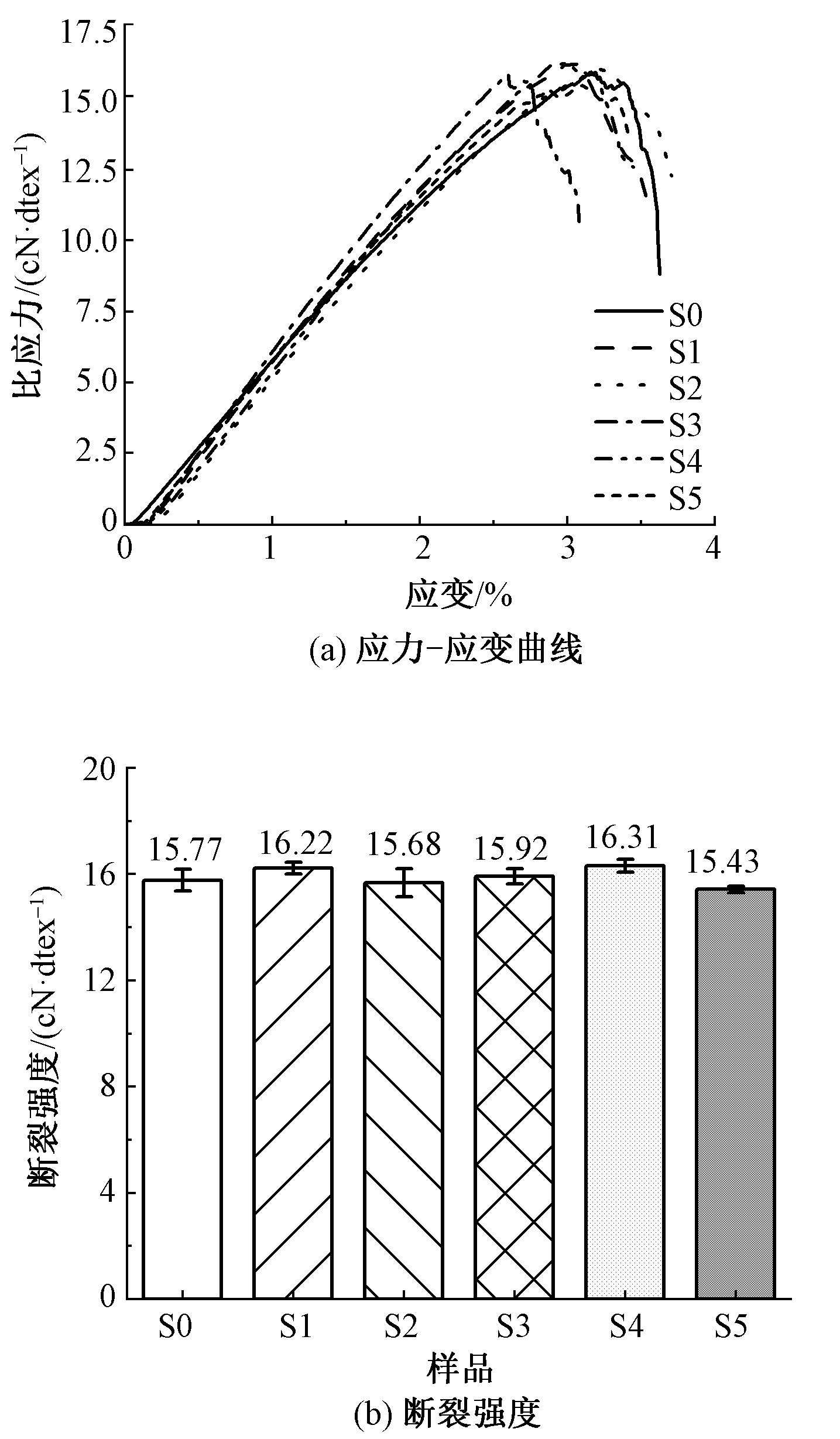
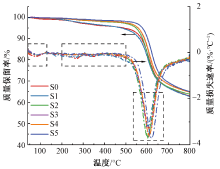
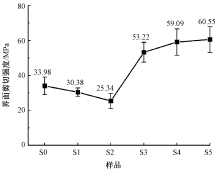
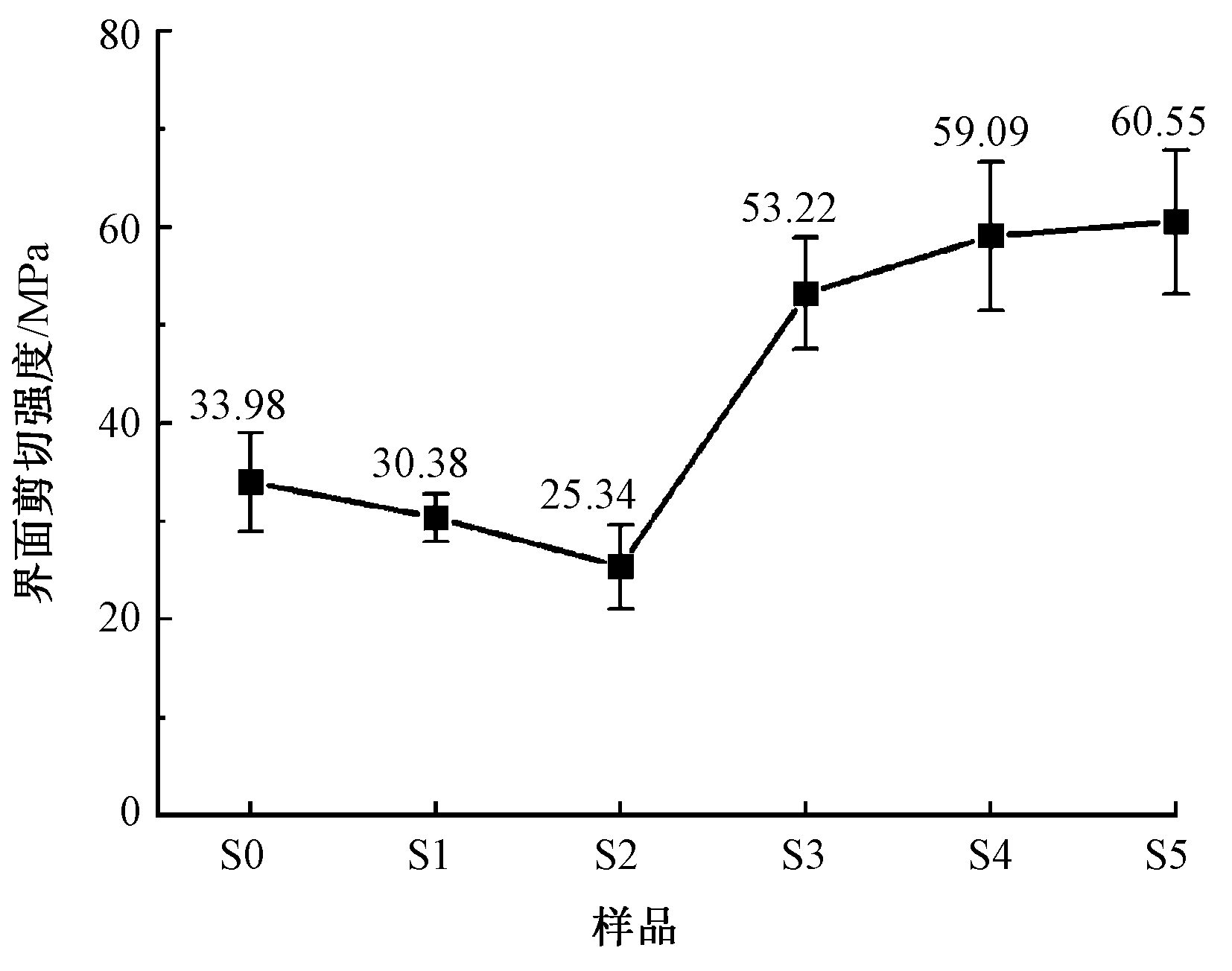
为改善聚酰亚胺纤维表面惰性的问题,借助超临界二氧化碳(CO2)流体的特殊性质,对聚酰亚胺纤维进行处理,借助万能材料试验机、傅里叶变换红外光谱仪、扫描电子显微镜和热重分析仪等多种表征手段,分析处理前后纤维结构与性能的变化。结果表明:经过超临界CO2流体处理后,纤维的化学结构未发生明显变化,其力学性能也没有显著下降;随着超临界CO2流体压力的提升,纤维表面粗糙度先降低后提升;当压力大于或等于10 MPa时,与树脂的界面剪切强度明显提升,增幅最高可达78.2%,说明该方法可在不损伤纤维力学性能的基础上,有效提高纤维与树脂的界面结合力。
中图分类号:
| [1] |
ZHANG Q H, LI X T, DONG J, et al. Chapter 6: high-performance polyimide fibers[J]. Advanced Industrial and Engineering Polymer Research, 2022, 5(2): 107-116.
doi: 10.1016/j.aiepr.2022.03.004 |
| [2] | 尹朝清, 徐园, 张清华. 聚酰亚胺纤维及其阻燃特性[J]. 纺织学报, 2012, 33(6): 116-120. |
| YIN Chaoqing, XU Yuan, ZHANG Qinghua. Polyimide fiber and its flame retardance[J]. Journal of Textile Research, 2012, 33(6): 116-120. | |
| [3] | 刘远清, 贾峰峰, 田萃钰, 等. 聚酰亚胺材料界面活化及化学接枝研究进展[J]. 高分子材料科学与工程, 2022, 38(5): 182-190. |
| LIU Yuanqing, JIA Fengfeng, TIAN Cuiyu, et al. Progress on interfacial activation and chemical grafting of polyimide materials[J]. Polymer Materials Science & Engineering, 2022, 38(5): 182-190. | |
| [4] |
ZHOU J T, LIU F F, DAI X M, et al. Surface modification optimization for high-performance polyimide fibers[J]. Materials Research Express, 2019, 6(9): 095107.
doi: 10.1088/2053-1591/ab0c28 |
| [5] | 孙荟云, 欧卫国, 王海峰, 等. 芳纶织物的激光改性及其性能[J]. 染整技术, 2023, 45(8): 19-23. |
| SUN Huiyun, OU Weiguo, WANG Haifeng, et al. Laser modification and properties of aramid fabric[J]. Textile Dyeing and Finishing Journal, 2023, 45(8): 19-23. | |
| [6] | 孙荟云, 胡珊珊, 孔凤英, 等. CO2激光对聚酰亚胺织物的表面改性研究[J]. 产业用纺织品, 2023, 41(10): 44-51. |
| SUN Huiyun, HU Shanshan, KONG Fengying, et al. Study on surface modification of polyimide fabrics by CO2 laser[J]. Technical Textiles, 2023, 41(10): 44-51. | |
| [7] | 杜晓冬, 林芳兵, 蒋金华, 等. 氧等离子体改性对聚酰亚胺纤维表面性能的影响[J]. 纺织学报, 2019, 40(9): 22-27. |
| DU Xiaodong, LIN Fangbing, JIANG Jinhua, et al. Influence of oxygen plasma modification on surface properties of polyimide fiber[J]. Journal of Textile Research, 2019, 40(9): 22-27. | |
| [8] |
党洪洋, 张国亮, 龙柱, 等. 纳米结晶纤维素表面修饰聚酰亚胺纤维及其润湿功能性[J]. 化工进展, 2020, 39(1): 301-310.
doi: 10.16085/j.issn.1000-6613.2019-0605 |
|
DANG Hongyang, ZHANG Guoliang, LONG Zhu, et al. Surface modified polyimide fiber with nanocrystalline cellulose and its wettability[J]. Chemical Industry and Engineering Progress, 2020, 39(1): 301-310.
doi: 10.16085/j.issn.1000-6613.2019-0605 |
|
| [9] | 王静, 肖存勇, 于政印, 等. 酸碱处理对聚酰亚胺膜浸润性能及力学性能的影响[J]. 高分子材料科学与工程, 2024, 40(6): 85-91. |
| WANG Jing, XIAO Cunyong, YU Zhengyin, et al. Effect of acid-base treatment on wettability and mechanical properties of polyimide membrane[J]. Polymer Materials Science & Engineering, 2024, 40(6): 85-91. | |
| [10] | RAYNER C M, OAKES R S, SAKAKURA T, et al. Supercritical carbon dioxide[M]. Hoboken: Wiley, 2005: 125-182. |
| [11] | 毕璨, 张嘉旭, 张维. 双碳背景下纺织品清洁染色与着色技术研究进展[J]. 印染助剂, 2024, 41(6): 15-20. |
| BI Can, ZHANG Jiaxu, ZHANG Wei. Research progress on clean dyeing and coloring technology for textiles in the context of dual-carbon[J]. Textile Auxiliaries, 2024, 41(6): 15-20. | |
| [12] |
ABOU ELMAATY T, ABD EL-AZIZ E. Supercritical carbon dioxide as a green media in textile dyeing: a review[J]. Textile Research Journal, 2018, 88(10): 1184-1212.
doi: 10.1177/0040517517697639 |
| [13] | FANG Q, ZHENG H D, LI S N, et al. Supercritical CO2 as a potential tool for the eco-friendly printing of meta-aramid[J]. Journal of CO2 Utilization, 2023, 72: 102492. |
| [14] |
朱维维, 管丽媛, 龙家杰, 等. 超临界CO2流体处理时间对二醋酯纤维结构与性能的影响[J]. 纺织学报, 2021, 42(12): 97-102.
doi: 10.13475/j.fzxb.20201103406 |
|
ZHU Weiwei, GUAN Liyuan, LONG Jiajie, et al. Effects of supercritical CO2 fluid treatment time on structure and properties of diacetate fibers[J]. Journal of Textile Research, 2021, 42(12): 97-102.
doi: 10.13475/j.fzxb.20201103406 |
|
| [15] | 范大鹏, 孟令辉, 刘魁. 超临界CO2对碳纤维表面的刻蚀作用[J]. 化学与黏合, 2013, 35(2): 1-5. |
| FAN Dapeng, MENG Linghui, LIU Kui. The etching treatment of carbon fiber surface by supercritical CO2[J]. Chemistry and Adhesion, 2013, 35(2): 1-5. | |
| [16] | ZHENG H D, ZHANG J, DU B, et al. Effect of treatment pressure on structures and properties of PMIA fiber in supercritical carbon dioxide fluid[J]. Journal of Applied Polymer Science, 2015, 132(14): 41756. |
| [17] | 周琴, 陈昌琴, 高雪梅, 等. PPTA表面超临界CO2处理时间对EP/PPTA界面粘结性能的影响[J]. 工程塑料应用, 2021, 49(12): 96-102. |
| ZHOU Qin, CHEN Changqin, GAO Xuemei, et al. Effects of supercritical CO2 treatment time of PPTA surface on interfacial adhesion properties of EP/PPTA[J]. Engineering Plastics Application, 2021, 49(12): 96-102. | |
| [18] | 邱杨, 李斌太, 黑艳伟, 等. 超临界二氧化碳对芳纶纤维的表面改性[J]. 材料科学与工程学报, 2018, 36(1): 56-60, 168. |
| QIU Yang, LI Bintai, HEI Yanwei, et al. Surface modification of aramid fiber by supercritical carbon dioxide[J]. Journal of Materials Science and Engineering, 2018, 36(1): 56-60, 168. | |
| [19] | 程曾汉, 王鑫宇, 张清华. 含苯并咪唑单元可溶性聚酰亚胺的合成和性能[J]. 高分子学报, 2012, 43(8): 895-901. |
| CHENG Zenghan, WANG Xinyu, ZHANG Qinghua. Synthesis and properties of soluble polymides containing benzimidazole moiety[J]. Acta Polymerica Sinica, 2012, 43(8): 895-901. | |
| [20] | 廉萌. 含苯并咪唑结构耐高温聚酰亚胺薄膜的制备与性能研究[D]. 上海: 上海交通大学, 2020: 60-61. |
| LIAN Meng. Preparation and properties of superheat-resistant polyimide films containing benzimidazole moieties[D]. Shanghai: Shanghai Jiao Tong University, 2020: 60-61. | |
| [21] |
WANG Z Q, ZHANG J Y, NIU H Q, et al. Structure-property relationship of polyimide fibers with high tensile strength and low dielectric constant by introducing benzimidazole and trifluoromethyl units[J]. Macromolecular Materials and Engineering, 2021, 306(7): 2000705.
doi: 10.1002/mame.v306.7 |
| [22] |
LI M M, DONG J, ZHENG S S, et al. Fabrication of poly(bis-benzimidazole imide) fibers with enhanced mechanical properties and high limit oxygen indexes[J]. Polymer Testing, 2019, 76: 222-231.
doi: 10.1016/j.polymertesting.2019.03.015 |
| [23] | 甘锋, 董杰, 张殿波, 等. 含嘧啶杂环聚酰亚胺纤维的湿法纺丝成形及结构性能[J]. 合成纤维, 2018, 47(1): 26-32. |
| GAN Feng, DONG Jie, ZHANG Dianbo, et al. Fabrication, structure and properties of polyimide fiber containing pyrimidine moiety prepared by wet-spinning method[J]. Synthetic Fiber in China, 2018, 47(1): 26-32. | |
| [24] | 郑森森, 郭涛, 董杰, 等. 含咪唑结构高强高模聚酰亚胺纤维的制备及其结构与性能[J]. 纺织学报, 2021, 42(2): 7-11, 20. |
|
ZHENG Sensen, GUO Tao, DONG Jie, et al. Preparation, structure and properties of high-strength high-modulus polyimide fibers containing benzimidazole moiety[J]. Journal of Textile Research, 2021, 42(2): 7-11, 20.
doi: 10.1177/004051757204200102 |
| [1] | 齐梦园, 肖国威, 杜金梅, 许长海, 杨红英. 水性聚氨酯/纳米二氧化硅改性玄武岩纤维织物制备及其性能[J]. 纺织学报, 2026, 47(02): 172-180. |
| [2] | 张纪超, 刘昱辰, 张豪, 耿嘉骏, 蔡硕, 杨茹梦, 刘莹, 魏朋. 单体组分对萘基液晶聚芳酯纤维结构与性能的调控[J]. 纺织学报, 2026, 47(02): 65-72. |
| [3] | 兰含宇, 陈欣, 梁东旭, 赵昕, 张清华. 高强聚酰亚胺织物在多环境因素下的老化行为[J]. 纺织学报, 2026, 47(01): 151-158. |
| [4] | 史芷丞, 陈凤翔, 王梦云, 白洁, 李娟, 白濛, 伏广伟, 徐卫林. 面向空天应用的高性能无机纤维及制品发展现状及趋势[J]. 纺织学报, 2025, 46(12): 233-242. |
| [5] | 刘青青, 毛晓卉, 姚焰, 孙颖, 陈鱼, 张霄喆, 朱丽萍, 王雪芬. 纤维基分离膜功能改性及应用研究进展[J]. 纺织学报, 2025, 46(12): 39-48. |
| [6] | 姚晓军, 徐恩婷, 杨雪媛, 房磊, 包伟, 房宽峻. 聚乙烯吡咯烷酮对聚对苯二甲酸乙二醇酯中空纤维膜结构与性能的调控[J]. 纺织学报, 2025, 46(12): 66-73. |
| [7] | 袁颖, 滕凤冬, 曹煜彤, 于俊荣, 李娜, 胡祖明, 王彦. 高模量对位芳纶研究进展[J]. 纺织学报, 2025, 46(11): 238-246. |
| [8] | 王学林, 胡万锦, 周思婕, 杜立新, 夏良君, 徐卫林. 莱赛尔纤维及其制品颜色构建技术的研究进展[J]. 纺织学报, 2025, 46(11): 247-254. |
| [9] | 刘飞, 刘璐, 郑智超, 刘俊宏, 吴德群, 蒋秋冉. 自黏型玉米醇溶蛋白基超细纤维膜的制备及其性能[J]. 纺织学报, 2025, 46(11): 34-42. |
| [10] | 王文淑, 王建刚, 李瀚宇, 王春红, 谭晓璇, 王慧泉. 烷基壳聚糖/聚乙烯醇纳米纤维膜的制备及其止血性能[J]. 纺织学报, 2025, 46(11): 52-60. |
| [11] | 李健阁, 吴伟, 韩伟鹏, 纪柏林, 徐红, 毛志平. 乙烯砜醋酸酯活性分散染料的合成及其对锦纶66的染色应用[J]. 纺织学报, 2025, 46(10): 143-151. |
| [12] | 刘美, 崔丽娜, 关福旺, 李甫, 费鹏飞, 马驰, 王华平. 一次性卫生用竹浆纤维水刺非织造材料的疏水改性及其性能[J]. 纺织学报, 2025, 46(09): 188-196. |
| [13] | 高闻语, 陈诚, 奚晓玮, 邓林红, 刘杨. 改性丝素蛋白纤维增强胶原基角膜修复材料的制备及其性能[J]. 纺织学报, 2025, 46(08): 1-9. |
| [14] | 刘旭东, 宋政吉, 陈世昌, 陈文兴. 改性环氧树脂涂覆聚酰亚胺纤维的表面性能[J]. 纺织学报, 2025, 46(08): 18-27. |
| [15] | 林科, 胡万锦, 王小凤, 周思婕, 夏良君, 徐卫林. 丙纶颜色构建方法的研究进展[J]. 纺织学报, 2025, 46(08): 236-244. |
|
||
 京公网安备11010502044800号