纺织学报 ›› 2026, Vol. 47 ›› Issue (02): 172-180.doi: 10.13475/j.fzxb.20250704701
齐梦园1, 肖国威1, 杜金梅1, 许长海1( ), 杨红英2
QI Mengyuan1, XIAO Guowei1, DU Jinmei1, XU Changhai1(), YANG Hongying2
摘要:
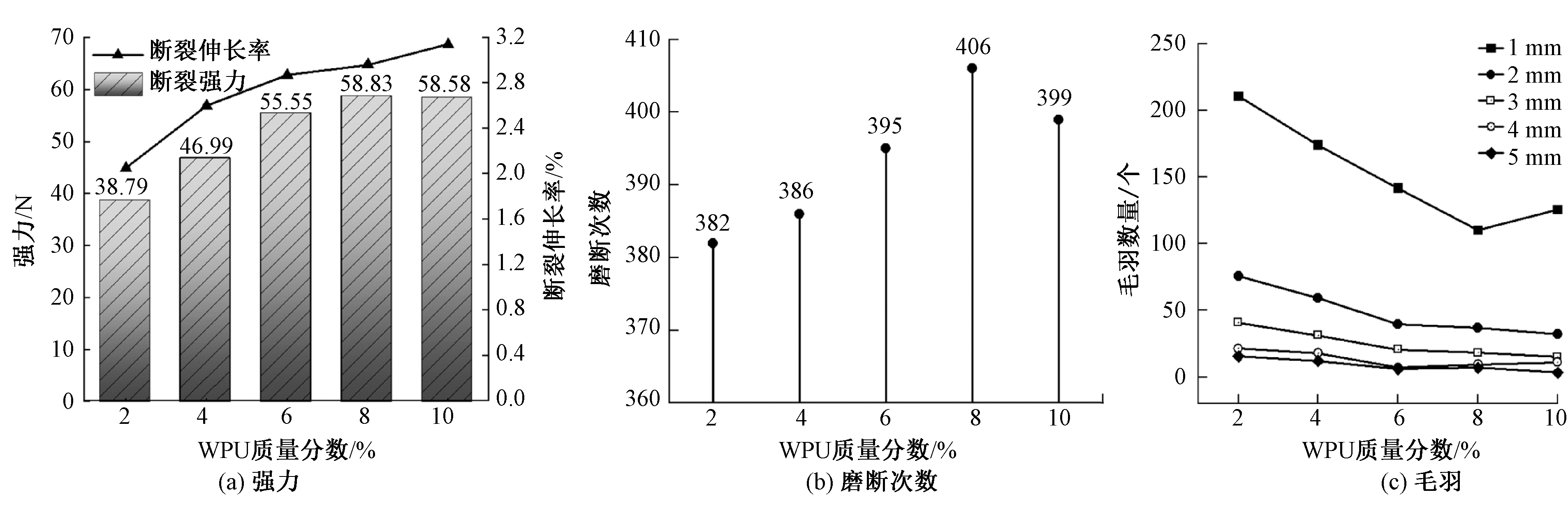
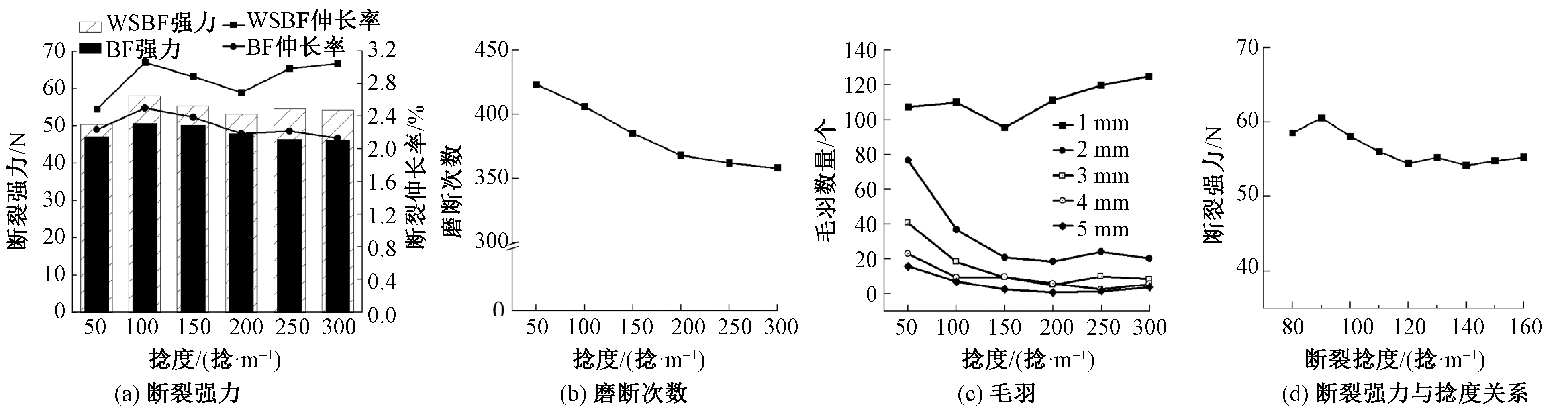
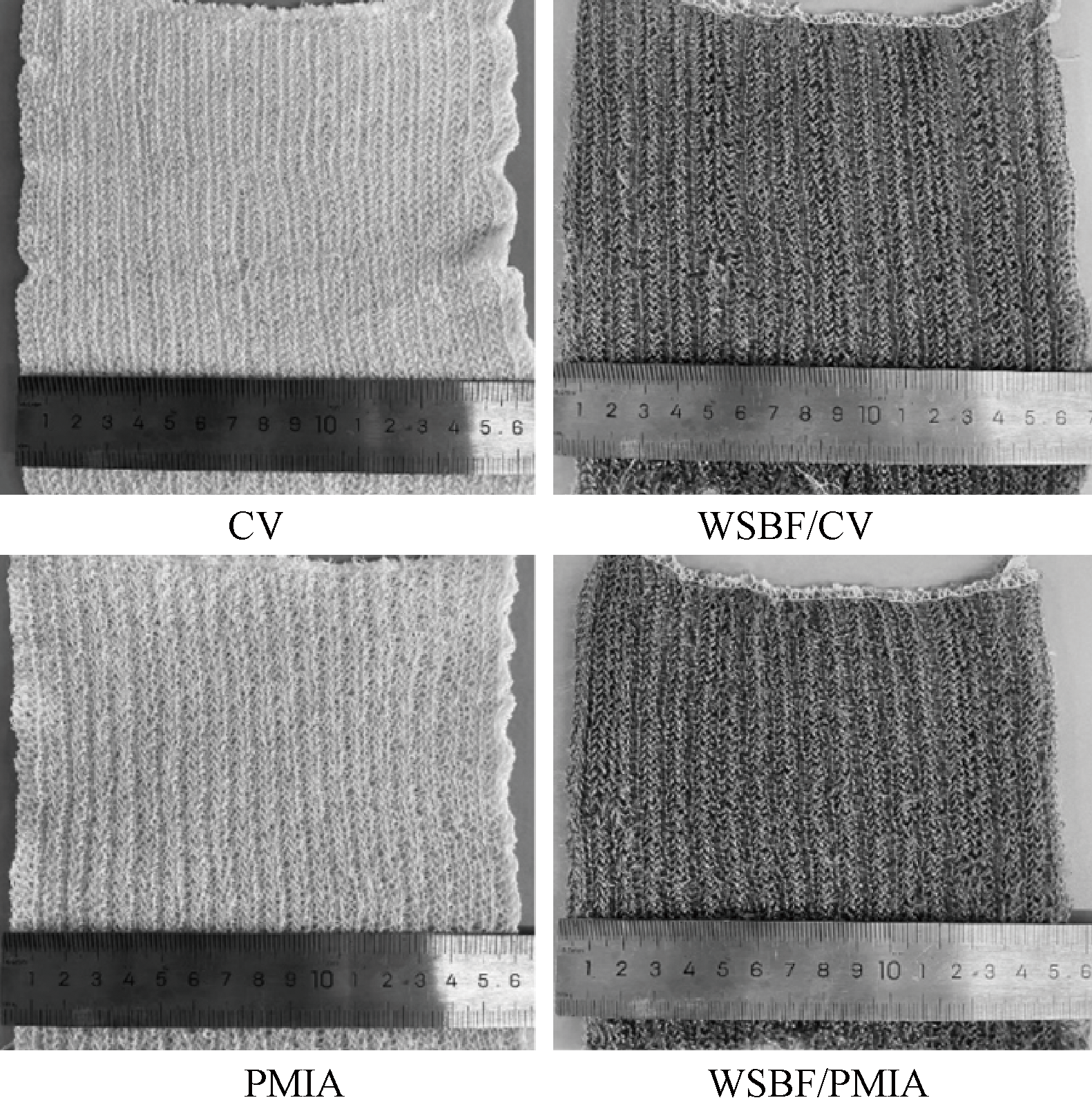
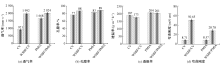
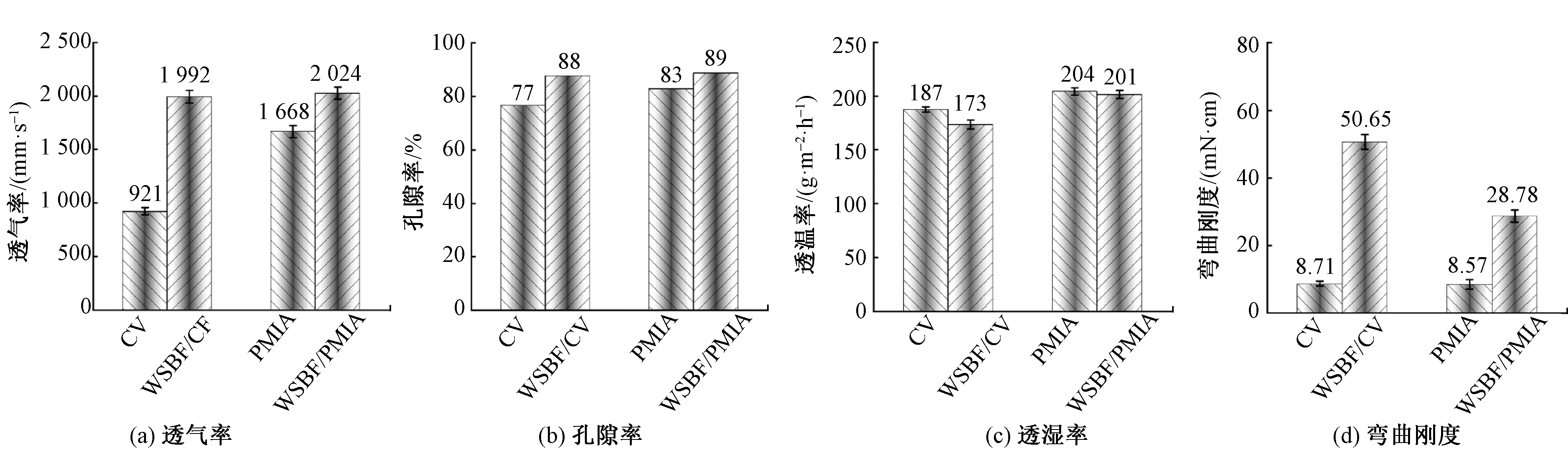
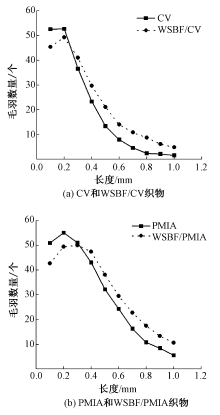
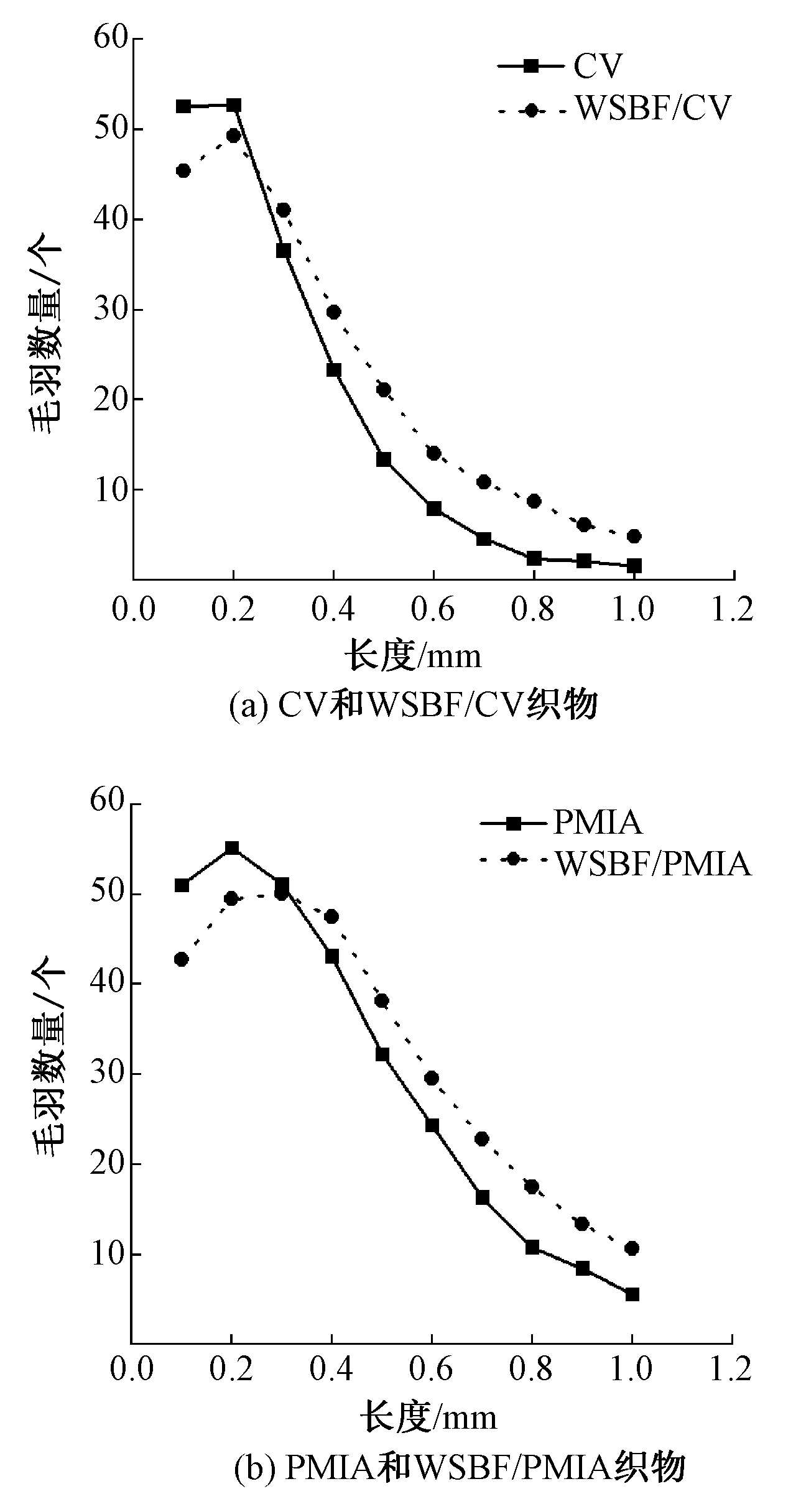
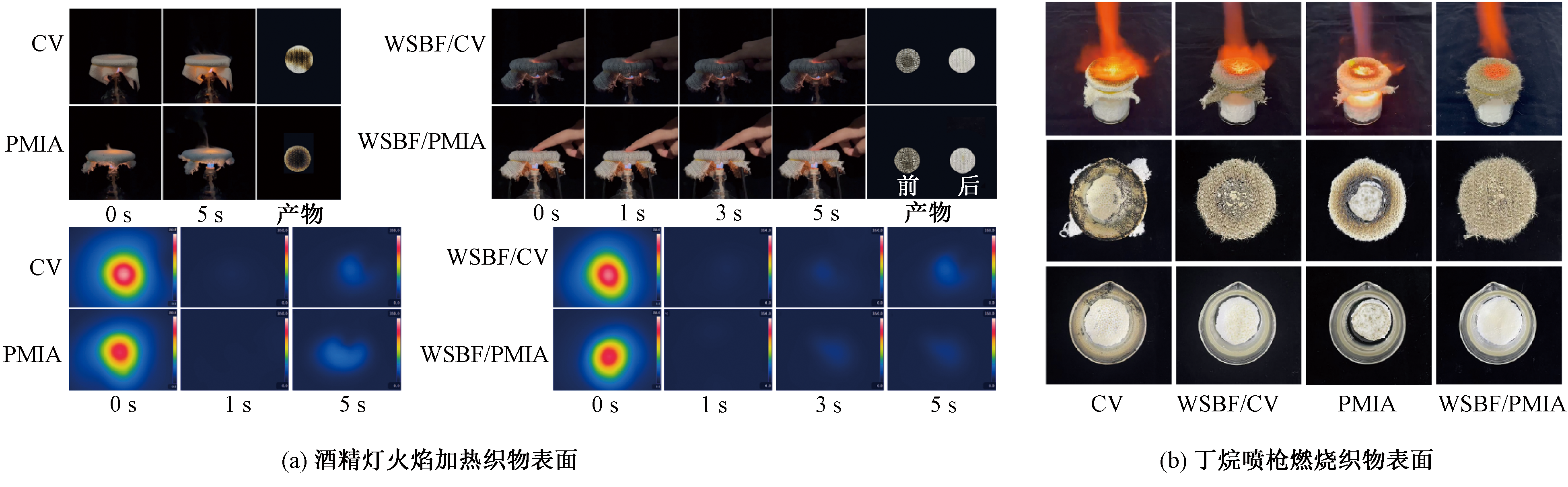
针对高性能玄武岩纤维(BF)易断裂、缺少在纺织服装领域应用的问题,将水性聚氨酯(WPU)和纳米二氧化硅(SiO2)通过掺杂获得WPU/SiO2上浆剂(WS),调控纺纱工艺制备WPU/SiO2改性玄武岩纤维纱线(WSBF),用WSBF分别与市售阻燃粘胶纱线(CV)及间位芳纶(PMIA)纱线混织WSBF/CV和WSBF/PMIA双层针织物。研究结果表明:WPU添加量为8%、SiO2添加量为1%、捻度为90 捻/m、烘燥温度为100 ℃时,WSBF的综合性能最优;WSBF/CV和WSBF/PMIA混织织物较纯CV织物和纯PMIA织物的透气性分别增加了116.3%和21.3%,透湿性保持在92%以上,0.2 mm以下的毛羽减少;垂直燃烧时WSBF/CV织物的阴燃时间缩短,保留了WSBF的完整结构,WSBF/PMIA织物的损毁长度降至5.6 cm;短时间内的火焰直接燃烧,织物表面仍处于人体可接受温度内;1 300 ℃火焰下WSBF/PMIA织物保护的可燃性材料结构完整。综合来讲,WSBF/PMIA织物阻燃防火性最优,且保留了织物舒适性,为高性能无机材料在纺织防护领域的应用扩宽了道路。
中图分类号:
| [1] |
NI H C, WANG C C, ARSLAN M, et al. Enhanced wastewater treatment by modified basalt fiber bio-carriers: effect of etching and surface functionalization[J]. Journal of Cleaner Production, 2022, 343: 130927.
doi: 10.1016/j.jclepro.2022.130927 |
| [2] |
骆春旭, 龚浩然, 吴敏勇, 等. 特种玄武岩缝纫线的制备工艺及其性能[J]. 纺织学报, 2023, 44(11): 61-66.
doi: 10.13475/j.fzxb.20220706801 |
|
LUO Chunxu, GONG Haoran, WU Minyong, et al. Preparation and properties of special basalt sewing threads[J]. Journal of Textile Research, 2023, 44(11): 61-66.
doi: 10.13475/j.fzxb.20220706801 |
|
| [3] |
LI T, JIANG Y S, ZENG L T, et al. Surface sizing introducing Fe3O4 nanoparticles for magnetic properties strengthening of basalt fibers[J]. Ceramics International, 2025, 51(2): 2216-2225.
doi: 10.1016/j.ceramint.2024.11.199 |
| [4] |
LI Y, SUN S Y, ZHOU Y, et al. Influence of air plasma modification power on surface properties of basalt fibers and basalt/poly(butylene succinate) adhesion[J]. Applied Surface Science, 2023, 630: 157416.
doi: 10.1016/j.apsusc.2023.157416 |
| [5] |
WANG K, FU C Y, XU A, et al. Skin-friendly and highly fireproof fabric up to 1 142 ℃ weaved by basalt@polyimide yarns[J]. Composites Part B: Engineering, 2022, 246: 110238.
doi: 10.1016/j.compositesb.2022.110238 |
| [6] | 夏治刚. 多毛羽纱线的高品质再造成纱技术及应用[J]. 纺织高校基础科学学报, 2025, 38(1): 22-24. |
| XIA Zhigang. High-quality reconstruction technology and its application for hairy spun yarns[J]. Basic Sciences Journal of Textile Universities, 2025, 38(1): 22-24. | |
| [7] |
XIA Z G, XU A, XIA Z H, et al. Hierarchical basalt metayarn for ergonomic protective space textiles[J]. Matter, 2025, 8(10): 102481.
doi: 10.1016/j.matt.2025.102481 |
| [8] | 许星, 张金才, 王宝凤, 等. 玄武岩纤维表面改性的研究进展[J]. 硅酸盐通报, 2023, 42(2): 575-586, 606. |
| XU Xing, ZHANG Jincai, WANG Baofeng, et al. Research progress on surface modification of basalt fiber[J]. Bulletin of the Chinese Ceramic Society, 2023, 42(2): 575-586, 606. | |
| [9] | 孙靖宇, 张建伟, 杨超, 等. 连续玄武岩纤维专用浸润剂体系的研究进展[J]. 纺织学报, 2025, 46(3): 245-255. |
| SUN Jingyu, ZHANG Jianwei, YANG Chao, et al. Research progress in sizing agent systems for continuous basalt fibers[J]. Journal of Textile Research, 2025, 46(3): 245-255. | |
| [10] |
刘淑强, 武捷, 吴改红, 等. 纳米SiO2对玄武岩纤维的表面改性[J]. 纺织学报, 2020, 41(12): 37-41.
doi: 10.13475/j.fzxb.20200401105 |
|
LIU Shuqiang, WU Jie, WU Gaihong, et al. Surface modification of basalt fiber using nano-SiO2[J]. Journal of Textile Research, 2020, 41(12): 37-41.
doi: 10.13475/j.fzxb.20200401105 |
|
| [11] |
JIA H, QIAO Y, ZHANG Y, et al. Excellent and effective interfacial transition layer with an organic/inorganic hybrid carbon nanotube network structure for basalt fiber reinforced high-performance thermoplastic composites[J]. Chemical Engineering Journal, 2023, 465: 142995.
doi: 10.1016/j.cej.2023.142995 |
| [12] |
QI M Y, XIAO G W, GU B, et al. Construction of an organic/inorganic coating on basalt fiber to reinforce mechanical properties and helical structural stability[J]. Journal of Materials Research and Technology, 2025, 35: 6916-6928.
doi: 10.1016/j.jmrt.2025.03.077 |
| [1] | 陈欣, 干梦婷, 兰含宇, 赵昕, 张清华. 超临界CO2流体对聚酰亚胺纤维结构及其性能的影响[J]. 纺织学报, 2026, 47(02): 10-17. |
| [2] | 孔珂欣, 张怡帆, 卢哲, 王哲. 载钴钌原子无机微纳米纤维的制备及其电催化水分解性能[J]. 纺织学报, 2026, 47(02): 26-36. |
| [3] | 魏建斐, 魏艳颖, 马超慧, 胡晓鹏, 邴琳涵, 樊瑜, 林彬泽, 董振峰, 朱志国, 王锐. 碳点的宏量制备及其对聚酰胺66阻燃与力学性能协同增强机制[J]. 纺织学报, 2026, 47(02): 37-46. |
| [4] | 王彬, 侯泽明, 徐英俊, 王玉忠. 高阻燃性再生纤维素纤维的制备及其性能[J]. 纺织学报, 2026, 47(02): 47-55. |
| [5] | 张纪超, 刘昱辰, 张豪, 耿嘉骏, 蔡硕, 杨茹梦, 刘莹, 魏朋. 单体组分对萘基液晶聚芳酯纤维结构与性能的调控[J]. 纺织学报, 2026, 47(02): 65-72. |
| [6] | 兰含宇, 陈欣, 梁东旭, 赵昕, 张清华. 高强聚酰亚胺织物在多环境因素下的老化行为[J]. 纺织学报, 2026, 47(01): 151-158. |
| [7] | 董振峰, 张安莹, 魏建斐, 朱志国, 王锐. 阻燃左旋聚乳酸/季戊四醇磷酸酯纤维及织物的制备与性能[J]. 纺织学报, 2026, 47(01): 63-71. |
| [8] | 候志文, 任泽苹, 王晓宁, 张天骄. 棉织物的壳聚糖/海藻酸盐抗菌阻燃整理及其性能[J]. 纺织学报, 2025, 46(12): 171-180. |
| [9] | 史芷丞, 陈凤翔, 王梦云, 白洁, 李娟, 白濛, 伏广伟, 徐卫林. 面向空天应用的高性能无机纤维及制品发展现状及趋势[J]. 纺织学报, 2025, 46(12): 233-242. |
| [10] | 谢宜轩, 钟林, 徐柠浩, 黄晓梅, 曹海建. 三维深角联芳纶织物/环氧树脂复合材料的弯曲性能[J]. 纺织学报, 2025, 46(11): 118-125. |
| [11] | 李欣田, 周玄, 王展翾, 杜忠华, 徐立志. 层数与铺层方式对多层芳纶平纹织物抗侵彻性能的影响[J]. 纺织学报, 2025, 46(11): 126-136. |
| [12] | 袁颖, 滕凤冬, 曹煜彤, 于俊荣, 李娜, 胡祖明, 王彦. 高模量对位芳纶研究进展[J]. 纺织学报, 2025, 46(11): 238-246. |
| [13] | 郭艳文, 夏蕊, 黄晓梅, 陈红霞, 曹海建. 经纬向紧度比对三维浅交弯联机织复合材料拉伸性能的影响[J]. 纺织学报, 2025, 46(10): 103-110. |
| [14] | 高敏, 程春祖, 徐中凯, 赵庆波, 张东, 代欣欣. 含硅改性磷氮阻燃Lyocell纤维的制备及其性能[J]. 纺织学报, 2025, 46(10): 19-29. |
| [15] | 许云凯, 宋婉萌, 张旭, 刘云. 单宁酸基高效阻燃Lyocell织物的制备及其性能[J]. 纺织学报, 2025, 46(08): 145-153. |
|
||
 京公网安备11010502044800号