纺织学报 ›› 2026, Vol. 47 ›› Issue (03): 70-76.doi: 10.13475/j.fzxb.20250901701

• 生物医用材料 • 上一篇    下一篇

导电各向异性复合心脏补片的熔体静电纺丝/直写构建及体外评价

李好义1,2, 田鑫哲1,2, 张毅1,2, 牟文英3, 张超1,2(), 赵千龙1,2, 杨卫民1,2   

  1. 1 北京化工大学 生物医用材料北京实验室, 北京 100029
    2 北京化工大学 机电工程学院, 北京 100029
    3 首都医科大学附属北京安贞医院, 北京 100029
  • 收稿日期:2025-09-05 修回日期:2026-01-29 出版日期:2026-03-15 发布日期:2026-03-15
  • 通讯作者: 张超(1986—),男,讲师,博士。研究方向为高分子材料加工及复合材料绿色制造。E-mail:2014500015@buct.edu.cn
  • 作者简介:李好义(1987—),男,副教授,博士。主要研究方向为微纳米纤维的先进制备及其应用。

Fabrication and in vitro evaluation of conductive anisotropic composite cardiac patch via melt electrospinning/electrowriting

LI Haoyi1,2, TIAN Xinzhe1,2, ZHANG Yi1,2, MOU Wenying3, ZHANG Chao1,2(), ZHAO Qianlong1,2, YANG Weimin1,2   

  1. 1 Beijing Laboratory of Biomedical Materials, Beijing University of Chemical Technology, Beijing 100029, China
    2 College of Mechanical and Electrical Engineering, Beijing University of Chemical Technology, Beijing 100029, China
    3 Beijing Anzhen Hospital of Capital Medical University, Beijing 100029, China
  • Received:2025-09-05 Revised:2026-01-29 Published:2026-03-15 Online:2026-03-15

摘要:

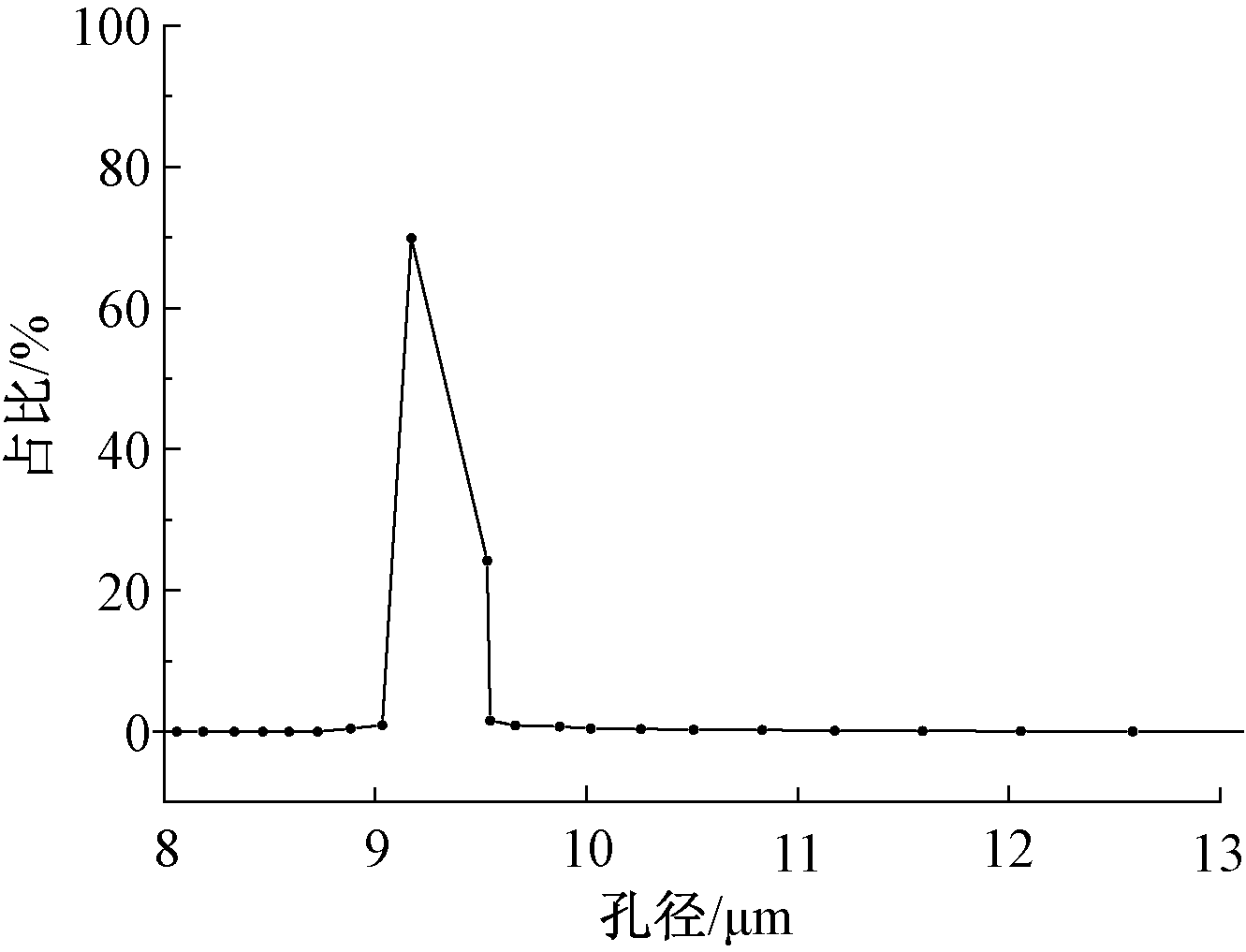
针对现有心脏补片难以同时模拟天然心肌复杂的力学各向异性与电生理传导功能,从而限制心肌修复效果这一难题,采用熔体微分静电纺丝与熔体静电纺直写相结合的双重成形工艺,开发了一种集结构仿生与功能集成于一体的复合补片。首先,采用微分静电纺构建具有高孔隙率的微米级聚己内酯(PCL)纤维膜作为基底,以防止细胞渗漏;随后,利用静电直写技术在基底上沉积具有特定取向的菱形PCL骨架,通过调控网格角度实现力学各向异性定制;最后,经碳纳米管(CNTs)超声分散涂层处理赋予支架导电属性,并对其进行理化性能与生物学评价。结果表明,超细纤维基底膜(平均孔径为9.36 μm)可有效防止细胞渗漏;菱形PCL支架通过调控结构参数实现力学各向异性(70°支架纵横向弹性模量比达3.55,接近天然心肌);结合超声分散CNTs后处理赋予支架导电性(纵向电导率为1.15×10⁻³ S/cm);体外实验结果显示,该补片细胞存活率大于90%,且能有效诱导大鼠H9c2心肌细胞沿纤维方向定向黏附与生长。

关键词: 心脏补片, 熔体静电纺直写, 熔体微分静电纺丝, 导电支架, 聚己内酯, 碳纳米管, 医用纺织材料

Abstract:

Objective Current cardiac patches often fail to simultaneously replicate the complex mechanical anisotropy and electrical conductivity of native myocardium, limiting their efficacy in tissue repair. This study aims to develop a hierarchical composite patch integrating structural biomimicry with functional electrical properties. By combining structural design with material modification, the research provides a multi-dimensional platform that supports cell retention, mimics heart tissue mechanics, and facilitates electrical signal propagation for myocardial regeneration.

Method A dual-process manufacturing strategy combining melt differential electrospinning and melt electrowriting (MEW) was employed using polycaprolactone (PCL) and carbon nanotubes (CNTs). First, a PCL microfiber base membrane was fabricated via differential electrospinning to serve as a cell barrier. Subsequently, a rhombus-patterned PCL backbone was deposited onto the membrane using MEW, with grid angles adjusted to customize mechanical anisotropy. Finally, multi-walled CNTs were coated onto the scaffold via ultrasonic dispersion to confer conductivity. The patches underwent physicochemical characterization and in vitro evaluation with H9c2 cardiomyocytes.

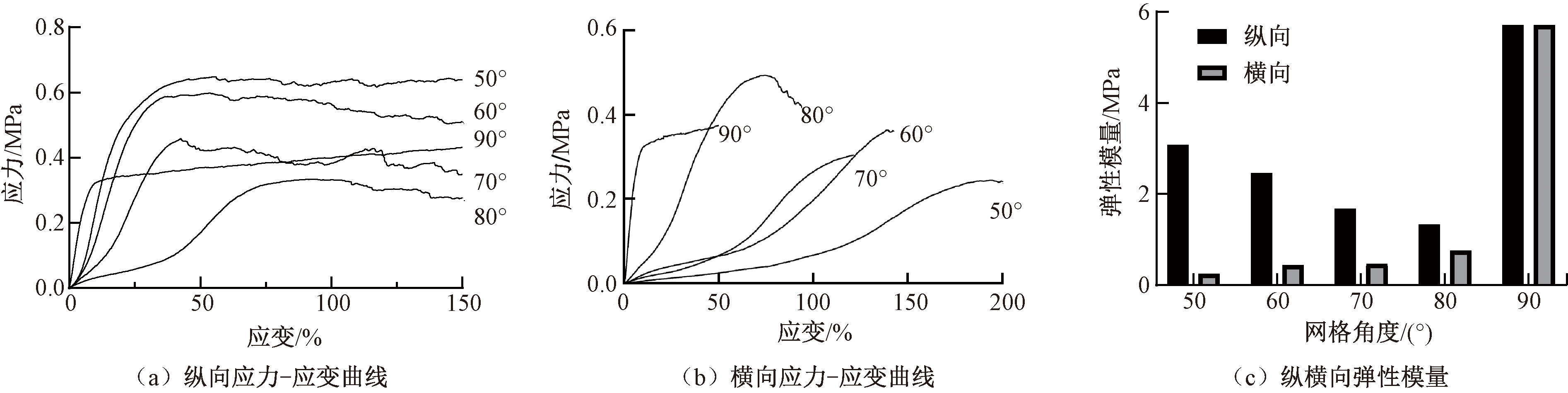
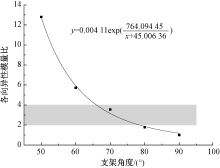
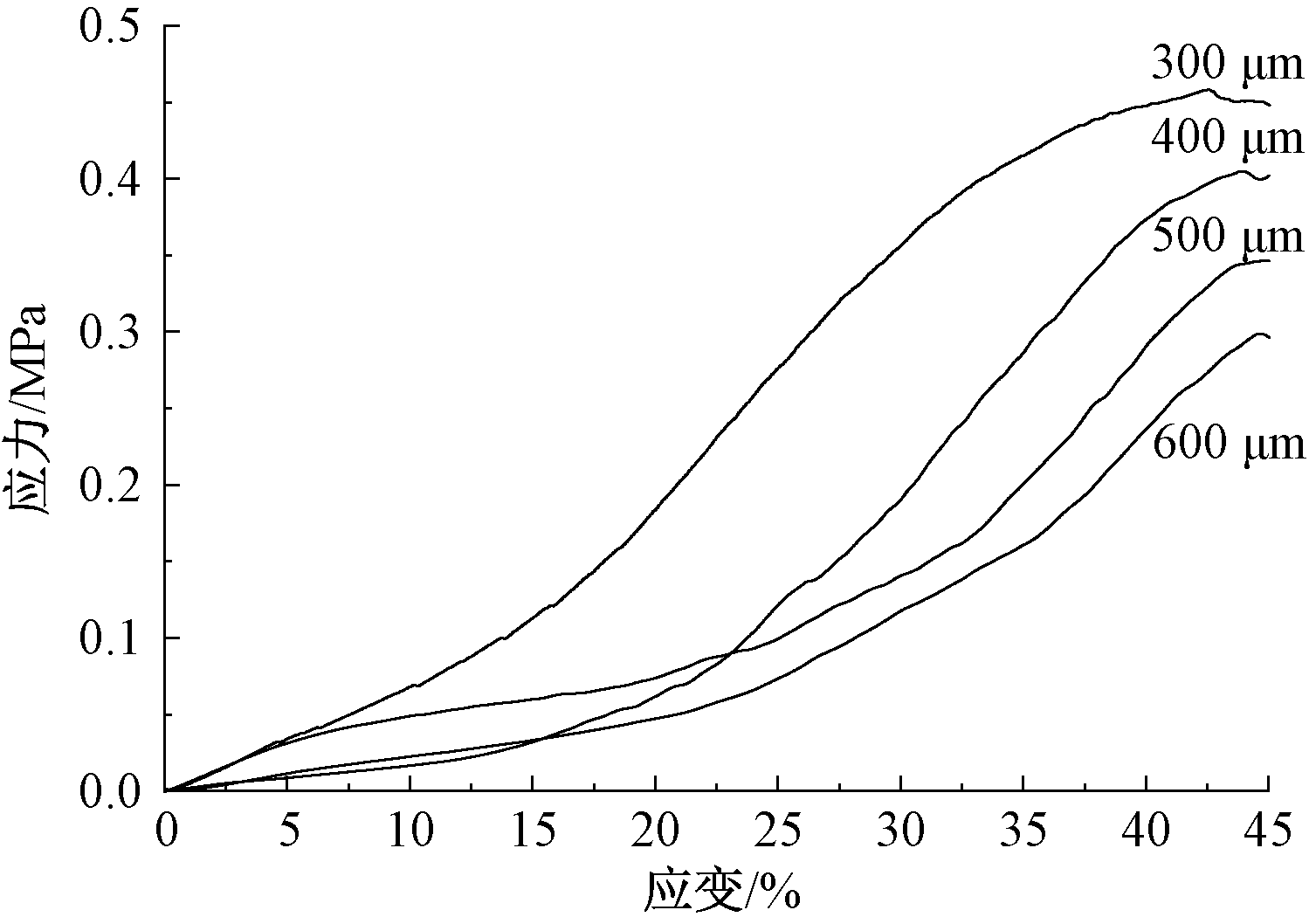
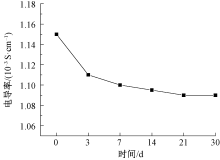
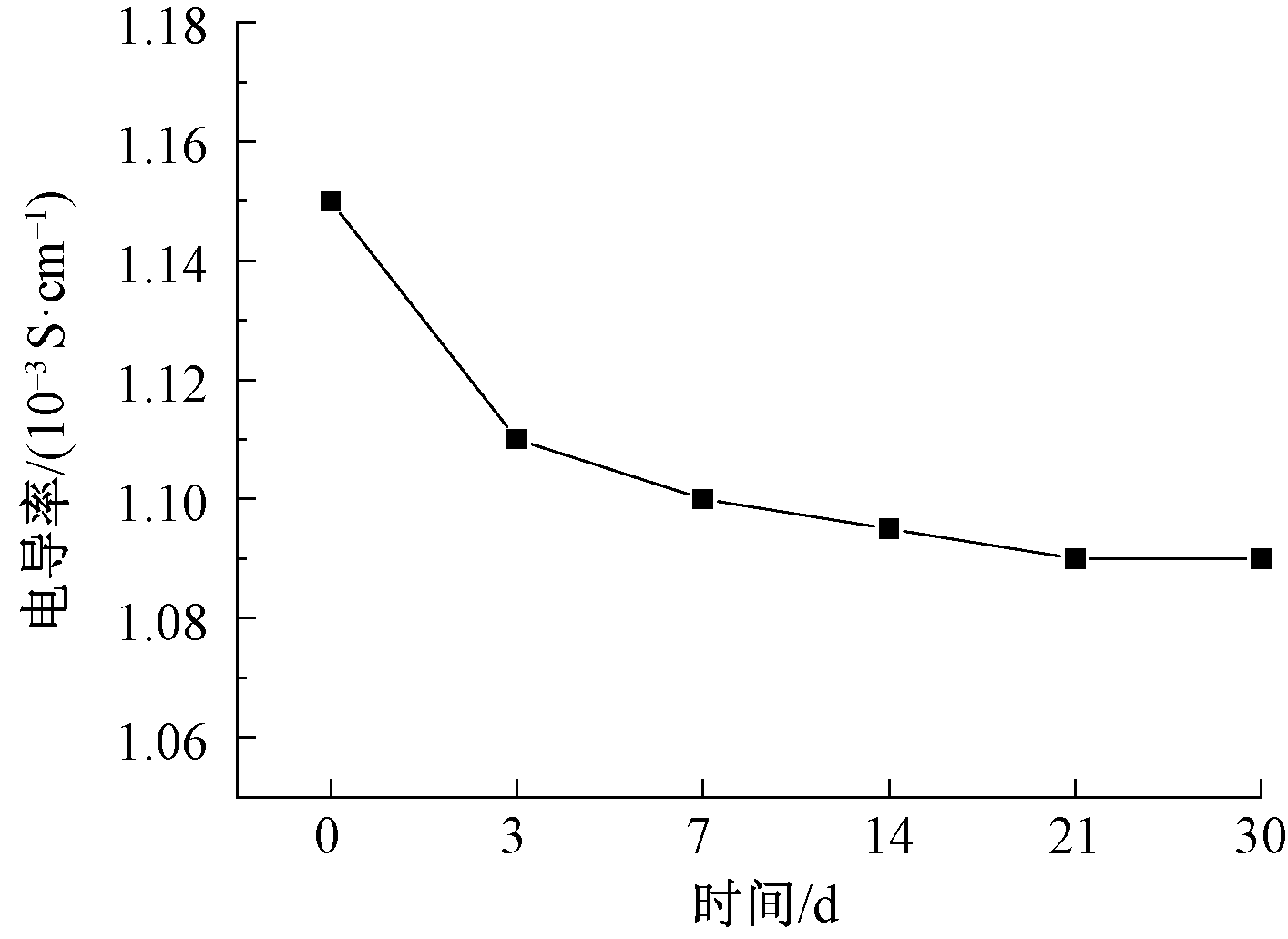
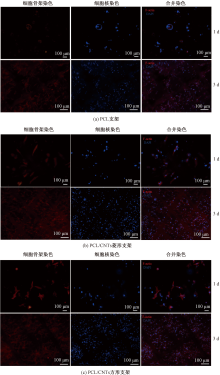
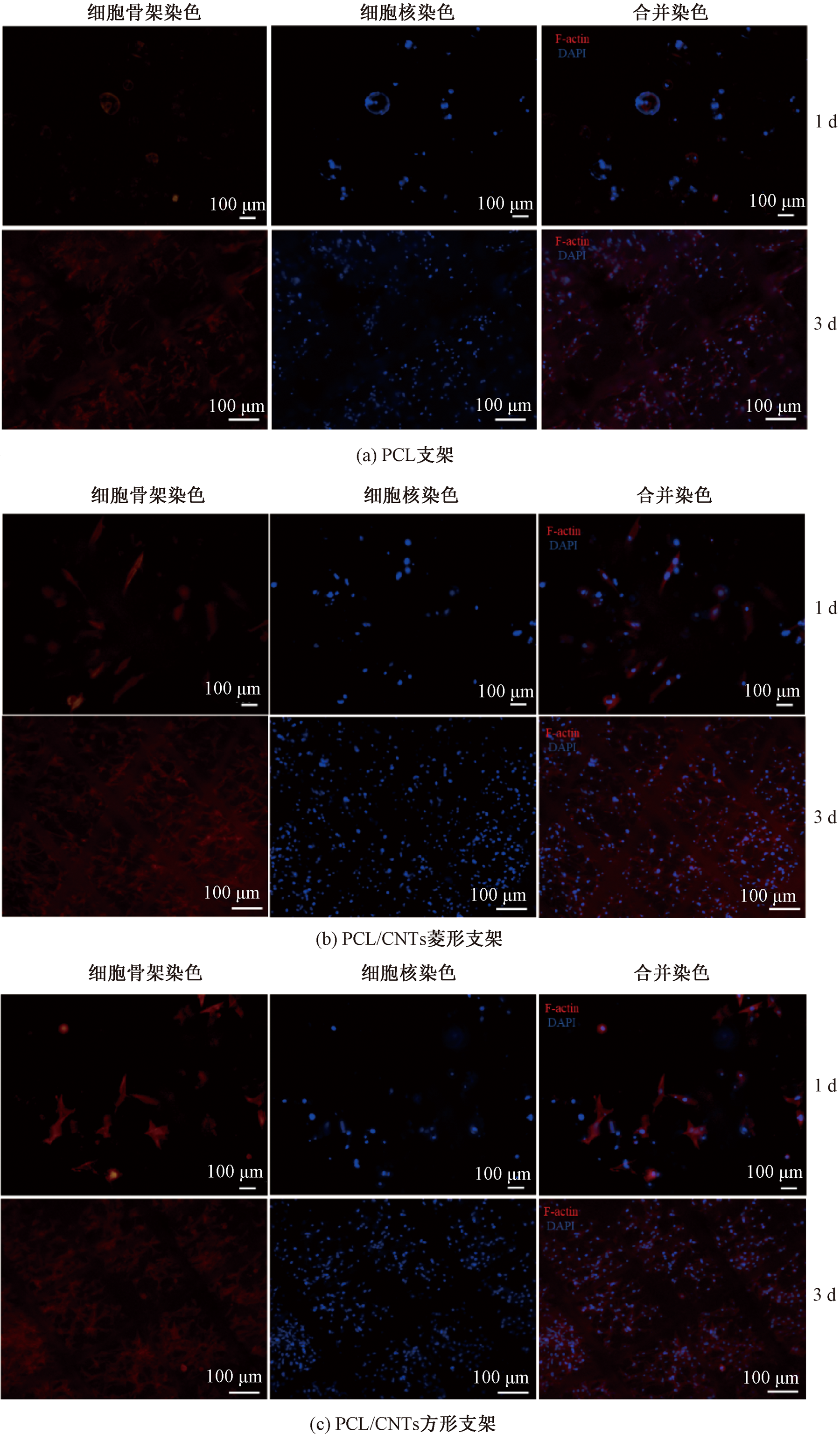
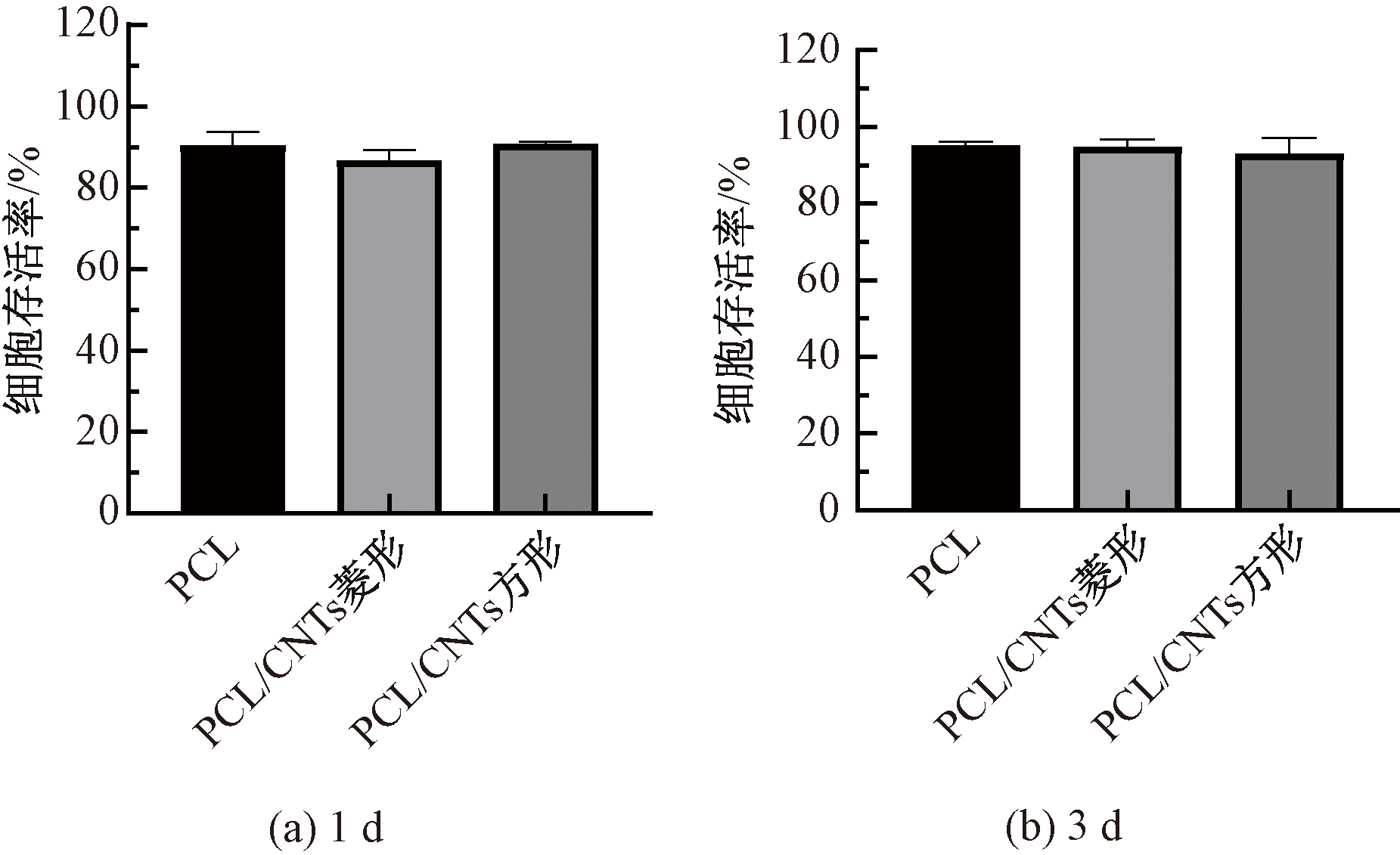
Results Characterization revealed that the melt-electrospun substrate membrane were 9.36 μm, effectively preventing cell leakage while maintaining permeability. The MEW process successfully modulated mechanical properties, the stent with a 70° grid angle exhibited a non-linear J-shaped stress-strain behavior and a longitudinal-to-transverse elastic modulus ratio of 3.55, falling within the physiological range of native myocardium (1.9-3.9). Decreasing the grid angle enhanced longitudinal strength, with the 50° stent achieving peak longitudinal modulus. Following ultrasonic CNT treatment, the stent achieved a longitudinal conductivity of 1.15×10⁻³ S/cm. Stability tests in physiological conditions showed a slight initial conductivity decay, stabilizing at 1.09×10⁻³ S/cm after 21 d. Biologically, the composite patch demonstrated excellent biocompatibility, with cell viability exceeding 90% after 3 d culture. Crucially, fluorescence staining indicated that the anisotropic rhombic topology and conductive cues synergistically induced H9c2 cardiomyocytes to adhere, spread, and align along the fiber direction, significantly improving morphological maturation compared to isotropic controls.

Conclusion This study successfully constructed a hierarchical PCL/CNTs cardiac patch that overcomes the limitations of conventional isotropic stent. By innovating the anti-leakage substrate + anisotropic skeleton + conductive coating strategy, the patch achieves precise matching of myocardial mechanics and restores electrical connectivity. The 70° diamond-shaped structure provides effective contact guidance cues, promoting cardiomyocyte alignment, while the CNT integration facilitates electrical functionality. These results suggest that the composite patch offers a promising biomimetic strategy for preventing ventricular remodeling and promoting functional recovery in myocardial infarction treatment. Future work will focus on in vivo implantation to assess tissue integration, vascularization, and long-term biodegradation kinetics.

Key words: cardiac patch, melt electrowriting, melt differential electrospinning, conductive stent, polycaprolactone, carbon nanotube, medical textile material

中图分类号: 

  • TS 106. 5

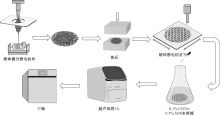
图1

复合补片制备流程图"

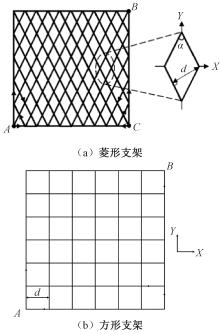
图2

补片支架形状与打印路径示意图 注:α为网格角度;d为纤维间距;X代表横向;Y代表纵向。"

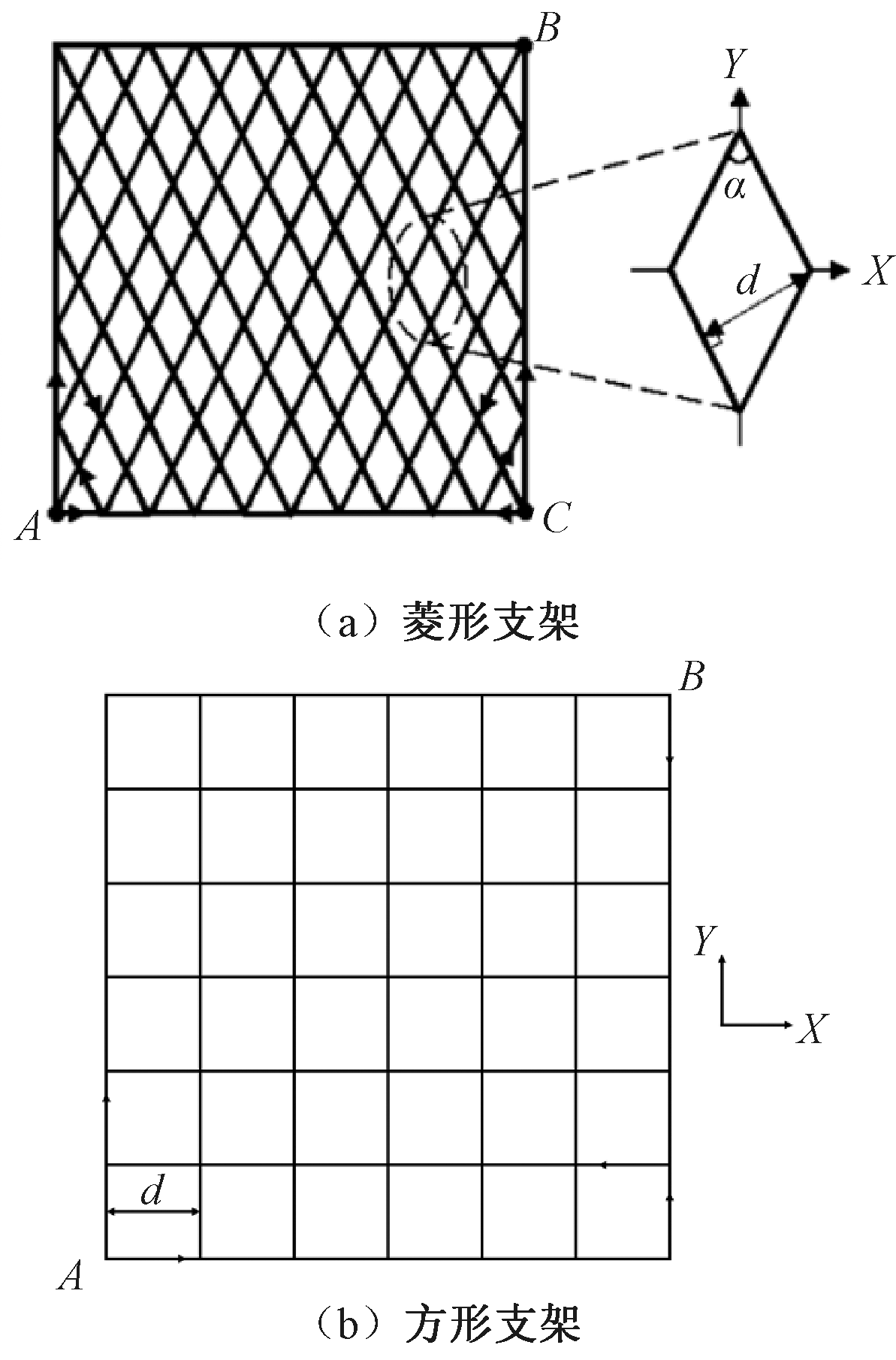
图3

50°~90°网格支架的力学性能"

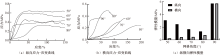
图4

不同网格角度支架的各向异性模量比"

图5

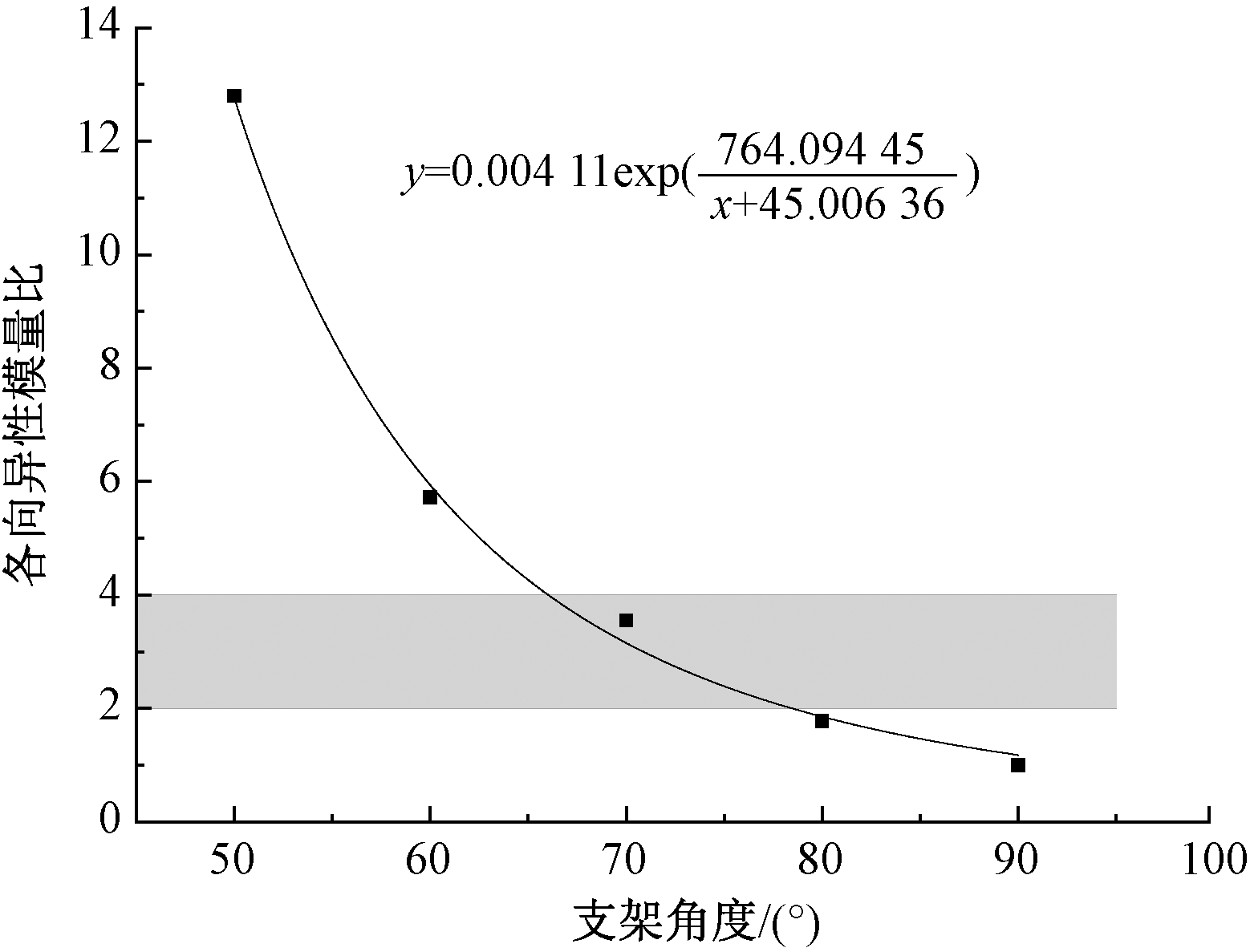
不同纤维间距下支架的力学性能"

图6

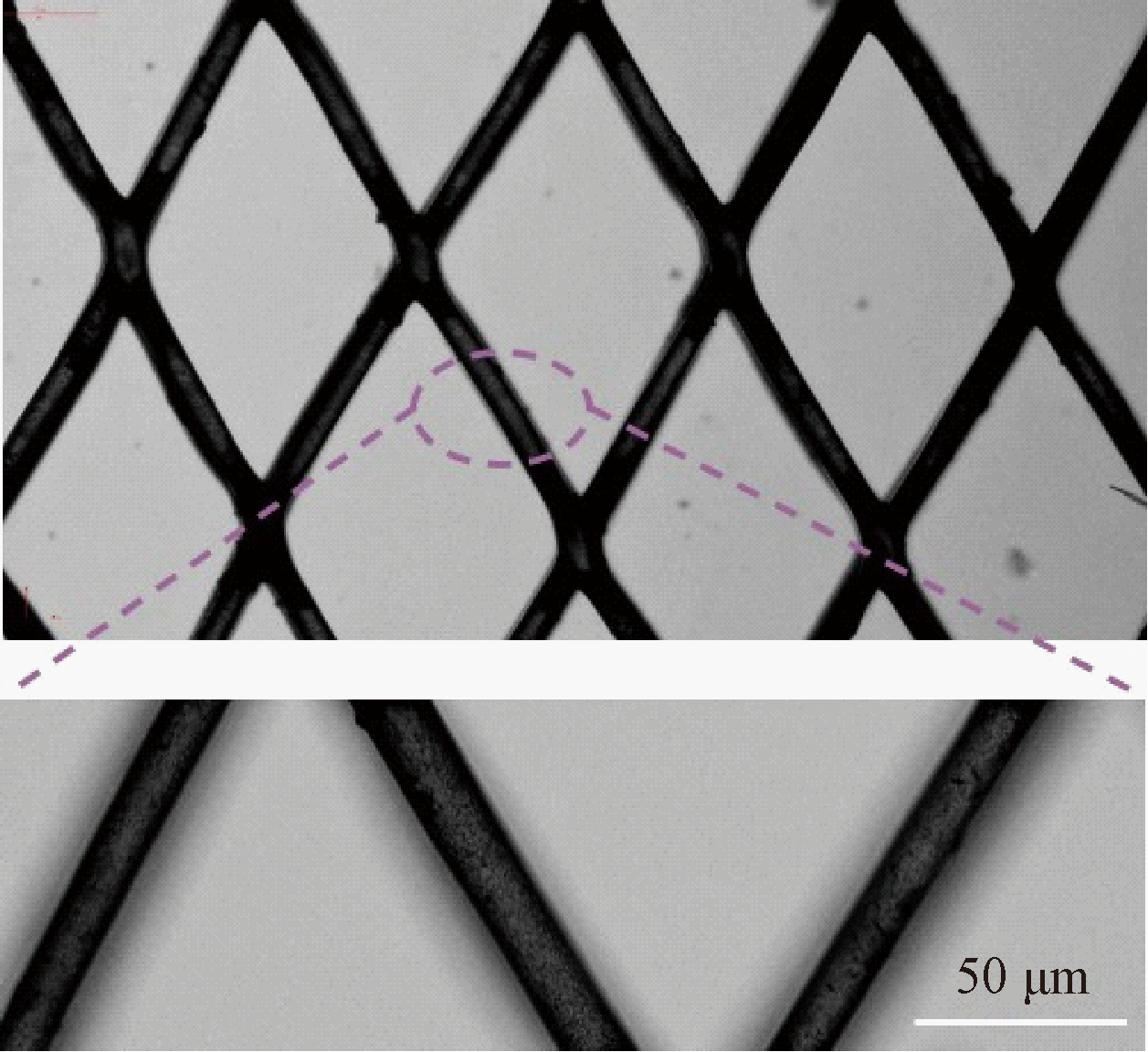
PCL/CNTs超声处理后支架的光学显微镜照片"

图7

支架电导率衰减与时间关系"

图8

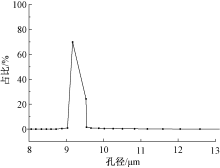
基底膜孔径分布"

图9

荧光显微镜下大鼠H9c2心肌细胞在不同支架的骨架染色情况"

图10

不同支架在细胞培养1 d和3 d的细胞存活率"

[1] ROTH G A, JOHNSON C, ABAJOBIR A, et al. Global, regional, and national burden of cardiovascular diseases for 10 causes, 1990 to 2015[J]. Journal of the American College of Cardiology, 2017, 70(1): 1-25.
doi: S0735-1097(17)37244-3 pmid: 28527533
[2] SHARMA D, FERGUSON M, KAMP T J, et al. Constructing biomimetic cardiac tissues: a review of scaffold materials for engineering cardiac patches[J]. Emergent Materials, 2019, 2(2): 181-191.
doi: 10.1007/s42247-019-00046-4
[3] TENREIRO M F, LOURO A F, ALVES P M, et al. Next generation of heart regenerative therapies: progress and promise of cardiac tissue engineering[J]. NPJ Regenerative Medicine, 2021, 6: 30.
doi: 10.1038/s41536-021-00140-4 pmid: 34075050
[4] PARIZADEH S M, JAFARZADEH-ESFEHANI R, GHANDEHARI M, et al. Stem cell therapy: a novel approach for myocardial infarction[J]. Journal of Cellular Physiology, 2019, 234(10): 16904-16912.
doi: 10.1002/jcp.28381 pmid: 30811054
[5] MCMAHAN S, TAYLOR A, COPELAND K M, et al. Current advances in biodegradable synthetic polymer based cardiac patches[J]. Journal of Biomedical Materials Research Part A, 2020, 108(4): 972-983.
doi: 10.1002/jbm.a.36874 pmid: 31895482
[6] CHANG T Q, LIU C X, LU K Y, et al. Biomaterials based cardiac patches for the treatment of myocardial infarction[J]. Journal of Materials Science & Technology, 2021, 94: 77-89.
[7] 陈明军, 张有忱, 李好义, 等. 熔体微分静电纺丝纳米纤维高效绿色制备技术[J]. 北京化工大学学报(自然科学版), 2018, 45(5): 119-128.
doi: 10.13543/j.bhxbzr.2018.05.014
CHEN Mingjun, ZHANG Youchen, LI Haoyi, et al. Nanofiber preparation technology by melt differential electrospinning with high efficiency in the absence of a solvent[J]. Journal of Beijing University of Chemical Technology (Natural Science Edition), 2018, 45(5): 119-128.
[8] 雷文龙, 张莉彦, 李轶, 等. 熔体电纺直写技术的成型工艺精度[J]. 工程塑料应用, 2018, 46(12): 58-62.
LEI Wenlong, ZHANG Liyan, LI Yi, et al. Precision of molding process of melt electrospinning direct writing technology[J]. Engineering Plastics Application, 2018, 46(12): 58-62.
[9] ONGSTAD E, KOHL P. Fibroblast-myocyte coupling in the heart: potential relevance for therapeutic interventions[J]. Journal of Molecular and Cellular Cardiology, 2016, 91: 238-246.
doi: 10.1016/j.yjmcc.2016.01.010 pmid: 26774702
[1] 何崟, 郭成, 梁文静, 温德华, 苏建军, 刘皓. 基于共轭纺镀银锦纶包芯纱线的多功能传感器[J]. 纺织学报, 2026, 47(03): 139-147.
[2] 林晓静, 毛迎, 陈文兴, 吕汪洋. 载姜黄素静电纺丝纤维膜的制备及其抗菌与抗氧化性能[J]. 纺织学报, 2026, 47(03): 217-224.
[3] 刘金枝, 赵回汇, 吴焕友, 张建明, 高晶. 壳聚糖/聚己内酯取向纳米纤维膜的结构调控与物理引导作用[J]. 纺织学报, 2026, 47(03): 9-17.
[4] 张苒, 祝仕玲, 王栋, 刘琼珍, 陆莹. 硫化铋/碳纳米管/聚偏二氟乙烯复合温度传感纤维的制备与性能[J]. 纺织学报, 2026, 47(02): 18-25.
[5] 张苗, 曹高涛, 俞丹, 王玉. 阻抗不对称型三维间隔织物的制备及其电磁屏蔽性能[J]. 纺织学报, 2026, 47(02): 239-246.
[6] 王小虎, 包安娜, 魏静雯, 赵晓曼, 韩潇, 洪剑寒. 基于静电纺丝-静电喷涂协同工艺的跨尺度传感纱一步法制备及其应用[J]. 纺织学报, 2025, 46(12): 101-109.
[7] 权英, 张爱琴, 张曼, 刘淑强, 张钰晶. 基于三维编织结构的柔性应变传感器制备及其性能[J]. 纺织学报, 2025, 46(08): 136-144.
[8] 孙晚红, 张鹏飞, 陈勇, 张林, 潘跃山, 宋飞虎, 刘恩星, 王玉萍. 智能发热服装用柔性碳纳米管电加热元件的制备及应用[J]. 纺织学报, 2025, 46(05): 17-22.
[9] 李润, 常梓洋, 张如范. 碳纳米管功能纤维的可控制备与性能调控研究进展[J]. 纺织学报, 2025, 46(05): 30-40.
[10] 廖昙倩, 李文雅, 杨晓宇, 赵静娜, 张骁骅. 碳纳米管/聚乙二醇复合相变纤维的制备及其热性能[J]. 纺织学报, 2025, 46(03): 9-16.
[11] 张蕊, 叶苏娴, 王建, 邹专勇. 全织物型离电式柔性压力传感器的制备及其性能[J]. 纺织学报, 2025, 46(02): 113-121.
[12] 张喆, 王瑞, 蔡涛. 图案化耐久水性聚氨酯/碳纳米管涂层多功能抗静电复合织物的高效经济制备[J]. 纺织学报, 2025, 46(02): 207-217.
[13] 赵方, 邵光伟, 邵慧奇, 毕思伊, 李明昊, 海文清, 张鑫, 姜子洋, 蒋金华, 陈南梁. 镍/铜/镍-碳纳米管复合纱线的制备及其性能[J]. 纺织学报, 2024, 45(12): 144-151.
[14] 张蕊, 应迪, 陈冰冰, 田欣, 郑莹莹, 王建, 邹专勇. 碳纳米管修饰三维纤维网非织造布传感器的制备及其性能[J]. 纺织学报, 2024, 45(11): 46-54.
[15] 卢道坤, 王仕飞, 董倩, 史纳蔓, 李思琦, 干露露, 周爽, 沙莎, 张如全, 罗磊. 基于MXene的导电织物构筑及其多功能应用[J]. 纺织学报, 2024, 45(09): 137-145.
Viewed
Full text


Abstract

Cited

  Shared   
  Discussed   
No Suggested Reading articles found!