纺织学报 ›› 2026, Vol. 47 ›› Issue (03): 139-147.doi: 10.13475/j.fzxb.20250903001
何崟1,2,3,4( ), 郭成1,2,4, 梁文静1, 温德华1,2,4, 苏建军1,2,4, 刘皓1,2,3,4
HE Yin1,2,3,4(), GUO Cheng1,2,4, LIANG Wenjing1, WEN Dehua1,2,4, SU Jianjun1,2,4, LIU Hao1,2,3,4
摘要:
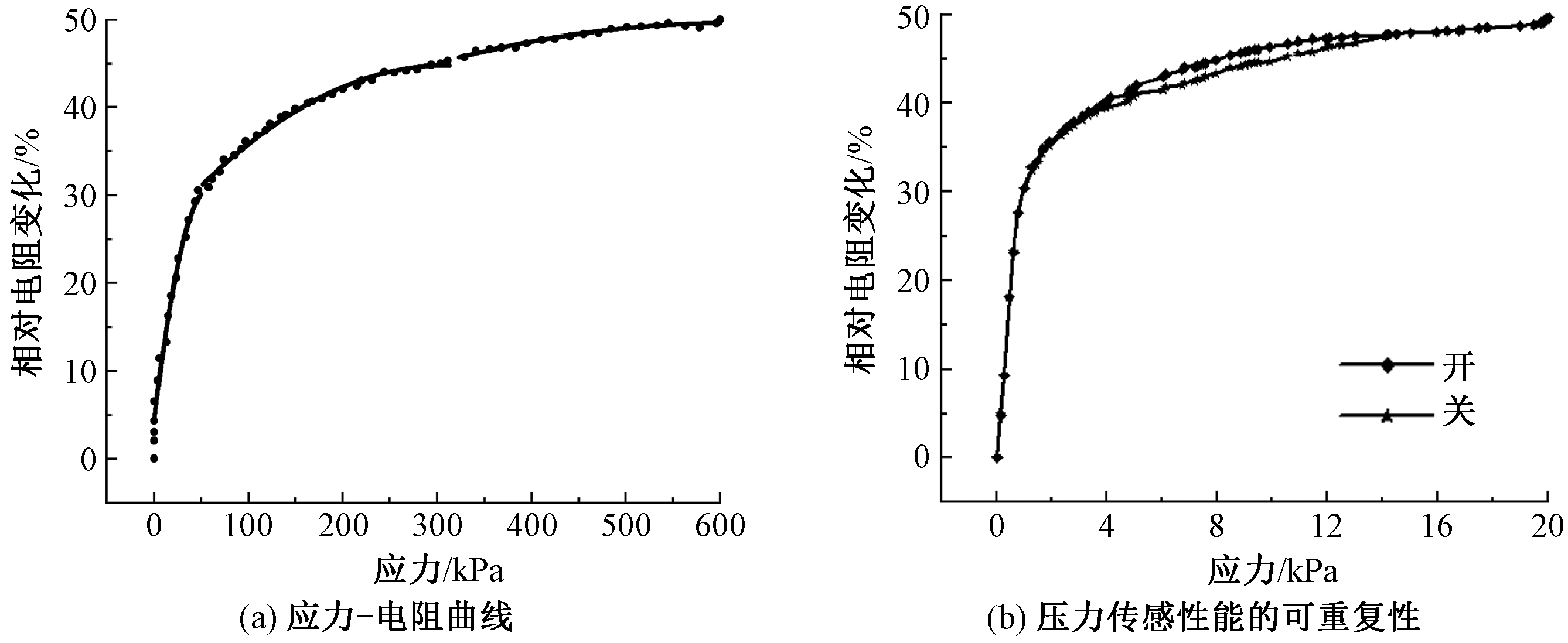
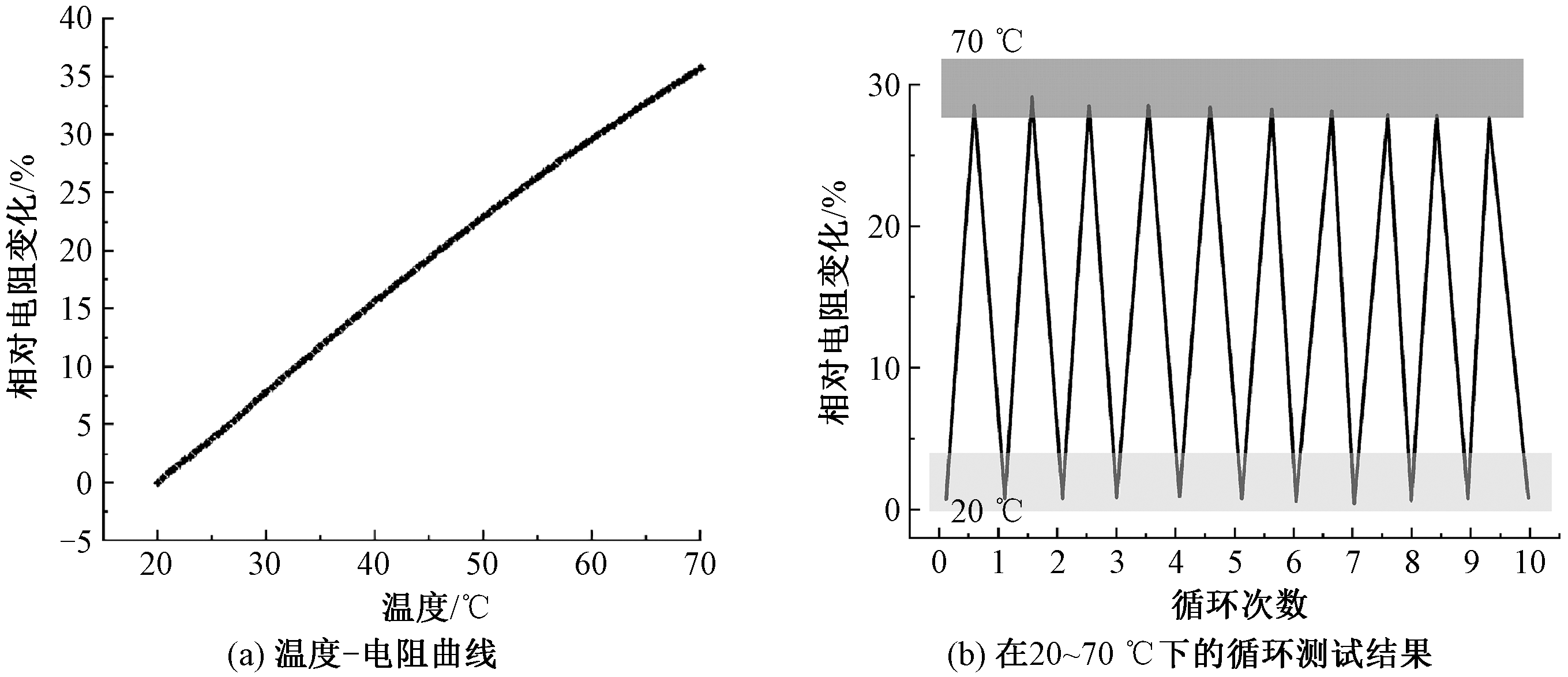
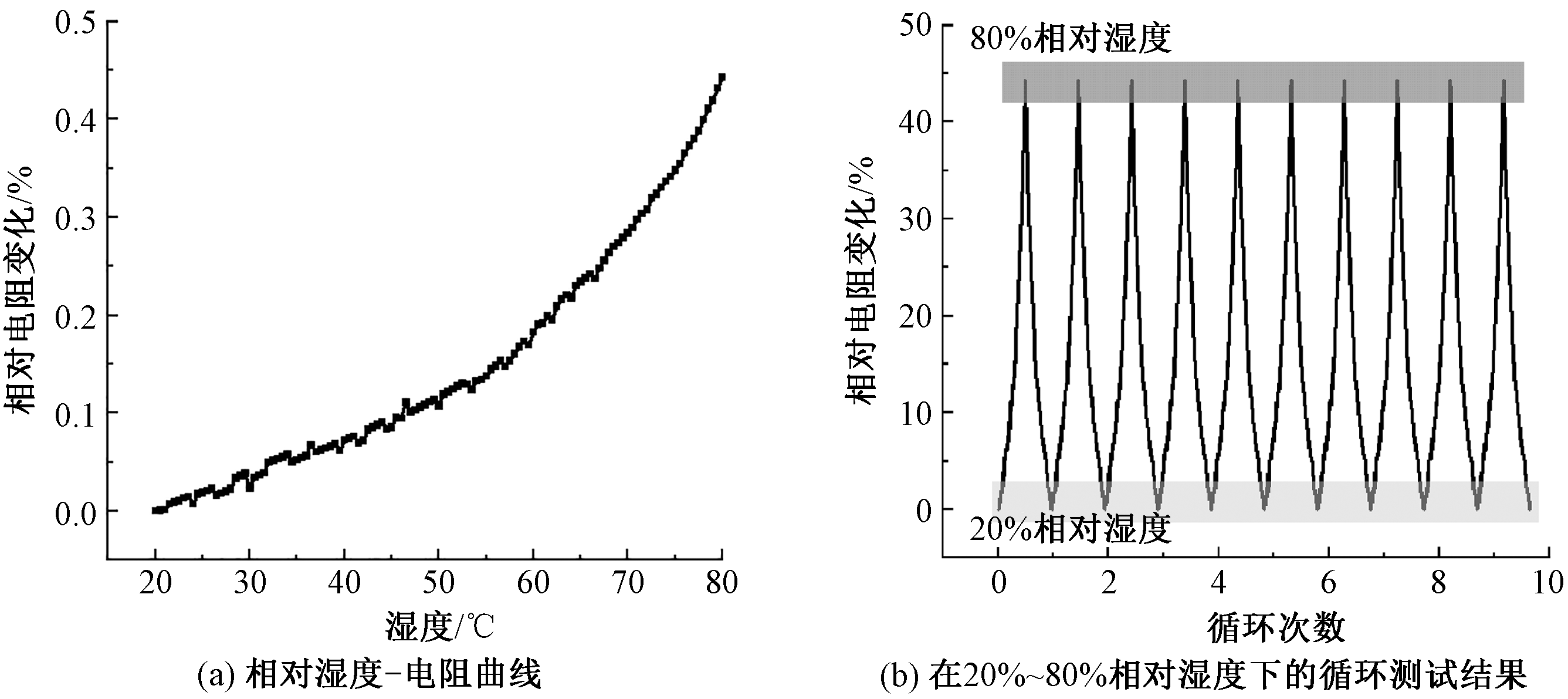
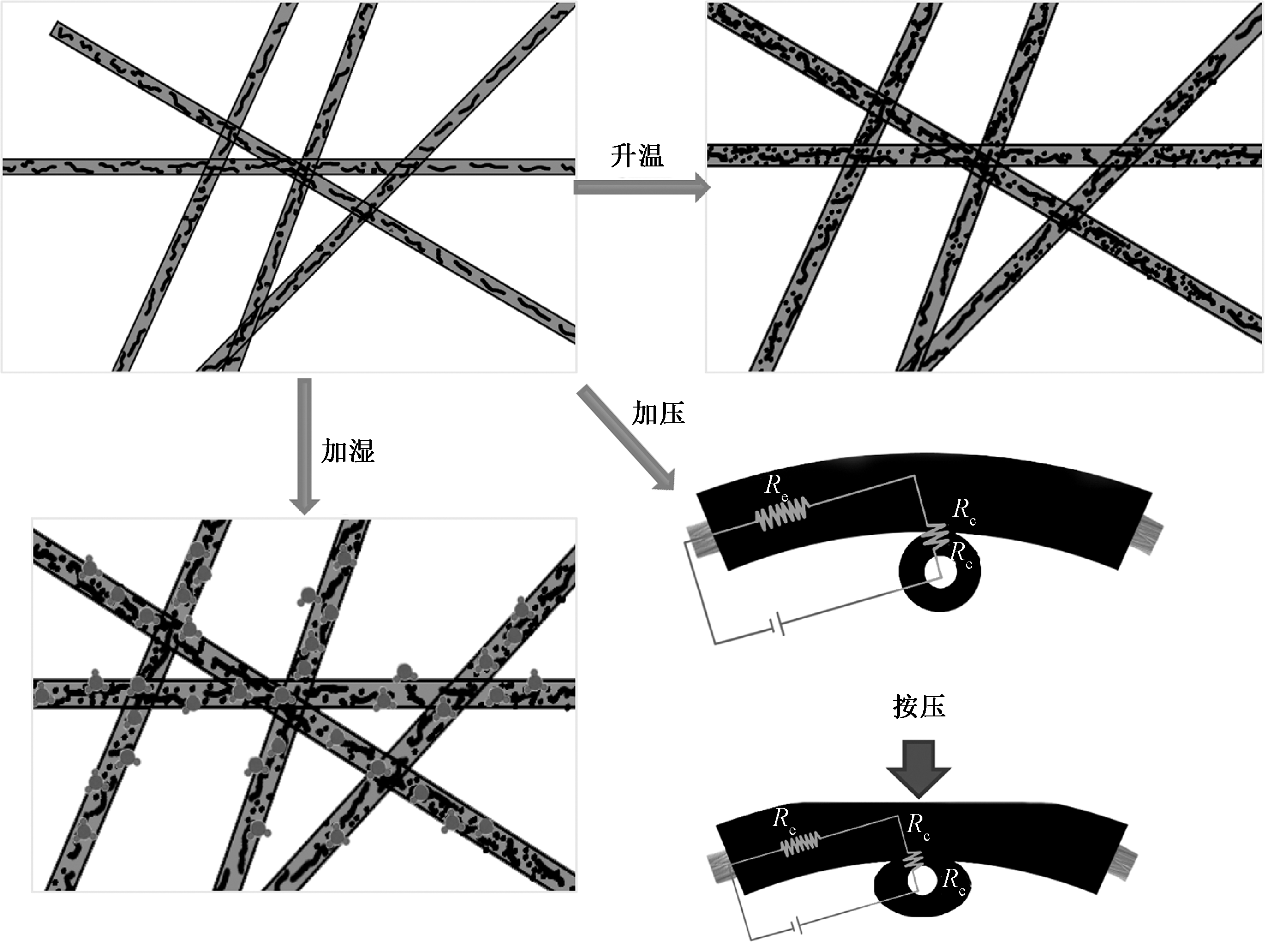
针对现有的智能纺织品普遍存在功能单一和结构复杂的问题,以镀银锦纶纱线为电极芯层,利用共轭纺纱技术将聚氨酯/碳纳米管(PU/CNTs)复合纳米纤维直接包覆其上,形成初始传感单元。继而,通过原位聚合工艺,在PU/CNTs纤维表面均匀生长聚吡咯(PPy)纳米颗粒,最终构建出具有壳鞘结构的PU/CNTs/PPy复合镀银锦纶包芯纱线,实现了力-温-湿多功能传感。该镀银锦纶包芯纱线的压阻灵敏度为0.2 kPa-1(0~100 kPa),温度响应灵敏度达0.51%/℃(20~70 ℃),湿度响应呈现显著的双阶段特性,在低湿区(20%~50%相对湿度)和高湿区(50%~80%相对湿度)的灵敏度分别为0.15 和0.52。基于其优异的传感性能,该传感器可准确识别多种人体活动与生理参数,包括指压、关节弯曲、温度变化及呼吸行为。本研究结果不仅扩展了纱线基传感器在智能纺织品的应用,还为汽车智能座舱、智慧医疗、运动健康等提供新一代传感织物解决方案。
中图分类号:
| [1] |
LIBANORI A, CHEN G R, ZHAO X, et al. Smart textiles for personalized healthcare[J]. Nature Electronics, 2022, 5(3): 142-156.
doi: 10.1038/s41928-022-00723-z |
| [2] |
ISLAM M R, AFROJ S, NOVOSELOV K S, et al. Smart electronic textile-based wearable supercapacitors[J]. Advanced Science, 2022, 9(31): 2203856.
doi: 10.1002/advs.v9.31 |
| [3] |
李露红, 罗天, 丛洪莲. 针织一体成形电容传感器设计及其性能[J]. 纺织学报, 2024, 45(10): 80-88.
doi: 10.13475/j.fzxb.20230506701 |
|
LI Luhong, LUO Tian, CONG Honglian. Design and performance of integrated capacitive sensor based on knitting[J]. Journal of Textile Research, 2024, 45(10): 80-88.
doi: 10.13475/j.fzxb.20230506701 |
|
| [4] | 佘叶美, 彭阳阳, 王法猛, 等. 基于经编间隔织物的柔性压力传感器制备及其性能[J]. 纺织学报, 2025, 46(3): 158-166. |
|
SHE Yemei, PENG Yangyang, WANG Fameng, et al. Preparation and performance of flexible pressure sensor based on warp knitted spacer fabric[J]. Journal of Textile Research, 2025, 46(3): 158-166.
doi: 10.1177/004051757604600302 |
|
| [5] |
ANDREW T L. The future of smart textiles: user interfaces and health monitors[J]. Matter, 2020, 2(4): 794-795.
doi: 10.1016/j.matt.2020.03.011 |
| [6] |
HE Y, XU X X, XIAO S, et al. Research progress and application of multimodal flexible sensors for electronic skin[J]. ACS Sensors, 2024, 9(5): 2275-2293.
doi: 10.1021/acssensors.4c00307 pmid: 38659386 |
| [7] |
肖渊, 童垚, 胡呈安, 等. 导电复合材料涂覆式全织物基柔性压阻传感器制备[J]. 纺织学报, 2024, 45(10): 152-160.
doi: 10.13475/j.fzxb.20230705701 |
|
XIAO Yuan, TONG Yao, HU Cheng'an, et al. Preparation of all-fabric flexible piezoresistive sensors based on conductive composite coating[J]. Journal of Textile Research, 2024, 45(10): 152-160.
doi: 10.13475/j.fzxb.20230705701 |
|
| [8] | 何崟, 田福君, 王晓云, 等. 柔性织物传感器技术现状与发展[J]. 棉纺织技术, 2022, 50(6): 1-7. |
| HE Yin, TIAN Fujun, WANG Xiaoyun, et al. Technology status and development of flexible fabric sensor[J]. Cotton Textile Technology, 2022, 50(6): 1-7. | |
| [9] |
HONDA S, ZHU Q, SATOH S, et al. Textile-based flexible tactile force sensor sheet[J]. Advanced Functional Materials, 2019, 29(9): 1807957.
doi: 10.1002/adfm.v29.9 |
| [10] | 胡铖烨, 周歆如, 范梦晶, 等. 皮芯结构微纳米纤维复合纱线的制备及其性能[J]. 纺织学报, 2022, 43(9): 95-100. |
| HU Chengye, ZHOU Xinru, FAN Mengjing, et al. Preparation and properties of skin-core structure micro/nano fiber composite yarns[J]. Journal of Textile Research, 2022, 43(9): 95-100. | |
| [11] |
齐琨, 代云玲, 欧康康, 等. 柔性纺织结构力敏传感器[J]. 化学进展, 2024, 36(8): 1269-1282.
doi: 10.7536/PC240103 |
|
QI Kun, DAI Yunling, OU Kangkang, et al. Flexible textile structure force sensor[J]. Progress in Chemistry, 2024, 36(8): 1269-1282.
doi: 10.7536/PC240103 |
|
| [12] | 梁文静, 吴俊贤, 何崟, 等. 基于复合纳米纤维膜的离子传感器制备及其性能[J]. 纺织学报, 2024, 45(4): 15-23. |
| LIANG Wenjing, WU Junxian, HE Yin, et al. Preparation and performance of ion sensors based on composite nanofiber membranes[J]. Journal of Textile Research, 2024, 45(4): 15-23. | |
| [13] |
WANG Y Q, SUN C C, AHMED D. A smart acoustic textile for health monitoring[J]. Nature Electronics, 2025, 8(6): 485-495.
doi: 10.1038/s41928-025-01386-2 pmid: 40584700 |
| [14] |
YIN Y L, GUO C, MU Q Q, et al. Electrostatically spun nanofiber yarns for textile electronics[J]. Colloid and Interface Science Communications, 2023, 56: 100742.
doi: 10.1016/j.colcom.2023.100742 |
| [15] |
YIN Y L, GUO C, LI W W, et al. A super-elastic wearable strain sensor based on PU/CNTs yarns for human-motion detection[J]. Composites Communications, 2024, 50: 102017.
doi: 10.1016/j.coco.2024.102017 |
| [16] |
ZHOU Y M, HE J X, WANG H B, et al. Highly sensitive, self-powered and wearable electronic skin based on pressure-sensitive nanofiber woven fabric sensor[J]. Scientific Reports, 2017, 7: 12949.
doi: 10.1038/s41598-017-13281-8 pmid: 29021591 |
| [17] |
王宇航, 谭晶, 李好义, 等. 纳米纤维纱线静电纺制备技术研究进展[J]. 纺织学报, 2024, 45(11): 235-243.
doi: 10.13475/j.fzxb.20230902402 |
|
WANG Yuhang, TAN Jing, LI Haoyi, et al. Research progress in electrospinning technology for nanofiber yarns[J]. Journal of Textile Research, 2024, 45(11): 235-243.
doi: 10.13475/j.fzxb.20230902402 |
|
| [18] | 范梦晶, 岳欣琰, 邵剑波, 等. 基于静电纺纤维包芯纱的电容式扭转传感器构建及其传感性能[J]. 纺织学报, 2025, 46(2): 106-112. |
| FAN Mengjing, YUE Xinyan, SHAO Jianbo, et al. Construction and sensing performance of capacitive torsion sensor made from electrospinning fiber core-spun yarn[J]. Journal of Textile Research, 2025, 46(2): 106-112. |
| [1] | 冯晓莉, 宫钧耀, 夏良君, 徐卫林. 磁电式柔性传感器研究进展[J]. 纺织学报, 2026, 47(03): 107-117. |
| [2] | 孙小芸, 岳程飞, 张如全. 基于激光诱导石墨烯的柔性温度传感器制备及其性能[J]. 纺织学报, 2026, 47(03): 129-138. |
| [3] | 马爽瑜, 张欣宇, 李涵宇, 高守武, 刘红, 田明伟, 陈富星. 用于肌肉疲劳监测的针织电极制备及其性能[J]. 纺织学报, 2026, 47(03): 148-155. |
| [4] | 李好义, 田鑫哲, 张毅, 牟文英, 张超, 赵千龙, 杨卫民. 导电各向异性复合心脏补片的熔体静电纺丝/直写构建及体外评价[J]. 纺织学报, 2026, 47(03): 70-76. |
| [5] | 曾媛, 龚宸悦, 董凯. 面向智能健康监测的自驱动摩擦电纺织品研究进展[J]. 纺织学报, 2026, 47(03): 87-96. |
| [6] | 罗晓天, 闫静, 贺军, 康卫民. 面向智能健康监测的纺织基摩擦纳米发电机研究进展[J]. 纺织学报, 2026, 47(03): 97-106. |
| [7] | 王何一帆, 吕家安, 孙丰鑫. 全天候热湿自适应织物的分级设计及其性能[J]. 纺织学报, 2026, 47(02): 144-152. |
| [8] | 齐梦园, 肖国威, 杜金梅, 许长海, 杨红英. 水性聚氨酯/纳米二氧化硅改性玄武岩纤维织物制备及其性能[J]. 纺织学报, 2026, 47(02): 172-180. |
| [9] | 张苒, 祝仕玲, 王栋, 刘琼珍, 陆莹. 硫化铋/碳纳米管/聚偏二氟乙烯复合温度传感纤维的制备与性能[J]. 纺织学报, 2026, 47(02): 18-25. |
| [10] | 黄雍宝, 王一洲, 李梦琪, 万贝贝, 宋悦, 杨帆. 光致变色纺织品的制备及其防伪应用[J]. 纺织学报, 2026, 47(02): 214-221. |
| [11] | 张苗, 曹高涛, 俞丹, 王玉. 阻抗不对称型三维间隔织物的制备及其电磁屏蔽性能[J]. 纺织学报, 2026, 47(02): 239-246. |
| [12] | 刘一鸣, 李琳, 杜鲜晶, 刘攀, 殷霞, 田明伟. 内螺旋结构弹性导电纱线的制备及其应变不敏感性能的调控[J]. 纺织学报, 2026, 47(01): 115-122. |
| [13] | 邵剑波, 岳欣琰, 陈雨, 韩潇, 洪剑寒. 全针织结构多模态柔性电容传感器的构筑及其传感性能[J]. 纺织学报, 2026, 47(01): 123-131. |
| [14] | 刘旭颖, 银倩琳, 王先成, 樊高晴, 戚栋明, 陈智杰. 二氧化碳基聚氨酯丙烯酸酯乳液制备及其胶膜性能[J]. 纺织学报, 2026, 47(01): 168-175. |
| [15] | 张宁讴, 王海龙, 胡星友, 孙彬, 游超瑜. 电致发光纤维的技术创新与研究进展[J]. 纺织学报, 2026, 47(01): 250-258. |
|
||
 京公网安备11010502044800号