纺织学报 ›› 2026, Vol. 47 ›› Issue (03): 129-138.doi: 10.13475/j.fzxb.20250900501
孙小芸, 岳程飞, 张如全( )
)
SUN Xiaoyun, YUE Chengfei, ZHANG Ruquan()
摘要:
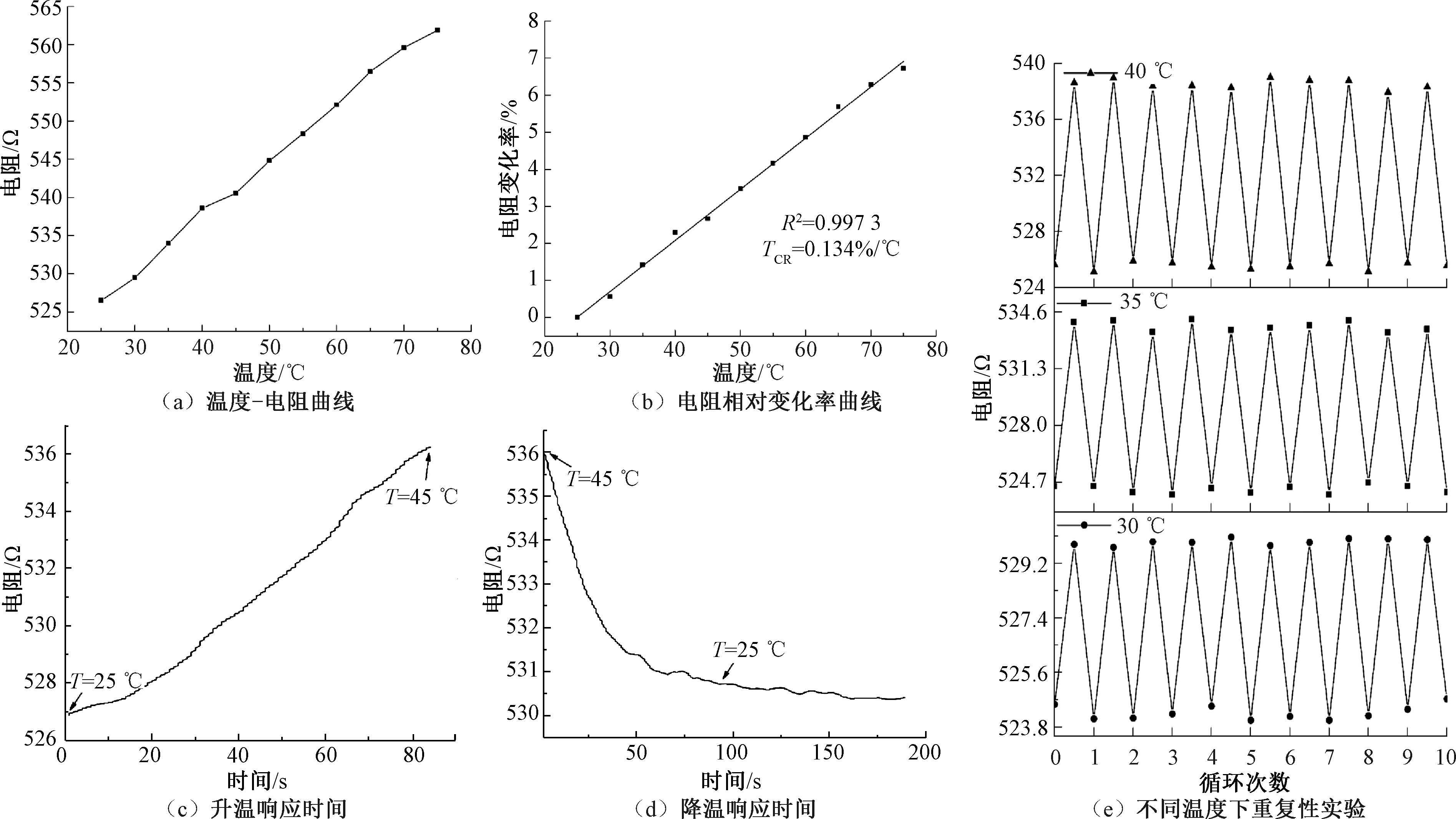
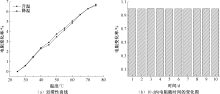
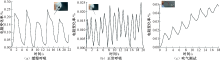
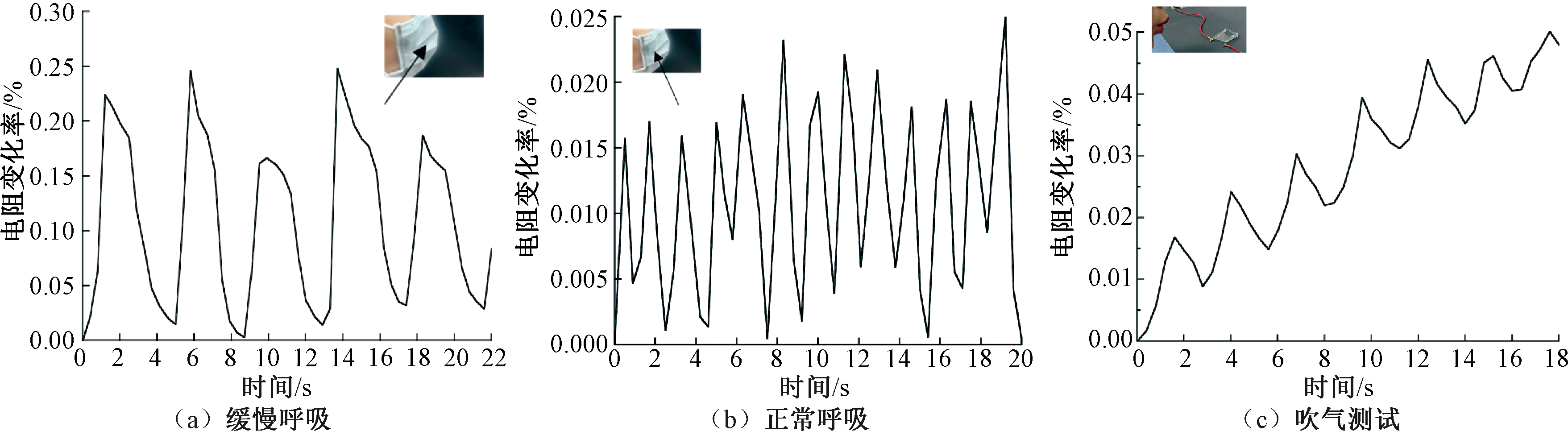
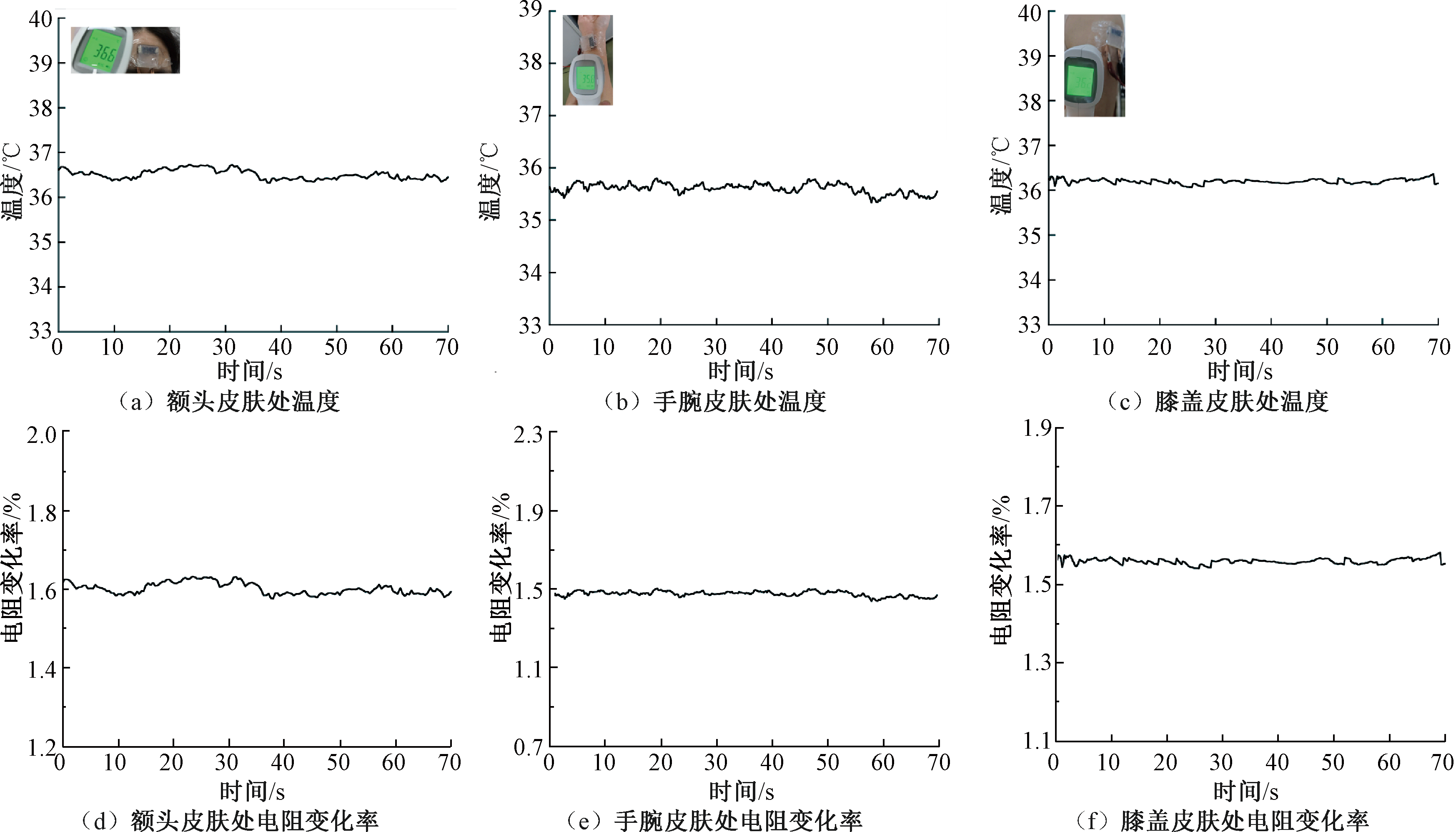
针对传统温度传感器在柔性、可穿戴应用中存在的力学性能不足和制备工艺复杂等问题,采用激光诱导石墨烯(LIG)技术,制备了一种基于聚酰亚胺(PI)基底的新型柔性温度传感器。首先,在碱性环境下对PI薄膜进行氧化改性预处理,这有利于后续更好地形成LIG。在优化激光功率与扫描速度等工艺参数后,成功制备出具有良好导电性能的LIG。结果表明,该LIG温度传感器在25~75 ℃范围内表现出稳定线性响应,电阻温度系数为0.134%/℃,响应与恢复速度快,循环稳定性与长期稳定性良好。此外,该LIG温度传感器可实现对呼吸行为及不同部位皮肤温度的实时监测,展现出优异的应用潜力。本研究结果为基于LIG柔性温度传感器的低成本、大规模制备提供了新思路,具有良好的推广价值。
中图分类号:
| [1] | PARK J S, LEE D S, NHO H W, et al. Flexible platinum temperature sensor embedded in polyimide films for curved surface temperature monitoring applications: skin temperature of human body[J]. Sensors and Materials, 2017, 29(9): 1275-1283. |
| [2] | 傅博, 马炳和, 邓进军, 等. 柔性热敏薄膜传感器阵列工艺研究[J]. 航空精密制造技术, 2011, 47(4): 1-3, 14. |
| FU Bo, MA Binghe, DENG Jinjun, et al. Fabrication of flexible thermal thin-film sensor array[J]. Aviation Precision Manufacturing Technology, 2011, 47(4): 1-3, 14. | |
| [3] |
JI J, KWAK H M, YU J, et al. Understanding the 2D-material and substrate interaction during epitaxial growth towards successful remote epitaxy: a review[J]. Nano Convergence, 2023, 10(1): 19.
doi: 10.1186/s40580-023-00368-4 pmid: 37115353 |
| [4] | CHANG T H, TIAN Y, LI C S, et al. Stretchable graphene pressure sensors with shar-Pei-like hierarchical wrinkles for collision-aware surgical robotics[J]. ACS Applied Materials & Interfaces, 2019, 11(10): 10226-10236. |
| [5] | XIONG Z X, MARCONNET A, RUAN X L. Unconventional and dynamically anisotropic thermal conductivity in compressed flexible graphene foams[J]. ACS Applied Materials & Interfaces, 2022, 14(43): 48960-48966. |
| [6] |
TONG Z, PECCHIA A, YAM C, et al. Ultrahigh electron thermal conductivity in T-graphene, biphenylene, and net-graphene[J]. Advanced Energy Materials, 2022, 12(28): 2200657.
doi: 10.1002/aenm.v12.28 |
| [7] |
KHAN T, ALI M A, IRFAN M S, et al. Resin infusion process monitoring using graphene coated glass fabric sensors and infusible thermoplastic and thermoset matrices[J]. Polymer Composites, 2022, 43(5): 2924-2940.
doi: 10.1002/pc.v43.5 |
| [8] |
JEON I, PARK G H, WANG P, et al. Dynamic fluid-like graphene with ultralow frictional molecular bearing[J]. Advanced Materials, 2019, 31(43): 1903195.
doi: 10.1002/adma.v31.43 |
| [9] |
CHOI B G, YANG M, HONG W H, et al. 3D macroporous graphene frameworks for supercapacitors with high energy and power densities[J]. ACS Nano, 2012, 6(5): 4020-4028.
doi: 10.1021/nn3003345 pmid: 22524516 |
| [10] |
彭辉, 赵伟, 常伟伟, 等. 激光诱导聚合物制备石墨烯研究进展及应用[J]. 中国塑料, 2021, 35(1): 124-135.
doi: 10.19491/j.issn.1001-9278.2021.01.019 |
|
PENG Hui, ZHAO Wei, CHANG Weiwei, et al. Research progress in preparation of laser-induced graphene and its applications[J]. China Plastics, 2021, 35(1): 124-135.
doi: 10.19491/j.issn.1001-9278.2021.01.019 |
|
| [11] |
KUMAR BISWAS R, MCGLYNN P, O'CONNOR G M, et al. Plasma enhanced planar crystal growth of laser induced graphene[J]. Materials Letters, 2023, 343: 134362.
doi: 10.1016/j.matlet.2023.134362 |
| [12] |
LI J T, STANFORD M G, CHEN W Y, et al. Laminated laser-induced graphene composites[J]. ACS Nano, 2020, 14(7): 7911-7919.
doi: 10.1021/acsnano.0c02835 pmid: 32441916 |
| [13] |
ZHANG Z, ZHU H, ZHANG W J, et al. A review of laser-induced graphene: from experimental and theoretical fabrication processes to emerging applications[J]. Carbon, 2023, 214: 118356.
doi: 10.1016/j.carbon.2023.118356 |
| [14] |
HAN M H, KOH H S, HEO I H, et al. The chemical deformation of a thermally cured polyimide film surface into neutral 1, 2, 4, 5-benzentetracarbonyliron and 4, 4'-oxydianiline to remarkably enhance the chemical-mechanical planarization polishing rate[J]. Nanomaterials, 2025, 15(6): 425.
doi: 10.3390/nano15060425 |
| [15] | 刘小川. 银催化作用下聚酰亚胺@铜复合薄膜的制备及其性能研究[D]. 南昌: 南昌大学, 2024: 34-45. |
| LIU Xiaochuan. Preparation and performance study of polyimide@copper composite films under silver catalysis[D]. Nanchang: Nanchang University, 2024: 34-45. | |
| [16] |
YE R Q, JAMES D K, TOUR J M. Laser-induced graphene[J]. Accounts of Chemical Research, 2018, 51(7): 1609-1620.
doi: 10.1021/acs.accounts.8b00084 pmid: 29924584 |
| [17] |
YUTOMO E B, NOOR F A, WINATA T. Effect of the number of nitrogen dopants on the electronic and magnetic properties of graphitic and pyridinic N-doped graphene-a density-functional study[J]. RSC Advances, 2021, 11(30): 18371-18380.
doi: 10.1039/D1RA01095F |
| [18] |
WANG W, HAN B, ZHANG Y, et al. Laser-induced graphene tapes as origami and stick-on labels for photothermal manipulation via Marangoni effect[J]. Advanced Functional Materials, 2021, 31(1): 2006179.
doi: 10.1002/adfm.v31.1 |
| [19] |
GAO W, HUANG R. Thermomechanics of monolayer graphene: rippling, thermal expansion and elasticity[J]. Journal of the Mechanics and Physics of Solids, 2014, 66: 42-58.
doi: 10.1016/j.jmps.2014.01.011 |
| [20] | GUYTON A C. Guyton and Hall textbook of medical physiology[M]. Philadelphia. PA: Elsevier,2011:203-224. |
| [21] |
RUSSO M A, SANTARELLI D M, O'ROURKE D. The physiological effects of slow breathing in the healthy human[J]. Breathe, 2017, 13(4): 298-309.
doi: 10.1183/20734735.009817 pmid: 29209423 |
| [1] | 冯晓莉, 宫钧耀, 夏良君, 徐卫林. 磁电式柔性传感器研究进展[J]. 纺织学报, 2026, 47(03): 107-117. |
| [2] | 郭一铭, 喻爽, 赵帆, 王富军. 血管监测用纤维基压电传感器的构建及性能评价[J]. 纺织学报, 2026, 47(03): 118-128. |
| [3] | 何崟, 郭成, 梁文静, 温德华, 苏建军, 刘皓. 基于共轭纺镀银锦纶包芯纱线的多功能传感器[J]. 纺织学报, 2026, 47(03): 139-147. |
| [4] | 曾媛, 龚宸悦, 董凯. 面向智能健康监测的自驱动摩擦电纺织品研究进展[J]. 纺织学报, 2026, 47(03): 87-96. |
| [5] | 罗晓天, 闫静, 贺军, 康卫民. 面向智能健康监测的纺织基摩擦纳米发电机研究进展[J]. 纺织学报, 2026, 47(03): 97-106. |
| [6] | 陈欣, 干梦婷, 兰含宇, 赵昕, 张清华. 超临界CO2流体对聚酰亚胺纤维结构及其性能的影响[J]. 纺织学报, 2026, 47(02): 10-17. |
| [7] | 彭阳阳, 孙丰鑫, 潘如如. 变结构纺织应变传感器的跨尺度构建与表征[J]. 纺织学报, 2026, 47(02): 111-118. |
| [8] | 沈钰茜, 唐虹, 赵敏. 基于导线材质变化的刺绣电极心电传感性能比较[J]. 纺织学报, 2026, 47(02): 135-143. |
| [9] | 张苒, 祝仕玲, 王栋, 刘琼珍, 陆莹. 硫化铋/碳纳米管/聚偏二氟乙烯复合温度传感纤维的制备与性能[J]. 纺织学报, 2026, 47(02): 18-25. |
| [10] | 刘一鸣, 李琳, 杜鲜晶, 刘攀, 殷霞, 田明伟. 内螺旋结构弹性导电纱线的制备及其应变不敏感性能的调控[J]. 纺织学报, 2026, 47(01): 115-122. |
| [11] | 邵剑波, 岳欣琰, 陈雨, 韩潇, 洪剑寒. 全针织结构多模态柔性电容传感器的构筑及其传感性能[J]. 纺织学报, 2026, 47(01): 123-131. |
| [12] | 兰含宇, 陈欣, 梁东旭, 赵昕, 张清华. 高强聚酰亚胺织物在多环境因素下的老化行为[J]. 纺织学报, 2026, 47(01): 151-158. |
| [13] | 胡崴琳, 白洁, 刘丹, 白濛, 李娟, 李启正. 基于机器学习模型的电子纺织品研究进展[J]. 纺织学报, 2026, 47(01): 268-276. |
| [14] | 罗家俊, 何耀权, 赵振鸿, 黎锦稻, 赵景, 黄钢, 王先锋. 苯乙烯-乙烯-丁烯-苯乙烯/氟化聚酰亚胺防水透湿纤维膜的制备及其性能[J]. 纺织学报, 2026, 47(01): 38-45. |
| [15] | 张莹, 郭明靖, 王利君. 针织结构温度传感器设计及其着装传感性能[J]. 纺织学报, 2025, 46(12): 123-132. |
|
||
 京公网安备11010502044800号