纺织学报 ›› 2026, Vol. 47 ›› Issue (02): 135-143.doi: 10.13475/j.fzxb.20250304401
沈钰茜1, 唐虹1( ), 赵敏1,2
SHEN Yuxi1, TANG Hong1(), ZHAO Min1,2
摘要:
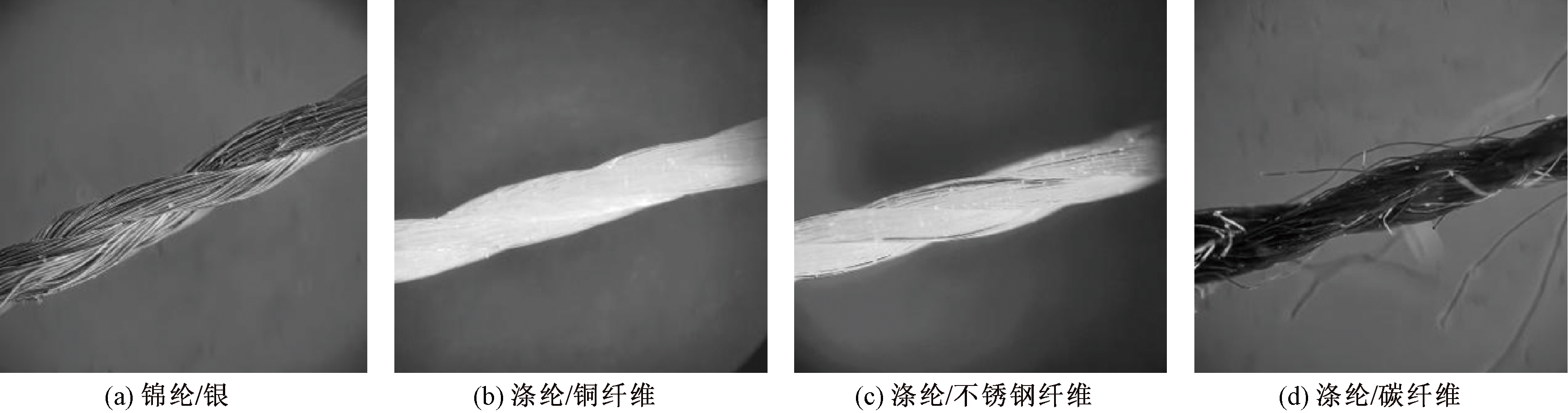
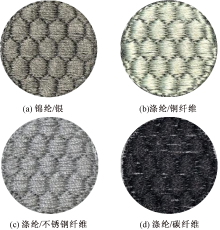
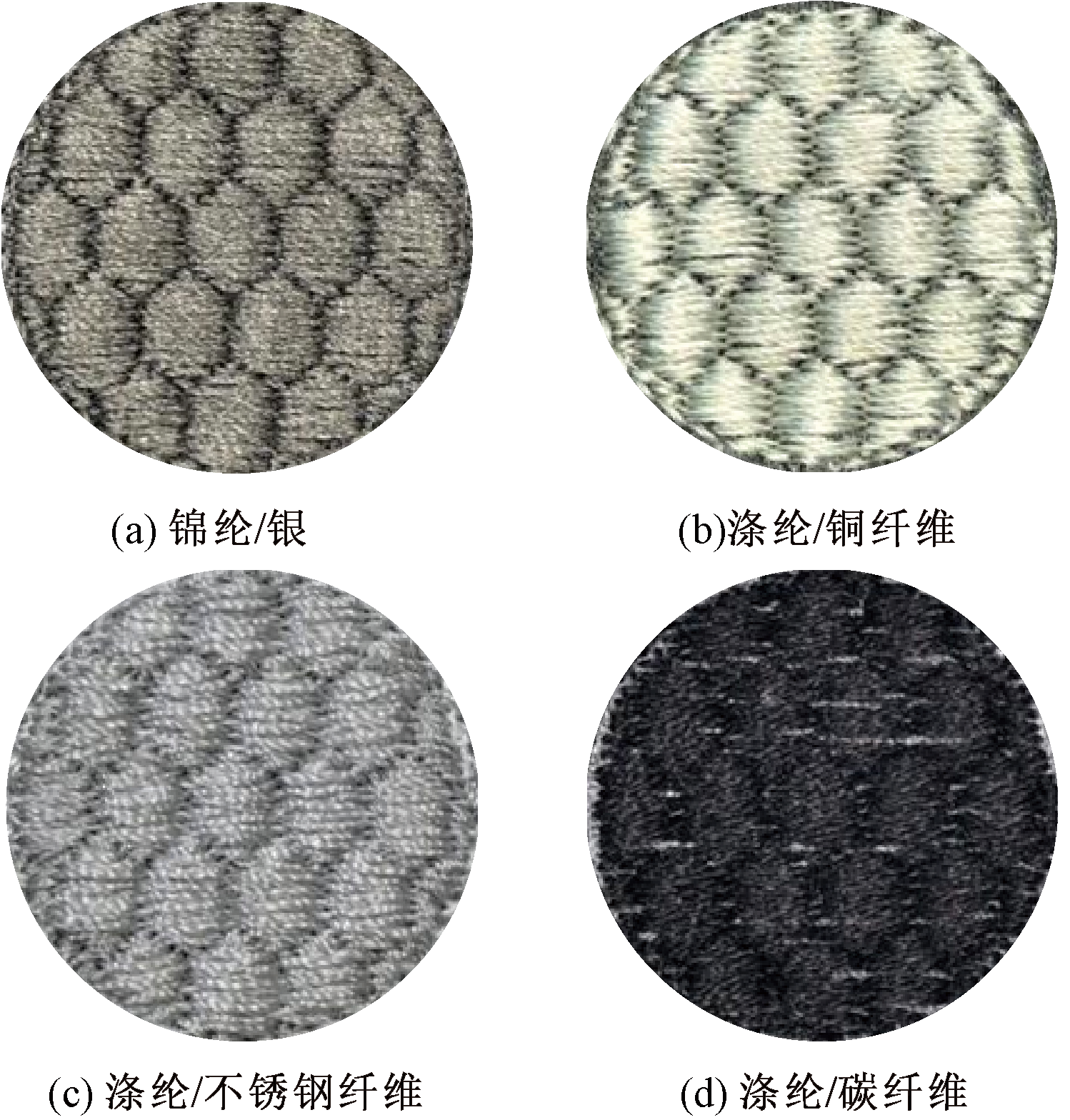
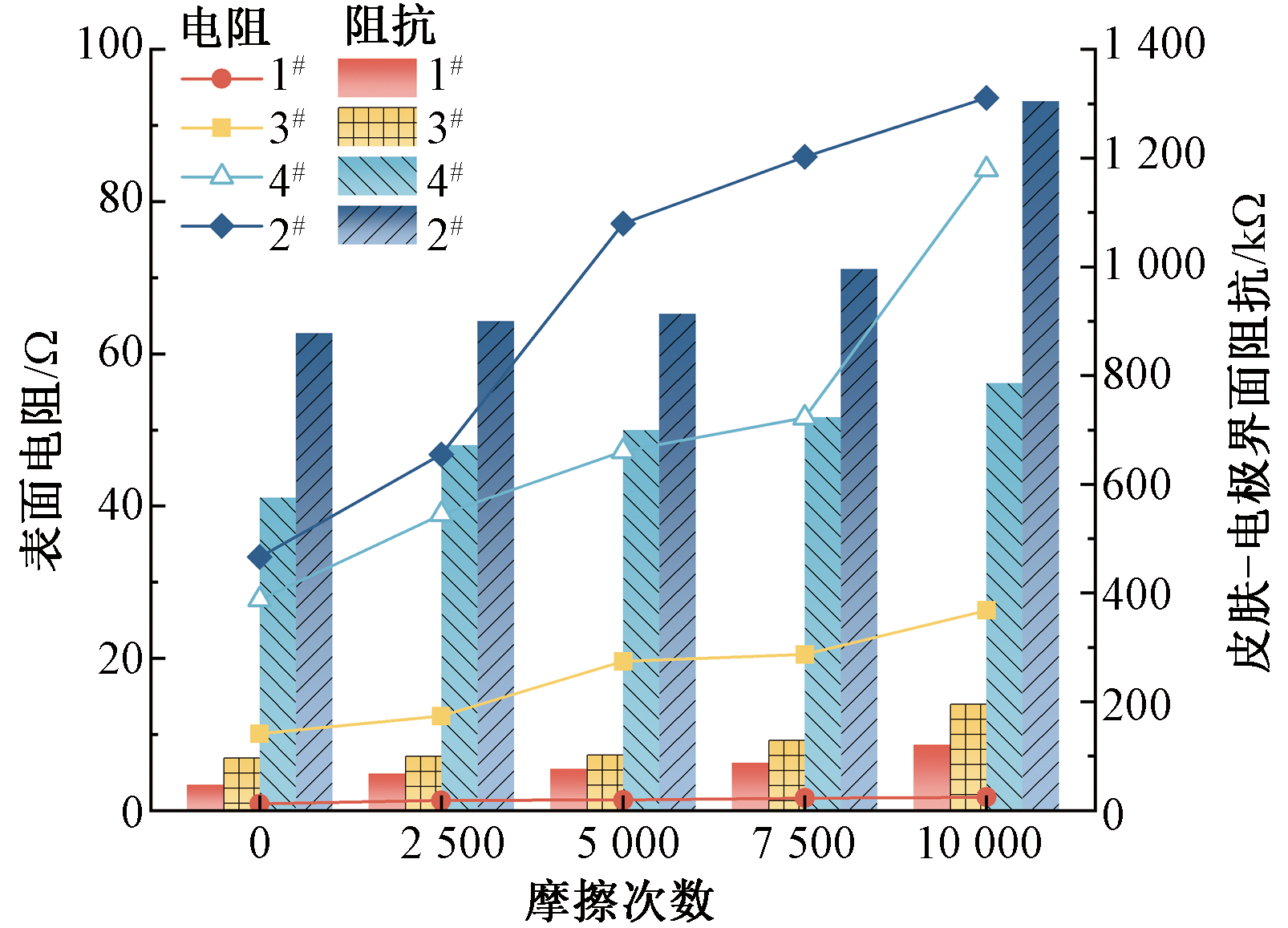
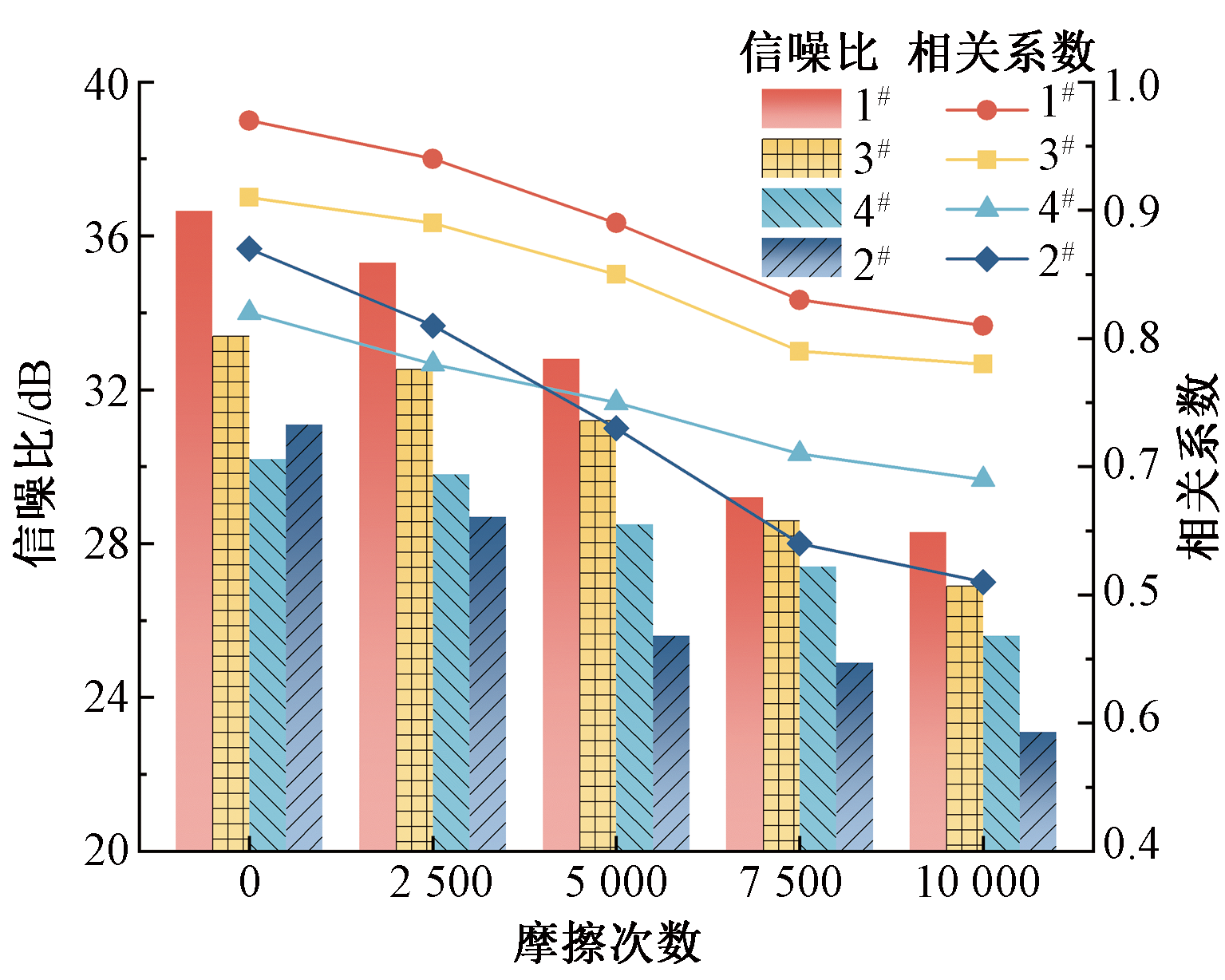
为开发具有高传感性能的织物基可穿戴柔性电极,分别制备了含银、铜、钢、碳等4种不同导线材质的刺绣电极,进行了电极厚度、平整度、表面电阻、皮肤-电极界面阻抗和心电信号的测试与分析,比较其外观特征与传感性能。结果表明:导线材质显著影响刺绣电极心电传感性能,锦纶/银电极因导电镀层分布均匀接触稳定而展现最佳传感性能,其心电信号信噪比为36.65 dB,与医用Ag/AgCl凝胶电极心电信号相关系数为0.97,经10 000次摩擦后传感性能稳定,适用于长期心电监测。其它3种材质电极传感性能存在不足:涤纶/铜纤维易磨损,有效导电部分少;涤纶/不锈钢纤维耐磨性好,但形变适应性差;涤纶/碳纤维脆性高,电阻动态变化率大。
中图分类号:
| [1] |
LIU X W, WANG H, LI Z J, et al. Deep learning in ECG diagnosis: a review[J]. Knowledge-Based Systems, 2021, 227: 107187.
doi: 10.1016/j.knosys.2021.107187 |
| [2] | 陆彤, 唐虹, 赵敏. 刺绣心电电极设计与性能分析[J]. 纺织学报, 2024, 45(9): 70-77. |
| LU Tong, TANG Hong, ZHAO Min. Design and performance analysis of embroidered electrocardiogram electrode[J]. Journal of Textile Research, 2024, 45(9): 70-77. | |
| [3] |
MASIHI S, PANAHI M, MADDIPATLA D, et al. Development of a flexible wireless ECG monitoring device with dry fabric electrodes for wearable applications[J]. IEEE Sensors Journal, 2022, 22(12): 11223-11232.
doi: 10.1109/JSEN.2021.3116215 |
| [4] | 熊帆, 樊蒙召, 杨朝然, 等. 基于刺绣技术的多模生理传感织物面罩的制备与性能[J]. 现代纺织技术, 2025, 33(3): 126-135. |
| XIONG Fan, FAN Mengzhao, YANG Chaoran, et al. Preparation and properties of multi-modal physiological sensing fabric masks based on embroidery technology[J]. Advanced Textile Technology, 2025, 33(3): 126-135. | |
| [5] | ZHOU J L, ZHANG Y Z, YANG H Y, et al. Fabric electrode monitoring of dynamic and static ECG signal and comfort performance[J]. Coatings, 2023, 13(2): 256446626. |
| [6] |
SHEKHAR R, CHOUDHRY N A, ISLAM S, et al. A novel elastic conductive yarn for smart textile applications[J]. Advanced Engineering Materials, 2023, 25(22): 2300572.
doi: 10.1002/adem.v25.22 |
| [7] |
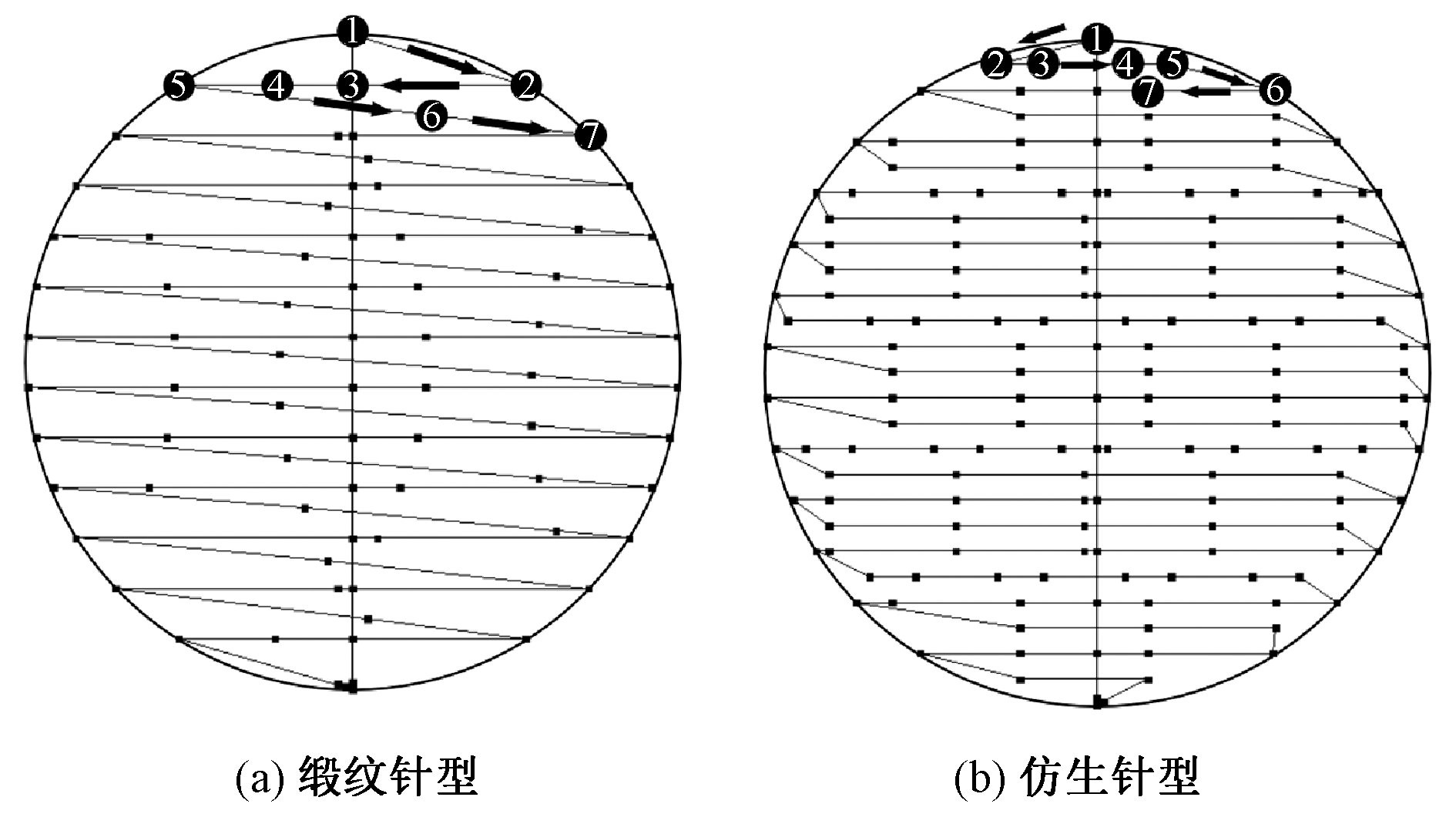
SINHA A, STAVRAKIS A K, SIMIC M, et al. Polymer-thread-based fully textile capacitive sensor embroidered on a protective face mask for humidity detection[J]. ACS Omega, 2022, 7(49): 44928-44938.
doi: 10.1021/acsomega.2c05162 pmid: 36530326 |
| [8] |
RIBAS J O, FERNÁNDEZ-GARCÍA R, GIL I. Design and measurement of cost-balanced and electronic-efficient embroidered textile electrodes[J]. The Journal of the Textile Institute, 2024, 115(1): 41-47.
doi: 10.1080/00405000.2022.2157163 |
| [9] | 吴玲娅, 李正清, 韩潇, 等. 石墨烯在提高聚苯胺/芳纶复合纱线导电能力中的应用[J]. 印染, 2022, 48(2): 45-48, 72. |
| WU Lingya, LI Zhengqing, HAN Xiao, et al. Improving conductivity of polyaniline/p-aramide composite yarn with graphene[J]. China Dyeing and Finishing, 2022, 48(2): 45-48, 72. | |
| [10] |
UZUN S, SCHELLING M, HANTANASIRISAKUL K, et al. Additive-free aqueous MXene inks for thermal inkjet printing on textiles[J]. Small, 2021, 17(1): 2006376.
doi: 10.1002/smll.v17.1 |
| [11] | 王建萍, 邵熠萌, 杨雅岚, 等. 针迹类型对表面肌电用刺绣型织物电极性能影响[J]. 纺织学报, 2024, 45(7): 55-62. |
| WANG Jianping, SHAO Yimeng, YANG Yalan, et al. Influences of stitch types on performance of embroidered fabric electrodes for surface electromyography[J]. Journal of Textile Research, 2024, 45(7): 55-62. | |
| [12] |
BEN OTHMAN G, KUMAR A A, BEN HASSINE F, et al. Sustainability and predictive accuracy evaluation of gel and embroidered electrodes for ECG monitoring[J]. Biomedical Signal Processing and Control, 2024, 96: 106632.
doi: 10.1016/j.bspc.2024.106632 |
| [13] |
KIM H, KIM S, LIM D, et al. Development and characterization of embroidery-based textile electrodes for surface EMG detection[J]. Sensors, 2022, 22(13): 4746.
doi: 10.3390/s22134746 |
| [14] | 刘旭华, 苗锦雷, 曲丽君, 等. 用于可穿戴智能纺织品的复合导电纤维研究进展[J]. 复合材料学报, 2021, 38(1): 67-83. |
| LIU Xuhua, MIAO Jinlei, QU Lijun, et al. Research progress of composite conductive fiber in wearable intelligent textiles[J]. Acta Materiae Compositae Sinica, 2021, 38(1): 67-83. | |
| [15] | 李龙, 张弦, 吴磊. 导电纱线制备方法与应用的研究进展[J]. 纺织学报, 2023, 44(7): 214-221. |
|
LI Long, ZHANG Xian, WU Lei. Research progress in preparation and application of conductive yarn materials[J]. Journal of Textile Research, 2023, 44(7): 214-221.
doi: 10.1177/004051757404400313 |
|
| [16] | 陆彤, 唐虹, 赵敏, 等. 针织柔性传感器研制现状与展望[J]. 针织工业, 2024(9): 91-94. |
| LU Tong, TANG Hong, ZHAO Min, et al. Development status and prospect of knitting flexible sensor[J]. Knitting Industries, 2024(9): 91-94. | |
| [17] |
ZHOU W, ZHANG L, ZHANG J C, et al. Textile electrodes for electrocardiogram monitoring[J]. Advanced Materials Technologies, 2025, 10(10): 2401279.
doi: 10.1002/admt.v10.10 |
| [18] | 王恬雨, 王傲, 曹少杰, 等. 刺绣工艺影响金属混纺纱线织物电极的结构与性能[J]. 传感技术学报, 2023, 36(10): 1522-1530. |
| WANG Tianyu, WANG Ao, CAO Shaojie, et al. Effect of embroidery processing on structure and performance of metal-based textile electrodes[J]. Chinese Journal of Sensors and Actuators, 2023, 36(10): 1522-1530. | |
| [19] |
LAN T X, TIAN H M, CHEN X L, et al. Treefrog-inspired flexible electrode with high permeability, stable adhesion, and robust durability[J]. Advanced Materials, 2024, 36(31): 2404761.
doi: 10.1002/adma.v36.31 |
| [20] |
RUAN R C, LI J W, XU K, et al. Hydrogel patch with biomimetic tree frog micropillars for enhanced adhesion and perspiration wicking[J]. ACS Applied Polymer Materials, 2024, 6(8): 4599-4606.
doi: 10.1021/acsapm.4c00147 |
| [21] | 唐虹, 沈钰茜, 姜萌, 等. 一种基于树蛙足掌吸盘结构的仿生刺绣心电电极: CN119366926A[P]. 2025-01-28. |
| TANG Hong, SHEN Yuqian, JIANG Meng, et al. Bionic embroidered electrocardiogram electrode based on toe pad sucker structure of tree frog: CN119366926A[P]. 2025-01-28. | |
| [22] | 周金利, 郑俊杰, 刘思琪, 等. 不同制备工艺对织物电极心电信号质量的影响[J]. 现代纺织技术, 2025, 33(4): 113-121. |
| ZHOU Jinli, ZHENG Junjie, LIU Siqi, et al. Effect of different manufacturing processes on ECG signal quality of textile electrodes[J]. Advanced Textile Technology, 2025, 33(4): 113-121. | |
| [23] |
KANNAIAN T, NEELAVENI R, THILAGAVATHI G. Design and development of embroidered textile electrodes for continuous measurement of electrocardiogram signals[J]. Journal of Industrial Textiles, 2013, 42(3): 303-318.
doi: 10.1177/1528083712438069 |
| [24] |
LUO N Q, DAI W X, LI C L, et al. Flexible piezoresistive sensor patch enabling ultralow power cuffless blood pressure measurement[J]. Advanced Functional Materials, 2016, 26(8): 1178-1187.
doi: 10.1002/adfm.v26.8 |
| [1] | 彭阳阳, 孙丰鑫, 潘如如. 变结构纺织应变传感器的跨尺度构建与表征[J]. 纺织学报, 2026, 47(02): 111-118. |
| [2] | 刘一鸣, 李琳, 杜鲜晶, 刘攀, 殷霞, 田明伟. 内螺旋结构弹性导电纱线的制备及其应变不敏感性能的调控[J]. 纺织学报, 2026, 47(01): 115-122. |
| [3] | 邵剑波, 岳欣琰, 陈雨, 韩潇, 洪剑寒. 全针织结构多模态柔性电容传感器的构筑及其传感性能[J]. 纺织学报, 2026, 47(01): 123-131. |
| [4] | 王小虎, 包安娜, 魏静雯, 赵晓曼, 韩潇, 洪剑寒. 基于静电纺丝-静电喷涂协同工艺的跨尺度传感纱一步法制备及其应用[J]. 纺织学报, 2025, 46(12): 101-109. |
| [5] | 张莹, 郭明靖, 王利君. 针织结构温度传感器设计及其着装传感性能[J]. 纺织学报, 2025, 46(12): 123-132. |
| [6] | 王梁宇, 高晓红, 于彩娇, 张雪婷, 杨旭礼. 还原氧化石墨烯/铜纳米颗粒导电棉织物的制备及其传感性能[J]. 纺织学报, 2025, 46(12): 181-187. |
| [7] | 杨孟晓, 邱小雪, 吴芳, 刘琳, 姚菊明. 蚕丝基导电凝胶纤维的制备及其应变传感性能[J]. 纺织学报, 2025, 46(12): 49-56. |
| [8] | 邓晶, 王蕊宁, 孙润军, 张亚娟, 郭海冰, 雷轲. 用于脉搏监测的海藻酸钠改性水性聚氨酯/液态金属导电传感纤维[J]. 纺织学报, 2025, 46(12): 74-82. |
| [9] | 梁治, 姬康瑞, 黎张成, 何钰, 王灿, 侯冲. 热致变色纤维膜的制备及其温度传感性能[J]. 纺织学报, 2025, 46(11): 1-8. |
| [10] | 刘飞, 刘璐, 郑智超, 刘俊宏, 吴德群, 蒋秋冉. 自黏型玉米醇溶蛋白基超细纤维膜的制备及其性能[J]. 纺织学报, 2025, 46(11): 34-42. |
| [11] | 张红霞, 齐芳汐, 赵静, 邢毅, 吕治家. 蜂巢结构介电层织物基传感器的一体成形及其性能[J]. 纺织学报, 2025, 46(10): 86-94. |
| [12] | 贾陈诺瓦, 张勇, 朱威岩, 刘赛, 唐宁. 芯纱种类对聚丙烯腈纳米纤维导电包芯纱性能的影响[J]. 纺织学报, 2025, 46(07): 87-95. |
| [13] | 张金芹, 李晶, 肖明, 毕曙光, 冉建华. 聚苯乙烯/还原氧化石墨烯微球传感电热织物的自组装法制备[J]. 纺织学报, 2025, 46(05): 202-213. |
| [14] | 佘叶美, 彭阳阳, 王法猛, 潘如如. 基于经编间隔织物的柔性压力传感器制备及其性能[J]. 纺织学报, 2025, 46(03): 158-166. |
| [15] | 范梦晶, 岳欣琰, 邵剑波, 陈雨, 洪剑寒, 韩潇. 基于静电纺纤维包芯纱的电容式扭转传感器构建及其传感性能[J]. 纺织学报, 2025, 46(02): 106-112. |
|
||
 京公网安备11010502044800号