纺织学报 ›› 2026, Vol. 47 ›› Issue (03): 247-254.doi: 10.13475/j.fzxb.20250903801
秦雨荷, 李俊娴, 冀紫蕊, 郭静( )
)
QIN Yuhe, LI Junxian, JI Zirui, GUO Jing()
摘要:
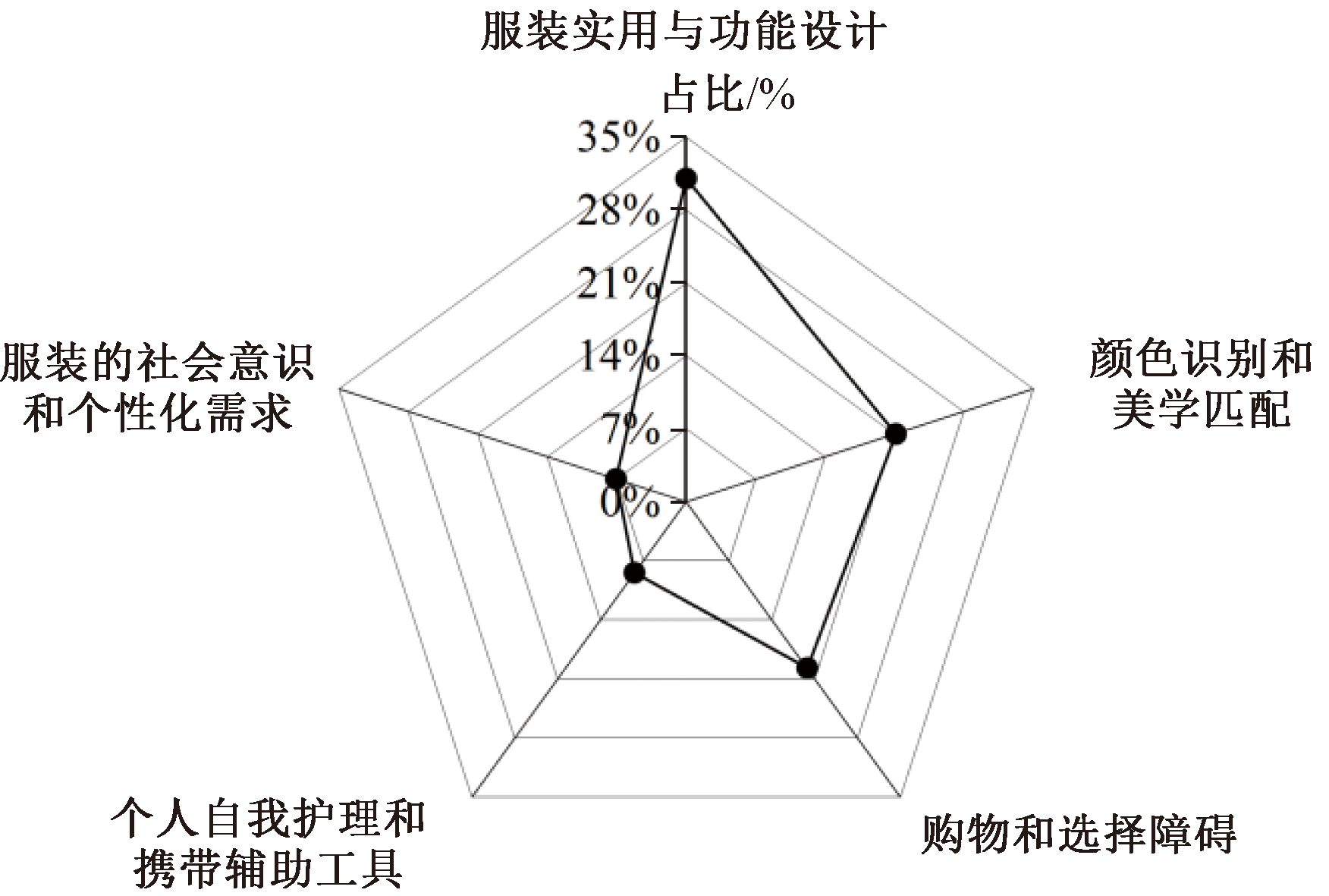
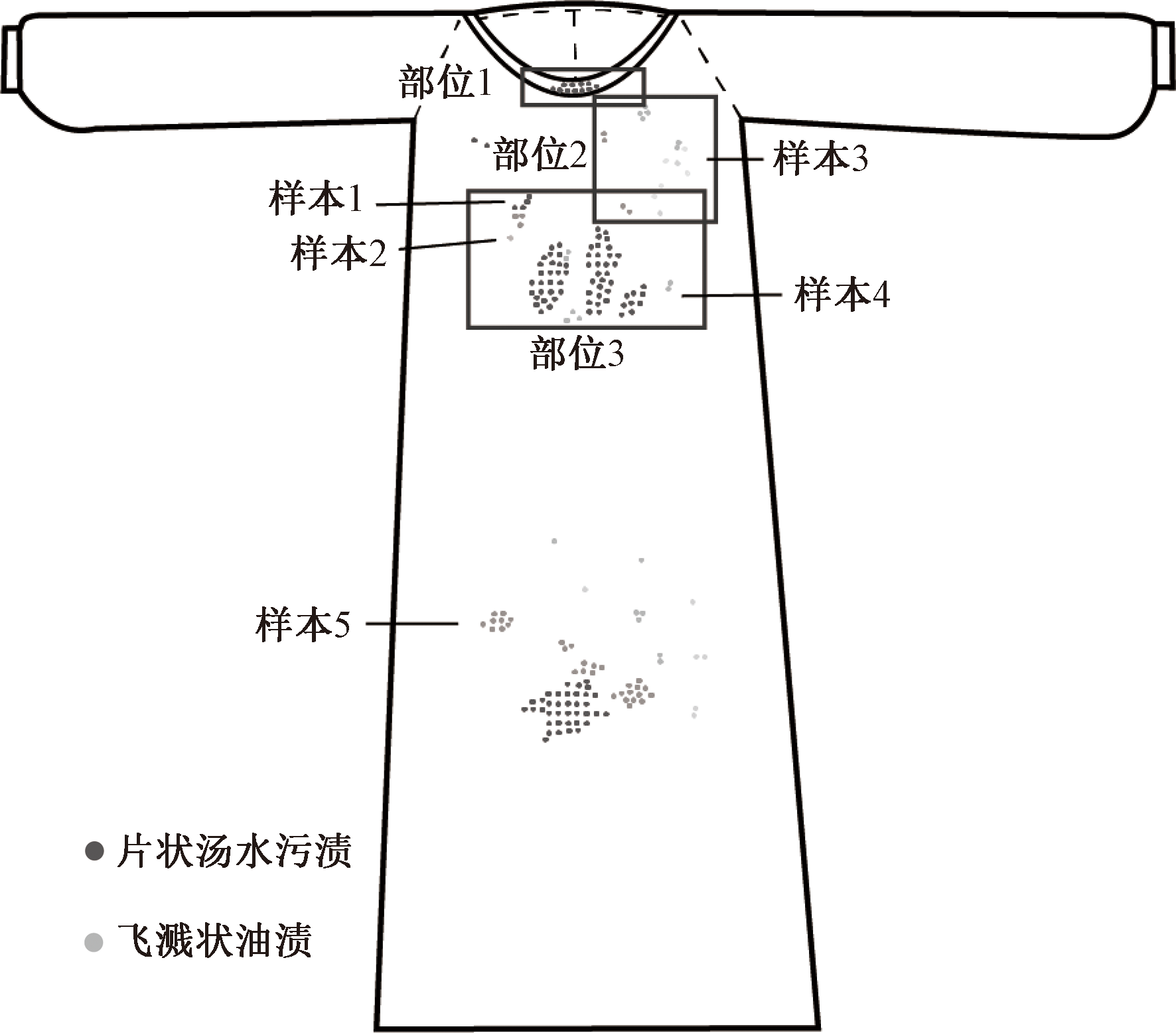
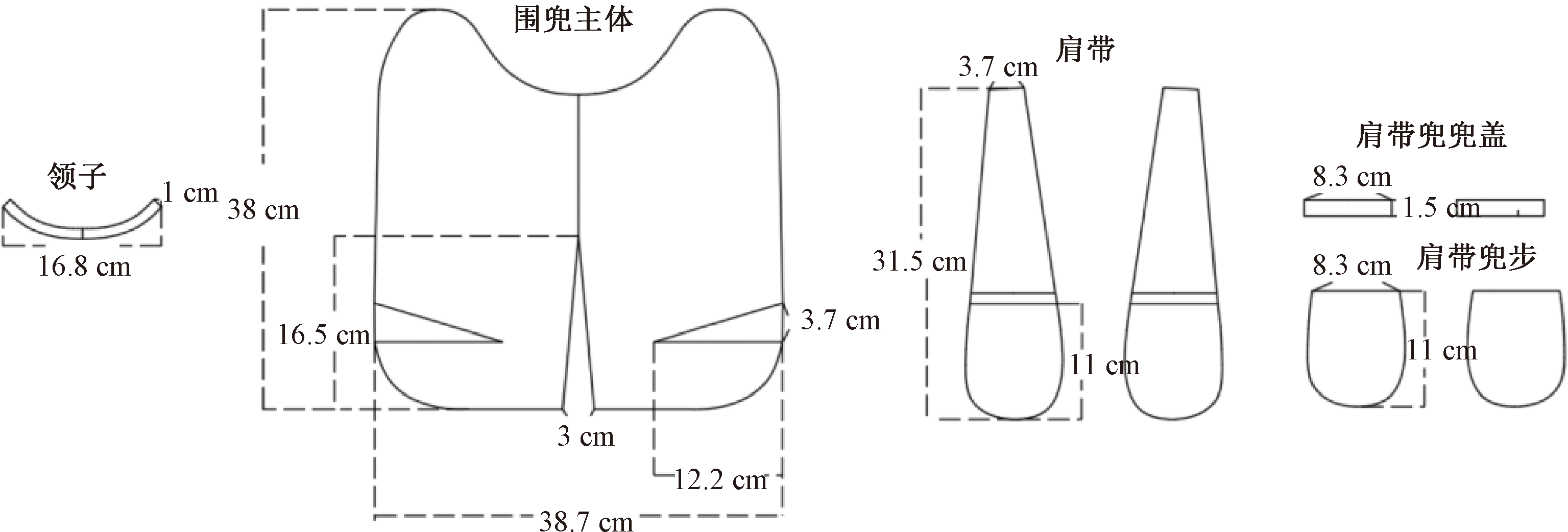
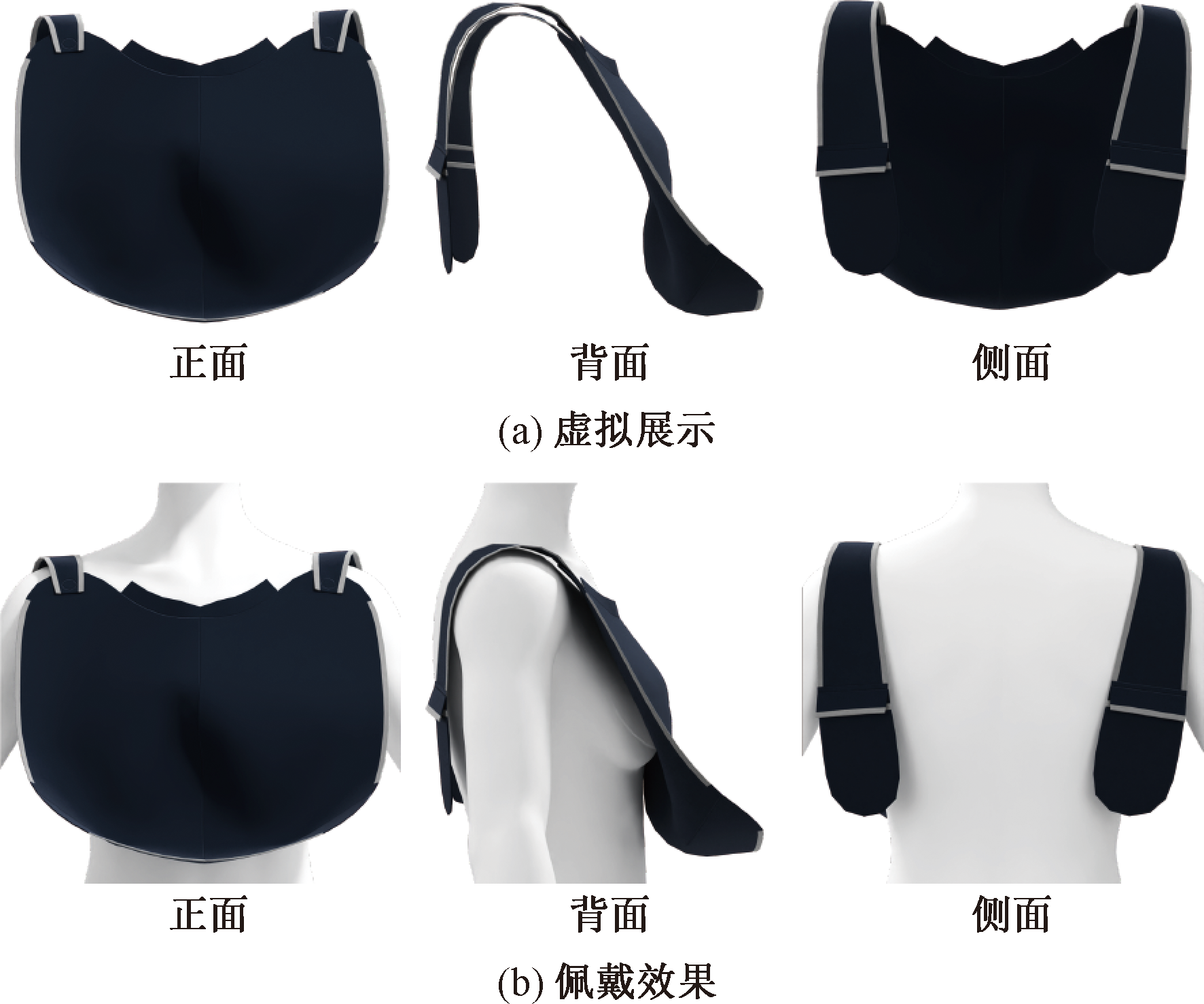
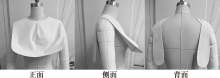
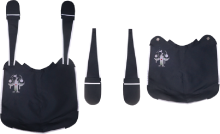
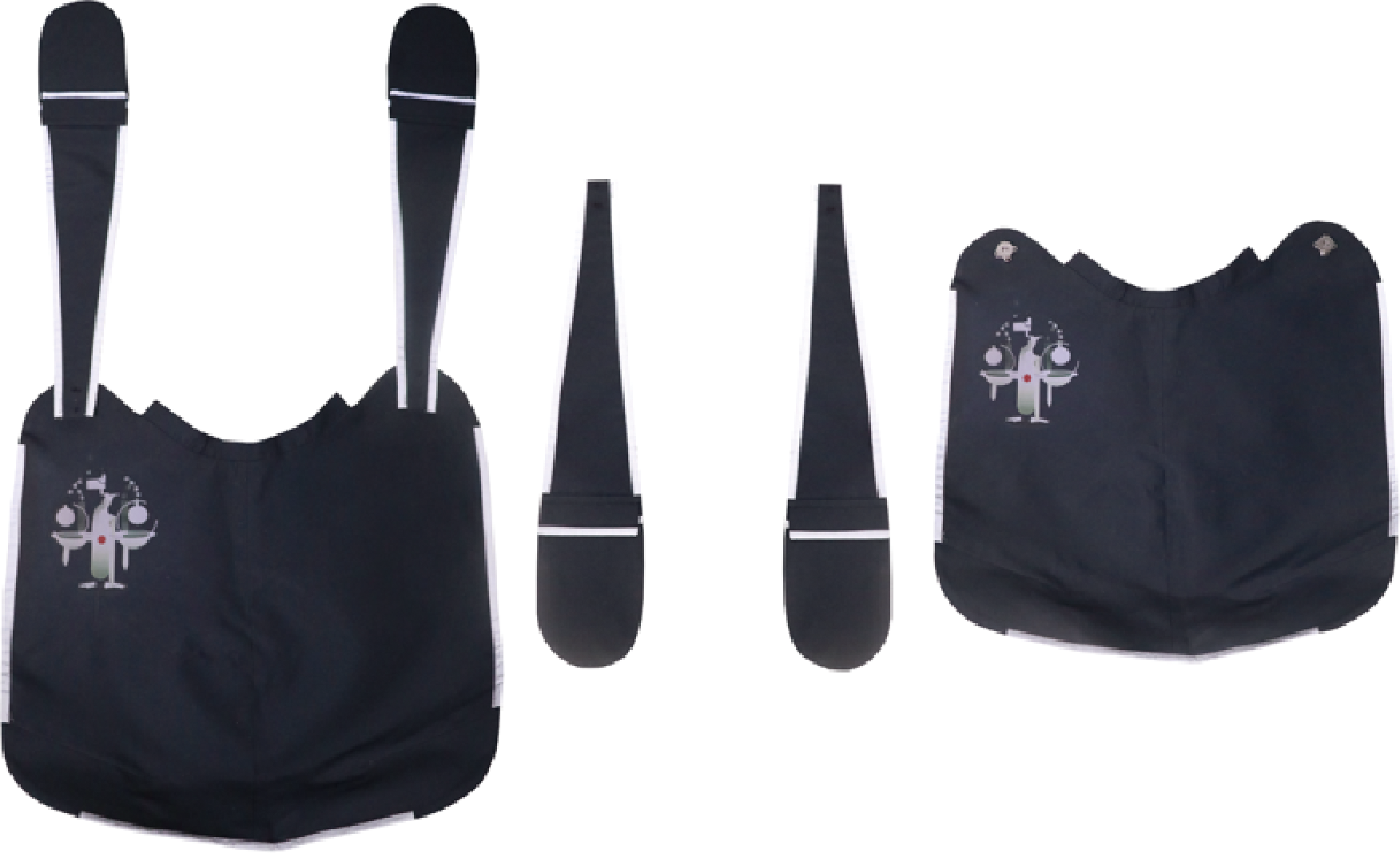
针对视障群体用餐时服装配件穿戴不便、防护不足的问题,对用餐辅助服装配件围兜的需求与设计进行了分析与研究。采用混合研究方法,对20名视障者开展深度访谈,回收42份有效问卷、完成18次用餐场景实验,通过市场调研获取对围兜的功能需求,并运用Kano模型对其进行分析;在此基础上提出无障碍围兜设计方案,使用CLO 3D模拟虚拟围兜及其佩戴效果,验证设计方案可行性。结果表明:视障群体用餐障碍集中于颜色识别、污渍检测与清洁、结构使用便捷性及个性化表达等方面,核心需求为防污材料应用、人体工学防护结构设计、便捷穿脱方案研发、个性化外观表达。据此设计的披肩式围兜,采用上翘边缘结构,实现汤渍阻隔延迟时间大于3 s,液体导流效率提升超40%,污渍外溢面积减少65%;稳定性测试结果显示,在50~100 g配重条件下,围兜掉落率较无配重状态降低82.1%~100%,80 g为最优配重值。研究结果可为视障群体用餐辅助服装的包容性设计提供实践参考。
中图分类号:
| [1] | 中共中央国务院. “健康中国2030”规划纲要[M]. 北京: 人民出版社, 2016: 11-13. |
| The Central Committee of the Communist Party of China and the State Council. Outline of the ″Healthy China 2030″ Plan[M]. Beijing: People's Publishing House, 2016:11-13. | |
| [2] | 史秋衡, 杨玉婷. 高等教育体系“四个面向”的使命担当及战略定位[J]. 中国高等教育, 2022(17): 11-13. |
| SHI Qiuheng, YANG Yuting. The mission and strategic orientation of the ″four faces″ of higher education system[J]. China Higher Education, 2022(17): 11-13. | |
| [3] | 世界卫生组织. 世界视觉报告[M]. 日内瓦: 世界卫生组织, 2020:33. 许可协议:CC BY-NC-SA 3.0 IGO. |
| World Health Organization. World report on vision[M]. Geneva: World Health Organization, 2020:23. Licence:CC BY-NC-SA 3.0 IGO. | |
| [4] | 陈则谦, 王萌, 张博文. 我国省级公共图书馆视障服务的供给状况与服务需求分析[J]. 图书馆建设, 2023(4): 100-113, 122. |
| CHEN Zeqian, WANG Meng, ZHANG Bowen. Analysis on the supply and demand of visually impaired services in provincial public libraries in China[J]. Library Development, 2023(4): 100-113, 122. | |
| [5] | 杨鸿. 基于无障碍理念的老年坐便器设计研究[J]. 包装工程, 2024, 45(4): 326-335. |
| YANG Hong. Design of toilet for the elderly based on barrier-free concept[J]. Packaging Engineering, 2024, 45(4): 326-335. | |
| [6] | 贺孝梅, 杨颖. 无障碍设计方法研究现状综述[J]. 包装工程, 2023, 44(6): 60-73, 116. |
| HE Xiaomei, YANG Ying. Review of barrier-free design methods and research status[J]. Packaging Engineering, 2023, 44(6): 60-73, 116. | |
| [7] | 罗婧楠, 赵升红, 刘洋, 等. 可持续时尚理念在服装设计中的应用[J]. 上海服饰, 2025(7): 30-32. |
| LUO Jingnan, ZHAO Shenghong, LIU Yang, et al. Application of sustainable fashion concept in fashion design[J]. Shanghai Fashion, 2025(7): 30-32. | |
| [8] | 丁虹月, 杨婧. 基于视障人群特征的出行穿戴设备通感设计研究[J]. 山东工艺美术学院学报, 2018(1): 64-68. |
| DING Hongyue, YANG Jing. Research on synaesthesia design of travel wearable equipment based on the characteristics of visually impaired people[J]. Journal of Shandong University of Art and Design, 2018(1): 64-68. | |
| [9] | 宇文塔曼, 孙偲璨. 服装设计要素对残障人群心理影响初探[J]. 大众文艺, 2018(7): 58. |
| YUWEN Daman, SUN Sican. A preliminary study on the psychological influence of clothing design elements on disabled people[J]. Art and Literature for the Masses, 2018(7): 58. | |
| [10] | 罗椅民, 杨世峰. 《触摸图形设计指南及图例》国家标准的研制[J]. 标准科学, 2018(7): 166-169. |
| LUO Yimin, YANG Shifeng. The development of national standards on tactile graphic design guide and illustration[J]. Standard Science, 2018(7): 166-169. | |
| [11] | AKTER H, GONCU-BERK G. Vision inclusive clothing design: a study on perception of clothing by visually impaired people[C]// Innovate to Elevate, 2022. DOI:10.31274/itaa.16023. |
| [12] |
ROCHA D, LEÃO C P, SOARES F, et al. iSight: a smart clothing management system to empower blind and visually impaired individuals[J]. Information, 2025, 16(5): 383.
doi: 10.3390/info16050383 |
| [13] |
王黎平, 徐谷香, 林艳. 新型自制护理围兜在喉癌气管切开术后非机械通气患者中的应用效果[J]. 中国临床护理, 2023, 15(7): 411-413.
doi: 10.3969/j.issn.1674-3768.2023.07.004 |
|
WANG Liping, XU Guxiang, LIN Yan. The application of a new self-made nursing bib in laryngeal cancer patients with non-mechanical ventilation after tracheotomy[J]. Chinese Clinical Nursing, 2023, 15(7): 411-413.
doi: 10.3969/j.issn.1674-3768.2023.07.004 |
|
| [14] | 徐亚婷. 服饰配件设计在服装设计中的应用[J]. 智库时代, 2018(46): 154-164. |
| XU Yating. The application of clothing accessories design in clothing design[J]. Think Tank Era, 2018(46): 154-164. | |
| [15] | QIN Y H, JI Z R, LI J X, et al. Design requirements for accessible dining apparel for the visually impaired[C]// 18th Textile Bioengineering and Informatics Symposium Proceedings (TBIS 2025). Textile Bioengineering and Informatics Society Limited (TBIS), 2025: 1198-1205. |
| [16] |
QIN Y H, JI Z R, LI J X, et al. Design guidelines for accessible dining apparel for the visually impaired: toward inclusive and sustainable fashion[J]. Journal of Fiber Bioengineering and Informatics, 2026, 18(4): 291-305.
doi: 10.3993/jfbim02211 |
| [17] | 汤旭, 王文娟. 基于KANO、TRIZ和BAP理论的无障碍服装设计模型研究[J]. 服装设计师, 2022(7): 77-83. |
| TANG Xu, WANG Wenjuan. Research on barrier-free fashion design model based on KANO-TRIZ-BAP theory[J]. Fashion China, 2022(7): 77-83. | |
| [18] | 周俊, 马世澎. SPSSAU科研数据分析方法与应用[M]. 北京: 电子工业出版社, 2024:488. |
| ZHOU Jun, MA Shipeng. Analysis method and application of SPSSAU scientific research data[M]. Beijing: Publishing House of Electronics Industry, 2024:488. |
| [1] | 袁书卿, 梁雪, 师云龙, 钱晓明, 桑慧莹, 谢易俊, 邱梦仕, 毛琴芳. 基于压力分布的女式瑜伽休闲裤样板分析与优化[J]. 纺织学报, 2026, 47(03): 263-271. |
| [2] | 杜雨杭, 侯东昱, 齐鹏飞. 基于摩擦纳米发电机原理的智能服装供能设计与优化[J]. 纺织学报, 2025, 46(11): 211-220. |
| [3] | 莫雁婷, 周莉, 陈思羽. 基于空间延展功能的菱形褶皱结构造型方法[J]. 纺织学报, 2025, 46(08): 191-198. |
| [4] | 胡安妮, 王婕, 杨五世, 钟跃崎. 面向虚拟展示的三维扫描服装纸样生成[J]. 纺织学报, 2025, 46(08): 209-216. |
| [5] | 罗玉玲, 杨喜竹, 王星岚, 郑晓慧, 赵胜男, 常素芹. 以相变包为冷源的冷却服研究进展[J]. 纺织学报, 2025, 46(07): 253-261. |
| [6] | 杨子田, 王诗琪, 雷梦洁. 马面裙坠感指数及结构解析[J]. 纺织学报, 2025, 46(07): 186-192. |
| [7] | 于晓坤, 易萍, 谢冠婧, 蔡凌霄. 基于人体动力学的服装衣袖运动舒适性探究[J]. 纺织学报, 2025, 46(06): 196-202. |
| [8] | 吕迎蕊, 王朝晖, 叶勤文, 刘欢欢, 孙月鑫. 运动服装的设计方法及发展趋势[J]. 纺织学报, 2025, 46(03): 256-265. |
| [9] | 周莉, 樊培宏, 金玉婷, 张龙琳, 李新荣. 服装逆向造型的数字化设计方法[J]. 纺织学报, 2023, 44(12): 138-144. |
| [10] | 杨钰蝶, 李承璋, 金剑, 郑晶晶. 基于上肢活动性的灭火防护服背带的设计与评价[J]. 纺织学报, 2023, 44(11): 183-189. |
| [11] | 刘咏梅, 刘思忆, 于晓坤, 薛惠心, 张向辉. 中国东部地区中老年女性体型特征与分类[J]. 纺织学报, 2023, 44(07): 184-191. |
| [12] | 陈佳, 杨聪聪, 刘军平, 何儒汉, 梁金星. 手绘草图到服装图像的跨域生成[J]. 纺织学报, 2023, 44(01): 171-178. |
| [13] | 王迪, 柯莹, 王宏付. Voronoi图形在参数化服装造型构建中的应用[J]. 纺织学报, 2021, 42(12): 131-137. |
| [14] | 金鹏, 薛哲彬, 江润恬, 刘丹宇, 张弛. 具有安全防护功能的智能盲人服设计[J]. 纺织学报, 2021, 42(08): 135-143. |
| [15] | 唐茜, 张冰冰, 郑笑雨. 婴幼儿可穿戴智能监测服装设计[J]. 纺织学报, 2021, 42(08): 156-160. |
|
||
 京公网安备11010502044800号