纺织学报 ›› 2026, Vol. 47 ›› Issue (03): 192-200.doi: 10.13475/j.fzxb.20251102601

• 安全防护材料 • 上一篇    下一篇

基于阳离子-π相互作用构建的耐磨阻燃涂层棉织物

陈思琦1, 金煜涵2, 陈琳3, 王芳4(), 王玉忠3   

  1. 1 四川大学 化学工程学院, 四川 成都 610065
    2 香港理工大学 应用生物及化学科技学系, 香港 999077
    3 四川大学 化学学院, 四川 成都 610065
    4 四川大学 高分子科学与工程学院, 四川 成都 610065
  • 收稿日期:2025-11-10 修回日期:2026-01-09 出版日期:2026-03-15 发布日期:2026-03-15
  • 通讯作者: 王芳(1995—),女,副研究员,博士。主要研究方向为高分子材料的表界面及其阻燃多功能化。E-mail:wangfang99@scu.edu.cn
  • 作者简介:陈思琦(1996—),女,博士生。主要研究方向为耐久疏水阻燃聚合物涂层的设计。
  • 基金资助:
    国家自然科学基金项目(52203274);国家自然科学基金项目(52573064)

Durable flame-retardant cotton fabric coatings based on cation-π interactions

CHEN Siqi1, JIN Yuhan2, CHEN Lin3, WANG Fang4(), WANG Yuzhong3   

  1. 1 School of Chemical Engineering, Sichuan University, Chengdu, Sichuan 610065, China
    2 Department of Applied Biology and Chemical Technology, The Hong Kong Polytechnic University, Hong Kong 999077, China
    3 College of Chemistry, Sichuan University, Chengdu, Sichuan 610065, China
    4 College of Polymer Science and Engineering, Sichuan University, Chengdu, Sichuan 610065, China
  • Received:2025-11-10 Revised:2026-01-09 Published:2026-03-15 Online:2026-03-15

摘要:

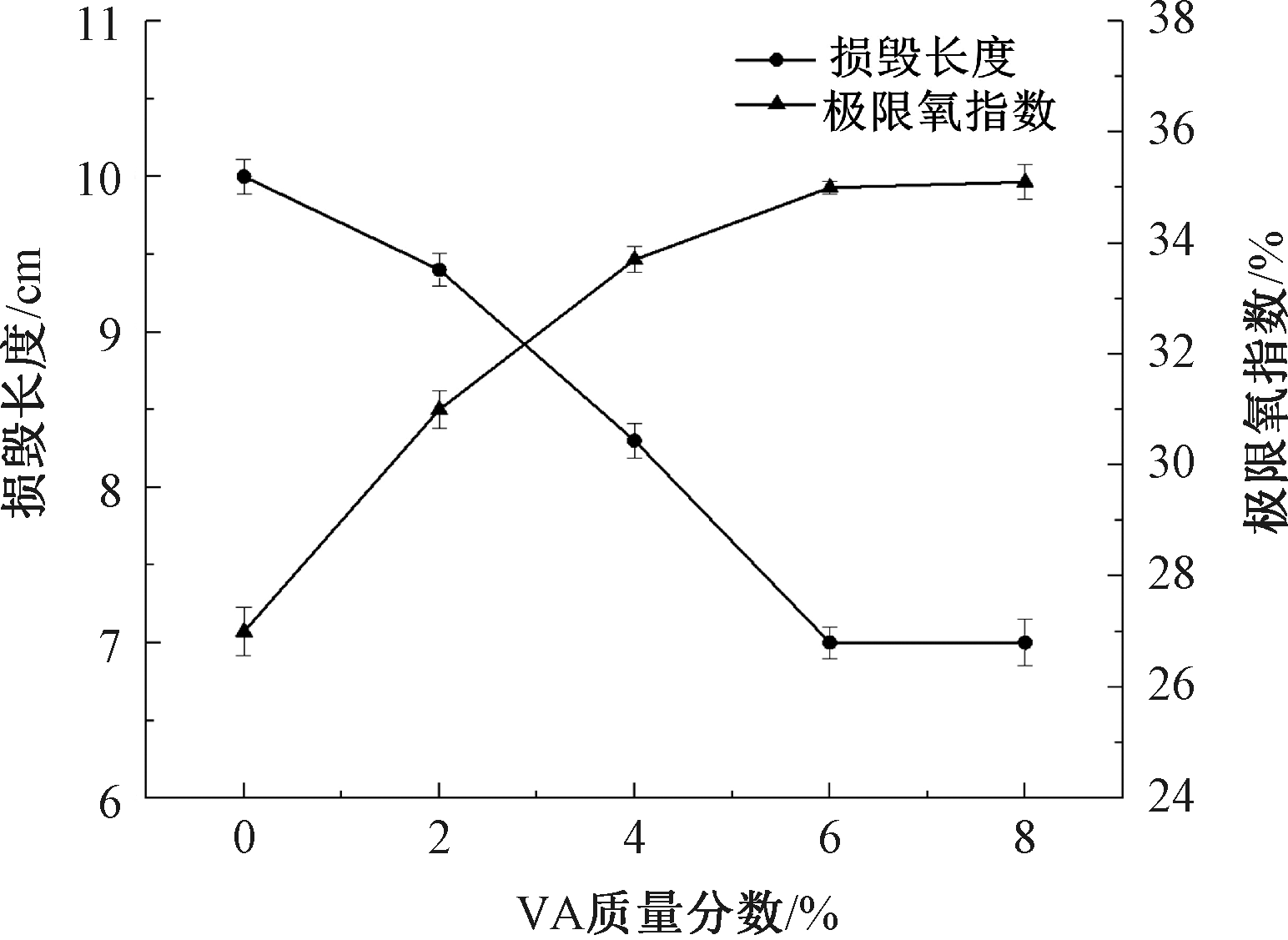
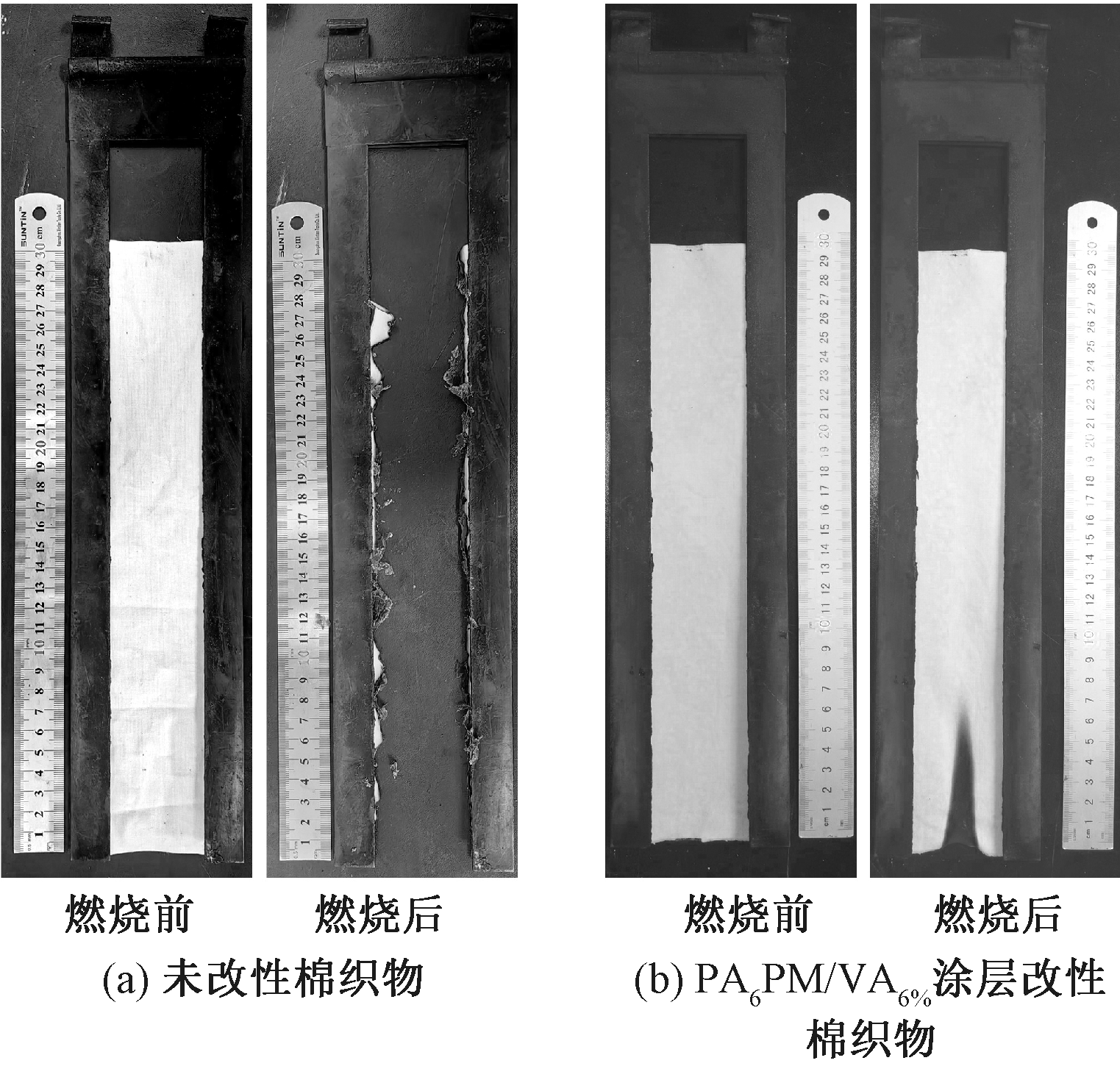
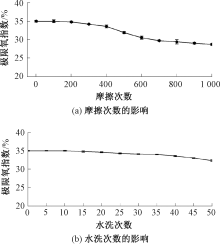
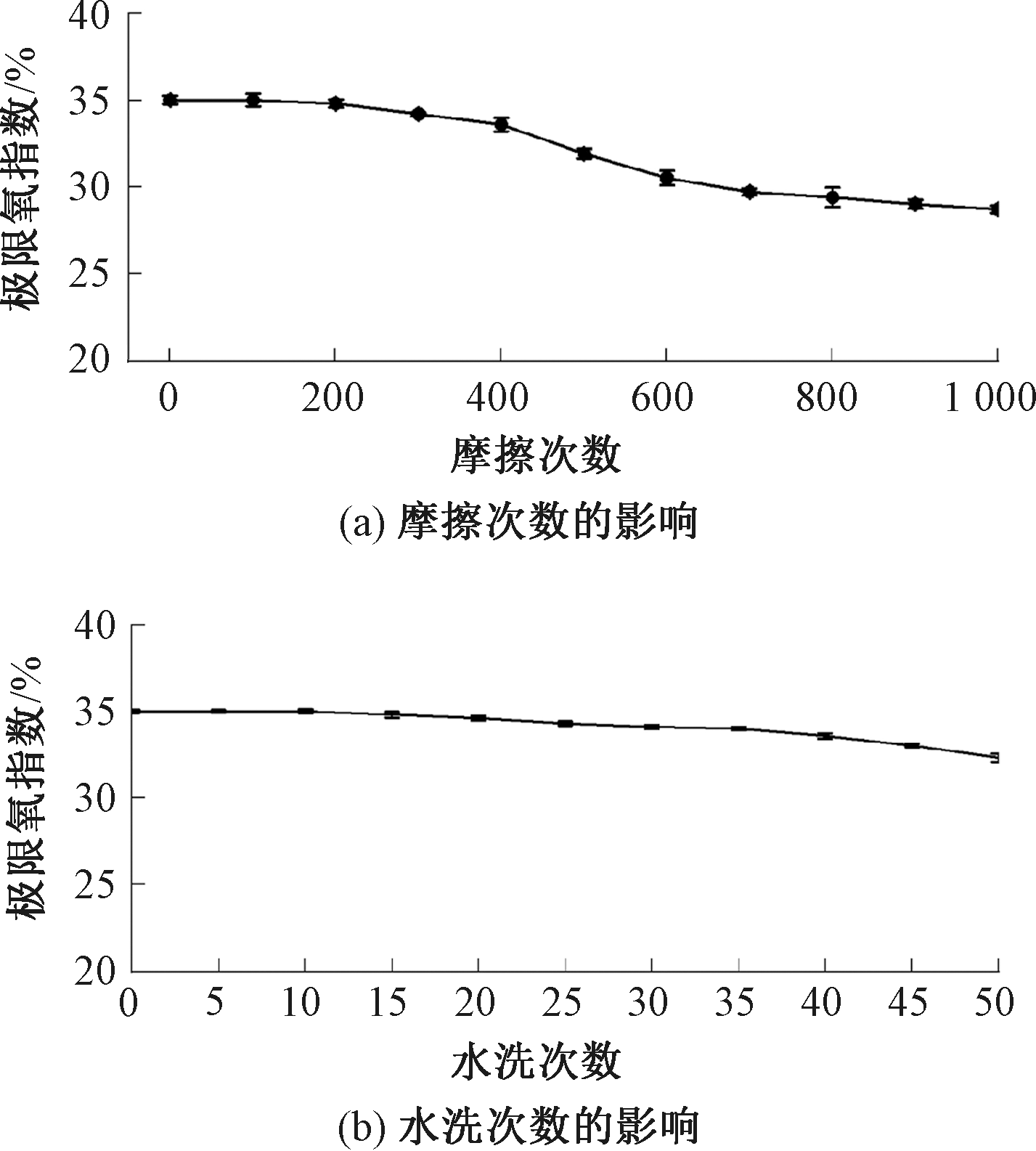
针对大多数织物基材(如棉、麻、涤纶等)燃点低,极易燃烧并引发火灾蔓延的问题,通过表面处理法在织物表面构建阻燃涂层,使阻燃成分集中分布于纤维表面,从而实现高效阻燃。为提升阻燃涂层的附着力和耐磨性,基于阳离子-π相互作用构建了一种高耐磨磷氮协同阻燃防护涂层。通过紫外光引发聚合反应,分别合成了聚丙烯酰氧乙基二甲基苄基氯化铵(PADBAC)和聚2-甲基丙烯酰氧乙基磷酸胆碱(PMPC),并引入乙烯基磷酸(VA),复配制备出阻燃复合涂层(PA6PM/VA6%)。其中,PADBAC分子中的苯环结构可与PMPC链段中的季铵盐阳离子产生阳离子-π相互作用,有效增强涂层的内聚强度,使涂层附着强度升至2.35 MPa。经涂层改性的棉织物在垂直燃烧测试中可实现离火自熄,损毁长度仅为7.5 cm, 其极限氧指数(LOI)高达35%。在燃烧过程中,VA与PMPC可协同催化棉织物成炭,生成致密且膨胀的炭层结构,进一步提升阻燃性能。此外,经1 000次砂轮磨损后,织物的LOI值仍保持在28.0%以上,具有良好的耐磨性与阻燃耐久性。该涂层在防护服、轨道交通、户外帐篷及公共安全等领域具有广阔的应用前景。

关键词: 阳离子-π相互作用, 阻燃涂层, 阻燃织物, 强附着力, 棉织物, 耐磨性, 磷氮协同阻燃, 功能纺织品

Abstract:

Objective Fibers and textiles are essential materials used across many application fields, but most of them present significant fire hazards due to their inherent flammability. Although surface treatments can impart flame retardancy, the limited durability of most coatings restricts their practical utility. This study aims to develop a highly durable flame-retardant coating for cotton fabrics by leveraging strong cation-π interactions to enhance the adhesion between the coating and the substrate. Through this strategy, the coating is designed to provide not only effective flame retardancy but also long-lasting protection capable of withstanding mechanical abrasion.

Method In this study, a UV-initiated polymerization strategy was employed to synthesize poly(acryloyloxyethyl dimethyl benzyl ammonium chloride) (PADBAC) and poly(2-methacryloyloxyethyl phosphorylcholine) (PMPC). Vinyl phosphonic acid (VA) was further incorporated to formulate a composite flame-retardant coating (PA6PM/VA6%). Within the coating matrix, the benzene rings of PADBAC interact with the quaternary ammonium cations of PMPC through cation-π interactions, thereby enhancing adhesion strength and interfacial adhesion. The coating was then applied to cotton fabrics, followed by characterization of adhesion strength, flame retardancy, and mechanical stability.

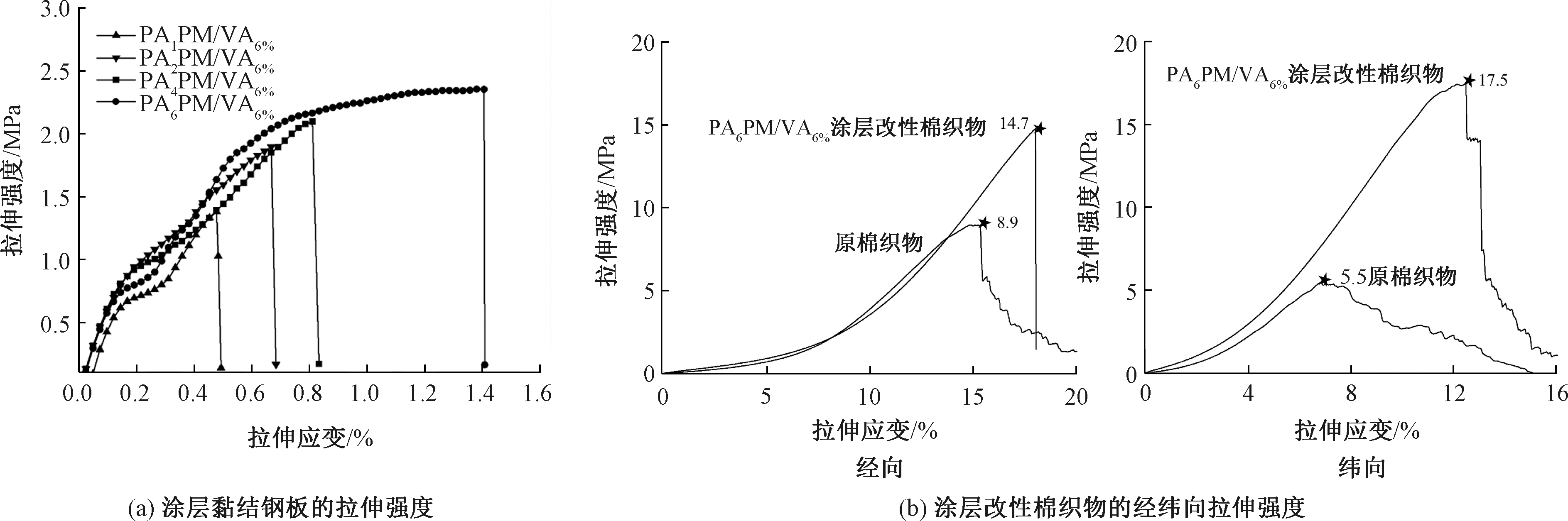
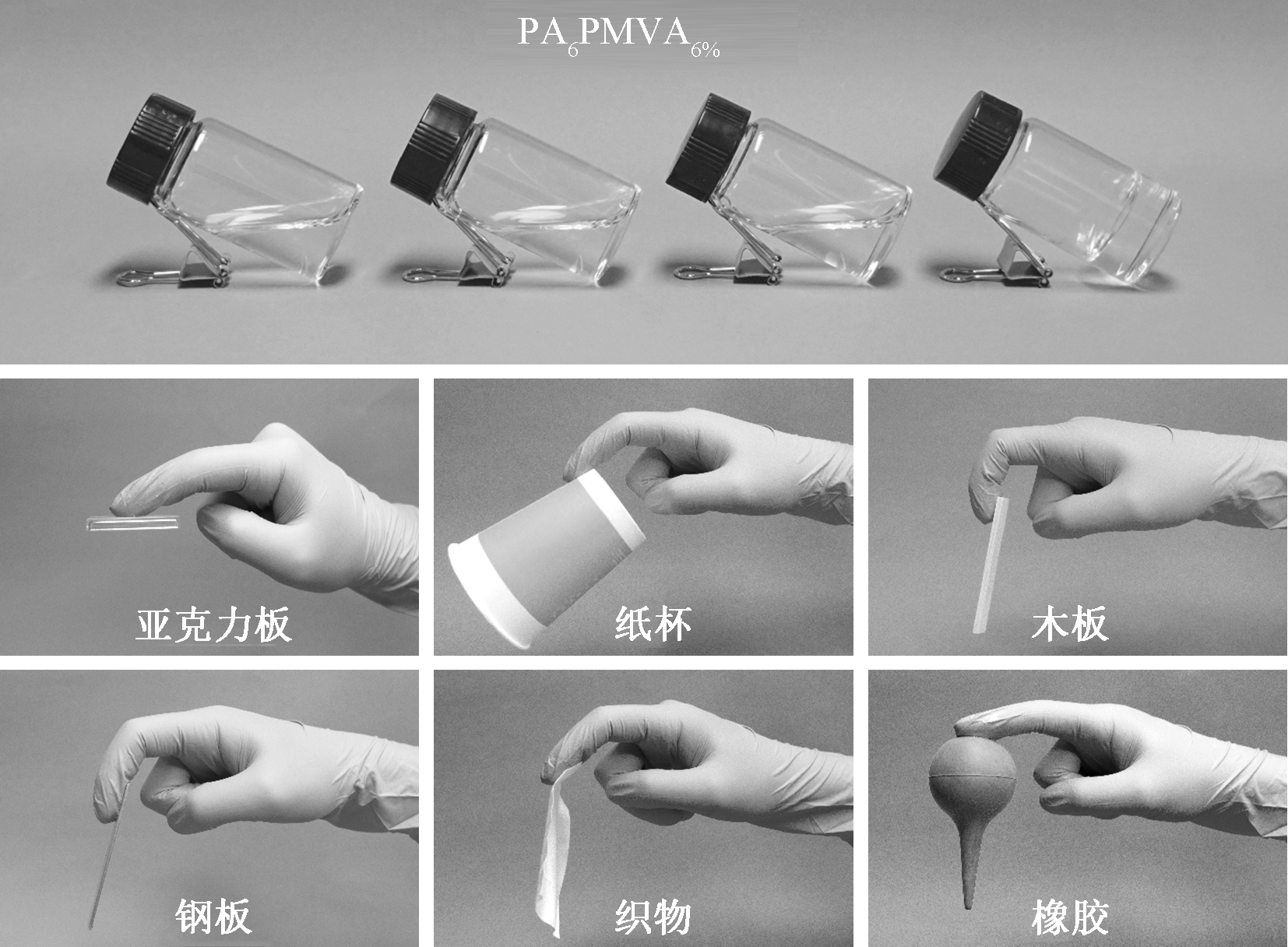
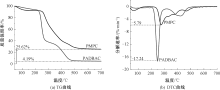
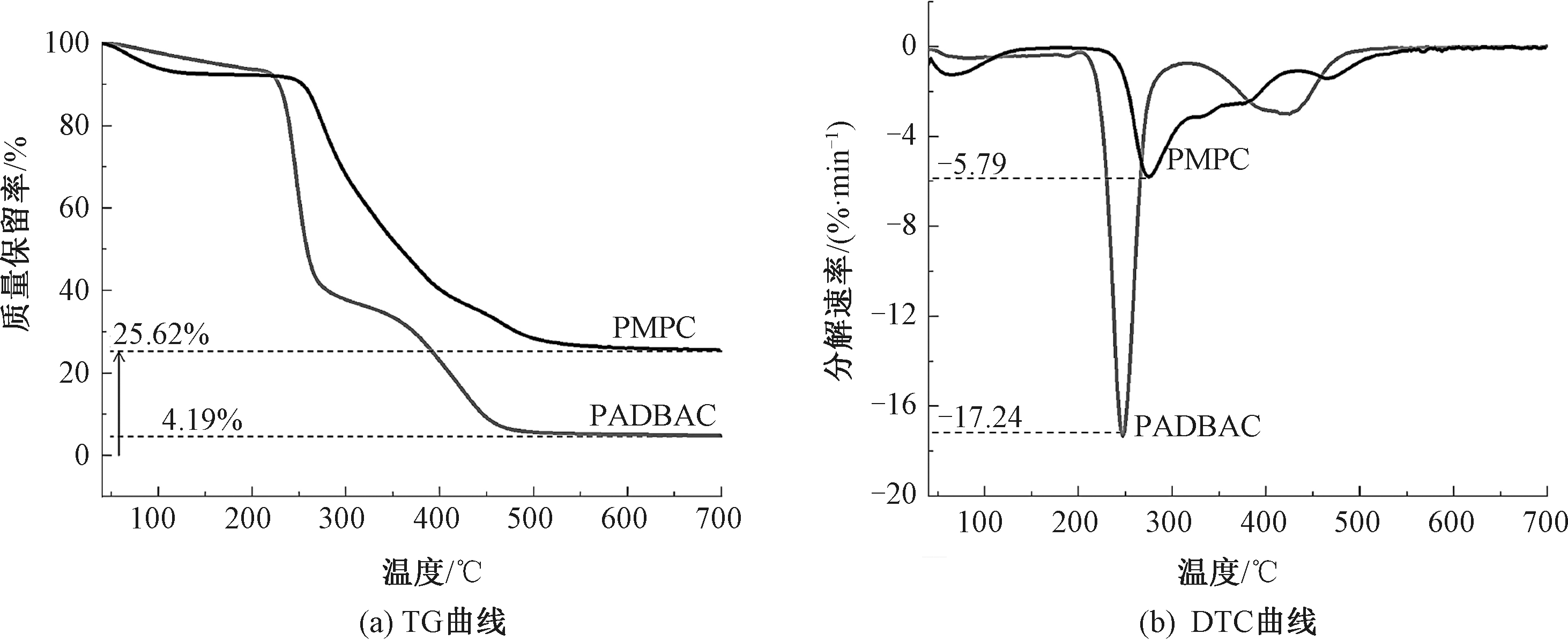
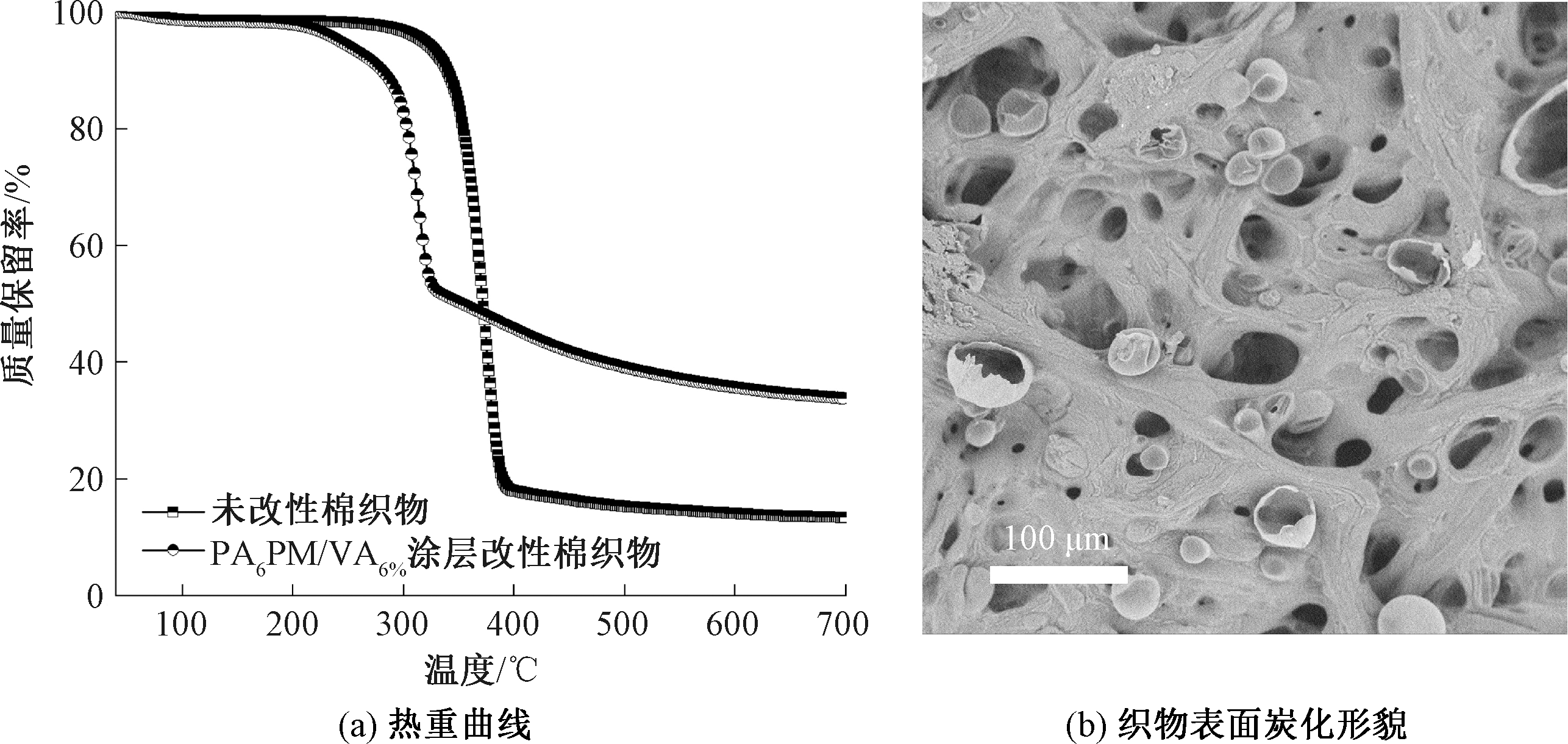
Results Cotton fabric characterization showed that the PA6PM/VA6% coating exhibited good adhesion, flame retardancy, and durability. First, benefiting from the designed cation-π interactions between the benzene rings in PADBAC and the quaternary ammonium cations in PMPC, the coating demonstrated strong interfacial adhesion, achieving an adhesion strength of 2.35 MPa. These interactions effectively enhanced both the adhesion strength of the coating and its adhesion to the fiber substrate, while further enabling reliable adhesion to a broad range of surface types. The PA6PM/VA6% coating also demonstrated good flame-retardancy in vertical burning tests. Upon removal of the ignition source, the coated fabric self-extinguished, exhibiting a damage length of only 7.5 cm, and showed a high limiting oxygen index (LOI) value of 35%. Thermogravimetric analysis revealed a synergistic mechanism during thermal exposure, which is that VA and PMPC can enhance char formation, promoting the development of a dense and expanded char layer. This char served as an effective physical barrier, insulating the underlying polymer from heat and oxygen, thereby reinforcing the flame-retardant effect. Most importantly, the PA6PM/VA6%coating demonstrated remarkable mechanical stability. Even after 1 000 standard rubbing cycles, the coated fabric retained its self-extinguishing performance, with the LOI value remaining above 28.0%. These results indicate excellent wear resistance and highlight the coating's promising potential for practical applications in protective clothing, rail transit and outdoor tents.

Conclusion This study developed a highly durable phosphorus-nitrogen synergistic flame-retardant protective coating based on cation-π interactions. PADBAC and PMPC were synthesized by UV-initiated polymerization, and VA was incorporated to formulate a flame-retardant composite coating (PA6PM/VA6%). Within this coating matrix, the benzene rings in PADBAC were pound to engage in cation-π interactions with the quaternary ammonium cations of the PMPC segments, effectively reinforcing both adhesions strength of the coating and its adhesion to the fiber surface, resulting in an adhesion strength of 2.35 MPa. Cotton fabrics modified with this coating exhibited self-extinguishing behavior upon flame removal in vertical burning tests, with a damaged char length of only 7.5 cm, and demonstrated a high LOI value of 35%. During burning, VA and PMPC synergistically promoted char formation, generating a dense and expanded carbonaceous layer that further enhanced flame retardancy. Moreover, after 1 000 rubbing cycles, the treated fabric maintained an LOI value above 28.0%, indicating excellent abrasion resistance and durable flame-retardant performance. This coating shows promising potential for practical applications in protective clothing, rail transit, construction, and public safety.

Key words: cation-π interaction, flame-retardant coating, flame-retardant fabric, strong adhesion, cotton fabric, durability, phosphorus-nitrogen synergistic flame retardation, functional textiles

中图分类号: 

  • TS 195

图1

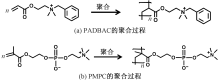
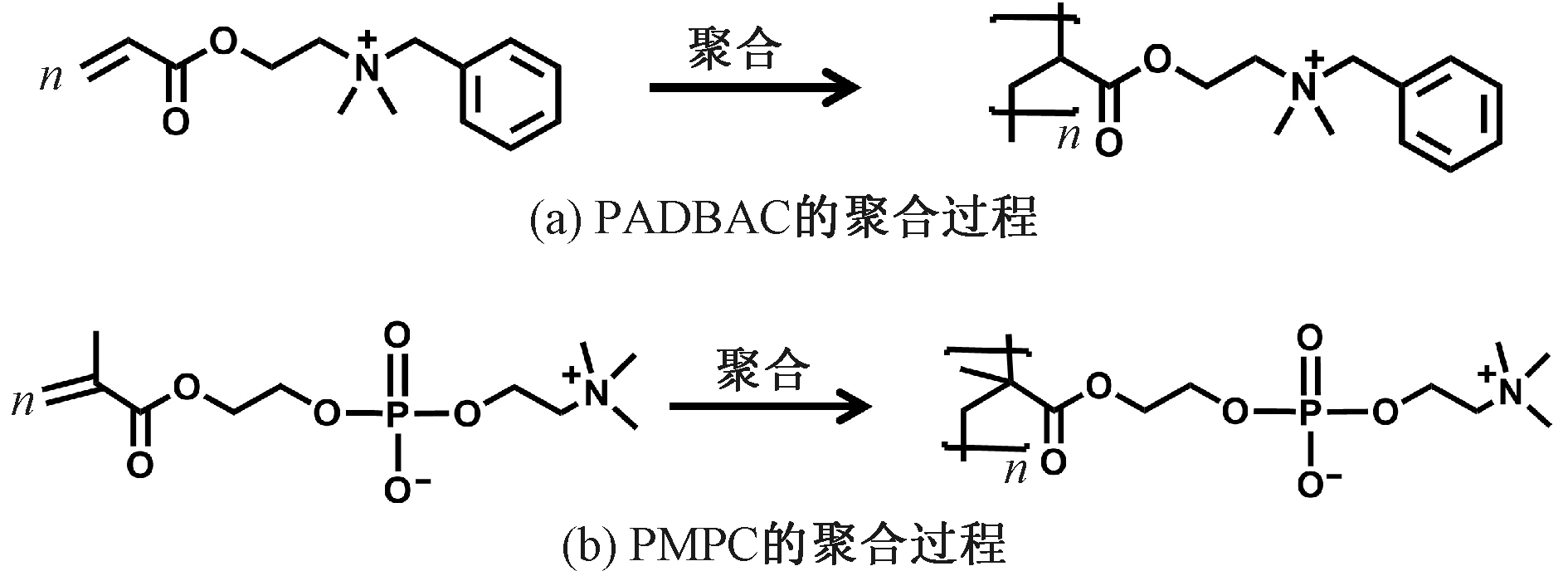
涂层中聚合物PADBAC和PMPC的聚合反应过程"

表1

2种聚合物的GPC结果"

聚合物 Mw Mn Mz PDI
PADBAC 5 854 2 645 12 257 2.21
PMPC 14 860 10 316 20 287 1.44

图2

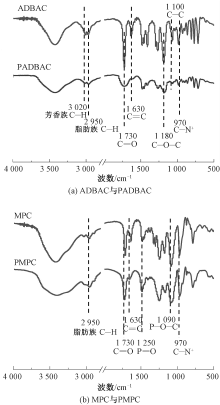
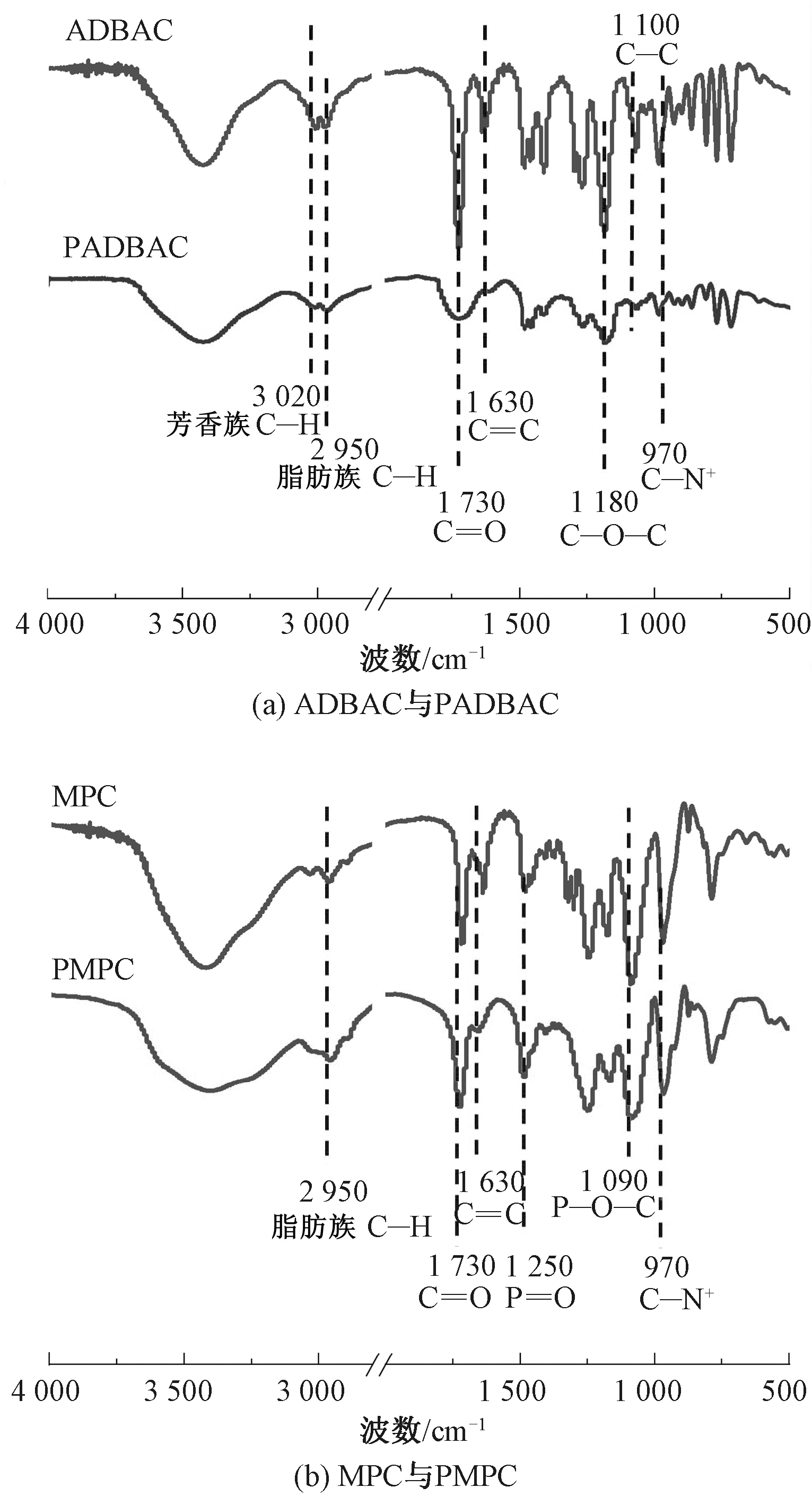
单体ADBAC与MPC在聚合前后的红外光谱图"

图3

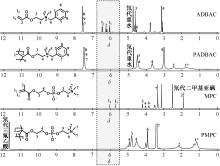
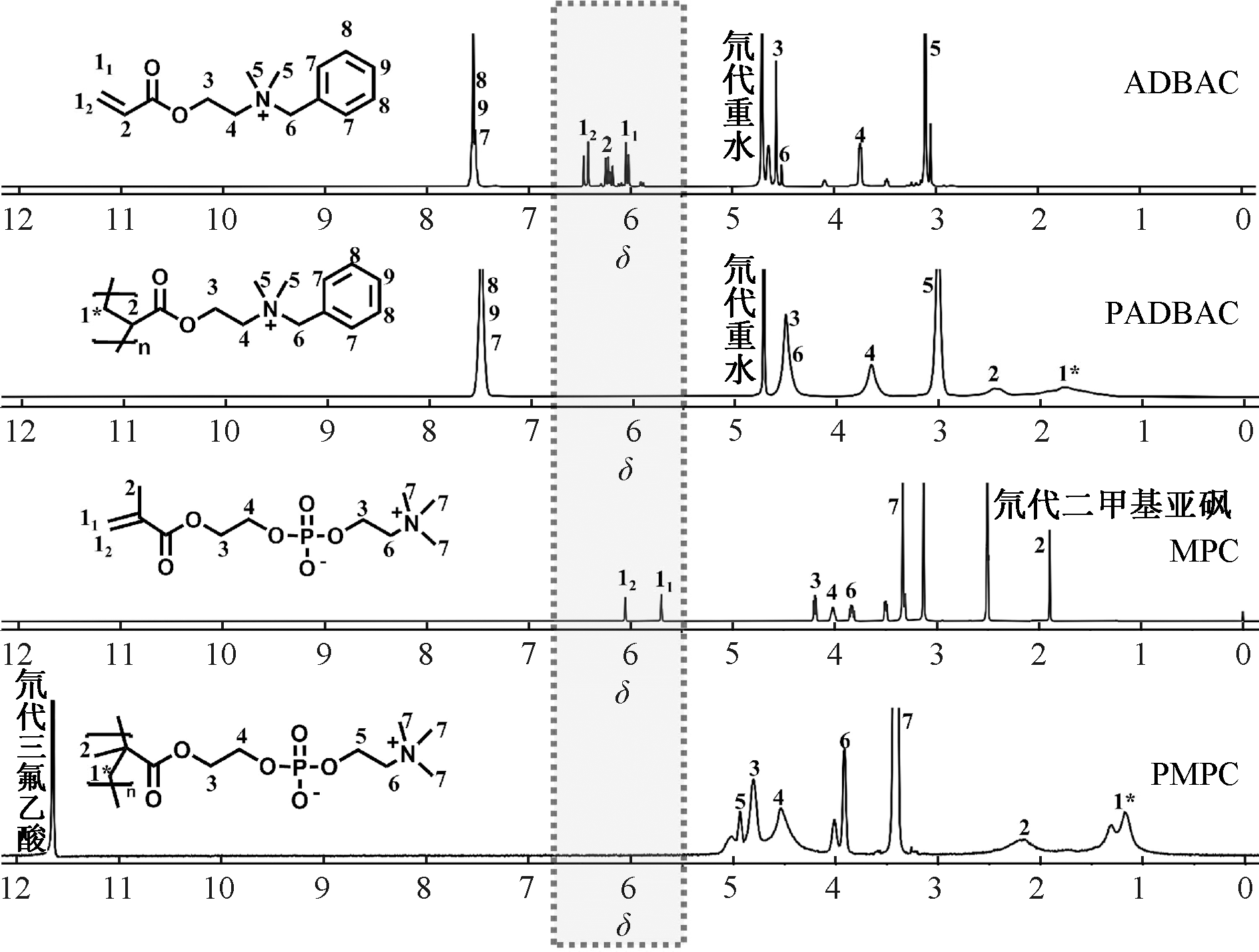
单体ADBAC和MPC在聚合前后的1H NMR谱图"

图4

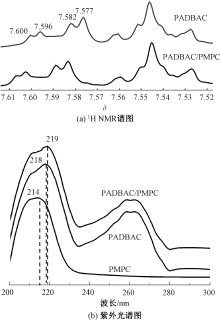
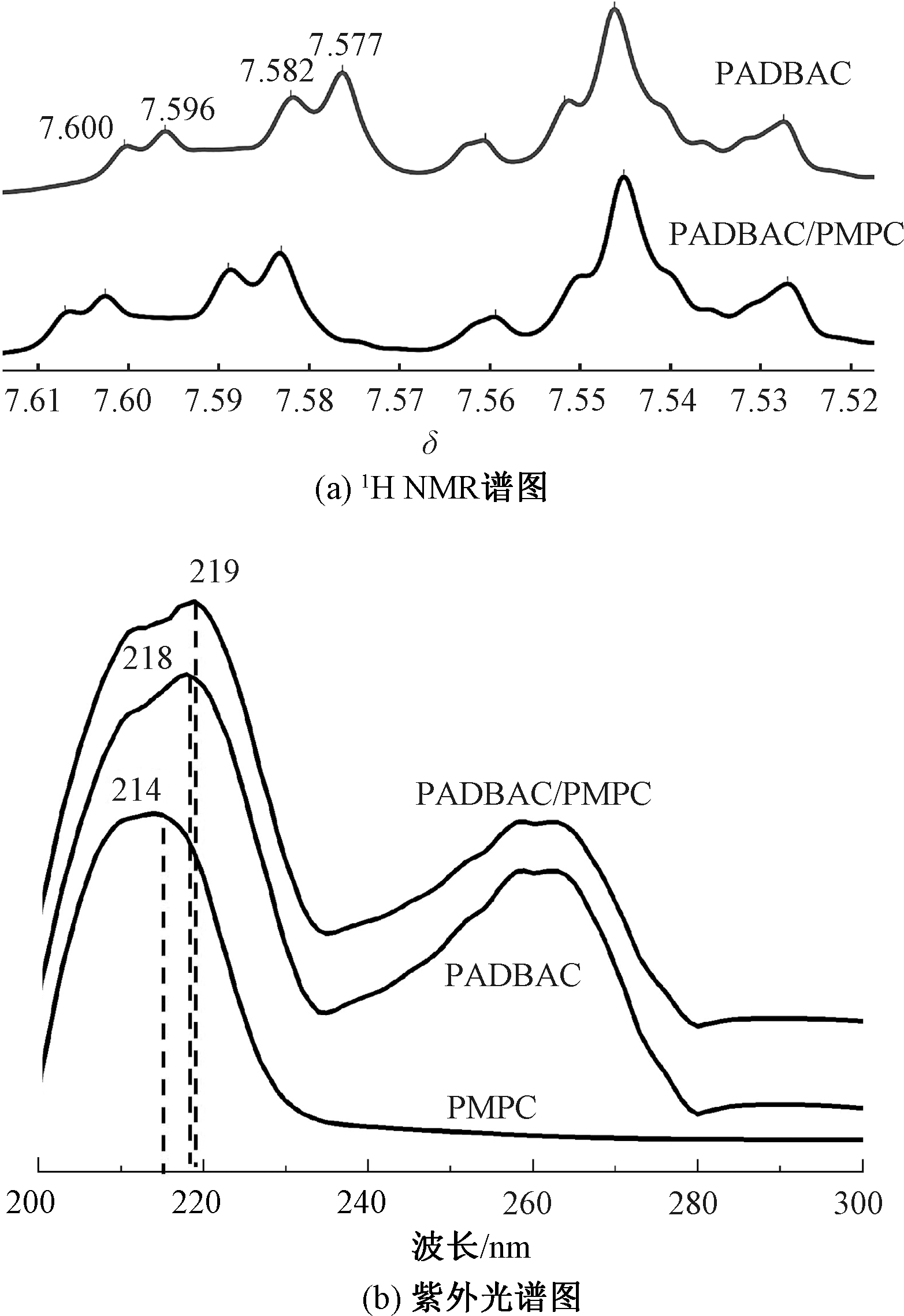
PADBAC与PMPC复配前后的1H NMR谱图和紫外光谱图"

图5

涂层黏结钢板的拉伸强度和棉织物表面改性前后在经纬向的拉伸强度"

图6

PA6PM/VA6%涂层对多种基材的黏附展示"

图7

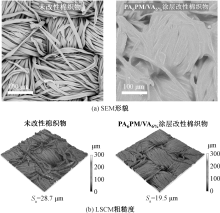
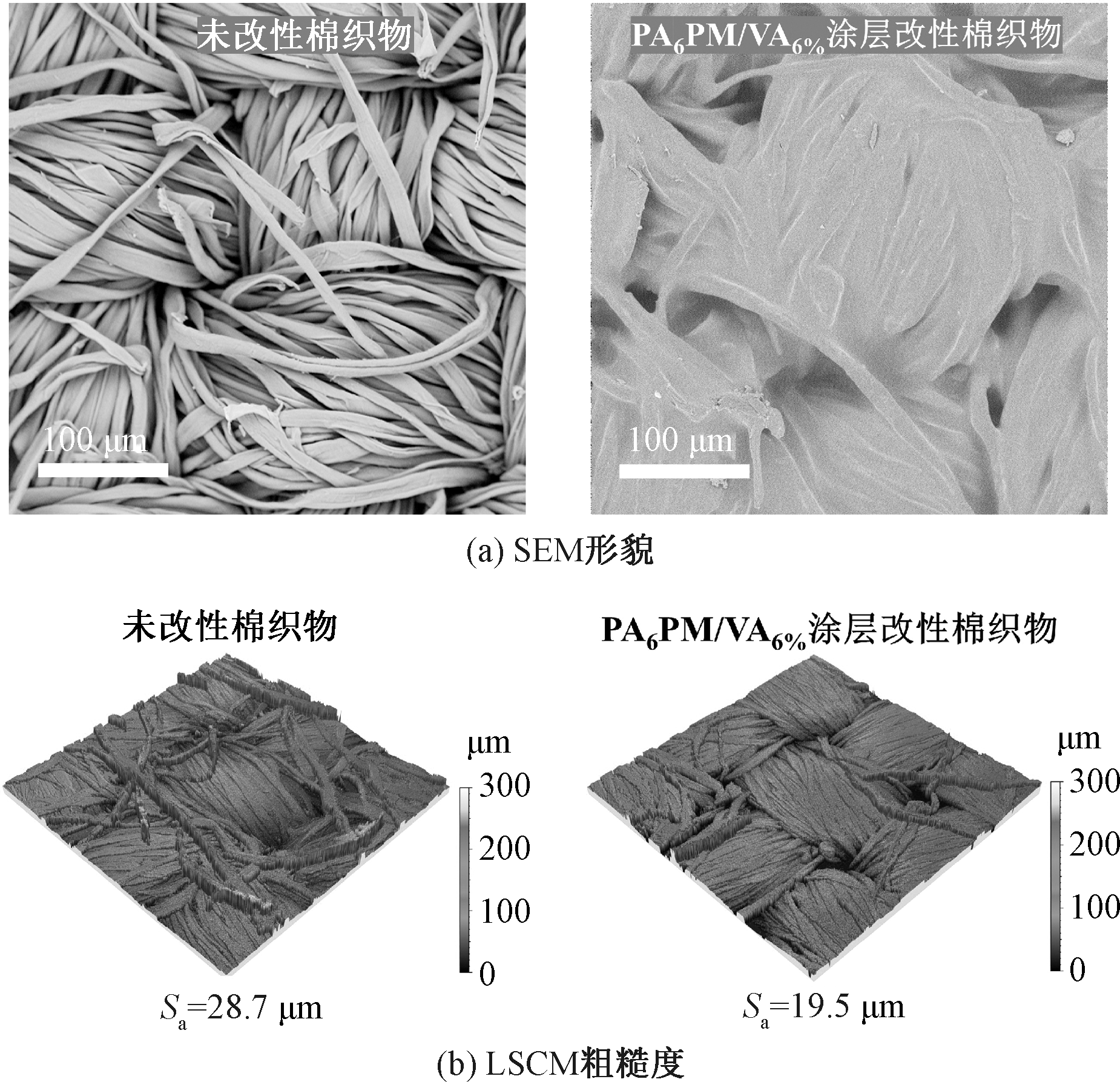
未改性棉织物及PA6PM/VA6%涂层改性棉织物的SEM照片及其LSCM粗糙度"

图8

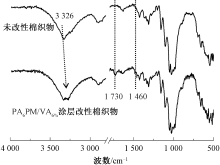
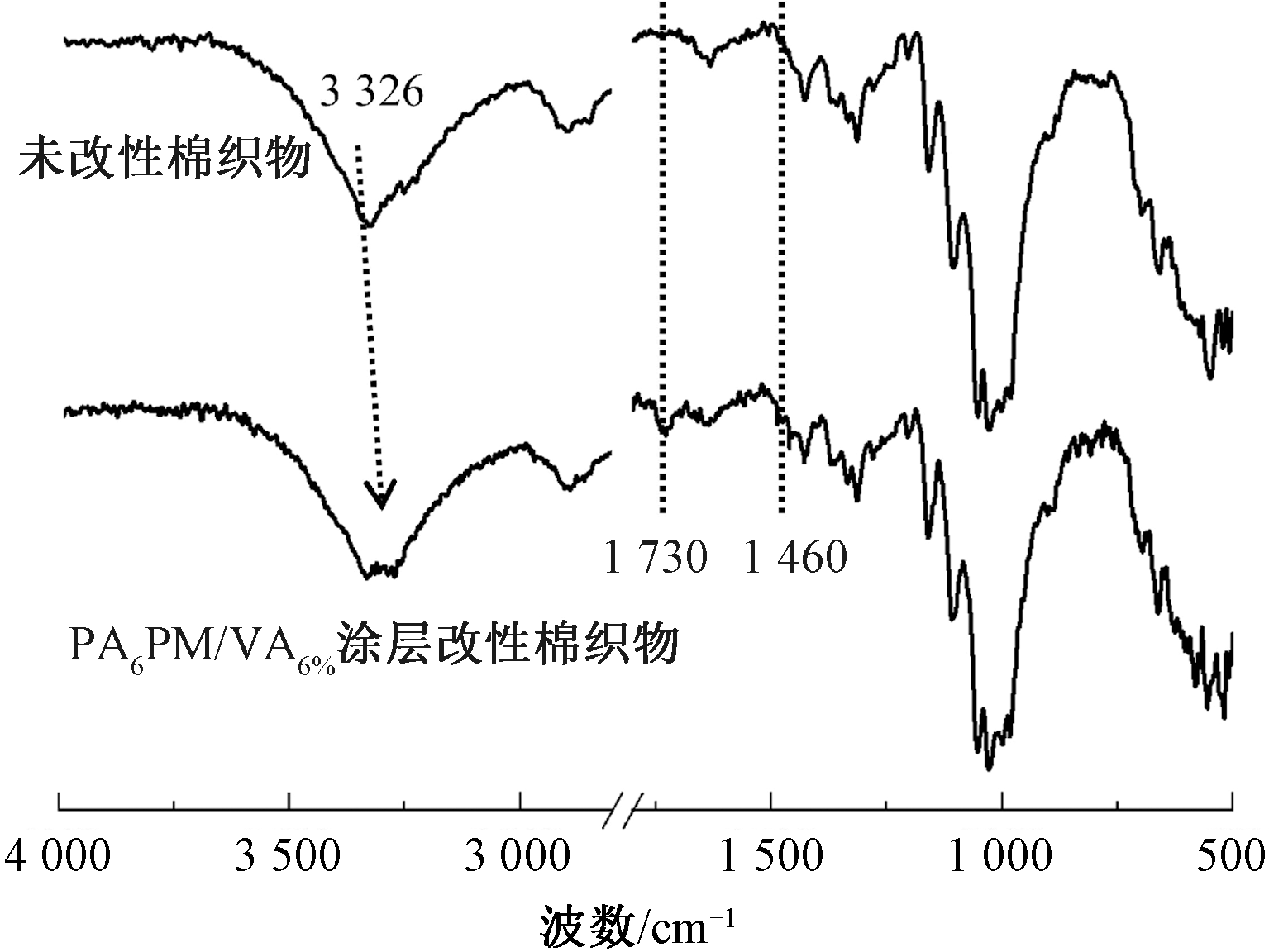
未改性棉织物及PA6PM/VA6%涂层改性棉织物的红外光谱图"

图9

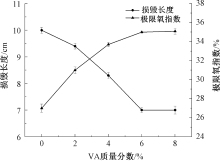
不同VA质量分数下涂层改性棉织物的极限氧指数和垂直燃烧损毁长度"

图10

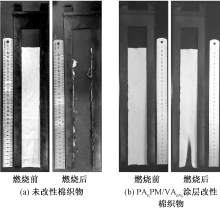
未改性棉织物及PA6PM/VA6%涂层改性棉织物在垂直燃烧测试前后的图片"

图11

摩擦次数与水洗次数对PA6PM/VA6%涂层改性棉织物LOI值的影响"

图12

PADBAC、PMPC的热重分解曲线"

图13

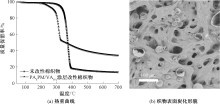
改性棉织物的热重曲线及700 ℃下PA6PM/VA6%涂层改性棉织物表面的炭化形貌SEM照片"

[1] 王俊胜, 金星, 张杰, 等. 高等级化学防护服用多层膜面料的阻燃性能和热防护性能[J]. 消防科学与技术, 2024, 43(3): 389-392.
WANG Junsheng, JIN Xing, ZHANG Jie, et al. Flame retardancy and thermal protection performance of multi-layer film fabric for high-level chemical protective clothing[J]. Fire Science and Technology, 2024, 43(3): 389-392.
[2] 朱平, 隋淑英, 王炳, 等. 阻燃及未阻燃棉织物的热分析[J]. 青岛大学学报(工程技术版), 2000, 15(4): 1-5.
ZHU Ping, SUI Shuying, WANG Bing, et al. Thermal analysis of flame-retardant and non-flame-retardant cotton fabrics[J]. Journal of Qingdao University, 2000, 15(4): 1-5.
[3] CHEN L, LIU B W, FU T, et al. New methods for flame-retarding PET without melt dripping[J]. Chinese Science Bulletin, 2020, 65(28/29): 3160-3172.
[4] 李鑫超, 夏长林, 陈明军, 等. 基于硅氧体系的织物用阻燃、疏水双功能涂层[J]. 化学进展, 2023, 35(12): 1783-1792.
doi: 10.7536/PC230501
LI Xinchao, XIA Changlin, CHEN Mingjun, et al. Fabric coatings based on silicon oxide structure with both flame-retardant and hydrophobic properties[J]. Progress in Chemistry, 2023, 35(12): 1783-1792.
doi: 10.7536/PC230501
[5] 徐英俊, 王芳, 倪延朋, 等. 纺织品的阻燃及多功能化研究进展[J]. 纺织学报, 2022, 43(2): 1-9.
XU Yingjun, WANG Fang, NI Yanpeng, et al. Research progress on flame-retardation and multi-functionalization of textiles[J]. Journal of Textile Research, 2022, 43(2): 1-9.
doi: 10.1177/004051757304300101
[6] RU H F, MA Y C, JIN Y L, et al. A facile strategy based on ionic liquids to modulate the antibacterial, flame-retardant, and sensing properties of cotton fabrics[J]. Advanced Functional Materials, 2025, 35(28): 2425093.
doi: 10.1002/adfm.v35.28
[7] CHEN Z X, BI X Y, SHI Y L, et al. Dual covalent crosslinking strategy to fabricate flame-retardant, hydrophobic, high-strength and breathable fabric[J]. Chemical Engineering Journal, 2025, 520: 165781.
doi: 10.1016/j.cej.2025.165781
[8] 于文慧, 田家龙, 潘江, 等. 反应型阻燃剂丙烯基磷酸二甲酯的合成及紫外光辐照接枝棉织物[J]. 辐射研究与辐射工艺学报, 2023, 41(4): 11-19.
YU Wenhui, TIAN Jialong, PAN Jiang, et al. Preparation of reactive flame retardant dimethly allylphosphonate and its grafting onto cotton fabric via ultraviolet light irradiation[J]. Journal of Radiation Research and Radiation Processing, 2023, 41(4): 11-19.
[9] XU Y J, ZHANG K T, WANG J R, et al. Biopolymer-based flame retardants and flame-retardant materials[J]. Advanced Materials, 2025, 37(22): e2414880.
[10] LIU B W, ZHAO H B, WANG Y Z. Advanced flame-retardant methods for polymeric materials[J]. Advanced Materials, 2022, 34(46): 2107905.
doi: 10.1002/adma.v34.46
[11] FAN H L, GUO H L, WANG J H, et al. Competitive cation-π interactions between small cations and polycations with phenyl groups in poly(cation-π) hydrogels[J]. Giant, 2020, 1: 100005.
doi: 10.1016/j.giant.2020.100005
[12] DI W S, XUE K, CAI J, et al. Single-molecule force spectroscopy reveals cation-π interactions in aqueous media are highly affected by cation dehydration[J]. Physical Review Letters, 2023, 130(11): 118101.
doi: 10.1103/PhysRevLett.130.118101
[13] HUANG Z C, ZHAO K J, WEI S Y, et al. Rapid formation of antifouling coatings via cation-π interactions[J]. Polymer Chemistry, 2024, 15(43): 4465-4473.
doi: 10.1039/D4PY00859F
[14] 方丝柔, 祝创, 刘旭庆. 纤维表面导电功能改性技术的研究进展[J]. 东华大学学报(自然科学版), 2025, 51(4): 235-248.
FANG Sirou, ZHU Chuang, LIU Xuqing. Research progress on conductive function modification technology on fiber surface[J]. Journal of Donghua University (Natural Science), 2025, 51(4): 235-248.
[15] WANG Z H, WANG Y T, WANG X L, et al. Highly harsh-environment-stable and sustainable multifunctional silk textiles enabled by programmable underwater robust yet stimulus-reversible cation-π adhesion[J]. Research, 2025, 8: 910.
doi: 10.34133/research.0910
[1] 侯琳, 宋悦悦, 马军, 徐炎炎, 武诣焜, 樊威. 个体热防护材料研究现状与发展趋势[J]. 纺织学报, 2026, 47(03): 166-174.
[2] 施楣梧. 纺织品抗菌新技术研究进展[J]. 纺织学报, 2026, 47(03): 201-207.
[3] 王业飞, 许子傲, 俞建勇, 丁彬, 李召岭. 个人恒温热管理织物的研究进展[J]. 纺织学报, 2026, 47(03): 208-216.
[4] 刘济民, 任亚杰, 王志强, 陈贺, 王怀芳. 蒸汽洗对棉织物手感的影响及其作用机制[J]. 纺织学报, 2026, 47(02): 230-238.
[5] 任萧, 潘林洁, 姜海霞, 葛凤燕, 高洪国. 生物质多酚-亚铁离子多色系染料制备及其在棉织物上的应用[J]. 纺织学报, 2026, 47(01): 132-141.
[6] 冯品淇, 张丽宁, 王娜娜, 吕仲, 周存. 低温高效精练剂的制备及其应用性能[J]. 纺织学报, 2026, 47(01): 159-167.
[7] 宋佳怡, 王政驿, 程献伟, 关晋平, 朱亚伟. 液态靛蓝染料的制备及其对棉织物的染色性能[J]. 纺织学报, 2025, 46(12): 133-141.
[8] 候志文, 任泽苹, 王晓宁, 张天骄. 棉织物的壳聚糖/海藻酸盐抗菌阻燃整理及其性能[J]. 纺织学报, 2025, 46(12): 171-180.
[9] 王梁宇, 高晓红, 于彩娇, 张雪婷, 杨旭礼. 还原氧化石墨烯/铜纳米颗粒导电棉织物的制备及其传感性能[J]. 纺织学报, 2025, 46(12): 181-187.
[10] 龙红霞, 吴伟, 刘娅岚, 徐红, 毛志平. 纤维素纤维孔道吸湿溶胀行为的分子动力学模拟[J]. 纺织学报, 2025, 46(11): 155-163.
[11] 张帆, 蔡再生, 刘慧景, 陆少锋, 黄旭明. 高牢固光致变色棉织物的点击化学法制备及其性能[J]. 纺织学报, 2025, 46(11): 196-202.
[12] 许云凯, 宋婉萌, 张旭, 刘云. 单宁酸基高效阻燃Lyocell织物的制备及其性能[J]. 纺织学报, 2025, 46(08): 145-153.
[13] 陈展毓, 俞森龙, 周家良, 朱丽萍, 周哲, 相恒学, 朱美芳. 有机膦酸改性聚乳酸织物的制备及其性能[J]. 纺织学报, 2025, 46(08): 154-163.
[14] 刘旭东, 宋政吉, 陈世昌, 陈文兴. 改性环氧树脂涂覆聚酰亚胺纤维的表面性能[J]. 纺织学报, 2025, 46(08): 18-27.
[15] 王子涵, 李勇, 陈晓川, 汪军, 梁凌杰. 废旧棉织物破碎加工过程的建模与仿真[J]. 纺织学报, 2025, 46(07): 136-143.
Viewed
Full text


Abstract

Cited

  Shared   
  Discussed   
No Suggested Reading articles found!