纺织学报 ›› 2025, Vol. 46 ›› Issue (10): 11-18.doi: 10.13475/j.fzxb.20250104601
孙燕燕1,2, 张世韬3, 刘衡3, 李明远1,2, 蔡正国1,2, 孙俊芬1,2, 陈龙1,2( )
)
SUN Yanyan1,2, ZHANG Shitao3, LIU Heng3, LI Mingyuan1,2, CAI Zhengguo1,2, SUN Junfen1,2, CHEN Long1,2()
摘要:
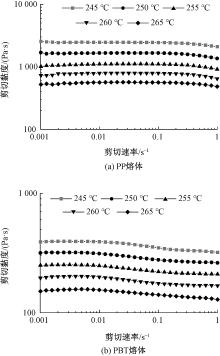
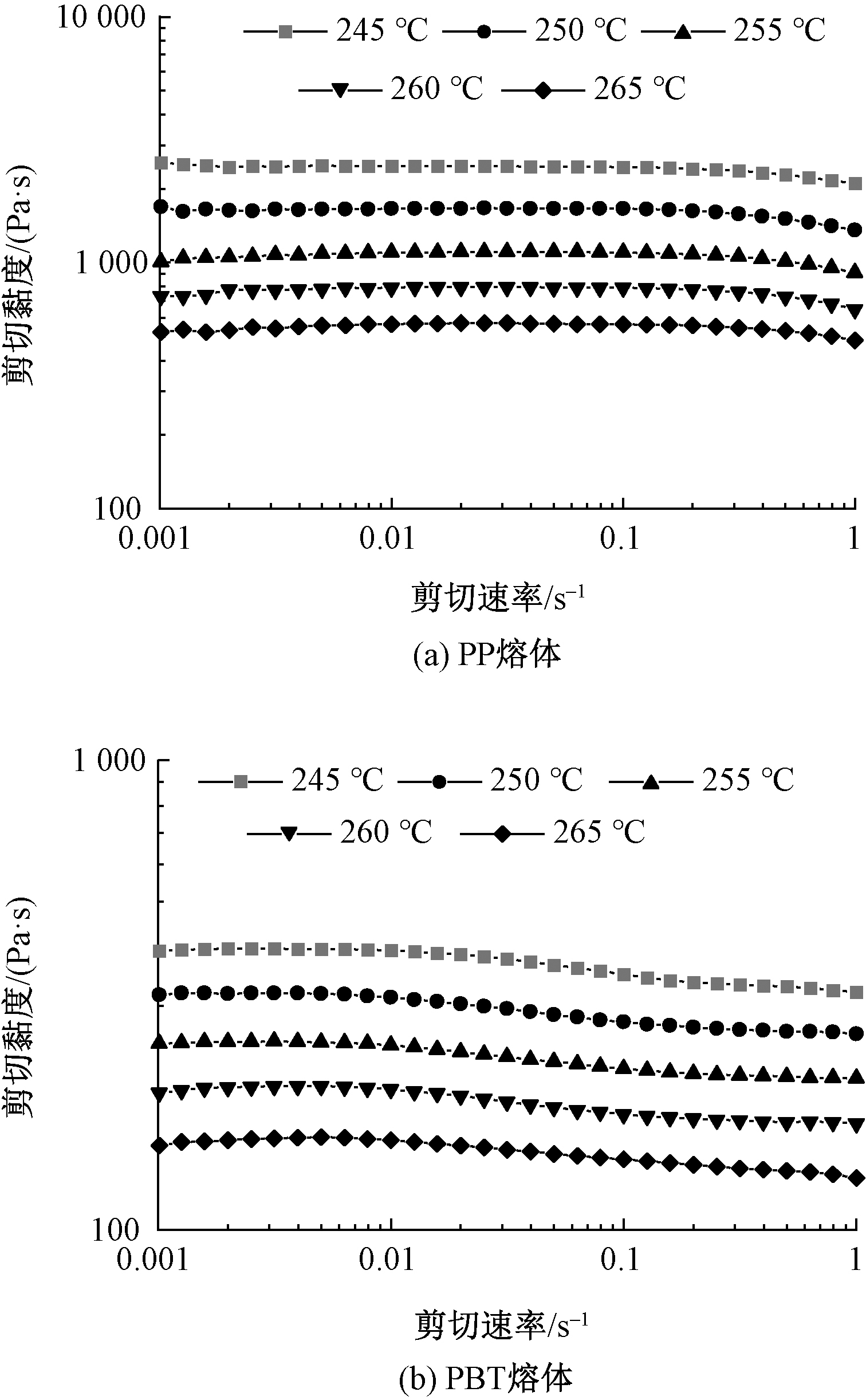
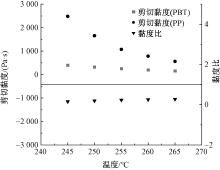
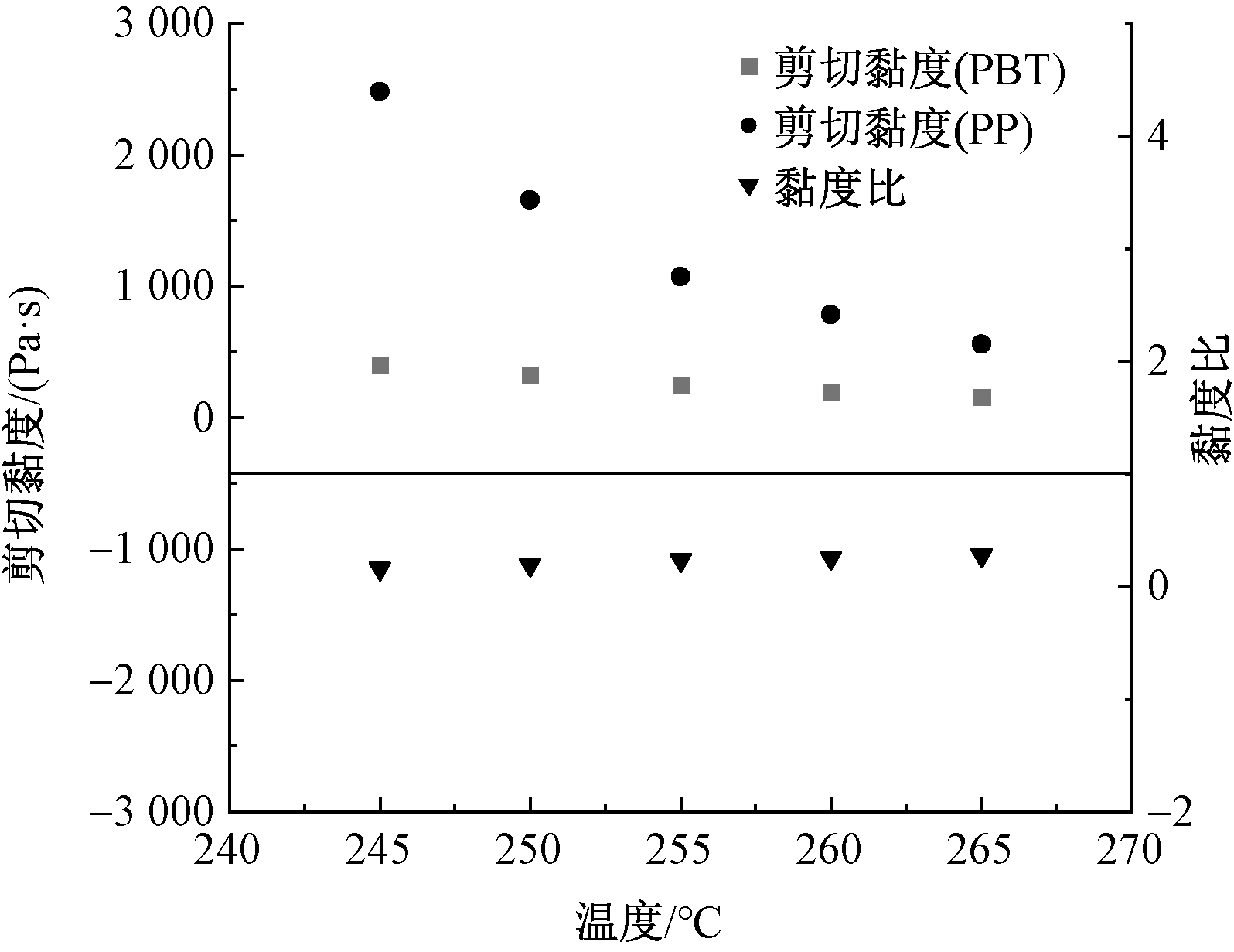
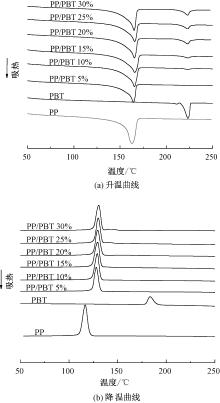
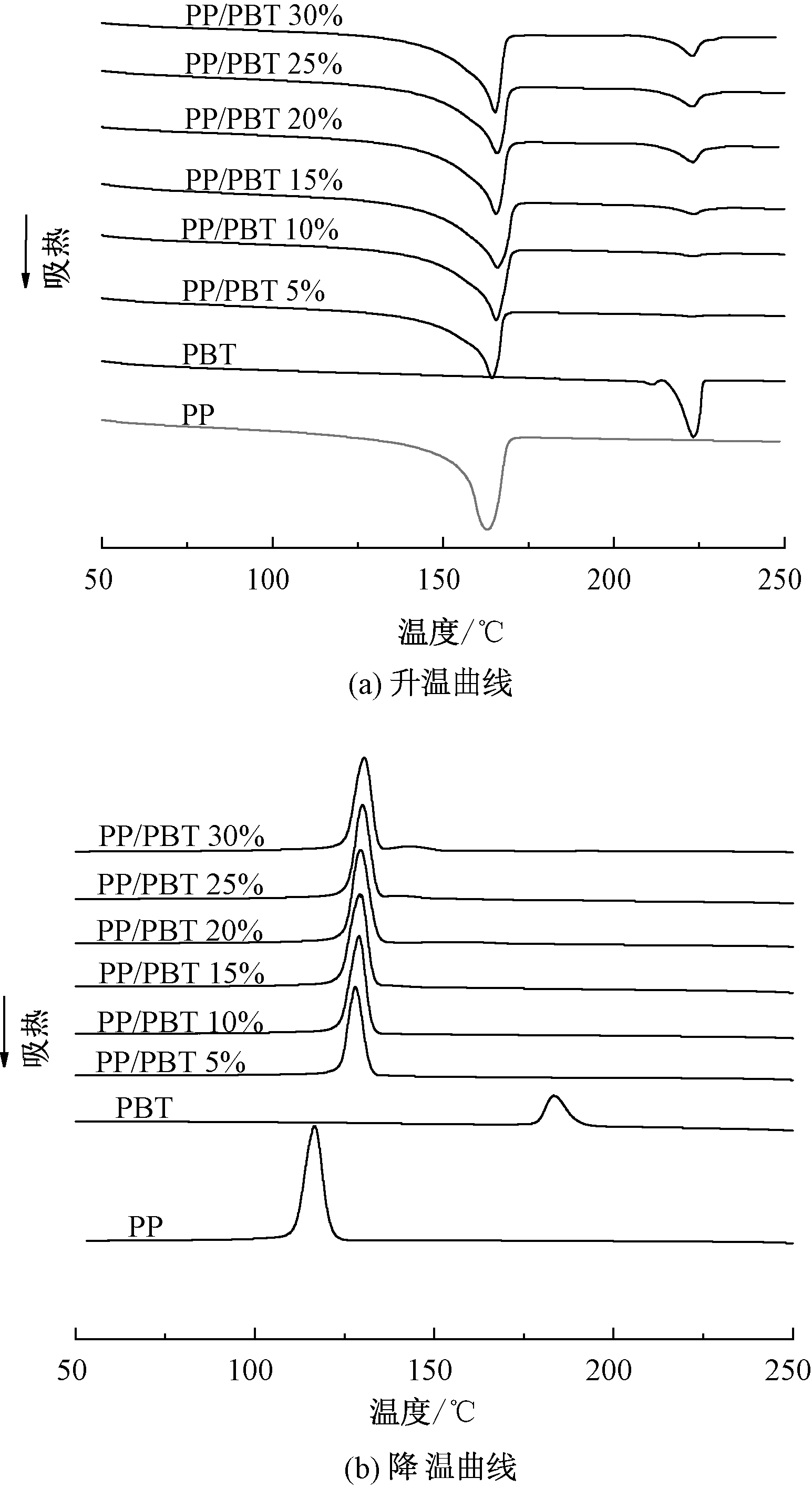
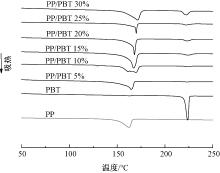
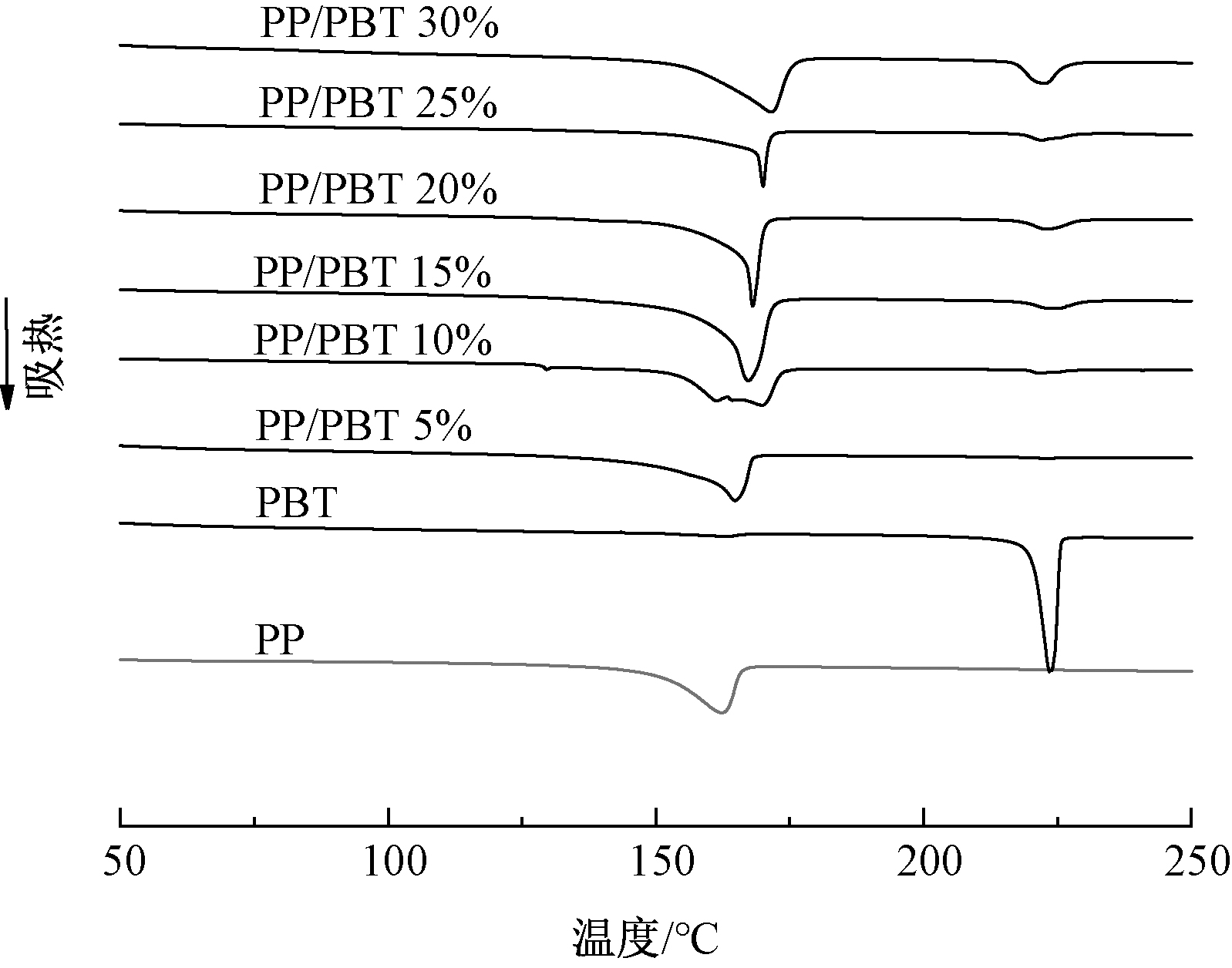
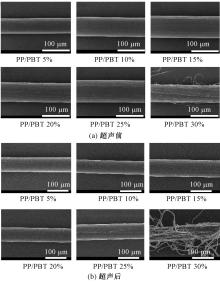
为研发不同结构特征的聚丙烯/聚对苯二甲酸丁二醇酯(PP/PBT)共混纤维,选择质量分数分别为5%、10%、15%、20%、25%和30%的PBT与PP共混切片熔融纺丝。借助流变仪研究了PP/PBT共混熔体的流变特性,借助差示扫描量热仪分析了共混物的热性能,结果表明共混体系为不相容体系。在此基础上,通过改变组分比例,调控PP/PBT共混纤维的制备工艺参数,成功制备出具有沟槽状及微纤结构的PP/PBT共混纤维;并且在250 ℃下进行纺丝所制备的纤维具有最佳性能。随着分散相组分比的增加,共混纤维的表面沟槽状结构愈发明显。当PBT的质量分数达到30%时,共混纤维表面出现了最为明显的沟槽状结构及大量微纤。进一步对PP/PBT共混纤维进行超声波处理发现,纤维表面出现了大量PBT微纤,形成鹅绒状纤维形态。
中图分类号:
| [1] | 花泓静. 可染改性聚丙烯复合纤维的制备及性能研究[D]. 杭州: 浙江理工大学, 2021: 11-12. |
| HUA Hongjing. Preparation and performance study of modified polypropylene composite fibers[D]. Hangzhou: Zhejiang Sci-Tech University, 2021: 11-12. | |
| [2] | 王锐, 朱志国, 张大省, 等. 相容剂对PA6/PE基体-微纤型共混纤维形态结构的调控[J]. 高分子材料科学与工程, 2002, 18(5): 96-99. |
| WANG Rui, ZHU Zhiguo, ZHANG Daxing, et al. The regulation of microfiber-type blended fiber morphology structure by compatibilizer on PA6/PE matrix[J]. Polymer Materials Science & Engineering, 2002, 18(5): 96-99. | |
| [3] |
LI H, HU G H. The early stage of the morphology development of immiscible polymer blends during melt blending: compatibilized vs. uncompatibilized blends[J]. Journal of Polymer Science Part B Polymer Physics, 2015, 39(5): 601-610.
doi: 10.1002/(ISSN)1099-0488 |
| [4] |
COX R G. The deformation of a drop in a general time-dependent fluid flow[J]. Journal of Fluid Mechanics, 2006, 37(3): 601-623.
doi: 10.1017/S0022112069000759 |
| [5] |
CHEN X, XU J, GUO B H. Development of dispersed phase size and its dependence on processing parame-ters[J]. Journal of Applied Polymer Science, 2006, 102(4): 3201-3211.
doi: 10.1002/app.v102:4 |
| [6] | 杨汪洋, 王立诚, 孙燕燕, 等. 温度对聚甲醛/聚丙烯共混物流变性能及界面张力的影响[J]. 合成纤维工业, 2024, 47 (4): 28-34. |
| YANG Wangyang, WANG Licheng, SUN Yanyan, et al. The influence of temperature on the rheological properties and interfacial tension of POM/PP blend[J]. Synthetic Fiber Industry, 2024, 47 (4): 28-34. | |
| [7] |
PAN D, HUFENUS R, QIN Z Y, et al. Tuning gradient microstructures in immiscible polymer blends by viscosity ratio[J]. Journal of Applied Polymer Science, 2019, 136(44): 48165.
doi: 10.1002/app.v136.44 |
| [8] |
PAN D, HUFENUS R, QIN Z Y, et al. Tailored gradient morphologies and anisotropic surface patterns in polymer blends[J]. Macromolecular Materials and Engineering, 2018, 304(3): 1800601.
doi: 10.1002/mame.v304.3 |
| [9] |
SILVA E R, COELHO J F J, BORDADO J C. Hybrid polyethylene/polypropylene blended fiber-reinforced cement composite[J]. Journal of Composite Materials, 2012, 47(25): 3131-3141.
doi: 10.1177/0021998312462619 |
| [10] | 张景春. 基于母粒共混改性制备超柔PBT纤维及其性能研究[D]. 上海: 东华大学, 2019: 18-20. |
| ZHANG Jingchun. Preparation of ultra-soft PBT fibers by masterbatch blending modification and study of their properties[D]. Shanghai: Donghua University, 2019: 18-20. | |
| [11] | 闻秀银, 陈海燕, 路广, 等. PBT弹性短纤维纺纱工艺研究[J]. 合成纤维工业, 2021, 44(3): 42-47. |
| WEN Xiuyin, CHEN Haiyan, LU Guang, et al. Research on spinning process of PBT elastic short fibers[J]. Synthetic Fiber Industry, 2021, 44(3): 42-47. | |
| [12] | 陈向玲, 张景春, 吉鹏, 等. PDMS共混改性超柔PBT纤维的制备及其性能[J]. 纺织导报, 2020(5): 36-42. |
| CHEN Xiangling, ZHANG Jingchun, JI Peng, et al. Preparation of PDMS blended modified ultra-soft PBT fibers and their properties[J]. China Textile Leader, 2020(5): 36-42. | |
| [13] |
TAVANAIE M A, SHOUSHTARI A M, GOHARPEY F. Polypropylene/poly(butylene terephthalate) melt spun alloy fibers dyeable with carrier-free exhaust dyeing as an environmentally friendlier process[J]. Journal of Cleaner Production, 2010, 18(18): 1866-1871.
doi: 10.1016/j.jclepro.2010.08.003 |
| [14] |
IGNACZAK W, WOJCIECH K, JANIK J, et al. Mechanical and thermal properties of PP/PBT blends compatibilized with triblock thermoplastic elastomer[J]. Polish Journal of Chemical Technology, 2015, 17(3): 78-83.
doi: 10.1515/pjct-2015-0053 |
| [15] | MEHRABIAN S, ACOSTA E, BUSSMANN M. Oil-particle separation in a falling sphere configuration: effect of viscosity ratio & interfacial tension[J]. Interational Journal of Multiphase Flow, 2018, 98: 120-127. |
| [16] | 方丽华, 李非凡, 董茹欣, 等. 聚对苯二甲酸丁二醇酯共混改性聚丙烯的耐热性能研究[J]. 塑料科技, 2024, 52(11): 13-18. |
| FANG Lihua, LI Feifan, DONG Ruxin, et al. Study on the heat resistance of polybutylene terephthalate blend modified polypropylene[J]. Plastic Science and Technology, 2024, 52(11): 13-18. | |
| [17] | 田银彩, 李世瑞, 胡少辉. 离子液体增容PP/PBT共混物[J]. 工程塑料应用, 2020, 48(12): 128-132. |
| TIAN Yincai, LI Shirui, HU Shaohui. Ion liquid compatibilization of PP/PBT blends[J]. Engineering Plastics Application, 2020, 48(12): 128-132. | |
| [18] | 梁晓. 聚丙烯纤维表面结构调控及其增强复合材料的性能研究[D]. 上海: 东华大学, 2022: 38-39. |
| LIANG Xiao. Research on the surface structure regulation of polypropylene fibers and the performance improvement of composite materials[D]. Shanghai: Donghua University, 2022: 38-39. |
| [1] | 吴晋瑶, 钟毅, 张琳萍, 徐红, 毛志平. 基于聚苯胺的柔性红外隐身薄膜的制备与性能[J]. 纺织学报, 2025, 46(09): 1-8. |
| [2] | 毛泽, 高俊, 凌磊, 武丁胜, 陶云, 张春, 李申, 凤权. 聚丙烯腈/聚吡咯纳米纤维膜的制备及其对铬离子的吸附性能[J]. 纺织学报, 2025, 46(09): 57-65. |
| [3] | 王泓力, 张辉, 刘建宇, 尉海泽, 张雅宁, 王丽丽, 许学潮. 棉基生物炭-ZIF-L(Zn)-壳聚糖/聚丙烯复合膜的制备及其吸附-光催化性能[J]. 纺织学报, 2025, 46(09): 84-93. |
| [4] | 陈晴宇, 陆春红, 张斌, 晋义凯, 黄琪帏, 王超, 丁彬, 俞建勇, 王先锋. 碳纤维增强水泥基灌浆料的制备及其性能[J]. 纺织学报, 2025, 46(08): 120-126. |
| [5] | 时虎, 王赫, 王洪杰, 潘显苗. 多孔交联纳米纤维基超级电容器隔膜的设计[J]. 纺织学报, 2025, 46(08): 45-52. |
| [6] | 林玉婷, 许仕林, 胡毅. 多色彩热塑性聚氨酯/聚丙烯腈纳米纤维纱线的制备及其性能[J]. 纺织学报, 2025, 46(07): 78-86. |
| [7] | 贾陈诺瓦, 张勇, 朱威岩, 刘赛, 唐宁. 芯纱种类对聚丙烯腈纳米纤维导电包芯纱性能的影响[J]. 纺织学报, 2025, 46(07): 87-95. |
| [8] | 丁圆, 赵云霞, 靳高岭, 杨涛, 徐静, 柯福佑, 陈烨. 阻燃聚丙烯腈长丝织物的层层自组装法制备及其性能[J]. 纺织学报, 2025, 46(06): 168-177. |
| [9] | 张嘉诚, 于影, 左雨欣, 顾志清, 汤腾飞, 陈洪立, 吕勇. 聚丙烯腈/二硫化钼纤维薄膜的挠曲电效应与扭转传感特性[J]. 纺织学报, 2025, 46(06): 80-87. |
| [10] | 闫静, 王亚倩, 刘晶晶, 李好义, 杨卫民, 康卫民, 庄旭品, 程博闻. 熔融静电纺长丝纱的制备及其在摩擦纳米发电机中的应用[J]. 纺织学报, 2025, 46(05): 23-29. |
| [11] | 林伟嘉, 冀大伟, 田徐泳, 王春蕾, 薛昊龙, 肖长发. 增强型聚丙烯中空纤维膜制备及其油水分离性能[J]. 纺织学报, 2025, 46(04): 38-46. |
| [12] | 赵超, 金欣, 王闻宇, 朱正涛. 自充电超级电容器用聚丙烯腈纳米纤维隔膜的制备及其性能[J]. 纺织学报, 2025, 46(02): 20-25. |
| [13] | 王容容, 周洲, 冯祥, 申莹, 刘峰, 邢剑. 聚酯纤维与聚乙烯/聚丙烯双组分纤维多孔吸声材料的制备及其性能[J]. 纺织学报, 2025, 46(02): 61-68. |
| [14] | 欧宗权, 于金超, 潘志娟. 光致变色聚乳酸/聚3-羟基丁酸酯共混纤维的纺制及其结构与性能[J]. 纺织学报, 2024, 45(12): 9-17. |
| [15] | 张蕊, 应迪, 陈冰冰, 田欣, 郑莹莹, 王建, 邹专勇. 碳纳米管修饰三维纤维网非织造布传感器的制备及其性能[J]. 纺织学报, 2024, 45(11): 46-54. |
|
||
 京公网安备11010502044800号