纺织学报 ›› 2025, Vol. 46 ›› Issue (12): 19-28.doi: 10.13475/j.fzxb.20250400902
• 纺织科技新见解学术沙龙专栏:纤维基功能过滤材料 • 上一篇 下一篇
厉宗洁( ), 李腾飞, 鲁一涵, 康卫民
LI Zongjie(), LI Tengfei, LU Yihan, KANG Weimin
摘要:
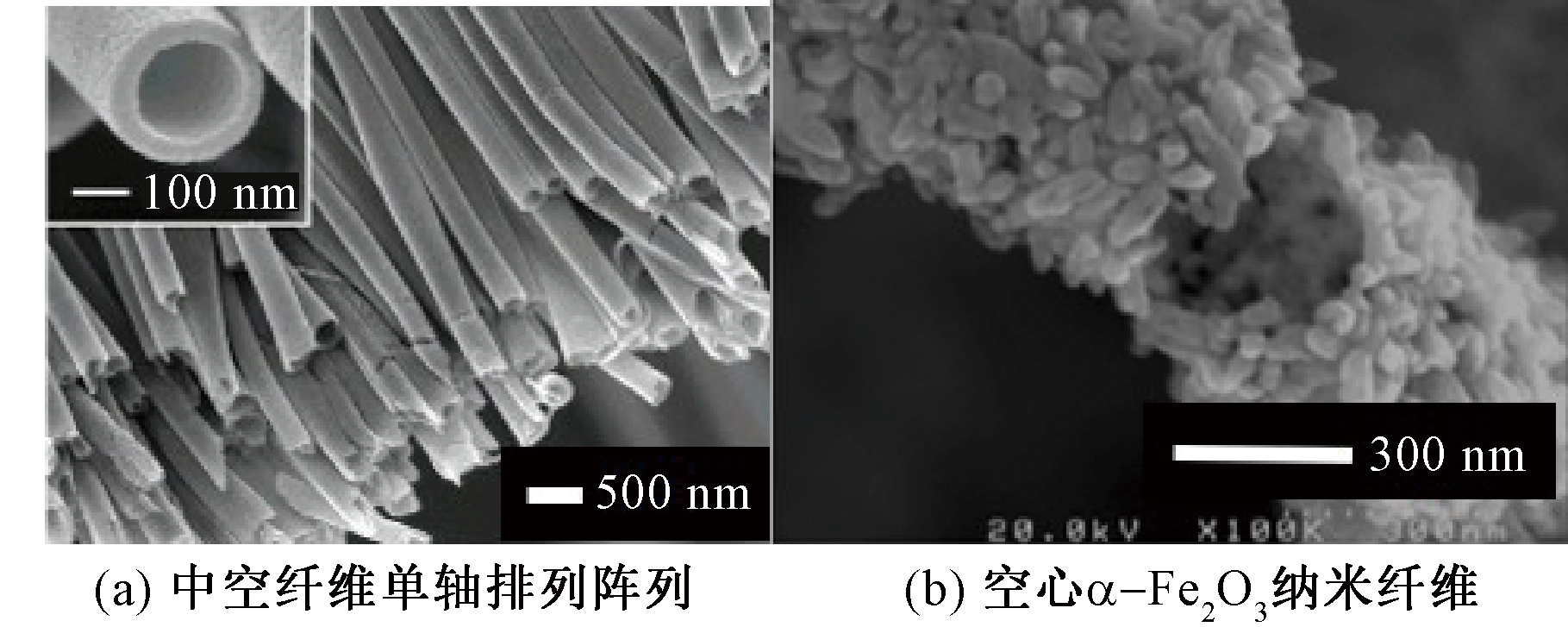
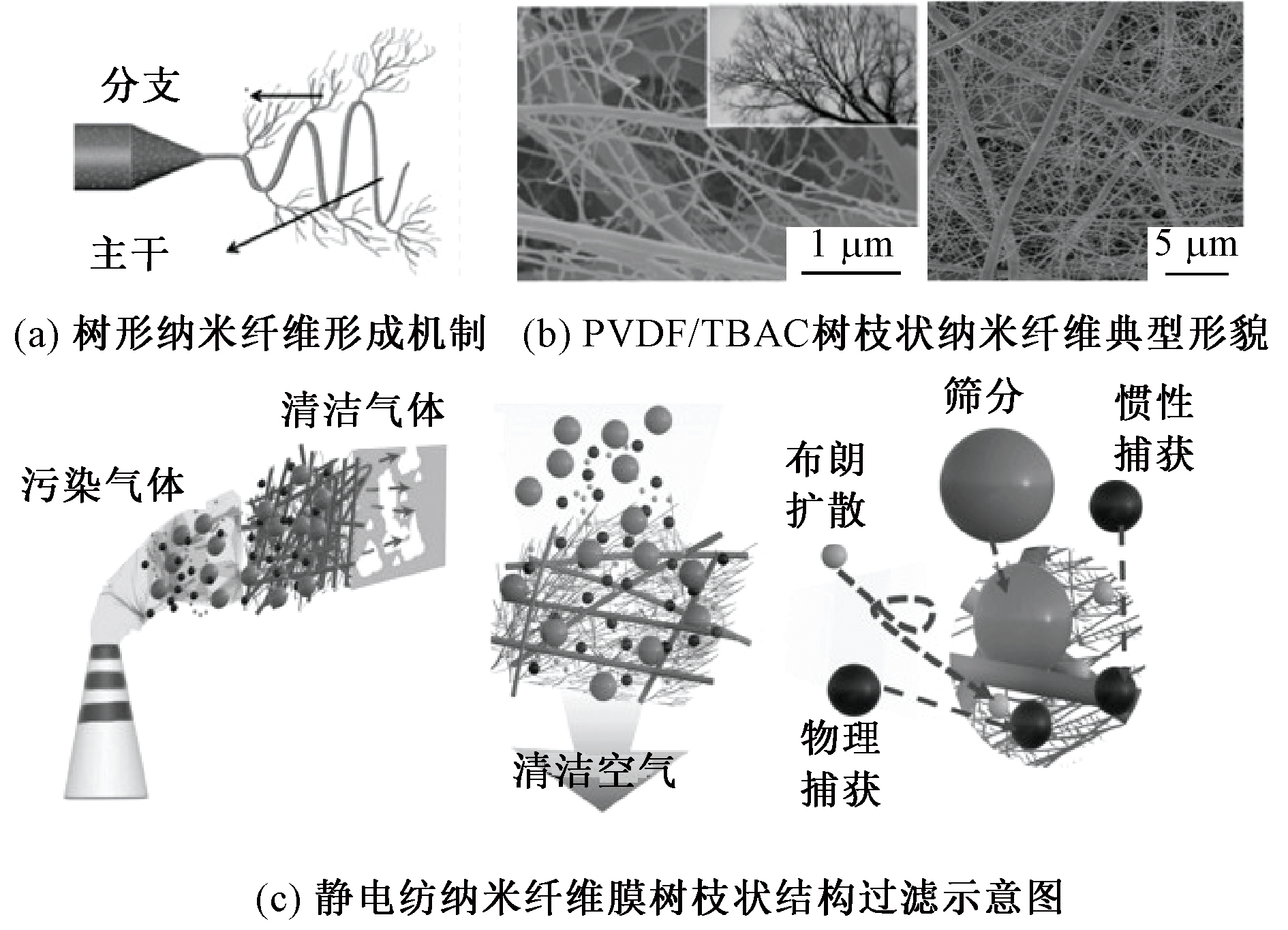
针对空气中微生物、超细颗粒物等污染及其复合健康威胁问题,综述了静电纺凸起结构、串珠结构、褶皱结构、多孔结构、核壳结构、中空结构、带状结构、树枝结构、蛛网结构等多级结构纳米纤维在多功能协同耦合空气净化膜中的应用研究进展。总结了传统过滤材料(玻璃纤维、驻极熔喷布)存在的致癌风险和环境稳定性不足等缺陷,重点分析了多级结构静电纺纳米纤维膜(ENMs)在过滤机制优化和功能集成方面的突破性研究成果。仿生多级结构(如串珠、蛛网状纤维)可使过滤效率、品质因子得到提升;多功能耦合策略(抗菌-催化协同)能实现对颗粒物、微生物和挥发性有机物的同步去除。未来应重点研究仿生多级结构的精准可控构筑技术、极端环境下的电荷稳定性强化方法和智能响应型过滤材料的创新设计,以推动ENMs在个人防护和工业净化领域的实际应用。
中图分类号:
| [1] |
GUAN W J, ZHENG X Y, CHUNG K F, et al. Impact of air pollution on the burden of chronic respiratory diseases in China: time for urgent action[J]. The Lancet, 2016, 388(10054): 1939-1951.
doi: 10.1016/S0140-6736(16)31597-5 |
| [2] |
LI Y Y, YIN X, YU J Y, et al. Electrospun nanofibers for high-performance air filtration[J]. Composites Communications, 2019, 15: 6-19.
doi: 10.1016/j.coco.2019.06.003 |
| [3] | 刘嘉炜, 季东晓, 覃小红. 空气过滤用静电纺纳米纤维材料研究进展[J]. 纺织学报, 2024, 45(8): 35-43. |
| LIU Jiawei, JI Dongxiao, QING Xiaohong, et al. Research progress in electrospun nanofiber materials for air filtration[J]. Journal of Textile Research, 2024, 45(8): 35-43. | |
| [4] |
YU Z C, FAN T T, LIU Y, et al. Efficient air filtration through advanced electrospinning techniques in nanofibrous materials: a review[J]. Separation and Purification Technology, 2024, 349: 127773.
doi: 10.1016/j.seppur.2024.127773 |
| [5] |
WAN H G, WANG N, YANG J M, et al. Hierarchically structured polysulfone/titania fibrous membranes with enhanced air filtration performance[J]. Journal of Colloid and Interface Science, 2014, 417: 18-26.
doi: 10.1016/j.jcis.2013.11.009 pmid: 24407655 |
| [6] |
JUNG S, YUSUF M, SON Y, et al. An efficient atmospheric pollution control using hierarchical porous nanofibers containing zeolitic-imidazolate-frameworks and hydroxyapatite nanoparticles[J]. Journal of Environmental Chemical Engineering, 2024, 12(1): 111798.
doi: 10.1016/j.jece.2023.111798 |
| [7] |
HU M, YIN L H, LOW N, et al. Zeolitic-imidazolate-framework filled hierarchical porous nanofiber membrane for air cleaning[J]. Journal of Membrane Science, 2020, 594: 117467.
doi: 10.1016/j.memsci.2019.117467 |
| [8] |
LIU Y, HE J H, YU J Y, et al. Controlling numbers and sizes of beads in electrospun nanofibers[J]. Polymer International, 2008, 57(4): 632-636.
doi: 10.1002/pi.v57:4 |
| [9] |
DE AQUINO LIMA F, HONORATO A C S, MEDEIROS G B, et al. Analysis of recycled polystyrene electrospinning process: fiber diameter, morphology, and filtration applications[J]. Journal of Environmental Chemical Engineering, 2025, 13(2): 115435.
doi: 10.1016/j.jece.2025.115435 |
| [10] |
ZHANG X, XU J, LIU J J. Nanoscale architecture: enhancing the performance of nanofiber air filters with bead-on-string structures[J]. Separation and Purification Technology, 2025, 360: 131004.
doi: 10.1016/j.seppur.2024.131004 |
| [11] |
CAO Q M, MENG X, TAN S H, et al. Electrospun bead-in-string fibrous membrane prepared from polysilsesquioxane-immobilising poly(lactic acid) with low filtration resistance for air filtration[J]. Journal of Polymer Research, 2019, 27(1): 5.
doi: 10.1007/s10965-019-1919-x |
| [12] |
LIU Y W, LI S Y, LAN W T, et al. Electrospun antibacterial and antiviral poly(ε-caprolactone)/zein/Ag bead-on-string membranes and its application in air filtration[J]. Materials Today Advances, 2021, 12: 100173.
doi: 10.1016/j.mtadv.2021.100173 |
| [13] |
ZAAROUR B, LIU W J, OMRAN W, et al. A mini-review on wrinkled nanofibers: preparation principles via electrospinning and potential applications[J]. Journal of Industrial Textiles, 2024, 54: 15280837241255396.
doi: 10.1177/15280837241255396 |
| [14] |
XU Y Q, ZHANG X M, TENG D F, et al. Multi-layered micro/nanofibrous nonwovens for functional face mask filter[J]. Nano Research, 2022, 15(8): 7549-7558.
doi: 10.1007/s12274-022-4350-2 pmid: 35578617 |
| [15] |
KWON M, KIM J, KIM J. Photocatalytic activity and filtration performance of hybrid TiO2-cellulose acetate nanofibers for air filter applications[J]. Polymers, 2021, 13(8): 1331.
doi: 10.3390/polym13081331 |
| [16] |
ZHANG C C, JI X Z, BIAN Y, et al. Arming nanofibers with MnO2 nanosheets for fast and durable removal of ozone and particulate matter from air[J]. Journal of Membrane Science, 2025, 722: 123915.
doi: 10.1016/j.memsci.2025.123915 |
| [17] |
DENG Y K, LU T, CUI J X, et al. Morphology engineering processed nanofibrous membranes with secondary structure for high-performance air filtra-tion[J]. Separation and Purification Technology, 2022, 294: 121093.
doi: 10.1016/j.seppur.2022.121093 |
| [18] |
WANG Z, PAN Z J. Preparation of hierarchical structured nano-sized/porous poly(lactic acid) composite fibrous membranes for air filtra-tion[J]. Applied Surface Science, 2015, 356: 1168-1179.
doi: 10.1016/j.apsusc.2015.08.211 |
| [19] |
WANG Z, ZHAO C C, PAN Z J. Porous bead-on-string poly(lactic acid) fibrous membranes for air filtra-tion[J]. Journal of Colloid and Interface Science, 2015, 441: 121-129.
doi: 10.1016/j.jcis.2014.11.041 |
| [20] |
WANG F, SI Y, YU J Y, et al. Tailoring nanonets-engineered superflexible nanofibrous aerogels with hierarchical cage-like architecture enables renewable antimicrobial air filtration[J]. Advanced Functional Materials, 2021, 31(49): 2107223.
doi: 10.1002/adfm.v31.49 |
| [21] |
YU S B, TAN J S, ZENG Y Q, et al. Hierarchical porous structure endowing fiber membranes efficient PM removal and HCHO decomposition[J]. Journal of Membrane Science, 2025, 719: 123750.
doi: 10.1016/j.memsci.2025.123750 |
| [22] |
ZHU G Y, WANG C M, YANG T, et al. Bio-inspired gradient poly(lactic acid) nanofibers for active capturing of PM0.3 and real-time respiratory monitoring[J]. Journal of Hazardous Materials, 2024, 474: 134781.
doi: 10.1016/j.jhazmat.2024.134781 |
| [23] |
ZHOU H X, ZENG Y Q, LOW Z, et al. Core-dual-shell structure MnO2@Co-C@SiO2 nanofiber membrane for efficient indoor air cleaning[J]. Journal of Membrane Science, 2023, 677: 121644.
doi: 10.1016/j.memsci.2023.121644 |
| [24] |
LI D, XIA Y N. Direct fabrication of composite and ceramic hollow nanofibers by electrospinning[J]. Nano Letters, 2004, 4(5): 933-938.
doi: 10.1021/nl049590f |
| [25] |
BULEJKO P. An analysis on energy demands in airborne particulate matter filtration using hollow-fiber mem-branes[J]. Energy Reports, 2021, 7: 2727-2736.
doi: 10.1016/j.egyr.2021.05.005 |
| [26] |
ZHANG J W, LU Q Z, NI R Y, et al. Spiral grass inspired eco-friendly zein fibrous membrane for multi-efficient air purification[J]. International Journal of Biological Macromolecules, 2023, 245: 125512.
doi: 10.1016/j.ijbiomac.2023.125512 |
| [27] |
GAO Q, LUO J, WANG X Y, et al. Novel hollow α-Fe2O3 nanofibers via electrospinning for dye adsorp-tion[J]. Nanoscale Research Letters, 2015, 10: 176.
doi: 10.1186/s11671-015-0874-7 |
| [28] | ANGEL N, LI S N, YAN F, et al. Recent advances in electrospinning of nanofibers from bio-based carbohydrate polymers and their applications[J]. Trends in Food Science & Technology, 2022, 120: 308-324. |
| [29] |
YAN S L, YU Y X, MA R, et al. The formation of ultrafine polyamide 6 nanofiber membranes with needleless electrospinning for air filtration[J]. Polymers for Advanced Technologies, 2019, 30(7): 1635-1643.
doi: 10.1002/pat.v30.7 |
| [30] |
LI H P, FU W D, YIN J, et al. Porous ionic liquids for oxidative desulfurization influenced by electrostatic solvent effect[J]. Journal of Colloid and Interface Science, 2024, 662: 160-170.
doi: 10.1016/j.jcis.2024.02.052 pmid: 38340515 |
| [31] |
DENG Y K, LU T, ZHANG X L, et al. Multi-hierarchical nanofiber membrane with typical curved-ribbon structure fabricated by green electrospinning for efficient, breathable and sustainable air filtration[J]. Journal of Membrane Science, 2022, 660: 120857.
doi: 10.1016/j.memsci.2022.120857 |
| [32] | LI Z J, XU Y Z, FAN L L, et al. Fabrication of polyvinylidene fluoride tree-like nanofiber via one-step electrospinning[J]. Materials & Design, 2016, 92: 95-101. |
| [33] | 石现兵, 王涛, 吕明泽, 等. 树枝状PVDF纳米纤维膜负载TiO2吸附-光催化降解染料废水[J]. 材料导报, 2023, 37(4): 56-61. |
| SHI Xianbing, WANG Tao, LÜ Mingze, et al. Adsorption-photocatalytic degradation of dye wastewater for tree-like PVDF nanofibrous membrane supported TiO2[J]. Materials Reports, 2023, 37(4): 56-61. | |
| [34] |
程博闻, 高鲁, SARMAD Bushra, 等. 静电纺树枝状聚乳酸纳米纤维膜的制备及其过滤性能[J]. 纺织学报, 2018, 39(12): 139-144.
doi: 10.13475/j.fzxb.20180801206 |
|
CHENG Bowen, GAO Lu, SARMAD Bushra, et al. Fabrication of polylactic acid tree-like nanofiber membrane and its application in filtration[J]. Journal of Textile Research, 2018, 39(12): 139-144.
doi: 10.13475/j.fzxb.20180801206 |
|
| [35] |
LI Z J, WANG S Y, JIA M G, et al. Electrospun PA6 multi-stage structured nanofiber membrane with high filtration performance for oily particles[J]. Environmental Technology, 2024, 45(16): 3216-3227.
doi: 10.1080/09593330.2023.2213831 |
| [36] |
LU Y J, TIAN X J, SUN L, et al. Electrospun carboxylated MWCNTs modified PMIA tree-like nanofibrous membrane with excellent thermal stability and chemical resistance for efficient particulate matter removal[J]. Process Safety and Environmental Protection, 2024, 188: 1502-1513.
doi: 10.1016/j.psep.2024.06.009 |
| [37] |
LI Z J, WANG S Y, WEN Y J, et al. A nanofiber Murray membrane with antibacterial properties for high efficiency oily particulate filtration[J]. European Polymer Journal, 2023, 191: 112036.
doi: 10.1016/j.eurpolymj.2023.112036 |
| [38] |
WANG S Y, WEN Y J, SUN X B, et al. Electrospun Ag-doped PA6 multi-stage structured nanofiber membrane with antibacterial property for oily particulate matters filtration[J]. Journal of Applied Polymer Science, 2023, 140(38): e54442.
doi: 10.1002/app.v140.38 |
| [39] |
DIDI BIHA M, KERIVIN H, MAHJOUB A R. Steiner trees and polyhedra[J]. Discrete Applied Mathematics, 2001, 112(1/2/3): 101-120.
doi: 10.1016/S0166-218X(00)00311-5 |
| [40] |
WANG N, WANG X F, DING B, et al. Tunable fabrication of three-dimensional polyamide-66 nano-fiber/nets for high efficiency fine particulate filtra-tion[J]. Journal of Materials Chemistry, 2012, 22(4): 1445-1452.
doi: 10.1039/C1JM14299B |
| [41] |
ZHAO Y T, MING J F, CAI S Z, et al. One-step fabrication of polylactic acid (PLA) nanofibrous membranes with spider-web-like structure for high-efficiency PM0.3 capture[J]. Journal of Hazardous Materials, 2024, 465: 133232.
doi: 10.1016/j.jhazmat.2023.133232 |
| [42] |
ZHU Q Y, TANG X, FENG S S, et al. ZIF-8@SiO2 composite nanofiber membrane with bioinspired spider web-like structure for efficient air pollution control[J]. Journal of Membrane Science, 2019, 581: 252-261.
doi: 10.1016/j.memsci.2019.03.075 |
| [1] | 刘轲, 王雨曦, 程盼, 朱丽萍, 夏明, 梅涛, 向阳, 周丰, 高飞, 王栋. 多孔磺化氢化苯乙烯-丁二烯嵌段共聚物纤维膜制备及其吸附性能[J]. 纺织学报, 2025, 46(12): 1-10. |
| [2] | 王小虎, 包安娜, 魏静雯, 赵晓曼, 韩潇, 洪剑寒. 基于静电纺丝-静电喷涂协同工艺的跨尺度传感纱一步法制备及其应用[J]. 纺织学报, 2025, 46(12): 101-109. |
| [3] | 孙玉发, 孙刚. 生物基与生物可降解口罩过滤材料的研究进展[J]. 纺织学报, 2025, 46(12): 29-38. |
| [4] | 高俊, 凌磊, 陈缘, 武丁胜, 林韩蕾, 李振宇, 凤权. 氨基功能化聚丙烯腈纳米纤维膜的制备及其对Cr(Ⅵ)的吸附性能[J]. 纺织学报, 2025, 46(12): 57-65. |
| [5] | 张慧杰, 李登宇, 周轩, 李秀艳, 汪滨, 徐泉. 磺化聚醚醚酮基铁铬液流电池隔膜的制备及其性能[J]. 纺织学报, 2025, 46(12): 83-91. |
| [6] | 胡新阳, 王宏志. 聚偏氟乙烯-三氟乙烯共聚物摩擦纳米发电织物制备及其输出功率提升[J]. 纺织学报, 2025, 46(12): 92-100. |
| [7] | 舒祖菊, 袁自钰, 周斐, 黄秀文, 王权, 房显龙, 曹美雪. 载姜黄素核壳结构纳米纤维膜的制备及其缓释性能[J]. 纺织学报, 2025, 46(11): 26-33. |
| [8] | 王文淑, 王建刚, 李瀚宇, 王春红, 谭晓璇, 王慧泉. 烷基壳聚糖/聚乙烯醇纳米纤维膜的制备及其止血性能[J]. 纺织学报, 2025, 46(11): 52-60. |
| [9] | 张佃平, 陈琪, 徐登明, 王祚, 王昊. CuO 纳米纤维的制备及其在无酶葡萄糖传感器中的性能[J]. 纺织学报, 2025, 46(11): 61-68. |
| [10] | 郭梦瑶, 吴佳庆, 王迎. 全包覆结构聚氨酯膜条带/棉复合纱制备及其力学性能[J]. 纺织学报, 2025, 46(11): 69-76. |
| [11] | 吴乐然, 吴霓欢, 李林耿, 钟意, 陈鸿鹏, 汤南. 负载厚朴酚的抗菌纳米纤维膜的制备及其性能[J]. 纺织学报, 2025, 46(10): 30-38. |
| [12] | 毛泽, 高俊, 凌磊, 武丁胜, 陶云, 张春, 李申, 凤权. 聚丙烯腈/聚吡咯纳米纤维膜的制备及其对铬离子的吸附性能[J]. 纺织学报, 2025, 46(09): 57-65. |
| [13] | 傅林, 钱建华, 单江音, 林灵, 卫梦蓉, 翁可欣, 吴晓睿. 银纳米线/聚氨酯纳米纤维膜柔性传感器制备及其性能[J]. 纺织学报, 2025, 46(09): 74-83. |
| [14] | 王浩鹏, 张佳文, 牛云蔚, 柯勤飞, 赵奕. 芳香抗菌双包络结构芳樟醇/聚酰胺/玉米醇溶蛋白微纳米非织造材料[J]. 纺织学报, 2025, 46(09): 94-103. |
| [15] | 刘健, 潘山山, 刘泳汝, 尹兆松, 任康佳, 赵庆浩. 多尖端锯齿状静电纺丝喷头的设计及优化[J]. 纺织学报, 2025, 46(08): 217-225. |
|
||
 京公网安备11010502044800号