纺织学报 ›› 2025, Vol. 46 ›› Issue (12): 1-10.doi: 10.13475/j.fzxb.20250401001

• 纺织科技新见解学术沙龙专栏:纤维基功能过滤材料 •    下一篇

多孔磺化氢化苯乙烯-丁二烯嵌段共聚物纤维膜制备及其吸附性能

刘轲1,2, 王雨曦1,2, 程盼1,2, 朱丽萍3, 夏明1,2, 梅涛4, 向阳5, 周丰1,2,5, 高飞5, 王栋1,2()   

  1. 1.武汉纺织大学 纺织纤维及制品教育部重点实验室, 湖北 武汉 430200
    2.武汉纺织大学 纺织行业非织造过滤与分离材料重点实验室, 湖北 武汉 430200
    3.东华大学 先进纤维材料全国重点实验室, 上海 201620
    4.武汉维晨科技有限公司, 湖北 武汉 430106
    5.安海斯布希企业管理(上海)有限公司武汉分公司, 湖北 武汉 430051
  • 收稿日期:2025-04-07 修回日期:2025-09-10 出版日期:2025-12-15 发布日期:2026-02-06
  • 通讯作者: 王栋(1979—),男,教授,博士。主要研究方向为聚合物及功能纤维材料。E-mail:wangdon08@126.com
  • 作者简介:刘轲(1984—),男,教授,博士。主要研究方向为纤维基过滤分离材料。
  • 基金资助:
    国家自然科学基金项目(U23A20585);国家自然科学基金项目(52273061);国家自然科学基金项目(52373098);湖北省自然科学基金杰出青年项目(2023AFA086);湖北省技术创新计划项目(2024BAB119);武汉市科技计划项目(2023030103010633)

Preparation of porous sulfonated hydrogenated styrene-butadiene block copolymer fiber membrane and its adsorption performance for lysozyme

LIU Ke1,2, WANG Yuxi1,2, CHENG Pan1,2, ZHU Liping3, XIA Ming1,2, MEI Tao4, XIANG Yang5, ZHOU Feng1,2,5, GAO Fei5, WANG Dong1,2()   

  1. 1. Key Laboratory of Textile Fibers and Products, Ministry of Education, Wuhan Textile University, Wuhan, Hubei 430200, China
    2. Key Laboratory of Nonwoven Filtration and Separation Materials for Textile Industry, Wuhan Textile University, Wuhan, Hubei 430200, China
    3. State Key Laboratory of Advanced Fiber Materials, Donghua University, Shanghai 201620, China
    4. Wuhan We-Change Technology Co., Ltd., Wuhan, Hubei 430106, China
    5. Wuhan Branch of Anheisi-Busch Enterprise Management (Shanghai) Co., Ltd., Wuhan, Hubei 430051, China
  • Received:2025-04-07 Revised:2025-09-10 Published:2025-12-15 Online:2026-02-06

摘要: 为解决生物分离介质开发中功能化材料传质动力学与吸附容量不足的问题,采用静电纺丝技术结合化学改性策略,构建了具有介-微孔分级结构和阳离子交换特性的多孔磺化氢化苯乙烯-丁二烯嵌段共聚物纤维膜材料。基于Friedel-Crafts烷基化反应,在苯环上定向修饰氯乙基及羰基极性基团,通过调控反应动力学实现孔结构的可控构筑;进一步通过磺化处理在纤维表面引入高密度磺酸基团,赋予材料表面负电荷特性并增强其亲水性。结果表明:磺化反应在分子层面精准接枝功能基团,未显著改变纤维形貌,且材料生物相容性良好(细胞存活率大于80%);磺化多孔纤维膜的吸附效果优于磺化平板膜和磺化纤维膜,其静态吸附容量可达226 mg/g。上述结果证实,多级孔道结构协同表面电荷分布特性可显著提升传质动力学与吸附容量,为开发高效生物分离介质提供了新型功能化材料设计思路。

关键词: 功能高分子材料, 嵌段共聚物, 多孔纤维, 静电纺丝, 磺酸基, 吸附洗脱, 生物分离, 溶菌酶

Abstract:

Objective To address the issues of insufficient mass transfer kinetics and adsorption capacity of functional materials in the development of bioseparation media, this study employed electrospinning technology combined with a chemical modification strategy to construct porous sulfonated hydrogenated styrene-butadiene block copolymer fiber membrane materials with a hierarchical meso-microporous structure and cation exchange properties.

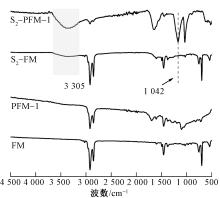
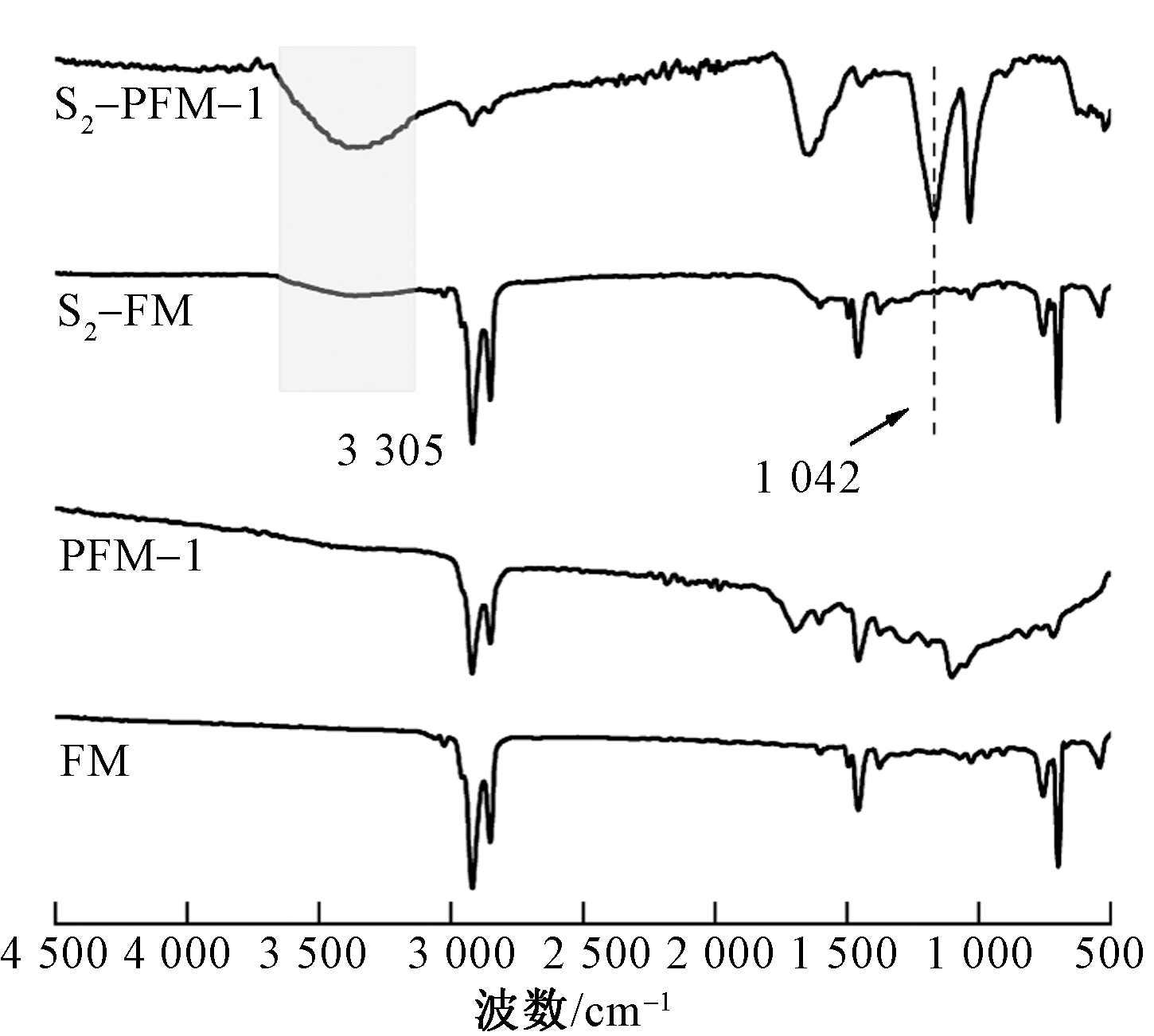
Method Pristine Hydrogenated Styrene-Butadiene Block Copolymer (SEBS) fiber membrane materials were prepared using electrospinning technology. On this basis, sulfonated porous SEBS cation exchange fiber mem-branes (designated as S2-PFM-1) were successfully synthesized via two sequential chemical modifications. The first was the employment of Friedel-Crafts alkylation reaction to directionally modify chloroethyl and carbonyl polar groups on the benzene rings of SEBS, and the reaction kinetics was regulated to achieve controllable construction of the membrane’s pore structure. The second modification sulfonation treatment to introduce high-density sulfonic acid groups on the fiber surface, endowing the material with surface negative charge characteristics and enhanced hydrophilicity.

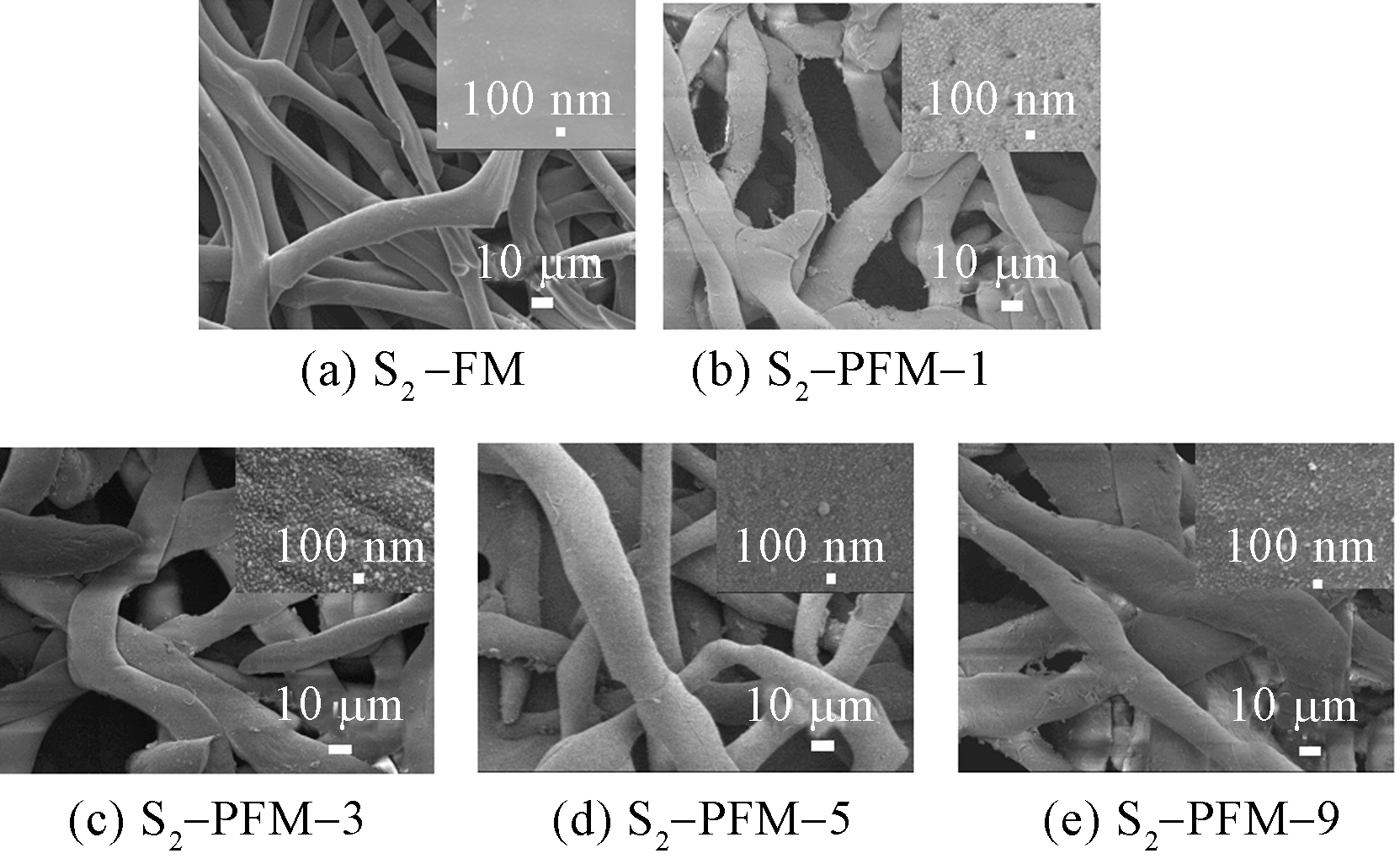
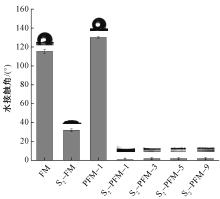
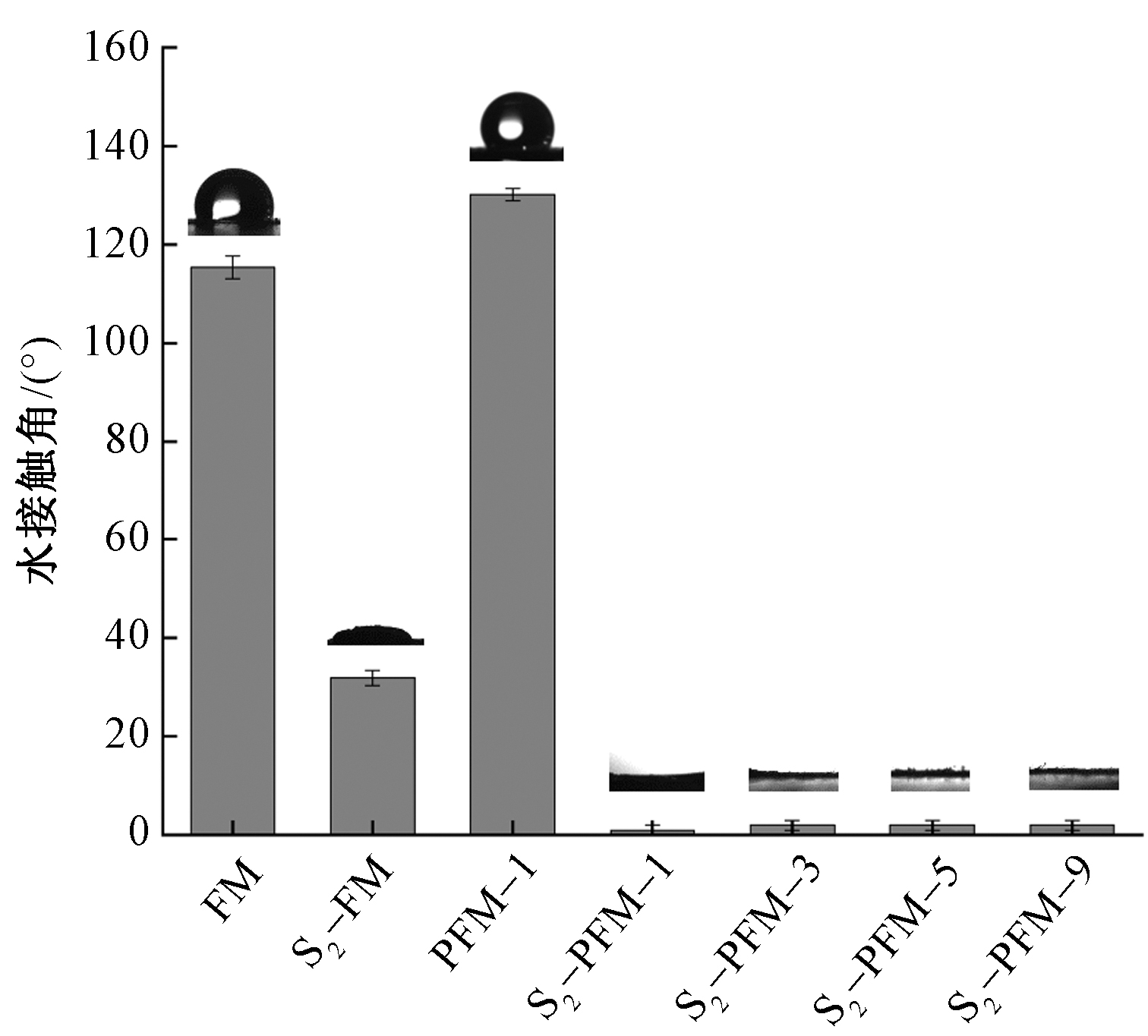
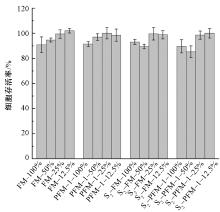
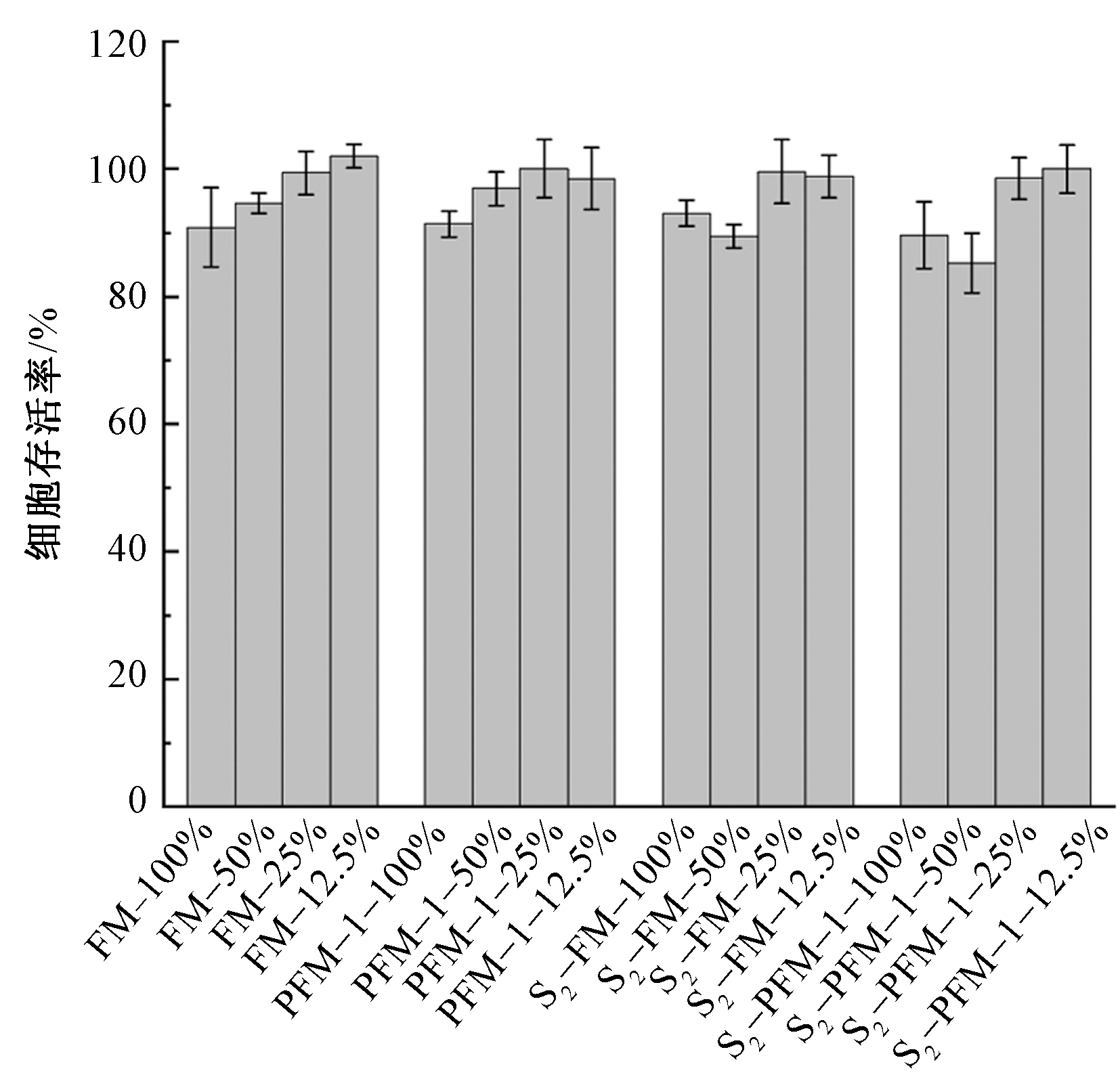
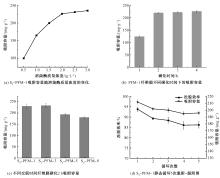
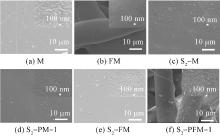
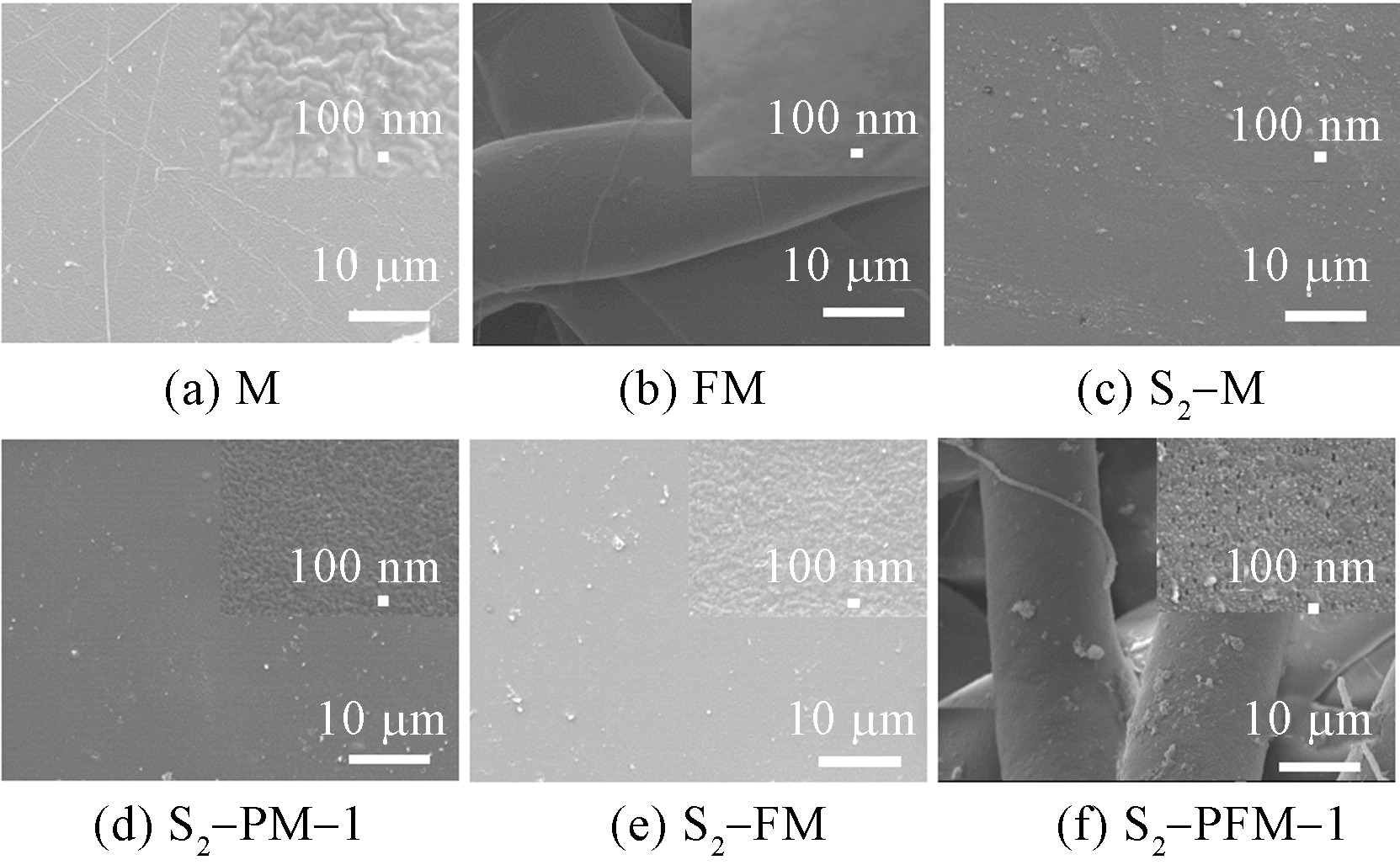
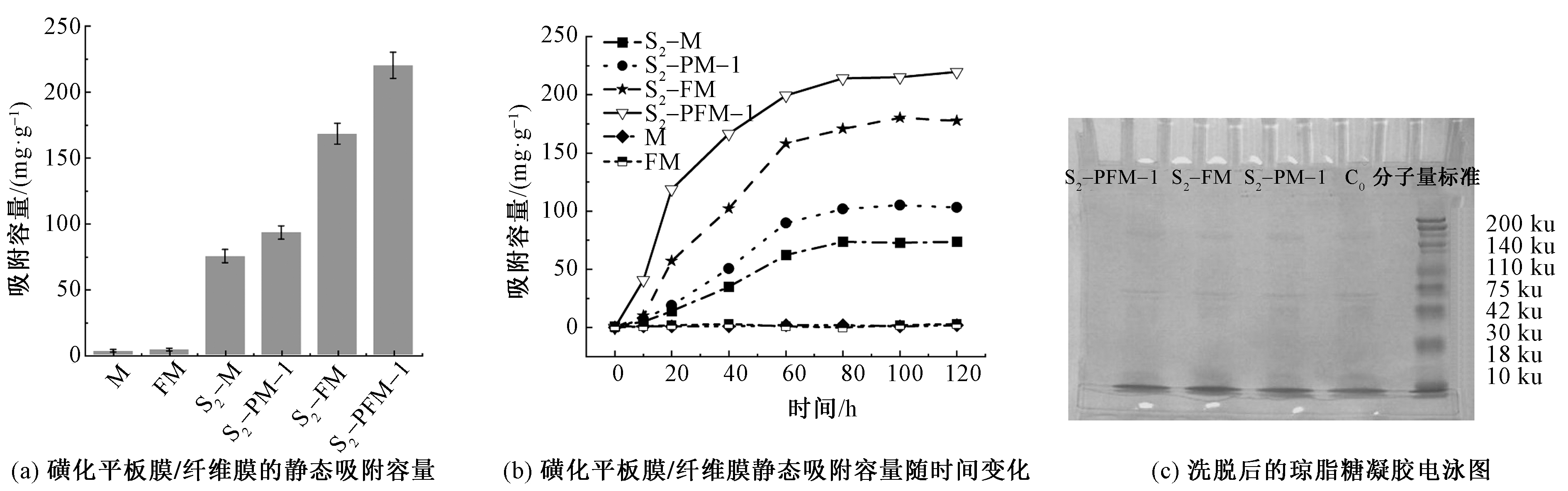
Results The porous SEBS block copolymer cation exchange fiber membrane was prepared successfully, and its performance as a protein adsorptive separation material was systematically studied. By scanning electron microscopy analysis, it was found that sulfonation had no significant effect on the morphology of SEBS fiber membrane, indicating that sulfonation mainly occurred at the molecular level and did not significantly change the macroscopic structure of the fiber. FT-IR analysis confirmed that sulfonic acid base group was successfully grafted to the surface of the fiber membrane. The hydrophilicity of the sulfonated porous SEBS fiber membrane was significantly superior to that of the sulfonated SEBS fiber membrane, attributing to the enhanced surface polarity of the material by the introduction of sulfonic acid groups. The cell activity of the porous SEBS fiber membrane remained above 80% after sulfonation using cck-8 method, indicating that sulfonic acid groups introduced into the SEBS molecular chain had good biocompatibility and no toxic byproducts were introduced. Due to the negative charge of sulfonic acid group, the fiber membrane exhibited strong electrostatic adsorption to the positively charged lysozyme. The experimental results showed that the adsorption equilibrium of S2-PFM-1 was reached within 120 min under the condition of lysozyme concentration of 2 g/L, and the maximum adsorption capacity was 226 mg/g, which was significantly higher than that of the sulfonated flat membrane.

Conclusion Based on electrospinning and multistage chemical modification strategy, sulfonic acid-based functional porous SEBS fiber membrane material was successfully constructed. Friedel-Crafts alkylation reaction accurately regulated the meso-microporous structure of the fiber network. Combined with surface sulfonation modification, high-density sulfonic acid group was introduced into the molecular chain, endowing the material with strong cation exchange ability and significantly enhanced hydrophilicity. The experimental results showed that the sulfonation modification did not change the macroscopic morphology of the fibers, but effectively regulated the surface charge distribution. The separation mechanism led by electrostatic adsorption showed excellent selectivity to lysozyme. At the optimal pH of 5, the material exhibited rapid adsorption kinetics, and the adsorption capacity was significantly better than that of traditional sulfonated membrane systems, which was attributed to the synergistic effect of multi-stage pore path reduction and high surface density of active sites. In addition, the sulfonation process did not affect the biocompatibility of the material, and the cell activity viability retention rate was more than 80%, indicating the sulfonated porous SEBS fiber membrane having excellent hydrophilicity, lysozyme adsorption performance, and cycling stability, which make it suitable for efficient protein separation and endowing it with potential application prospects in the biomedical field. This study also reveals the structure-activity relationship and action mechanism of the membrane as a protein adsorption material, providing valuable reference for the design and development of high-performance bioseparation media.

Key words: functional polymer material, block copolymer, porous fiber, electrospinning, sulfonic acid group, adsorption-elution, bioseparation, lysozyme

中图分类号: 

  • TS174

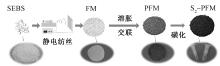
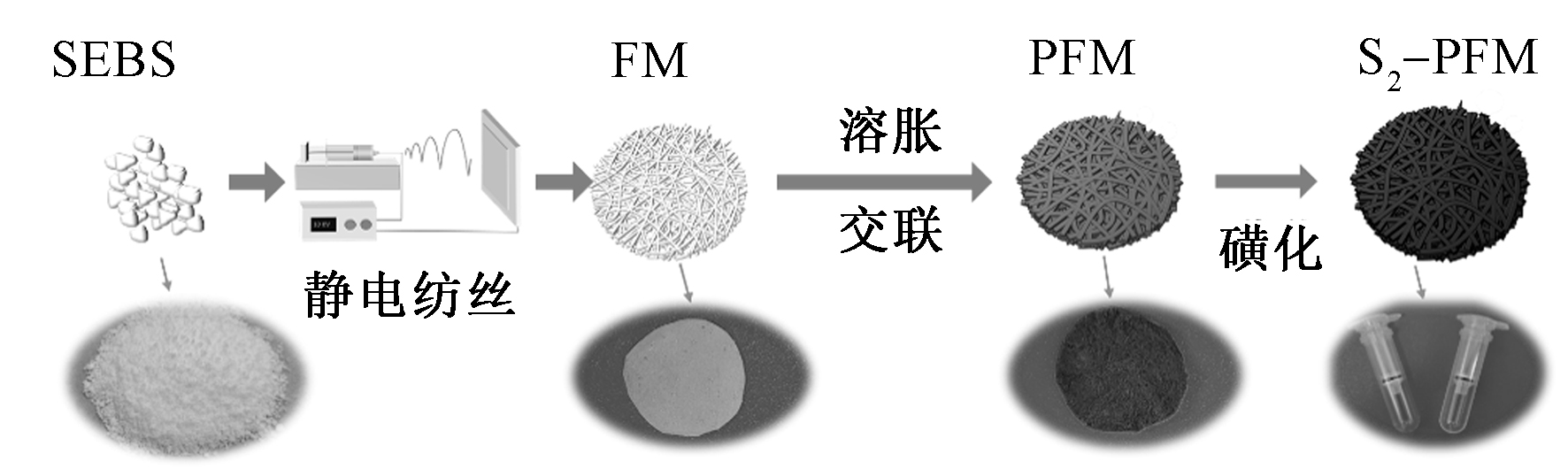
图1

多孔磺化SEBS纤维膜制备流程"

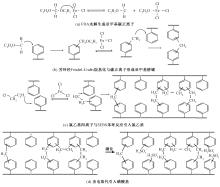
图2

多孔磺化SEBS纤维膜的化学反应过程示意图"

图3

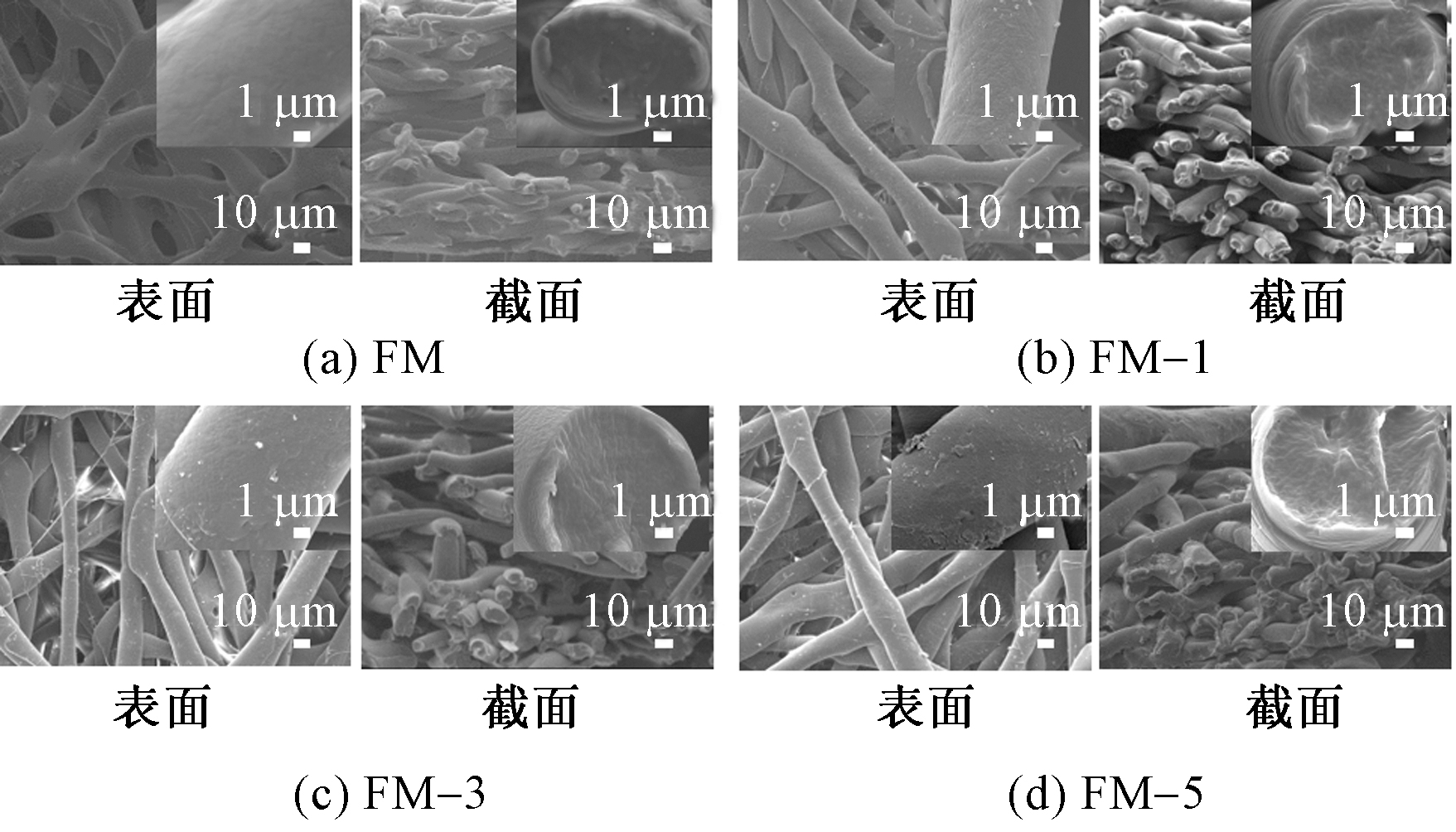
SEBS纤维膜预交联不同时间的形貌照片"

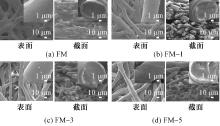
图4

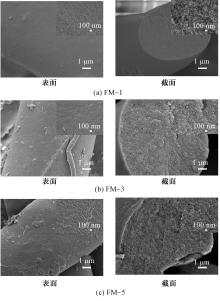
FM-1、FM-3、FM-5超交联1 h的形貌照片"

图5

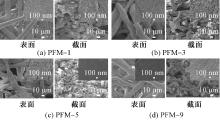
FM-1超交联不同时间的形貌照片"

图6

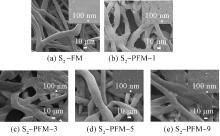
PFM系列纤维膜磺化后的表面形貌照片"

表1

不同试样的比表面积和孔隙率"

试样编号 比表面积/(m2·g-1) 孔隙率/%
FM 1.987 2 49.27 ± 0.85
FM-1 3.542 3 51.23 ± 1.54
FM-3 3.997 8 51.98 ± 0.98
FM-5 4.092 5 50.25 ± 1.65
PFM-1 5.171 2 57.32 ± 2.72
PFM-3 8.225 2 60.74 ± 1.65
PFM-5 19.649 8 78.76 ± 1.27
PFM-9 18.663 0 73.64 ± 1.89
S2-PFM-1 6.171 0 65.18 ± 2.16

图7

磺化前后纤维膜的FT-IR谱图"

图8

磺化前后纤维膜水接触角"

图9

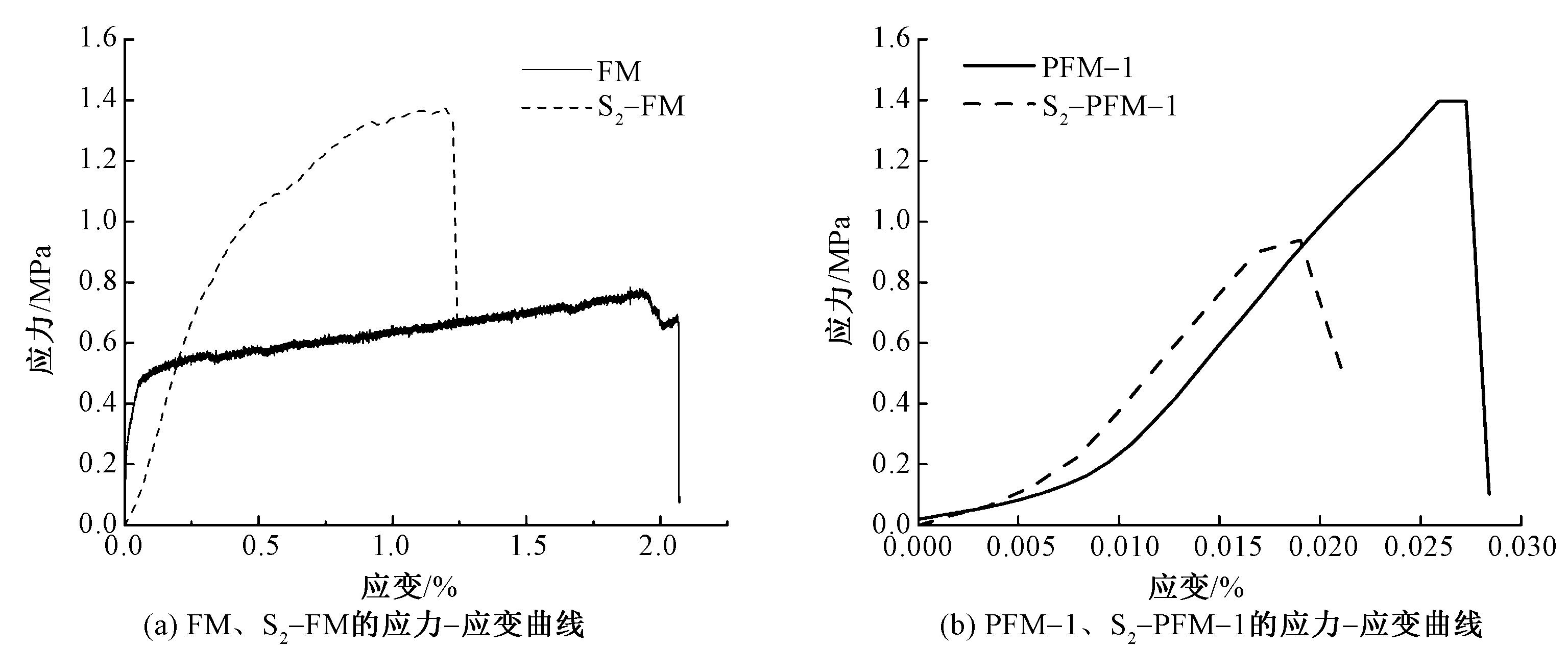
磺化改性对 FM与 PFM-1力学性能的影响"

图10

不同体积分数浸取液试样的细胞存活率"

图11

SEBS纤维膜对溶菌酶吸附容量影响因素及静态循环性能"

图12

M、FM、S2-M、S2-PM-1、S2-FM、S2-PFM-1表面形貌对比图"

图13

平板膜与纤维膜材料溶菌酶吸附性能对比"

[1] CHENG J L, PANG N J, LIU X, et al. High-performance separation of protein by the affinity adsorbent of polyethyleneimine-functionalized collagen fibers[J]. Separation and Purification Technology, 2025, 362: 131754.
doi: 10.1016/j.seppur.2025.131754
[2] MA S J, LI Y, MA C, et al. Challenges and advances in the fabrication of monolithic bioseparation materials and their applications in proteomics research[J]. Advanced Materials, 2019, 31(50): e1902023.
[3] SONG Y Y, BAO H, SHEN X Y, et al. Emerging nanoporous materials for biomolecule separation[J]. Advanced Functional Materials, 2022, 32(20): 2113153.
doi: 10.1002/adfm.v32.20
[4] WU L H, SHI D H, LIN F W, et al. Ultrafast molecular separation through all-biomaterial membranes with a hierarchical configuration and mechanism study[J]. Separation and Purification Technology, 2025, 361: 131338.
doi: 10.1016/j.seppur.2024.131338
[5] WU M X, OUYANG Y S, WANG Z Y, et al. Isolation of exosomes from whole blood by integrating acoustics and microfluidics[J]. Proceedings of the National Academy of Sciences of the United States of America, 2017, 114(40): 10584-10589.
doi: 10.1073/pnas.1709210114 pmid: 28923936
[6] KAWAKAMI H. Development of composite electrolyte membranes with functional polymer nanofiber frame-works[J]. Polymer Journal, 2025, 57(6): 623-633.
doi: 10.1038/s41428-024-01007-3
[7] CHENG P, LI M Y, CHEN T G, et al. Quaternized nanofiber-based anion-exchange chromatography membrane with periodic diagonal surface structure for efficient protein separation[J]. ACS Applied Materials & Interfaces, 2025, 17(3): 5370-5381.
[8] CHENG P, LIU K, WAN Y C, et al. Solution viscosity-mediated structural control of nanofibrous sponge for RNA separation and purification[J]. Advanced Functional Materials, 2022, 32(20): 2112023.
doi: 10.1002/adfm.v32.20
[9] RANGOU S, APPOLD M, LADEMANN B, et al. Thermally and chemically stable isoporous block copolymer membranes[J]. ACS Macro Letters, 2022, 11(9): 1142-1147.
doi: 10.1021/acsmacrolett.2c00352 pmid: 36048420
[10] LE T D, SUTTIKHANA I, ASHAOLU T J. State of the art on the separation and purification of proteins by magnetic nanoparticles[J]. Journal of Nanobiotechnology, 2023, 21(1): 363.
doi: 10.1186/s12951-023-02123-7
[11] EROL K, KÖSE K, UZUN L, et al. Polyethyleneimine assisted-two-step polymerization to develop surface imprinted cryogels for lysozyme purification[J]. Colloids and Surfaces B: Biointerfaces, 2016, 146: 567-576.
doi: 10.1016/j.colsurfb.2016.06.060
[12] WU H Y, CAO D N, LIU T X, et al. Purification and characterization of recombinant human lysozyme from eggs of transgenic chickens[J]. PLoS One, 2015, 10(12): e0146032.
doi: 10.1371/journal.pone.0146032
[13] 程诗砚, 阮永红, 龚磊, 等. Friedel-Crafts烷基化反应研究进展[J]. 北京:大学化学, 2024, 39(10):408.
CHENG Shiyan, RUAN Yonghong, GONG Lei, et al. Progress in research on Friedel-Crafts alkylation reac-tion[J]. University Chemistry, 2024, 39(10): 408.
[14] LIU H, LI S M, YANG H Y, et al. Stepwise crosslinking: a facile yet versatile conceptual strategy to nanomorphology-persistent porous organic polymers[J]. Advanced Materials, 2017, 29(27): 1700723.
doi: 10.1002/adma.v29.27
[15] QIAO Z N, CHAI S H, NELSON K, et al. Polymeric molecular sieve membranes via in situ cross-linking of non-porous polymer membrane templates[J]. Nature Communications, 2014, 5: 3705.
doi: 10.1038/ncomms4705
[16] 陈婷, 王栋, 莫笑君, 等. PP含量及纺丝条件对SEBS/PP共混料性能及可纺性的影响[J]. 合成纤维工业, 2023, 46(4):43-47.
CHEN Ting, WANG Dong, MO Xiaojun, et al. Effect of PP content and spinning conditions on the performance and spinnability of SEBS/PP blends[J]. China Synthetic Fiber Industry, 2023, 46(4): 43-47.
[17] ZHANG F, JIAO W L, SI Y, et al. Tailoring nanoporous-engineered sponge fiber molecular sieves with ternary-nested architecture for precise molecular separation[J]. ACS Nano, 2021, 15(8): 13623-13632.
doi: 10.1021/acsnano.1c04575 pmid: 34339181
[18] TRAN T H, OKABE H, HIDAKA Y, et al. Removal of metal ions from aqueous solutions using carboxymethyl cellulose/sodium styrene sulfonate gels prepared by radiation grafting[J]. Carbohydrate Polymers, 2017, 157: 335-343.
doi: S0144-8617(16)31103-1 pmid: 27987936
[1] 王小虎, 包安娜, 魏静雯, 赵晓曼, 韩潇, 洪剑寒. 基于静电纺丝-静电喷涂协同工艺的跨尺度传感纱一步法制备及其应用[J]. 纺织学报, 2025, 46(12): 101-109.
[2] 高俊, 凌磊, 陈缘, 武丁胜, 林韩蕾, 李振宇, 凤权. 氨基功能化聚丙烯腈纳米纤维膜的制备及其对Cr(Ⅵ)的吸附性能[J]. 纺织学报, 2025, 46(12): 57-65.
[3] 张慧杰, 李登宇, 周轩, 李秀艳, 汪滨, 徐泉. 磺化聚醚醚酮基铁铬液流电池隔膜的制备及其性能[J]. 纺织学报, 2025, 46(12): 83-91.
[4] 胡新阳, 王宏志. 聚偏氟乙烯-三氟乙烯共聚物摩擦纳米发电织物制备及其输出功率提升[J]. 纺织学报, 2025, 46(12): 92-100.
[5] 梁治, 姬康瑞, 黎张成, 何钰, 王灿, 侯冲. 热致变色纤维膜的制备及其温度传感性能[J]. 纺织学报, 2025, 46(11): 1-8.
[6] 舒祖菊, 袁自钰, 周斐, 黄秀文, 王权, 房显龙, 曹美雪. 载姜黄素核壳结构纳米纤维膜的制备及其缓释性能[J]. 纺织学报, 2025, 46(11): 26-33.
[7] 王文淑, 王建刚, 李瀚宇, 王春红, 谭晓璇, 王慧泉. 烷基壳聚糖/聚乙烯醇纳米纤维膜的制备及其止血性能[J]. 纺织学报, 2025, 46(11): 52-60.
[8] 张佃平, 陈琪, 徐登明, 王祚, 王昊. CuO 纳米纤维的制备及其在无酶葡萄糖传感器中的性能[J]. 纺织学报, 2025, 46(11): 61-68.
[9] 吴乐然, 吴霓欢, 李林耿, 钟意, 陈鸿鹏, 汤南. 负载厚朴酚的抗菌纳米纤维膜的制备及其性能[J]. 纺织学报, 2025, 46(10): 30-38.
[10] 毛泽, 高俊, 凌磊, 武丁胜, 陶云, 张春, 李申, 凤权. 聚丙烯腈/聚吡咯纳米纤维膜的制备及其对铬离子的吸附性能[J]. 纺织学报, 2025, 46(09): 57-65.
[11] 刘健, 潘山山, 刘泳汝, 尹兆松, 任康佳, 赵庆浩. 多尖端锯齿状静电纺丝喷头的设计及优化[J]. 纺织学报, 2025, 46(08): 217-225.
[12] 马晓远, 包伟. 防水透湿纳米纤维复合织物研究现状及发展趋势[J]. 纺织学报, 2025, 46(08): 254-262.
[13] 时虎, 王赫, 王洪杰, 潘显苗. 多孔交联纳米纤维基超级电容器隔膜的设计[J]. 纺织学报, 2025, 46(08): 45-52.
[14] 徐丽亚, 汪瑱, 杨鸿杰, 汪蔚. 氧化锌-银/生物基聚酰胺56纳米纤维膜的制备及其抗菌性能[J]. 纺织学报, 2025, 46(07): 37-45.
[15] 贾陈诺瓦, 张勇, 朱威岩, 刘赛, 唐宁. 芯纱种类对聚丙烯腈纳米纤维导电包芯纱性能的影响[J]. 纺织学报, 2025, 46(07): 87-95.
Viewed
Full text


Abstract

Cited

  Shared   
  Discussed   
No Suggested Reading articles found!