纺织学报 ›› 2025, Vol. 46 ›› Issue (11): 61-68.doi: 10.13475/j.fzxb.20241005801
张佃平1, 陈琪1, 徐登明1, 王祚1, 王昊2( )
)
ZHANG Dianping1, CHEN Qi1, XU Dengming1, WANG Zuo1, WANG Hao2()
摘要:
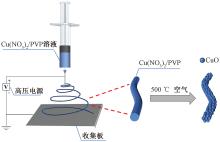
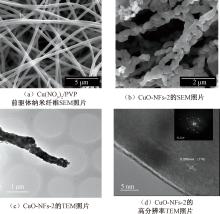
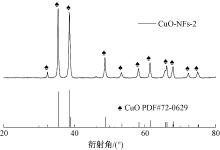
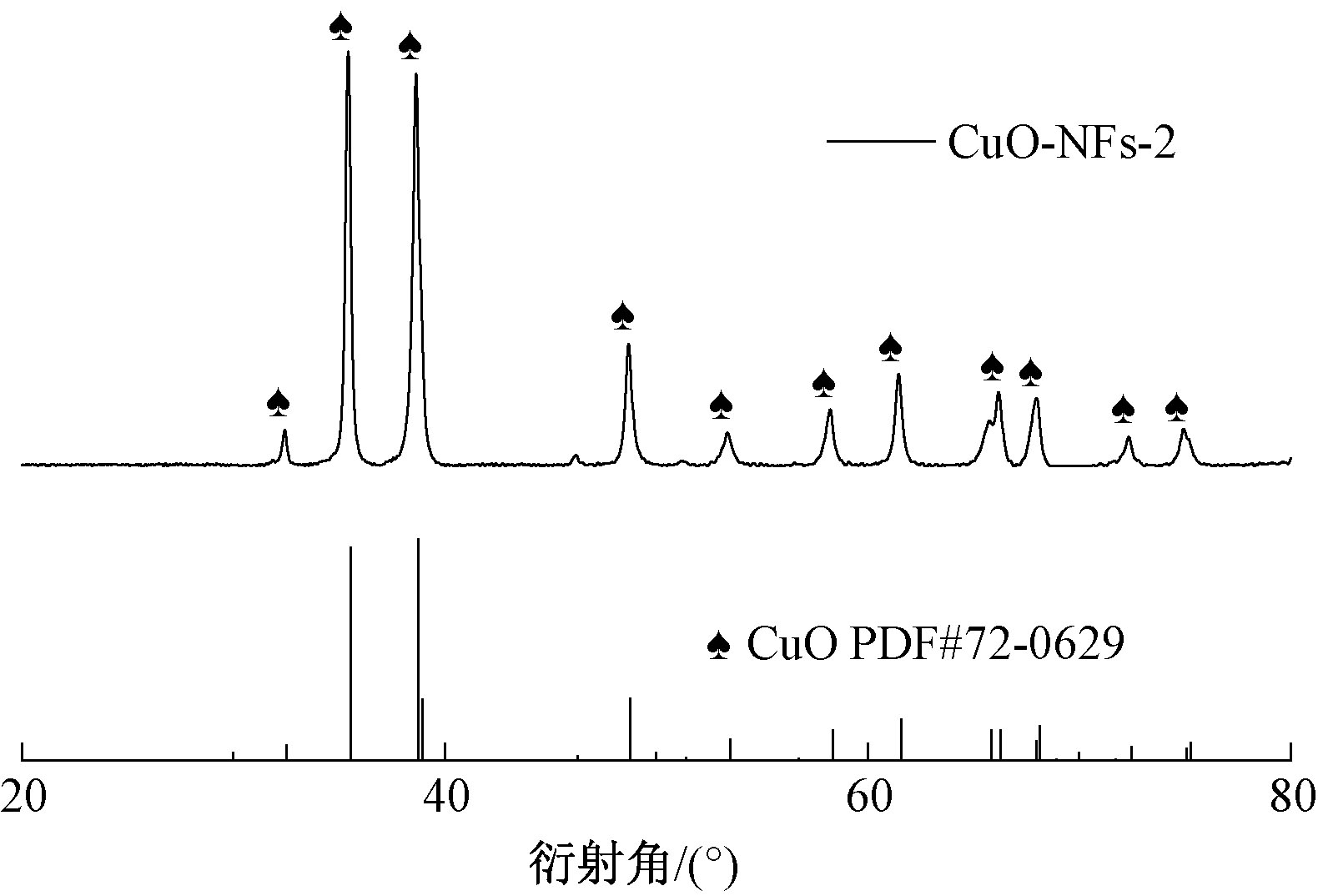
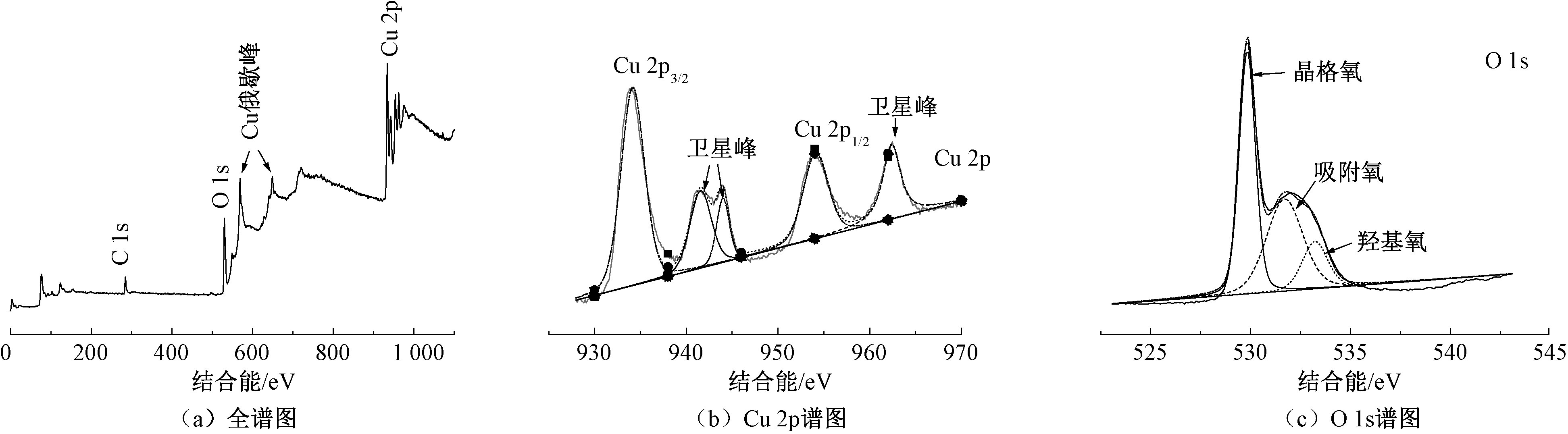
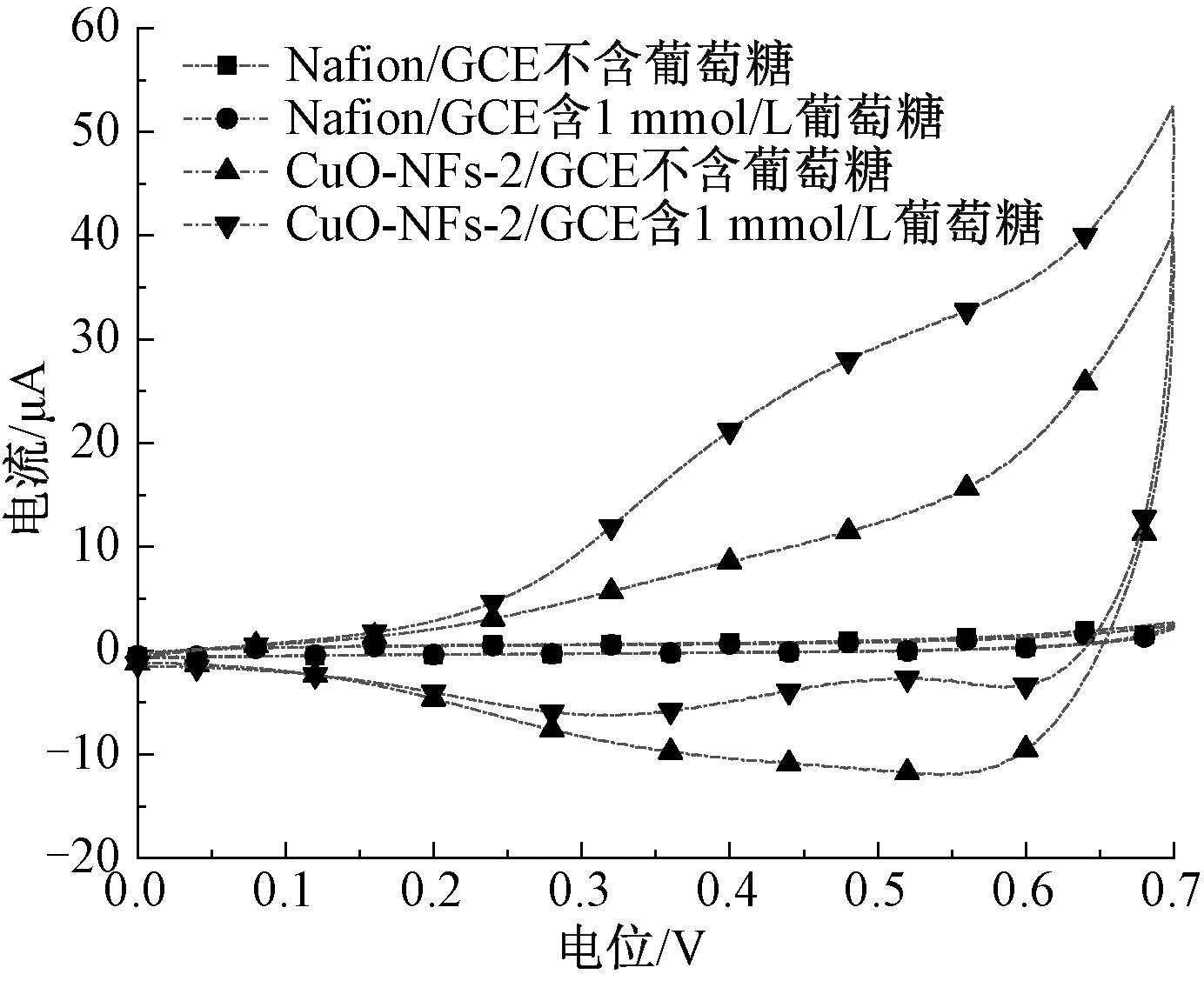
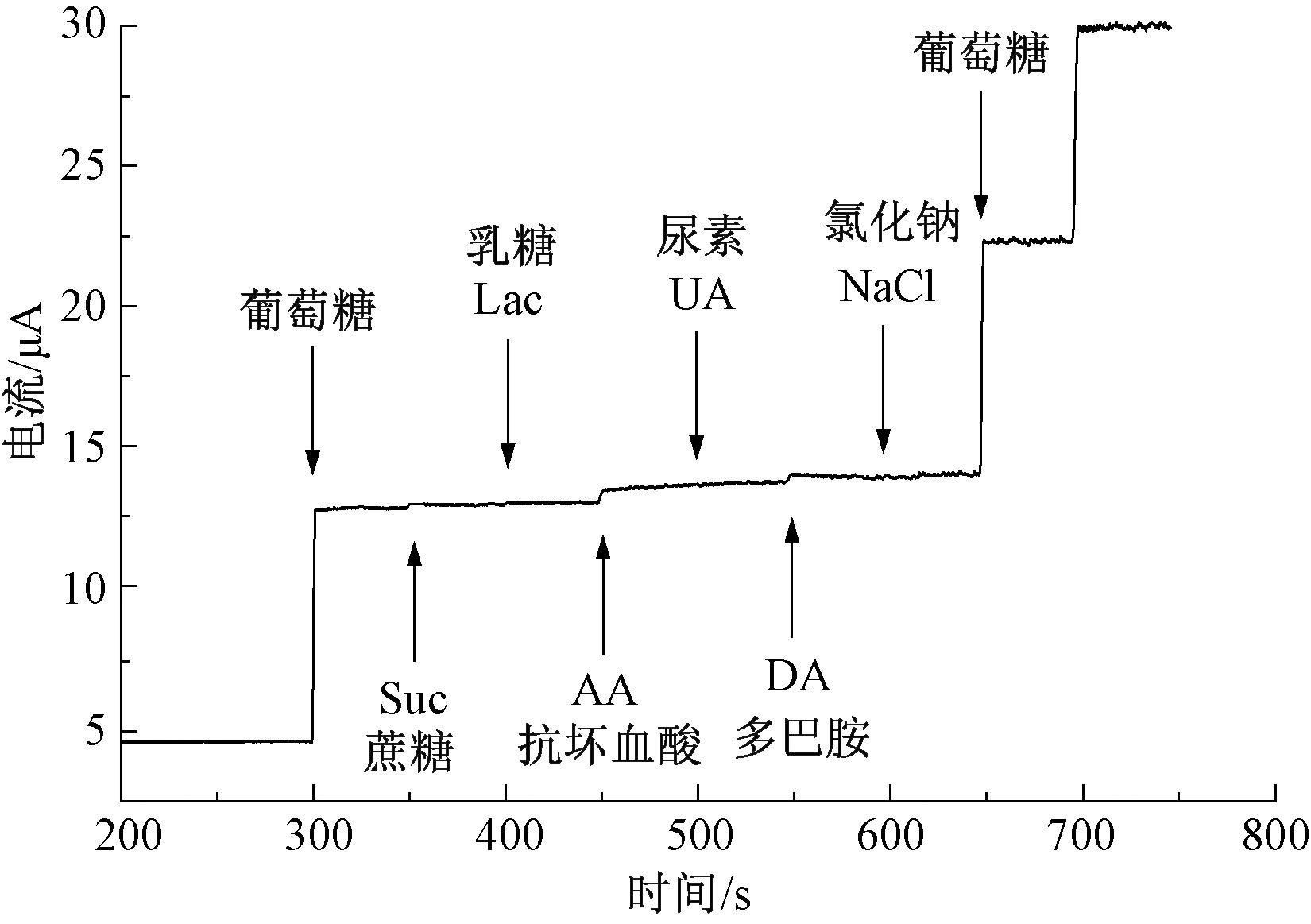
为制备高比表面积铜材料以提高其对葡萄糖的电催化氧化性能,采用静电纺丝技术制备硝酸铜/聚乙烯吡咯烷酮(Cu(NO3)2/PVP)纳米纤维膜,再经煅烧工艺得到氧化铜纳米纤维(CuO-NFs)材料。通过扫描电子显微镜、X射线衍射仪及X射线光电子能谱仪等对CuO-NFs材料的表面形貌、组成和结构进行表征;并探究不同Cu含量的CuO-NFs对葡萄糖的电催化氧化性能的影响。结果表明:紧密堆积的氧化铜(CuO)颗粒组成的纳米纤维在煅烧后暴露出更多的活性位点,有利于电催化氧化过程中能接触更多的葡萄糖;CuO-NFs对葡萄糖的检测灵敏度达172.68 μA·L/(mmol·cm2),检测限(LOD)为0.53 μmol/L,响应时间仅为1 s,线性范围为1~20 000 μmol/L;CuO纳米纤维对于干扰物质有很好的抗干扰能力,且表现出良好的重现性和长期稳定性。
中图分类号:
| [1] | 卢相月, 王延年, 李全忠. GM(1, 1)模型对不同范围血糖的预测性能分析[J]. 实用临床医药杂志, 2021, 25(9): 23-28, 36. |
| LU Xiangyue, WANG Yannian, LI Quanzhong. Analysis in performance of GM (1, 1) model in predicting blood glucose at different ranges[J]. Journal of Clinical Medicine in Practice, 2021, 25(9): 23-28, 36. | |
| [2] |
YUE W, GUO Y J, WU J K, et al. A wireless, battery-free microneedle patch with light-cured swellable hydrogel for minimally-invasive glucose detection[J]. Nano Energy, 2024, 131: 110194.
doi: 10.1016/j.nanoen.2024.110194 |
| [3] |
LAL R, MUGHERI A Q, SANGHA A A, et al. Investigation of anions effects on the morphology of NiO nanostructures and their non-enzymatic glucose sensing applications[J]. Science of Advanced Materials, 2021, 13(9): 1739-1747.
doi: 10.1166/sam.2021.4099 |
| [4] |
BAN X, LI J M, SUN W W, et al. A highly sensitive non-enzymatic glucose electrode based on truncated octahedral CuO-modified Cu2O@Cu composite[J]. Microchemical Journal, 2024, 205: 111221.
doi: 10.1016/j.microc.2024.111221 |
| [5] |
HASSAN M H, VYAS C, GRIEVE B, et al. Recent advances in enzymatic and non-enzymatic electrochemical glucose sensing[J]. Sensors, 2021, 21(14): 4672.
doi: 10.3390/s21144672 |
| [6] |
GIZIŃSKI D, BRUDZISZ A, SANTOS J S, et al. Nanostructured anodic copper oxides as catalysts in electrochemical and photoelectrochemical reactions[J]. Catalysts, 2020, 10(11): 1338.
doi: 10.1016/j.talanta.2022.123926 |
| [7] | MARTINEZ-SAUCEDO G, CUEVAS-MUÑIZ F M, SANCHEZ-FRAGA R, et al. Cellulose microfluidic pH boosting on copper oxide non-enzymatic glucose sensor strip for neutral pH samples[J]. Talanta, 2023, 253: 123926. |
| [8] |
HODAEI H, ESMAEILI Z, ERFANI Y, et al. Preparation of biocompatible zein/gelatin/chitosan/PVA based nanofibers loaded with vitamin E-TPGS via dual-opposite electrospinning method[J]. Scientific Reports, 2024, 14(1): 23796.
doi: 10.1038/s41598-024-74865-9 pmid: 39394234 |
| [9] |
SARI B, KAYNAK C. Parameters influencing electrospun nanofiber diameter of polylactide incorporated with cellulose nanofibrils and nano-crystals[J]. Journal of Thermoplastic Composite Materials, 2024, 37(11): 3570-3590.
doi: 10.1177/08927057241235650 |
| [10] |
AMMARA S, SHAMAILA S, SHARIF R, et al. Uniform and homogeneous growth of copper nanoparticles on electrophoretically deposited carbon nanotubes electrode for nonenzymatic glucose sensor[J]. Acta Metallurgica Sinica (English Letters), 2016, 29(10): 889-894.
doi: 10.1007/s40195-016-0476-0 |
| [11] |
VISWANATHAN P, PARK J, KANG D K, et al. Polydopamine-wrapped Cu/Cu(II) nano-heterostructures: an efficient electrocatalyst for non-enzymatic glucose detection[J]. Colloids and Surfaces A: Physicochemical and Engineering Aspects, 2019, 580: 123689.
doi: 10.1016/j.colsurfa.2019.123689 |
| [12] |
SUN Y M, LI Y X, WANG N, et al. Copper-based metal-organic framework for non-enzymatic electrochemical detection of glucose[J]. Electroanalysis, 2018, 30(3): 474-478.
doi: 10.1002/elan.v30.3 |
| [13] |
YANG H, GE Y K, WEN G, et al. Synthesis of copper nanoparticles in the ordered mesoporous carbon (Cu@OMC) for glucose detection[J]. Journal of Electronic Materials, 2022, 51(9): 5005-5014.
doi: 10.1007/s11664-022-09749-7 |
| [14] |
SHABNAM L, FAISAL S N, ROY A K, et al. Doped graphene/Cu nanocomposite: a high sensitivity non-enzymatic glucose sensor for food[J]. Food Chemistry, 2017, 221: 751-759.
doi: S0308-8146(16)31956-2 pmid: 27979268 |
| [15] |
XU Weiqin, HE Shan, LIN Chuncheng, et al. MOF-derived Cu2O/Cu NPs on N-doped porous carbon as a multifunctional sensor for mercury(Ⅱ) and glucose with wide detection range[J]. Chinese Journal of Structural Chemistry, 2020, 39(8): 1522-1530.
doi: 10.14102/j.cnki.0254-5861.2011-2644 |
| [1] | 梁治, 姬康瑞, 黎张成, 何钰, 王灿, 侯冲. 热致变色纤维膜的制备及其温度传感性能[J]. 纺织学报, 2025, 46(11): 1-8. |
| [2] | 范书乐, 王朝晖, 刘欢欢, 叶勤文. 老年人跌倒伤害防护智能服装的研究现状与发展方向[J]. 纺织学报, 2025, 46(11): 255-263. |
| [3] | 舒祖菊, 袁自钰, 周斐, 黄秀文, 王权, 房显龙, 曹美雪. 载姜黄素核壳结构纳米纤维膜的制备及其缓释性能[J]. 纺织学报, 2025, 46(11): 26-33. |
| [4] | 刘飞, 刘璐, 郑智超, 刘俊宏, 吴德群, 蒋秋冉. 自黏型玉米醇溶蛋白基超细纤维膜的制备及其性能[J]. 纺织学报, 2025, 46(11): 34-42. |
| [5] | 王文淑, 王建刚, 李瀚宇, 王春红, 谭晓璇, 王慧泉. 烷基壳聚糖/聚乙烯醇纳米纤维膜的制备及其止血性能[J]. 纺织学报, 2025, 46(11): 52-60. |
| [6] | 郭梦瑶, 吴佳庆, 王迎. 全包覆结构聚氨酯膜条带/棉复合纱制备及其力学性能[J]. 纺织学报, 2025, 46(11): 69-76. |
| [7] | 吴乐然, 吴霓欢, 李林耿, 钟意, 陈鸿鹏, 汤南. 负载厚朴酚的抗菌纳米纤维膜的制备及其性能[J]. 纺织学报, 2025, 46(10): 30-38. |
| [8] | 张红霞, 齐芳汐, 赵静, 邢毅, 吕治家. 蜂巢结构介电层织物基传感器的一体成形及其性能[J]. 纺织学报, 2025, 46(10): 86-94. |
| [9] | 唐春霞, 王一帆, 毛云山, 刘健, 付少海. 电磁屏蔽用纤维素基复合材料结构设计的研究进展[J]. 纺织学报, 2025, 46(09): 36-45. |
| [10] | 毛泽, 高俊, 凌磊, 武丁胜, 陶云, 张春, 李申, 凤权. 聚丙烯腈/聚吡咯纳米纤维膜的制备及其对铬离子的吸附性能[J]. 纺织学报, 2025, 46(09): 57-65. |
| [11] | 傅林, 钱建华, 单江音, 林灵, 卫梦蓉, 翁可欣, 吴晓睿. 银纳米线/聚氨酯纳米纤维膜柔性传感器制备及其性能[J]. 纺织学报, 2025, 46(09): 74-83. |
| [12] | 孟子钰, 鲁文其, 张颂, 苗盛鸿, 黄富华, 彭来湖. 基于卡尔曼前馈拟合状态观测器的储纬器用永磁同步电动机霍尔位置检测方法[J]. 纺织学报, 2025, 46(09): 232-241. |
| [13] | 权英, 张爱琴, 张曼, 刘淑强, 张钰晶. 基于三维编织结构的柔性应变传感器制备及其性能[J]. 纺织学报, 2025, 46(08): 136-144. |
| [14] | 刘健, 潘山山, 刘泳汝, 尹兆松, 任康佳, 赵庆浩. 多尖端锯齿状静电纺丝喷头的设计及优化[J]. 纺织学报, 2025, 46(08): 217-225. |
| [15] | 马晓远, 包伟. 防水透湿纳米纤维复合织物研究现状及发展趋势[J]. 纺织学报, 2025, 46(08): 254-262. |
|
||
 京公网安备11010502044800号