纺织学报 ›› 2025, Vol. 46 ›› Issue (11): 52-60.doi: 10.13475/j.fzxb.20250301101
王文淑1, 王建刚2( ), 李瀚宇3, 王春红1,4, 谭晓璇1, 王慧泉5
WANG Wenshu1, WANG Jiangang2(), LI Hanyu3, WANG Chunhong1,4, TAN Xiaoxuan1, WANG Huiquan5
摘要:
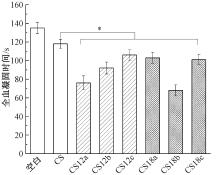
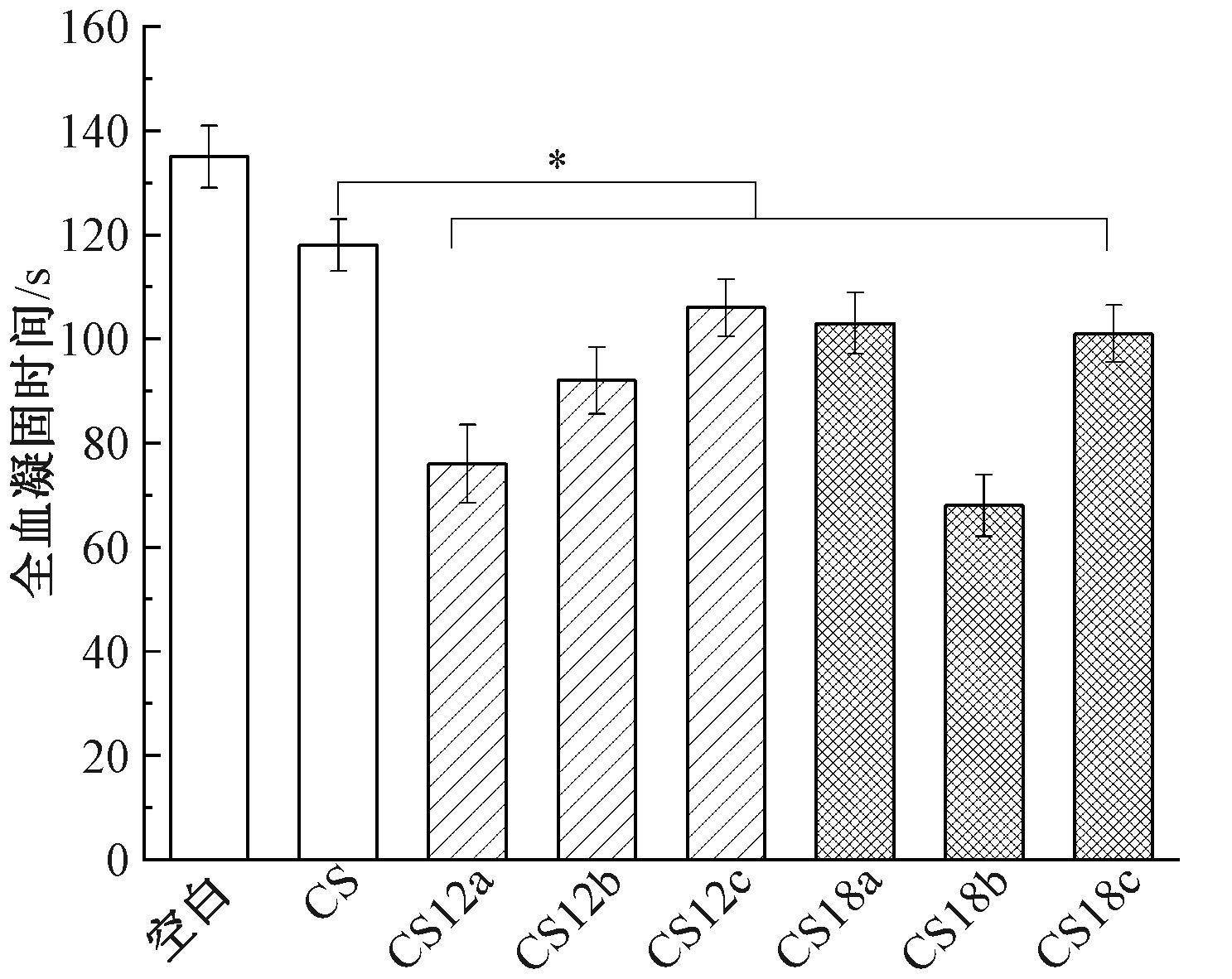
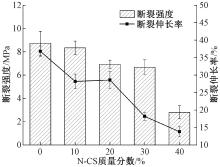
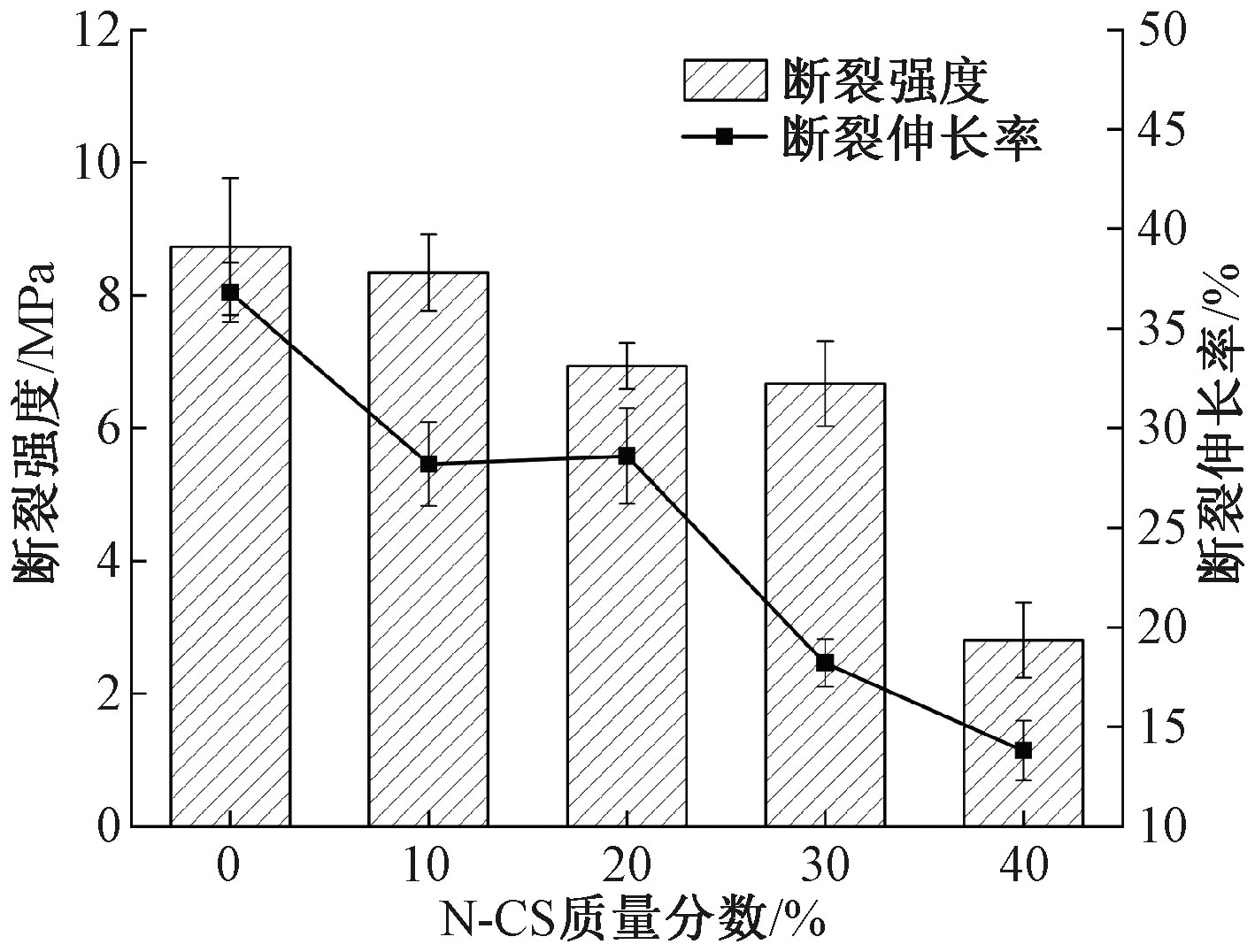
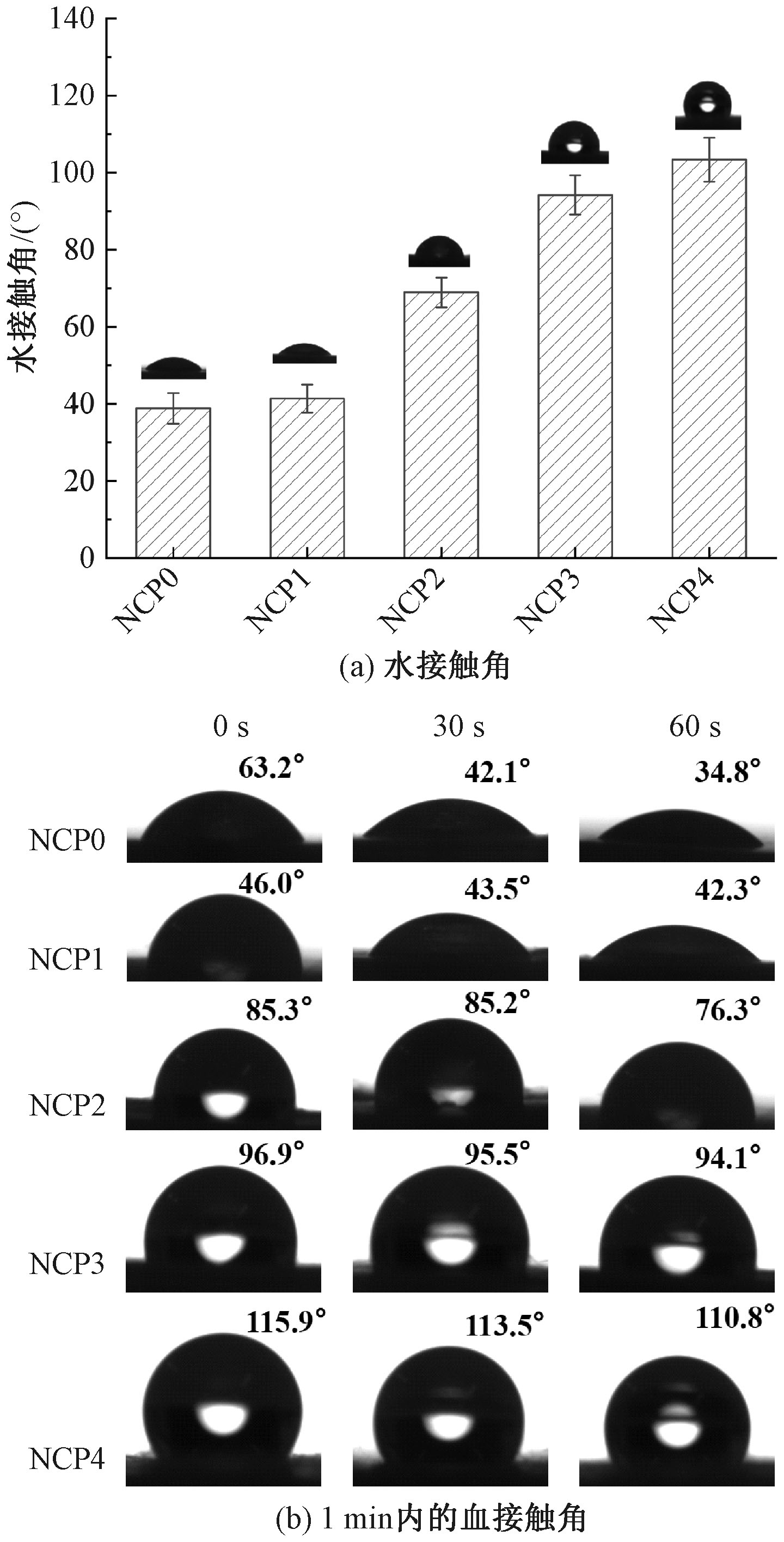
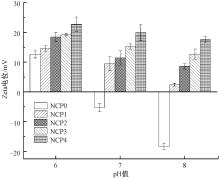
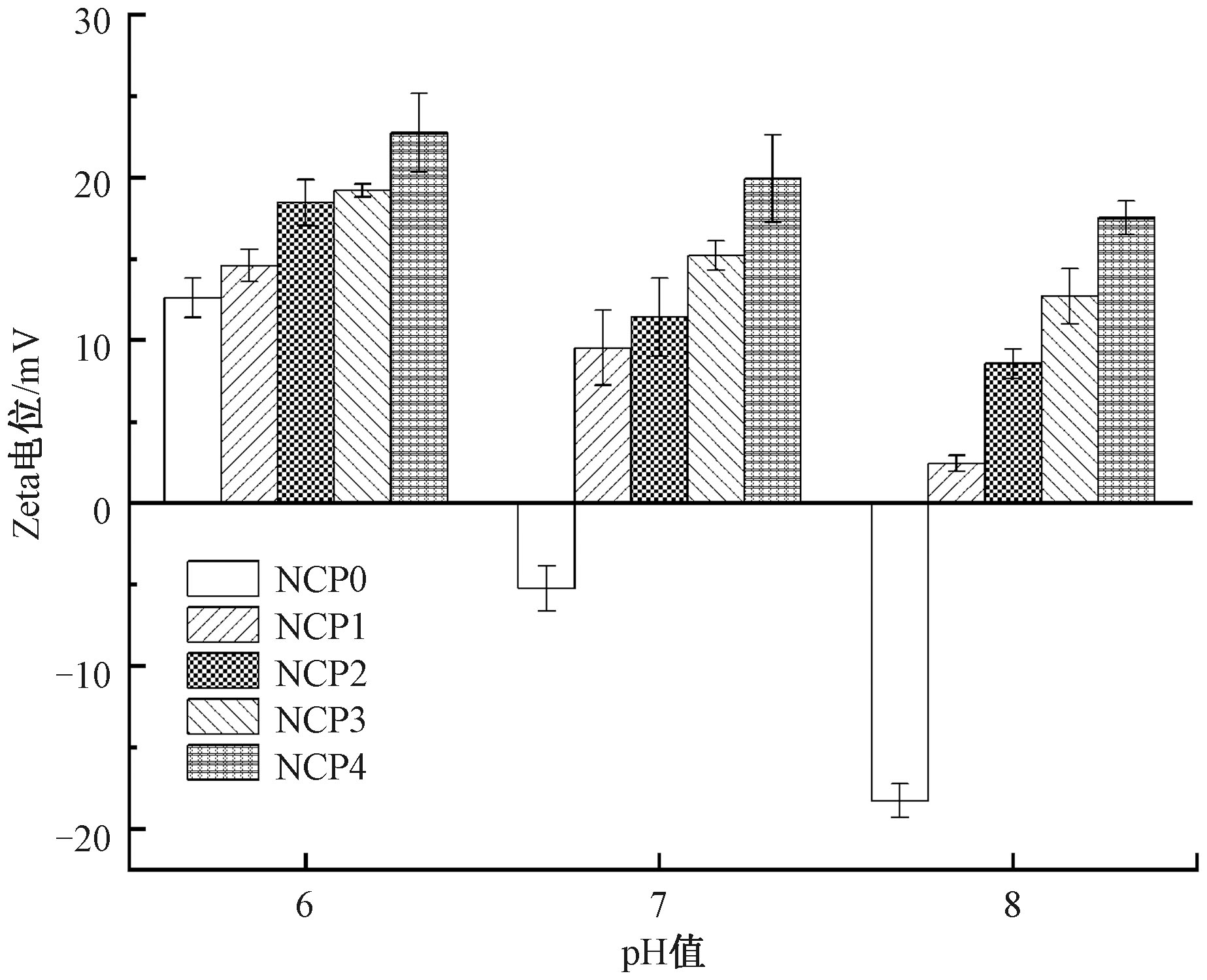
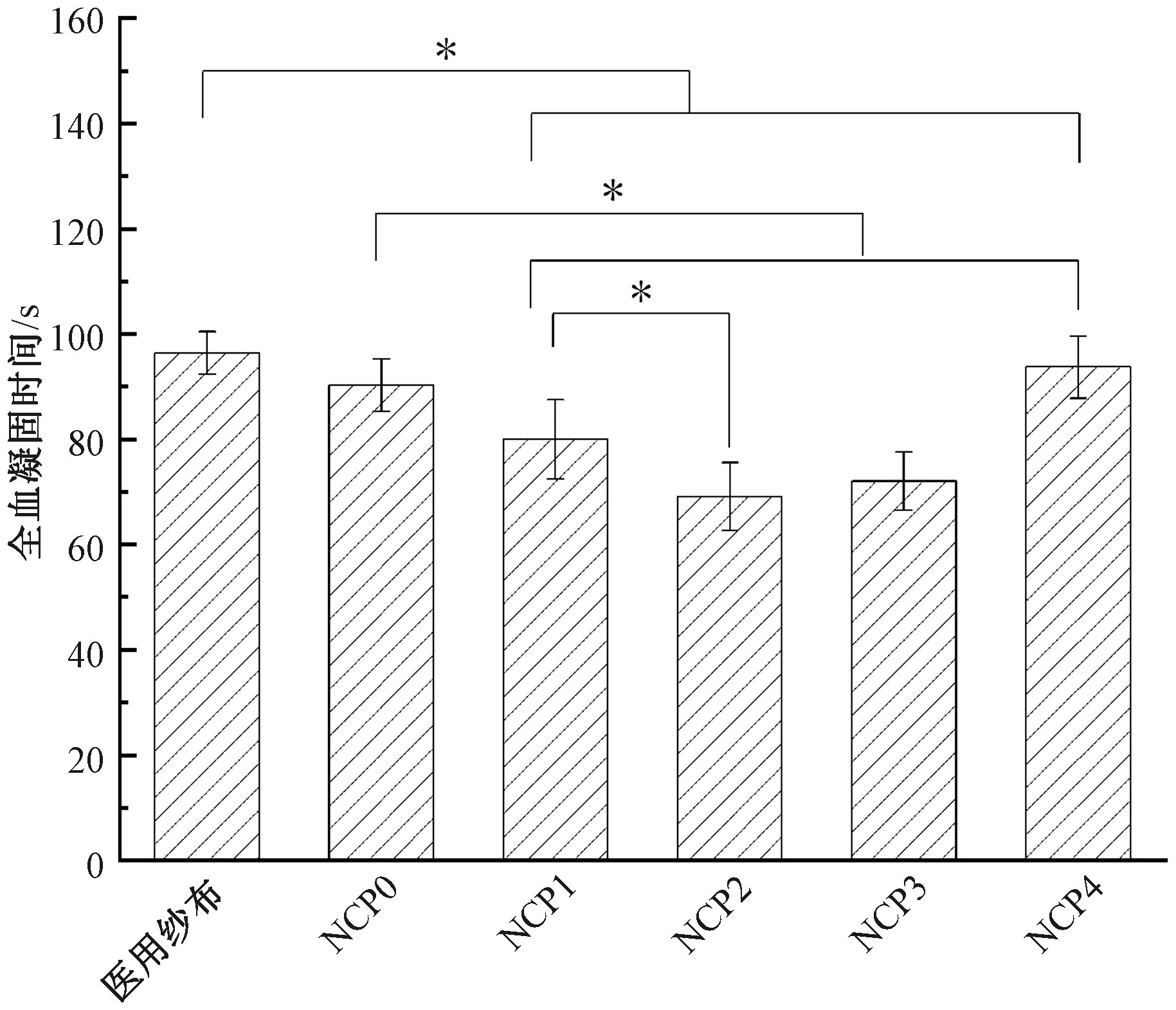
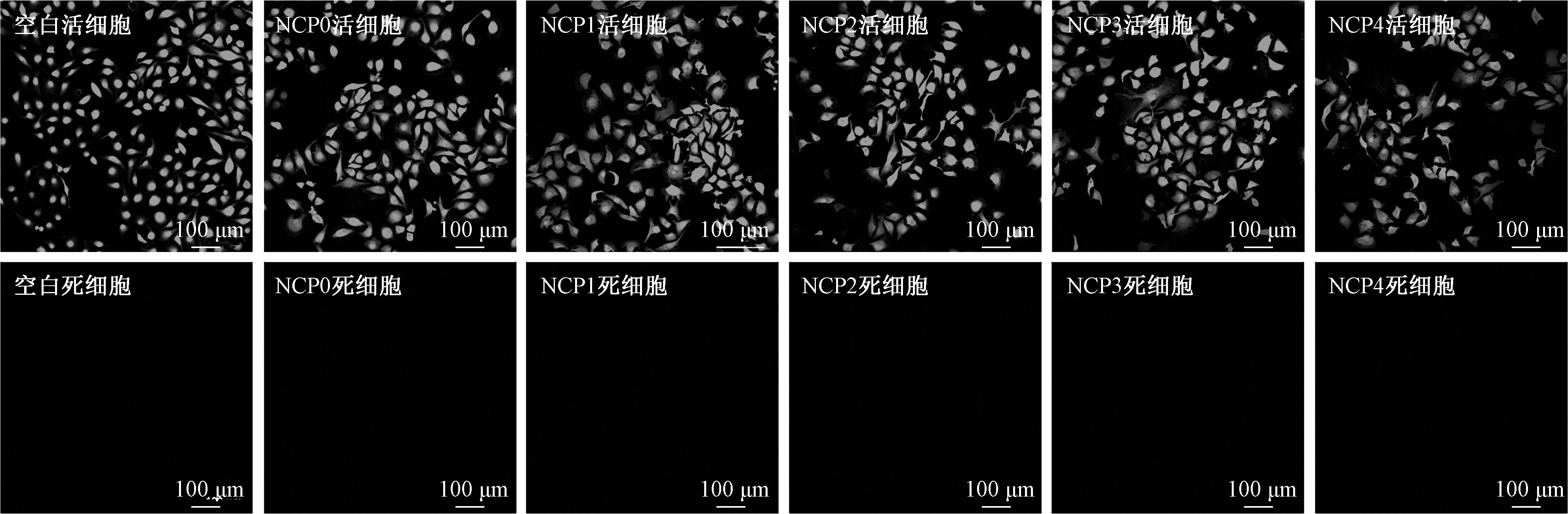
为提高壳聚糖基纳米纤维膜的止血性能,采用还原氨化法对壳聚糖进行改性,合成不同取代度(6.25%~58.65%)和碳链长度(C12/C18)的烷基壳聚糖(N-CS)。通过静电纺丝技术将止血性能优异的N-CS与聚乙烯醇(PVA)共混,制备N-CS/PVA纳米纤维膜。对不同质量比下纳米纤维膜的微观结构、亲疏水性、力学性能及凝血性能等进行表征与分析。结果表明:取代度为19.60%的十八烷基壳聚糖表现出最优凝血性能,凝血时间缩短至68 s;当N-CS质量分数为20%时,纳米纤维膜具有良好的微观结构与力学性能,且在生理pH值下呈现良好的疏水平衡和正电性,可有效促进血小板吸附与凝血因子聚集,凝血时间较医用纱布缩短39.50%,细胞增殖率均为90%以上。该材料具有良好的凝血性能和生物安全性,可为机械性创伤急救中壳聚糖基止血敷料的设计提供理论参考。
中图分类号:
| [1] | ZHAO H Y, SI J Y, GUO H M, et al. Effect of hemocoagulase on the coagulation parameters, blood transfusion volume and bleeding volume of patients with severe traumatic fractures[J]. Signa Vitae, 2023: 104-108. |
| [2] |
HSU F Y, MAO S H, CHUANG A D, et al. Shock index as a predictor for angiographic hemostasis in life-threatening traumatic oronasal bleeding[J]. International Journal of Environmental Research and Public Health, 2021, 18(21): 11051.
doi: 10.3390/ijerph182111051 |
| [3] |
MARSHALL C, JOSEPHSON C D, LEONARD J C, et al. Blood component ratios in children with non-traumatic life-threatening bleeding[J]. Vox Sanguinis, 2023, 118(1): 68-75.
doi: 10.1111/vox.v118.1 |
| [4] | 谭敦勇, 郭嘉炜, 邓志钦, 等. 壳聚糖敷料促进创面愈合的研究进展[J]. 生物骨科材料与临床研究, 2025, 22(1): 70-75, 81. |
| TAN Dunyong, GUO Jiawei, DENG Zhiqin, et al. Research progress on chitosan dressings to promote wound healing[J]. Orthopaedic Biomechanics Materials and Clinical Study, 2025, 22(1): 70-75, 81. | |
| [5] |
DOWLING M B, KUMAR R, KEIBLER M A, et al. A self-assembling hydrophobically modified chitosan capable of reversible hemostatic action[J]. Biomaterials, 2011, 32(13): 3351-3357.
doi: 10.1016/j.biomaterials.2010.12.033 pmid: 21296412 |
| [6] | 韩肖惠, 杜晶晶, 王博, 等. 烷基化壳聚糖及衍生物的表面性能[J]. 化学研究, 2019, 30(4): 359-364. |
| HAN Xiaohui, DU Jingjing, WANG Bo, et al. Surface activity of alkylation chitosan and its derivatives[J]. Chemical Research, 2019, 30(4): 359-364. | |
| [7] |
LIU T, LIU S H, SHI Y H, et al. Electrospun nanofiber membranes for rapid liver hemostasis via N-alkylated chitosan doped chitosan/PEO[J]. International Journal of Biological Macromolecules, 2024, 258: 128948.
doi: 10.1016/j.ijbiomac.2023.128948 |
| [8] | 王晓燕, 庄旭品, 关静. N-烷基壳聚糖纤维的制备与凝血性能研究[J]. 化工新型材料, 2019, 47(1): 152-155, 165. |
| WANG Xiaoyan, ZHUANG Xupin, GUAN Jing. Preparation and coagulation of N-alkyl chitosan fiber[J]. New Chemical Materials, 2019, 47(1): 152-155, 165. | |
| [9] | 宋路平, 闵尔君, 王英沣, 等. 静电纺PVDF/PAN/左氧氟沙星复合纤维膜的制备及性能[J]. 工程塑料应用, 2023, 51(1): 11-16. |
| SONG Luping, MIN Erjun, WANG Yingfeng, et al. Preparation and properties of PVDF/PAN/levofloxacin wound dressing based on electrospinning[J]. Engineering Plastics Application, 2023, 51(1): 11-16. | |
| [10] |
ZHANG J S, LI Y G, WU H W, et al. Thermally treated berberine-loaded SA/PVA/PEO electrospun microfiber membranes for antibacterial wound dressings[J]. Polymers, 2022, 14(21): 4473.
doi: 10.3390/polym14214473 |
| [11] | 施静雅, 王慧佳, 易雨青, 等. 聚氨酯/聚乙烯醇缩丁醛复合纳米纤维膜的制备及其过滤性能[J]. 纺织学报, 2023, 44(8): 26-33. |
| SHI Jingya, WANG Huijia, YI Yuqing, et al. Preparation and filtration of polyurethane/polyvinyl butyral composite nanofiber membrane[J]. Journal of Textile Research, 2023, 44(8): 26-33. | |
| [12] | 荆妙蕾, 杨冰杰, 周捷, 等. 交联改性对静电纺乌拉草提取液/聚乙烯醇纳米纤维膜性能的影响[J]. 高分子材料科学与工程, 2021, 37(6): 71-78. |
| JING Miaolei, YANG Bingjie, ZHOU Jie, et al. Effect of cross-linking modification on performance of electrostatic spinning carex meyeriana extract/polyvinyl alcohol nanofiber membranes[J]. Polymer Materials Science & Engineering, 2021, 37(6): 71-78. | |
| [13] |
雷彩虹, 俞林双, 金万慧, 等. 丝素蛋白/壳聚糖复合纤维膜的制备与应用[J]. 纺织学报, 2023, 44(11): 19-26.
doi: 10.13475/j.fzxb.20220606801 |
|
LEI Caihong, YU Linshuang, JIN Wanhui, et al. Preparation and application of silk fibroin/chitosan composite fiber membrane[J]. Journal of Textile Research, 2023, 44(11): 19-26.
doi: 10.13475/j.fzxb.20220606801 |
|
| [14] |
CHEN X, YAN G L, CHEN M, et al. Alkylated chitosan-attapulgite composite sponge for rapid hemostasis[J]. Biomaterials Advances, 2023, 153: 213569.
doi: 10.1016/j.bioadv.2023.213569 |
| [15] | 唐若谷. N-烷基化疏水壳聚糖的合成与表征[J]. 科技资讯, 2018, 16(16): 74-77. |
| TANG Ruogu. Synthesis and characterization of N-alkylated hydrophobic chitosan[J]. Science & Technology Information, 2018, 16(16): 74-77. | |
| [16] |
刘允璞, 刘威, 王黎明, 等. 静电纺三维纳米纤维材料的制备方法与应用进展[J]. 纺织学报, 2024, 45(11): 226-234.
doi: 10.13475/j.fzxb.20231100902 |
|
LIU Yunpu, LIU Wei, WANG Liming, et al. Progress in preparation methods and applications of electrospun three-dimensional nanofiber materials[J]. Journal of Textile Research, 2024, 45(11): 226-234.
doi: 10.13475/j.fzxb.20231100902 |
|
| [17] |
ALI S H, MAHAMMED M A, YASIN S A. Characterization of electrospinning chitosan nanofibers used for wound dressing[J]. Polymers, 2024, 16(14): 1984.
doi: 10.3390/polym16141984 |
| [18] | 彭锦豪, 包新军. 静电纺调温纳米纤维的结构及应用研究进展[J]. 上海纺织科技, 2024, 52(11): 1-8. |
| PENG Jinhao, BAO Xinjun. Research progress on the structure and application of electrospun temperature regulating nanofibers[J]. Shanghai Textile Science & Technology, 2024, 52(11): 1-8. | |
| [19] |
WANG L J, LI C H, ZHANG J S, et al. The electrical conductivity and mechanical properties of monolayer and multilayer nanofibre membranes from different fillers: calculated based on parallel circuit[J]. Polymers, 2022, 14(22): 5048.
doi: 10.3390/polym14225048 |
| [20] |
LIU S, LI W W, WANG X Y, et al. Permeable, stretchable, and recyclable cellulose aerogel on-skin electronics for dual-modal sensing and personal healthcare[J]. ACS Nano, 2025, 19(3): 3531-3548.
doi: 10.1021/acsnano.4c13458 pmid: 39801104 |
| [21] |
ZHANG Z, ZHAO X Z, SONG Z Y, et al. Electrospun collagen/chitosan composite fibrous membranes for accelerating wound healing[J]. Biomedical Materials, 2024, 19(5): 055024.
doi: 10.1088/1748-605X/ad6545 |
| [22] |
CHEN X, XU J, GAFUR A, et al. Preparation and characterization of chitosan/polyvinyl alcohol antibacterial sponge materials[J]. Biomedical Materials, 2024, 19(3): 035032.
doi: 10.1088/1748-605X/ad3c87 |
| [23] | CHEN L, PAN S W, WANG L, et al. Superhydrophobic cellulose nanofiber aerogels for efficient hemostasis with minimal blood loss[J]. ACS Applied Materials & Interfaces, 2024, 16(36): 47294-47302. |
| [24] |
ZHANG Y, GUAN J, WU J M, et al. N-alkylated chitosan/graphene oxide porous sponge for rapid and effective hemostasis in emergency situations[J]. Carbohydrate Polymers, 2019, 219: 405-413.
doi: S0144-8617(19)30533-8 pmid: 31151541 |
| [25] | 赵继升, 刘红, 王航, 等. 人机交互用纺织基离子皮肤的制备及性能研究[J]. 丝绸, 2024, 61(12): 96-103. |
| ZHAO Jisheng, LIU Hong, WANG Hang, et al. Research on the preparation and performance of fabric-based ionic skin for human-machine interaction[J]. Journal of Silk, 2024, 61(12): 96-103. | |
| [26] |
HUANG Z H, ZHANG D, TONG L Q, et al. Protonated-chitosan sponge with procoagulation activity for hemostasis in coagulopathy[J]. Bioactive Materials, 2024, 41: 174-192.
doi: 10.1016/j.bioactmat.2024.07.012 pmid: 39131629 |
| [27] | 韩华, 胡安然, 孙艺文, 等. 碘释放抗菌涂层棉织物的制备及其在伤口修复中的应用[J]. 纺织学报, 2024, 45(5): 113-120. |
| HAN Hua, HU Anran, SUN Yiwen, et al. Fabrication of antibacterial polymers coated cotton fabrics with I2 release for wound healing[J]. Journal of Textile Research, 2024, 45(5): 113-120. |
| [1] | 袁颖, 滕凤冬, 曹煜彤, 于俊荣, 李娜, 胡祖明, 王彦. 高模量对位芳纶研究进展[J]. 纺织学报, 2025, 46(11): 238-246. |
| [2] | 王学林, 胡万锦, 周思婕, 杜立新, 夏良君, 徐卫林. 莱赛尔纤维及其制品颜色构建技术的研究进展[J]. 纺织学报, 2025, 46(11): 247-254. |
| [3] | 舒祖菊, 袁自钰, 周斐, 黄秀文, 王权, 房显龙, 曹美雪. 载姜黄素核壳结构纳米纤维膜的制备及其缓释性能[J]. 纺织学报, 2025, 46(11): 26-33. |
| [4] | 刘飞, 刘璐, 郑智超, 刘俊宏, 吴德群, 蒋秋冉. 自黏型玉米醇溶蛋白基超细纤维膜的制备及其性能[J]. 纺织学报, 2025, 46(11): 34-42. |
| [5] | 张佃平, 陈琪, 徐登明, 王祚, 王昊. CuO 纳米纤维的制备及其在无酶葡萄糖传感器中的性能[J]. 纺织学报, 2025, 46(11): 61-68. |
| [6] | 李健阁, 吴伟, 韩伟鹏, 纪柏林, 徐红, 毛志平. 乙烯砜醋酸酯活性分散染料的合成及其对锦纶66的染色应用[J]. 纺织学报, 2025, 46(10): 143-151. |
| [7] | 吴乐然, 吴霓欢, 李林耿, 钟意, 陈鸿鹏, 汤南. 负载厚朴酚的抗菌纳米纤维膜的制备及其性能[J]. 纺织学报, 2025, 46(10): 30-38. |
| [8] | 毛泽, 高俊, 凌磊, 武丁胜, 陶云, 张春, 李申, 凤权. 聚丙烯腈/聚吡咯纳米纤维膜的制备及其对铬离子的吸附性能[J]. 纺织学报, 2025, 46(09): 57-65. |
| [9] | 史蜜, 王文聪, 范雪荣, 高卫东. 聚乙烯醇聚合度和醇解度对棉浆纱性能的影响[J]. 纺织学报, 2025, 46(09): 181-187. |
| [10] | 刘美, 崔丽娜, 关福旺, 李甫, 费鹏飞, 马驰, 王华平. 一次性卫生用竹浆纤维水刺非织造材料的疏水改性及其性能[J]. 纺织学报, 2025, 46(09): 188-196. |
| [11] | 高闻语, 陈诚, 奚晓玮, 邓林红, 刘杨. 改性丝素蛋白纤维增强胶原基角膜修复材料的制备及其性能[J]. 纺织学报, 2025, 46(08): 1-9. |
| [12] | 梁锋, 方沿, 张伟华, 唐余玲, 李双洋, 周建飞, 石碧. 基于金属-多酚网络的胶原蛋白基纤维制备及其力学性能[J]. 纺织学报, 2025, 46(08): 10-17. |
| [13] | 沈忱思, 王欣悦, 李方. 退浆废水预氧化-絮凝一体化处理及资源化技术[J]. 纺织学报, 2025, 46(08): 173-182. |
| [14] | 刘旭东, 宋政吉, 陈世昌, 陈文兴. 改性环氧树脂涂覆聚酰亚胺纤维的表面性能[J]. 纺织学报, 2025, 46(08): 18-27. |
| [15] | 刘健, 潘山山, 刘泳汝, 尹兆松, 任康佳, 赵庆浩. 多尖端锯齿状静电纺丝喷头的设计及优化[J]. 纺织学报, 2025, 46(08): 217-225. |
|
||
 京公网安备11010502044800号