纺织学报 ›› 2026, Vol. 47 ›› Issue (02): 111-118.doi: 10.13475/j.fzxb.20250908001

• 纺织工程 • 上一篇    下一篇

变结构纺织应变传感器的跨尺度构建与表征

彭阳阳1,2, 孙丰鑫2, 潘如如1,2()   

  1. 1 江南大学 纺织科学与工程学院, 江苏 无锡 214122
    2 江南大学 特种防护纺织品教育部重点实验室, 江苏 无锡 214122
  • 收稿日期:2025-09-22 修回日期:2025-12-12 出版日期:2026-02-15 发布日期:2026-04-24
  • 通讯作者: 潘如如(1982—),男,教授,博士。主要研究方向为数字化纺织技术与纺织品图像处理技术。E-mail: prrsw@163.com
  • 作者简介:彭阳阳(1998—),女,博士。主要研究方向为智能纺织品。

    说明:本文入选中国纺织工程学会第26届陈维稷论文卓越行动计划

  • 基金资助:
    国家自然科学基金项目(12272149)

Multiscale construction and characterization of switchable textile strain sensor

PENG Yangyang1,2, SUN Fengxin2, PAN Ruru1,2()   

  1. 1 College of Textile Science and Engineering, Jiangnan University, Wuxi, Jiangsu 214122, China
    2 Key Laboratory of Special Protective Textiles, Ministry of Education, Jiangnan University, Wuxi, Jiangsu 214122, China
  • Received:2025-09-22 Revised:2025-12-12 Published:2026-02-15 Online:2026-04-24

摘要:

为解决刚性导电材料与纺织基柔性材料间在设计兼容性、结构-性能耦合效应及器件可靠性等方面存在的问题,通过探究纱线包缠方式、纱线捻度及织物结构等多尺度参数,成功制备出高性能变结构织物应变传感器,并实现了其机械化生产。测试了传感器的灵敏度、线性度、滞后性及循环稳定性等主要传感性能,进而分析了其在可穿戴设备领域的应用潜力。结果表明:该传感器的优异性能直接源于纱线与织物的多级结构转换,传感织物实现了高灵敏度(在0%~60%的应变时,灵敏系数为3.47,线性度为0.995)、宽检测范围(0%~140%)和穿着舒适性;同时,稳定的织物结构有效抑制了银纤维在拉伸过程中的滑移,从而显著改善了循环应变下的松弛行为,并提高了信号重复性;此外,变结构织物应变传感器在孕妇胎动模拟与步态识别等应用场景中均表现出优异性能,基于卷积神经网络的步态识别准确率达到97.14%。该工作通过调控多尺度纺织结构,为开发高性能电子设备提供了新思路。

关键词: 传感织物, 传感性能, 变结构织物, 柔性电子可穿戴设备, 应变传感器, 步态检测, 胎动监测

Abstract:

Objective Integrating rigid conductive materials with textile-based flexible structures still encounters significant challenges in design compatibility, structure-performance coupling, and device reliability. Departing from conventional strategies that rely on intricate functional materials, this study fabricates an all-textile flexible strain-sensing fabric by tuning multiscale parameters, including yarn wrapping mode, twist, and fabric structure. The switchable structure textile strain sensor is expected to the performance requirements in practical scenarios such as fetal-movement simulation and gait recognition, highlighting its broad potential in intelligent wearable systems.

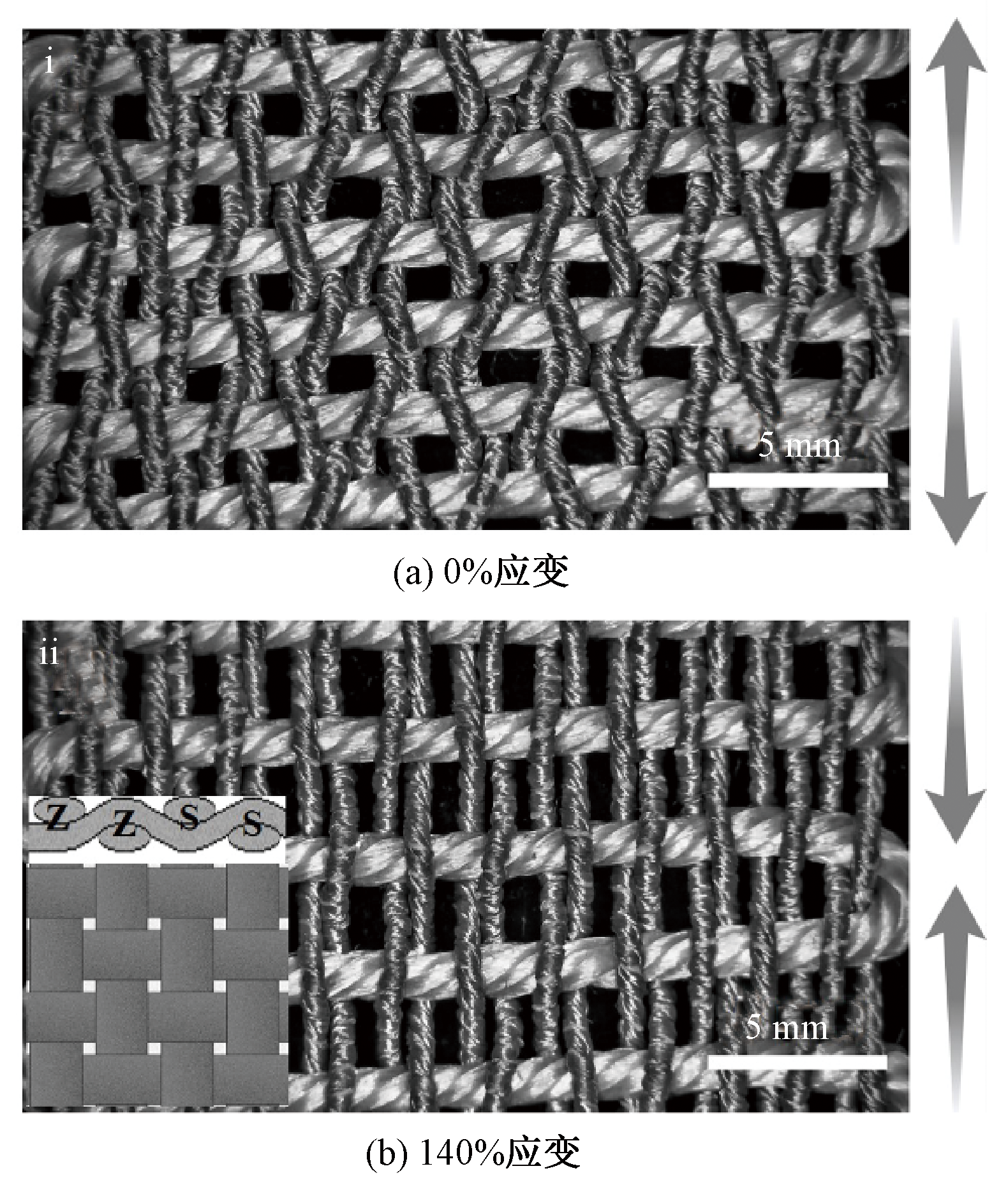
Method The spandex core yarn was fed into the braider under 100 cN pre-tension. Two silver-nylon and two spandex yarns were mounted counter-directionally and braided around the core into an X-interlocked structure at a 0.2 mm pitch. The X-braided yarn was then twisted at 50 turns/m in S and Z directions. These twisted yarns were arranged in an "SSZZ" pattern as warp (8 counts/cm) on a loom, interwoven with nylon weft (6 counts/cm), forming a stable switchable structure textile strain sensor with high strength and durability.

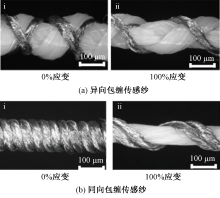
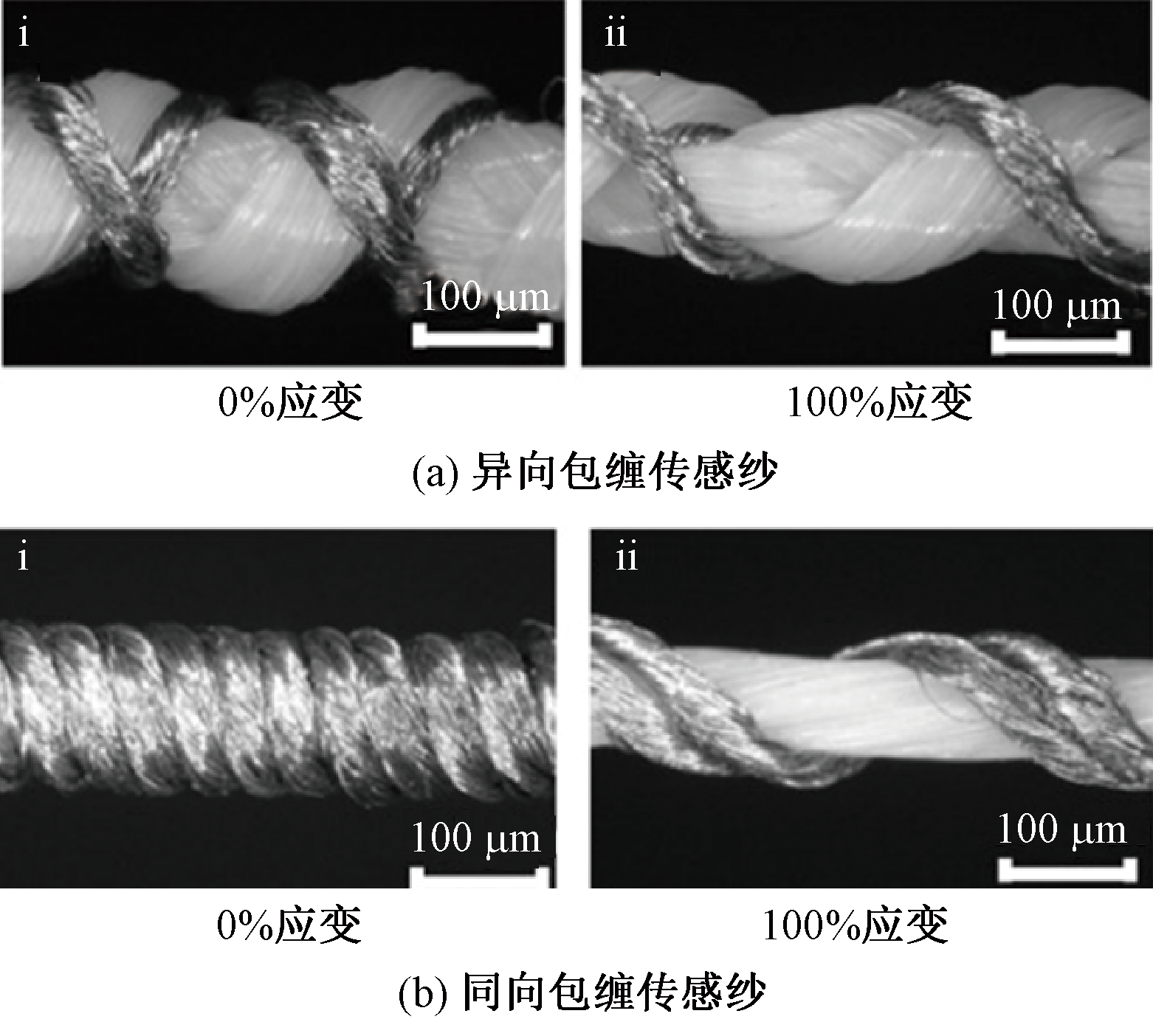
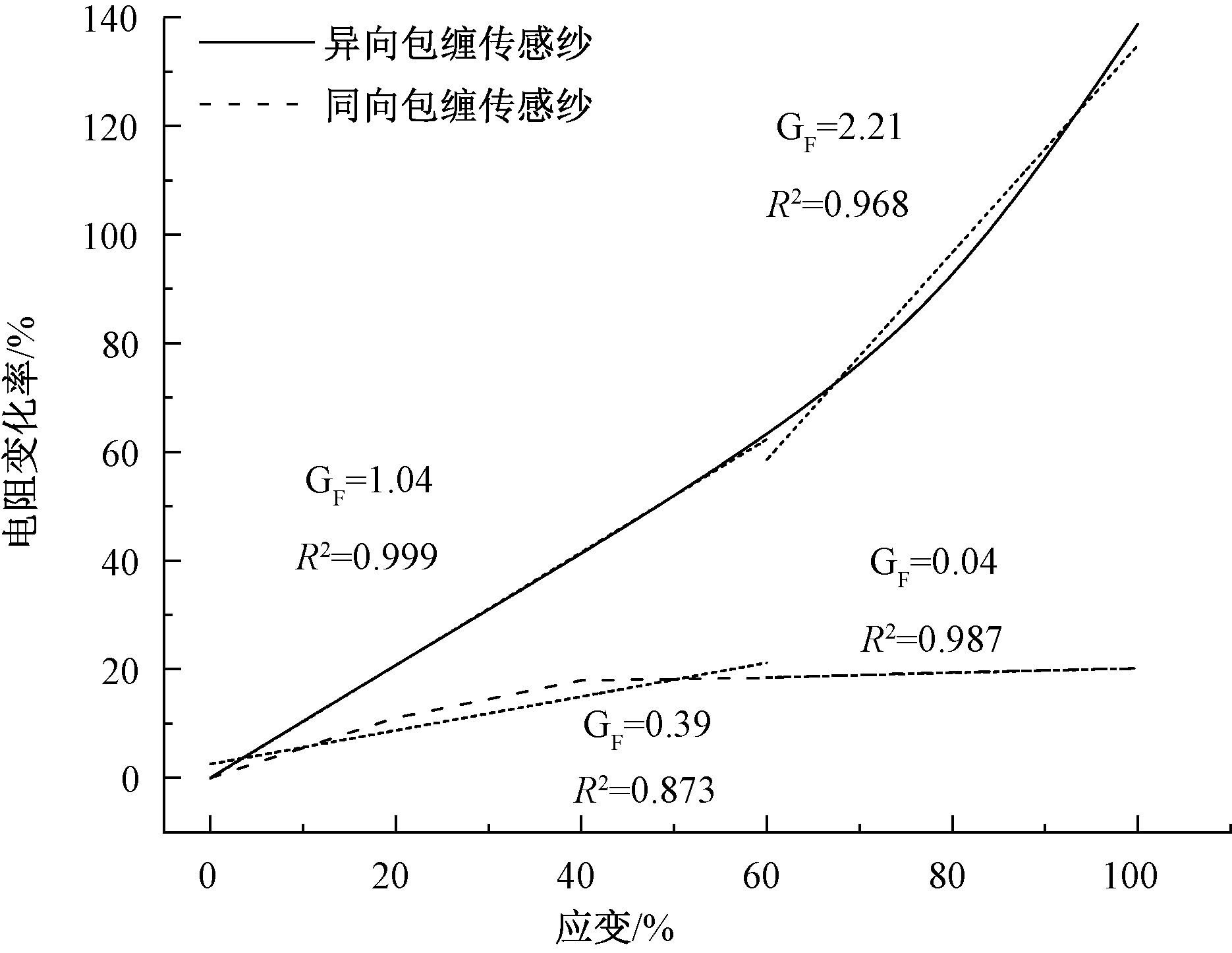
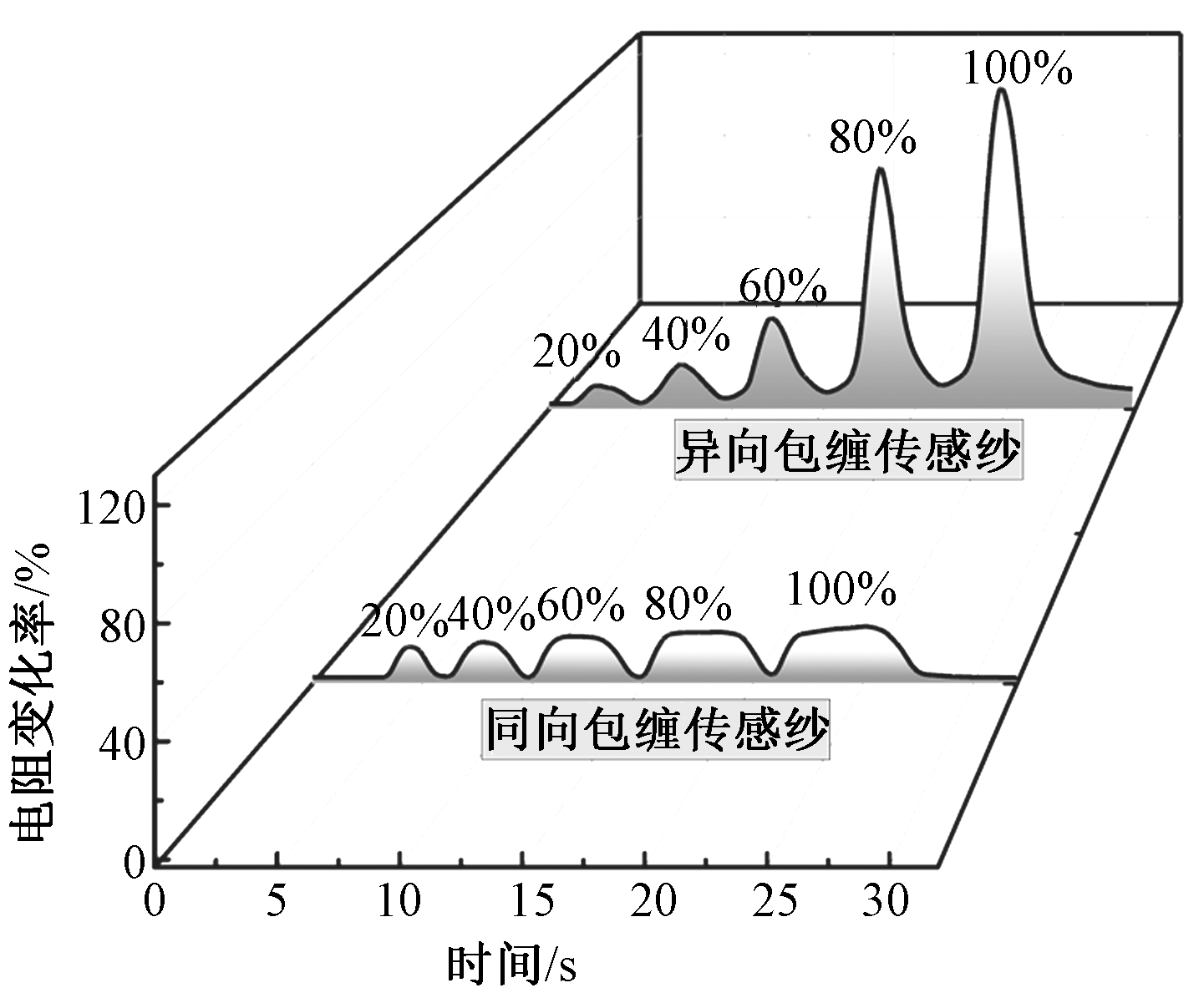
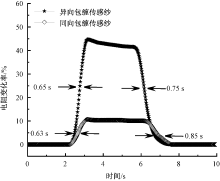
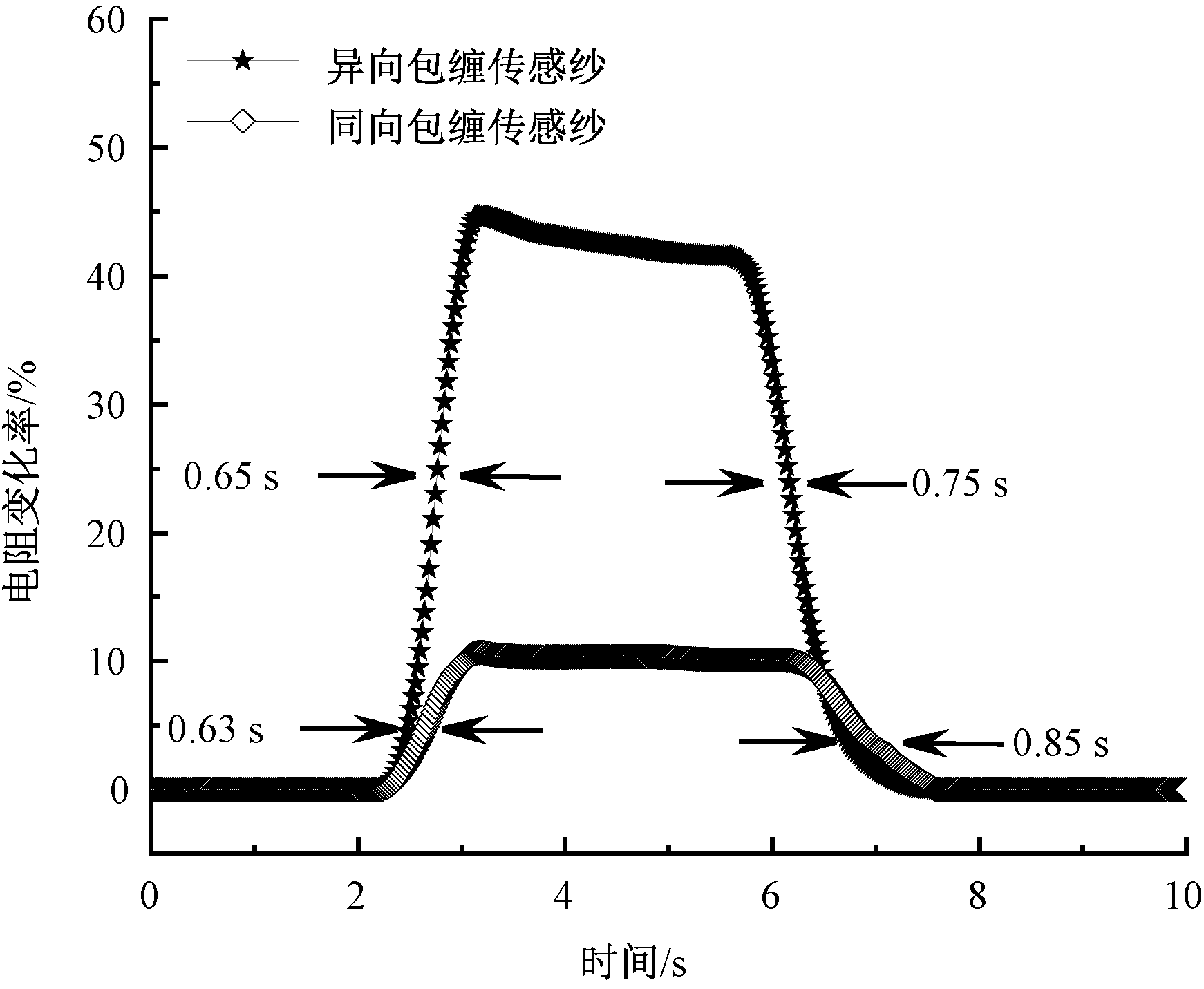
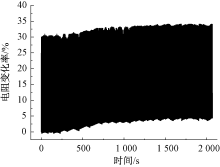
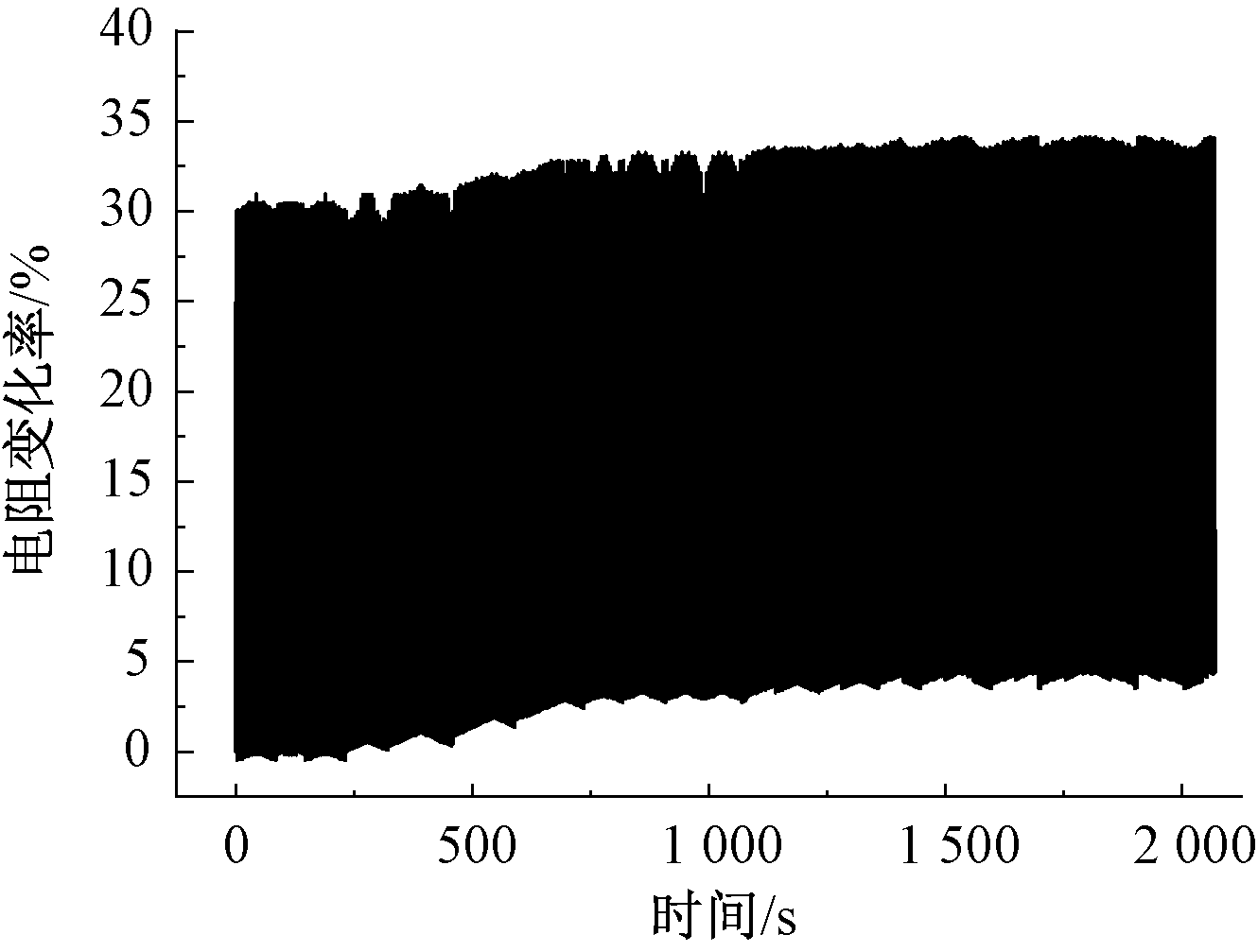
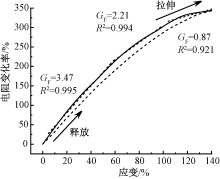
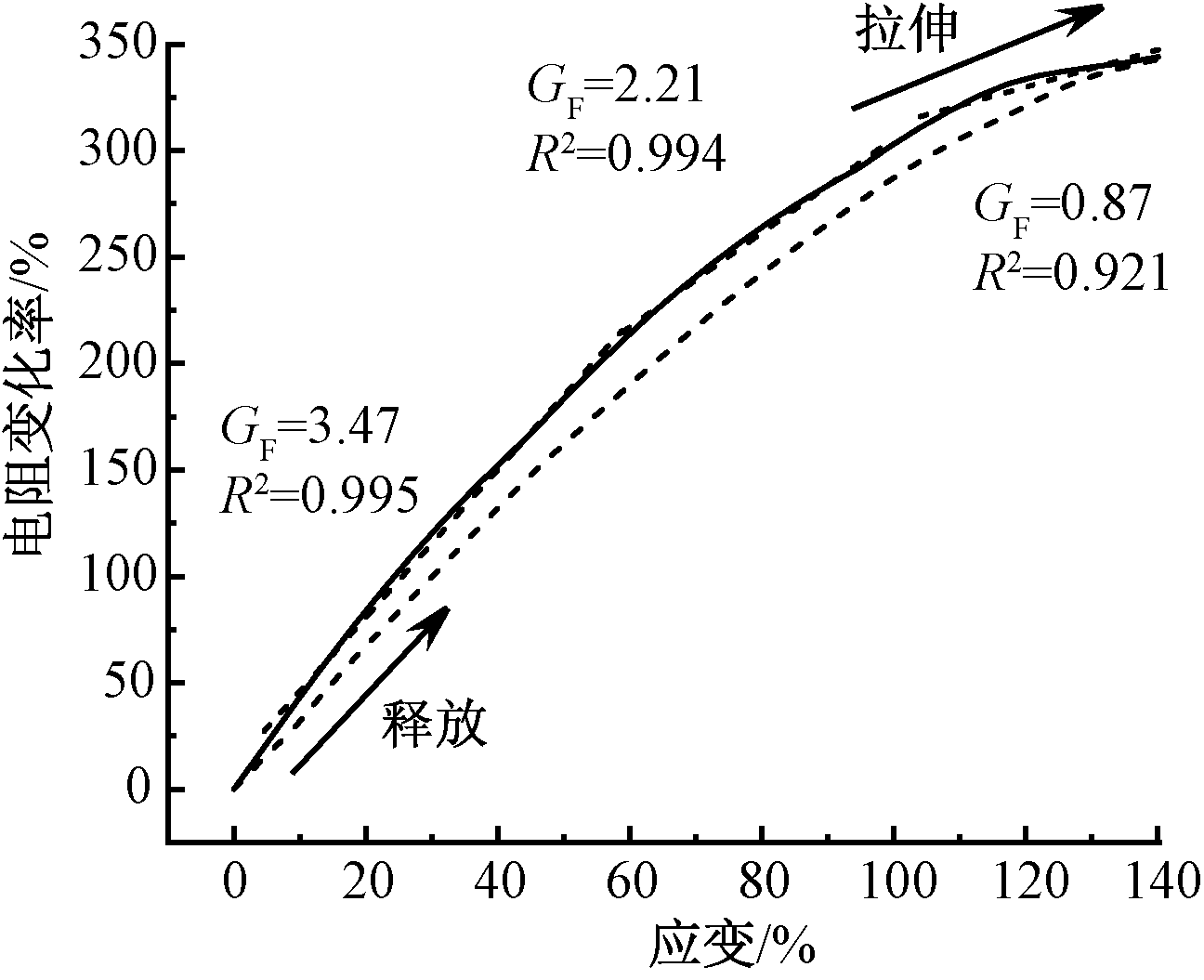
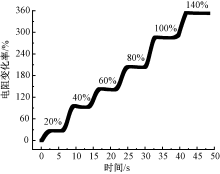
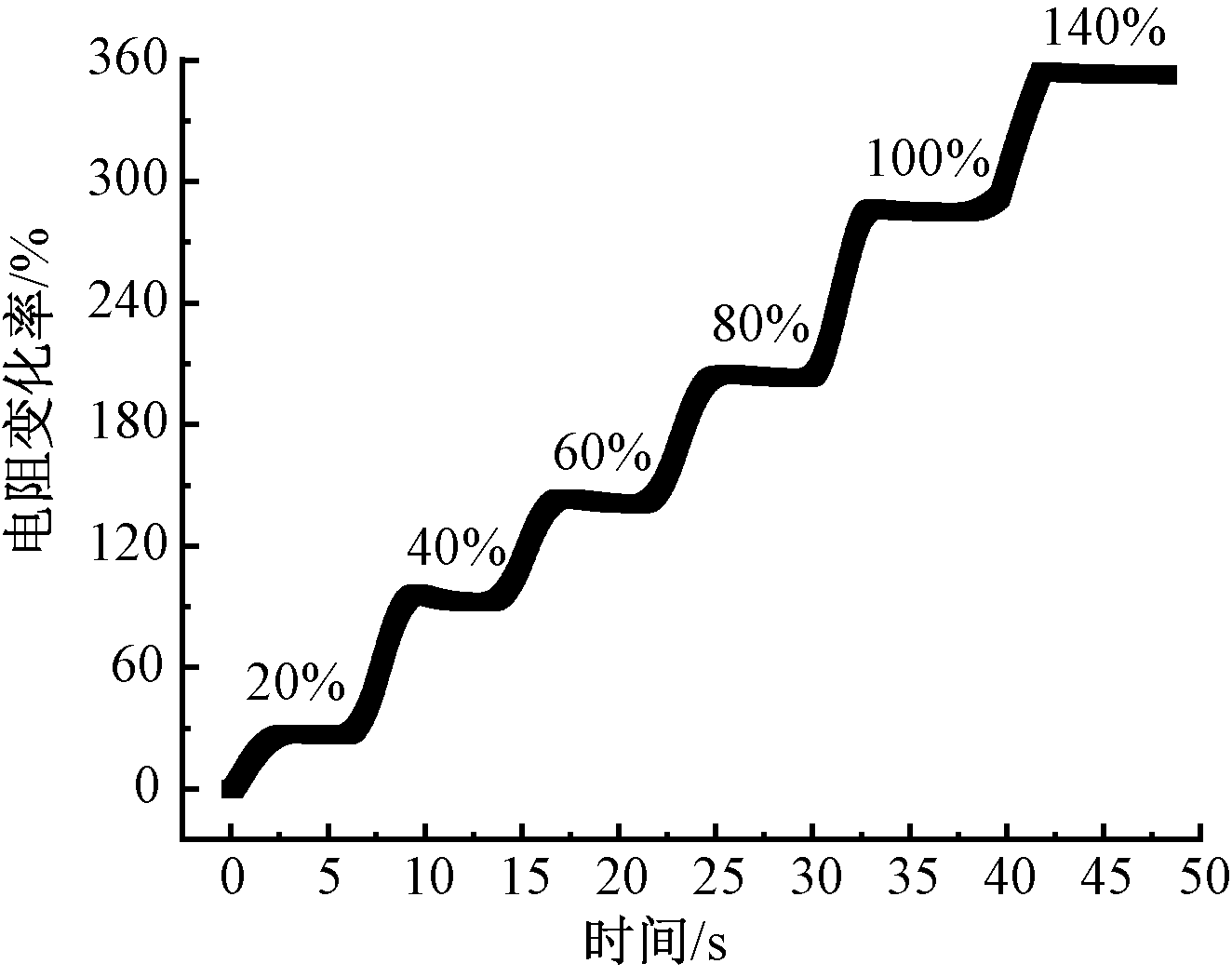
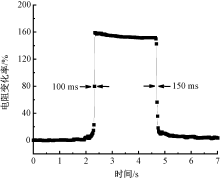
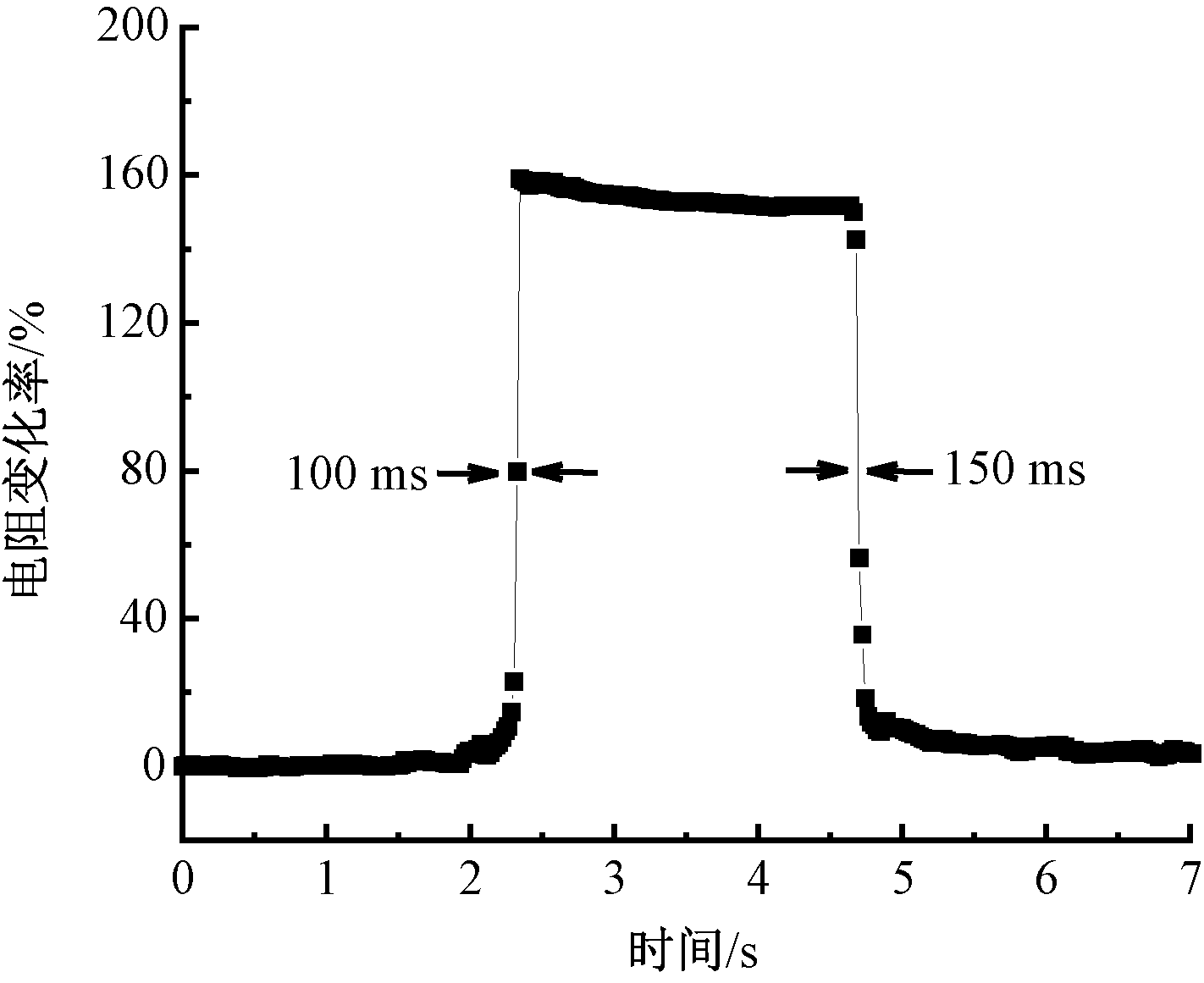
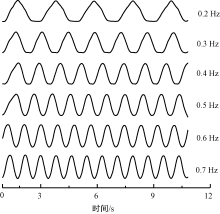
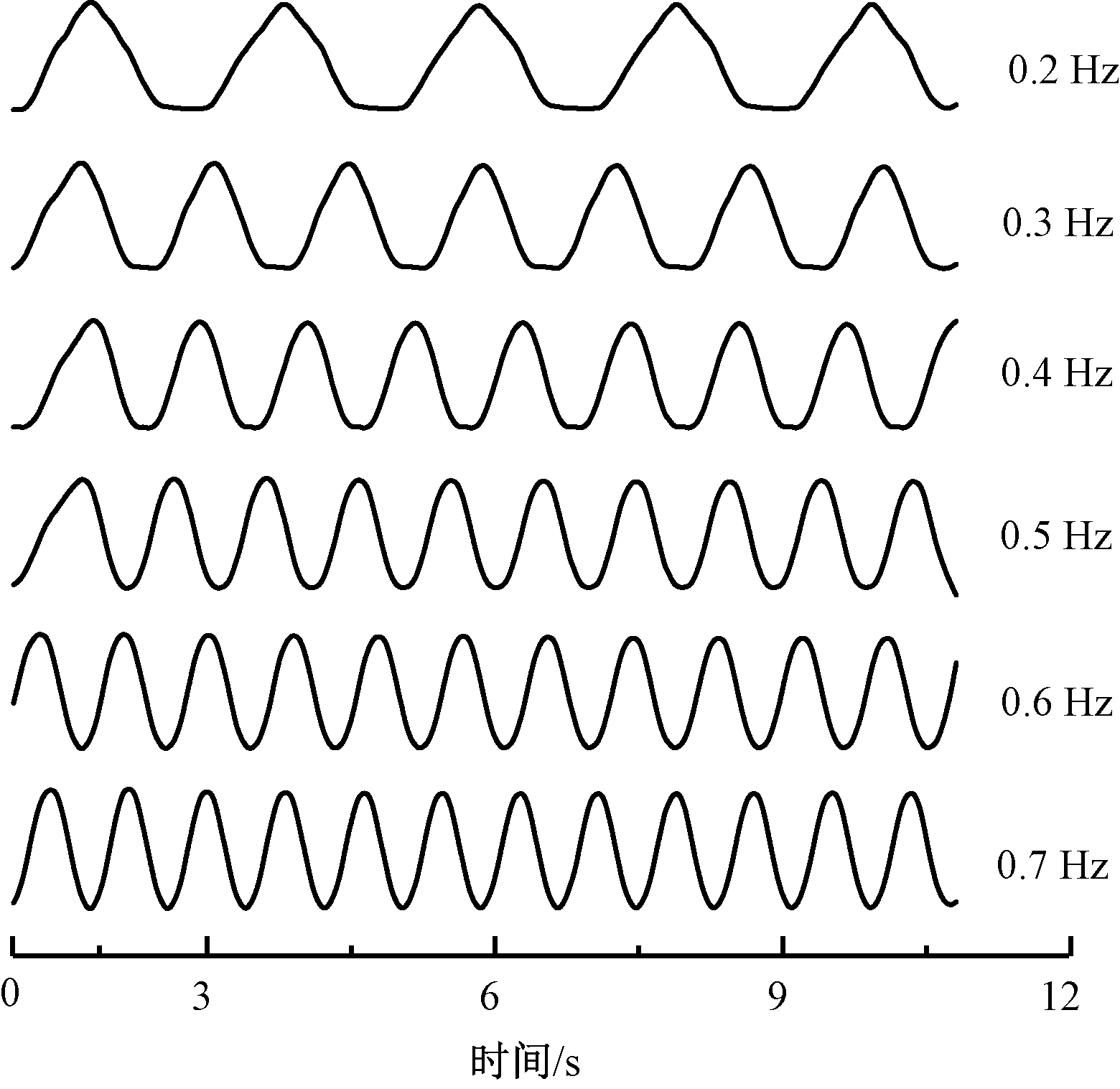
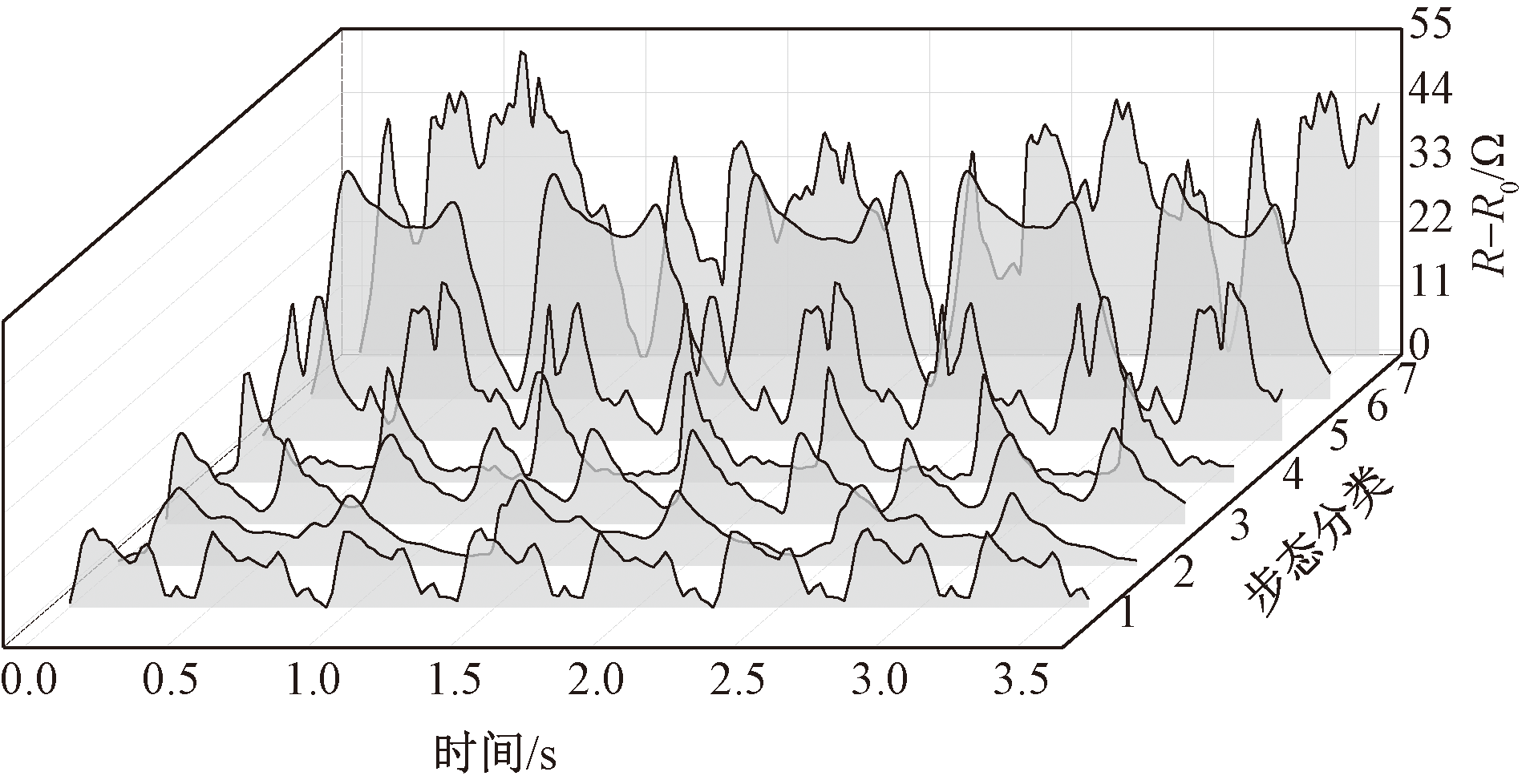
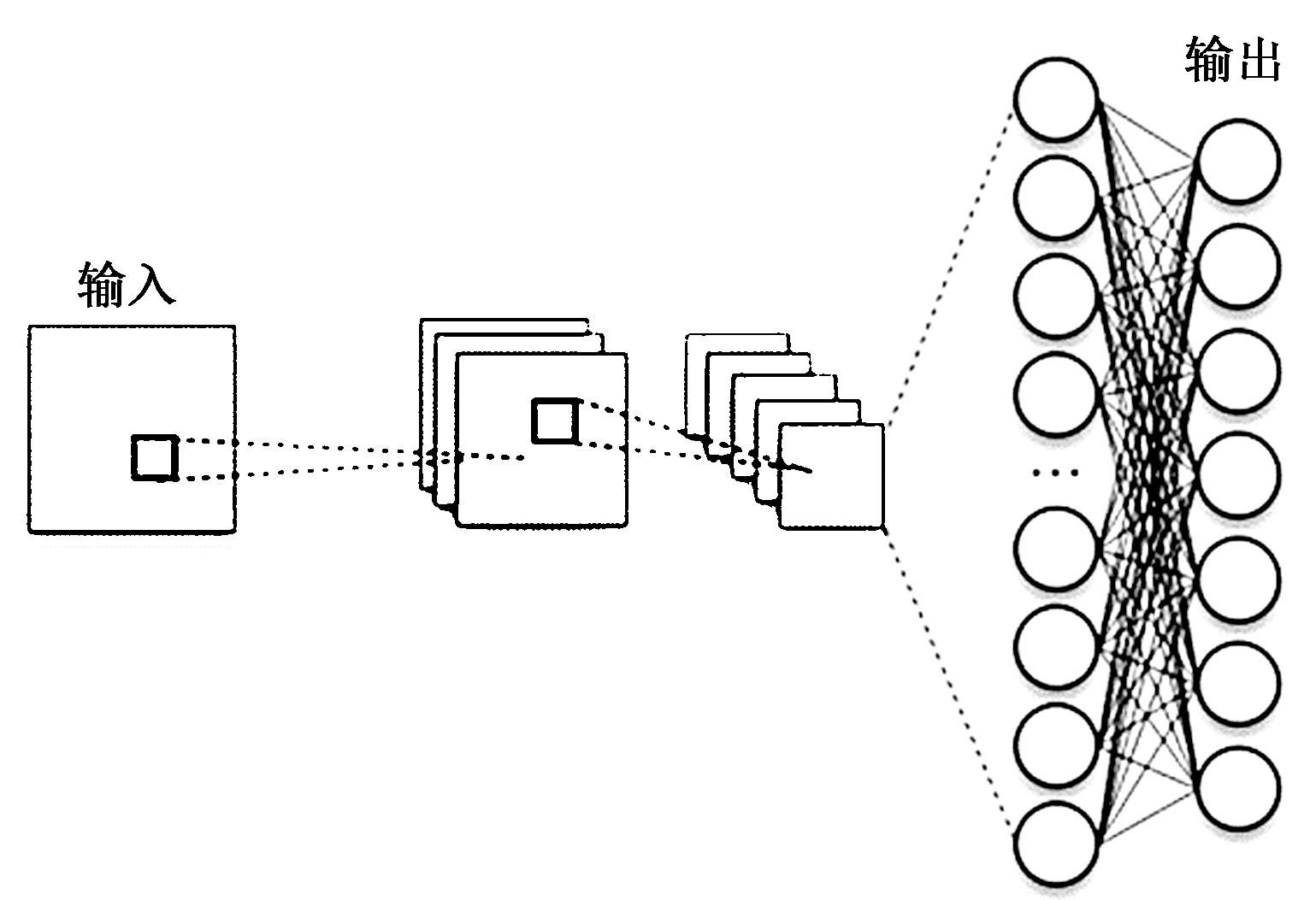
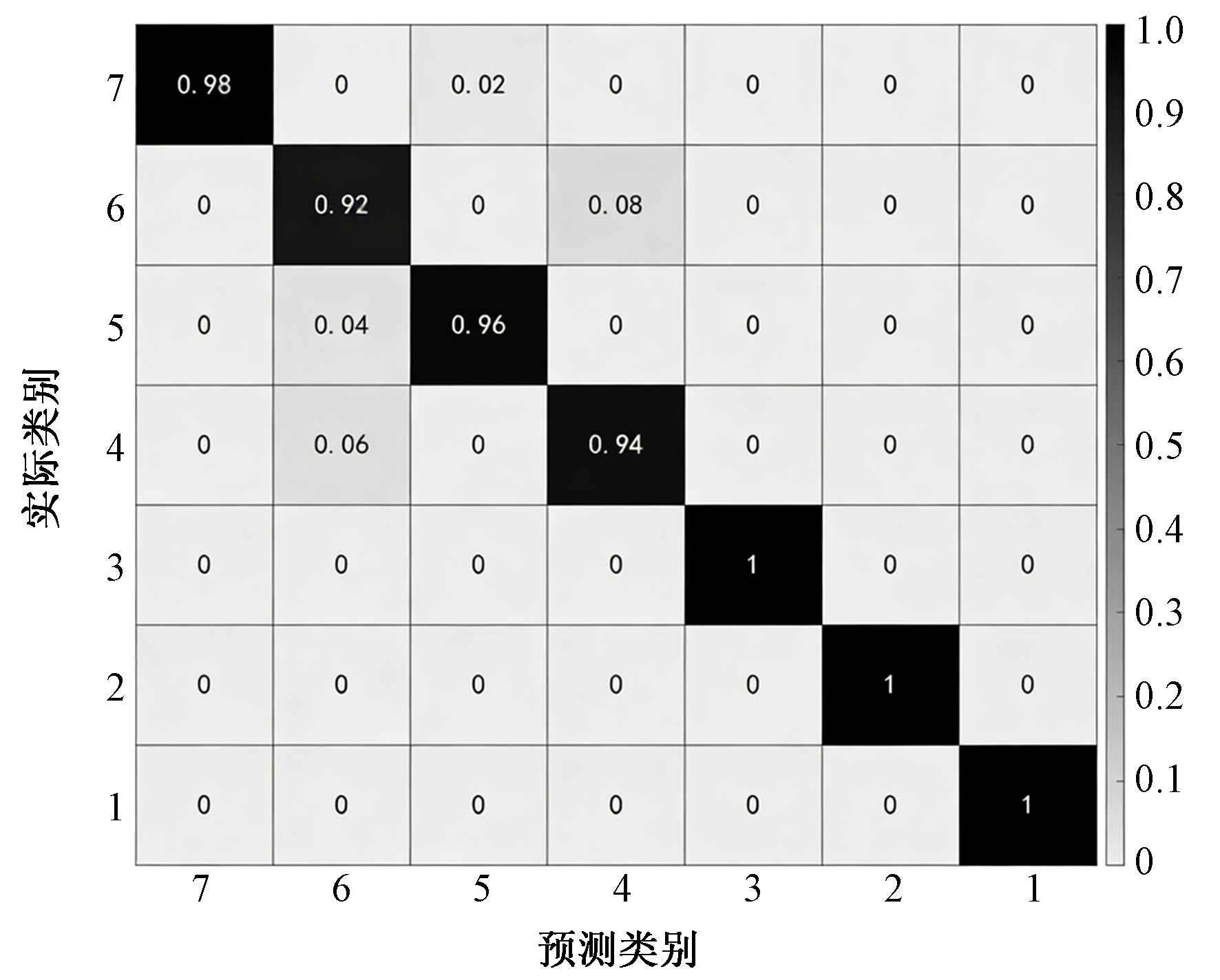
Results This study developed a highly sensitive and wide range flexible wearable device based on innovative design of sensing yarn wrapped in the opposite direction and switchable structure textile strain sensor. Sensing yarn wrapped in the opposite direction featured a counter-directional wrapping structure. At 0% strain, two silver-plated nylon yarns were in close contact, yielding low resistance. At 100% strain, the spandex acted as an isolation layer, causing complete separation of the filaments and maximum resistance. In contrast, sensing yarn wrapped in the same direction lacked this mechanism, reaching its maximum the relative resistance at only 20%-60% strain and showing no further increase beyond 60% strain due to identical wrapping direction and the absence of an isolation layer. The sensing yarn wrapped in the opposite direction exhibited a gauge factor (GF) of 1.04 (R2= 0.999) at 0%-60% strain. At 60% - 100% strain, its GF further increased to 2.21, while that of sensing yarn wrapped in the same direction dropped to 0.04. The sensing yarn wrapped in the opposite direction also demonstrated a wider response range (0%-100%), faster response/recovery (0.65 s/0.75 s), and excellent durability over 500 cycles. Furthermore, the yarn was woven into a switchable structure textile strain sensor. The fabric exhibited segmented sensitivity, where GF reached 3.47 (R2= 0.995) at 0%-60% strain, 2.21 at 60%-100%, and 0.87 at 100%- 140%, achieving both high sensitivity and a broad sensing range. The structure remained stable under stepped strain (20%-140%), with no significant signal drift. It also showed rapid response (100 ms) and recovery (150 ms), consistent performance across frequencies (0.2-0.7 Hz), and outstanding durability over 1 500 cycles. The fabric was applied in fetal movement monitoring, offering stable signal output under simulated conditions. Additionally, when integrated into smart shoe uppers, it captured complex gait signals. Using a convolutional neural network (CNN) algorithm, the sensing fabric achieved 97.14% accuracy in classifying seven gait types.

Conclusion Through weaving technology and textile topological structure design, the coordinated effect of deformation between yarns and the textile structure is achieved. This enables the sensing textile to maintain high sensitivity while realizing a wide detection range of 0%-140%. Based on the wide detection range of the sensing fabric, as well as the comfort and electromagnetic shielding effect of the fabric itself, the feasibility of its application in fetal movement detection for pregnant women is verified. Leveraging the high sensitivity of the sensing fabric, it is integrated into shoe uppers, through signal acquisition and the combination of convolutional neural network, accurate recognition and prediction of highly complex gait patterns are realized. It is anticipated that this work inspires the development of flexible strain sensors with textile structures and provides an effective and cost-efficient design strategy for the next generation of intelligent robot systems.

Key words: sensing fabric, sensing performance, switchable-structure fabric, flexible electronic wearable device, strain sensor, gait detection, fetal movement monitoring

中图分类号: 

  • TS106.4

图1

异向和同向包缠传感纱在不同状态下的显微照片"

图2

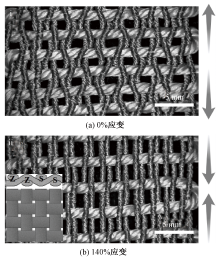
传感织物在不同状态下的显微照片"

图3

同向和异向包缠传感纱的相对电阻变化与拉伸应变的关系"

图4

同向和异向包缠传感纱在20%~100%应变下的相对电阻变化率"

图5

同向和异向包缠传感纱的响应和恢复时间"

图6

在40%应变下进行500次拉伸/释放循环的异向包缠传感纱线的耐久性"

图7

织物在拉伸过程中相对电阻变化与拉伸应变的关系"

图8

阶梯伸长间隔内传感织物的相对电阻率"

图9

传感织物在60%应变下的响应和恢复时间"

图10

传感织物不同频率下的相对电阻率变化"

图11

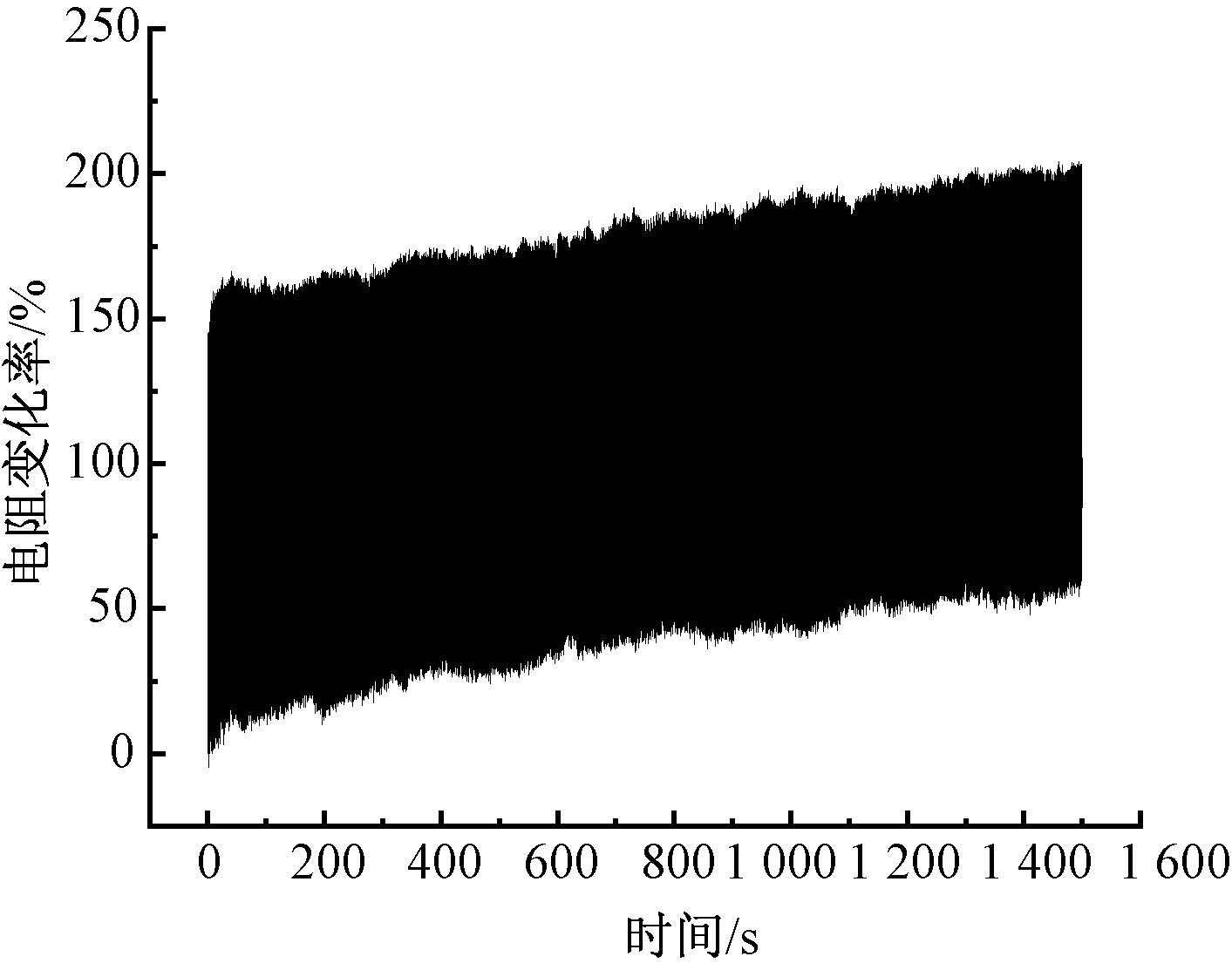
传感织物在60%的应变下循环1 500次的耐久性"

图12

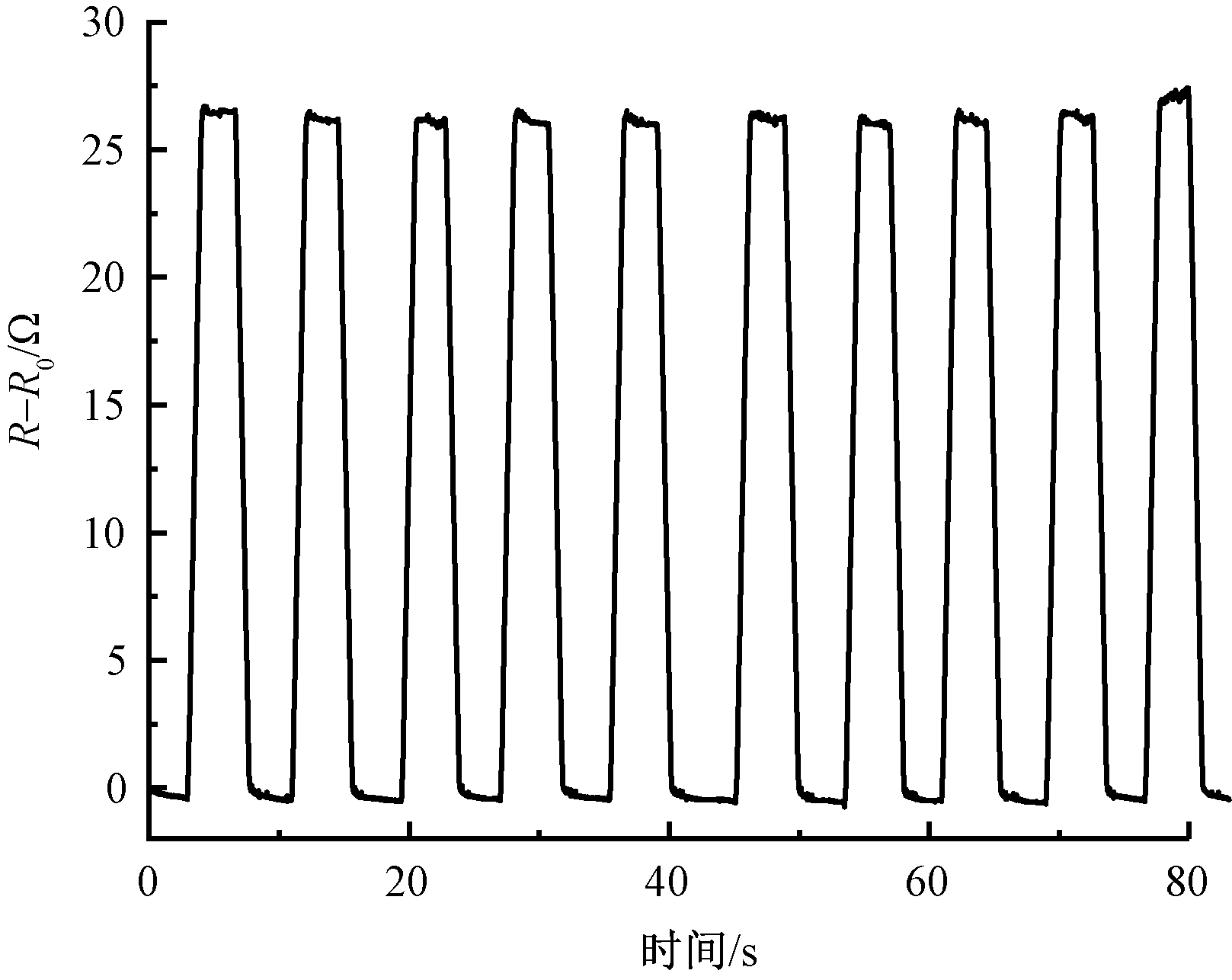
传感织物在充气和放气中的10次可逆循环"

图13

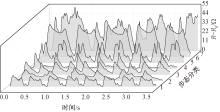
实时监测和收集的7种典型接触循环步态下电阻变化"

图14

CNN算法模型示意图"

图15

CNN算法对应步态识别结果的混淆矩阵"

[1] LIU S L, ZHANG W T, HE J Z, et al. Fabrication techniques and sensing mechanisms of textile-based strain sensors: from spatial 1D and 2D perspectives[J]. Advanced Fiber Materials, 2024, 6(1): 36-67.
doi: 10.1007/s42765-023-00338-9
[2] PENG Y Y, SUN F X, JING J H, et al. Switchable pseudo-triaxial structure enabled mechanosensory textiles with ultra-wide detection range for flexible E-wearables[J]. Advanced Functional Materials, 2024, 34(52): 2411177.
doi: 10.1002/adfm.v34.52
[3] DONG C Q, LEBER A, DAS GUPTA T, et al. High-efficiency super-elastic liquid metal based triboelectric fibers and textiles[J]. Nature Communications, 2020, 11: 3537.
doi: 10.1038/s41467-020-17345-8 pmid: 32669555
[4] LEE T, LEE W, KIM S W, et al. Flexible textile strain wireless sensor functionalized with hybrid carbon nanomaterials supported ZnO nanowires with controlled aspect ratio[J]. Advanced Functional Materials, 2016, 26(34): 6206-6214.
doi: 10.1002/adfm.v26.34
[5] LEE S, SHIN S, LEE S, et al. Ag nanowire reinforced highly stretchable conductive fibers for wearable electronics[J]. Advanced Functional Materials, 2015, 25(21): 3114-3121.
doi: 10.1002/adfm.v25.21
[6] CUTHBERT T J, HANNIGAN B C, ROBERJOT P, et al. HACS: helical auxetic yarn capacitive strain sensors with sensitivity beyond the theoretical limit[J]. Advanced Materials, 2023, 35(10): e2209321.
[7] WEI C H, CHENG R W, NING C, et al. A self-powered body motion sensing network integrated with multiple triboelectric fabrics for biometric gait recognition and auxiliary rehabilitation training[J]. Advanced Functional Materials, 2023, 33(35): 2303562.
doi: 10.1002/adfm.v33.35
[8] DONG S S, XU F, SHENG Y L, et al. Seamlessly knitted stretchable comfortable textile triboelectric nanogenerators for E-textile power sources[J]. Nano Energy, 2020, 78: 105327.
doi: 10.1016/j.nanoen.2020.105327
[9] MA Y L, OUYANG J Y, RAZA T, et al. Flexible all-textile dual tactile-tension sensors for monitoring athletic motion during taekwondo[J]. Nano Energy, 2021, 85: 105941.
doi: 10.1016/j.nanoen.2021.105941
[10] HUANG F, HU J Y, YAN X. Review of fiber- or yarn-based wearable resistive strain sensors: structural design, fabrication technologies and applications[J]. Textiles, 2022, 2(1): 81-111.
doi: 10.3390/textiles2010005
[11] 佘叶美, 彭阳阳, 王法猛, 等. 基于经编间隔织物的柔性压力传感器制备及其性能[J]. 纺织学报, 2025, 46(3): 158-166.
SHE Yemei, PENG Yangyang, WANG Fameng, et al. Preparation and performance of flexible pressure sensor based on warp knitted spacer fabric[J]. Journal of Textile Research, 2025, 46(3): 158-166.
doi: 10.1177/004051757604600302
[12] 李港华, 王航, 史宝会, 等. 柔性电子织物的构筑及其压力传感性能[J]. 纺织学报, 2023, 44(2): 96-102.
LI Ganghua, WANG Hang, SHI Baohui, et al. Construction of flexible electronic fabric and its pressure sensing performance[J]. Journal of Textile Research, 2023, 44(2): 96-102.
doi: 10.1177/004051757404400203
[1] 沈钰茜, 唐虹, 赵敏. 基于导线材质变化的刺绣电极心电传感性能比较[J]. 纺织学报, 2026, 47(02): 135-143.
[2] 邵剑波, 岳欣琰, 陈雨, 韩潇, 洪剑寒. 全针织结构多模态柔性电容传感器的构筑及其传感性能[J]. 纺织学报, 2026, 47(01): 123-131.
[3] 张莹, 郭明靖, 王利君. 针织结构温度传感器设计及其着装传感性能[J]. 纺织学报, 2025, 46(12): 123-132.
[4] 王梁宇, 高晓红, 于彩娇, 张雪婷, 杨旭礼. 还原氧化石墨烯/铜纳米颗粒导电棉织物的制备及其传感性能[J]. 纺织学报, 2025, 46(12): 181-187.
[5] 梁治, 姬康瑞, 黎张成, 何钰, 王灿, 侯冲. 热致变色纤维膜的制备及其温度传感性能[J]. 纺织学报, 2025, 46(11): 1-8.
[6] 权英, 张爱琴, 张曼, 刘淑强, 张钰晶. 基于三维编织结构的柔性应变传感器制备及其性能[J]. 纺织学报, 2025, 46(08): 136-144.
[7] 王清清, 廖师琴, 魏取福. 光电双响应纱线应变传感器的制备及其性能[J]. 纺织学报, 2025, 46(08): 71-79.
[8] 张金芹, 李晶, 肖明, 毕曙光, 冉建华. 聚苯乙烯/还原氧化石墨烯微球传感电热织物的自组装法制备[J]. 纺织学报, 2025, 46(05): 202-213.
[9] 佘叶美, 彭阳阳, 王法猛, 潘如如. 基于经编间隔织物的柔性压力传感器制备及其性能[J]. 纺织学报, 2025, 46(03): 158-166.
[10] 范梦晶, 岳欣琰, 邵剑波, 陈雨, 洪剑寒, 韩潇. 基于静电纺纤维包芯纱的电容式扭转传感器构建及其传感性能[J]. 纺织学报, 2025, 46(02): 106-112.
[11] 张曼, 权英, 冯宇, 李甫, 张爱琴, 刘淑强. 纺织基可穿戴柔性应变传感器的研究进展[J]. 纺织学报, 2024, 45(12): 225-233.
[12] 阳腾, 孙志慧, 伍思钰, 于晖, 王飞. 基于聚氨酯/炭黑/锦纶导电纱线的织物应变传感器制备及其性能[J]. 纺织学报, 2024, 45(12): 80-88.
[13] 史雅楠, 马颜雪, 樊平, 薛文良, 李毓陵. 织边结构弹性传感机织带的制备及其传感性能影响因素[J]. 纺织学报, 2024, 45(11): 114-120.
[14] 张蕊, 应迪, 陈冰冰, 田欣, 郑莹莹, 王建, 邹专勇. 碳纳米管修饰三维纤维网非织造布传感器的制备及其性能[J]. 纺织学报, 2024, 45(11): 46-54.
[15] 李露红, 罗天, 丛洪莲. 针织一体成形电容传感器设计及其性能[J]. 纺织学报, 2024, 45(10): 80-88.
Viewed
Full text


Abstract

Cited

  Shared   
  Discussed   
No Suggested Reading articles found!