纺织学报 ›› 2026, Vol. 47 ›› Issue (06): 148-158.doi: 10.13475/j.fzxb.20250910301
吴杰凯1, 骆祎岚1,2, 董威威1,2, 白云峰1,2, 朱世根1,2( )
)
WU Jiekai1, LUO Yilan1,2, DONG Weiwei1,2, BAI Yunfeng1,2, ZHU Shigen1,2()
摘要:
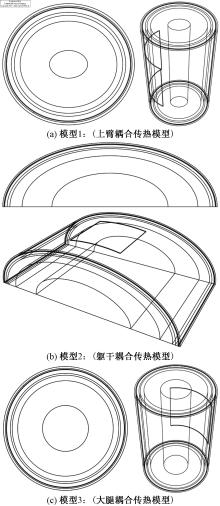
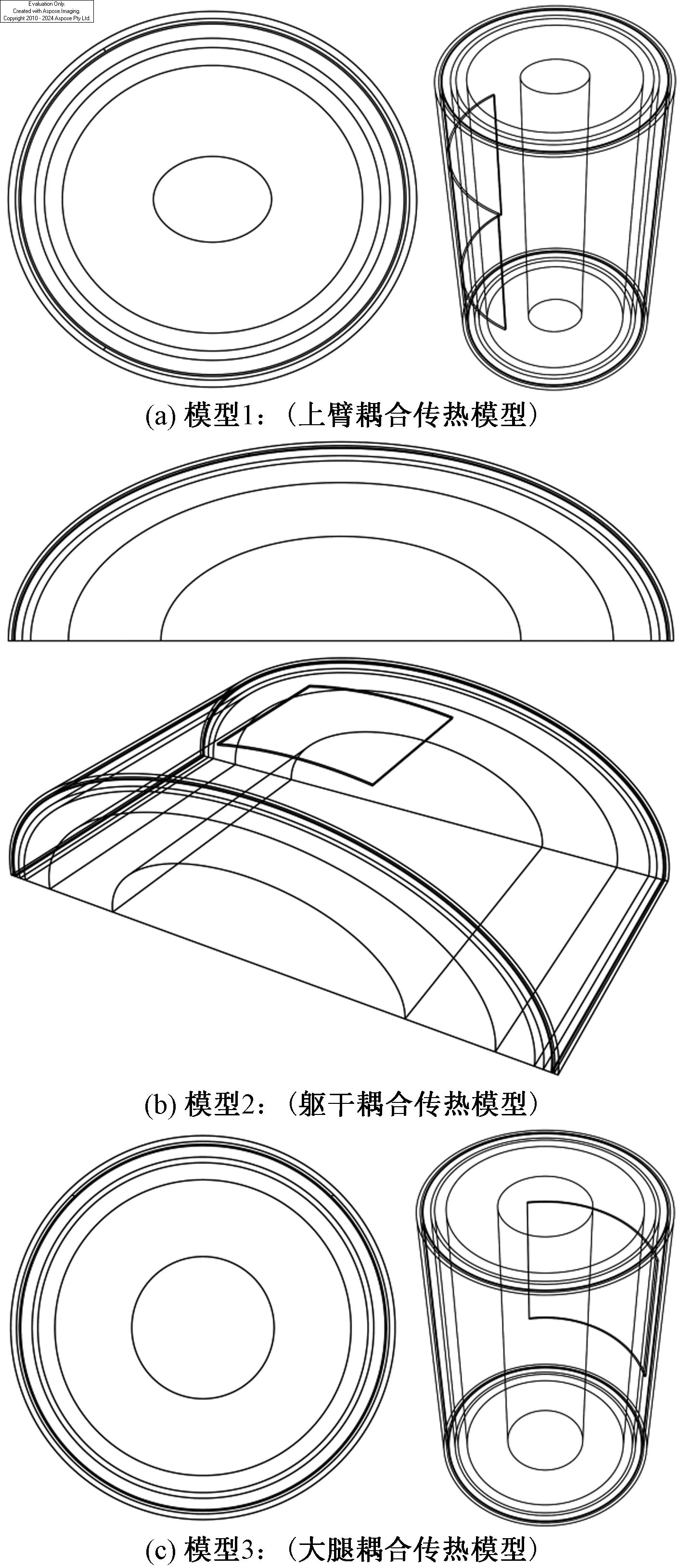
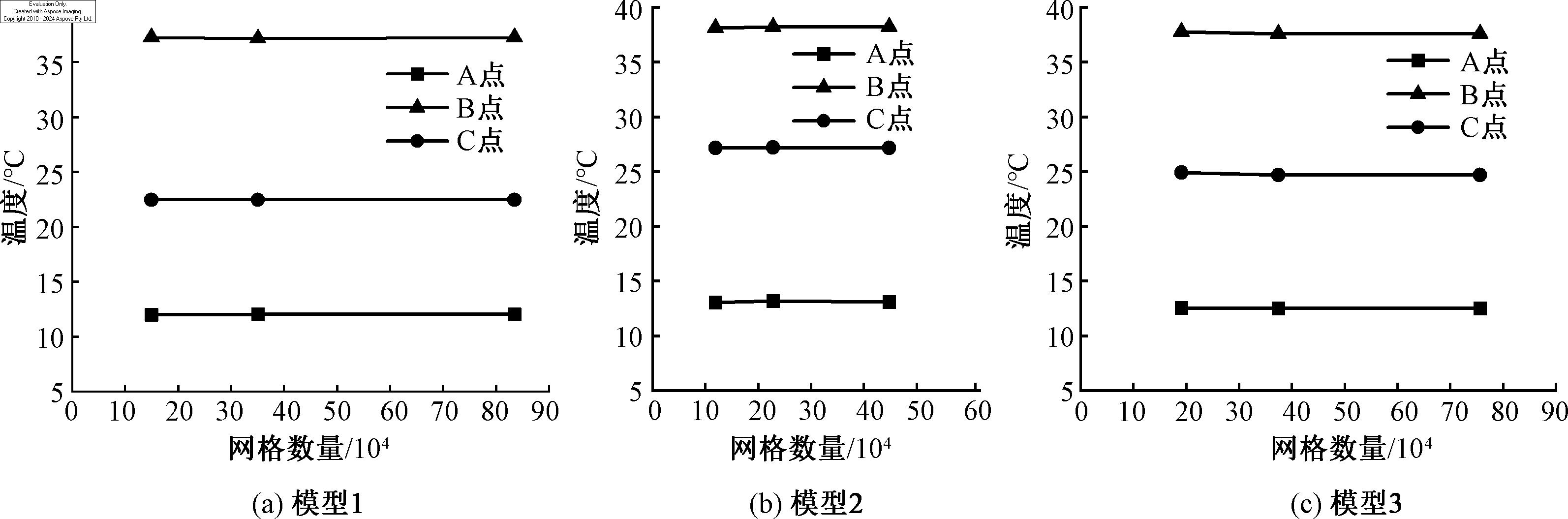
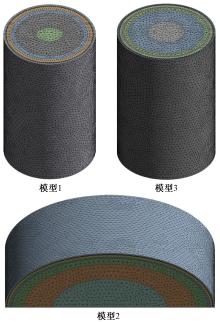
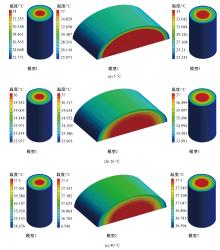
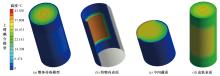
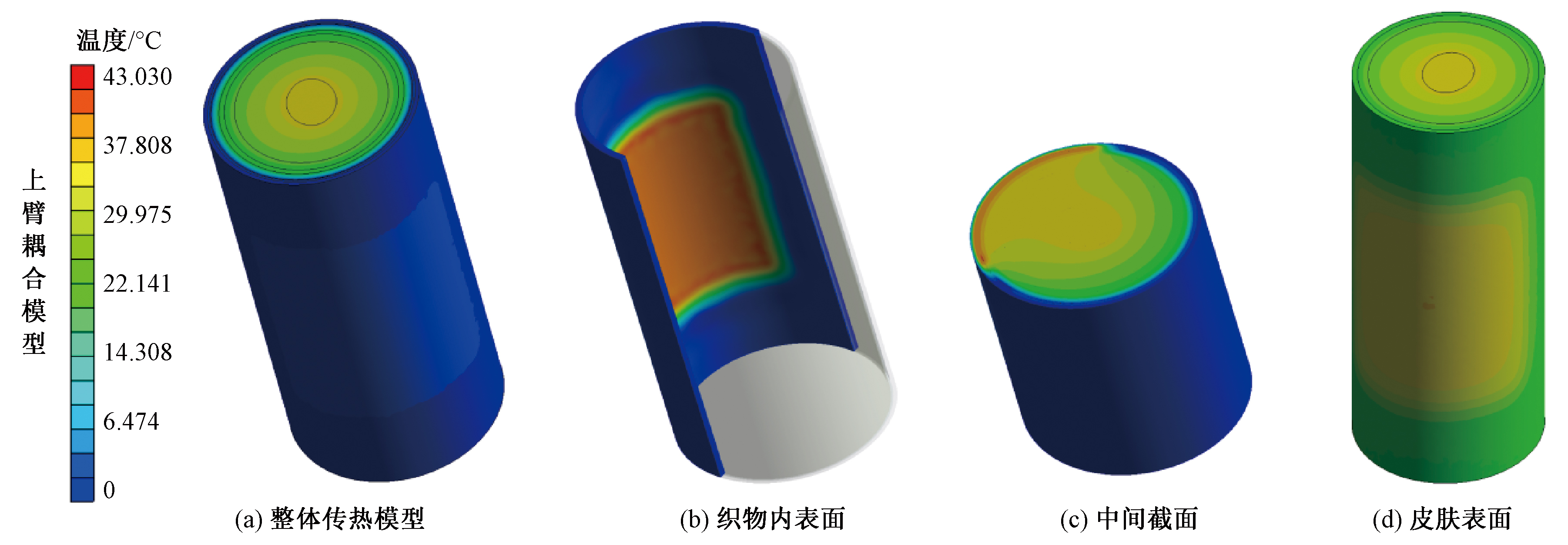
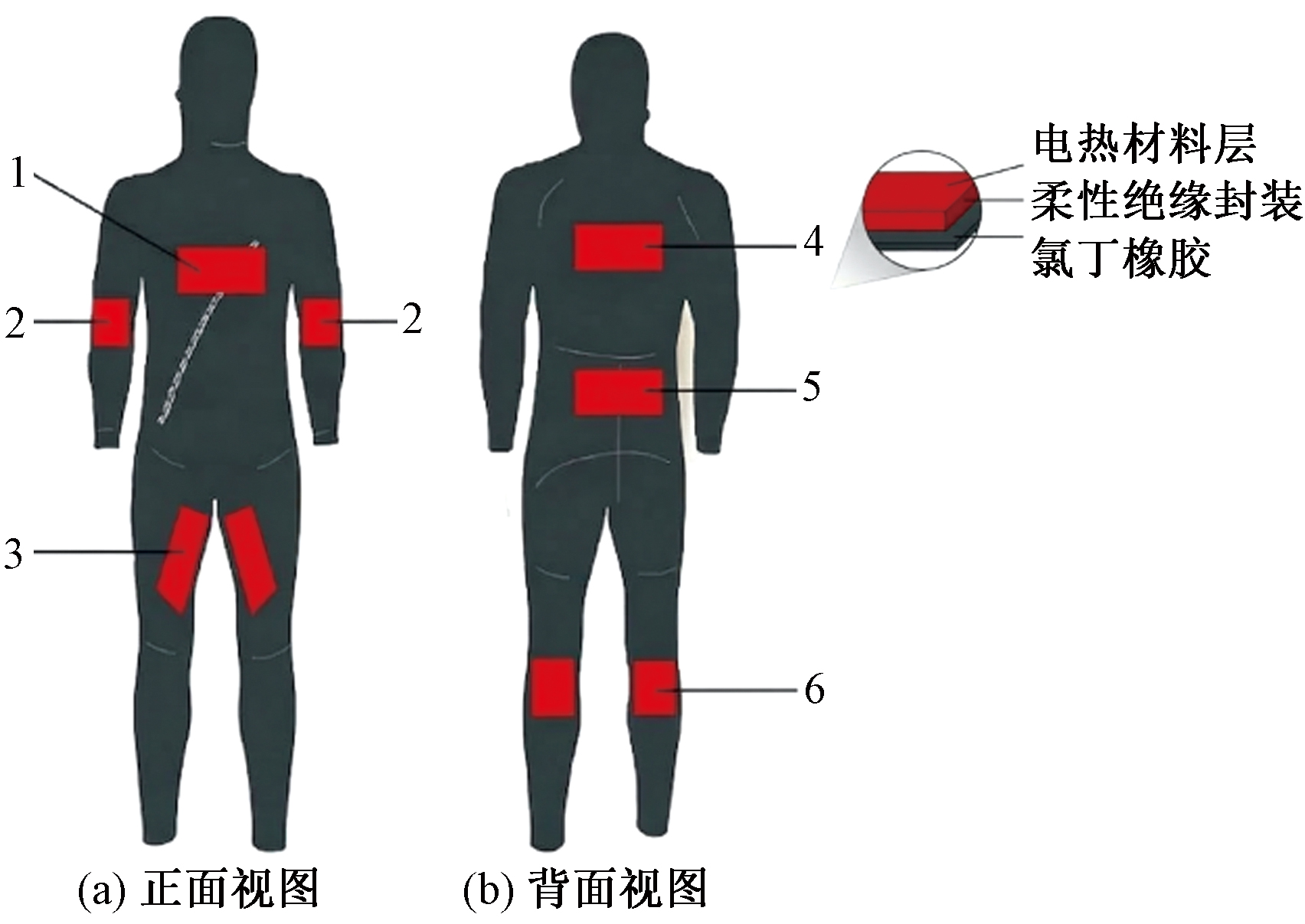
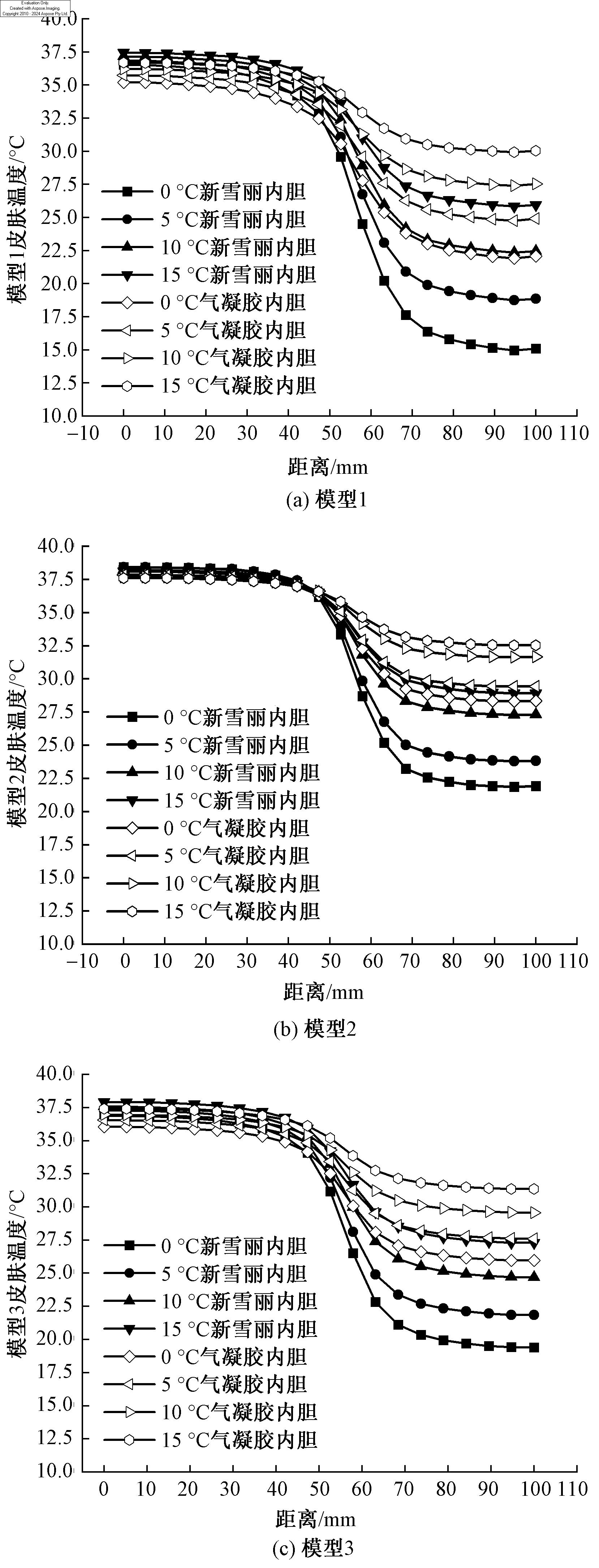
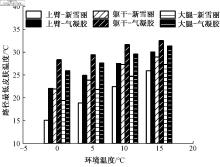
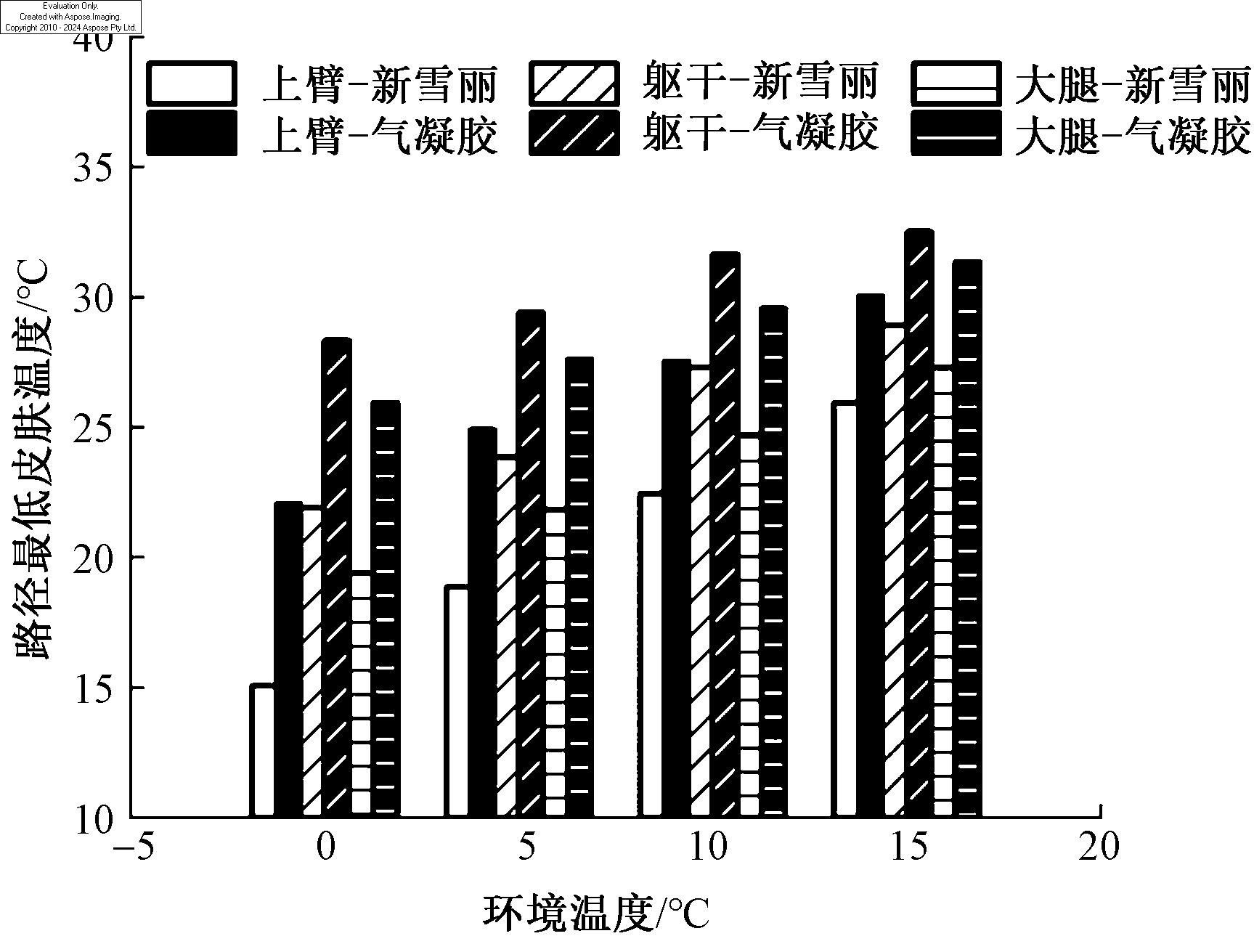
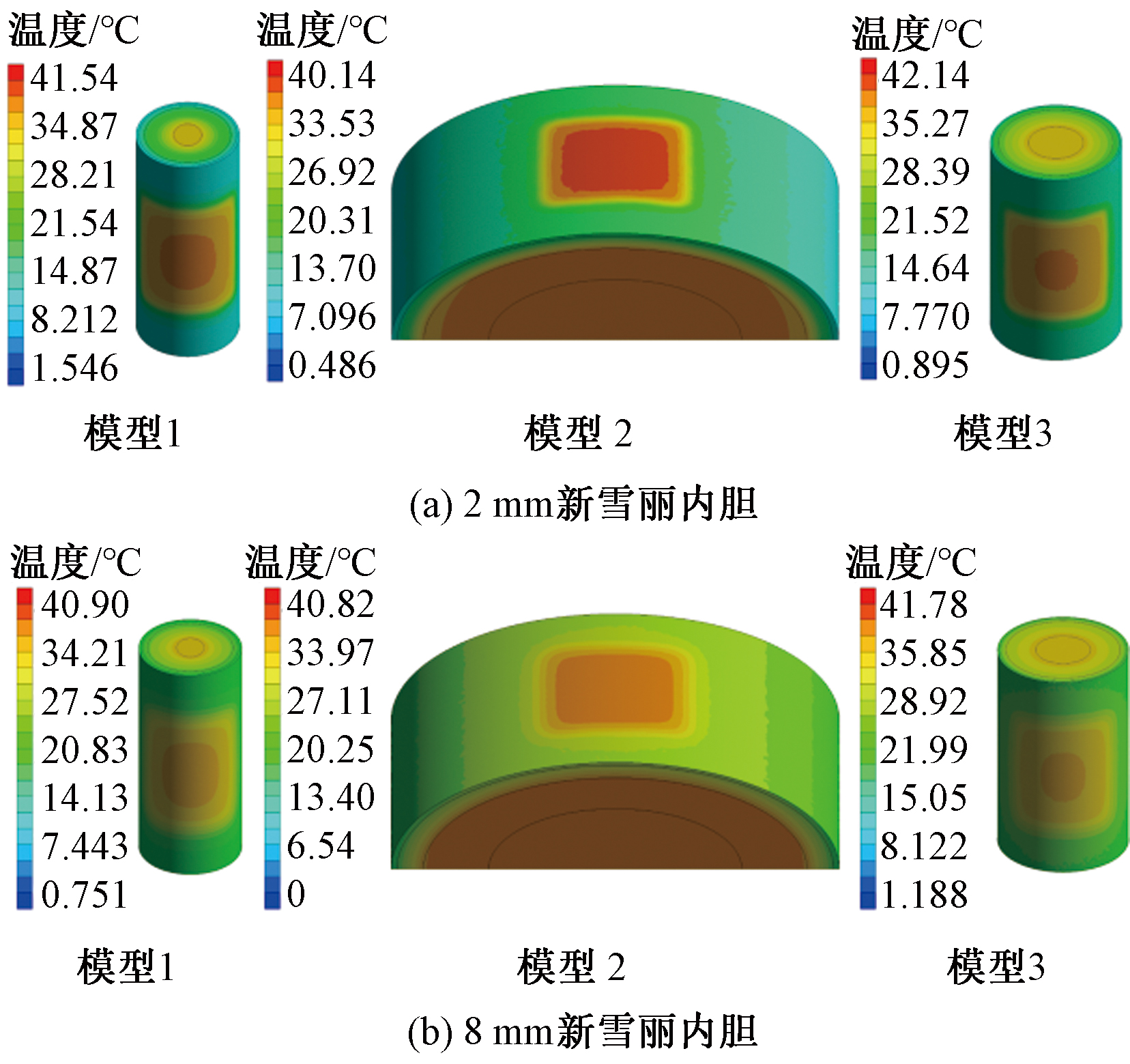
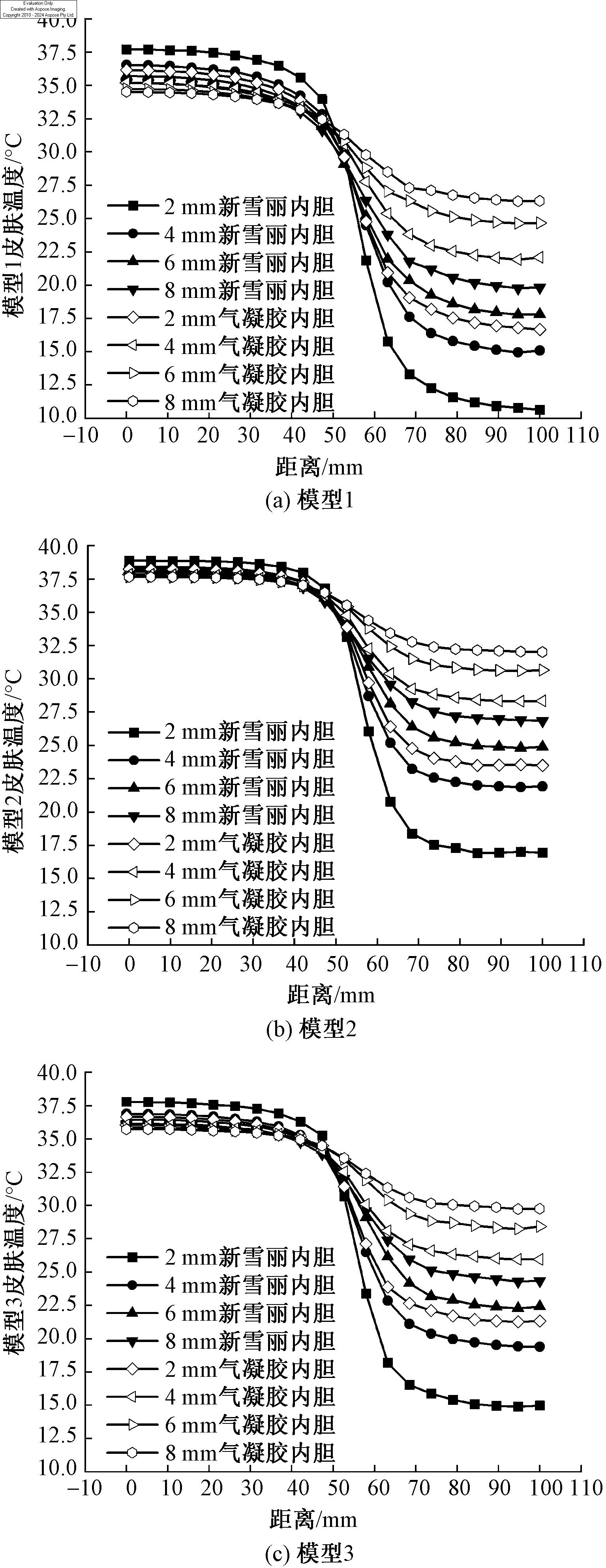
为研究电加热潜水服和人体组织在水下低温环境下的温度分布规律,并对潜水服进行优化设计,考虑电加热片在潜水服上的排布区域,并参照人体建立了上臂、躯干、大腿3个部位的简化组织模型。结合实际电加热潜水服织物参数,采用 ANSYS 建立含防水隔热层、加热层、亲肤层、内胆层和3种不同组织的传热模型,根据模拟结果验证模型,并进行整体温度预测。在此基础上,进一步分析穿着电加热潜水服时,不同环境温度、不同内胆层厚度、不同内胆种类和人体不同部位下的皮肤温度分布特征。结果表明,水下低温环境中电加热片有效加热范围有限,气凝胶织物内胆保温性能远优于新雪丽内胆且在 0 ℃ 极寒下优势突出,内胆增厚的保温效果存在边际效益递减,冷应激下手臂热脆弱性最强。据此应摒弃“越厚越保暖”的设计误区,在肢端优选气凝胶内胆并针对手臂末端实施高功率补偿加热,实现主动加热与被动隔热的耦合优化。本研究对于改进电加热潜水服结构和优化电加热潜水服的设计,具有重要的指导意义。
中图分类号:
| [1] | XUE L H, DING L, ZHANG J, et al. Thermal response of human body with immersion suit in cold environment[J]. International Journal of Biometeorology, 2023, 67(3): 447-456. |
| [2] | SULLIVAN-KWANTES W, TIKUISIS P. Extremity cooling during an Arctic diving training exercise[J]. International Journal of Circumpolar Health, 2023, 82(1): 2190488. |
| [3] | 张昭华, 陈雪, 倪军, 等. 冷环境下局部电加热对人体热反应的影响[J]. 纺织学报, 2023, 44(3): 187-194. |
| ZHANG Zhaohua, CHEN Xue, NI Jun, et al. Influence of local electric heating on overall thermal response of human body in cold environment[J]. Journal of Textile Research, 2023, 44(3): 187-194. | |
| [4] | 柯莹, 林磊, 郑晴, 等. 电加热服加热区域分布对人体热舒适感的影响[J]. 纺织学报, 2024, 45(4): 188-194. |
| KE Ying, LIN Lei, ZHENG Qing, et al. Influence of heating area distribution of electrical heating clothing on human thermal comfort[J]. Journal of Textile Research, 2024, 45(4): 188-194. | |
| [5] | SONG W F, LAI D D, WANG F M. Evaluating the cold protective performance (CPP) of an electrically heated garment (EHG) and a chemically heated garment (CHG) in cold environments[J]. Fibers and Polymers, 2015, 16(12): 2689-2697. |
| [6] | WANG F M, GAO C S, HOLMÉR I. Effects of air velocity and clothing combination on heating efficiency of an electrically heated vest (EHV): a pilot study[J]. Journal of Occupational and Environmental Hygiene, 2010, 7(9): 501-505. |
| [7] | PARK H, HWANG S K, LEE J Y, et al. Impact of electrical heating on effective thermal Insulation of a multi-layered winter clothing system for optimal heating efficiency[J]. International Journal of Clothing Science and Technology, 2016, 28(2): 254-264. |
| [8] | 谢艳杰. 电加热服热性能仿真分析研究[D]. 北京: 北京服装学院, 2021: 49-50. |
| XIE Yanjie. Research on simulation analysis of thermal performance of electric heating clothing[D]. Beijing: Beijing Institute of Clothing Technology, 2021: 49-50. | |
| [9] | 陈扬, 杨允出, 张艺强, 等. 电加热服装中加热片与织物组合体的稳态热传递模拟[J]. 纺织学报, 2018, 39(5): 49-55. |
| CHEN Yang, YANG Yunchu, ZHANG Yiqiang, et al. Simulation of steady heat transfer on fabrics system embedded with heating unit in electrically heated clothing[J]. Journal of Textile Research, 2018, 39(5): 49-55. | |
| [10] | LI X, KUAI B, TU X K, et al. Three-dimensional analysis model of electric heating fabrics considering the skin metabolism[J]. Journal of Engineered Fibers and Fabrics, 2021, 16: 15589250211047980. |
| [11] | 刘鸣茗. 基于皮肤组织模型的热功能服装传热性能模拟分析[D]. 杭州: 浙江理工大学, 2021: 43-44. |
| LIU Mingming. Study and prediction of heat transfer performance of thermal textile considering the skin tissue[D]. Hangzhou: Zhejiang Sci-Tech University, 2021: 43-44. | |
| [12] | 韩烨, 田苗, 蒋青昀, 等. 织物-空气层-皮肤三维结构建模及其传热模拟[J]. 纺织学报, 2024, 45(2): 198-205. |
| HAN Ye, TIAN Miao, JIANG Qingyun, et al. Three dimensional modeling and heat transfer simulation of fabric-air gap-skin system[J]. Journal of Textile Research, 2024, 45(2): 198-205. | |
| [13] | 李圆, 李敏, 成芳芳, 等. 多层织物-空气-皮肤热传递模型有限元仿真[J]. 棉纺织技术, 2025, 53(1): 33-40. |
| LI Yuan, LI Min, CHENG Fangfang, et al. Finite element simulation of multilayer fabric-air-skin heat transfer model[J]. Cotton Textile Technology, 2025, 53(1): 33-40. | |
| [14] | PENNES H H. Analysis of tissue and arterial blood temperatures in the resting human forearm[J]. Journal of Applied Physiology, 1998, 85(1): 5-34. |
| [15] | WEINBAUM S, JIJI L M. A new simplified bioheat equation for the effect of blood flow on local average tissue temperature[J]. Journal of Biomechanical Engineering, 1985, 107(2): 131-139. |
| [16] | FIALA D, LOMAS K J, STOHRER M. Computer prediction of human thermoregulatory and temperature responses to a wide range of environmental conditions[J]. International Journal of Biometeorology, 2001, 45(3): 143-159. |
| [17] | 许楚潇. 基于大血管结构和分层模型的人体上臂组织低温治疗过程的数值模拟[D]. 重庆: 重庆大学, 2018: 22-23. |
| XU Chuxiao. The numerical simulation of the cryosurgery process basing on arm layered model with major blood vessels[D]. Chongqing: Chongqing University, 2018: 22-23. | |
| [18] | DANG S N, XUE H J, ZHANG X Y, et al. Using CFD technology to simulate a model of human thermoregulation in the stable temperature environment[C]//HCI International 2019 - Late Breaking Papers, Cham: Springer, 2019: 369-381. |
| [19] | 李杰. 舱外航天服-人体热耦合数值模拟[D]. 南京: 南京航空航天大学, 2017: 12-13. |
| LI Jie. Numerical simulation of coupling heat transfer between/in the human body and the spacesuit for extravehicular activity[D]. Nanjing: Nanjing University of Aeronautics and Astronautics, 2017: 12-13. | |
| [20] | 刘宏岩, 孙强. 人体腿部四层结构的红外热成像有限元分析[J]. 中国光学, 2018, 11(2): 237-247. |
| LIU Hongyan, SUN Qiang. Finite element analysis of infrared thermal imaging for four-layers structure of human thigh[J]. Chinese Journal of Optics, 2018, 11(2): 237-247. | |
| [21] | JOSHI A, WANG F M, KANG Z X, et al. A three-dimensional thermoregulatory model for predicting human thermophysiological responses in various thermal environments[J]. Building and Environment, 2022, 207: 108506. |
| [22] | CHAKRABORTY S, PISAL A A, KOTHARI V K, et al. Synthesis and characterization of fibre reinforced silica aerogel blankets for thermal protection[J]. Advances in Materials Science and Engineering, 2016(1): 2495623. |
| [23] | BAZETT H C, LOVE L, NEWTON M, et al. Temperature changes in blood flowing in arteries and veins in man[J]. Journal of Applied Physiology, 1948, 1(1): 3-19. |
| [24] | 宋英莉, 郭宇微, 唐志娟, 等. 基于人体局部热需求差异的电发热服发热片放置位置研究[J]. 轻纺工业与技术, 2018, 47(10): 13-15. |
| SONG Yingli, GUO Yuwei, TANG Zhijuan, et al. Research on the placement position of heating plate of electric heating clothing based on the difference of local heat demand of human body[J]. Light and Textile Industry and Technology, 2018, 47(10): 13-15. |
| [1] | 许微辉, 林芳兵, 金星, 马丕波, 万爱兰. 舒适阻燃针织内衣面料的开发及其性能[J]. 纺织学报, 2026, 47(07): 152-159. |
| [2] | 王青, 赵世航, 刘甲怡, 吴加辉, 李西. 面向服装面料的非接触式气动吸盘设计[J]. 纺织学报, 2026, 47(05): 236-243. |
| [3] | 蒋高明, 潘隽媛, 席立锋, 李炳贤. 面向生命健康的针织技术创新与发展[J]. 纺织学报, 2026, 47(03): 255-262. |
| [4] | 袁书卿, 梁雪, 师云龙, 钱晓明, 桑慧莹, 谢易俊, 邱梦仕, 毛琴芳. 基于压力分布的女式瑜伽休闲裤样板分析与优化[J]. 纺织学报, 2026, 47(03): 263-271. |
| [5] | 刘怡鑫, 万美怡, 张宁, 潘如如. 基于特征融合的复杂场景面料图像检索方法[J]. 纺织学报, 2026, 47(02): 188-194. |
| [6] | 徐丽丽, 腾燕飞, 马丕波, 万爱兰. 户外仿生结构功能面料的开发及其性能[J]. 纺织学报, 2025, 46(11): 94-101. |
| [7] | 张利平, 郭羽晴, 丁博, 孙洁. 芳纶纳米纤维/热塑性聚氨酯复合微孔膜与可呼吸覆膜织物制备及其性能[J]. 纺织学报, 2025, 46(07): 19-27. |
| [8] | 明宇豪, 张宁, 向军, 潘如如. 基于内容的交互式面料图像推荐研究[J]. 纺织学报, 2025, 46(06): 135-142. |
| [9] | 孙晚红, 张鹏飞, 陈勇, 张林, 潘跃山, 宋飞虎, 刘恩星, 王玉萍. 智能发热服装用柔性碳纳米管电加热元件的制备及应用[J]. 纺织学报, 2025, 46(05): 17-22. |
| [10] | 姚一婷, 敖利民, 张展望, 苏友朋. 针织呢绒织物绒面性质的测试方法[J]. 纺织学报, 2025, 46(03): 100-108. |
| [11] | 吕迎蕊, 王朝晖, 叶勤文, 刘欢欢, 孙月鑫. 运动服装的设计方法及发展趋势[J]. 纺织学报, 2025, 46(03): 256-265. |
| [12] | 赵雅杰, 丛洪莲, 孙江龙. 针织软凉席面料设计与性能评价[J]. 纺织学报, 2024, 45(11): 99-105. |
| [13] | 庄冰冰, 向军, 张宁, 潘如如, 张卜文. 便携式织物图像颜色测量系统开发[J]. 纺织学报, 2024, 45(10): 208-215. |
| [14] | 吴涛, 李婕, 鲍劲松, 王新厚, 崔鹏. 羊毛混纺面料生产流程的碳图谱建模与应用[J]. 纺织学报, 2024, 45(09): 97-105. |
| [15] | 马亮, 俞旭华, 刘文武, 李慈, 方以群, 李俊, 徐佳骏. 气凝胶复合材料在干式潜水服内胆隔热性能提升中的应用[J]. 纺织学报, 2024, 45(07): 181-188. |
|
||
 京公网安备11010502044800号