纺织学报 ›› 2026, Vol. 47 ›› Issue (06): 43-52.doi: 10.13475/j.fzxb.20250603001
孙刚1, 朱可欣2,3, 陈玉1, 常迎迎1, 杨俊彦2,3, 刘航4, 夏鑫2,3( )
)
SUN Gang1, ZHU Kexin2,3, CHEN Yu1, CHANG Yingying1, YANG Junyan2,3, LIU Hang4, XIA Xin2,3()
摘要:
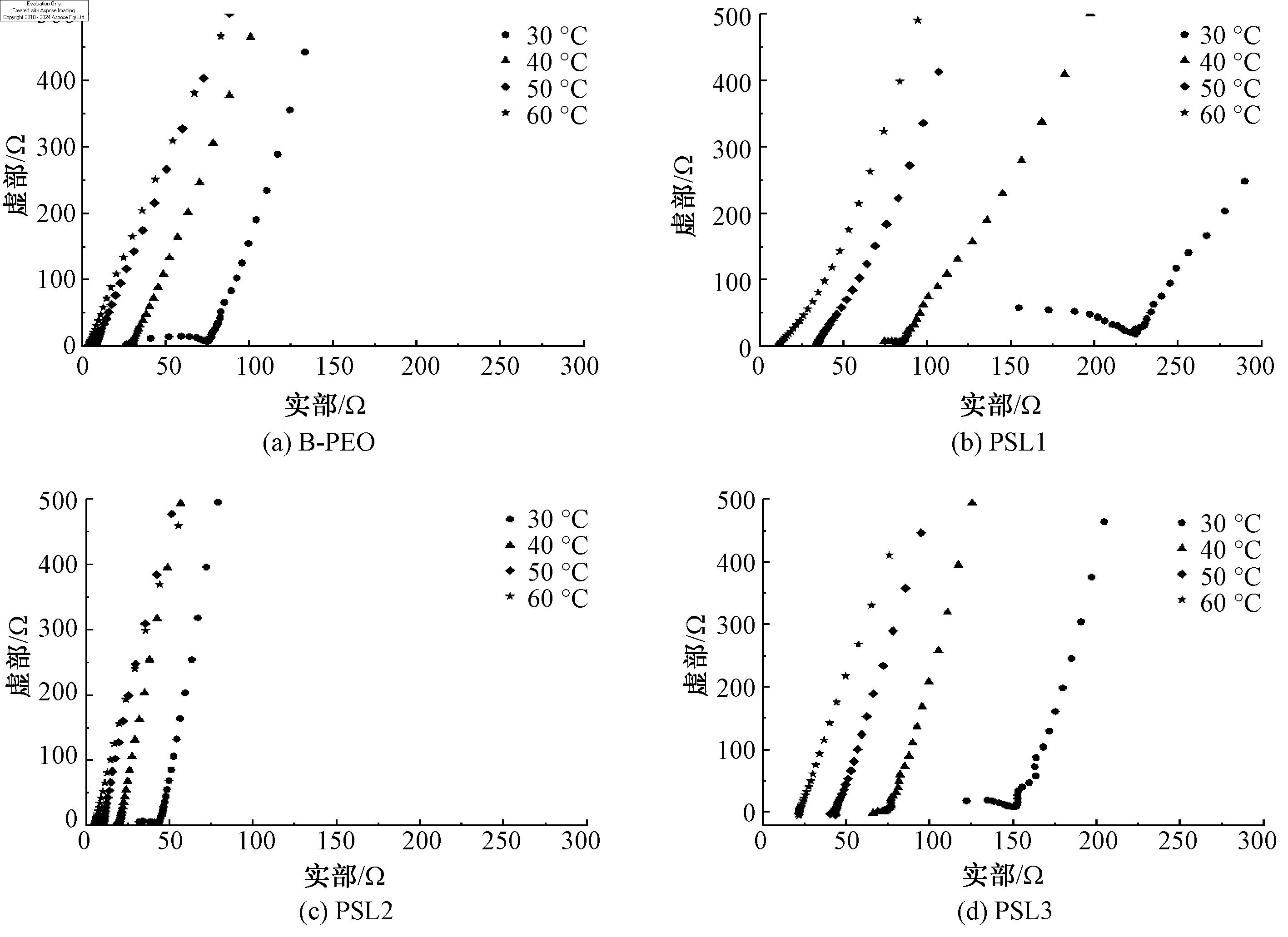
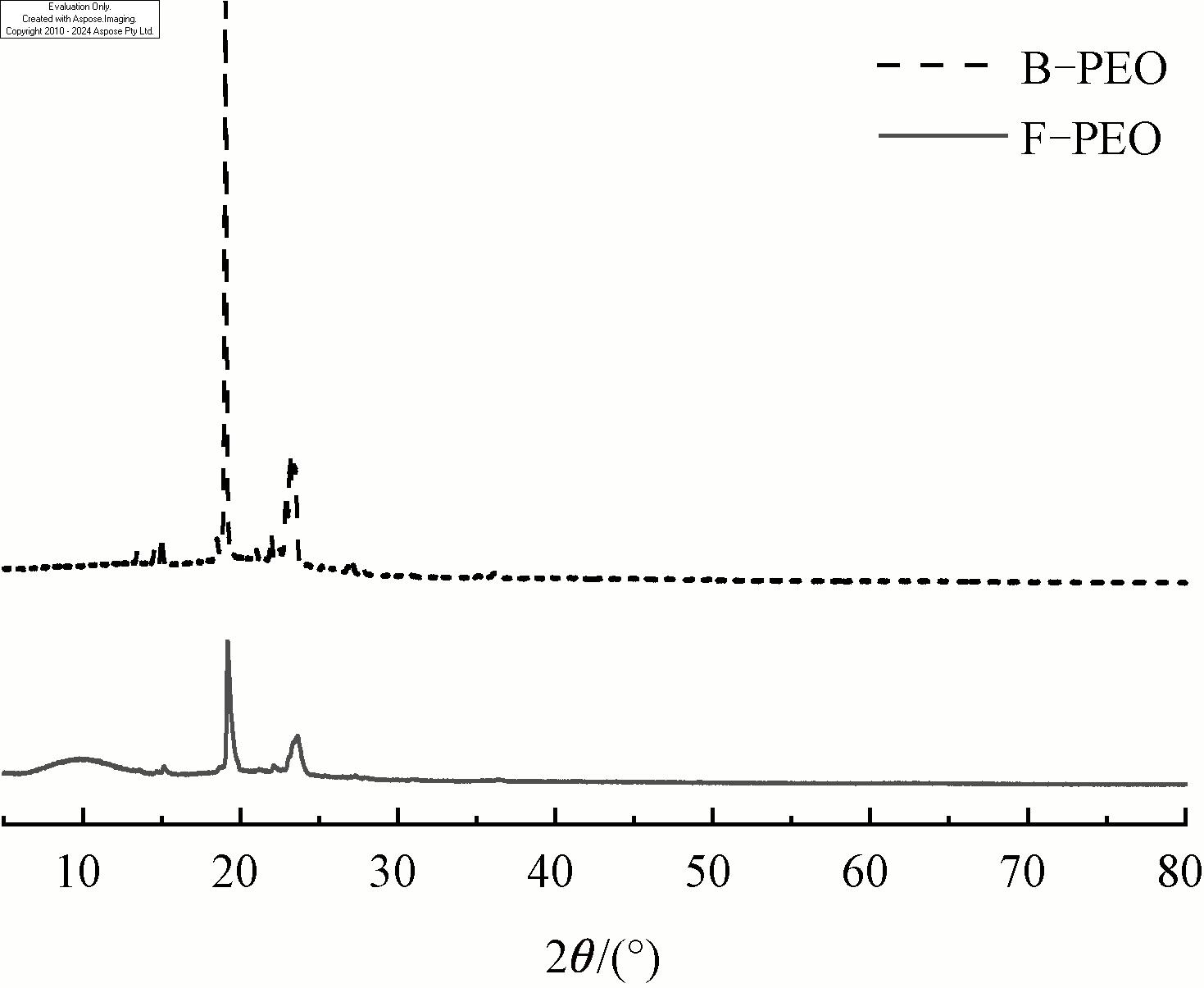
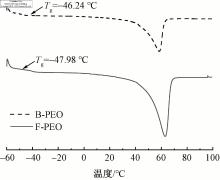
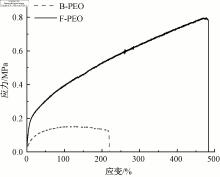
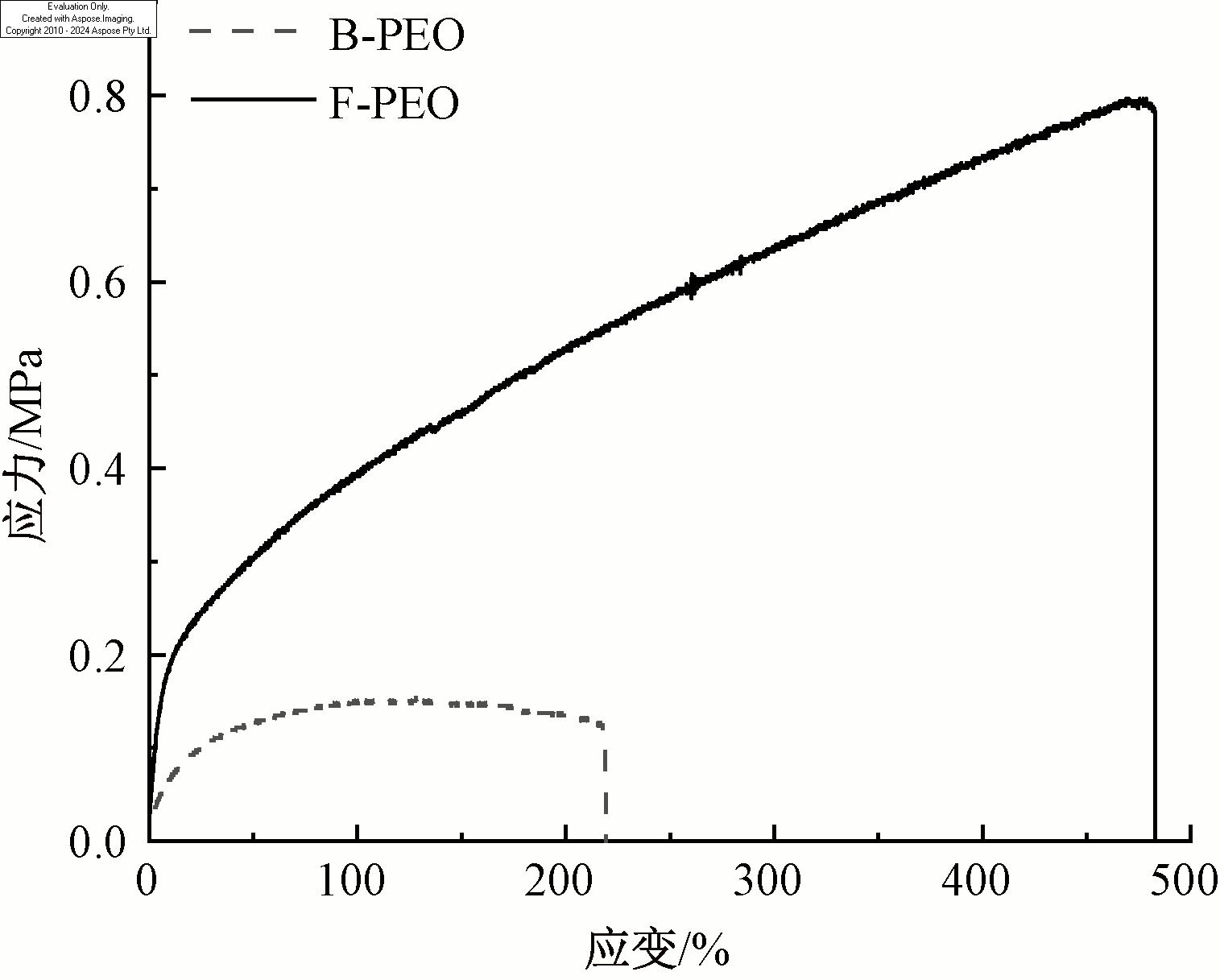
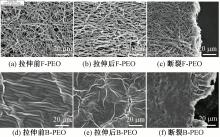
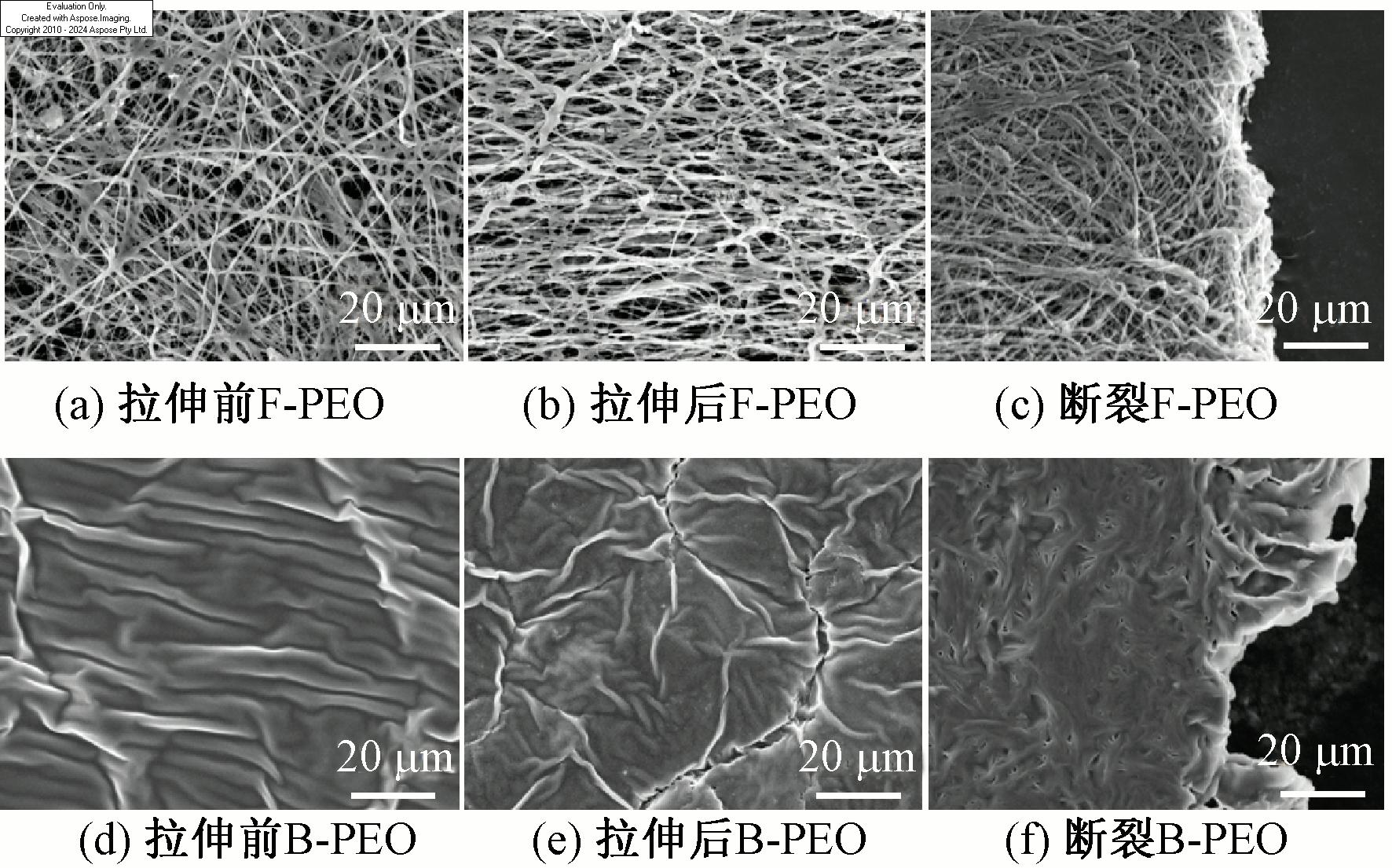
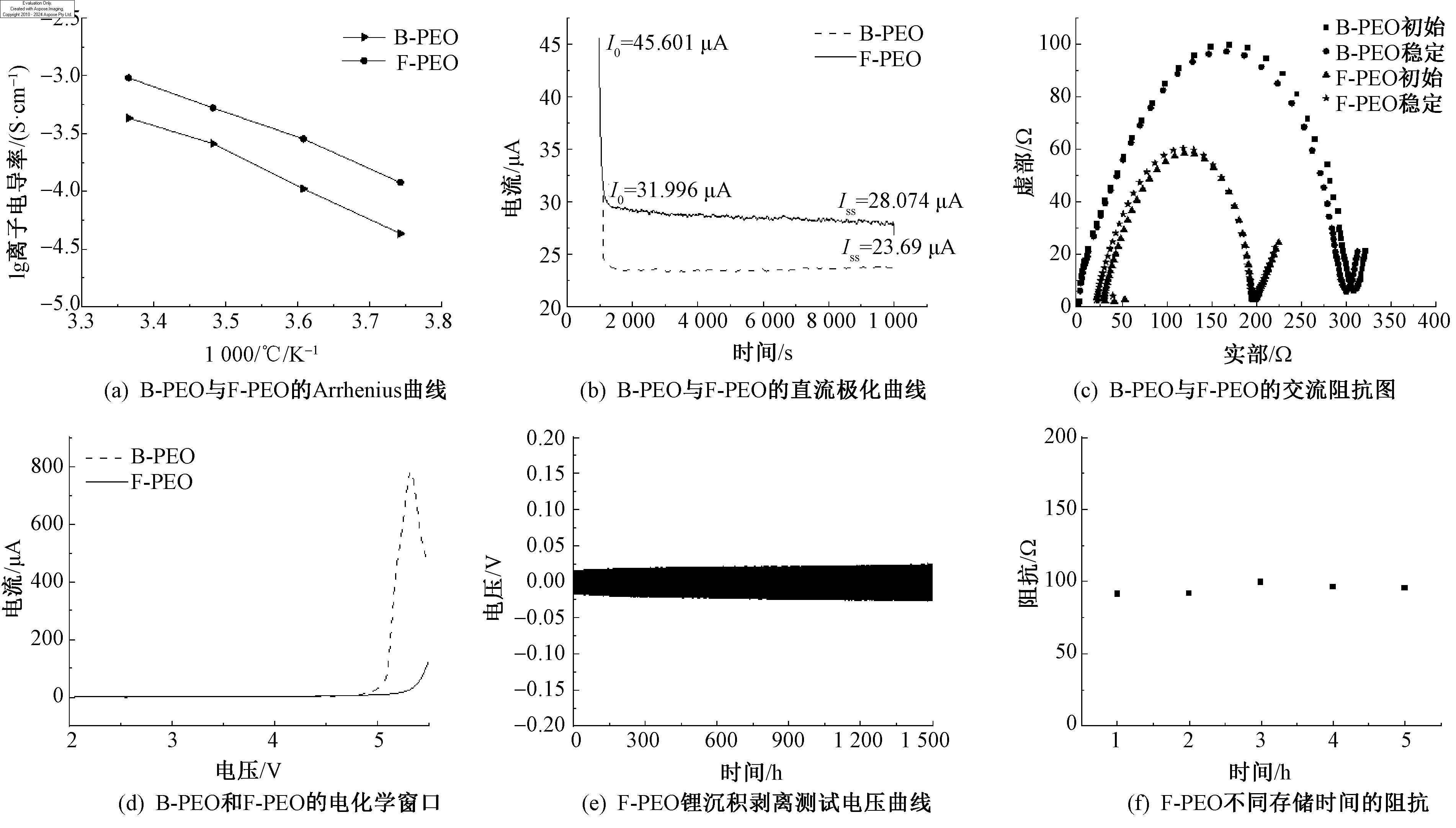
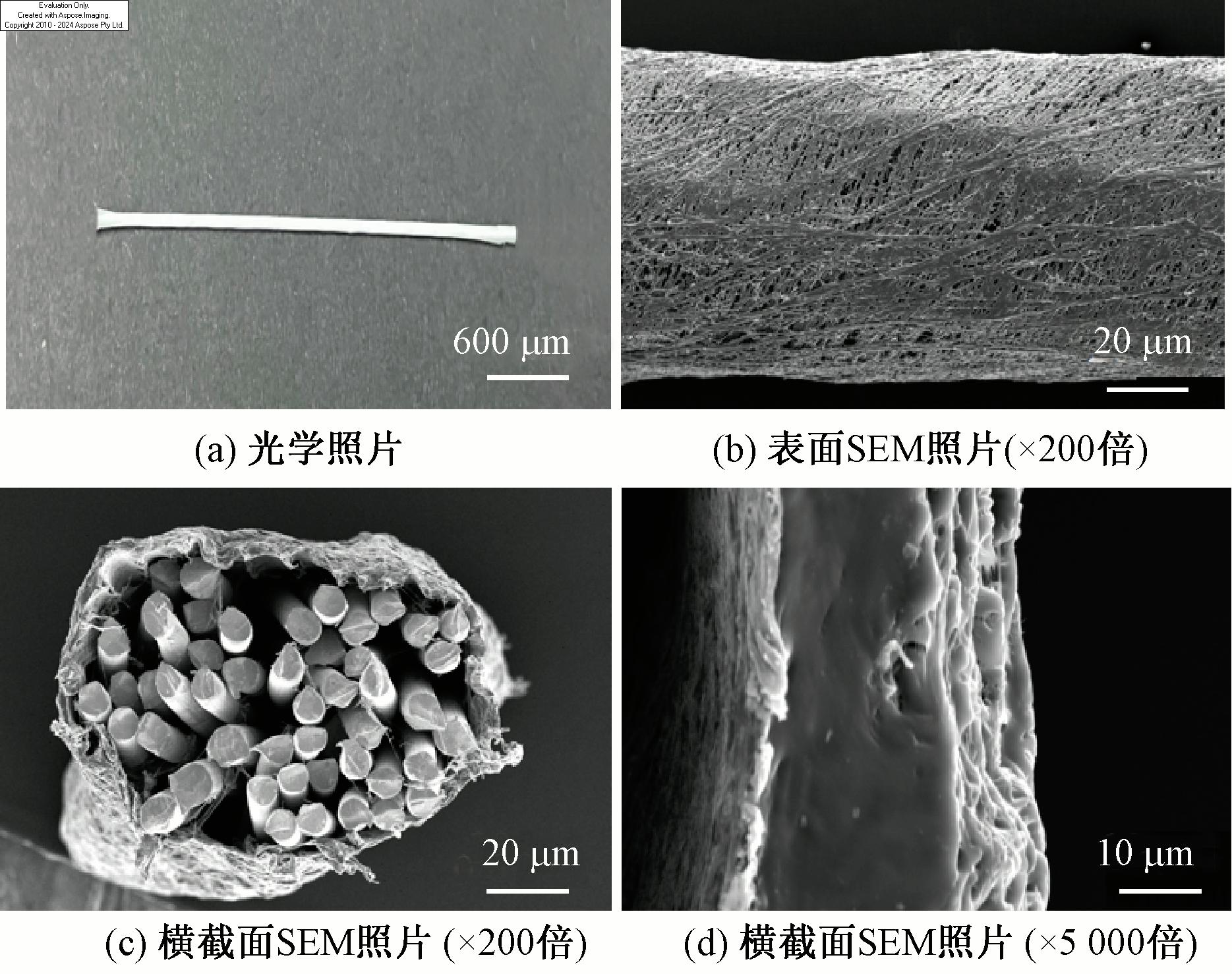
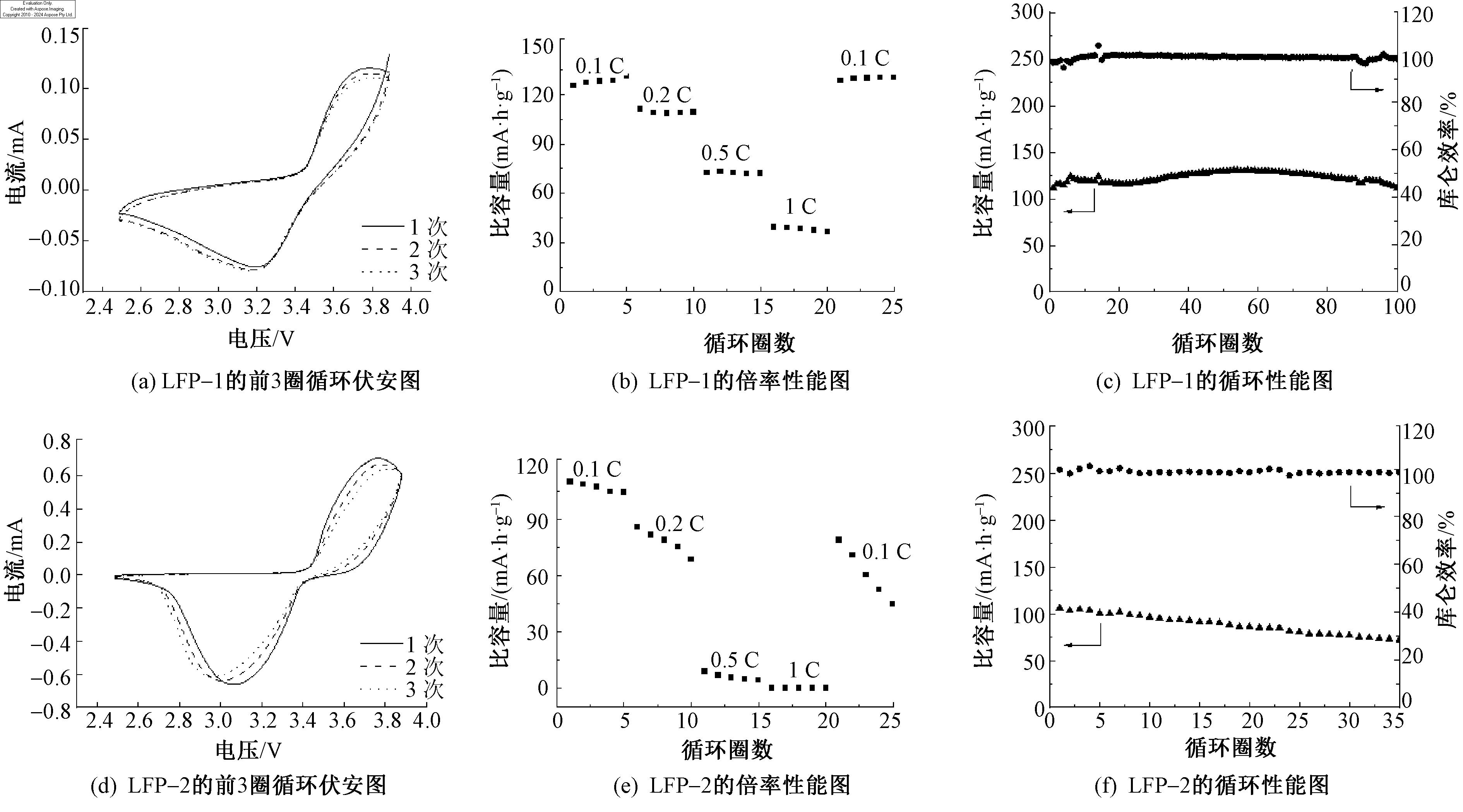
为解决高负载增塑剂改性聚氧化乙烯(PEO)基固态电解质时,普遍存在的力学性能与离子传输性能难以协同兼顾的问题,通过对静电纺丝法制备的纤维状结构电解质与溶液浇筑法制备的均质结构电解质进行对比,探究不同结构对固态电解质力学性能和电化学性能的影响,明确纤维状结构在高负载丁二腈(质量分数为27%)条件下对电解质力学性能与离子传输行为的调控机制。进一步将纤维状固态电解质与磷酸铁锂(LFP)纱线正极匹配,构建皮芯结构固态锂离子纱线电极体系,并探究其电化学性能。结果表明:纤维状PEO基固态电解质的断裂强度与断裂伸长率分别达到浇筑膜的4.2倍和2.2倍,其活化能由浇筑膜的0.36 eV 降至0.33 eV;选取纤维状PEO基固态电解质组装的锂对称电池,可在30 ℃下稳定运行超1 500 h。特别是,所制备的皮芯结构LFP全固态纱线电极在30 ℃,0.2 C条件下,首圈放电比容量为124.3 mA·h/g,首圈库仑效率为96.88%,经过100次循环后放电比容量为124 mA·h/g,容量保持率达到99.7%。
中图分类号:
| [1] | 刘欢欢, 孟虎, 王朝晖. 适老化智能可穿戴设计研究进展及发展趋势[J]. 纺织学报, 2024, 45(3): 236-243. |
| LIU Huanhuan, MENG Hu, WANG Zhaohui. Progress and trends in application of wearable technology for elderly population[J]. Journal of Textile Research, 2024, 45(3): 236-243. | |
| [2] | 孙凡惠, 杨金, 郑敏博, 等. 热防护功能纤维与智能纺织品的研究进展[J]. 科学通报, 2025, 70(17): 2718-2732. |
| SUN Fanhui, YANG Jin, ZHENG Minbo, et al. Research progress on functional fibers and smart textiles for thermal protection[J]. Chinese Science Bulletin, 2025, 70(17): 2718-2732. | |
| [3] | KIM J, CHOI H W, KIM B, et al. Flexible electrode on e-textile based on screen-printed silver ink carbon nanotube[J]. The International Journal of Advanced Manufacturing Technology, 2024, 134(1): 127-137. |
| [4] | LIAO H Y, XIAO Y Q, XIAO T M, et al. Novel conductive AgNP-based adhesive based on novel poly (ionic liquid)-based waterborne polyurethane chloride salts for E-textiles[J]. Polymers, 2024, 16(4): 540. |
| [5] | ZHANG D Y, LI L N, WU X C, et al. Research progress and application of PEO-based solid state polymer composite electrolytes[J]. Frontiers in Energy Research, 2021, 9: 726738. |
| [6] | SONG Y X, SU M, XIANG H Y, et al. PEO-based solid-state polymer electrolytes for wide-temperature solid-state lithium metal batteries[J]. Small, 2025, 21(3): 2408045. |
| [7] | REN D Y, TANG X, WANG Q Q, et al. Aluminum-lithium alloy fillers enhancing the room temperature performances of polymer electrolytes for all-solid-state lithium batteries[J]. ACS Omega, 2024, 9(33): 35920-35928. |
| [8] | ROLLAND J, BRASSINNE J, BOURGEOIS J P, et al. Chemically anchored liquid-PEO based block copolymer electrolytes for solid-state lithium-ion batteries[J]. J Mater Chem A, 2014, 2(30): 11839-11846. |
| [9] | XUE Z Z, ZHANG Y, ZHAO Z H, et al. Completely amorphous poly(ethylene oxide)-based electrolyte enables high ionic conductivity for room-temperature all-solid-state lithium metal batteries[J]. ACS Applied Energy Materials, 2023, 6(24): 12343-12352. |
| [10] | WANG J, YANG J, SHEN L, et al. Synergistic effects of plasticizer and 3D framework toward high-performance solid polymer electrolyte for room-temperature solid-state lithium batteries[J]. ACS Applied Energy Materials, 2021, 4(4): 4129-4137. |
| [11] | YUAN S D, LUO Y, XIA K, et al. Developing flexible and safety-reinforced 3D polymer electrolytes based on polyethylene oxide for solid-state lithium metal batteries[J]. Journal of Energy Storage, 2024, 78: 109853. |
| [12] | XU S J, SUN Z H, SUN C G, et al. Homogeneous and fast ion conduction of PEO-based solid-state electrolyte at low temperature[J]. Advanced Functional Materials, 2020, 30(51): 2007172. |
| [13] | CAI L F, YANG J J, ZHAO T, et al. β-CD and succinonitrile reinforced polymer electrolytes for all-solid-state lithium metal batteries[J]. Journal of Applied Polymer Science, 2025, 142(30): e57226. |
| [14] | XIA Y, WANG Q Y, LIU Y N, et al. Three-dimensional polyimide nanofiber framework reinforced polymer electrolyte for all-solid-state lithium metal battery[J]. Journal of Colloid and Interface Science, 2023, 638: 908-917. |
| [15] | 杨琪, 邓南平, 程博闻, 等. 树枝状磺化聚醚砜纤维基复合固态电解质的制备及其性能[J]. 纺织学报, 2024, 45(3): 1-10. |
| YANG Qi, DENG Nanping, CHENG Bowen, et al. Preparation and application properties of dendritic sulfonated polyethersulfone fiber based composite solid electrolyte[J]. Journal of Textile Research, 2024, 45(3): 1-10. | |
| [16] | BANITABA S N, SEMNANI D, KARIMI M, et al. A comparative analysis on the morphology and electrochemical performances of solution-casted and electrospun PEO-based electrolytes: the effect of fiber diameter and surface density[J]. Electrochimica Acta, 2021, 368: 137339. |
| [17] | YANG J J, CAO Q, ZHAO T, et al. Win-Win on both ion-conducting and mechanical properties achieved in PEO-based solid electrolytes through microstructure regulation[J]. Materials Today Communications, 2024, 39: 108576. |
| [1] | 王亚云, 蔺多佳, 高远, 王杰, 夏鑫. 皮芯结构复合纱线电极的制备及其储锂与电致变色性能[J]. 纺织学报, 2026, 47(07): 136-143. |
| [2] | 包安娜, 洪剑寒. 静电纺丝制备辐射制冷纳米纤维材料的研究进展[J]. 纺织学报, 2026, 47(07): 239-246. |
| [3] | 郭小敏, 冯意清, 吕欢, 王伟, 董凯, 缪东洋, 张瑞云. 高吸湿单向导液复合纳米纤维膜的制备及其性能[J]. 纺织学报, 2026, 47(07): 93-103. |
| [4] | 徐佳琦, 曹琪, 洪剑寒, 葛烨倩. 基于非对称结构设计的纳米纤维膜及其高效防水透湿性能[J]. 纺织学报, 2026, 47(06): 19-25. |
| [5] | 王晓辉, 王宇航, 徐锦龙, 刘金星, 陈哲, 谭晶, 梅锋, 王华平. 熔融静电纺丝泰勒锥成形及纤维可纺性[J]. 纺织学报, 2026, 47(05): 28-36. |
| [6] | 桂振宇, 兰平, 杨晓达, 陈昊, 庄静. 肝素化铜基金属有机框架/聚乙烯醇复合膜的制备及其血液净化性能[J]. 纺织学报, 2026, 47(05): 56-64. |
| [7] | 张哲, 陈卓明, 李帆, 宋文雅, 覃思宇, 侯锦东, 余仡杰. 多功能非对称结构纳米纤维膜的制备及其抗菌抗氧化性能[J]. 纺织学报, 2026, 47(04): 34-42. |
| [8] | 杨鸿杰, 徐丽亚, 汪蔚. 含一氧化氮供体的生物基聚酰胺56纳米纤维膜制备及其性能[J]. 纺织学报, 2026, 47(04): 43-51. |
| [9] | 霍雨辰, 张帆, 翟云云, 刘海清. 纳米纤维素/聚丙烯腈复合隔膜制备及其锂枝晶抑制[J]. 纺织学报, 2026, 47(04): 61-70. |
| [10] | 郭一铭, 喻爽, 赵帆, 王富军. 血管监测用纤维基压电传感器的构建及性能评价[J]. 纺织学报, 2026, 47(03): 118-128. |
| [11] | 陈泳良, 杨潇, 王朝荣, 黄俊鸿, 李彦, 王璐. 静电纺丝-恒应力退火协同构建的湿态稳定型聚乳酸/I型胶原肩袖补片[J]. 纺织学报, 2026, 47(03): 60-69. |
| [12] | 李好义, 田鑫哲, 张毅, 牟文英, 张超, 赵千龙, 杨卫民. 导电各向异性复合心脏补片的熔体静电纺丝/直写构建及体外评价[J]. 纺织学报, 2026, 47(03): 70-76. |
| [13] | 刘金枝, 赵回汇, 吴焕友, 张建明, 高晶. 壳聚糖/聚己内酯取向纳米纤维膜的结构调控与物理引导作用[J]. 纺织学报, 2026, 47(03): 9-17. |
| [14] | 张曼琦, 孙艳丽, 张晓茹, 李博, 刘哲. 共轭静电纺双模态调温织物的制备及其性能[J]. 纺织学报, 2026, 47(02): 153-161. |
| [15] | 孔珂欣, 张怡帆, 卢哲, 王哲. 载钴钌原子无机微纳米纤维的制备及其电催化水分解性能[J]. 纺织学报, 2026, 47(02): 26-36. |
|
||
 京公网安备11010502044800号