纺织学报 ›› 2026, Vol. 47 ›› Issue (02): 153-161.doi: 10.13475/j.fzxb.20250704201
张曼琦1,2,3, 孙艳丽1,2,3( ), 张晓茹1,2,3, 李博1,2,3, 刘哲1,2,3
ZHANG Manqi1,2,3, SUN Yanli1,2,3(), ZHANG Xiaoru1,2,3, LI Bo1,2,3, LIU Zhe1,2,3
摘要:
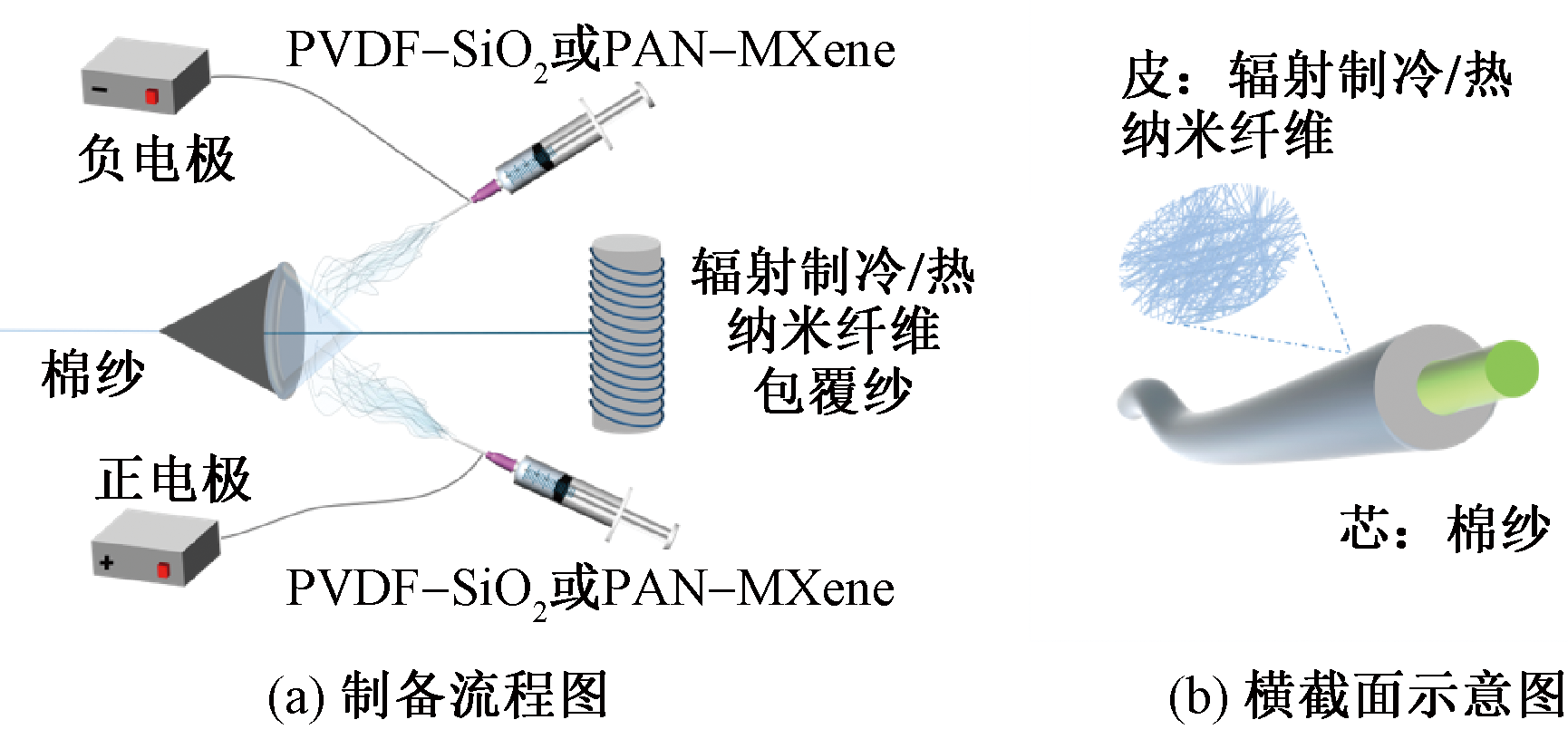
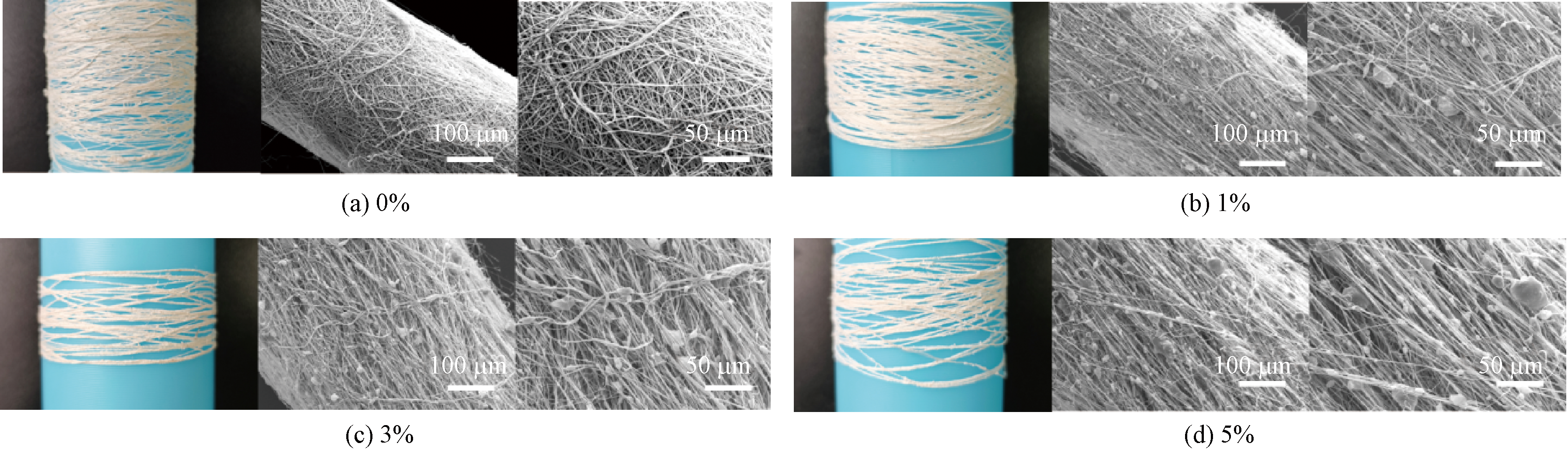
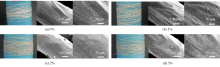
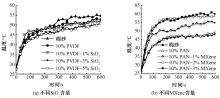
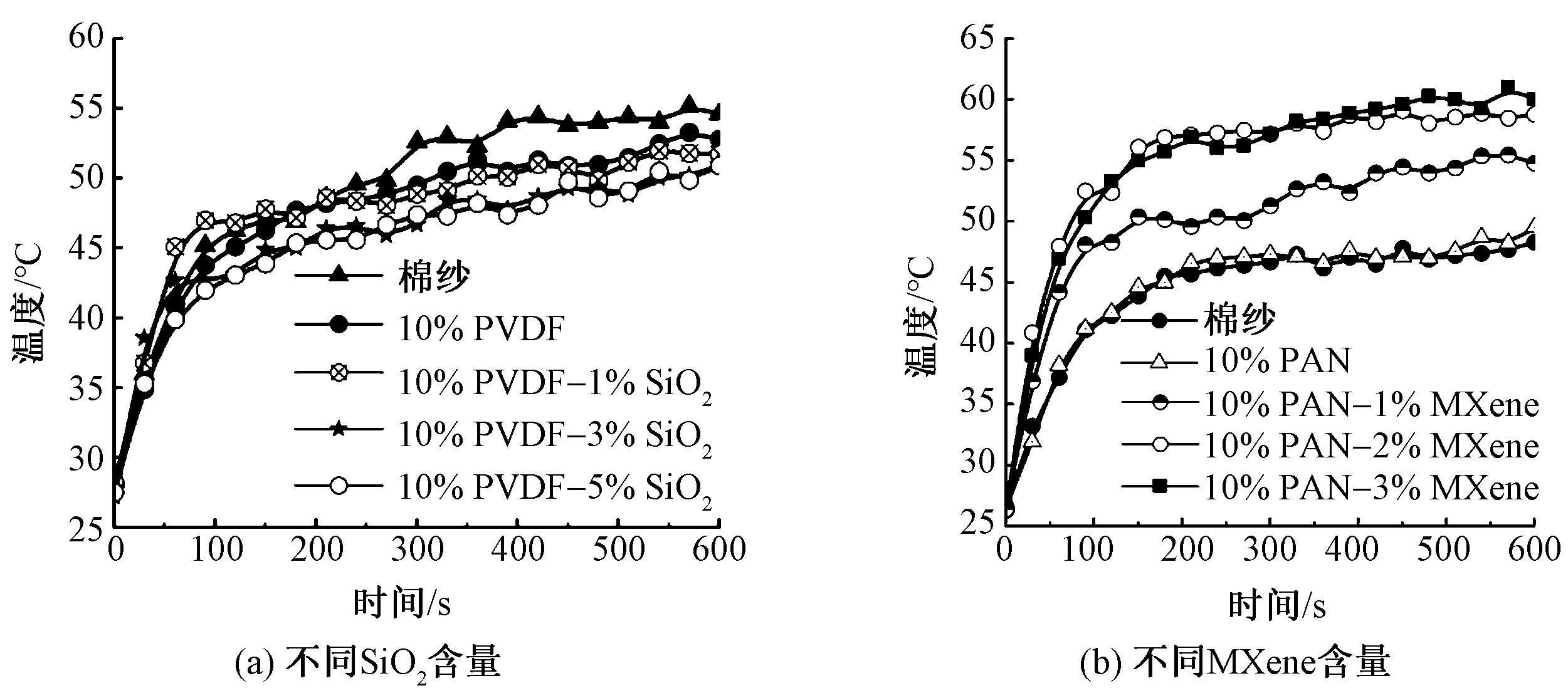
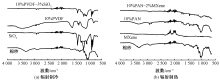
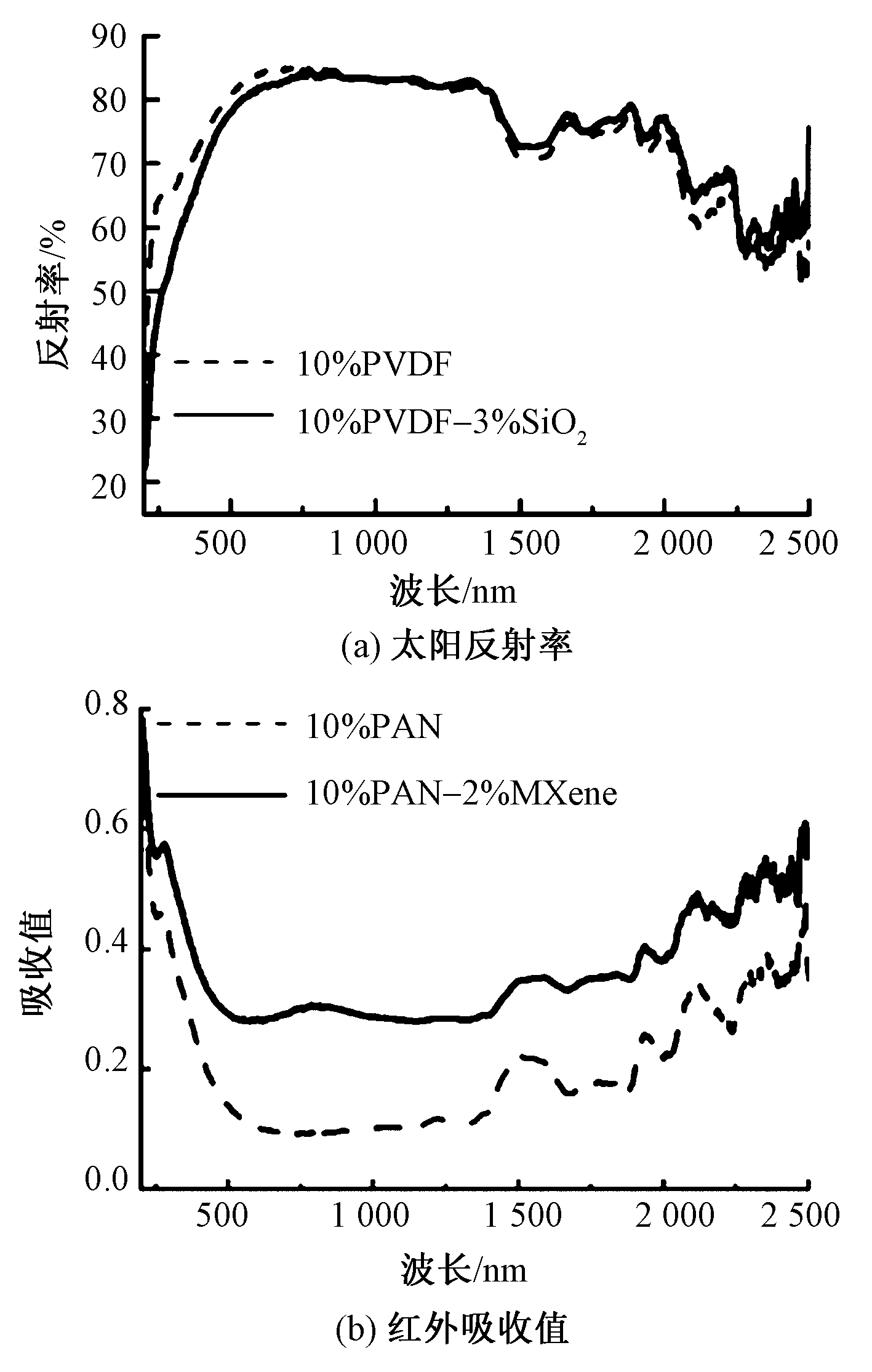
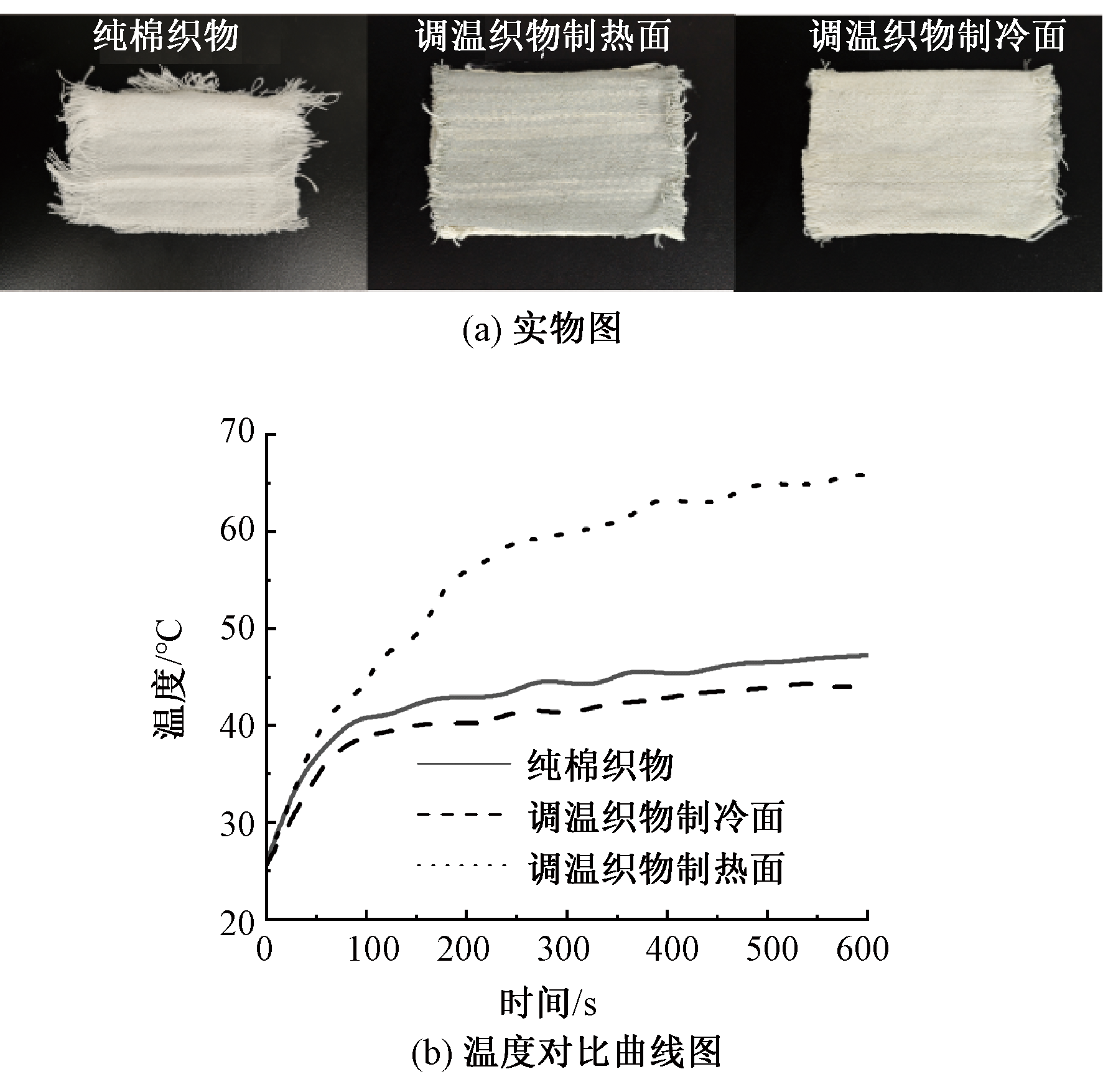
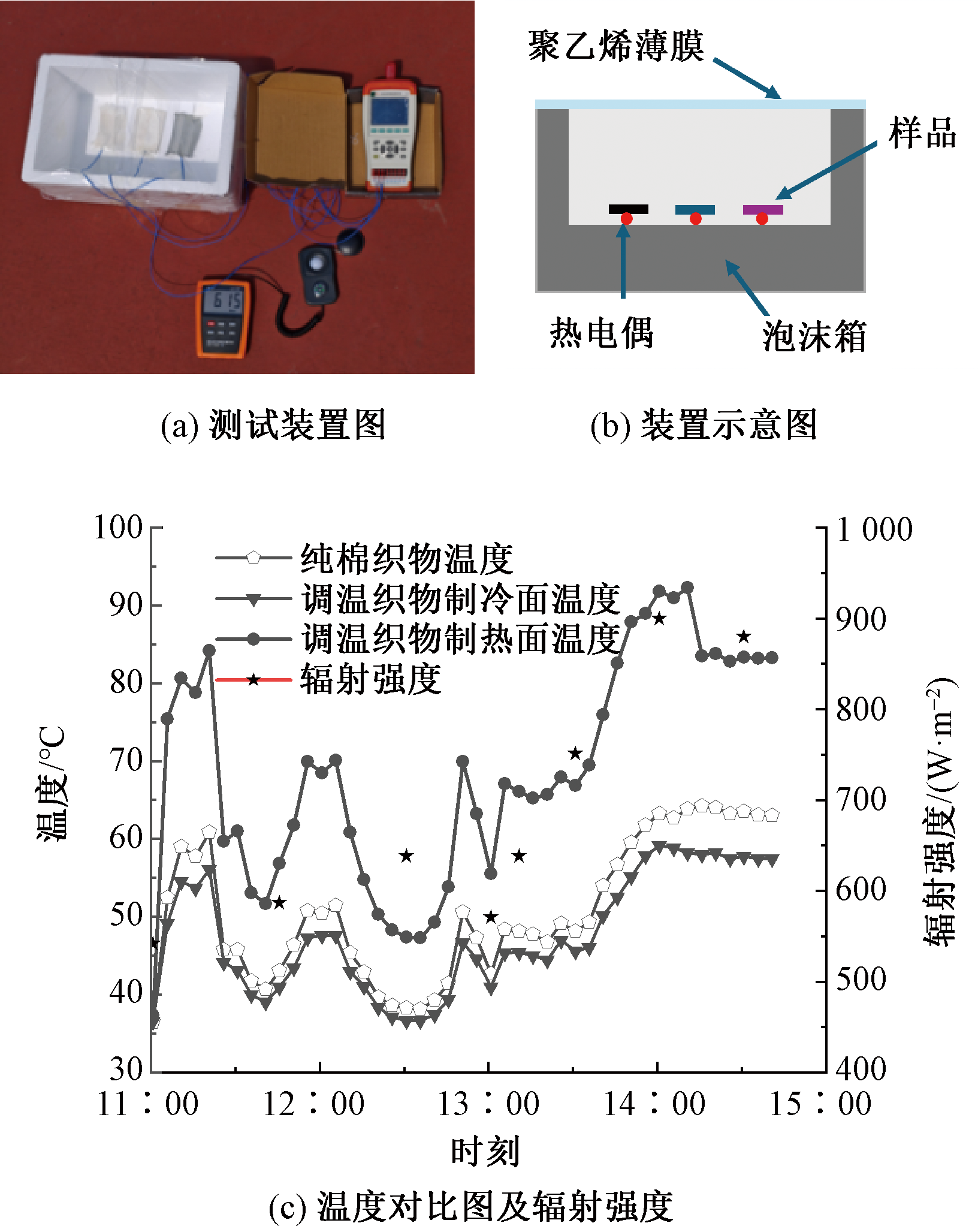
为突破目前辐射调温织物在力学性能及应用上的局限性,利用共轭静电纺丝技术将棉纱作为芯纱,以聚偏二氟乙烯-二氧化硅(PVDF-SiO2)、聚丙烯腈-MXene(PAN-MXene)为主要材料,分别制备辐射制冷、热纳米纤维包覆纱。并将其织制成双模态智能调温织物,使织物两面分别呈现不同的调温效果,实现调温模式的自由切换。通过改变SiO2和MXene的添加量,探讨其对纳米纤维的形貌及辐射调温效果的影响规律。结果表明:含10%PVDF、3%SiO2的辐射制冷纳米纤维包覆纱具有较好的纤维形貌和包覆效果,同时具有较好的光学特性,太阳反射率达到83%以上;含10%PAN、2%MXene的辐射制热纳米纤维包覆纱对太阳光的吸收值高达0.78,具有优异的加热能力,且纳米纤维形貌均匀,整体包覆结构良好。织制的双模态智能调温织物在室外辐射测试下,与纯棉织物相比其制冷面可实现6.3 ℃的冷却效果,制热面能达到28.4 ℃的加热效果,具有较好的调温能力。
中图分类号:
| [1] | 朱星月, 史文路, 胡希丽. 个人热管理织物的研究进展[J]. 棉纺织技术, 2025, 53(6): 105-112. |
| ZHU Xingyue, SHI Wenlu, HU Xili. Research progress of personal thermal management fabric[J]. Cotton Textile Technology, 2025, 53(6): 105-112. | |
| [2] | 罗森, 朱达辉, 严舒. 调温服装研究进展与发展趋势的可视化分析[J]. 丝绸, 2024, 61(12): 104-116. |
| LUO Sen, ZHU Dahui, YAN Shu. Visual analysis of research progress and development trend of temperature regulating clothing[J]. Journal of Silk, 2024, 61(12): 104-116. | |
| [3] |
HU X J, LI T T, SHOU B B, et al. Novel personal cooling textiles revolutionizing human thermal management: principles, designs and applications[J]. Chemical Engineering Journal, 2024, 499: 155729.
doi: 10.1016/j.cej.2024.155729 |
| [4] |
XU M Y, LI J, REN J, et al. Superhydrophobic and recyclable passive daytime radiative cooling fabric prepared via electrospinning[J]. Chemical Engineering Journal, 2025, 509: 161274.
doi: 10.1016/j.cej.2025.161274 |
| [5] | 高璐, 鲍艳, 张文博, 等. 聚合物基日间辐射冷却材料的设计及应用[J]. 高分子通报, 2023(9): 1158-1173. |
| GAO Lu, BAO Yan, ZHANG Wenbo, et al. Design and applications of polymer-based daytime radiative cooling materials[J]. Polymer Bulletin, 2023(9): 1158-1173. | |
| [6] |
LIU R, WANG S C, ZHOU Z G, et al. Materials in radiative cooling technologies[J]. Advanced Materials, 2025, 37(2): 2401577.
doi: 10.1002/adma.v37.2 |
| [7] | 俞世雄, 林参天, 祝顺天, 等. 辐射热管理织物及其红外光谱设计的研究进展[J]. 纺织学报, 2025, 46(5): 96-104. |
| YU Shixiong, LIN Cantian, ZHU Shuntian, et al. Research progress in radiative thermal management fabrics and their infrared spectral design[J]. Journal of Textile Research, 2025, 46(5): 96-104. | |
| [8] | 向娇娇, 樊莎, 高达利, 等. 光热转换用碳基材料的制备及应用进展[J]. 浙江理工大学学报(自然科学版), 2023, 48(1): 33-42. |
| XIANG Jiaojiao, FAN Sha, GAO Dali, et al. Progress in preparation and application of carbon-based materials for photothermal conversion[J]. Journal of Zhejiang Sci-Tech University (Natural Sciences Edition), 2023, 48(1): 33-42. | |
| [9] | TAN R M, LI Y Y, BAI G X, et al. Integration of radiative cooling and solar heating in thermal management films for year-round energy savings[J]. ACS Sustainable Chemistry & Engineering, 2025, 13(6): 2604-2614. |
| [10] | 彭锦豪, 包新军. 静电纺调温纳米纤维的结构及应用研究进展[J]. 上海纺织科技, 2024, 52(11): 1-8. |
| PENG Jinhao, BAO Xinjun. Research progress on the structure and application of electrospun temperature regulating nanofibers[J]. Shanghai Textile Science & Technology, 2024, 52(11): 1-8. | |
| [11] |
刘霞, 吴改红, 闫子豪, 等. 智能相变调温聚乳酸纤维膜的制备及其性能[J]. 纺织学报, 2024, 45(12): 18-24.
doi: 10.13475/j.fzxb.20230905301 |
|
LIU Xia, WU Gaihong, YAN Zihao, et al. Preparation and properties of intelligent phase change thermoregulated polylactic acid fiber membrane[J]. Journal of Textile Research, 2024, 45(12): 18-24.
doi: 10.13475/j.fzxb.20230905301 |
|
| [12] | 刘叶, 江潇蒙, 沈华, 等. 个人辐射热管理纺织品研究进展[J]. 东华大学学报(自然科学版), 2025, 51(5): 166-176. |
| LIU Ye, JIANG Xiaomeng, SHEN Hua, et al. Recent advances in personal radiative thermal management textiles[J]. Journal of Donghua University (Natural Science), 2025, 51(5): 166-176. | |
| [13] | 刘国赛. 正负共轭静电纺丝制备双组份微纳米纤维及其应用[D]. 青岛: 青岛大学, 2019: 11-15. |
| LIU Guosai. Preparation and application of two-component micro-nanofibers by positive and negative conjugate electrospinning[D]. Qingdao: Qingdao University, 2019: 11-15. | |
| [14] | 魏子君, 杨伟峰, 侯成义, 等. PVDF纳米包芯纱线的连续制备及其无线传感应用[J]. 东华大学学报(自然科学版), 2025, 51(1): 1-7. |
| WEI Zijun, YANG Weifeng, HOU Chengyi, et al. Continuous preparation of PVDF nanofibers core yarn and the wireless sensing applications[J]. Journal of Donghua University (Natural Science), 2025, 51(1): 1-7. | |
| [15] | 盛杰. 基于MXene的酶-金属级联催化体系构建及其在绿色手性合成与有机磷降解中的应用研究[D]. 上海: 上海师范大学, 2025: 10-12. |
| SHENG Jie. Construction of MXene-based enzyme-metal cascade catalytic system and its application in green chiral synthesis and organophosphorus degradation[D]. Shanghai: Shanghai Normal University, 2025: 10-12. | |
| [16] | 周玉嫚, 张庆, 廖焕如, 等. 串珠结构PVDF/SiO2纳米纤维膜的构建及日间辐射制冷性能[J]. 印染, 2023, 49(9): 7-12. |
| ZHOU Yuman, ZHANG Qing, LIAO Huanru, et al. Construction of beaded PVDF/SiO2 nanofiber film and its daytime radiation cooling performance[J]. China Dyeing & Finishing, 2023, 49(9): 7-12. | |
| [17] | 刘润政, 韩宗晟, 黄晓卫, 等. PLA/SiO2/TiO2双层复合膜辐射制冷性能研究[J/OL]. 纺织高校基础科学学报, 2025: 1-8. (2025-08-26). https://kns.cnki.net/kcms/detail/61.1296.ts.20250826.1326.002.html. |
| LIU Runzheng, HAN Zongsheng, HUANG Xiaowei, et al. Radiative cooling performance of PLA/SiO2/TiO2 bilayer composite films[J/OL]. Basic Sciences Journal of Textile Universities, 2025: 1-8. (2025-08-26). https://kns.cnki.net/kcms/detail/61.1296.ts.20250826.1326.002.html. | |
| [18] |
WANG C H, CHEN H, WANG F Q. Passive daytime radiative cooling materials toward real-world applications[J]. Progress in Materials Science, 2024, 144: 101276.
doi: 10.1016/j.pmatsci.2024.101276 |
| [19] | 栾俨丁, 王艳, 王磊, 等. 多尺度孔隙结构及其在辐射制冷中的应用进展[J/OL]. 材料导报, 2025: 1-15. (2025-06-24). https://kns.cnki.net/kcms/detail/detail.aspx?dbcode=CJFD&dbname=CJFD&filename=CLDB20250623009. |
| LUAN Yanding, WANG Yan, WANG Lei, et al. Multi-scale pore structure and its application in radiative cooling[J/OL]. Materials Reports, 2025: 1-15. (2025-06-24). https://kns.cnki.net/kcms/detail/detail.aspx?dbcode=CJFD&dbname=CJFD&filename=CLDB20250623009. | |
| [20] | 陈廷彬, 蒋鑫, 毛海力, 等. 双模式热管理功能性纺织品的制备及其性能[J]. 纺织学报, 2025, 46(7): 160-168. |
| CHEN Tingbin, JIANG Xin, MAO Haili, et al. Preparation and performance evaluation of dual-mode thermal management functional textiles[J]. Journal of Textile Research, 2025, 46(7): 160-168. | |
| [21] | 石周钊, 吕呈龙. 基于二氧化硅辐射制冷材料光谱调控计算[J]. 湘潭大学学报(自然科学版), 2025, 47(5): 83-93. |
| SHI Zhouzhao, LYU Chenglong. Computational study of spectral modulation in SiO2-based radiative cooling materials[J]. Journal of Xiangtan University (Natural Science Edition), 2025, 47(5): 83-93. |
| [1] | 王何一帆, 吕家安, 孙丰鑫. 全天候热湿自适应织物的分级设计及其性能[J]. 纺织学报, 2026, 47(02): 144-152. |
| [2] | 徐浩文, 敖利民. 芯纱实时反捻法无扭结包覆纱的技术原理与实验[J]. 纺织学报, 2026, 47(01): 98-105. |
| [3] | 石彬琳, 董智佳, 马丕波, 丛洪莲, 吴光军, 刘博. 机器人颈关节包覆用针织全成形织物结构设计[J]. 纺织学报, 2025, 46(12): 116-122. |
| [4] | 王小虎, 包安娜, 魏静雯, 赵晓曼, 韩潇, 洪剑寒. 基于静电纺丝-静电喷涂协同工艺的跨尺度传感纱一步法制备及其应用[J]. 纺织学报, 2025, 46(12): 101-109. |
| [5] | 张逸飞, 万玥, 暨若云, 付少举, 王璐, 关国平. 蚕丝/氨纶医用压力臂套服用性能评价[J]. 纺织学报, 2025, 46(07): 111-118. |
| [6] | 陈廷彬, 蒋鑫, 毛海力, 王成成, 张丽平. 双模式热管理功能性纺织品的制备及其性能[J]. 纺织学报, 2025, 46(07): 160-168. |
| [7] | 谭文萍, 张硕, 张倩, 张寅, 刘润政, 黄晓卫, 明津法. 聚乳酸纤维气凝胶制备及其辐射制冷性能[J]. 纺织学报, 2025, 46(06): 63-72. |
| [8] | 腾燕飞, 万爱兰. 消臭运动袜的研发及其性能[J]. 纺织学报, 2025, 46(06): 120-126. |
| [9] | 岳欣琰, 邵剑波, 王小虎, 韩潇, 赵晓曼, 洪剑寒. 基于镀银锦纶/锦纶/水性聚氨酯复合纱的一维结构柔性电容传感器[J]. 纺织学报, 2025, 46(03): 82-89. |
| [10] | 敖利民, 潘柳菲, 唐雯, 方瑞峰. 四轴系喂入包覆纱的复合结构与性能[J]. 纺织学报, 2025, 46(01): 52-61. |
| [11] | 贾冰凡, 敖利民, 唐雯, 郑元生, 尚珊珊. 毛纱/锦纶长丝包覆纱的纺制及其性能与应用[J]. 纺织学报, 2023, 44(12): 58-66. |
| [12] | 骆春旭, 龚浩然, 吴敏勇, 黄丛, 刘可帅. 特种玄武岩缝纫线的制备工艺及其性能[J]. 纺织学报, 2023, 44(11): 61-66. |
| [13] | 王雅倩, 万爱兰, 曾登, 吴光军, 祁倩. 形状记忆氨纶/锦纶包覆纱的制备及其压力袜性能[J]. 纺织学报, 2023, 44(10): 53-59. |
| [14] | 敖利民, 唐雯. 捻度和捻向配置对双包包覆纱性能的影响[J]. 纺织学报, 2023, 44(07): 50-56. |
| [15] | 周筱雅, 马定海, 胡铖烨, 洪剑寒, 刘永坤, 韩潇, 闫涛. 涤纶/聚酰胺6纳米纤维包覆纱的连续制备及其应用[J]. 纺织学报, 2022, 43(02): 110-115. |
|
||
 京公网安备11010502044800号