纺织学报 ›› 2026, Vol. 47 ›› Issue (06): 9-18.doi: 10.13475/j.fzxb.20250906401
施永明, 崔宁( ), 石双友, 吴鹏飞, 朱金唐, 史贤宁, 吴伟鑫, 金小培
SHI Yongming, CUI Ning(), SHI Shuangyou, WU Pengfei, ZHU Jintang, SHI Xianning, WU Weixin, JIN Xiaopei
摘要:
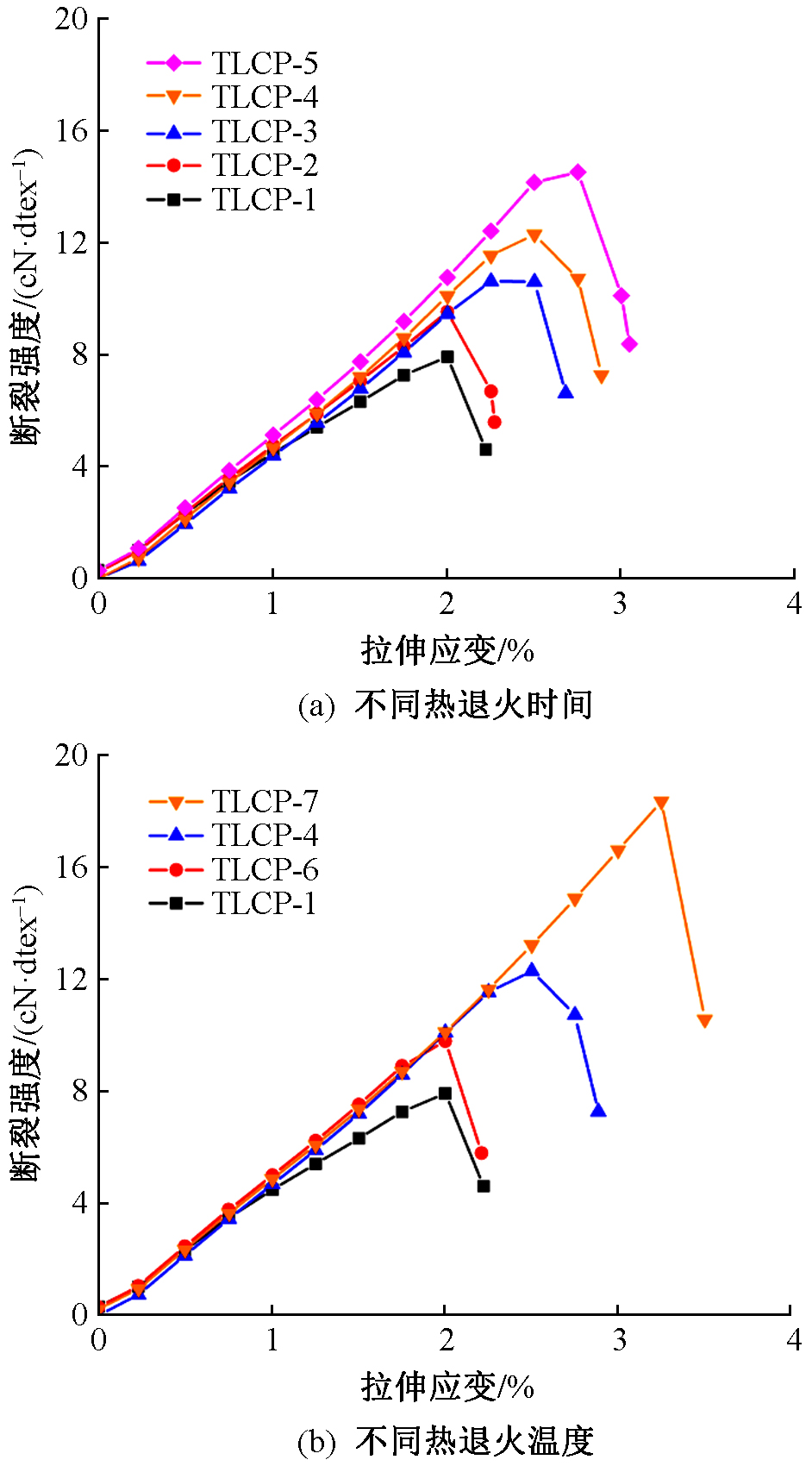
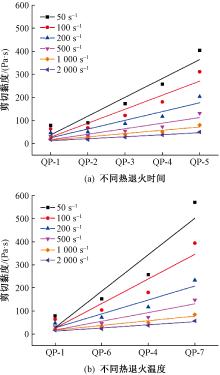
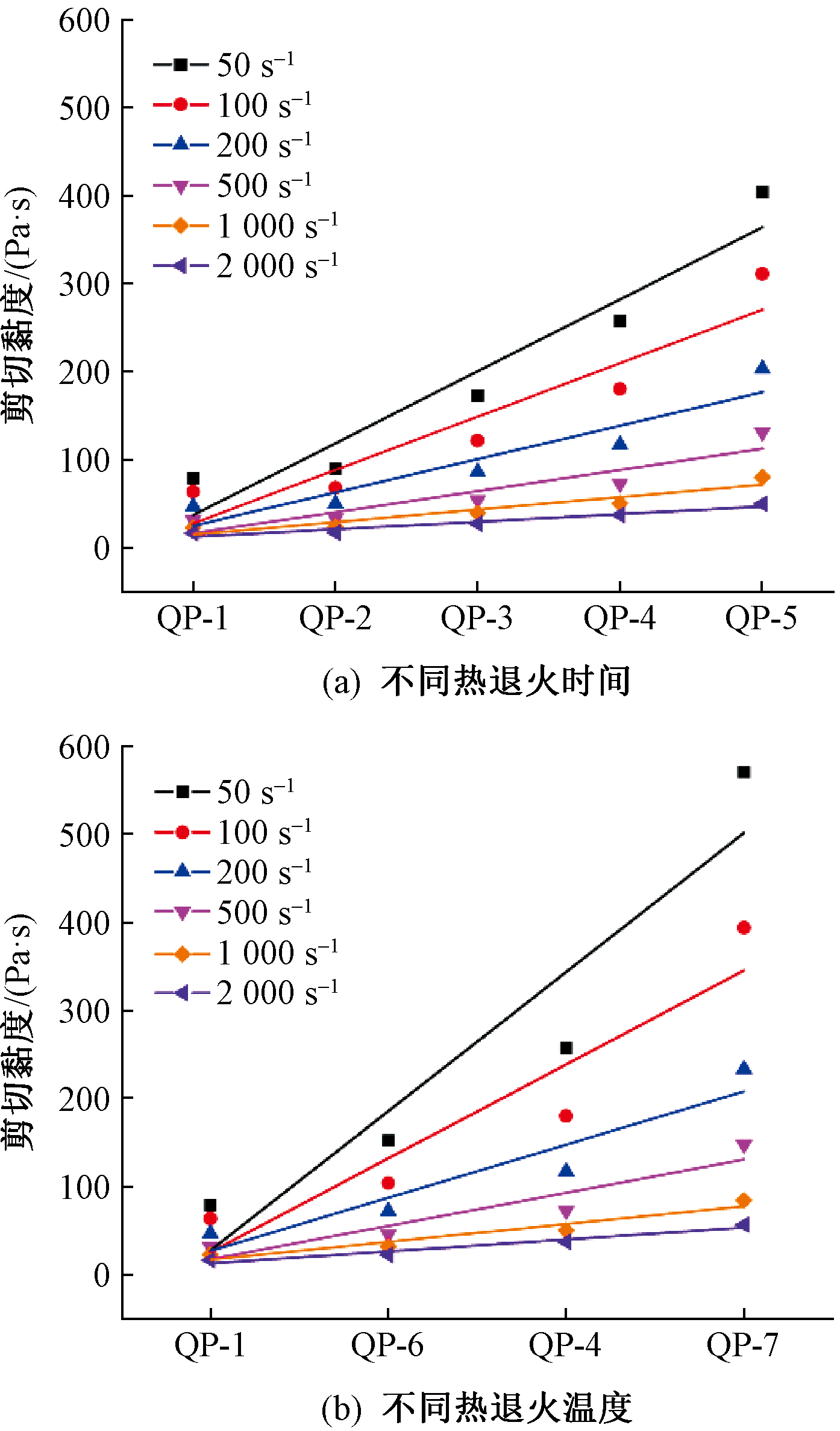
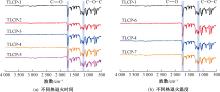
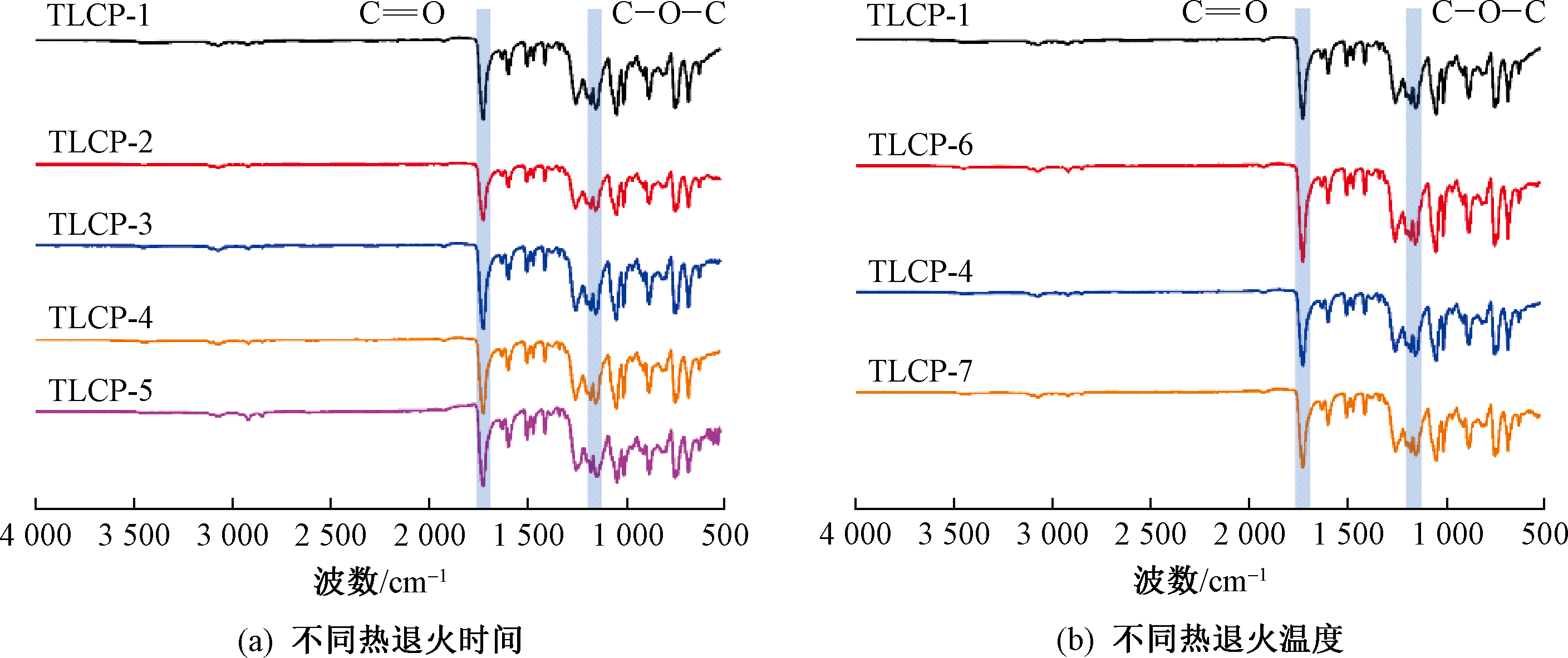
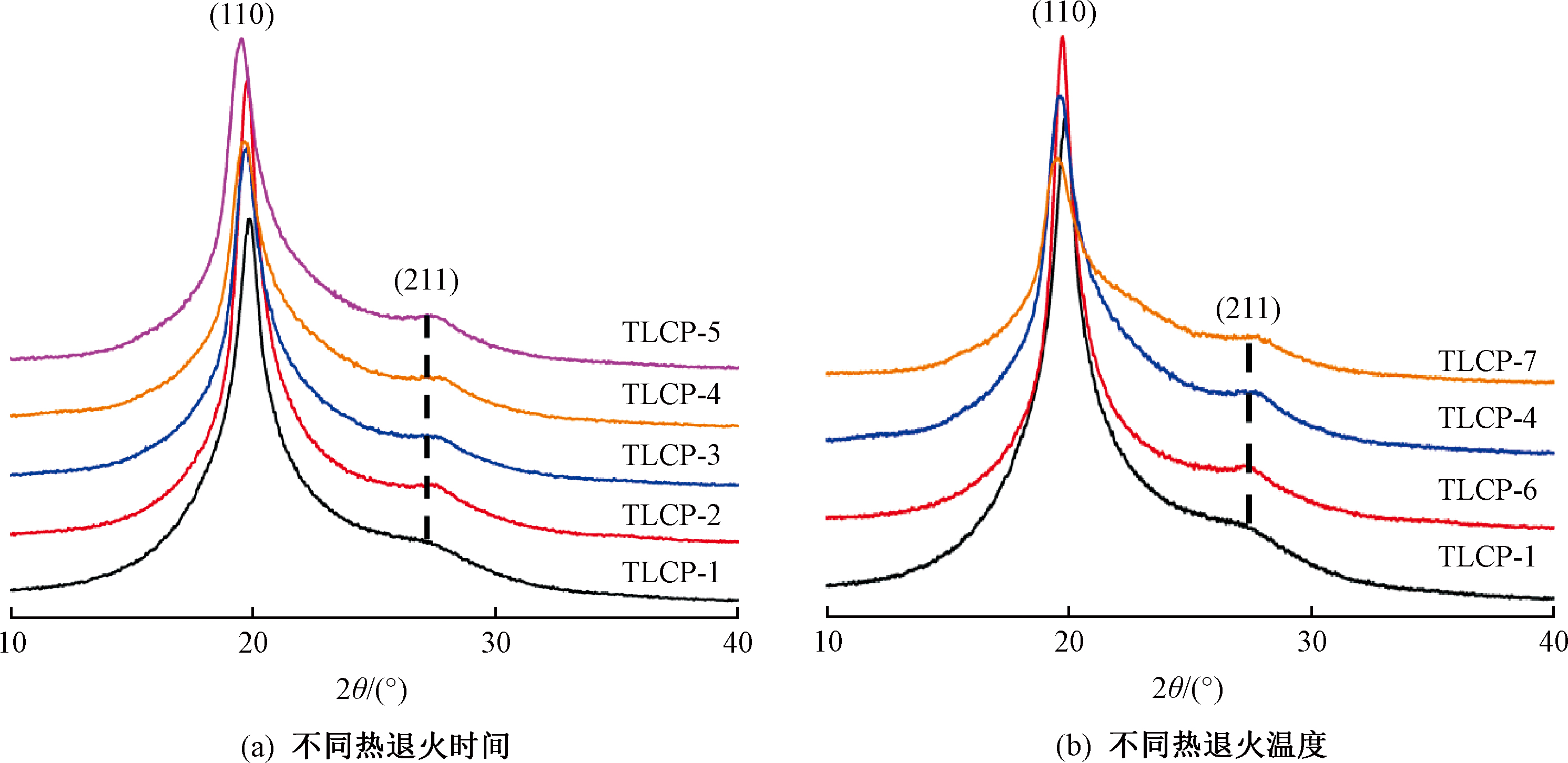
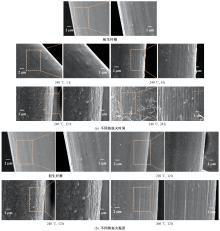
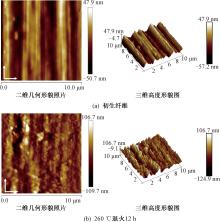
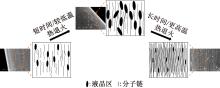
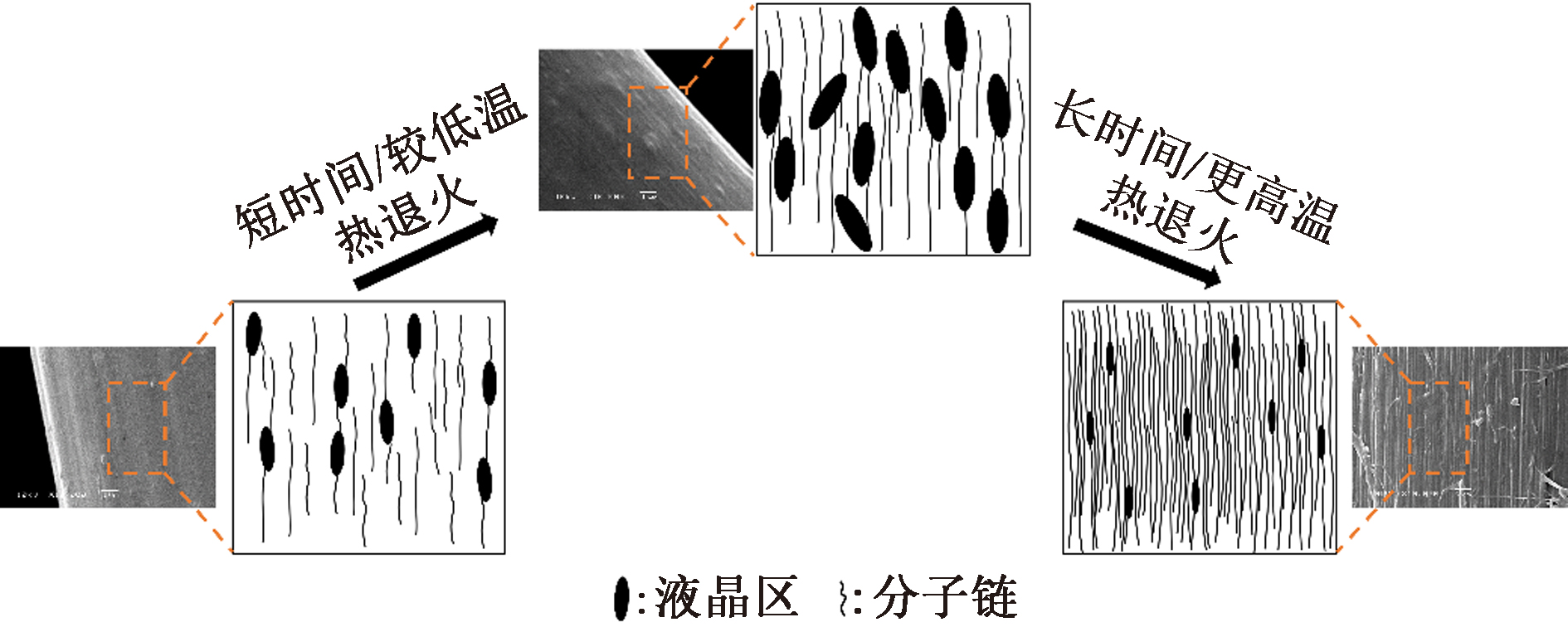
热致液晶聚芳酯(TLCP)纤维具有高强度、高模量、低介电损耗等优异特性,通过熔融纺丝技术得到TLCP初生纤维后,通常需要在氮气保护下进行高温退火处理实现力学性能的大幅提高。目前关于TLCP初生纤维在退火过程中聚集态结构变化对力学性能的作用机制尚不完全清晰。采用不同热退火时间和温度条件对TLCP初生纤维进行退火处理,并对退火前后纤维凝聚态结构及性能进行表征与测试。结果表明:热退火对于剪切黏度的提升十分明显,退火后在纤维表面沿轴向形成了堆积十分紧密的结构,且热退火前后化学结构基本没有变化,表明了热退火后纤维的分子量提高;而纤维结晶度、晶粒尺寸表现出先升高后降低的趋势,且在热退火后没有出现晶型的转变;纤维的取向度在热退火后呈下降趋势,但总体取向仍保持在0.94以上的较高水平。在热退火过程中,结晶结构、取向结构、分子量变化及分子链间紧密堆积等多尺寸聚集态结构的协同作用,使纤维力学性能大幅提高,断裂强度最高提升至初生纤维的2.33倍。
中图分类号:
| [1] | REYES-MAYER A, ALVARADO-TENORIO B, ROMO-URIBE A, et al. SALS, WAXS and mechanical properties of heat-treated thermotropic polymers[J]. Polymers for Advanced Technologies, 2013, 24(12): 1029-1039. |
| [2] | LYU X L, XIAO A Q, SHI D, et al. Liquid crystalline polymers: discovery, development, and the future[J]. Polymer, 2020, 202: 122740. |
| [3] | 殷卫峰, 曾耀德, 杨中强, 等. 液晶高分子聚合物的类型、加工、应用综述[J]. 材料导报, 2022, 36(S1): 536-540. |
| YIN Weifeng, ZENG Yaode, YANG Zhongqiang, et al. Categories, processability, applications and research advances in liquid crystalline polymer[J]. Materials Reports, 2022, 36(S1): 536-540. | |
| [4] | REYES-MAYER A, CONSTANT A, ROMO-URIBE A, et al. The influence of thermal annealing on microstructure and mechanical properties in high performance liquid crystal copolyesters[J]. MRS Online Proceedings Library, 2011, 1373(1): 430. |
| [5] | SONG B S, LEE J Y, JANG S H, et al. Fiber formation and structural development of HBA/HNA thermotropic liquid crystalline polymer in high-speed melt spinning[J]. Polymers, 2021, 13(7): 1134. |
| [6] | ROMO-URIBE A, REYES-MAYER A, CALIXTO-RODRIGUEZ M, et al. Synchrotron scattering and thermo-mechanical properties of high performance thermotropic polymer. a multi-scale analysis and structure-property correlation[J]. Polymer, 2018, 153: 408-421. |
| [7] | REYES-MAYER A, ALVARADO-TENORIO B, ROMO-URIBE A, et al. Nanostructure reorganization in a thermotropic copolyester. a simultaneous WAXS and SAXS study[J]. Polymers for Advanced Technologies, 2016, 27(6): 748-758. |
| [8] | PASTOREK M, KOVALCIK A. Effects of thermal annealing as polymer processing step on poly(lactic acid)[J]. Materials and Manufacturing Processes, 2018, 33(15): 1674-1680. |
| [9] | LEE W J, KWAC L K, KIM H G, et al. Thermotropic liquid crystalline copolyester fibers according to various heat treatment conditions[J]. Scientific Reports, 2021, 11: 11654. |
| [10] | SAVITSKY A V, GORSHKOVA I A. Strengthening of highly heat-resistant liquid-crystal polymer fibers upon heat treatment[J]. Physics of the Solid State, 2006, 48(1): 77-83. |
| [11] | SAW C K, COLLINS G, MENCZEL J, et al. Thermally induced reorganization in LCP fibers[J]. Journal of Thermal Analysis and Calorimetry, 2008, 93(1): 175-182. |
| [12] | WARNER S B, LEE J. Towards understanding the increase in strength of thermotropic polyesters with heat treatment[J]. Journal of Polymer Science Part B: Polymer Physics, 1994, 32(10): 1759-1769. |
| [13] | 胡紫东. Ι型热致液晶聚芳酯纤维的结构和性能研究[D]. 上海: 东华大学, 2018. |
| HU Zidong. Structure and properties of model thermotropic liquid crystalline polyarylate fibers. Shanghai: Donghua University, 2018. | |
| [14] | 魏朋, 李志强, 李娇娇, 等. 固相聚合对萘环液晶聚芳酯结构与性能的影响[J]. 纺织学报, 2024, 45(9): 50-55. |
| WEI Peng, LI Zhiqiang, LI Jiaojiao, et al. Influence of solid-state polymerization on structure and properties of naphthalene ring structure aromatic liquid crystal copolyester[J]. Journal of Textile Research, 2024, 45(9): 50-55. | |
| [15] | DONG Shihang, CHEN Yufeng, WAN Hai, et al. Effect of heat treatment on molecular mass and thermal properties of thermotropic liquid crystal polyesters[J]. Journal of Donghua University (English Edition), 2025, 42(2): 124-135. |
| [16] | 陈宇锋, 王旭东, 黄铄涵, 等. 含萘环热致液晶聚芳酯的合成及热处理[J]. 纺织高校基础科学学报, 2023, 36(6): 30-37. |
| CHEN Yufeng, WANG Xudong, HUANG Shuohan, et al. Synthesis and thermal treatment of liquid crystal polyarylates containing naphthalene rings[J]. Basic Sciences Journal of Textile Universities, 2023, 36(6): 30-37. | |
| [17] | ROMO-URIBE A, REYES-MAYER A, CALIXTO RODRIGUEZ M, et al. On the influence of thermal annealing on molecular relaxations and structure in thermotropic liquid crystalline polymer[J]. Polymer, 2022, 240: 124506. |
| [18] | 唐大航, 肖中鹏, 姜苏俊, 等. 热致液晶聚合物(TLCP)流变及结晶行为的研究[J]. 高分子通报, 2023, 36(12): 1716-1724. |
| TANG Dahang, XIAO Zhongpeng, JIANG Sujun, et al. The rheology and crystallization behavior of thermal liquid crystalline polymer (TLCP) resin[J]. Polymer Bulletin, 2023, 36(12): 1716-1724. |
| [1] | 张培炎, 张家霖, 董杰, 张清华. 紧张热定形工艺对聚酰亚胺纤维结构与性能的影响[J]. 纺织学报, 2026, 47(07): 104-110. |
| [2] | 袁会敏, 林晓静, 毛迎, 武观, 陈文兴, 吕汪洋. 聚己内酯对丝素蛋白基复合纤维结构与力学性能的影响[J]. 纺织学报, 2026, 47(06): 1-8. |
| [3] | 冯笑琳, 魏静雯, 李旭明. 聚乳酸/聚己内酯共混纤维的制备及其性能[J]. 纺织学报, 2026, 47(05): 18-27. |
| [4] | 林启松, 戴钧明, 查全亮, 徐涛, 吕汪洋. 聚丁二酸丁二醇酯预取向丝与牵伸丝的制备及性能[J]. 纺织学报, 2026, 47(04): 9-16. |
| [5] | 赵立环, 闫子妍, 张蓉, 袁明珠, 聂秀雯, 刘新蕊. 海岛长丝合成革基布的碱减量工艺及其力学性能[J]. 纺织学报, 2026, 47(04): 154-162. |
| [6] | 张纪超, 刘昱辰, 张豪, 耿嘉骏, 蔡硕, 杨茹梦, 刘莹, 魏朋. 单体组分对萘基液晶聚芳酯纤维结构与性能的调控[J]. 纺织学报, 2026, 47(02): 65-72. |
| [7] | 赵泽文, 吕宽, 苏旭中, 孙丰鑫. 短纤纱力学性能的宏细观耦合分析与数值模拟[J]. 纺织学报, 2026, 47(01): 106-114. |
| [8] | 王瀚文, 李万鑫, 李晨, 喻麟洁, 王文庆, 董振峰, 魏建斐, 朱志国, 王锐. 金属氯化物对聚酰胺66氢键调控及力学性能的影响[J]. 纺织学报, 2025, 46(11): 9-18. |
| [9] | 顾戚惠, 阳知乾, 王海楼, 魏发云, 张伟. 机织间隔织物增强水泥基复合材料的制备及其力学性能[J]. 纺织学报, 2025, 46(10): 120-128. |
| [10] | 高敏, 程春祖, 徐中凯, 赵庆波, 张东, 代欣欣. 含硅改性磷氮阻燃Lyocell纤维的制备及其性能[J]. 纺织学报, 2025, 46(10): 19-29. |
| [11] | 侯颖慧, 刘肖燕, 柳东辰, 郝矿荣, 邹婷. 基于体外降解的输尿管支架管的多目标优化[J]. 纺织学报, 2025, 46(09): 154-162. |
| [12] | 高闻语, 陈诚, 奚晓玮, 邓林红, 刘杨. 改性丝素蛋白纤维增强胶原基角膜修复材料的制备及其性能[J]. 纺织学报, 2025, 46(08): 1-9. |
| [13] | 梁锋, 方沿, 张伟华, 唐余玲, 李双洋, 周建飞, 石碧. 基于金属-多酚网络的胶原蛋白基纤维制备及其力学性能[J]. 纺织学报, 2025, 46(08): 10-17. |
| [14] | 陈晴宇, 陆春红, 张斌, 晋义凯, 黄琪帏, 王超, 丁彬, 俞建勇, 王先锋. 碳纤维增强水泥基灌浆料的制备及其性能[J]. 纺织学报, 2025, 46(08): 120-126. |
| [15] | 岳航, 鹿超, 王春红, 李瀚宇. 基于主要化学成分的红麻与大麻拉伸强度预测[J]. 纺织学报, 2025, 46(08): 62-70. |
|
||
 京公网安备11010502044800号