纺织学报 ›› 2026, Vol. 47 ›› Issue (01): 54-62.doi: 10.13475/j.fzxb.20250603301
凌磊1, 陈凯1, 高俊1, 武丁胜1, 汪邓兵2, 张春3, 凤权1( )
)
LING Lei1, CHEN Kai1, GAO Jun1, WU Dingsheng1, WANG Dengbing2, ZHANG Chun3, FENG Quan1()
摘要:
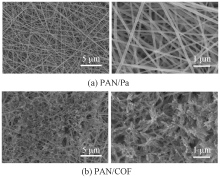
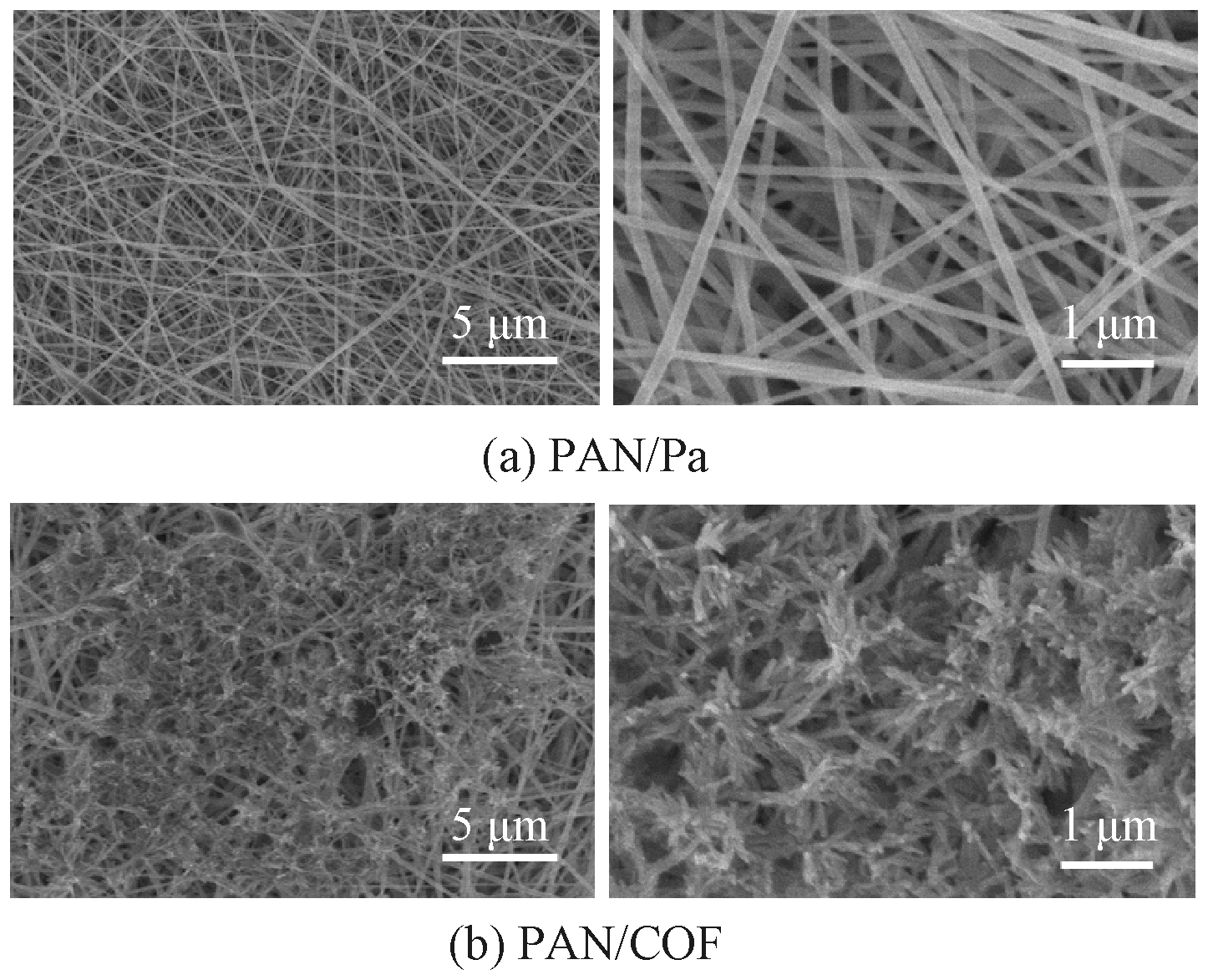
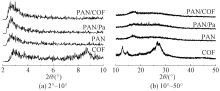
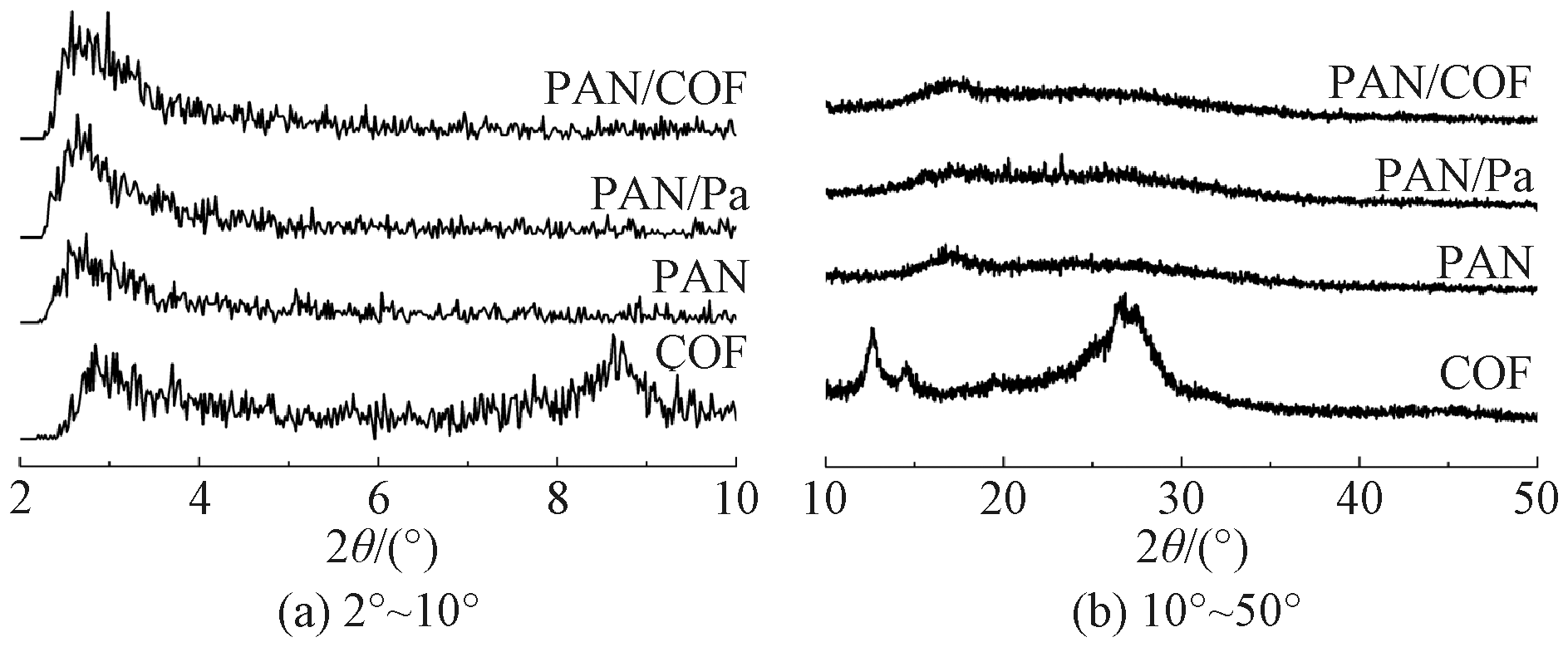
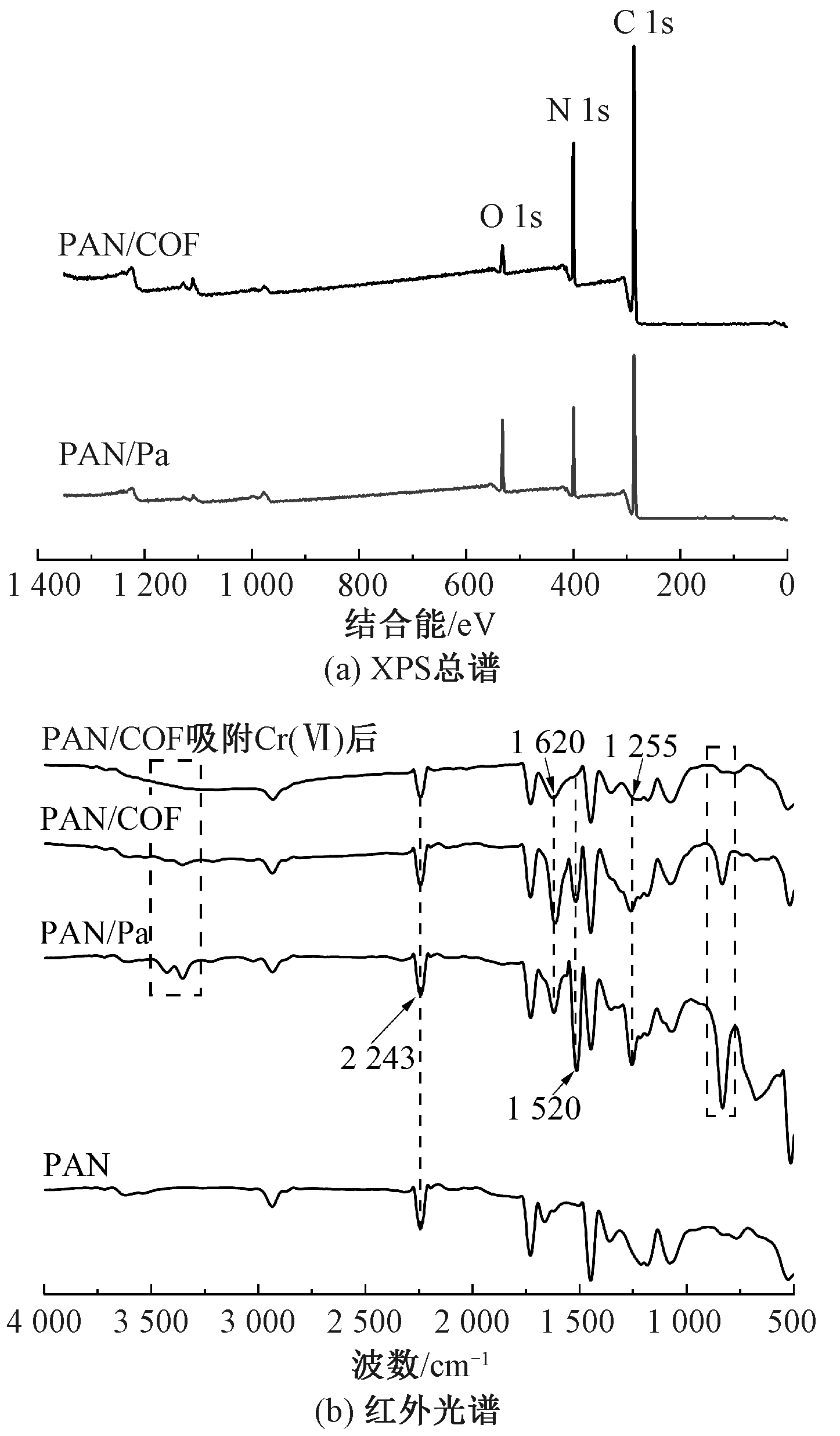
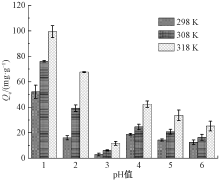
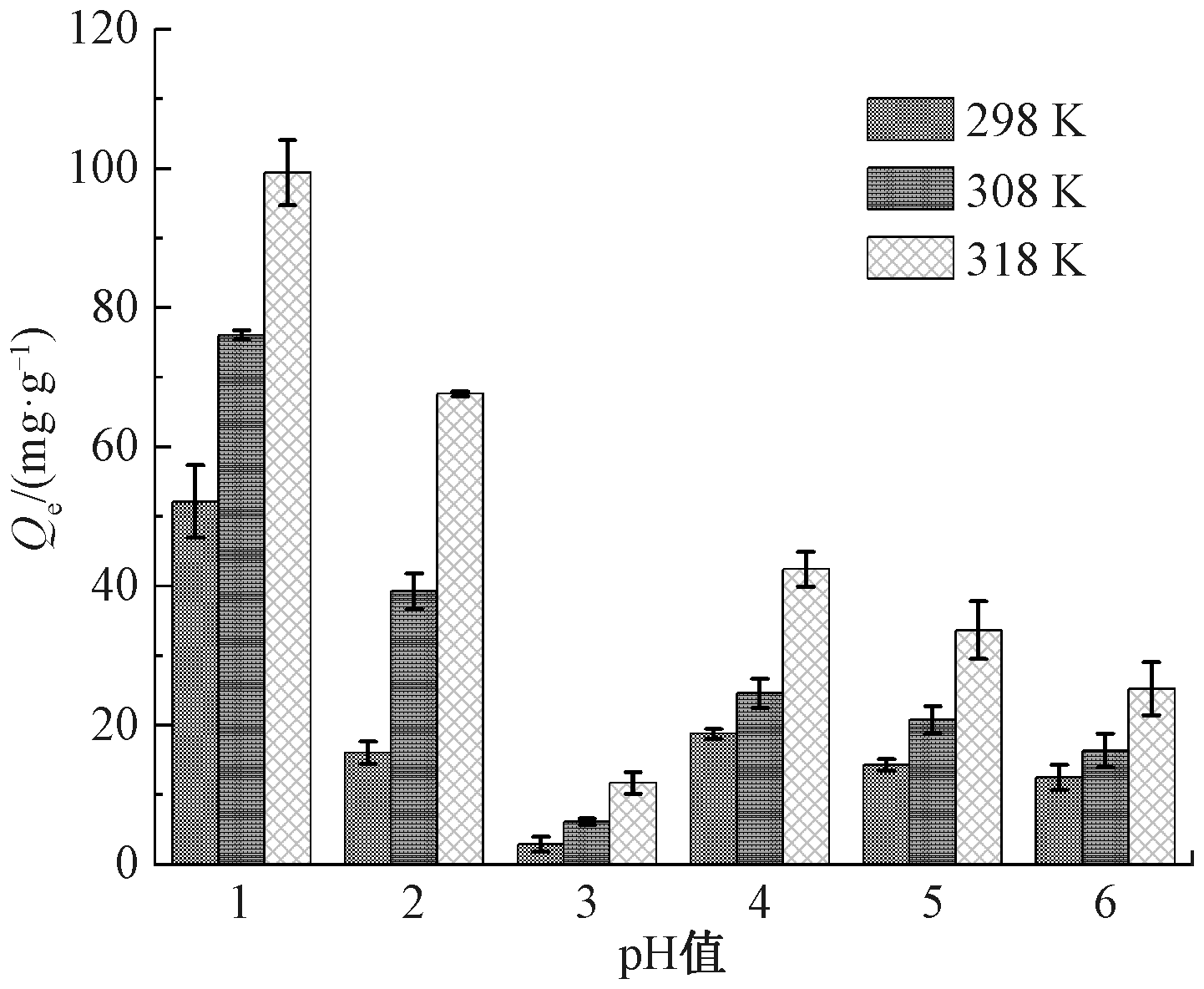
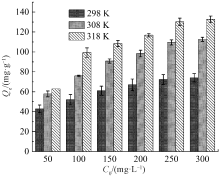
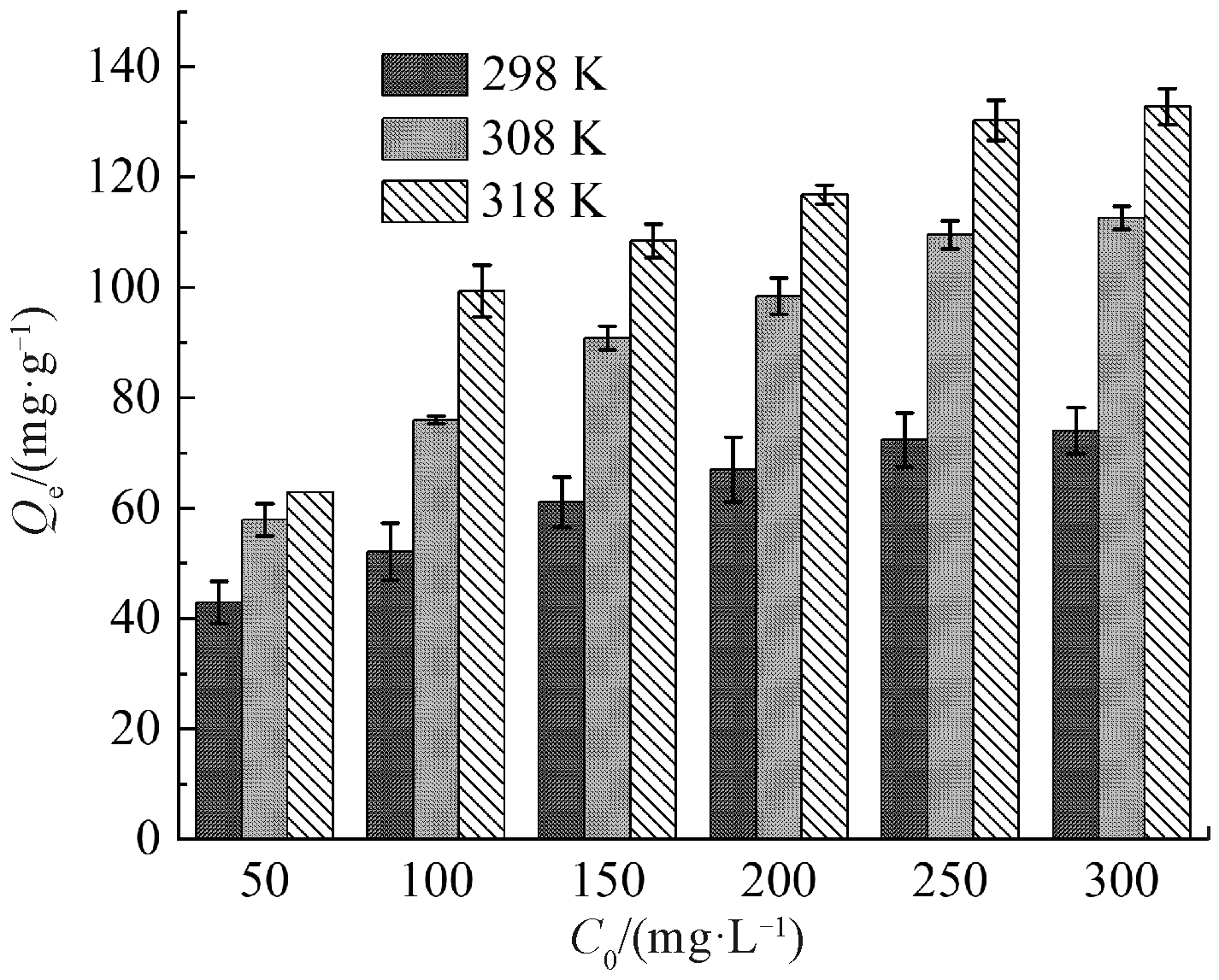
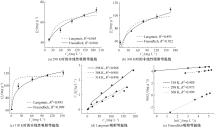
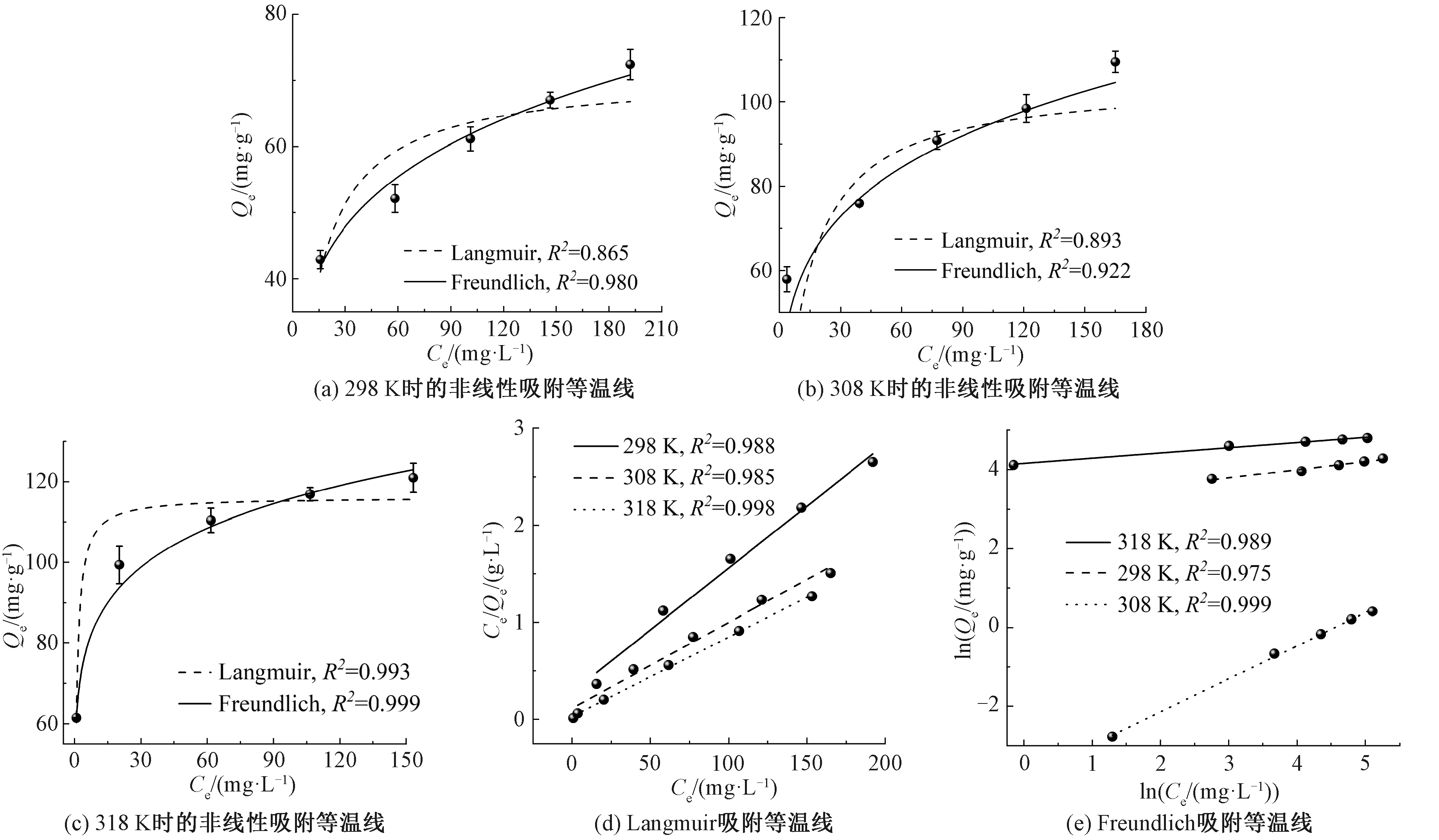
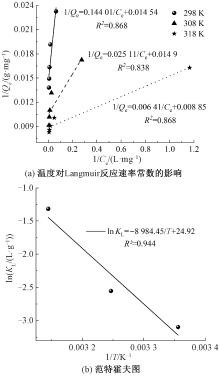
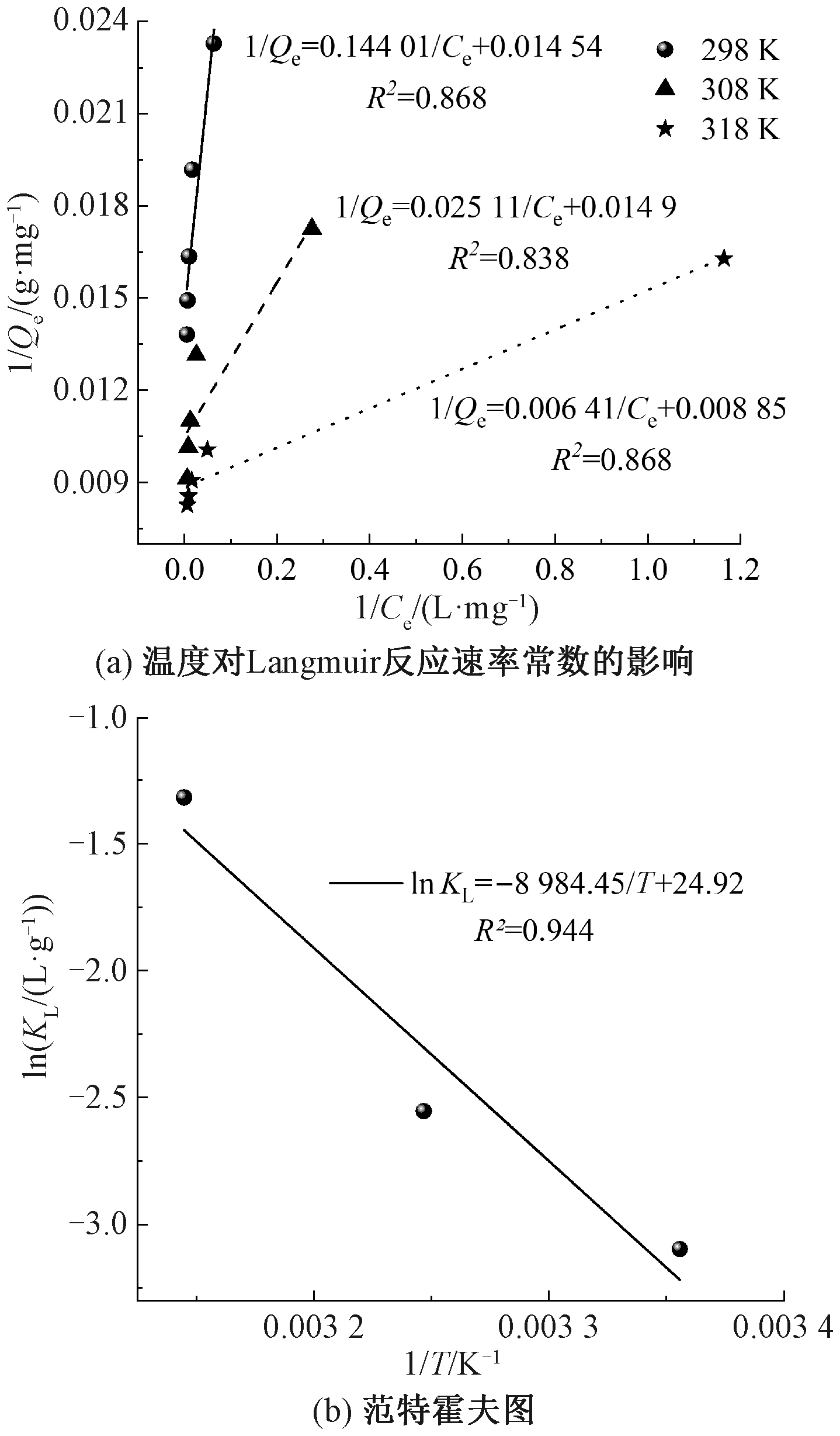
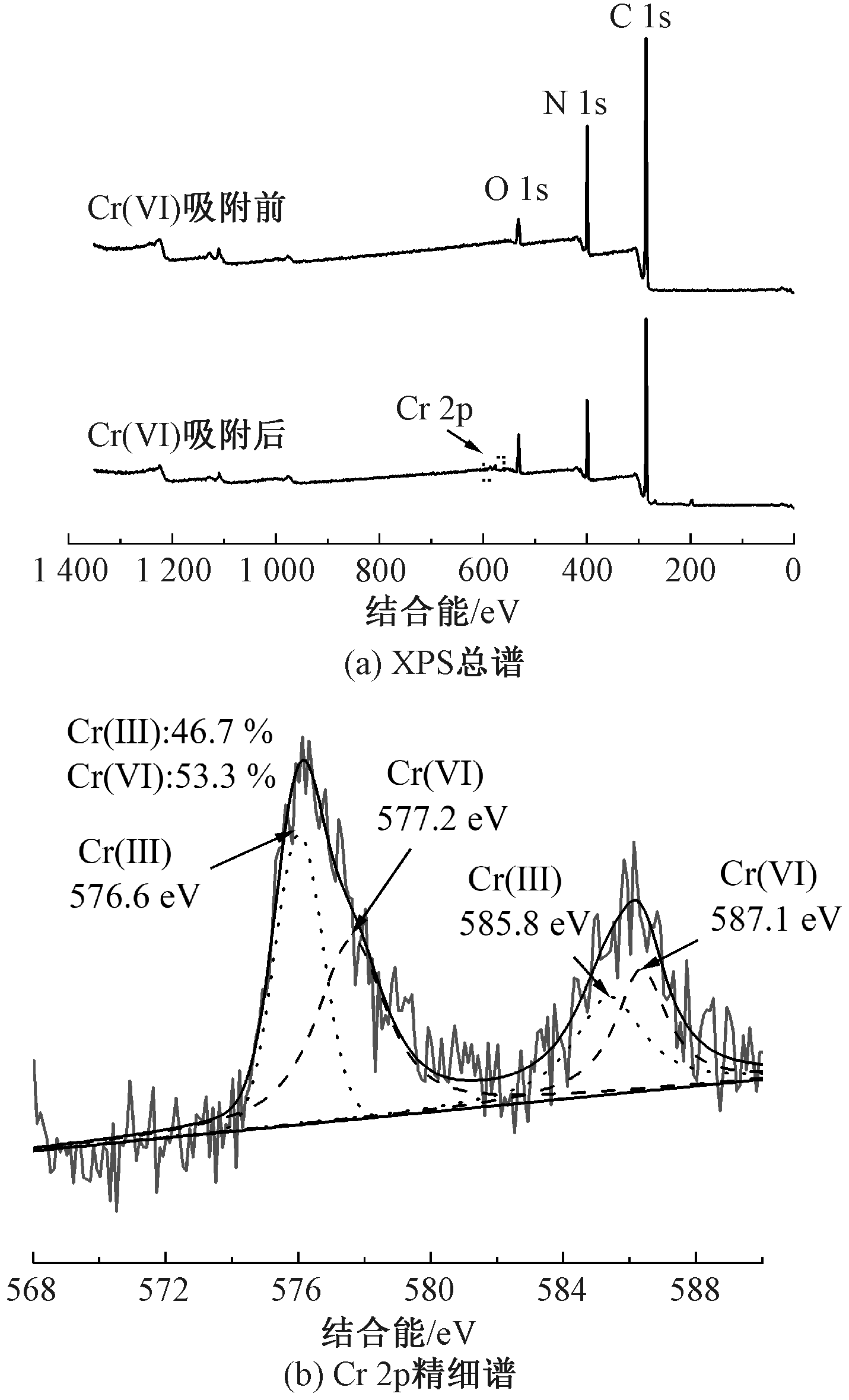
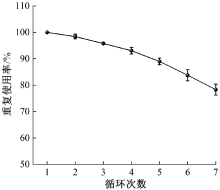
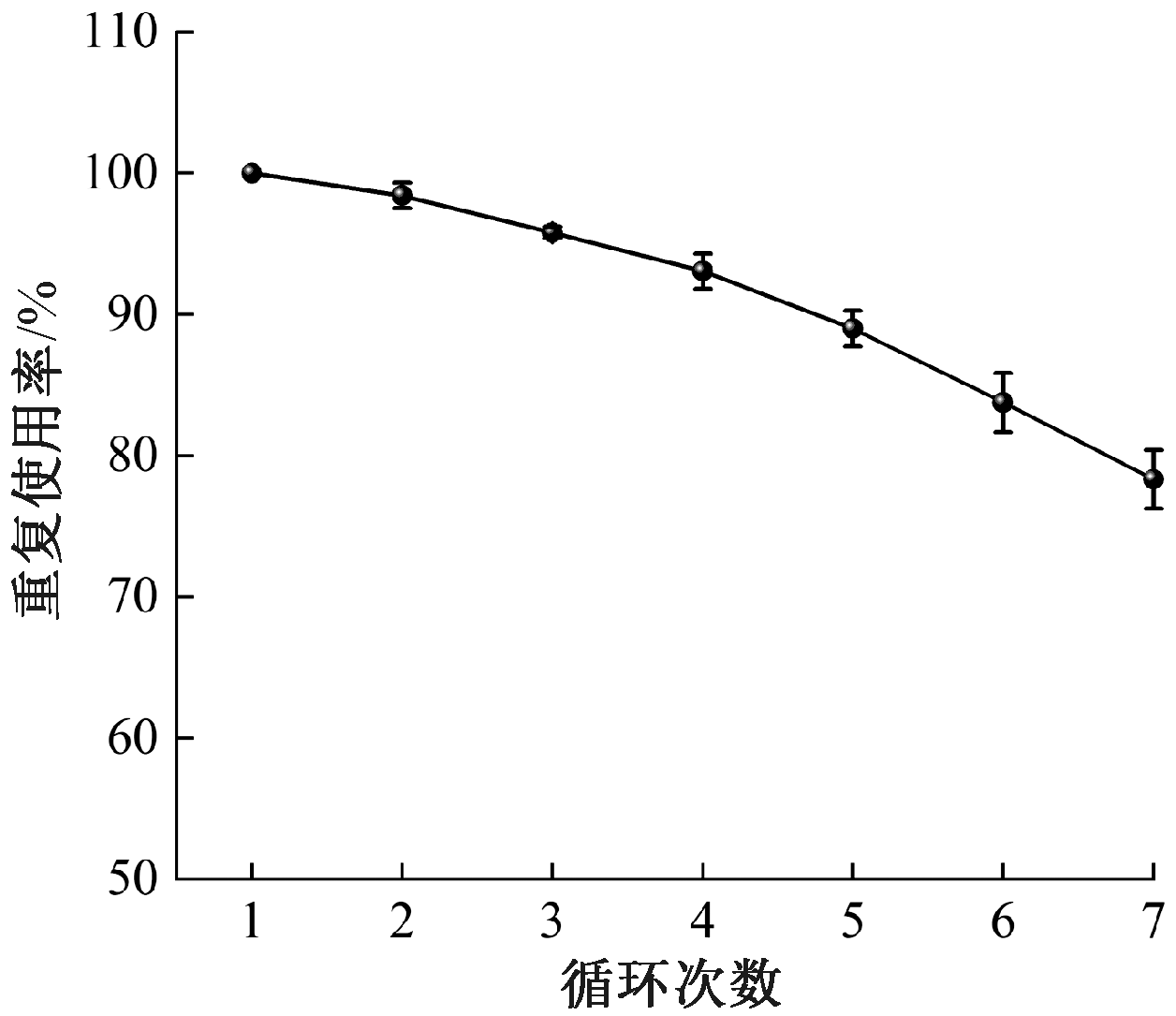
针对六价铬离子(Cr(Ⅵ))具有强毒性与致癌性,传统处理方法存在效率低、二次污染等问题,采用静电纺丝与原位生长技术,制备了聚丙烯腈/共价有机框架(PAN/COF)复合纳米纤维膜,用于Cr(Ⅵ)吸附与还原。分析了PAN/COF复合纳米纤维膜的形貌与结构,并测试其在不同条件下与Cr(Ⅵ)吸附性能的关系。结果表明:通过扫描电子显微镜、X射线衍射仪、傅里叶变换红外光谱仪等手段证实COF成功负载于PAN纤维表面,形成多级多孔结构;吸附性能研究表明,在pH=1、温度318 K、Cr(Ⅵ)质量浓度100 mg/L条件下,复合膜最大吸附量达99.4 mg/g;吸附等温线符合Freundlich模型,表明为多分子层吸附;吸附热力学显示吸附是自发吸热过程;吸附动力学符合准二级模型,证实化学吸附为主要机制;X射线光电子能谱分析表明,46.7%的Cr(Ⅵ)被还原为Cr(Ⅲ),经过7次吸附-脱附循环后,该PAN/COF复合纳米纤维膜的吸附效率仍能稳定保持在80%以上,具备优异的结构稳定性与循环复用性能。
中图分类号:
| [1] |
SINGH V, AHMED G, VEDIKA S, et al. Toxic heavy metal ions contamination in water and their sustainable reduction by eco-friendly methods: isotherms, thermodynamics and kinetics study[J]. Scientific Reports, 2024, 14: 7595.
doi: 10.1038/s41598-024-58061-3 pmid: 38556536 |
| [2] |
DHOKPANDE S R, DESHMUKH S M, KHANDEKAR A, et al. A review outlook on methods for removal of heavy metal ions from wastewater[J]. Separation and Purification Technology, 2024, 350: 127868.
doi: 10.1016/j.seppur.2024.127868 |
| [3] |
YASIN M U, HAIDER Z, MUNIR R, et al. The synergistic potential of biochar and nanoparticles in phytoremediation and enhancing cadmium tolerance in plants[J]. Chemosphere, 2024, 354: 141672.
doi: 10.1016/j.chemosphere.2024.141672 |
| [4] |
SHARMA B, SINGH A, SHARMA A, et al. Synthesis and characterization of zinc selenide/graphene oxide (ZnSe/GO) nanocomposites for electrochemical detection of cadmium ions[J]. Applied Physics A, 2024, 130(5): 297.
doi: 10.1007/s00339-024-07472-0 |
| [5] |
VITELLI V, GIAMBORINO A, BERTOLINI A, et al. Cadmium stress signaling pathways in plants: molecular responses and mechanisms[J]. Current Issues in Molecular Biology, 2024, 46(6): 6052-6068.
doi: 10.3390/cimb46060361 pmid: 38921032 |
| [6] |
ZHAO X N, ZHANG Y, GUO Y Y, et al. Preparation of magnetic hydroxyapatite whisker and its adsorption capacity to cadmium ion[J]. Materials Today Communications, 2024, 38: 108116.
doi: 10.1016/j.mtcomm.2024.108116 |
| [7] |
SHERAZ N, SHAH A, HALEEM A, et al. Comprehensive assessment of carbon-, biomaterial- and inorganic-based adsorbents for the removal of the most hazardous heavy metal ions from wastewater[J]. RSC Advances, 2024, 14(16): 11284-11310.
doi: 10.1039/d4ra00976b pmid: 38595713 |
| [8] |
ELEK G, MÜLLER M. Ervin Bauer's concept of biological thermodynamics and its different evalua-tions[J]. BioSystems, 2024, 235: 105090.
doi: 10.1016/j.biosystems.2023.105090 |
| [9] |
ALI ALATABE M J, GHORBANPOUR M. A performance comparison of photo-Fenton decolorization of methylene blue by using bentonite/iron composites prepared by liquid phase and solid phase ion exchange method[J]. Desalination and Water Treatment, 2024, 317: 100027.
doi: 10.1016/j.dwt.2024.100027 |
| [10] |
HSU C Y, AJAJ Y, MAHMOUD Z H, et al. Adsorption of heavy metal ions use chitosan/graphene nanocomposites: a review study[J]. Results in Chemistry, 2024, 7: 101332.
doi: 10.1016/j.rechem.2024.101332 |
| [11] | 庄严, 黄赳, 朱晓芳, 等. 铁碳纤维纳米二氧化铈复合材料吸附As的性能与机理[J]. 中国环境科学, 2024, 44(10): 5596-5606. |
| ZHUANG Yan, HUANG Jiu, ZHU Xiaofang, et al. Arsenic adsorption performance and mechanism using the iron-carbon fiber and nano cerium dioxide incorporated composite adsorbent[J]. China Environmental Science, 2024, 44(10): 5596-5606. | |
| [12] | 王永政, 黄林涛, 宋付权. 石油沥青/聚丙烯腈静电纺碳纳米纤维的制备工艺优化及其性能[J]. 纺织学报, 2024, 45(8): 107-115. |
| WANG Yongzheng, HUANG Lintao, SONG Fuquan. Process optimization and properties of petroleum pitch/polyacrylonitrile electrospun carbon nanofibers[J]. Journal of Textile Research, 2024, 45(8): 107-115. | |
| [13] |
GODIYA C B, REVADEKAR C, KIM J, et al. Amine-bilayer-functionalized cellulose-chitosan composite hydrogel for the efficient uptake of hazardous metal cations and catalysis in polluted water[J]. Journal of Hazardous Materials, 2022, 436: 129112.
doi: 10.1016/j.jhazmat.2022.129112 |
| [14] |
ZHAO B X, GAO B, SHI H X, et al. In situ removal of Cr6+ with an intelligent adsorbent: microwave synthesis, interface adsorption, thermodynamics, mechanism and self-regeneration[J]. Journal of Environmental Chemical Engineering, 2024, 12(2): 112045.
doi: 10.1016/j.jece.2024.112045 |
| [15] |
HUANG W T, XU Y P, CHEN N S, et al. Amino-modified hemp stem for high-capacity adsorption of Cr(VI) from aqueous solution[J]. Journal of Environmental Chemical Engineering, 2023, 11(6): 111441.
doi: 10.1016/j.jece.2023.111441 |
| [16] |
TONG Z B, MA D K, WU J N, et al. TpPa-1/{0 1 0}-BiVO4 S-scheme heterojunction fabricated on specific crystal facets for highly efficient H2O2 artificial photosynthesis[J]. Chemical Engineering Journal, 2024, 496: 154262.
doi: 10.1016/j.cej.2024.154262 |
| [17] |
SHARMA D S, PATEL A P, BARIYA S N, et al. Electrospun PbS/PAN-PANI carbon nanofibers decorated on carbon cloth as pseudo-electrochemical capacitor material[J]. ACS Applied Electronic Materials, 2024, 6(5): 3617-3629.
doi: 10.1021/acsaelm.4c00320 |
| [18] |
LIAO G M, KANG J J, ZHANG H P, et al. Covalent and non-covalent interaction of myofibrillar protein and cyanidin-3-O-glucoside: focus on structure, binding sites and in vitro digestion properties[J]. Journal of the Science of Food and Agriculture, 2024, 104(2): 905-915.
doi: 10.1002/jsfa.v104.2 |
| [19] |
SHEN H Z, CHEN L, ZHOU C L, et al. Immobilizing Fe0 nanoparticles on covalent organic framework towards enhancement of Cr(VI) removal by adsorption and reduction synergistic effect[J]. Separation and Purification Technology, 2022, 290: 120883.
doi: 10.1016/j.seppur.2022.120883 |
| [20] |
ZHOU Z Y, HU X L, ZHOU P, et al. Self-powered TpPa/PAN membrane-based flexible hydrovoltaic sensor for real-time Congo red monitoring[J]. Sensors and Actuators B: Chemical, 2025, 432: 137507.
doi: 10.1016/j.snb.2025.137507 |
| [21] |
FAN X L, SONG X, SUN J X, et al. Hydrophilic/hydrophobic heterojunctions for enhanced photocatalytic hydrogen evolution via gas release dynamics[J]. Journal of Colloid and Interface Science, 2025, 683: 531-541.
doi: 10.1016/j.jcis.2024.12.095 pmid: 39700562 |
| [22] |
JIAO H P, BI R X, XU A H, et al. Efficient adsorption and advanced purification of metal ions induced by synergistic effect of amine and thione on covalent organic frameworks[J]. Colloids and Surfaces A: Physicochemical and Engineering Aspects, 2024, 691: 133924.
doi: 10.1016/j.colsurfa.2024.133924 |
| [23] |
AN Q, WANG L L, ZHAO G F, et al. Constructing cooperative interface via bi-functional COF for facilitating the sulfur conversion and Li+ dynamics[J]. Advanced Materials, 2024, 36(4): 2305818.
doi: 10.1002/adma.v36.4 |
| [24] |
SONG Z Y, XU Y T, ZHANG M Y, et al. Efficient removal of Cr (VI) by Bifunction zinc porphyrin COF: coupling adsorption with photocatalysis, performance evaluation, and mechanism analysis[J]. Journal of Colloid and Interface Science, 2025, 677: 346-358.
doi: 10.1016/j.jcis.2024.07.140 pmid: 39096703 |
| [25] |
ZHONG X, LU Z P, LIANG W, et al. The magnetic covalent organic framework as a platform for high-performance extraction of Cr(VI) and bisphenol A from aqueous solution[J]. Journal of Hazardous Materials, 2020, 393: 122353.
doi: 10.1016/j.jhazmat.2020.122353 |
| [1] | 孔艳辉, 张琳萍, 毛志平, 徐红. 甲基丙烯酰化明胶纤维膜的制备及其止血性能[J]. 纺织学报, 2026, 47(01): 1-10. |
| [2] | 赵婧雯, 袁香楠, 高晶, 王璐. 聚丙烯腈-普鲁士蓝/月桂酸/环丙沙星光热响应性抗菌敷料的制备及其性能[J]. 纺织学报, 2026, 47(01): 20-28. |
| [3] | 王世豪, 徐晓禹, 郑挺, 王金星, 姚德刚, 王俊, 叶翔宇, 田慧, 李婷, 朱斐超. 碳纤维非织造材料的研究应用及展望[J]. 纺织学报, 2026, 47(01): 240-249. |
| [4] | 罗家俊, 何耀权, 赵振鸿, 黎锦稻, 赵景, 黄钢, 王先锋. 苯乙烯-乙烯-丁烯-苯乙烯/氟化聚酰亚胺防水透湿纤维膜的制备及其性能[J]. 纺织学报, 2026, 47(01): 38-45. |
| [5] | 刘轲, 王雨曦, 程盼, 朱丽萍, 夏明, 梅涛, 向阳, 周丰, 高飞, 王栋. 多孔磺化氢化苯乙烯-丁二烯嵌段共聚物纤维膜制备及其吸附性能[J]. 纺织学报, 2025, 46(12): 1-10. |
| [6] | 王小虎, 包安娜, 魏静雯, 赵晓曼, 韩潇, 洪剑寒. 基于静电纺丝-静电喷涂协同工艺的跨尺度传感纱一步法制备及其应用[J]. 纺织学报, 2025, 46(12): 101-109. |
| [7] | 刘劲扬, 李成才, 朱海霖, 郭玉海, 姜学梁. 非对称结构聚四氟乙烯中空管式纤维膜的制备及油水分离性能[J]. 纺织学报, 2025, 46(12): 11-18. |
| [8] | 陈铭, 张豪, 张子缘, 杨清标, 高吉, 范存伟, 孙戒. 含生物基组分的酸性染料的合成及其染色性能[J]. 纺织学报, 2025, 46(12): 142-151. |
| [9] | 谢围围, 朱庆鹏, 宋娇娇, 陈志明. 磁性固定化漆酶的制备及其对染料的高效降解[J]. 纺织学报, 2025, 46(12): 163-170. |
| [10] | 厉宗洁, 李腾飞, 鲁一涵, 康卫民. 多功能耦合静电纺多级结构纳米纤维过滤材料研究进展[J]. 纺织学报, 2025, 46(12): 19-28. |
| [11] | 季巧, 于清源, 周爱晖, 马博谋, 徐进, 袁久刚. 细菌纤维素及其复合材料的应用研究进展[J]. 纺织学报, 2025, 46(12): 243-250. |
| [12] | 刘青青, 毛晓卉, 姚焰, 孙颖, 陈鱼, 张霄喆, 朱丽萍, 王雪芬. 纤维基分离膜功能改性及应用研究进展[J]. 纺织学报, 2025, 46(12): 39-48. |
| [13] | 高俊, 凌磊, 陈缘, 武丁胜, 林韩蕾, 李振宇, 凤权. 氨基功能化聚丙烯腈纳米纤维膜的制备及其对Cr(Ⅵ)的吸附性能[J]. 纺织学报, 2025, 46(12): 57-65. |
| [14] | 张慧杰, 李登宇, 周轩, 李秀艳, 汪滨, 徐泉. 磺化聚醚醚酮基铁铬液流电池隔膜的制备及其性能[J]. 纺织学报, 2025, 46(12): 83-91. |
| [15] | 胡新阳, 王宏志. 聚偏氟乙烯-三氟乙烯共聚物摩擦纳米发电织物制备及其输出功率提升[J]. 纺织学报, 2025, 46(12): 92-100. |
|
||
 京公网安备11010502044800号