纺织学报 ›› 2026, Vol. 47 ›› Issue (05): 99-106.doi: 10.13475/j.fzxb.20250605901
刘家杰1,2, 孙启龙1,2, 曹丽霞3, 叶伟1,2, 张杏1,2, 谭伟1( )
)
LIU Jiajie1,2, SUN Qilong1,2, CAO Lixia3, YE Wei1,2, ZHANG Xing1,2, TAN Wei1()
摘要:
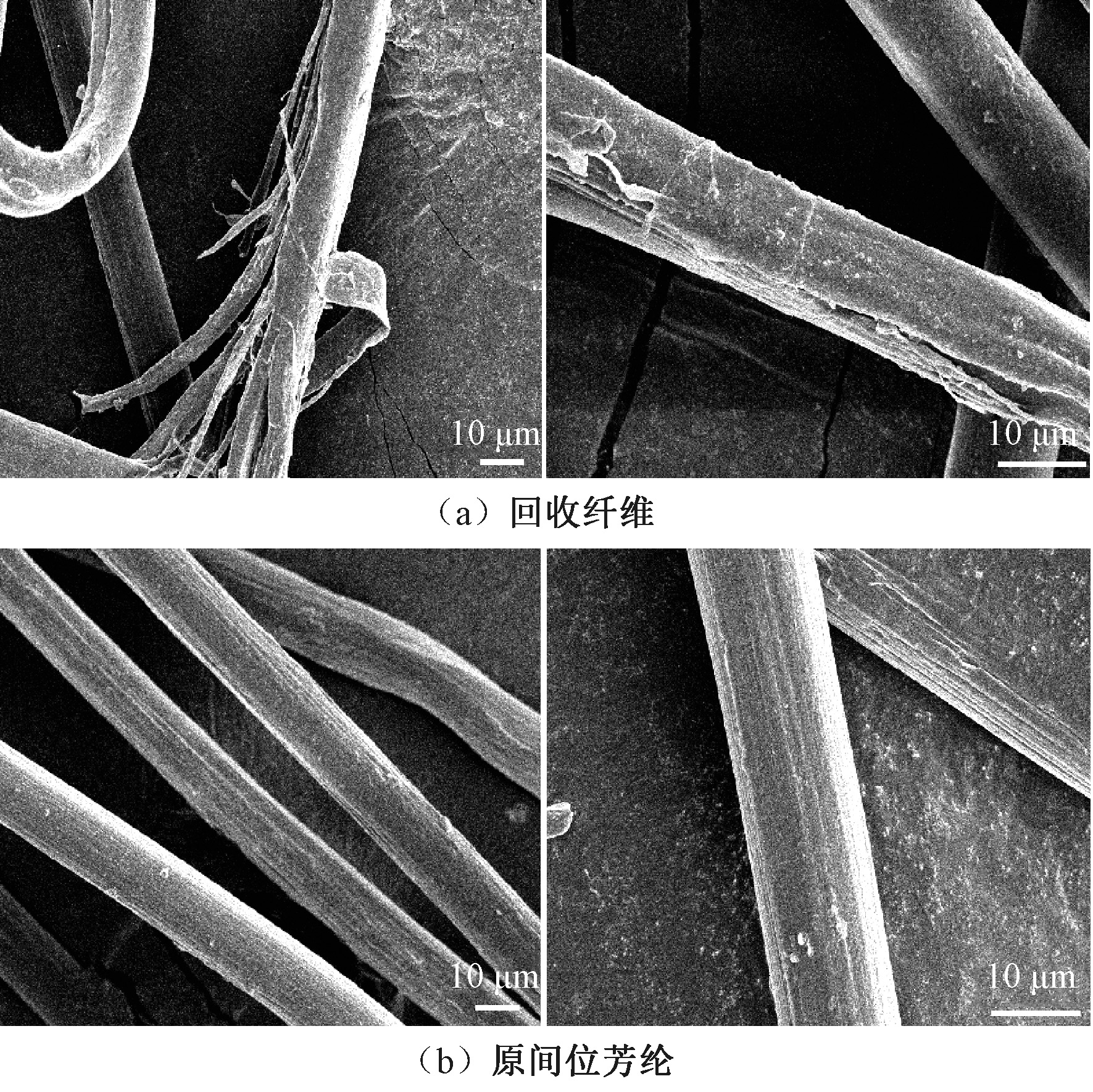
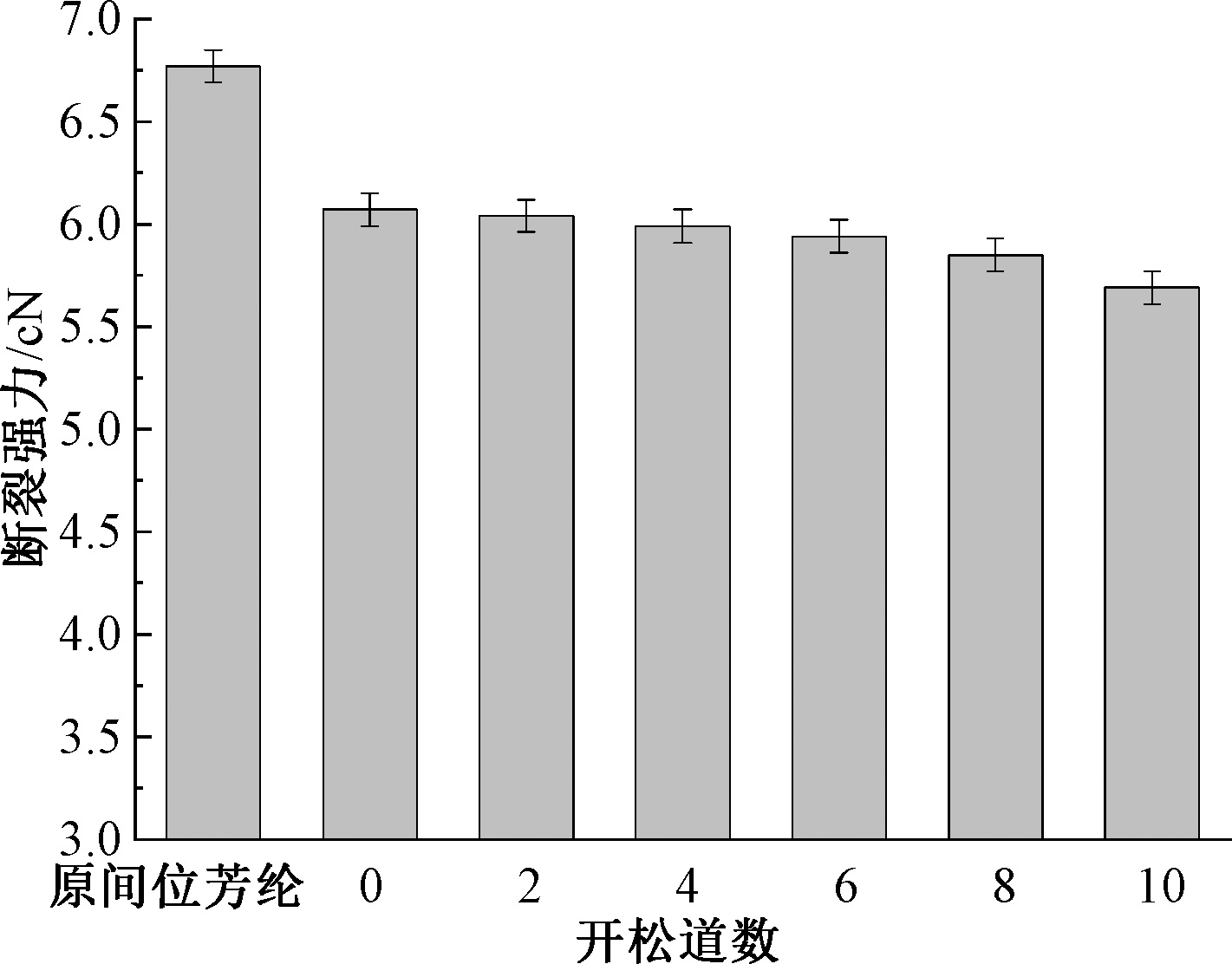
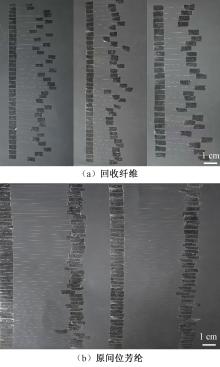
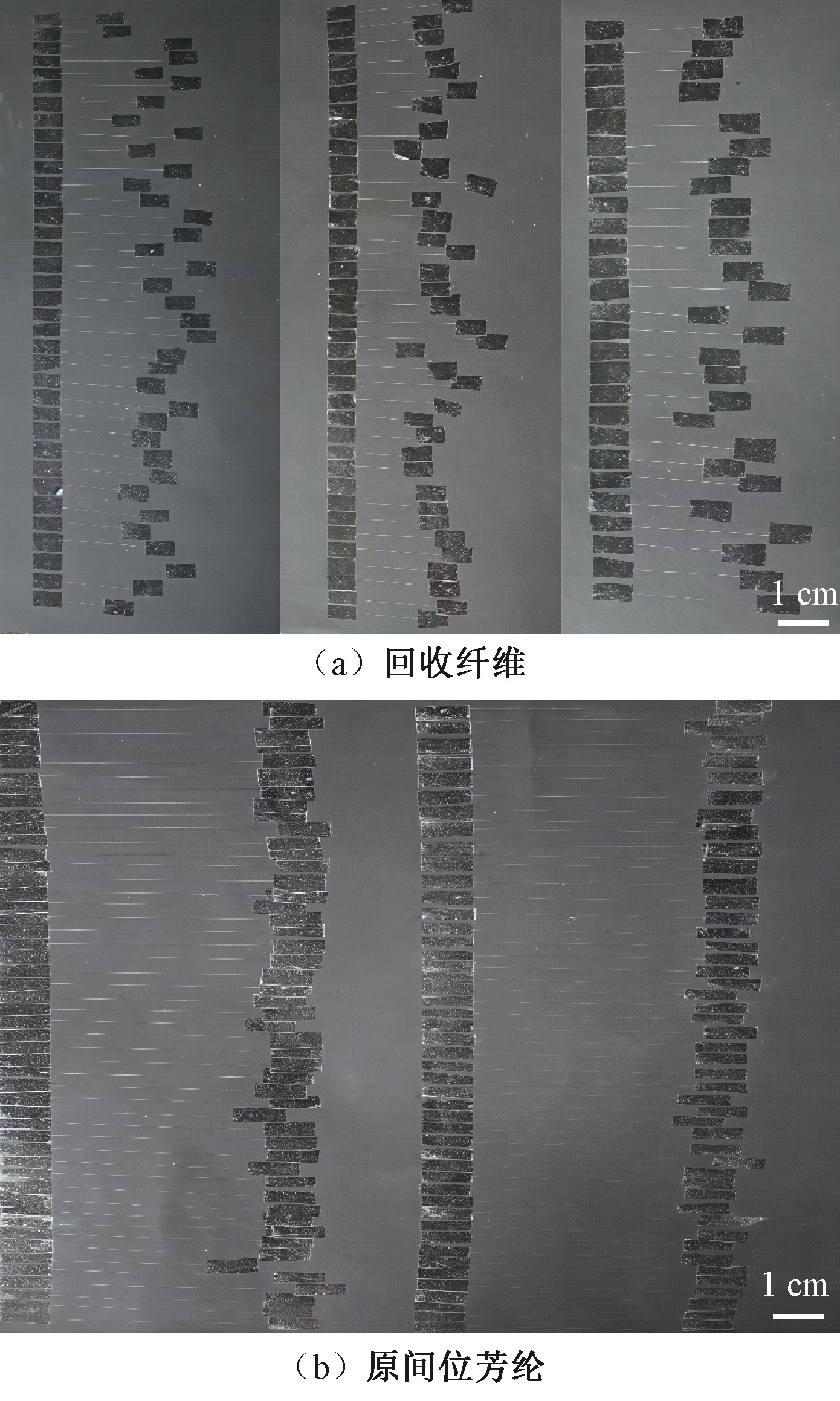
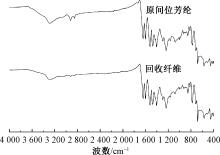
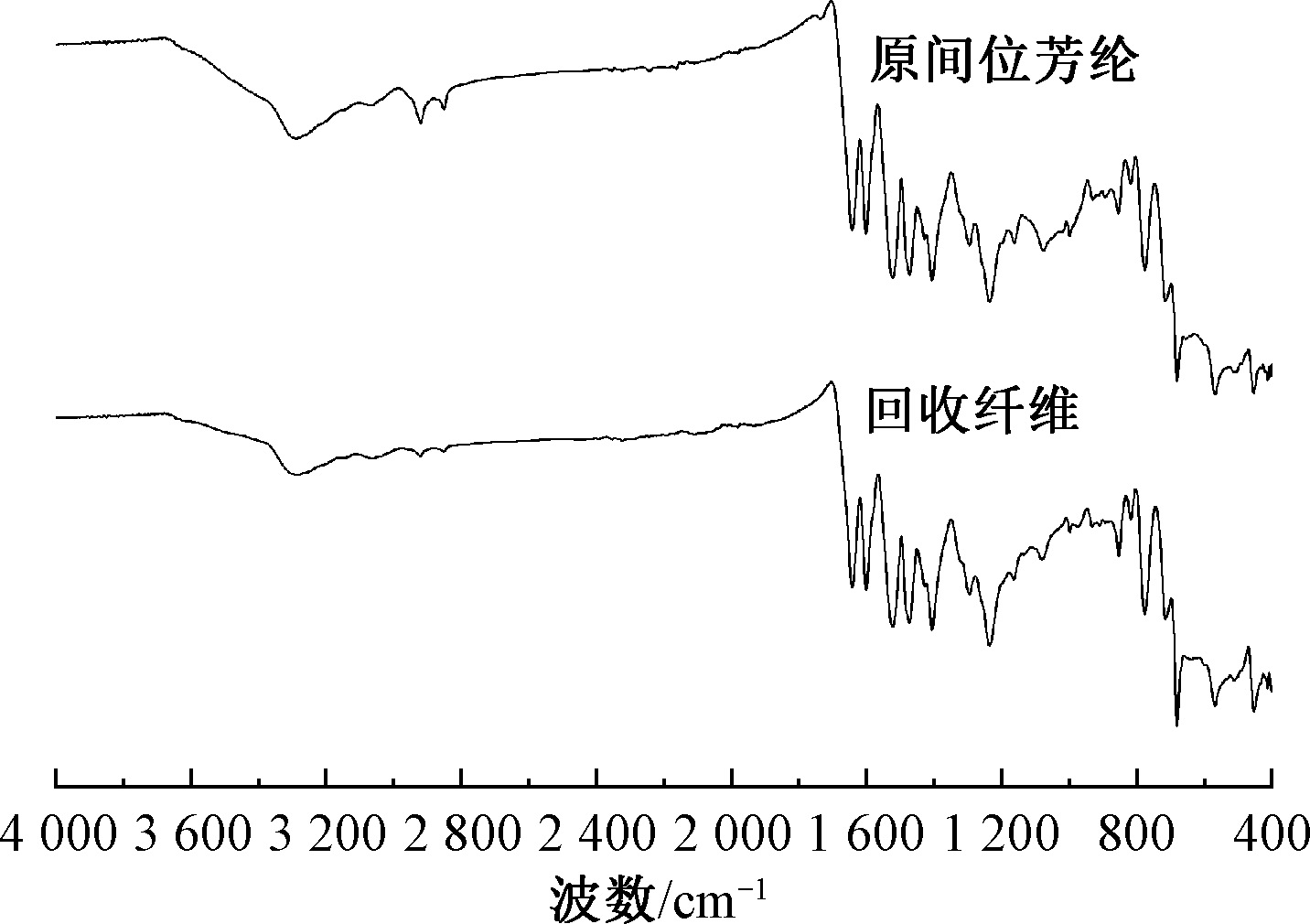
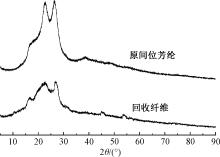
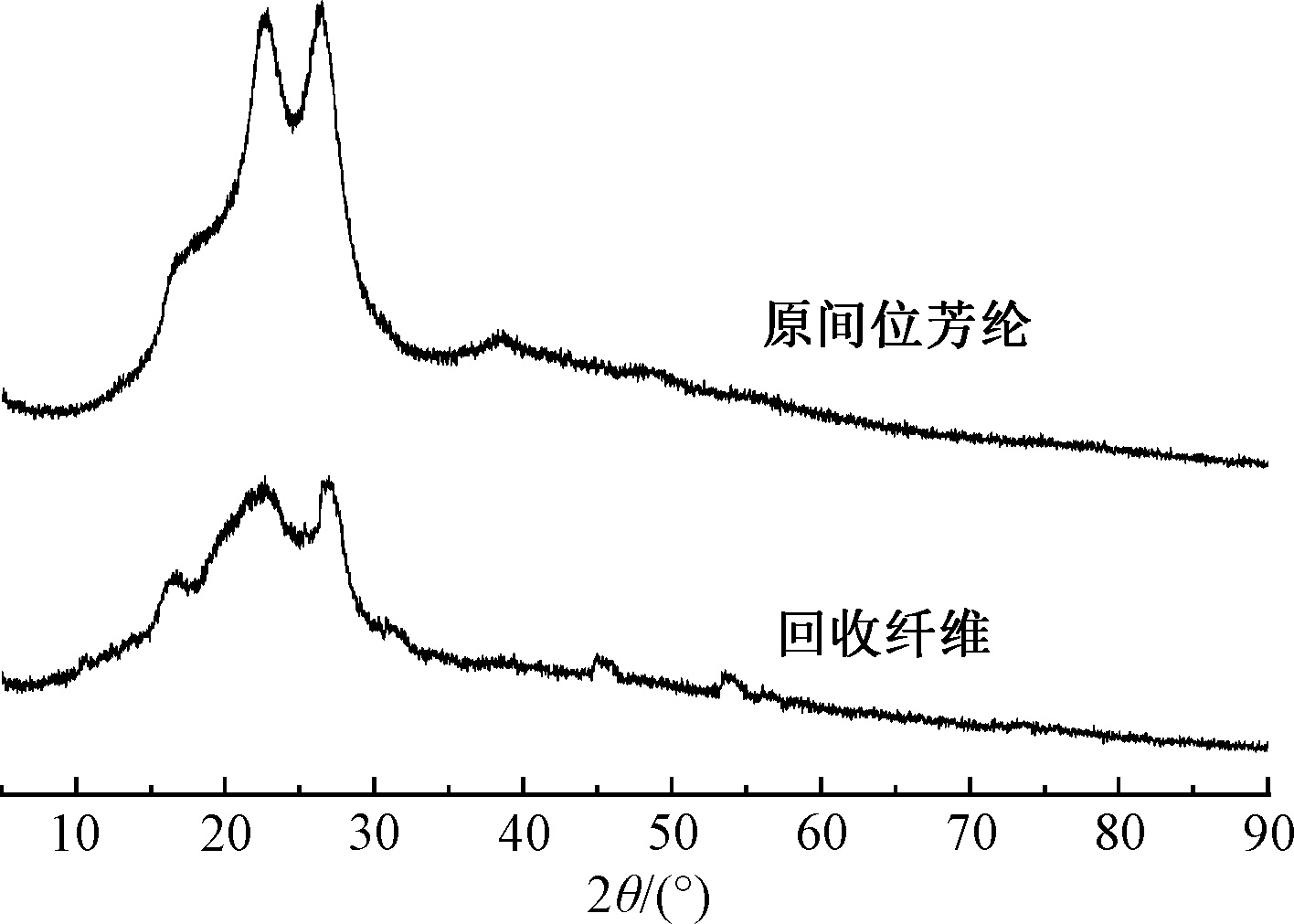
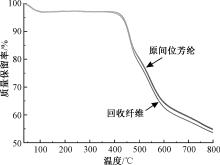
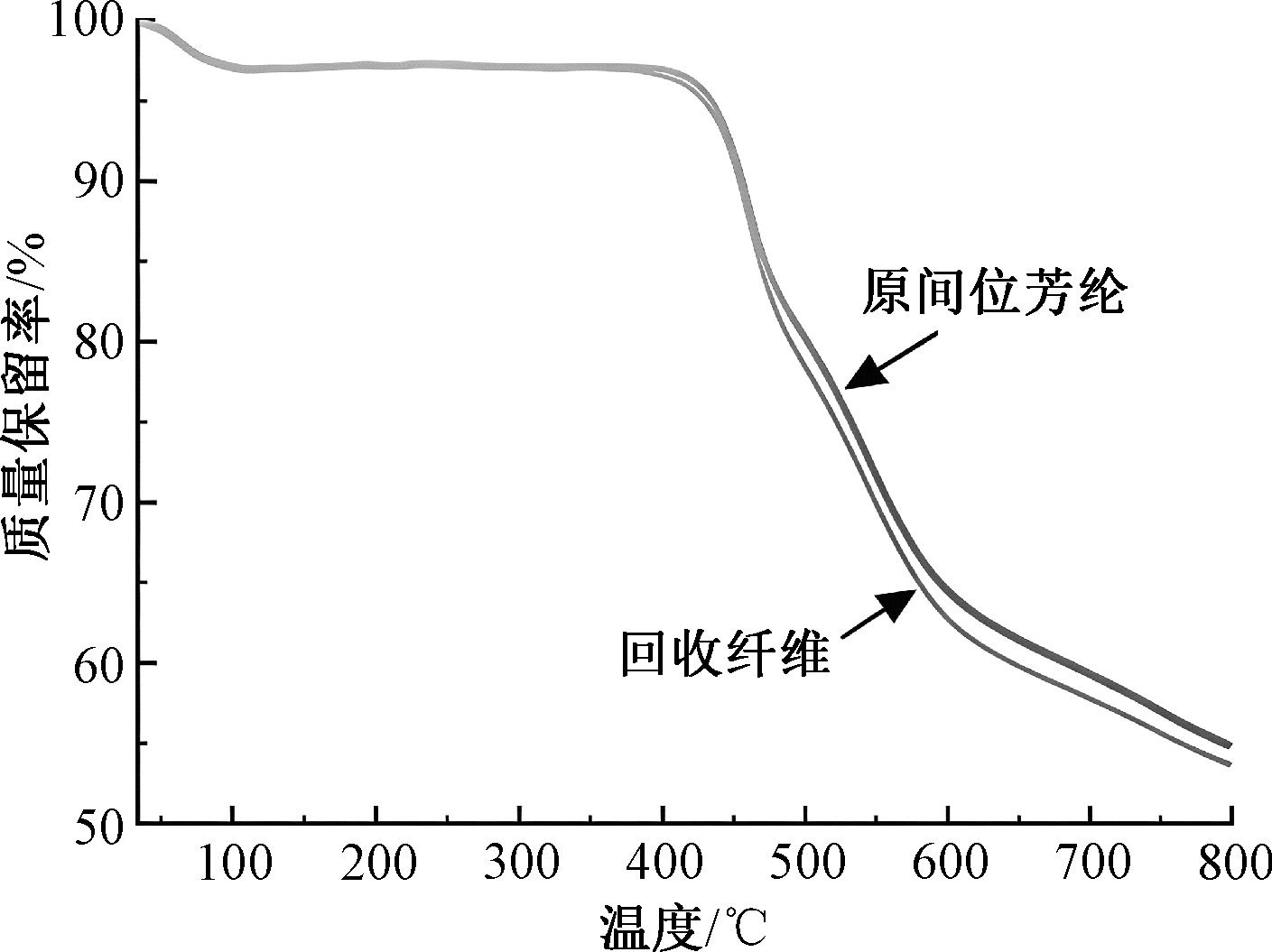
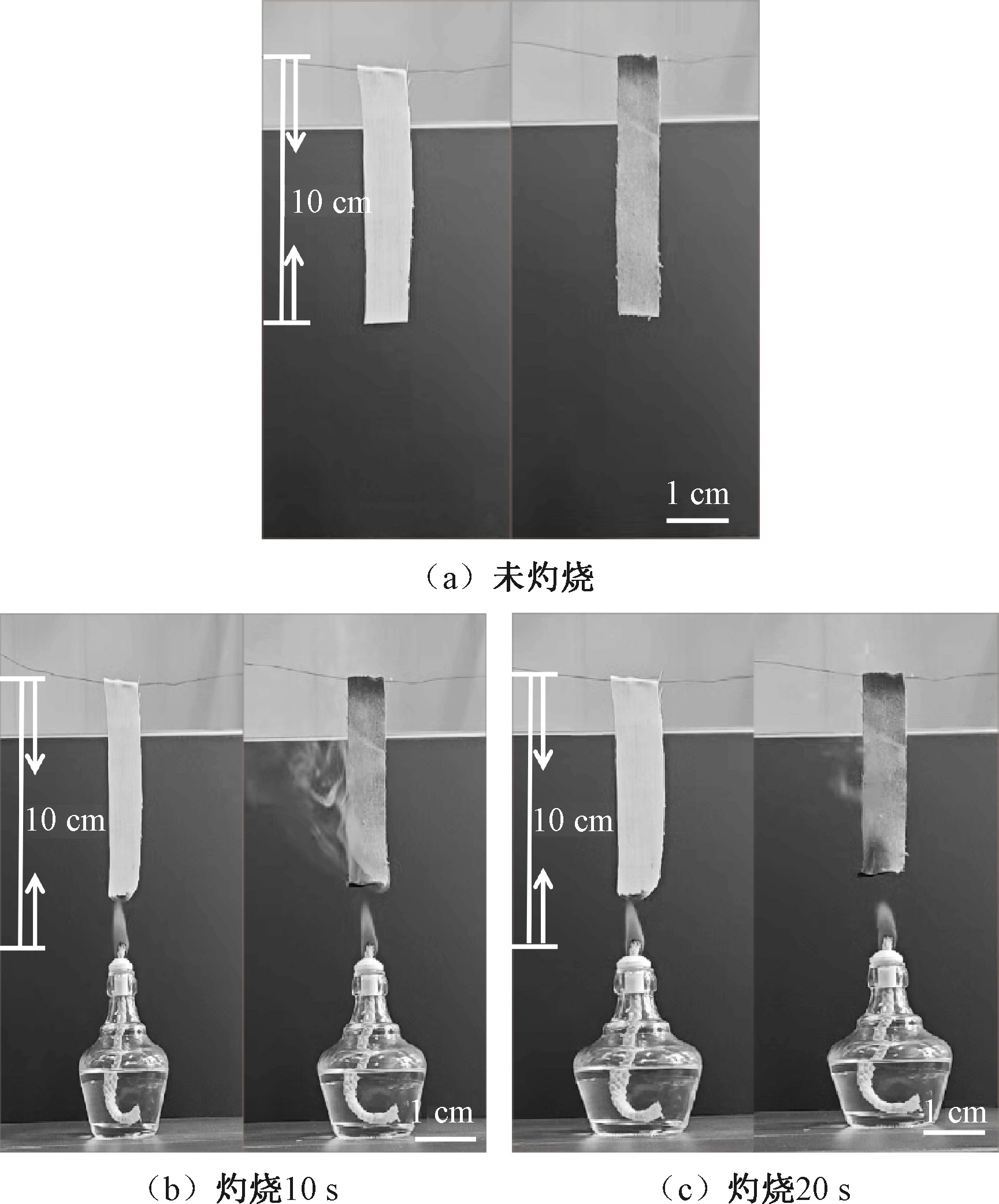
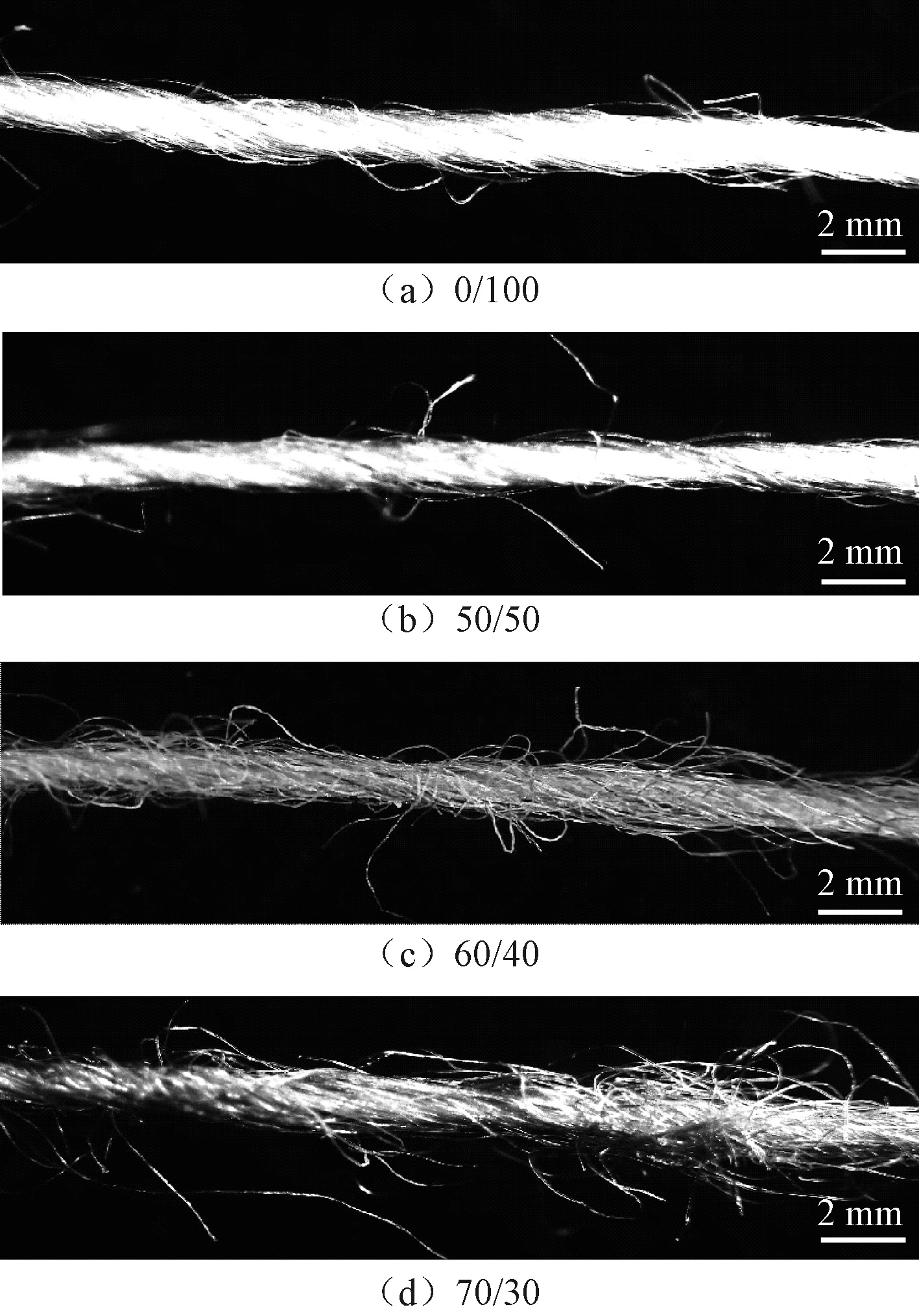
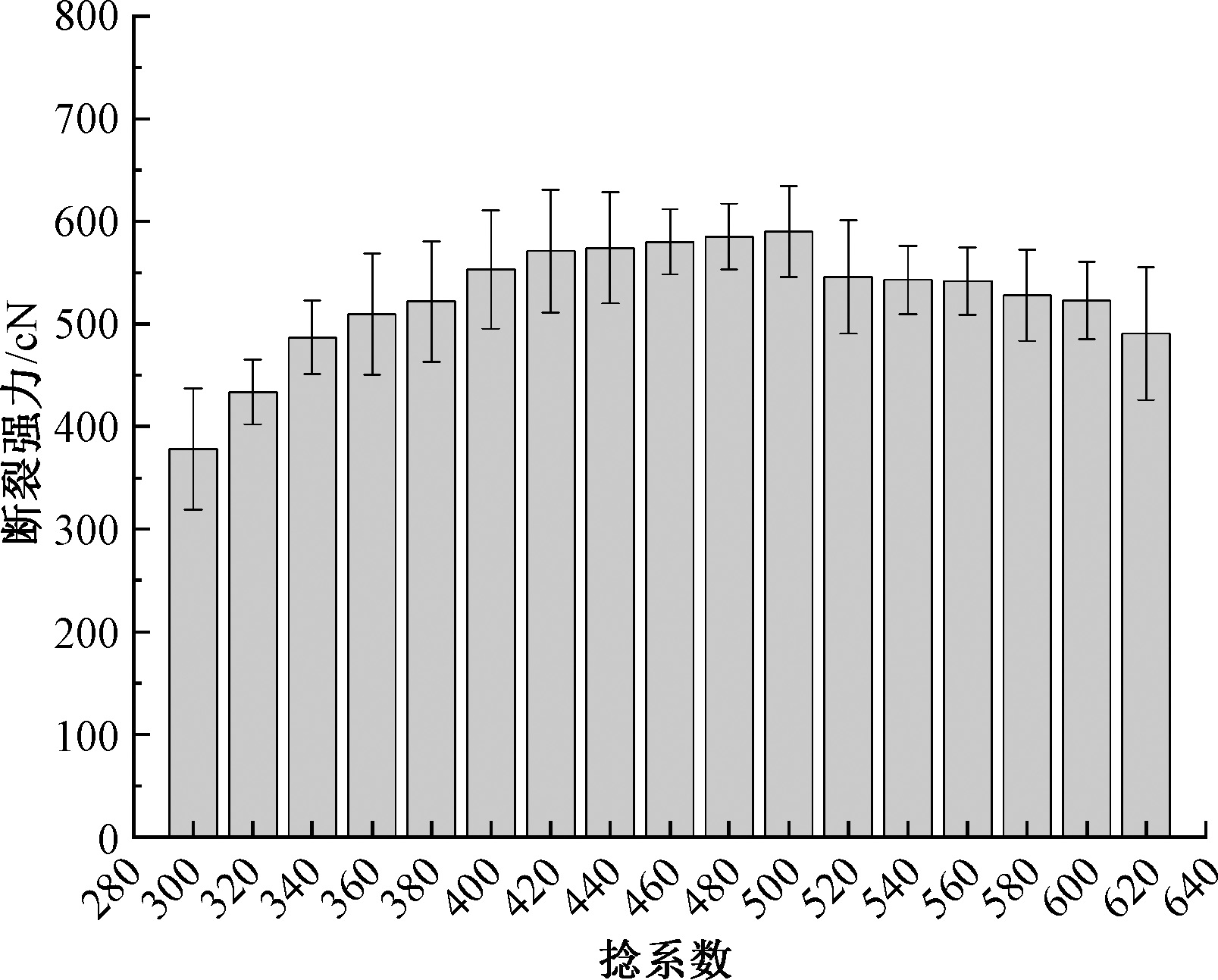
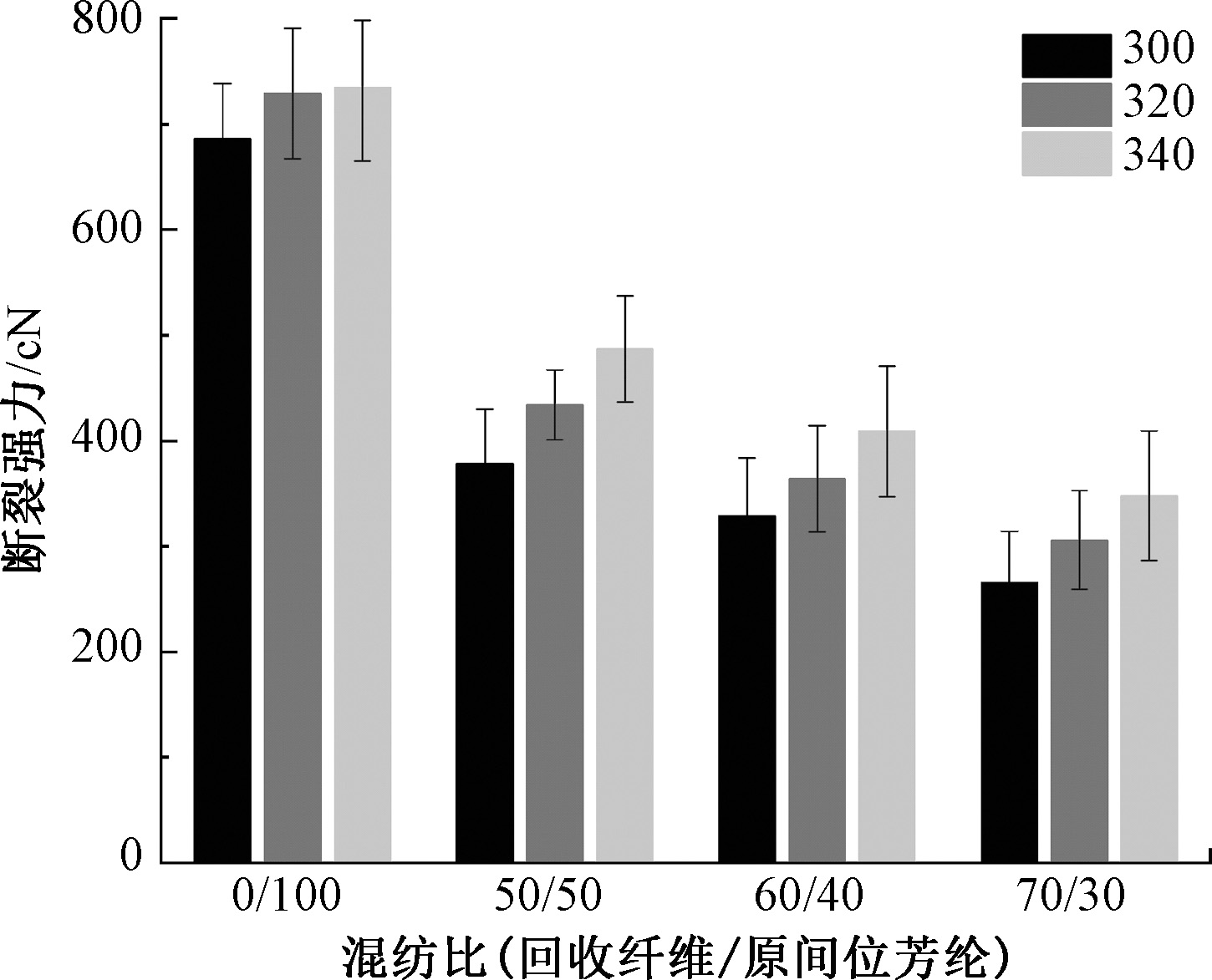
为了实现对废旧芳纶阻燃服的高价值利用,采用机械法处理废旧芳纶阻燃服获得回收纤维,研究其基本物化性能和阻燃性能。并将芳纶回收纤维与原间位芳纶进行混纺制备阻燃纱线,探讨混纺比和捻系数对混纺阻燃纱线性能的影响。结果表明:回收纤维长度一致性较差,断裂强力和结晶度较原间位芳纶有所下降,但其分子主体链结构保持完整,热稳定性和阻燃性能未发生显著变化;混纺纱线的质量随回收纤维占比增大呈下降趋势。综合考虑,阻燃服用纱的回收纤维/原间位芳纶混纺比选择50/50,捻系数选择320。
中图分类号:
| [1] | 王一薇. 纺织废料的回收利用及安全控制[J]. 中国纤检, 2007(9): 70-71. |
| WANG Yiwei. Recycling and safety control of textile waste[J]. China Fiber Inspection, 2007(9): 70-71. | |
| [2] | 黄蒙蒙, 毕景中. 防护服装面料回收再利用前景分析[J]. 劳动保护, 2024(9): 102-103. |
| HUANG Mengmeng, BI Jingzhong. Prospect analysis of recovery and reuse of protective clothing fabrics[J]. Labour Protection, 2024(9): 102-103. | |
| [3] | 李俊, 管曼好. 热防护服装发展现状及趋势[J]. 服装学报, 2020, 5(1): 21-30. |
| LI Jun, GUAN Manhao. Development status and trends of thermal protective clothing[J]. Journal of Clothing Research, 2020, 5(1): 21-30. | |
| [4] | 施乐荣, 刘荣杰, 观梦韵, 等. 基于垃圾分类的废旧纺织品的单独回收对深圳市生活垃圾处理的碳足迹影响分析[J]. 环境卫生工程, 2018, 26(2): 4-8. |
| SHI Yuerong, LIU Rongjie, GUAN Mengyun, et al. Effects of separate recycling of household waste textile on carbon footprint of domestic waste treatment in Shenzhen based on garbage classification[J]. Environmental Sanitation Engineering, 2018, 26(2): 4-8. | |
| [5] | 袁坚. 废旧纺织品综合利用方法及政策研究[J]. 山东纺织科技, 2020, 61(4): 8-10. |
| YUAN Jian. Research on comprehensive utilization methods and policies of waste and old textiles[J]. Shandong Textile Science & Technology, 2020, 61(4): 8-10. | |
| [6] | 孙阳光, 黄哲. 废旧纺织品回收再利用研究进展[J]. 合成纤维, 2022, 51(3): 25-28, 34. |
| SUN Yangguang, HUANG Zhe. Research progress of recycling and reusing of waste textiles[J]. Synthetic Fiber in China, 2022, 51(3): 25-28, 34. | |
| [7] | 黄晓梅, 唐虹, 严轶. 纺织废料的处理与生态问题[J]. 纺织科学研究, 2000(3): 12-16. |
| HUANG Xiaomei, TANG Hong, YAN Yi. Treatment of textile waste and ecological problems[J]. Textile Science Research, 2000(3): 12-16. | |
| [8] | 严涛海, 梅贺芳. 废旧纺织品机械法回收再利用综述[J]. 轻纺工业与技术, 2013, 42(6): 73-75. |
| YAN Taohai, MEI Hefang. Summary of mechanical recycling of waste textiles[J]. Light and Textile Industry and Technology, 2013, 42(6): 73-75. | |
| [9] | 沈娅, 陈涛, 张立杰. 废旧纺织服装回收与再利用研究进展[J]. 纺织学报, 2023, 44(7): 232-239. |
| SHEN Ya, CHEN Tao, ZHANG Lijie. Research progress in recycling and reuse of waste textiles and clothing[J]. Journal of Textile Research, 2023, 44(7): 232-239. | |
| [10] | 杨露, 孟家光, 陈雨青, 等. 基于废旧纺织品的湿度响应纤维素/聚氨酯复合材料的制备及其性能[J]. 纺织学报, 2025, 46(2): 26-34. |
|
YANG Lu, MENG Jiaguang, CHEN Yuqing, et al. Preparation and properties of humidity-responsive cellulose/polyurethane composites based on waste textiles[J]. Journal of Textile Research, 2025, 46(2): 26-34.
doi: 10.1177/004051757604600104 |
|
| [11] | 侯长勇. 细纱工序质量控制要点[J]. 棉纺织技术, 2019, 47(3): 53-56. |
| HOU Changyong. Key quality control points in spinning process[J]. Cotton Textile Technology, 2019, 47(3): 53-56. | |
| [12] | 侯长勇. 浅谈提高细纱工序纺纱质量[J]. 纺织器材, 2020, 47(6): 32-35. |
| HOU Changyong. Discussion on the methods of improving the spinning quality in spinning process[J]. Textile Accessories, 2020, 47(6): 32-35. | |
| [13] | 孙臣, 王静茹, 席亚伟, 等. 橙皮回收纤维面料的开发与生产实践[J]. 染整技术, 2024, 46(4): 22-24. |
| SUN Chen, WANG Jingru, XI Yawei, et al. Development and production practice of orange peel recycled fiber fabric[J]. Textile Dyeing and Finishing Journal, 2024, 46(4): 22-24. | |
| [14] | 张翰昱. 废旧涤棉回收纤维与黏胶纤维混纺纱的性能[J]. 辽东学院学报(自然科学版), 2022, 29(4): 245-248. |
| ZHANG Hanyu. Performance of recycled polyester cotton fiber and viscose fiber blended yarn[J]. Journal of Liaodong University (Natural Sciences), 2022, 29(4): 245-248. | |
| [15] | 杨迎雪, 高念钊, 邓年明, 等. 废旧涤纶纺织品再生循环利用的研究进展[J]. 纺织学报, 2025, 46(12): 251-259. |
| YANG Yingxue, GAO Nianzhao, DENG Nianming, et al. Recent advances in recycling of polyethylene terephthalate textiles waste[J]. Journal of Textile Research, 2025, 46(12): 251-259. | |
| [16] | 王毅, 付维娟, 李烨, 等. 间位芳纶对位芳纶混和物的定量化学分析方法[J]. 棉纺织技术, 2018, 46(8): 36-39. |
| WANG Yi, FU Weijuan, LI Ye, et al. Quantitative chemical analysis method for mixture of meta-aramid fiber and para-aramid fiber[J]. Cotton Textile Technology, 2018, 46(8): 36-39. | |
| [17] |
孙壮壮, 张文涛, 严鑫涛, 等. 间位芳纶表面结构预调控对染色性能的影响研究[J]. 化工新型材料, 2025, 53(9): 237-242.
doi: 10.19817/j.cnki.issn1006-3536.2025.09.037 |
|
SUN Zhuangzhuang, ZHANG Wentao, YAN Xintao, et al. Study on the effect of surface structure pre-regulation of meta-aramid on dyeing performance[J]. New Chemical Materials, 2025, 53(9): 237-242.
doi: 10.19817/j.cnki.issn1006-3536.2025.09.037 |
|
| [18] | 张素风, 孙召霞, 豆莞莞, 等. 间位芳纶纤维及浆粕的热性能分析[J]. 陕西科技大学学报(自然科学版), 2013, 31(4): 5-8. |
| ZHANG Sufeng, SUN Zhaoxia, DOU Guanguan, et al. Analysis of thermal performance of meta-aramid fiber and fibrids[J]. Journal of Shaanxi University of Science and Technology (Natural Science Edition), 2013, 31(4): 5-8. |
| [1] | 吕丽华, 潘佳欣, 张多多. 废弃大麻纤维吸声复合材料的制备及其性能[J]. 纺织学报, 2026, 47(05): 133-140. |
| [2] | 张旭, 许云凯, 刘云. 植酸改性茶多酚阻燃涤纶织物的制备及其性能[J]. 纺织学报, 2026, 47(05): 182-189. |
| [3] | 康青青, 尉霞, 罗璟娴. 接枝丝胶蛋白间位芳纶织物的制备及其性能[J]. 纺织学报, 2026, 47(04): 163-170. |
| [4] | 张涛, 张富丽, 郭红, 李钊, 李丹, 王涯舟, 林沩. 不同纤维素纳米晶的制备及其对复合膜功能的影响[J]. 纺织学报, 2026, 47(02): 247-254. |
| [5] | 岳献阳, 王少博, 黄鑫, 王艳芝, 李冲冲, 张晓晓. 黄麻织物基磁性含氮多孔碳对Cr(VI)的吸附性能[J]. 纺织学报, 2026, 47(02): 255-263. |
| [6] | 董振峰, 张安莹, 魏建斐, 朱志国, 王锐. 阻燃左旋聚乳酸/季戊四醇磷酸酯纤维及织物的制备与性能[J]. 纺织学报, 2026, 47(01): 63-71. |
| [7] | 候志文, 任泽苹, 王晓宁, 张天骄. 棉织物的壳聚糖/海藻酸盐抗菌阻燃整理及其性能[J]. 纺织学报, 2025, 46(12): 171-180. |
| [8] | 杨迎雪, 高念钊, 邓年明, 江敬辉, 董庆奇, 刘向东. 废旧涤纶纺织品再生循环利用的研究进展[J]. 纺织学报, 2025, 46(12): 251-259. |
| [9] | 高敏, 程春祖, 徐中凯, 赵庆波, 张东, 代欣欣. 含硅改性磷氮阻燃Lyocell纤维的制备及其性能[J]. 纺织学报, 2025, 46(10): 19-29. |
| [10] | 许云凯, 宋婉萌, 张旭, 刘云. 单宁酸基高效阻燃Lyocell织物的制备及其性能[J]. 纺织学报, 2025, 46(08): 145-153. |
| [11] | 徐文豪, 陈琳, 徐世美, 汪秀丽, 王玉忠. 涤纶乙二醇解产物在甲醇酯交换过程的转化规律[J]. 纺织学报, 2025, 46(06): 1-7. |
| [12] | 史晟, 王涯舟, 王淑花, 庞明科, 李鑫, 张美玲, 高承永. 废旧涤纶醇解及含氟水性聚氨酯的制备[J]. 纺织学报, 2025, 46(06): 8-16. |
| [13] | 魏志强, 刘新华. 耐热仿生结构色织物的制备及其性能[J]. 纺织学报, 2025, 46(05): 195-201. |
| [14] | 廖喜林, 曾媛, 刘淑萍, 李亮, 李淑静, 刘让同. 磷/氮/硅复配协效阻燃棉织物制备及其性能[J]. 纺织学报, 2025, 46(03): 151-157. |
| [15] | 乔思杰, 邢桐贺, 童爱心, 史芷丞, 潘恒, 刘可帅, 余豪, 陈凤翔. 不同聚乳酸材料的性能对比[J]. 纺织学报, 2025, 46(03): 27-33. |
|
||
 京公网安备11010502044800号